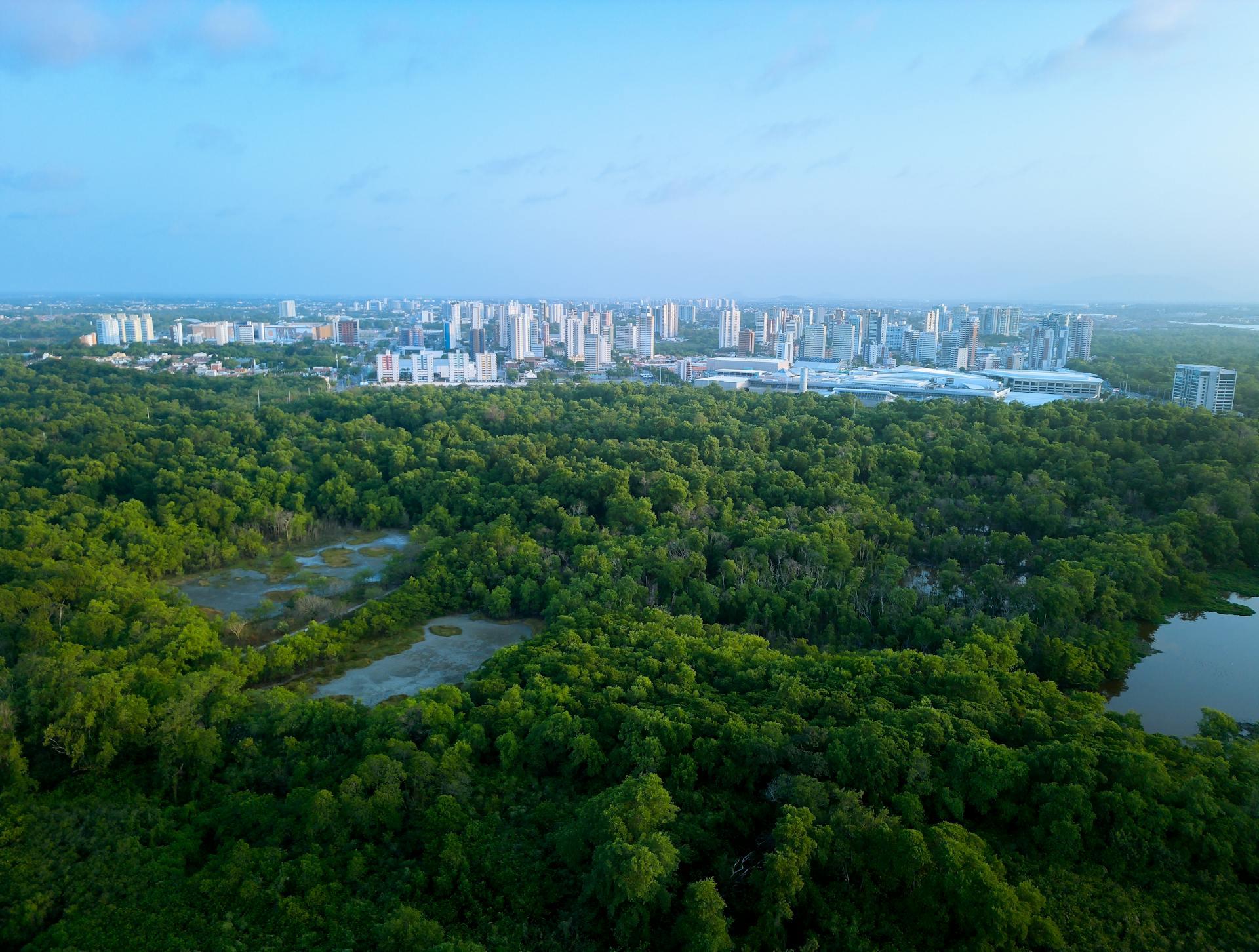

Canada has been moving towards sustainable building trends in recent years, and it is no surprise that net zero buildings are becoming more popular nationwide. As people worry more about climate change, the demand for energy-efficient buildings has risen.
This practical guide explores everything you need to know about net-zero buildings in Canada, their pros and cons, and how architects and related professionals contribute to the green revolution. We will cover sustainable architecture in Canada, net-zero building strategies, and where they might go.





What is a net-zero building in Canada?
First things first. A net zero building in Canada is a highly energy-efficient structure designed to have zero or less lifecycle greenhouse gas (GHG) emissions. But how is this achieved? These buildings achieve this balance by combining solar energy systems design and installing energy-efficient systems and appliances.
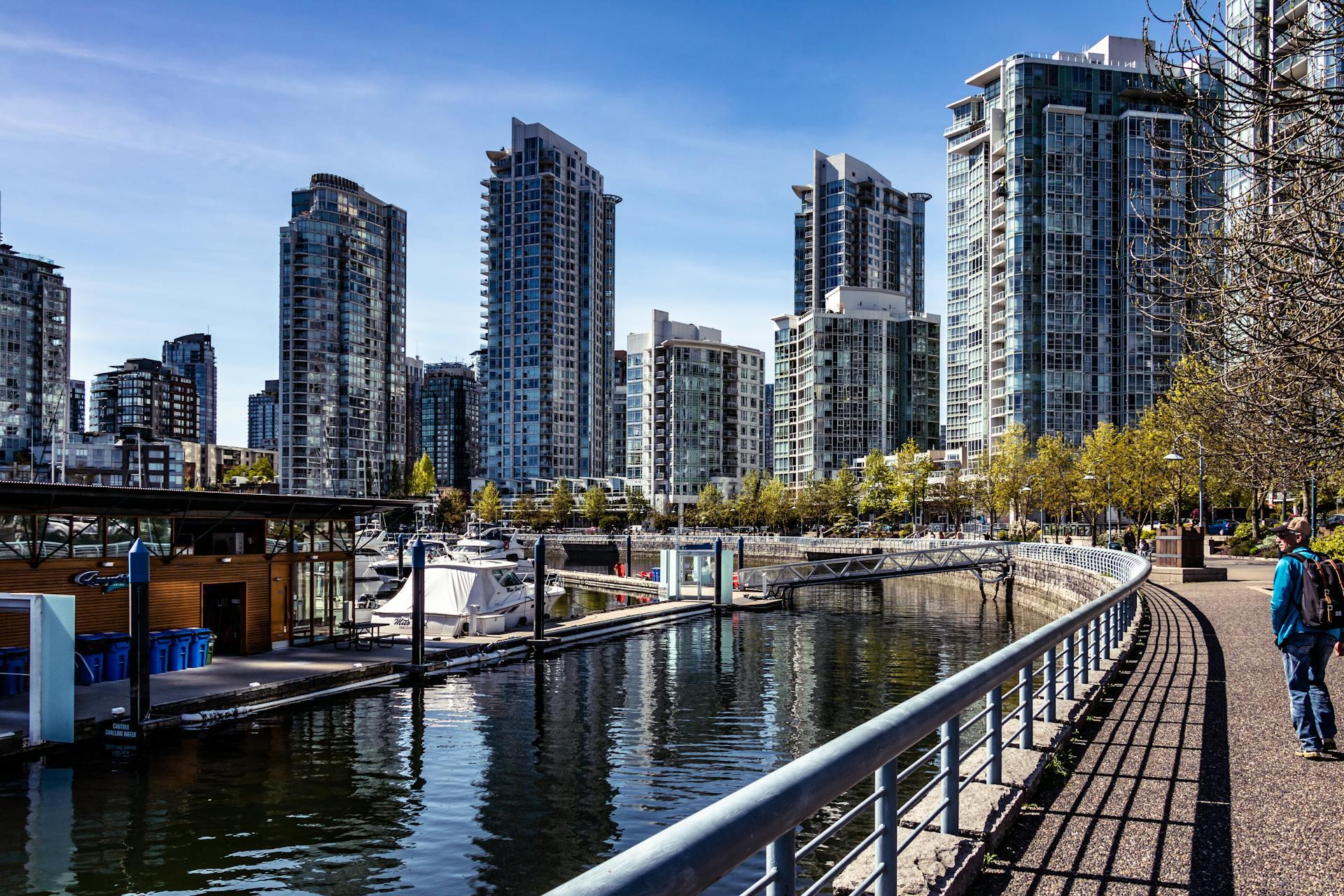
Key components of Net-Zero buildings
Net-zero buildings rely on several key components that make this innovative, sustainable construction possible. Let's discover them below:
Net-zero designs optimize the building to maximize the use of natural resources. They design space to benefit from sustainable lighting solutions and maximize the amount of natural light, lessening energy bills without sacrificing comfort.
Green building technology means integrating advanced technologies throughout all lifecycle stages in the design, construction, operation, maintenance, renovation, and even demolition of buildings that minimize environmental impacts.
Super-insulation and super-sealing reduce heat loss, reducing the demand for heating and air conditioning energy.
Advanced heating, ventilation, air conditioning, lighting, and appliance systems reduce energy use in a net-zero building.
Most of these net-zero buildings incorporate solar panels, which provide the bulk of renewable energy, but geothermal and wind can also be integrated.
It's important to note that there are two main categories of net-zero buildings in Canada:
- Net Zero Energy (NZE): These buildings produce as much energy as they consume annually and are expected to be more energy efficient than ordinary buildings.
- Net Zero Energy Ready (NZEr): These buildings are designed to become NZE with the addition of renewable energy systems in the future.
Green Fun Fact!
According to Natural Resources Canada, NZER buildings are typically 80 percent more energy efficient than typical new buildings.
Main benefits of Net-Zero buildings
Net zero energy buildings offer numerous advantages for owners, occupants, and the environment. Let's learn more about this green revolution!
1. Positive environmental outcomes 🌍
Net zero energy buildings contribute to mitigating greenhouse gas emissions and reducing carbon footprints. Their energy-efficiency housing design optimizes resource use, lowering energy and water consumption.
2. Bring economic benefits ✅
Another significant long-term benefit of net-zero energy buildings is reduced energy consumption, which could mean savings on utility bills and price fluctuations. In addition, NZE buildings tend to have a higher resale value and property value, plus many Canadian provinces offer incentives for their construction.
3. Healthier indoor environment 🌿
Better insulation will help occupants maintain constant indoor temperatures, improve indoor air quality, reduce exterior noise, and provide adequate ventilation. This is achieved through low-emission materials, efficient ventilation systems, and a design that maximizes using natural light and green roofing systems to promote vegetation, as well as other natural resources.
4. Lower energy demand ⬇️
Implementing good insulation and efficient systems lowers heating, air conditioning, and lighting costs. These buildings' great feature is their ability to maintain low energy consumption throughout their lifetime, resulting in a sustained reduction in related operating expenses.
5. Buildings with long-term resilience 💪
Since these buildings currently incorporate advanced technologies, they are less likely to become outdated quickly. Their design allows the building to maintain efficiency and comply with new energy regulations without undergoing expensive renovations after a medium- and long-term period. Plus, they must be internationally certified as sustainable buildings.
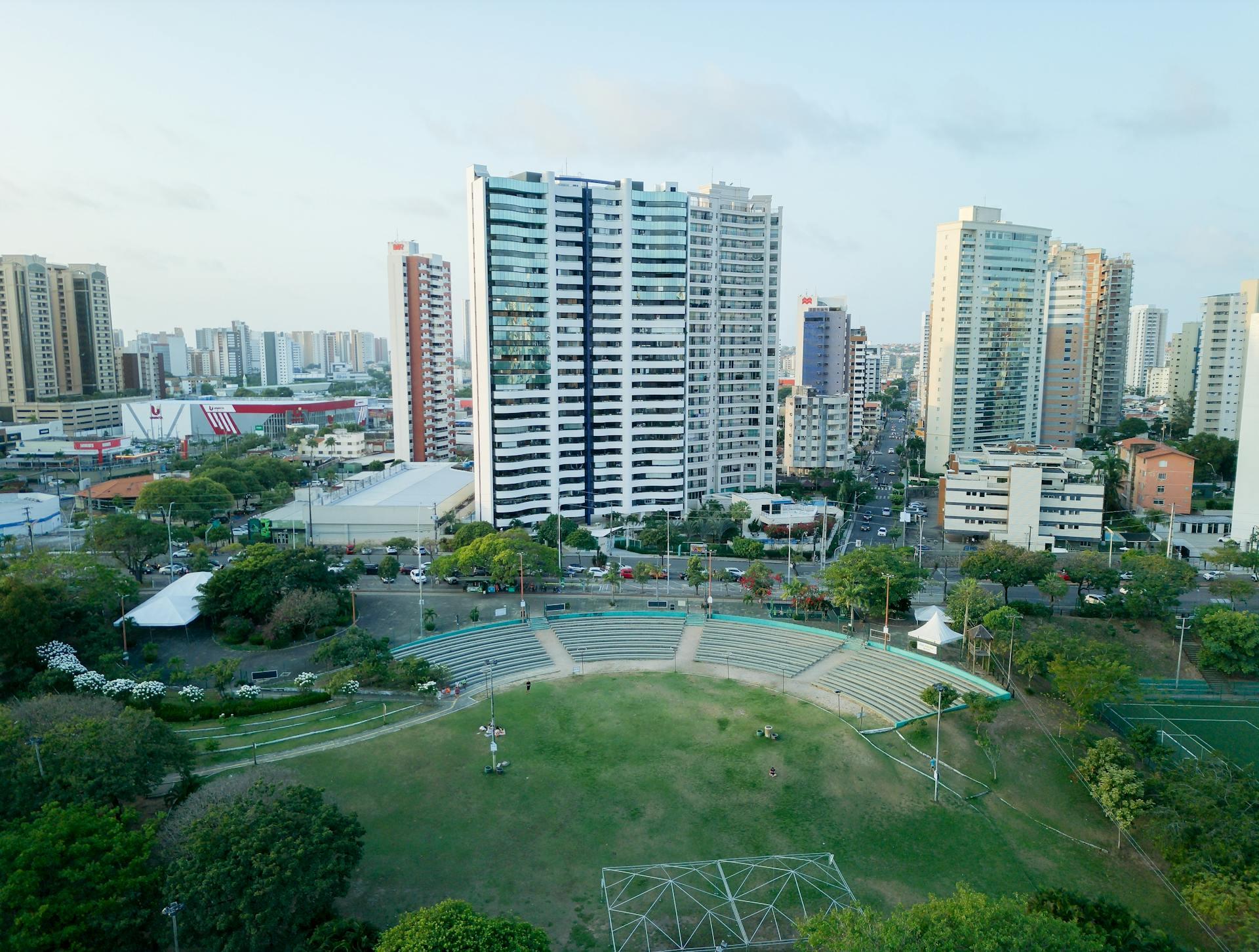
Net-Zero buildingsmust-haves
Net-zero buildings represent a significant advance in sustainable architecture in Canada. To achieve their green goals, their design and functionality incorporate sustainable building materials, enabling their high energy efficiency. Here are some of their key features:
From super-insulation to efficient water management, each element reduces environmental impact and optimizes energy efficiency. Moreover, these principles contribute to energy efficiency and emissions reduction and set a new standard for sustainable construction in the country. Their progressive adoption promises a more sustainable and environmentally friendly development of Canadian cities.
Are there any net zero buildings in Canada?
Yes, Canada has made significant advancements in the construction of zero-balance buildings. Below are some examples of net zero buildings across the country:
- Evolv1 is located in Waterloo, Ontario, and it is the first office building to achieve the CaGBC Zero Carbon Building Design Standard and the Zero Carbon Building Performance.
- Joyce Centre for Partnership & Innovation, Mohawk College, Hamilton, Ontario, is an academic building recognized as a net-zero institutional building in Canada.
- The Mosaic Centre for Conscious Community and Commerce, located in Edmonton, Alberta, was one of the first net-zero offices in Canada.
- Edmonton's Riverdale NetZero Energy House is one of Canada's first net-zero homes, built by 45 professionals and volunteers.
- The University of British Columbia has lately been working toward making its buildings and campus energy supply run on net zero emissions after establishing UBC's Climate Action Plan 2030.
- The Mohawk College Joyce Centre for Partnership & Innovation in Hamilton is Canada's largest net-zero energy institutional facility and the first-ever Zero-Carbon Building.
These projects demonstrate that net zero building is possible across Canada. The rise of net zero projects will continue to grow as more developers, architects, and building owners realize the advantages of this approach and the long-term cost savings.

Does Canada have a net-zero target?
Canada has set net-zero energy targets as part of its commitment to combat climate change. The Canadian Net-Zero Emissions Accountability Act establishes Canada's commitment to achieving net-zero emissions by 2050. This law will ensure, with transparency, that progress is delivered for all Canadians as the government works toward its climate targets.
In addition, the 2030 Emissions Reduction Plan reflects how provinces, territories, and Canadians have committed to reducing emissions by 40% to 45% by 2030. The Canadian government also launched the Net Zero Challenge to encourage Canadian businesses to develop and implement achievable and effective strategies to transition to net zero emissions by 2050.
How to learn about net-zero buildings in Canada?
As Canada achieves its ambitious net zero building goals, the demand for architects, designers, and construction experts specializing in sustainability will only grow. So, if you familiarize yourself with the principles and practices of net zero construction, you can also be positioned to lead this evolving sector.
Want to prepare yourself best to take the next step toward net-zero buildings? Consider these actions:
- Explore certification programs such as the CaGBC's Zero Carbon Building Standard.
- Join professional organizations dedicated to sustainable building to stay updated on the trends.
- Attend private instruction on net zero building design and construction techniques with Superprof!
Instruction from a private professional specializing in net zero architecture can be very useful for professionals or students looking to get started in sustainable building. A private tutor can guide you through sustainable design principles and the local environmental regulations depending on where you live in Canada. Learn more about their credentials and experience if you want inspiration to redirect your career path.
Ready to take the next step in your journey towards the new sustainability? Your path to becoming a sustainable building leader begins with Superprof's private lessons, no matter where you are.
Wrap up!
Net-zero buildings in Canada represent more than just a trend; they reflect the commitment and efforts of the Government of Canada as part of its sustainable transformation. If you are an architect or building professional, knowing the principles of net zero buildings will be necessary from an environmental and economic point of view. Benefits such as reduced long-term costs, increased property value, and improved occupant comfort make net zero buildings an attractive and innovative option for new generations.

Summarize with AI:
Did you like this article? Leave a rating!


 Loading...