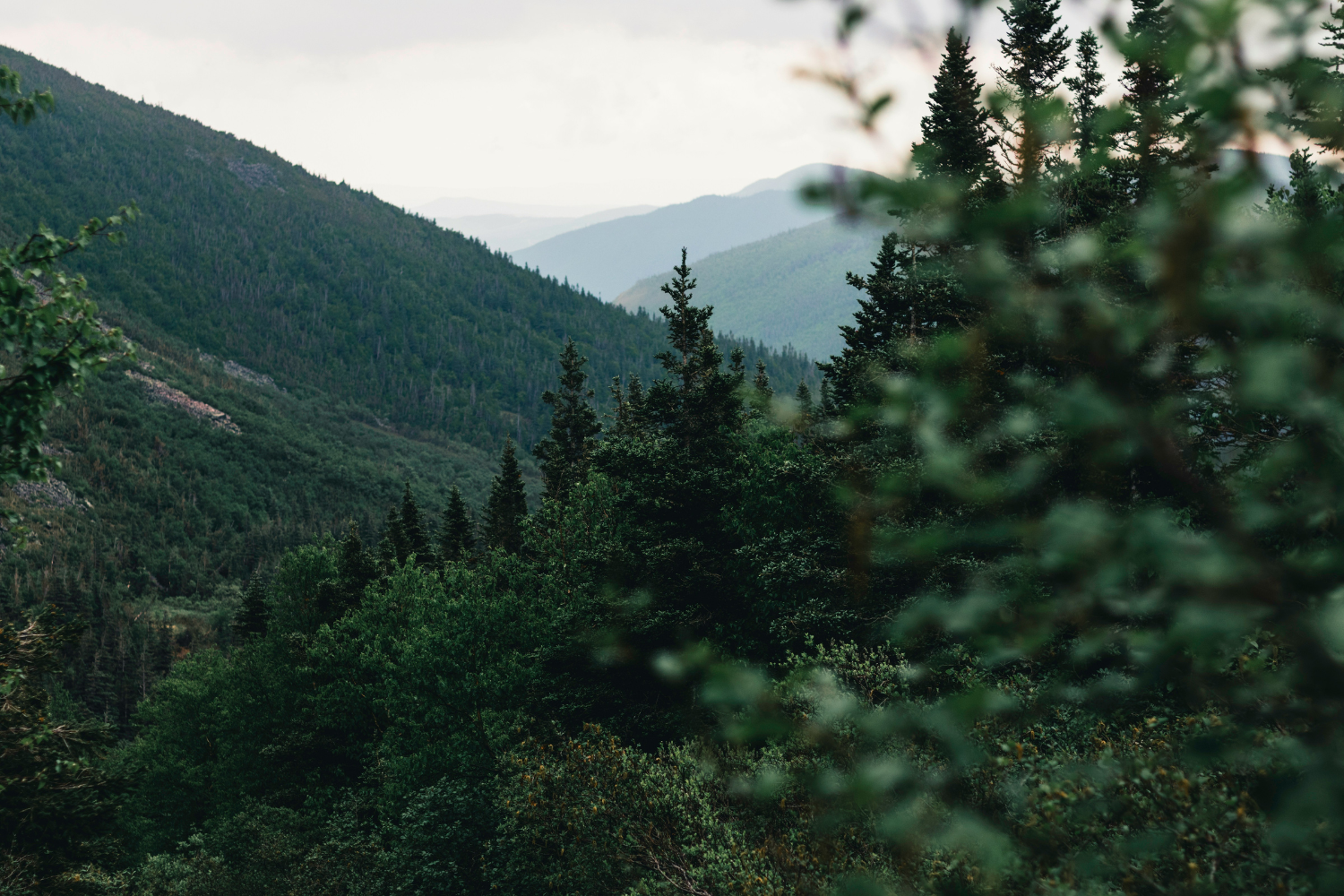

Located in the heart of eastern Quebec, Gaspésie National Park is a magnificent destination that invites visitors to explore its rugged landscapes, rich wildlife, and remarkable trails. From climbing to the top of Mont Jacques-Cartier to observing unique species in their natural habitat, this park provides a quintessential Quebec wilderness experience.





How Big is Gaspésie National Park?
Covering approximately 802 square kilometers, Parc National Gaspésie is a vast, wild landscape featuring mountains, forests, and waterways. Established to protect the unique ecosystems of the Monts Chic-Chocs and McGerrigle Mountains, it’s one of Quebec’s most impressive national parks. Visitors can explore a variety of terrains, from the rugged peaks of Mont Jacques-Cartier to the lush surroundings of Lac aux Américains.
In comparison, Gros Morne National Park in Newfoundland spans roughly 1,805 square kilometers, making it more than twice the size of Gaspésie. While Gaspésie National Park is renowned for its mountainous terrain and alpine forests, Gros Morne is celebrated for its fjords, glacial valleys, and unique geology. Both parks offer distinctive experiences that showcase Canada’s diverse wilderness.
What to Do in Gaspésie National Park?
Gaspésie National Park offers a diverse range of year-round activities, making it an ideal destination for both adventure seekers and nature lovers. Whether you visit in summer or winter, there are countless ways to experience the park’s rugged beauty and abundant wildlife.
Hiking Trails
In the warmer summer months, hiking is a top activity. Popular trails like Mont Jacques-Cartier and Mont Albert provide breathtaking views of the Chic-Choc Mountains, offering hikers an immersive experience in Quebec’s natural beauty. You can read more below.
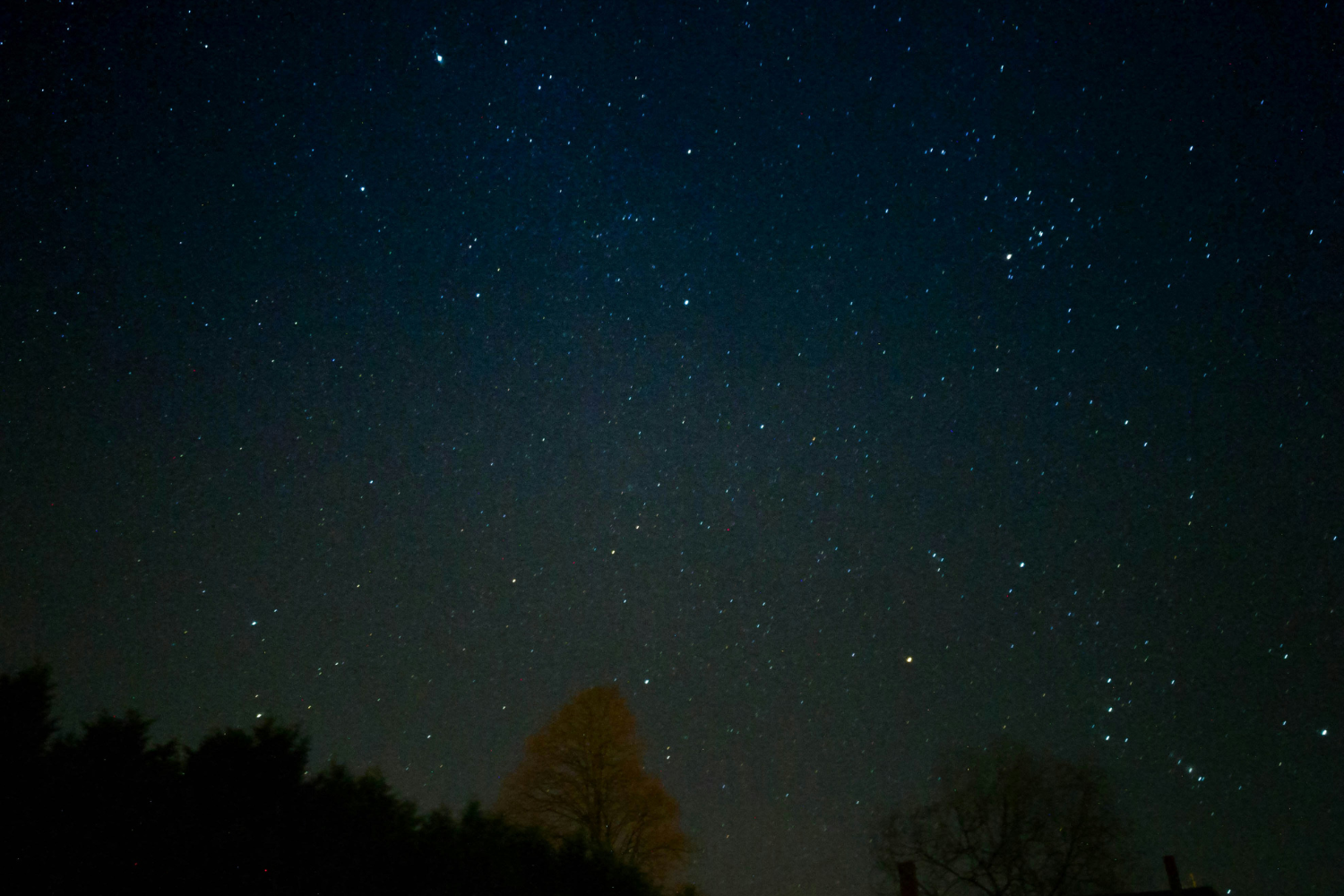
The park also provides camping services and cozy cabins so that visitors can enjoy stargazing by night and early morning wildlife sightings.
Wildlife Observations
If you’re hoping to spot wildlife, the park’s Discovery and Visitors Centre is a valuable resource. It offers guidance on the best times and spots to view animals like the caribou, which is often seen near Mont Jacques-Cartier in summer, and moose and black bears, commonly found in the lower forested areas. You can read more below.
Water Activities: Canoeing, Kayaking, and Fishing
For those interested in water activities, Gaspésie has several lakes for canoeing, kayaking, and fishing. Lac Cascapedia is a popular spot for fishing brook trout, though visitors will need to purchase a permit at the registration centre and follow local regulations on catch limits and bait. Canoeing or kayaking on Lac Cascapedia or Lac aux Américains provides a peaceful way to connect with the park’s serene landscape, with canoe rentals available seasonally at Gîte du Mont-Albert.
Winter Sports and Adventures
Winter in Gaspésie National Park is equally enchanting, transforming the park into a snowy wonderland. Cross-country skiing, snowshoeing, and even ice climbing are popular activities. Winter travelers are advised to monitor weather conditions, as temperatures can become extreme in these mountainous areas.
Compared to Jasper National Park in Alberta, which offers similar year-round activities, Gaspésie provides a distinct eastern Canadian mountain experience. While Jasper showcases the grandeur of the Rockies with its alpine lakes and rugged peaks, Gaspésie is known for the lush forests, alpine tundra, and coastal views of the Chic-Chocs.
Each park offers a unique way to experience Canada’s diverse wilderness, with Gaspésie’s intimate trails and varied ecosystems offering a different adventure from Jasper’s vast open spaces and glacial landscapes.
Whether for a day trip or an extended stay, Gaspésie National Park has activities for visitors of all levels, making it an unforgettable destination in Quebec’s wilderness.
What Wildlife Can You Expect to See?
Gaspésie National Park is a paradise for wildlife lovers, offering a chance to see various species in their natural surroundings.
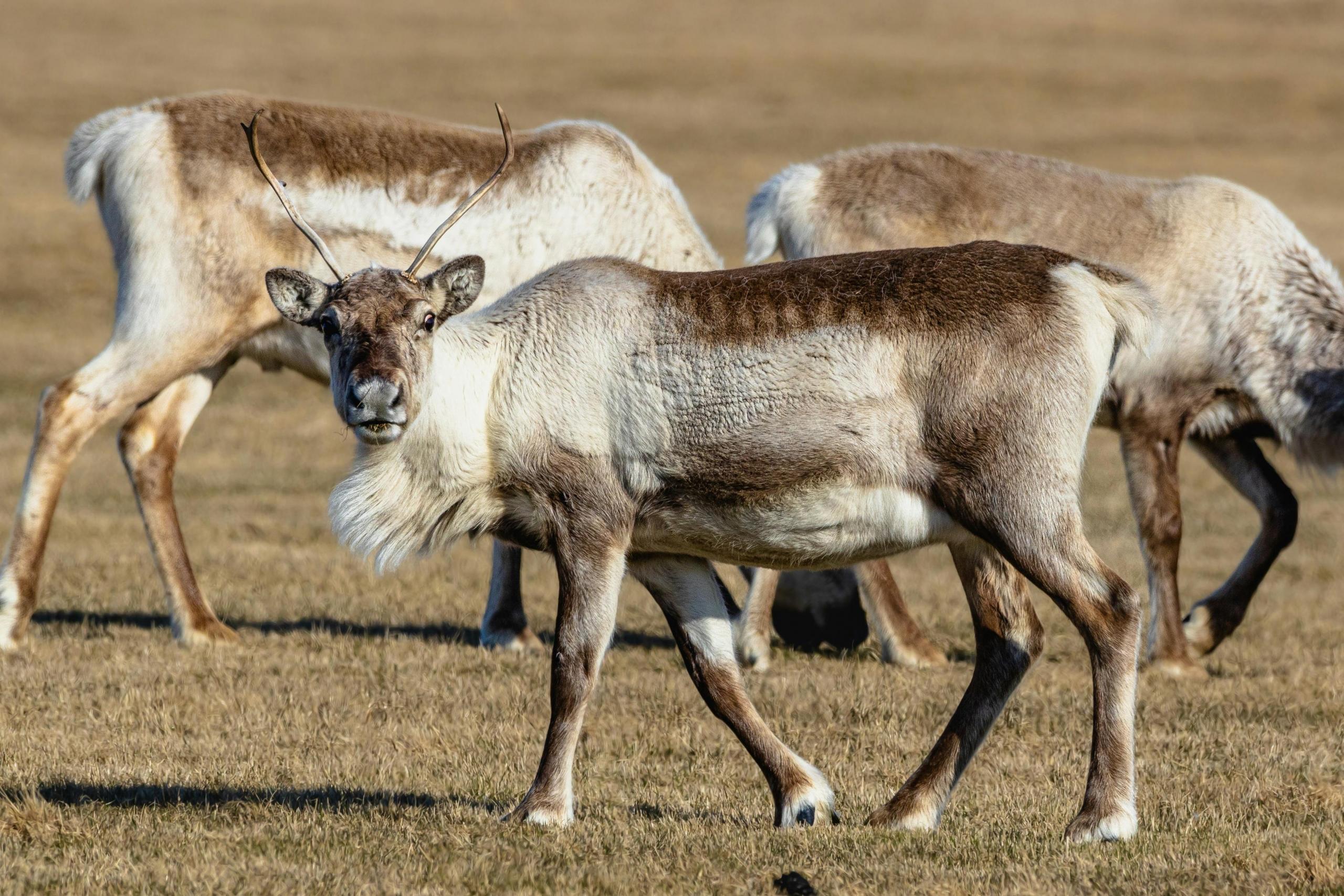
Home to Quebec’s only caribou herd, which roams near Mont Jacques-Cartier, spotting these rare animals is a memorable experience. They symbolize Canada’s wild north and play a vital role in Gaspésie’s ecosystem.
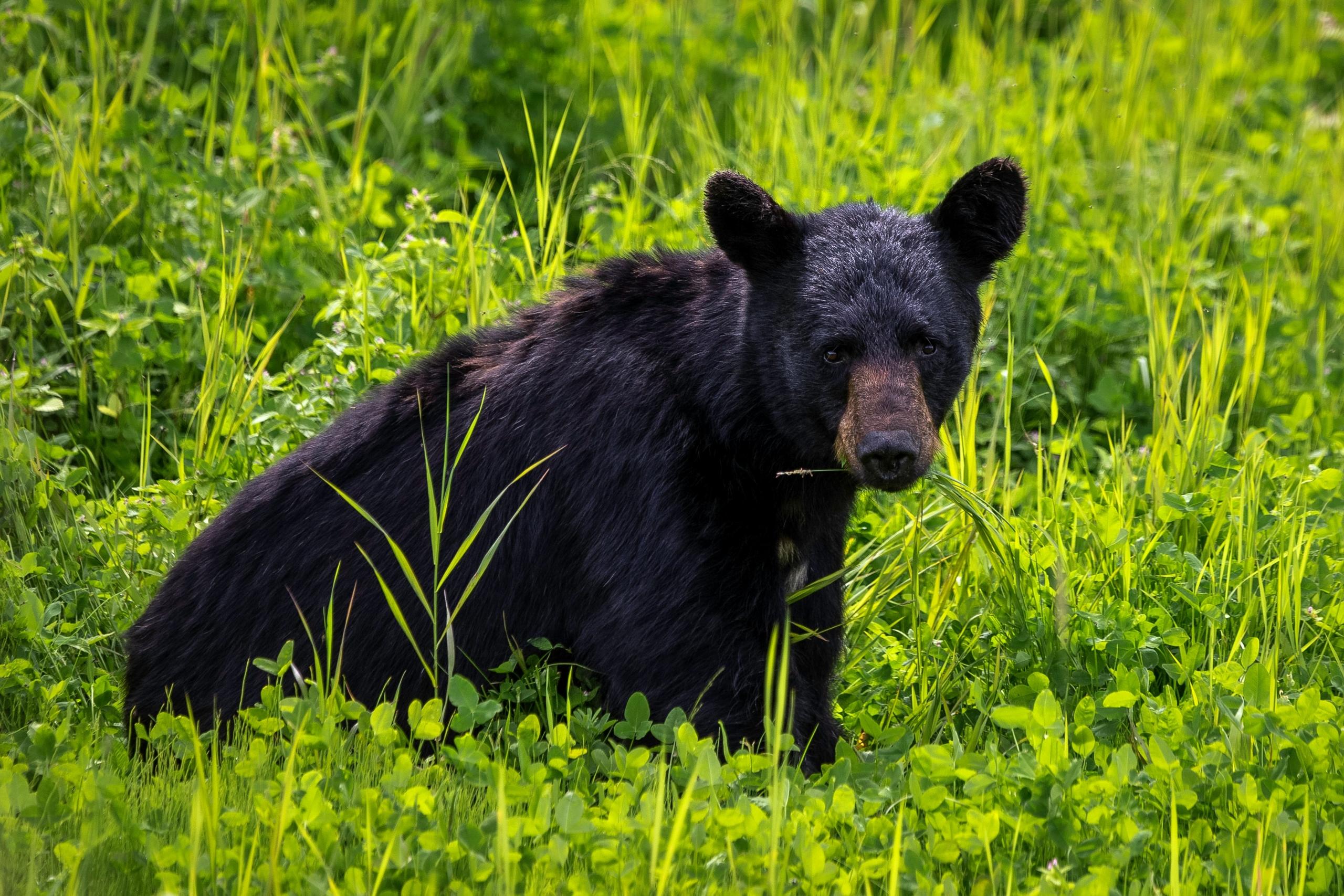
In addition to caribou, the park hosts black bears, which inhabit the dense forests throughout the area. Although sightings are not guaranteed, visitors are advised to carry bear spray, make noise while hiking to avoid surprising a bear and store food properly to reduce the risk of attracting wildlife.
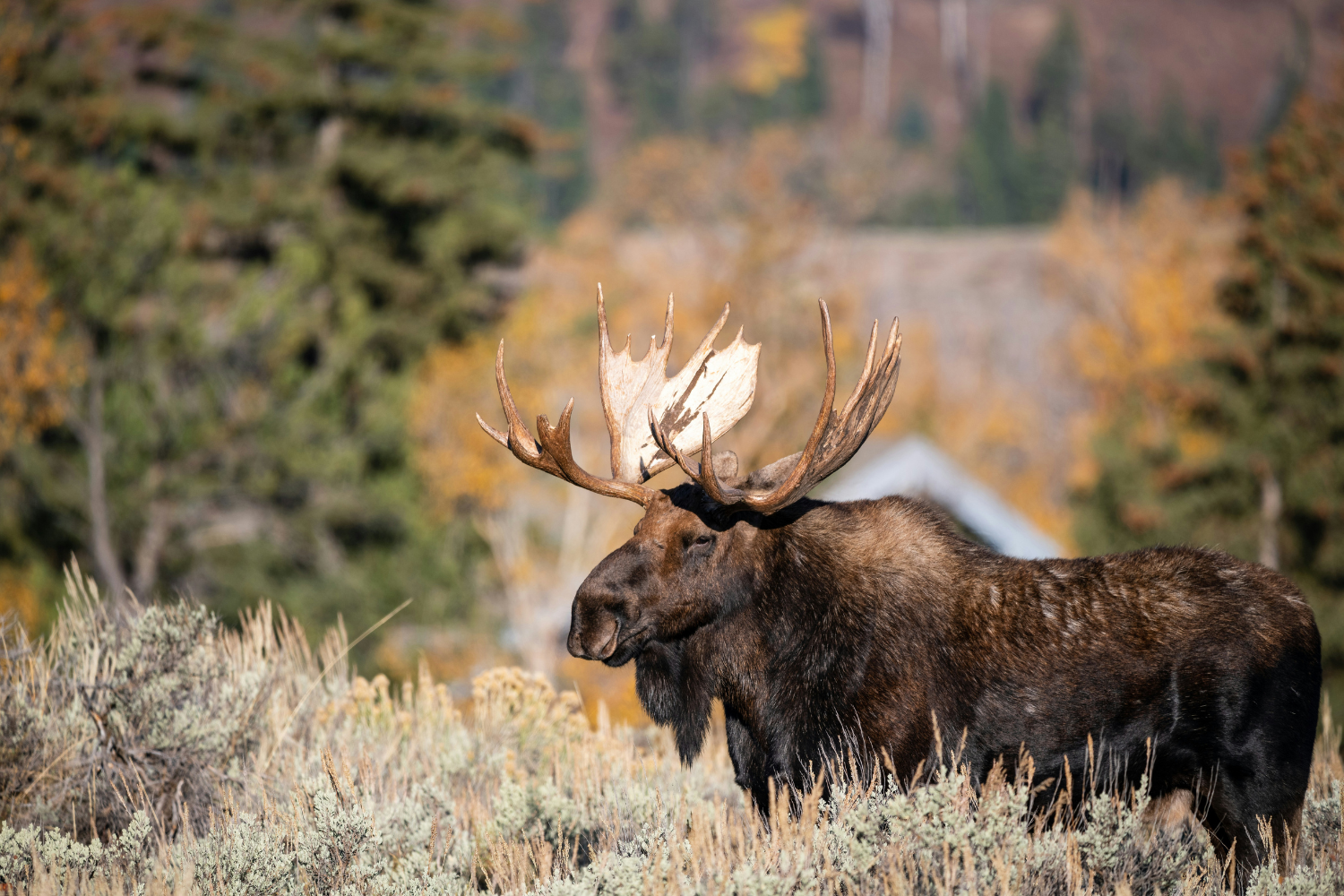
Moose, another iconic Canadian species, are also frequently seen in Gaspésie’s forests and wetlands, towering over the landscape with their impressive antlers and somewhat overwhelming size!
Birdwatchers will have no trouble finding an abundance of different species to see and photograph, including the Peregrine falcon and various warblers, among others -providing a dynamic and vibrant soundtrack to the natural surroundings.
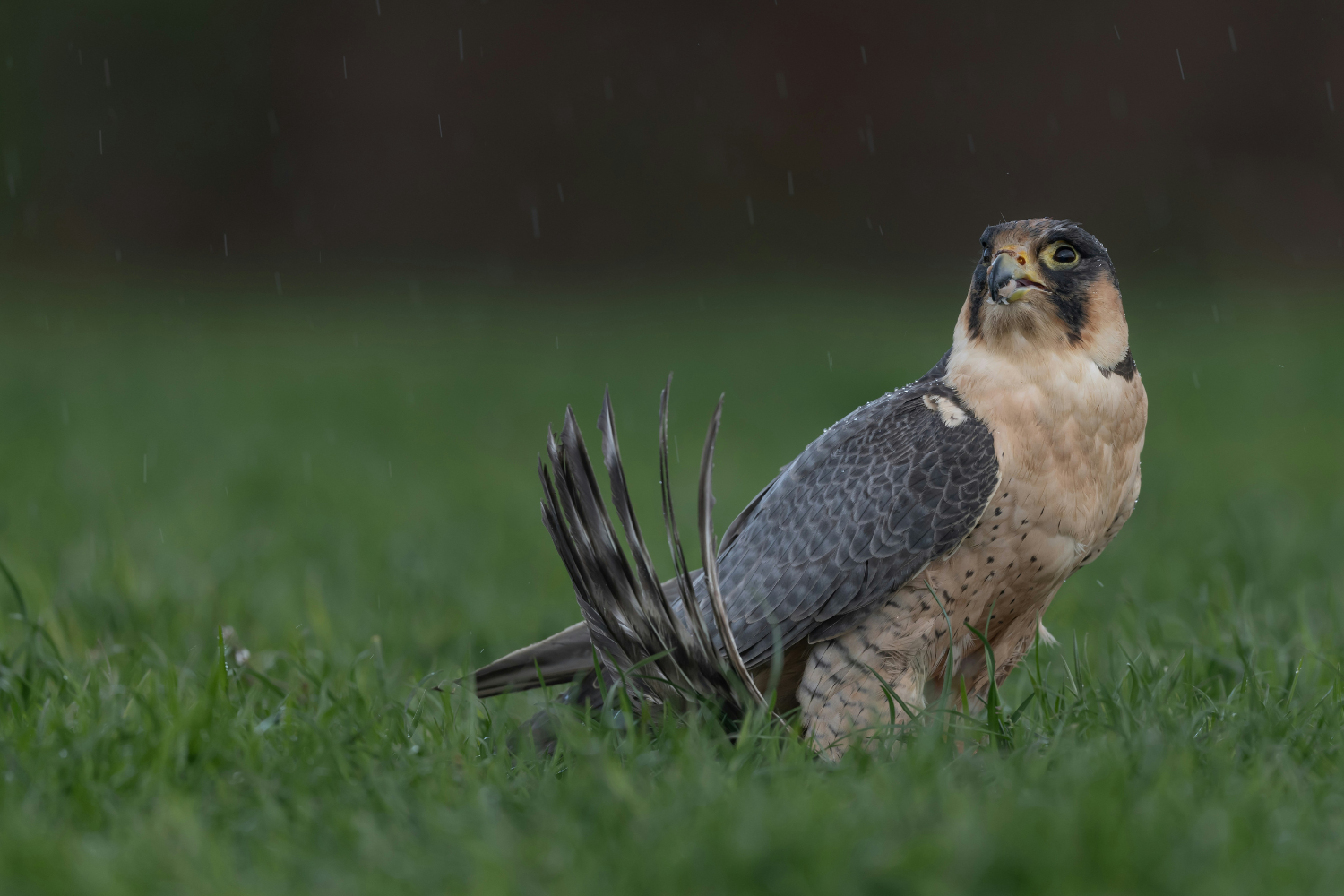
For those interested in learning more, the Discovery Visitors Centre offers educational resources on local wildlife, as well as safety guidelines to ensure responsible and safe wildlife observation.
In comparison, Pacific Rim National Park Reserve on the west coast of Vancouver Island provides a contrasting yet equally rich wildlife experience. Pacific Rim Reserve’s wildlife is shaped by its coastal setting, with marine species and rainforest inhabitants distinct from the mountain animals of Gaspésie National Park.
Both parks highlight Canada’s diverse wildlife. Gaspésie offers a classic Eastern Canada mountain experience, while Pacific Rim brings visitors close to unique coastal species of the Pacific Northwest. Each park provides a unique chance to connect with nature, whether in Gaspésie’s forests and alpine landscapes or Pacific Rim’s rugged coastlines and rainforests.
Top Hiking Trails in Gaspésie National Park
For those looking to explore Gaspésie National Park on foot, the trails range from easy walks to challenging climbs, each offering stunning views and diverse experiences.
Mont Jacques-Cartier Trail
Distance: 8.3 km (5.2 miles) round trip
Difficulty: The Mont Jacques-Cartier Trail offers a moderate to challenging hike, ideal for experienced hikers.
Highlights: This iconic trail leads to the summit of Mont Jacques-Cartier, the second-highest peak in Quebec. From the top, visitors enjoy panoramic views of the Monts Chic-Chocs and may spot caribou grazing in the alpine tundra.
Tips: The trail is best hiked between June and September, and access is strictly authorized only from July 1 to September 30 to protect the caribou habitat. Weather can be unpredictable, so layered clothing is recommended.
Mont Albert Loop
Distance: 17.4 km (10.8 miles) loop
Difficulty: The Mont Albert Loop is challenging due to its length, steep inclines, and varied terrain. The ascent to Mont Albert’s summit is steep, testing even seasoned hikers, while the high-altitude environment can mean unpredictable weather, adding to the trail’s difficulty.
Tips: This trail is recommended for experienced hikers with sturdy boots. Plan for a full day, and bring plenty of water.
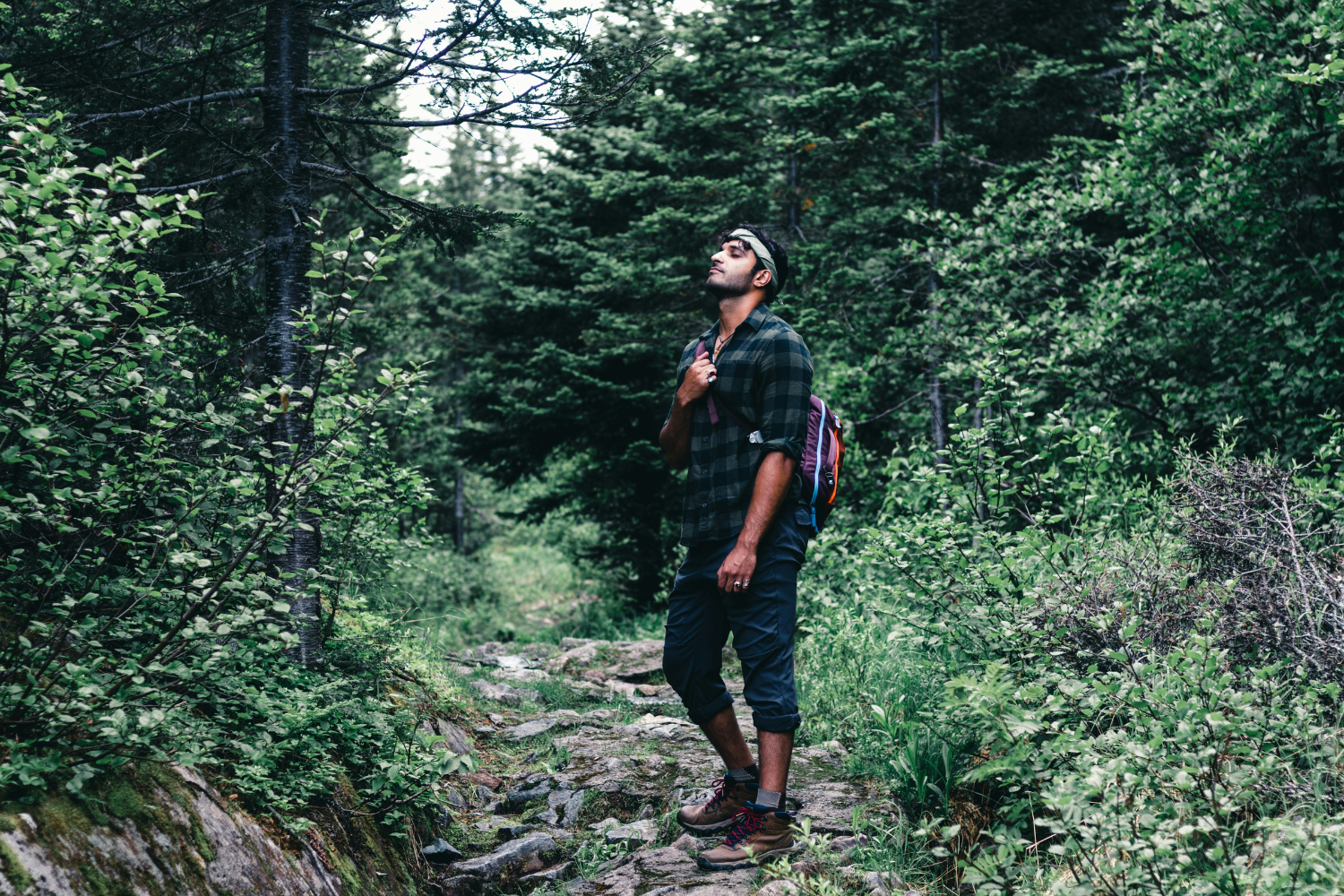
The Mont Albert loop is for experienced hikers, offering breathtaking views of Lac Cascapedia and the surrounding mountains. The high-altitude tundra here provides a unique landscape, unlike any other you can find in Quebec or surrounding areas.
La Chute Sainte-Anne
Distance: 1.7 km (1 mile) round trip
Difficulty: The La Chute Sainte-Anne trail is considered easy, making it accessible to many visitors, including families and beginners. With minimal elevation gain and a well-maintained path, hikers can enjoy the lush surroundings and peaceful atmosphere without much physical challenge.
Highlights: This family-friendly trail leads to the stunning 17-meter Sainte-Anne des Monts waterfall, offering a short yet scenic hike through the forest.
Tips: Perfect for families and easily accessible from the visitors centre. This trail is especially beautiful in autumn.
Lac aux Américains
Distance: 2 km (1.2 miles) round trip
Difficulty: The Lac aux Américains trail is easy due to its short length, gentle terrain, and minimal elevation gain.
Tips: This is an ideal stop for visitors of all skill levels. Bring a picnic to enjoy by the lake.
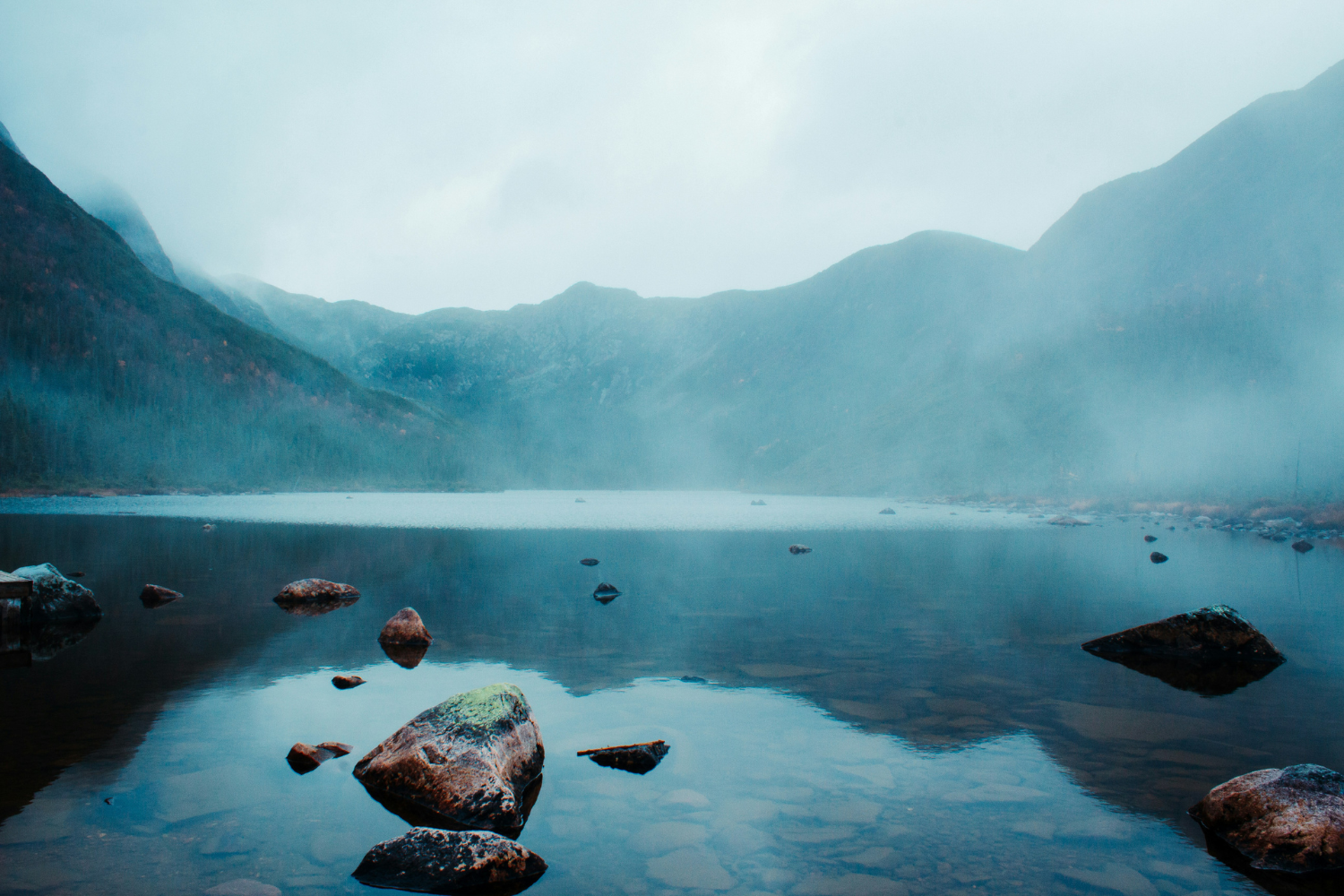
This trail leads to the beautiful Lac aux Américains, surrounded by lush green forests and high mountain peaks. The lake’s mirror-like surface offers tranquility, while being perfect for photographs.
Planning Your Visit to Gaspésie National Park
Entrance Fees and Passes
A day pass to Gaspésie National Park costs CAD $9.85 per adult, while children under 17 can enter for free with authorized access. Suppose you’re planning to explore Quebec’s national parks multiple times. In that case, an annual SÉPAQ pass is a great option, providing unlimited entry to parks like Jacques Cartier National Park and Mont-Tremblant National Park.
For those staying longer, package options include overnight stays, meals, guided activities, and tours, allowing you to experience the park more thoroughly.
Note: The park entry fee covers parking, except for certain territories managed by third parties and supervised beach parking at select parks like Yamaska, Oka, and Mont-Orford.
When to Visit?
The ideal time to visit Gaspésie National Park varies depending on your preferred activities, as some are seasonally restricted. Summer (June to September) is perfect for hiking and wildlife observation. Still, it’s essential to check the authorized dates for certain trails, like Mont Jacques-Cartier, which is only accessible from July 1 to September 30. Winter brings opportunities for skiing and snowshoeing, while autumn’s vibrant foliage draws photographers and hikers. Be sure to confirm seasonal availability to make the most of your visit.
Unlike Banff National Park, which experiences peak tourism year-round and is famous for its winter skiing and hot springs, Gaspésie offers a quieter, more secluded experience with equally rewarding activities that vary significantly by season.
What Gear Should You Pack for Gaspésie National Park?
When preparing for a trip to Gaspésie National Park, or any other Canadian National Park for that matter, it’s crucial to pack according to the season and activities. Here are the essentials broken down into four categories:
Pack moisture-wicking base layers, warm mid-layers, a waterproof outer layer, and insulated gloves and hats. Layers are key for the park’s changing conditions.
Waterproof, sturdy hiking boots are essential for navigating rough or snowy terrain. In winter, consider packing snowshoes or microspikes if needed.
A map, compass, or GPS device is recommended. Don’t forget bear spray, a first aid kit, and a flashlight with extra batteries.
Bring high-energy snacks and plenty of water. A portable water filter is helpful for long hikes, and a thermos can keep drinks warm in winter.
With the right gear and preparation, you’ll be ready to explore Gaspésie National Park’s breathtaking scenery in any season. Start planning your trip now for an unforgettable wilderness experience!
Summarize with AI:
Did you like this article? Leave a rating!

 Loading...