

Without exaggeration, we can state that ceramics shape our daily life.
From the tiles in your bathroom and kitchen to the mug you drink your tea or coffee from, ceramics beautify our lives and make them safer and easier.
To wit, ceramic components make it possible for you to read this on your computer, laptop or even your phone. Of course, the form ceramics take in electronic applications is vastly different from anything you might eat or drink out of.
On the other hand, you might well recognise ceramics on your way to work or school; even now they top most of our electric poles, acting as insulators.
It is not such a fun fact that ceramics are used to produce items like missile nose cones. Missiles are most definitely nothing of fun. However, it attests to the strength of ceramics and their usefulness in almost all things we encounter daily, missiles excluded, of course.
Ceramics are classified as ‘essential’, being active participants in our daily lives. Like activities such as early morning calls on the water closet, rush hour coffee from the tea mug, the sly tiles that almost cause a slip, to mention but a few. Ceramics have contributed or, needful to say, have played a good part in making our everyday living easy. These attributes almost grant them the title of 'Super heroes'. Are they?
What exactly are ceramics? How did they come to dominate modern life? Why are they still so important?
Superprof answers these questions as part of pottery ideas for beginners and more...


What Are Ceramics?

Now that we’ve planted the idea that ceramics are everywhere in our daily life, in visible and invisible forms, the pertinent question would be: what, exactly, do we mean by ceramics?
The easiest way to explain what ceramics are is by defining what they aren’t: Ceramics aren’t metallic or organic.
That’s the short answer. The more comprehensive one is going to take a few more words. Let’s give that a try.
Compile a list of things that are familiar to you; they can be made of any substance or compound.
Once you take away all organic material including wood, rubber, plastic, plant fibres and anything else that once lived, and once you scratch out all metal... what’s left is ceramic.
Building materials such as bricks, glass, mortar and cement; dishware like earthenware or the more popular and durable stoneware; plates, mugs and cups – all of those fall under the heading of ‘ceramics’. We’ll add diamonds and graphite for good measure; they too are ceramic.
What if your plates are made of porcelain? What is the difference between porcelain and ceramic?
For one, they are both made of clay but porcelain is fired at much higher temperatures. Also, ceramic is opaque but, depending on how thin your porcelain is, you could see through it because porcelain is translucent.
Most importantly, porcelain is finer – less porous than ceramic, meaning that porcelain resists staining and provides a much smoother surface: bacteria are less likely to take root and fester. That is why your bathroom sink is made of porcelain.
Porcelain is also easier to mould into complex shapes and add colouring to, in case a pristine white does not suit your décor.
All of which begs the question: if porcelain is so much smoother, finer and better, why isn’t everything made out of porcelain instead of ceramics?
The short answer is that porcelain is not suitable for every application that ceramic is.
Another reason is cost: everyday things would be much more expensive if they were made of porcelain, that is why glazed ceramics are suitable for most daily applications – like your fav mug or cup, your floor tiles and...
And decorative pieces. Ceramic arts are quite popular these days; in just about every city in the UK you can find a ceramic studio where people practise the art and craft of ceramics sculpting.
Also, many university art programmes offer Master of Fine Arts degrees – in fact, a whole art education revolving around ceramics.
Find various art classes Ottawa here on Superprof.
Misconception about Ceramics
It is understandable to misconceive ceramics with other elements that are commonly found around. This is why the first thing we'll be doing is distinguishing ceramics from every other material. Ceramics are inorganic and non-metallic materials. They are not materials like wood or cotton(organic materials) nor iron, titanium, aluminium, and gold (metallic materials). Having eliminated both inorganic and metallic materials, which we encounter every day, the rest are ceramics.
Therefore, we may construct a table of items in the kitchen or around us, generally and mark out those that are neither organic nor metallic-like glassware, cups, plates, bricks, cement and so on. They very well will define what exactly ceramics are. However, we must look more into what ceramics are.
To achieve a clear definition, we may take out the words one after another. Ceramics are hard, strong in compression and heat-resistant but brittle materials. Ceramic objects are made by combining raw materials like clay, water, earthen minerals. Interestingly, these materials can be shaped differently and with different techniques. They may be techniques like the wheel-throwing, or mold-casting technique or hand-building technique. They are usually fired at a high temperature in a kiln into desired shapes and sizes. This refining results in the hardness and resistance that sticks to the fine attribute of the ceramic.
As resounded earlier, there are various ceramic products. However, they all somehow fall under the categories of either Earthenware, stoneware and porcelain. These are the most common examples of ceramic. The difference between them is slight, but it very much determines the durability of each of them.
Earthenware are considered the most fragile of them. They are fired at a relatively low temperature, between 1000 to 1150 degrees. Their results give the product slight pores, which makes them unable to contain water. Therefore, they have to be glazed as a form of remedy. Consider this a unique decorative way of water-proving the products.
On another hand, stoneware are a little higher in the hierarchy in the way they are fired. As the name suggests, a higher temperature of 1200 degrees is considered more durable and stone-like. They are our more reliable cups and dishes—the ones we may still trust to not break after a fall.
Porcelains are considered extremely strong, the kind used in your bathroom sink, decorative sculptures, kitchen tiles and more. They are white, hard, non-porous, sonorous, translucent ceramics. And you may ask what lends them these attributes? They are fired with much higher temperatures of 1200 to 1450 degrees celsius.
As fine and strong as porcelains are, their usage is restricted to products like vessels and tiles because they are not suitable for some ceramic materials and may be too expensive for everyday use.
Over the years, artists have used the properties of ceramic to create art and functional objects. As useful as they are in everyday lives, they may also represent a form of art that is solely a demonstration of a certain expression. But of course, as expected of all skills and things, ceramics have evolved over the years. With time alongside development, their methods of production and appreciation have experienced loads of change.
Find art classes Toronto here on Superprof.
A Brief History of Ceramics
It is truly amazing how simple it is to create ceramic art; only four factors come into play:
- clay-based material, dug from the ground
- mixing the material with water to make it a proper consistency for moulding
- forming the mixture into the desired shape (often using pottery wheels)
- firing the sample – your clay form is placed in a kiln and fired to a specific temperature
The end result is, invariably, a perfect ceramic sculpture that only needs finishing: maybe painting or glazing.
Most interesting, the same process is used whether the artist is working with terracotta or bone china!
Recent studies and pottery lessons have revealed that this process has changed little over the millennia that humans have been working with ceramic material; archaeologists have found ceramic figurines in the Czech Republic that date back nearly 45,000 years.
Around 14,000 BC, people in India and Mesopotamia were painting and drawing on ceramic tiles while in China, people were using terra cotta vessels to cook in or store liquids.
People discovered plenty of clay and water, so they decided to make different objects out of them. Or not. It is not certain how exactly people found the art of ceramics out. However, they are known to be one of the oldest industries traceable to thousands of years ago. The first known and oldest artifact was the statute Venus of Dolní Věstonice, a woman in the Czech Republic. This artefact is dated as early as 28,000 BCE.
In China, pieces of pots were found in the Xianrendong Cave between 18,000 - 17,000 BCE, some years after this. It was believed at the time that the use of pottery from ceramics spread to Japan through China.
During the Neolithic period, the use of ceramic increased. While, pottery was made from clay and into objects like containers for water and food, bricks, etcetera. As there were no electrical kilns, the products were left in the sun to dry or were fired at low temperatures in kilns dug into the ground in 9000 BCE. Years later, wood kilns were also in use.
The introduction of the wheel in 3500 BCE is considered one of the first victories in the ceramic industry. This allowed for the opening of the wheel-forming technique in forming ceramic artifacts. Also notable was the progress from elaborated paintings to genuine pieces of art.
The Chinese introduced the use of high-temperature kilns that reached up to 1350 degrees. Before then, the kilns only produced materials like Earthenwares which was glazed and decorated. If we remember keenly, Earthenwares are only fired between 1000 to 1150 degrees. So, these kilns were probably developed as a result of the realization of the fragility of earthenware.
Many more developments were introduced after then. The installation of telegraph lines came in the 1800s. Electrical insulators and incandescent light bulbs made of porcelain were also invented.
In the 1980s, more development was met in this industry with the invention of ceramic high-temperature superconductors. And in the late 1990s, 3D printing of ceramic was encouraged with the robocasting process for their printing development.
It is undeniable that the progress of the ceramic industry is fast rising as all sorts of technology have been invented in recent times to produce ceramics and, in return, in the use of ceramics to the production of different technologies we use daily.
Sometime between 7,000 and 6,500 BC, humans starting forming clay into bricks but it was definitely in 6,000 BC that our ancestors built a kiln to fire their ceramic materials. Back then, it would have been a wood kiln; today we have a choice of gas or electric kilns.
Between 8,000 and 5,000 BC, Egyptians experimented with ceramic glazes; soon came the discovery and use of glass.
These are all remarkable discoveries but the best is yet to come: sometime between 3,500 and 2,500 BC, the potter’s wheel was invented.
Join the discussion: should every ceramic artist have a pottery wheel, extruder and electric kiln?
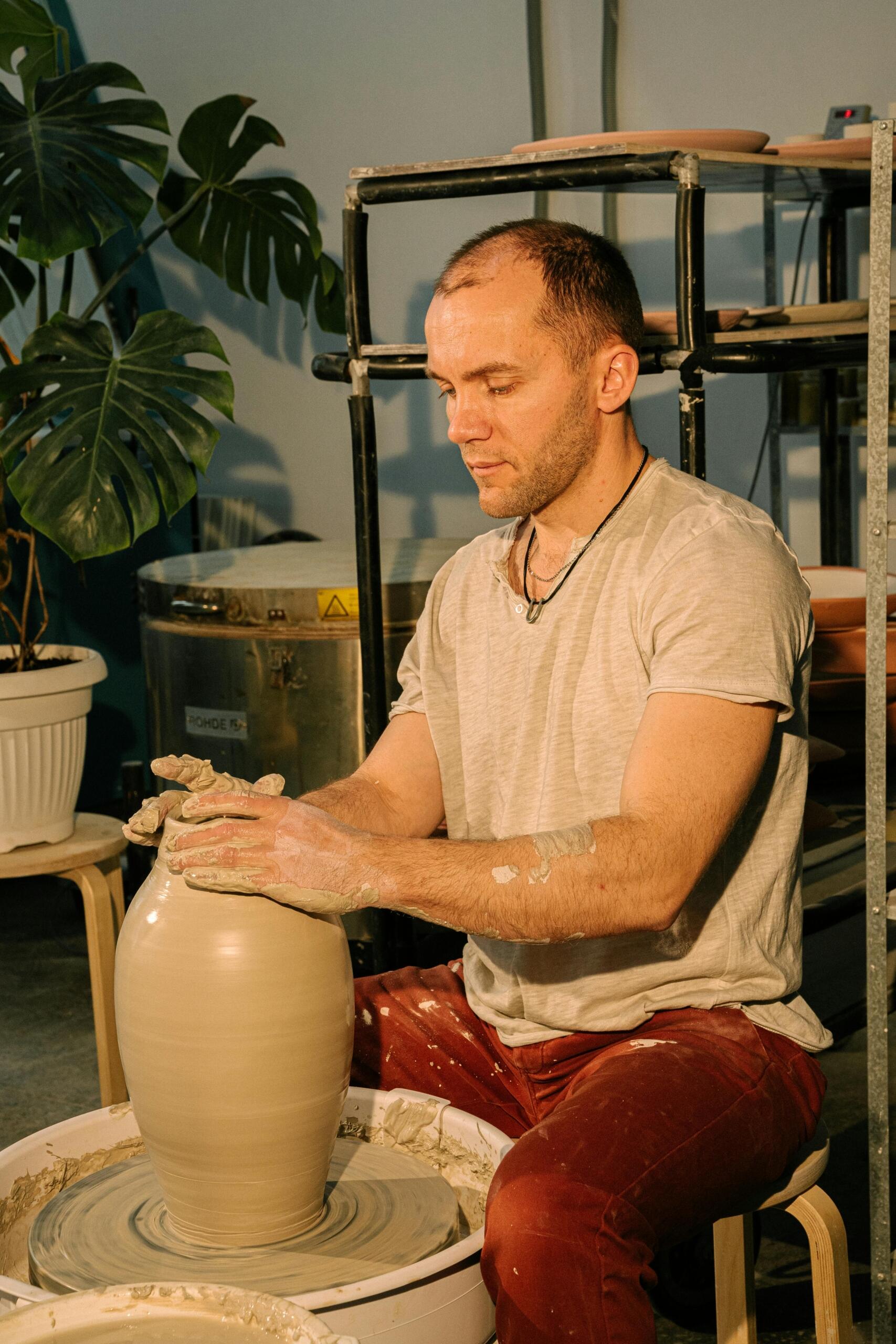
Nobody is exactly sure who the first were to use such as device; evidence of pottery made on a wheel has been found in China, Romania and Iraq – in the ancient Mesopotamian city of Ur.
Amazingly, after all of these early advances, the act of working ceramics remained the same for about 5,000 years.
Sure, those clay artists discovered that not every material they dug from the ground had the same toughness; some clays were better suited than others for certain applications but, by and large, working with clay stayed the same for centuries.
The next big advance in ceramics came in the mid-1800s, in tandem with the installation of telegraph lines. Later, as electricity became commonplace, insulators were needed on those lines as well.
And then, in the 1940s, the need for ferrite magnets – for motors and loudspeakers spurred yet another innovation in ceramics production.
Finally, the development that opened up all sorts of possibilities for technology that we use every day: the discovery of high-temperature superconductors, in 1986.
Find various art classes here on Superprof and discover more pottery ideas for beginners.
Common and Not So Common Uses of Ceramics
As we’ve seen so far, ceramics have a place in virtually every aspect of human life, from the ceramic artists creating contemporary art to beautify our homes to jet engines whose individual parts need protection from the heat generated by the engine.
Take a look around your home. Is it concrete or brick-faced? Are there tiles in your kitchen and bathroom? Naturally, your loo and bathroom sink are at least coated in porcelain if not made wholly out of ceramic.
Does your home have windows?
Keep in mind that ceramic is anything inorganic or non-metallic, meaning the glass in your windows also falls into the broad category that is ceramics.
Building techniques and materials are common uses for ceramics; now let’s take a look in places where you never thought ceramics would play a part.
Do you have any incandescent lightbulbs in your house? That tungsten filament that glows when you switch the light on is ceramic. So is the glass bulb that contains it. Your hoover, washing machine and refrigerator motors most likely have ceramic components.
It will seem repetitive to assert the use of ceramic again everywhere around us. But if you look around you, it is not hideous.
Most houses use bricks now in their constructions; those are made from ceramic. Or is it the fine tiles used on the floors and walls?
Again, we must remember that ceramics are inorganic and non-metallic materials. Excluding these, virtually every other thing is made of ceramic. From beautification to art and weapons, take vehicle armours, for instance.
Ceramics are where we never thought: glasses, gas burner nozzles, yes? Those are made of ceramics. Microwave transducers, washing machines and refrigerator motors are also made of ceramics.
Electric kettles and electric cookstoves most likely have their heating elements made of ceramic insulators. The last time you baked, you probably didn’t check the oven door to check what it's made of, you know what I'm getting at, of course. Yes, ceramic!
Now, we may want to check some medical equipment for ceramic usage. The ultrasound scan at the hospital contains piezoelectric transducers, which are made of ceramic. You may want to listen to the sound they make if you ever visit next at the hospital.
It may seem a bit surprising where ceramics are found as they may be in different forms and have various properties making them capable of fitting or/and being used for other things.
We still have come to an end to its usage as students and archaeologists continue to discover more uses and advancements for ceramics.
Do you have an electric kettle? Most likely, its heating element has ceramic insulators built-in, as do the heating elements of your electric cookstove.
That’s not the only place you’ll find ceramics: new-style cooktops are made of ceramic glass, as are oven doors.
Find art classes for kids here on Superprof.
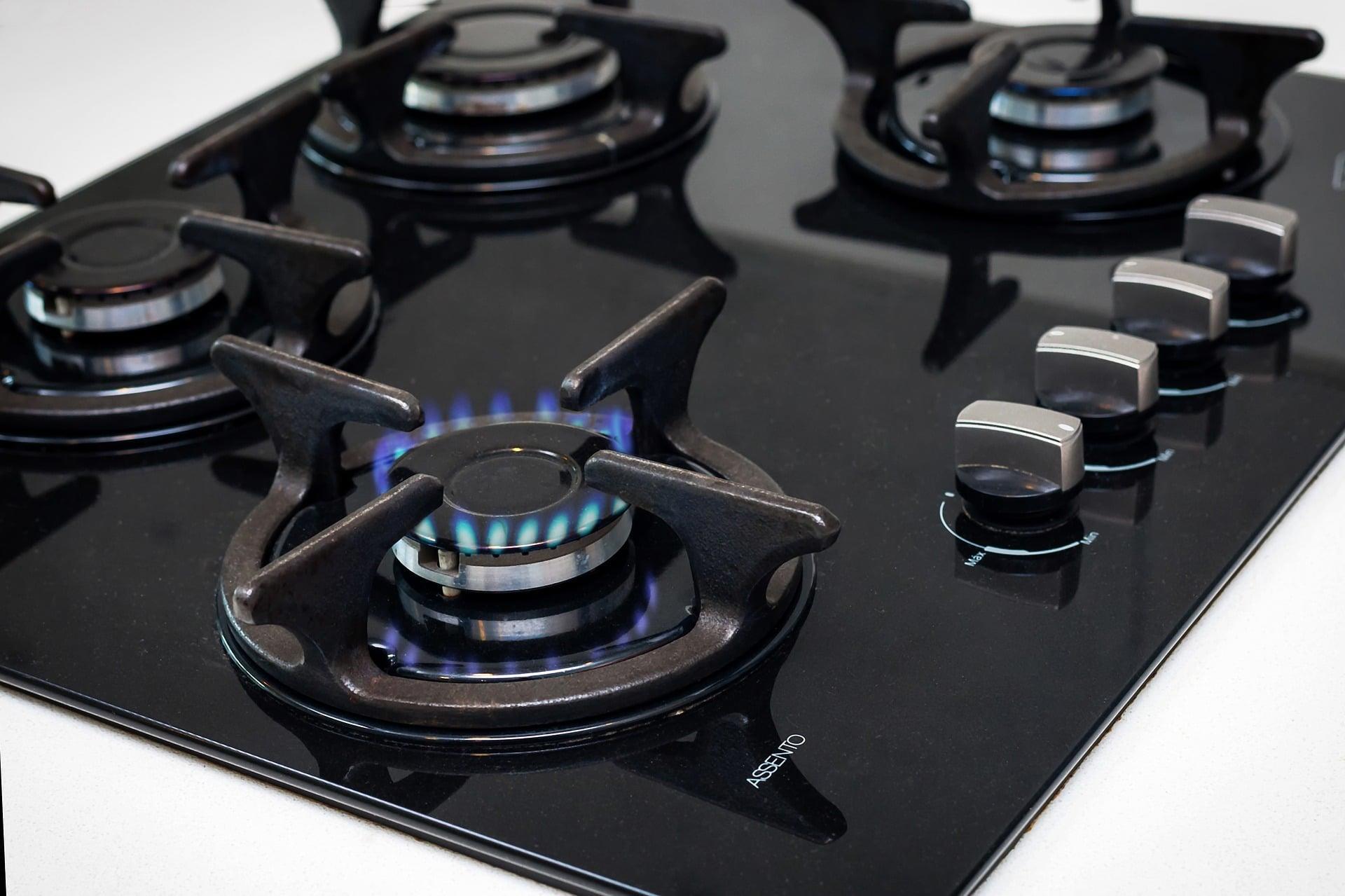
And that’s just in your house. Have you ever had an ultrasound scan at the hospital? Those machines contain piezoelectric transducers (yep, ceramic!) that create the ultrasonic waves.
That’s just one instance of ceramics usage in medical equipment. They’re also used in all types of prosthetics from bone implants to tooth implants.
But, if you’re a student working your way toward a Bachelor of Fine Arts degree, you may not be wildly concerned about the many and varied composite materials in medical equipment or the building trades.
Your department of art may just want you to come up with new ideas for contemporary ceramics... or maybe you just want to make some new tableware ahead of the holiday season.
Find various art classes Calgary here on Superprof.
Take Pottery Lessons Toronto on Superprof
The good news is that you don’t have to enrol in a school of art to get started in ceramic art and design; knowing a little about ceramics and what you’d like to try your hand at is enough, at the outset.
Knowing what equipment you'll use to make your ceramic creations would help, too...
But first, you should really pick up on the basics, such as wheel throwing – placing the clay on the wheel and shaping it, and coiling; the way pottery was made before the invention of the wheel.
Are you looking for pottery for beginners class? You might check in at the community center or your local art center.
As long as you are working with the artist in residence – maybe in a weekend ceramics class, you might try more advanced techniques such as slip casting, wedging and even mold making.
In fact, you should try a variety of techniques and mixed media before settling on a type of clay with a given porosity, lest your creations become too brittle after firing.
According to one clay sculptor, people new to the art of clay should learn at least one new skill per lesson...
Now discover how you can get started with pottery lessons.
Summarize with AI:
Did you like this article? Leave a rating!


 Loading...
