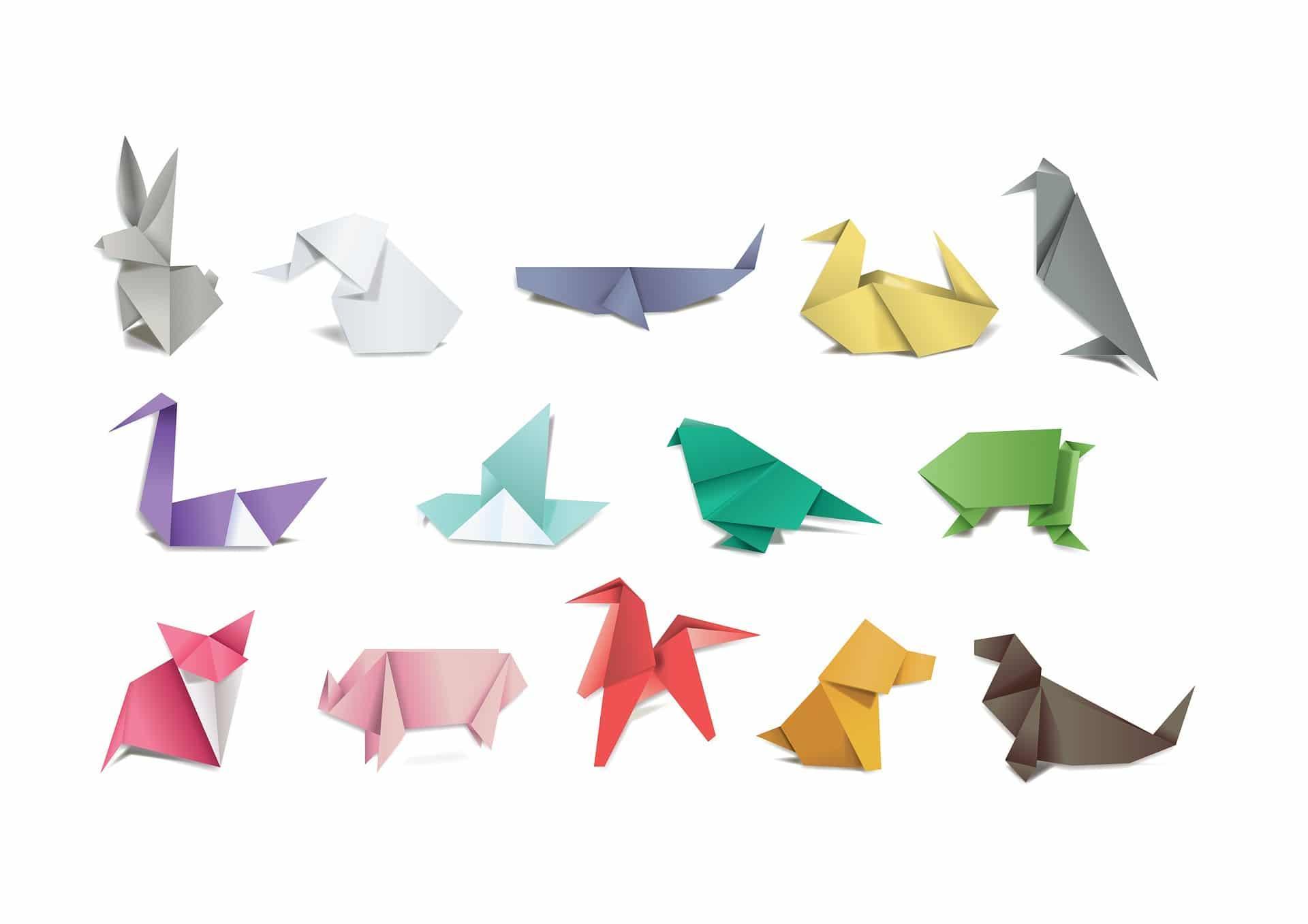

Folding origami is fun, appealing and constructive, but did you know that it also has many advantages? In addition to requiring discipline to execute folds and creases with precision and to put your mind to work to reach a state of maximum concentration, learn about the history and the origami symbolism. Are you ready to discover the art of paper folding and how origami attracts the most meticulous people?









The Origins and Cultural Significance of Origami
What exactly is origami? Origami derives from two Japanese words, Ori (folded) and Kami (paper). It is an ancient Japanese art of paper folding that has become increasingly complex over time, and today has expanded into furniture design, home decoration, architecture, installation art, robotic design and engineering.
Regarding its origins, no evidence of its existence has been found prior to 1600, and two known references with written instructions for origami are Tsutsumi-no Ki, by Sadatake Ise from 1764, and Sembazuru Orikata, by Akisato Rito from 1797. This tradition began to develop artistically and recreationally, and spread outside Japan during the 20th century.
However, origami was not initially available to everyone. Due to the high cost of paper, origami was mainly used only by the upper class for religious rituals and ceremonies. And it was not until 1603–1868 that it became much more accessible due to a reduction in the price of washi paper. 1
If you need inspiration and fresh ideas for an easy origami folding technique, discover all you need step by step.
Common Origami Figures and Their Symbolic Meanings
Origami is the Japanese art of folding paper into traditional shapes that often have symbolic meanings. Many of these shapes represent cultural values, wishes, or ideas associated with nature, peace and good fortune.
The Crane (Tsuru)
In Japanese culture, the crane is the bird of peace, majesty, fidelity, long life and longevity (it is believed that cranes live for a thousand years). Maybe this is why the symbolism of the swan holds deeper significance in Japan than in Western traditions, where it symbolizes grace and purity.
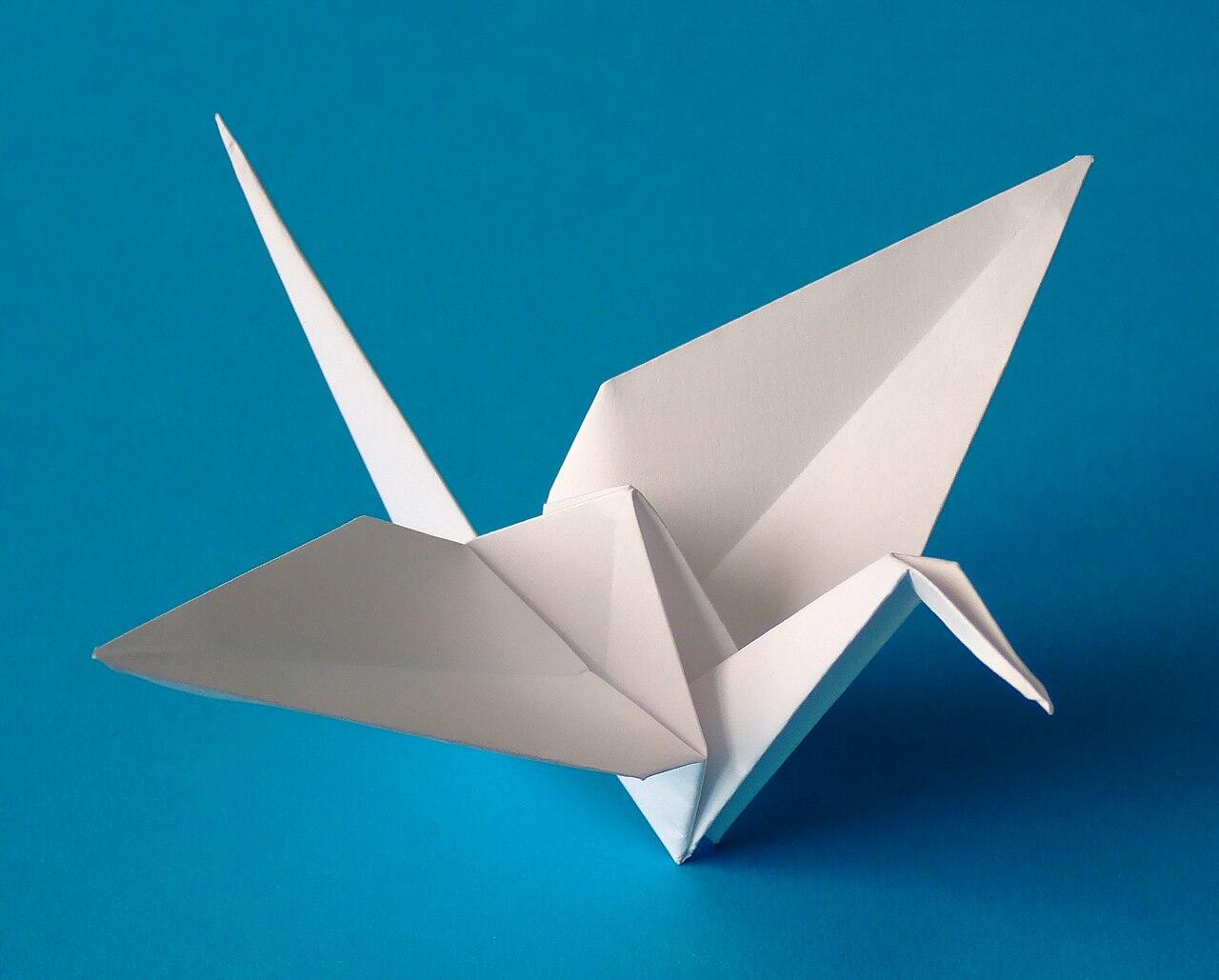
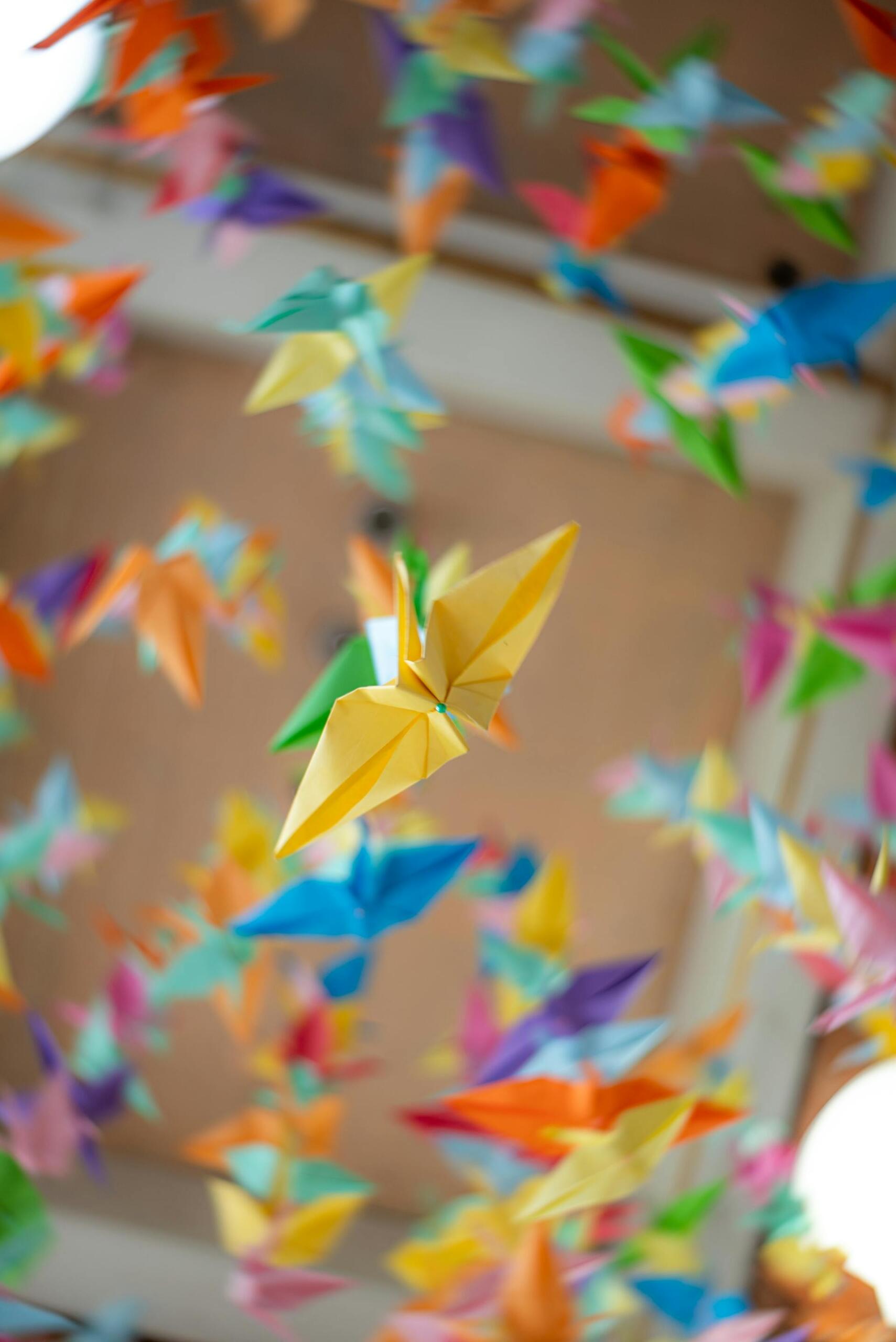
Origami cranes are just might be the most well-known origami bird; indeed, among all the origami figures to learn to fold, this one is the most meaningful and the first to be learned by beginners. If you aim to learn origami folding from scratch, a good figure to aim for is the crane!
Mastering the origami crane would mean you have attained an intermediate level of folding skill. And did you know that the symbolism of the origamitsuru is much deeper, thanks to the story of Sadako Sasaki?
So Sadako was a young girl, stricken with cancer in the aftermath of the Hiroshima atomic bombing in 1945. According to Japanese tradition, folding 1,000 paper cranes could grant her a wish. Hoping to cheat death, Sadako folded origami birds. Realising that her hopes were in vain, she nevertheless continued to fold each paper crane, this time with a wish for peace and hope. Her story transformed the origami symbolism into a symbol of peace. 2
Learn about other great reasons why origami is so important in Japanese culture, and how this tradition began to develop artistically and recreationally during the 20th century.
The Butterfly (Chocho)
The butterfly in the origami art represents transformation and renewal of the soul. Due to their natural metamorphosis, they are associated with personal growth, and they can also represent the human soul in transition.
Did you know that two butterflies dancing around each other is also a sign of marital bliss? That is why paper butterflies usually feature at Japanese weddings, as they represent harmony, mutual respect and joy.
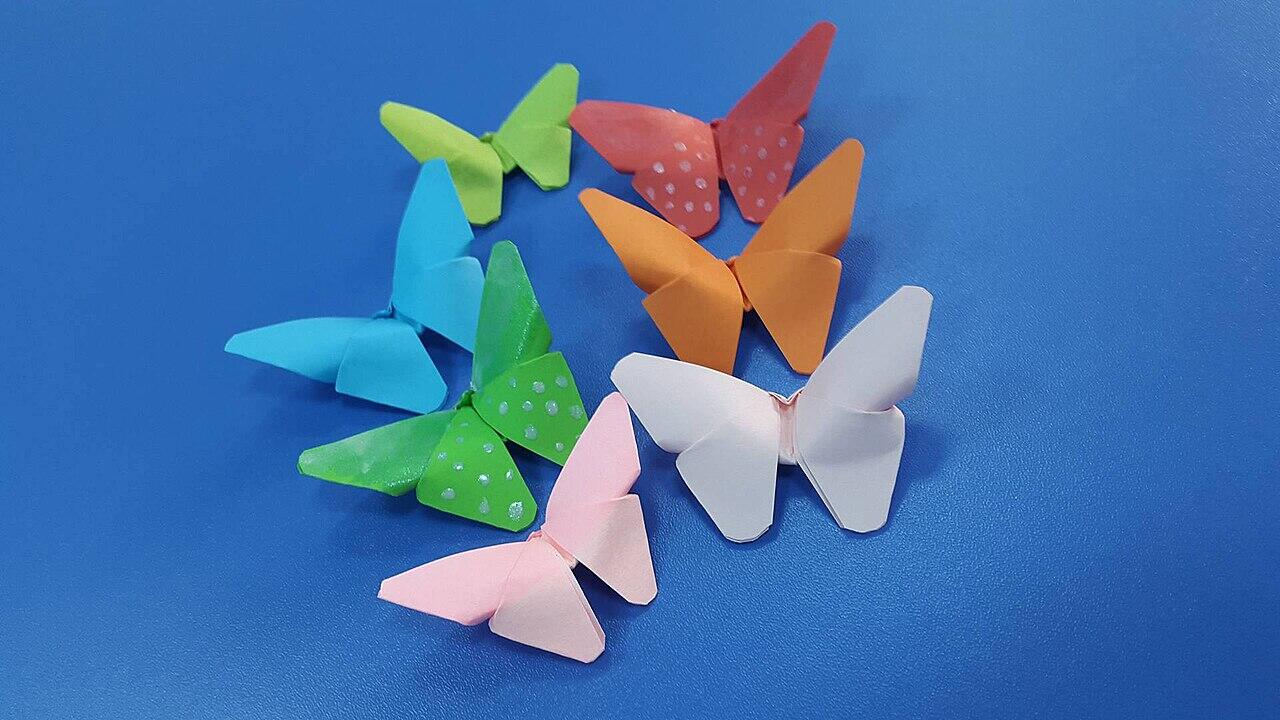
Butterflies have diverse symbolic meanings, representing the hopes and dreams of young girls as they blossom into beautiful young women.
The Frog (Kaeru)
We tend to think of frogs as slimy croakers fit for nothing but eating bugs. However, in Japanese culture, frogs have a positive meaning.
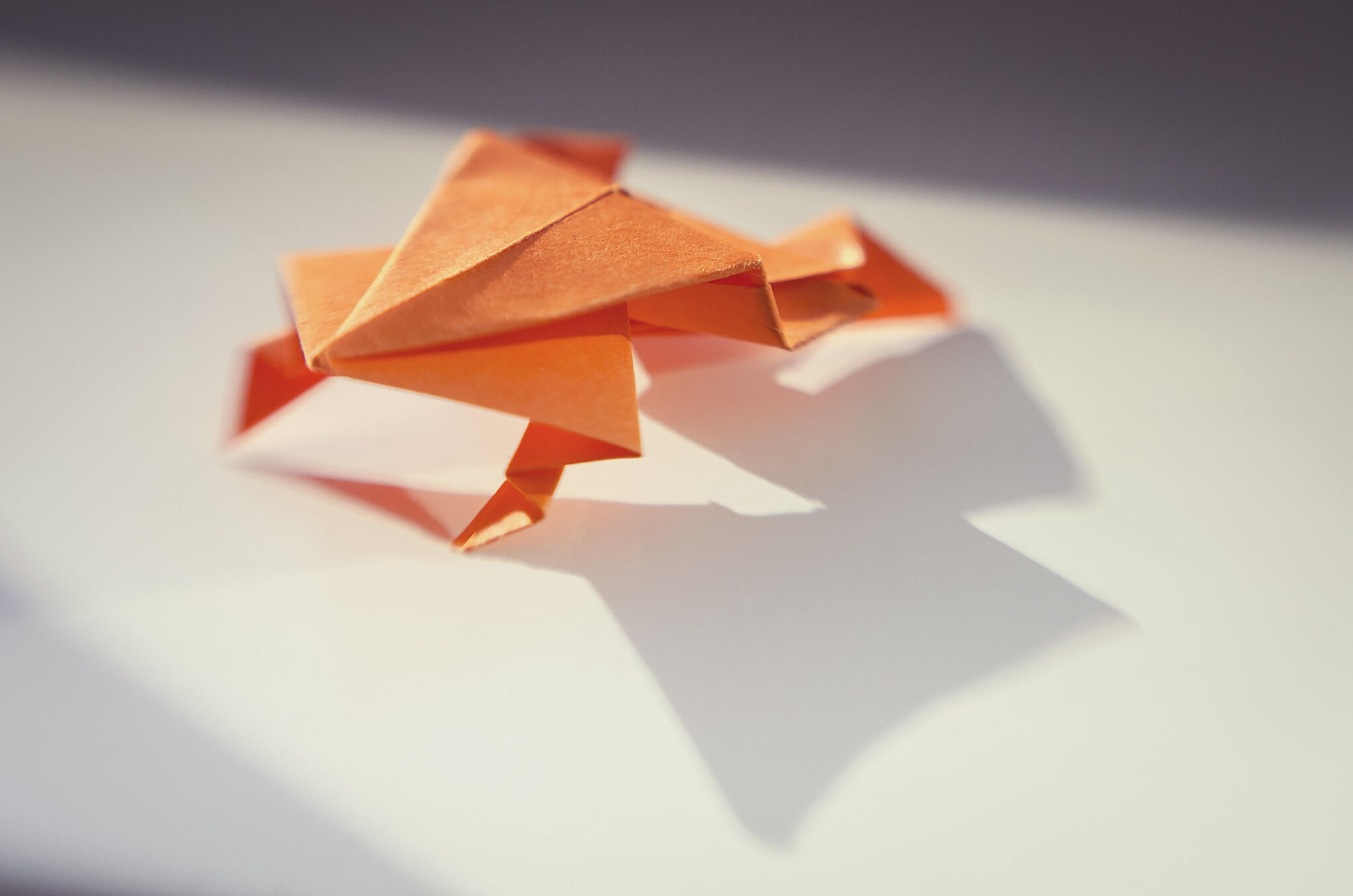
It is quite common in Japan for people to keep a small frog figure in their wallet; it symbolizes that money will be wisely spent and will soon safely return, reflecting the cyclical nature of wealth and luck.
So, if you wish to make a tiny frog to tuck into your wallet, you should practise your folding technique on very small origami paper. However, the frog also represents returning safely from a journey.
The Dragon (Tatsu)
Dragons are powerful creatures in Asian folklore; Japanese dragons incorporate elements from Chinese, Korean and Vietnamese dragons while remaining their own beasts, often associated with strength, wisdom, protection and natural balance.
Unlike the imagery of dragons in Western culture, Asian dragons have long, snake-like bodies and several limbs, but no wings. And generally, these creatures do not breathe fire.
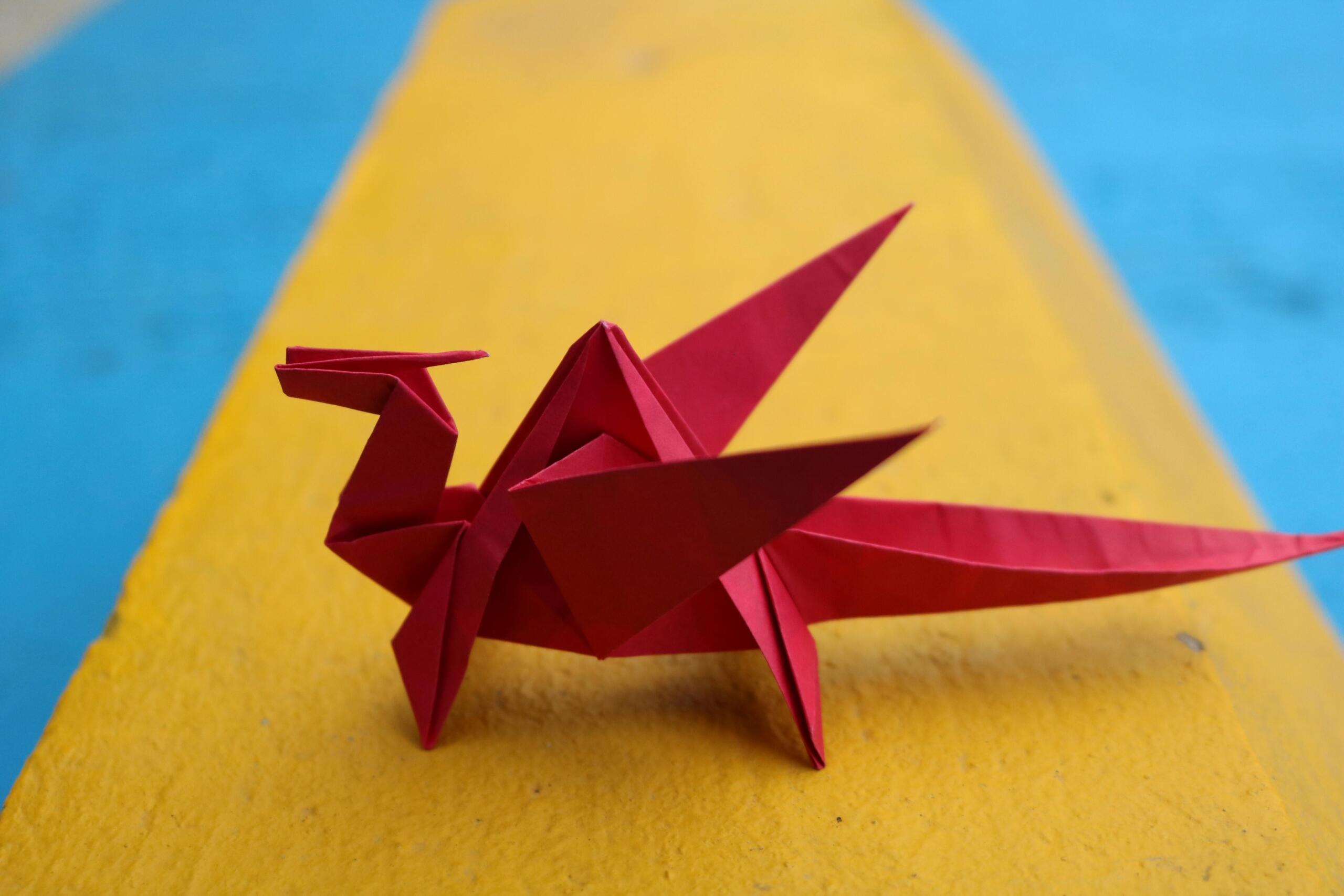
You may fold it from shiny foil paper to give the illusion of shimmering scales, or from solid green paper to reflect its swampy origins. Still, no matter which paper you choose, the dragon will symbolize power, wisdom, mastery and success. Whether you attach it to a gift or give it away unattached, it represents good fortune and strength. Ready to learn how to create your own origami dragon?
The Cat (Neko)
Did you know that Japan celebrates National Cat Day each year on February 22? Since the Japanese people have dedicated an entire day to the glory of cats, it stands to reason that cats are also a popular subject for origami.
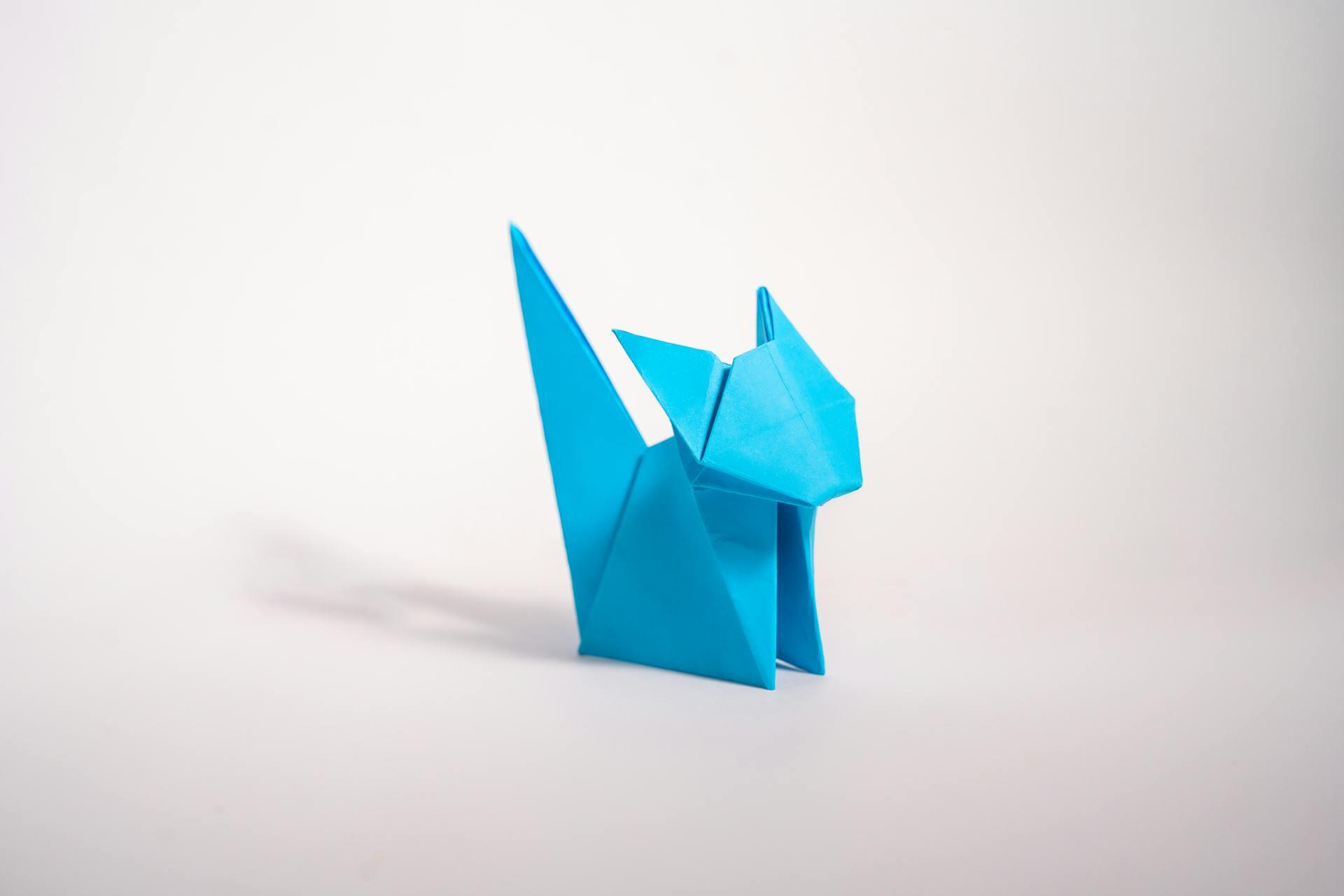
Cats are seen as mysterious and elusive, independent and wise creatures. Cats are strong and self-assured; they never ask anyone for anything. They are also rapacious hunters, all wrapped in a fluffy coat of silky fur.
Cats nowadays have a place in Japanese popular culture, tourism and design, and one of the most well-known representations is the Maneki-neko, or “Beckoning cat.” Typically placed at the entrances of shops, restaurants and homes, its raised paw is believed to attract prosperity, luck and good energy.
The Swan (Hakucho)
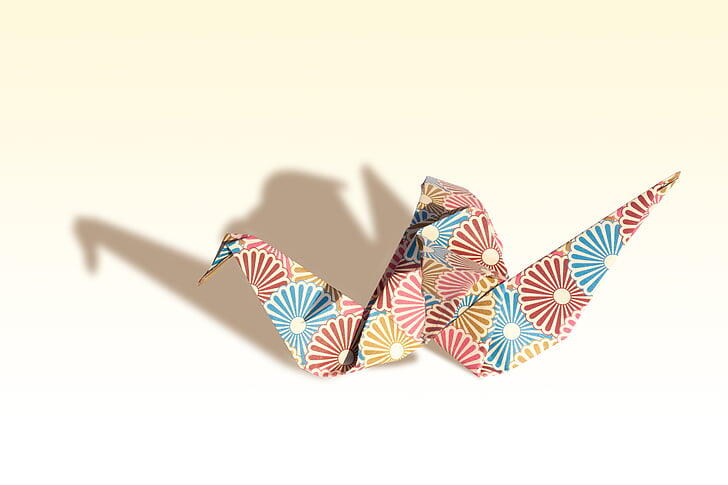
In many cultures, swans symbolize majesty, tranquillity, loyalty and strength. Because swans mate for life, they also represent monogamy and fidelity. For all these romantic reasons, they appear in love stories.
Even if they don’t have any special meaning in Japanese culture, the swan also gained popularity in this creative Japanese art. As origami projects go, swans are easy to fold and, because they can be freestanding, you might use them to decorate a picnic table or your desk.
Are you ready to get started with this ancient and creative tradition? Don't hesitate to check out the best Japanese tutor profiles available near you.
The Purpose and Benefits of Practicing Origami
It might be hard to believe that the simple act of folding paper could bring practitioners of origami art such a wealth of benefits, but this ancient ritual does indeed offer substantial advantages.
Therapeutic and Meditative Aspects
Origami is a great therapy for those recovering from long periods of stress and anxiety. The act of sitting quietly, breathing regularly, and focusing exclusively on the task at hand puts the body in a meditative state. If, for whatever reason, you’ve never quite gotten on board with meditation, perhaps creating art out of folded paper could do for you what meditation does for others.
Educational and Cognitive Benefits
However, you should not mistake origami for passively sitting. There is substantial mental work and cognitive effort going on as you execute precise folds and inversions, among them the engagement of both sides of the brain as you use both hands to manipulate paper. Since the activity engages both hemispheres of the brain, it also enhances cognitive abilities such as concentration in everyone.
Spatial awareness and spatial reasoning are also engaged during origami techniques. Almost everyone is born with the capacity for spatial awareness and we develop it throughout our lives. Spatial awareness is the ability to perceive objects and their positions relative to one another. And, through spatial reasoning, you can visualise objects in 3D and understand geometry.
Social and Cultural Connections
In addition to all the health and wellness benefits of origami, it also facilitates cultural exchange by connecting people through creativity. Origami, in addition to being part of Japanese traditions and culture, can also be a great excuse to meet new people, expand your social circle and get your imagination going.
Over all, I want you to discover the joy of creation by your own hand. ... The possibility of creation from paper is infinite.
Akira Yoshizawa
Origami is usually practiced in workshops that encourage collaboration, support and having a good time. Using simple materials readily available to everyone, origami is a tool for artistic expression and social connection.
Modern Interpretations and Applications of Origami Symbolism
Origami is all about folding paper. However, contemporary practice shows that origami has evolved into a diverse art form.
In its earliest days, around the 6th Century CE, origami was strictly for religious purposes such as weddings and other ceremonies. During Japan’s Edo Period (1603–1868), not long after paper became more accessible and affordable, these good-luck charms soon became ubiquitous, leading origami to become part of Samurai soldiers’ military training.
In the 20th century, Akira Yoshizawa was considered the father of modern origami. He developed folding patterns and created a set of universal symbols, establishing the foundation of modern origami.
Today, origami artists experiment with modular origami (multiple sheets), wet folding (shaping wet paper to create figures), mosaics and kirigami (incorporating cutting).
Akira Yoshizawa is known as the father of modern origami, as he developed the current standard for diagramming origami instructions. In 1957, he published Origami Tokuhon, which brought him great renown. In 1983, he received the Order of the Rising Sun from Japan.
Mathematicians and architects use origami to further their theories, models and designs. Origami-based design enables lightweight, flexible constructions that make good use of space, which has become important in aerospace engineering, robotics and sustainable architecture. In modern contexts, origami continues to preserve its cultural symbolism while adapting to new artistic and technological trends.
Would you like to learn more about the fascinating and ancient history of origami art? Learn more about Japanese popular culture.
References
- History of Origami | Robert C. Williams Museum of Papermaking. (n.d.). https://paper.gatech.edu/kinetic-joy/history-origami
- The story of Sadako Sasaki (U.S. National Park Service). (n.d.). https://www.nps.gov/articles/000/the-story-of-sadako-sasaki.htm#:~:text=Sadako%20survived%20the%20bombing%20of,will%20have%20their%20wish%20granted
Summarize with AI:
Did you like this article? Leave a rating!


 Loading...