

What are the first three words that come to your mind when discussing private schools in Canada? If you're a parent, it's probably MONEY, MONEY, MONEY.
Beyond the staggering figures, it's important to look at how the money is used and why students eventually benefit when they enrol on a private school.
In this article, we will review the following main points:
- Average tuition fees and additional costs for Canadian private schools
- Benefits of private education in Canada
- Key steps to compare private schools



Cost 1: Average Tuition Fees By Types of Canadian Private Schools
Whether you are a parent of schooling children or a student who is doing your research on any private school enrolment in Canada, you certainly cannot miss out on tuition fees.
Here's a table for you to review the comparison in tuition fees for different Canadian private schools (using senior students from Grade 8-12 as a point of reference).
| Private School Name | Location in Canada | Type | Tuition Fees (As of 2024 for domestic students) |
|---|---|---|---|
| Upper Canada College | Toronto | All-Boys (day and boarding school) | Year 6–10: $42,400 Year 11–12: $44,100 Boarding Year 8–10: $73,700 Boarding Year 11–12: $75,400 |
| St George's School | Vancouver | All Boys (day and boarding school) | Grade 8-12: $34,300 Grade 8-12: $70,000 (Boarding) |
| St. Margaret's School | Victoria | All Girls (day and boarding school) | Grades 9-12 : $31,398 Grades 7-12: $64,821 (Boarding ) |
| Holy Name of Mary College School | Mississauga | All Girls Independent religious Day school | Grade 12: $26,200 |
| Shawnigan Lake School | British Columbia | Co-ed independent boarding school | $38,000 (The tuition fee applies to all age group and vary according to their nationality) |
| Bishop's College School | Quebec | Boarding school with eite hockey program | $32,900 (Day Student) $69,250 (Boarding Student) |
Several key factors contribute to the variation in tuition fees among private and independent schools in Canada.
For instance, Upper Canada College, an all-boys private school in Toronto offer different tuition fees for local and international students who live on campus (boarding) and those who do not (day school).
- Local student (Year 11-12) who attends the day school:$44,100
- Local student (Year 11-12) who lives on campus (boarding): $75,400
- International student (Year 11-12) who lives on campus: $81,100
Bear in mind that the tuition fee is not inclusive of application and registration fees, and some schools require students to pay a tuition fee deposit.
Cost 2: Additional Costs & Payment Details For Canadian Private Schools
Besides tuition fees, there are also additional costs that you need to factor in before finalising the application process.
For instance, most private schools come with their own uniforms, and a list of extracurricular activities (specialized equipment and facilities, resources, workshop fees) or even school trips (transportation and food expenses) for their students.
If you are a boarding student, you have to allocate enough money for laundry or meals (if it's not covered).
Whether you are a domestic student or international student, it's essential to review the private school's respective financial handbook for a breakdown of extra costs and overall payment deadlines — by the semester or annually.
The tuition fees or additional costs for private education in Canada are either paid in full, through a series of monthly instalments or covered under scholarships and financial aid options.
Benefit 1: Diverse and Specialized Curriculum
Education is never meant to be a one-size-fits-all approach, for both educators and students.
That's why many private schools offer various academic curricula to cater to different student's academic strengths, needs, and interests.
Academic emphasis (syllabus)
Whether it's the International Baccalaureate (IB) programme, Montessori Education, to the Waldorf education, there's a wide range of academic offerings in private schools to choose from.
Academic-wise, the IB programme is especially popular among parents and students because it is globally recognized by local and international universities and colleges — exposing children to a wide selection of subjects and also components such as Creativity, Activity, Service (CAS) and various learning strategies from a young age.
While IB programs are common in the country, not many local public schools offer all-year IB programmes which include:
- Primary Years Programme (PYP): From Junior Kindergarten through Grade 6
- Middle Years Programme (MYP): From students in Grades 7 to 10
- Diploma Programme (DP): From students in Grades 11 and 12
Inclusive learning (focus)
A recent report released by Edmonton Public Schools indicated that class sizes for most grades are getting bigger, some even reaching up to 50 students. This is a growing trend among public schools in the country.
Some parents or students may prefer a less crowded environment where they can receive personalized education and progress slowly without worrying about affecting the whole class.
As compared to public schools, private schools usually offer a smaller student-to-teacher ratio to have an enhanced and engaging teaching and learning session.
For instance, if you are looking for a private school with a smaller class size (10-15 students) that is surrounded by nature and lakes, you can consider Rosseau Lake College — a co-ed boarding and day school in Northern Ontario.
Also, for children who require special needs education, there are alternative private schools in Canada that cater to students with different learning disabilities such as autism and ADHD. One example is WillowWood School in Toronto.
Cultivating expertise (specialization)
Some of us might be good at language or music and want to develop our talent with the best facilities, educators and learning methods. This is where private education comes in — to broaden your horizons and nurture your talent.
For instance, students who show great interest and a knack for language learning can consider enrolling in The German International School Toronto as it is one of the few private schools in Canada to offer a Bilingual IB Diploma in German.
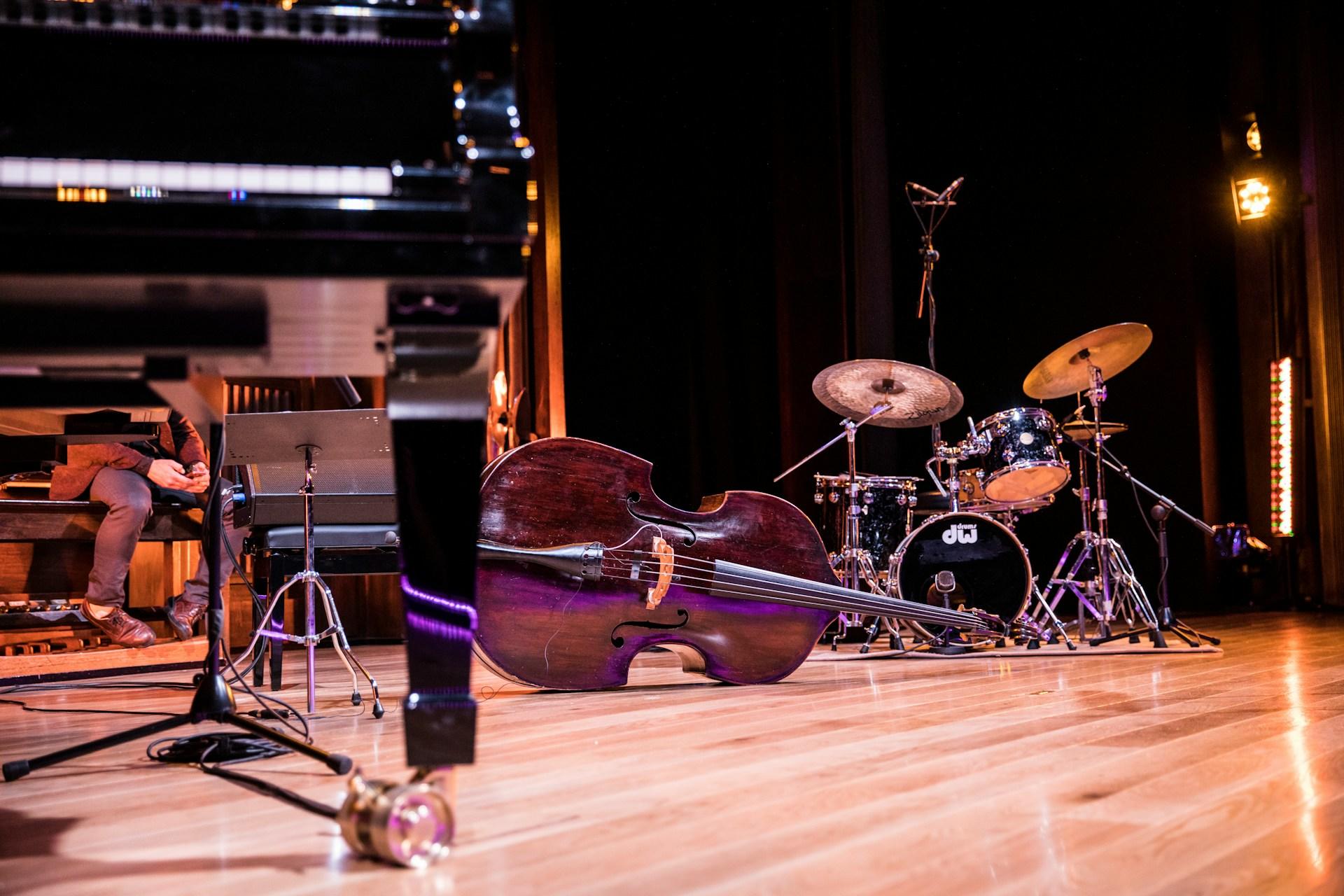
Those who are musically inclined can opt for private schools with strong music curriculum focus such as the St. Michael's Choir School, and Pickering College, for instance.
Benefit 2: Elevated Access to Extracurricular Activities
Schools are more than just places where every child develops basic literacy of writing and reading words or numerical literacy.
They are also places where kids get to explore different sports, clubs, societies, and interests while cultivating various soft skills before they become a university student.
While it's true that they can also participate in similar extracurricular activities at public schools, private schools offer greater financial and facility resources, niche specializations, and expertise (educators and industrial mentors).
For example, St Andrew's College (SAC), an independent day and boarding school in Ontario has an NHL-sized ice rink with a 1200 seating capacity.
Master Any Extracurricular Activities With Superprof
Whether you are interested in picking up a new sport, dabbling into art or music or mastering public speaking, you can ace all that with the help of an experienced private tutor.
Alongside additional guidance from a tutor, you can have the best of both worlds as a private school student.
Well, learning with Superprof allows you to take physical or online tutoring lessons at your preferred location and schedule — it's both convenient and effective.
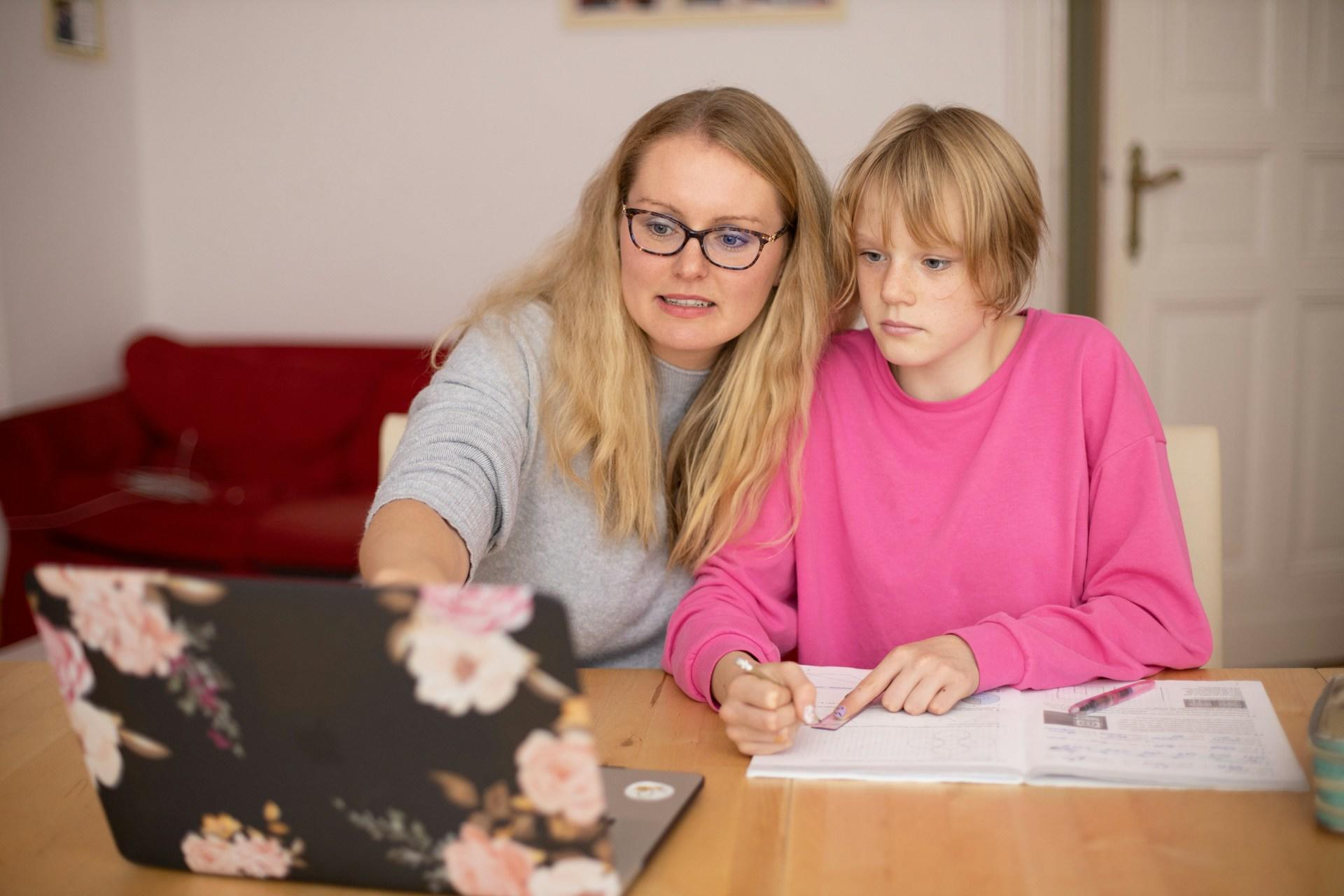
All you need to do is head to the Superprof Canada homepage and start browsing the tutors' profiles according to your desired subject and preferred location.
Once you have reviewed the basic information such as the tutor's teaching experience, teaching specialization, hourly rates, and teaching methodology, you can contact him or her directly via the messaging feature on their respective profiles.
Advice Guide As You Review The Private Schools
As you weigh the costs and benefits of enrolling in a private school, it's important to review the following steps as you finalize your decision.
Step 1: Identify educational goals and priorities
Granted that there are different types of schools, it's important to decide if you are looking for a single-sex/co-ed school that follows the traditional academic pathway, or a specialized language or art school.
It's important to find a school that caters to your primary education needs and strengths.
Step 2: Compare the costs and financial considerations
Of course, we cannot miss out on the review of tuition fees, which can have a huge wide range depending on the school's location, school type and specialization. Day schools, for instance, are more affordable than boarding schools.
For international students, it's also important to check the latest school tuition in terms of CAD based on your country of origin (if applicable) and payment methods. Some private schools have different tuition fees for US students and other countries.
Don't forget to also include the additional resources costs, living expenses, and transportation fees.
While there are many scholarships and financial aid available that you can apply to, it's important to make a decision based on a feasible budget throughout the years of study as the expenses are not tax deductible.
Step 3: Evaluate the academic curriculum and extracurricular offerings
Do a comprehensive comparison of what different private schools provide in terms of academic subject selection, clubs, societies and sports.
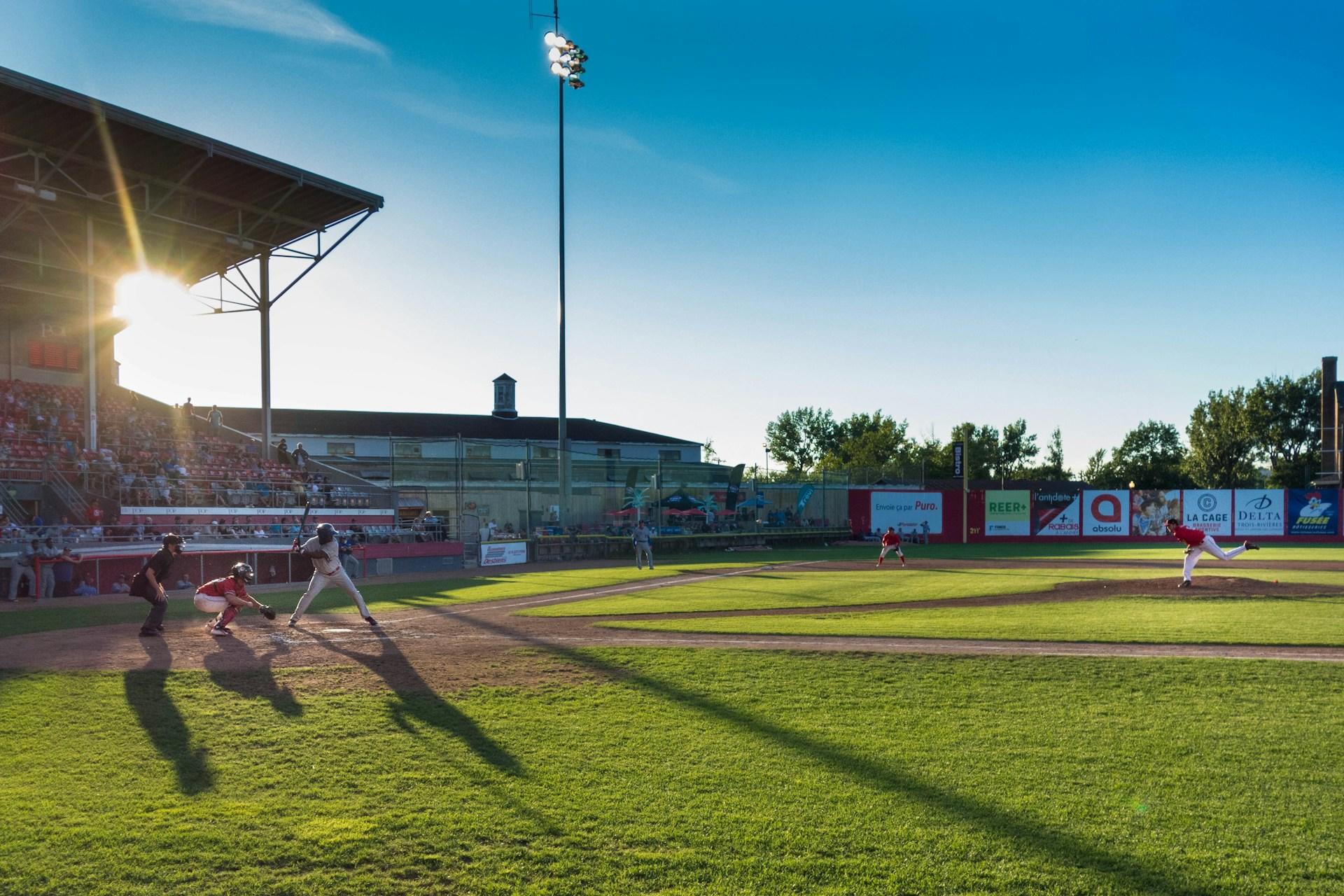
If you aspire to become a baseball athlete, it makes sense to choose a private school with extensive baseball sports facilities and experienced coaches.
Step 4: Visit private school expos or the schools in mind
One way to find out more information about private schools beyond the Internet is to visit a private school expo.
It's a good platform to gather families and prospective students to learn more about the admission process and financial-related information for different schools in one go.
However, nothing beats the experience of being in the field and seeing things with your own eyes.
Feel free to make an appointment for several school visits and talk to the counsellors, teachers and other parents with children who are studying there. This will give you an idea of the overall reputation and values of the schools.
We hope this article has given you some insights, as a parent or student who is considering enrolment in a private school in Canada.
Summarize with AI:
Did you like this article? Leave a rating!


 Loading...