
Fashion is more than just clothing, it reflects personality, culture, and history. Since the beginnings of haute couture in the 19th century, fashion has evolved steadily and now shapes the catwalks and streets of the world.
But what's behind terms like haute couture, prêt-à-porter, and fast fashion? Which designers and fashion houses have shaped the industry? And which trends are still relevant today?
Test your knowledge with our fashion quiz and discover more about the fascinating world of fashion. Are you a true style icon, or are you just beginning to explore the great designers, trends, and fashion history? Take our quiz and find out!
Quiz
Quiz :


The Different Faces of Fashion
Fashion has evolved over time—from the aristocratic fabrics and craftsmanship of the 18th century to the fast-paced, mass-produced trends of today. Fashion is an expression of culture, society, and personality that is constantly being redefined.
Haute Couture – The flagship of the fashion world
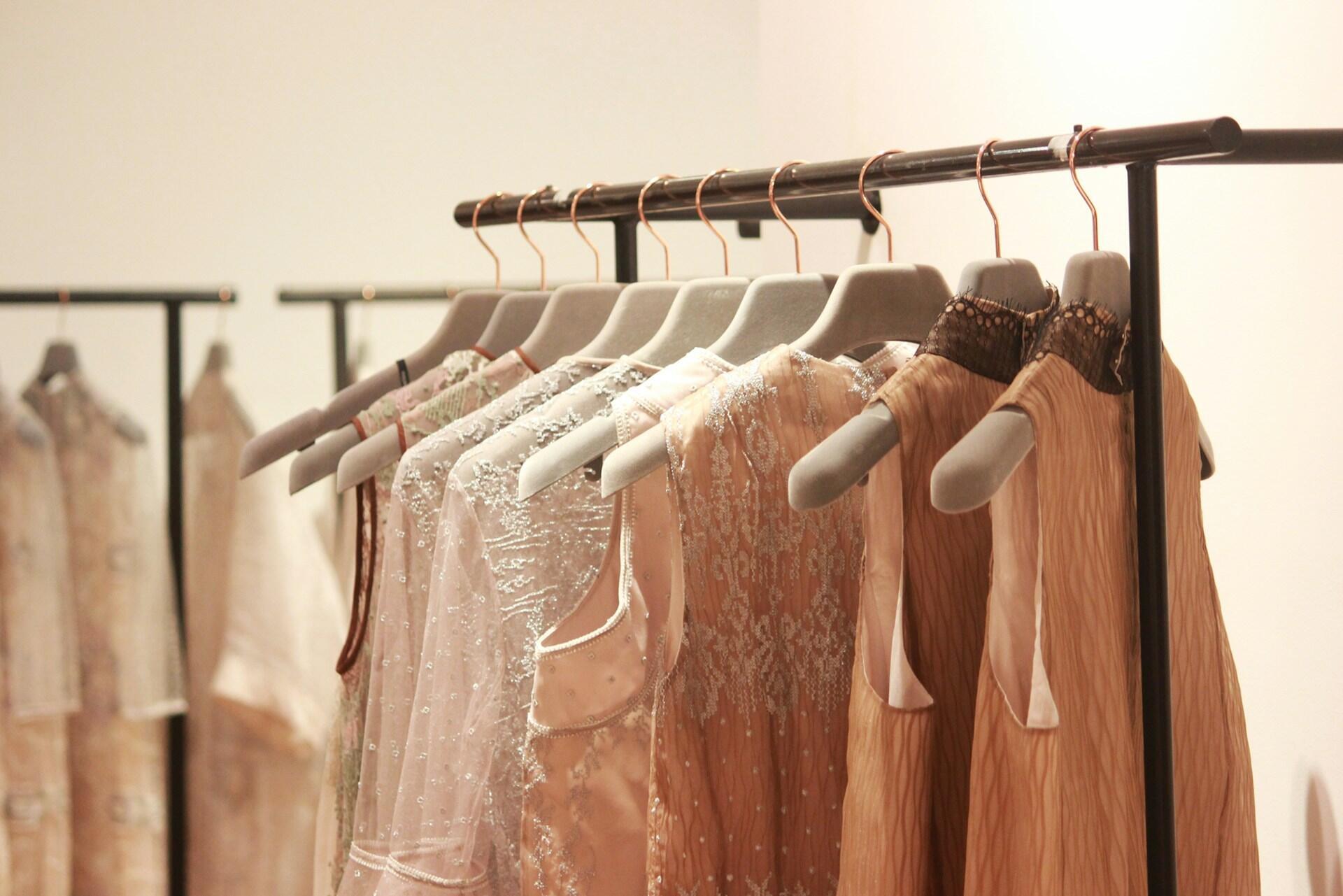
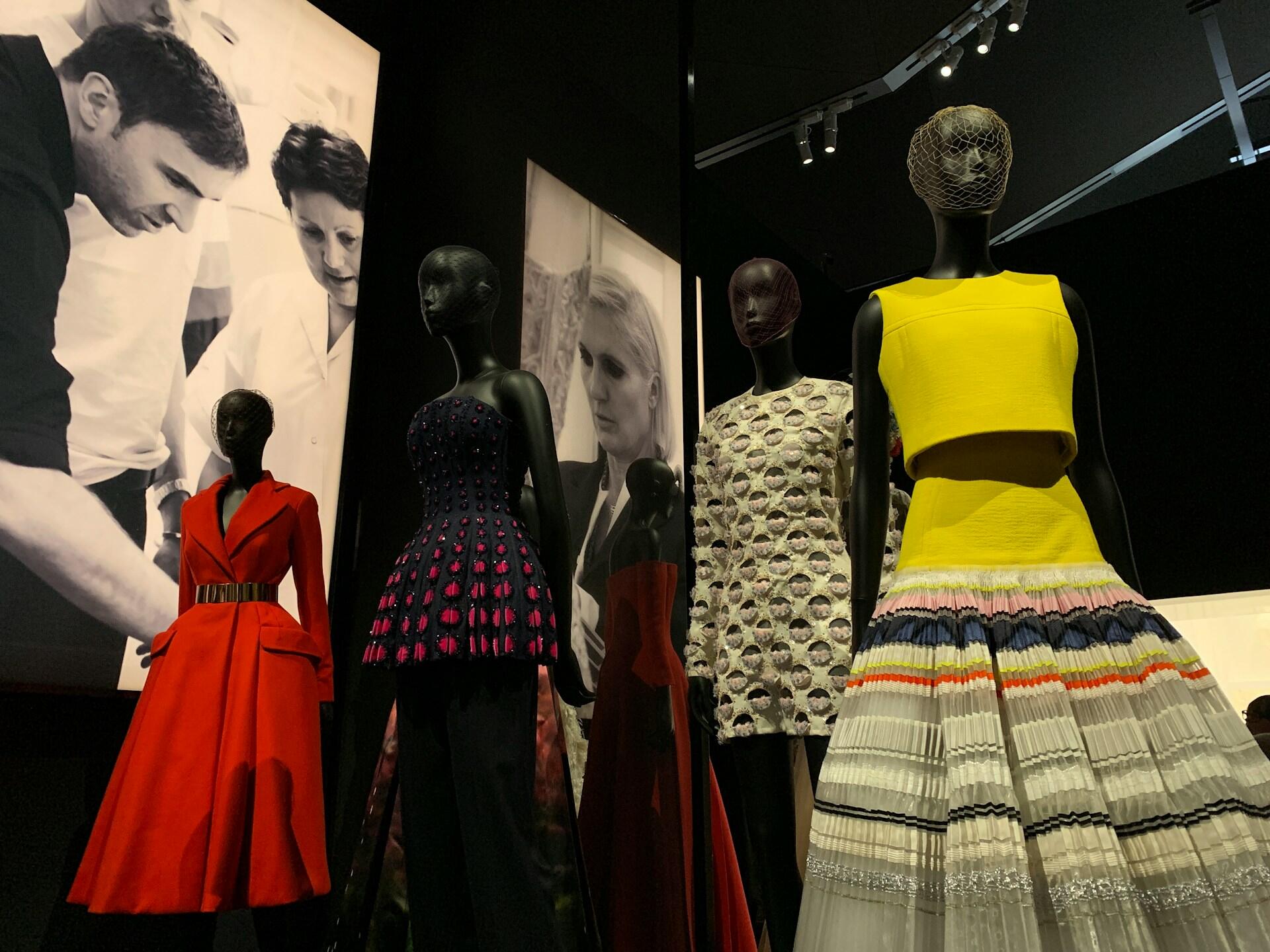
Haute couture is the ultimate symbol of luxury in the fashion world. This bespoke fashion is handcrafted and requires years of experience and craftsmanship. Haute couture collections are typically presented by a few exclusive fashion houses such as Chanel, Dior, and Givenchy.
Only the finest materials are used, and each garment is unique. This fashion isn't just a piece of clothing, it's a work of art that blurs the lines between fashion and art.
High quality: The finest materials and exceptional craftsmanship.
Exclusive production: Each piece is individually crafted.
Intricate craftsmanship: Every detail is handcrafted and a true work of art.
Prêt-à-Porter: High-quality fashion for everyday life
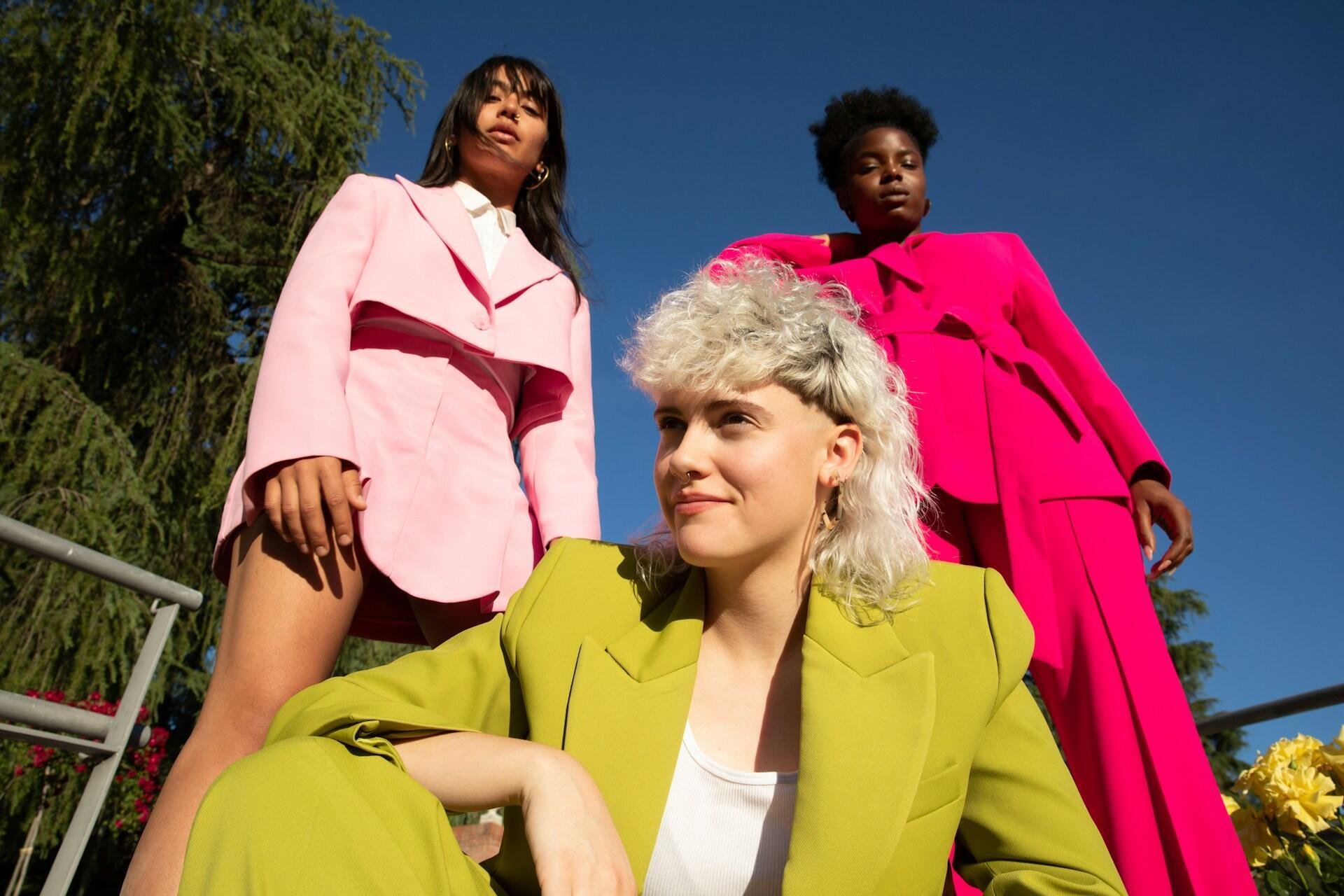
In contrast to haute couture, ready-to-wear is industrially manufactured fashion for the mass market. This fashion is immediately wearable and offers an elegant alternative for everyday wear. It brought high-quality designs to a wider audience and made fashion more accessible.
Ready-to-wear: Ready to wear immediately, no fitting necessary.
Availability: Produced in large quantities and accessible to a wide audience.
Value for money: More expensive than fast fashion, but more affordable than haute couture.
Fast Fashion: Speed instead of perfection
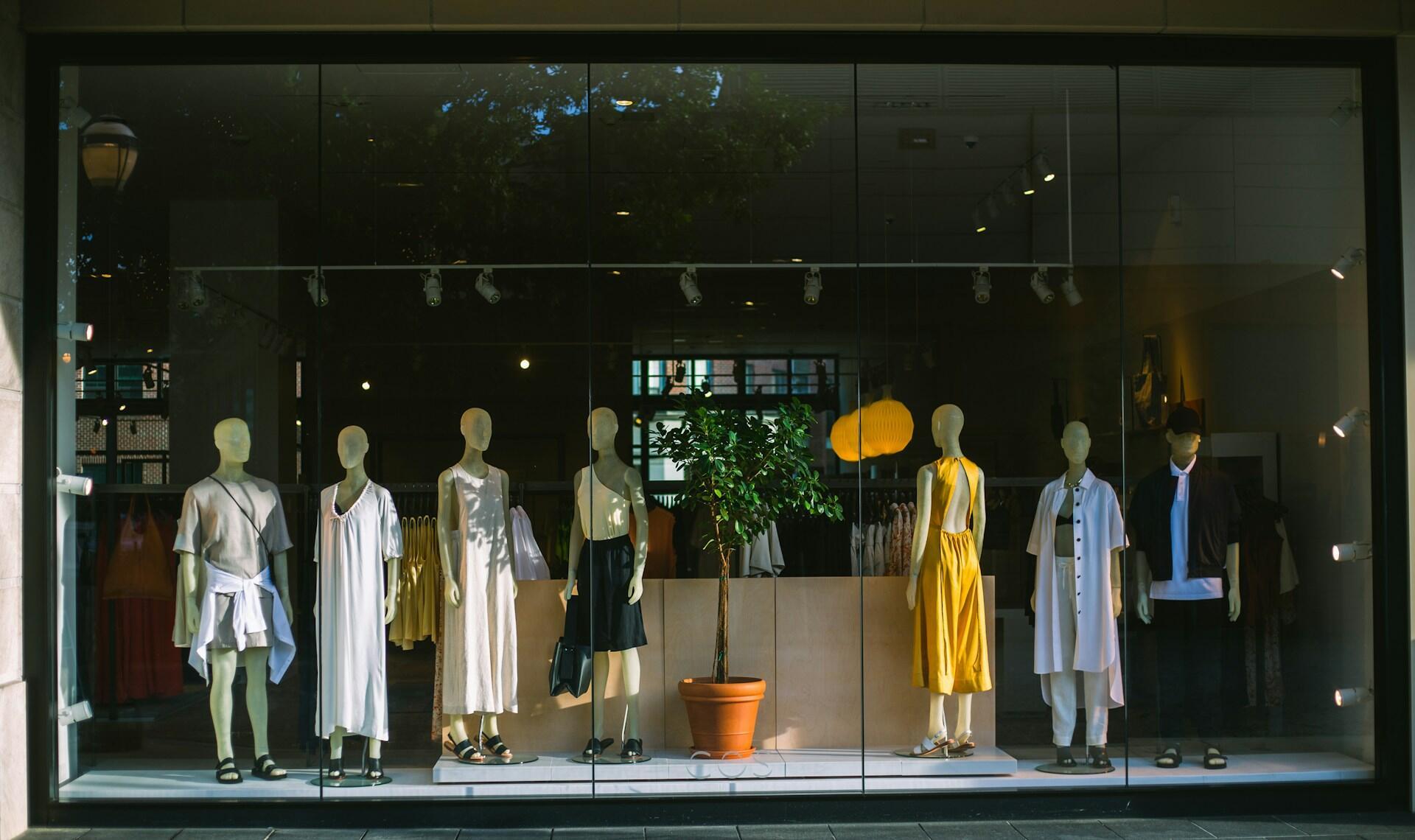
Fast fashion has revolutionized the fashion industry by making trends quickly and cheaply produced. Brands like Zara, H&M, and Urban Outfitters regularly launch new collections that follow the latest runway trends.
This has made fashion easier for many people, but at the same time, it has led to an increasing throwaway mentality, which is one of the biggest challenges facing the fashion industry today
Mass production: Clothing is produced in large quantities.
Cheap and fast: Trends are implemented quickly and sold at low prices.
Changing collections: Collections change frequently and are available quickly.
Designers and Fashion houses
Surprising ideas that become new trends and sensational fashion shows are at the heart of the fashion world. Behind them are the designers and fashion houses who shape the industry with their creative vision and continually set new standards.
Icons of the fashion world
The world's greatest fashion designers, from Chanel to Louis Vuitton, have enriched the fashion world with innovative ideas and new concepts that often transcended the garments themselves. Their designs gave rise to new silhouettes and materials that were soon no longer considered mere fashionable pieces but became integral parts of everyday life. By introducing unconventional elements, such as new cuts or colors, they not only shaped fashion but also set new aesthetic standards that became established over time.
Fashion is also a constant dialogue with other art forms and cultural movements. Designers respond to social changes, blending fashion with architecture, music, or visual art, creating collections that are more than just clothing. This fusion of diverse influences and ideas has not only spawned trends but also changed the way fashion is perceived today - as an expression of identity, creativity, and social movements.
Fashion Houses: More than just a name
Many well-known fashion houses were founded by designers whose names became brands themselves. However, their identity extends far beyond the founder. Fashion houses integrate new designers who, on the one hand, continue the tradition while, on the other, setting new standards.
The combination of tradition and innovation is the hallmark of these houses. They are not only places of creation, but also mirrors of social, cultural, and economic change.
The essence of a fashion house is reflected not only in its iconic designs but also in its creative evolution, which constantly embraces new ideas and perspectives. This results in collections that not only reflect the designs of their time but also continually challenge and shape the fashion industry.
Summarize with AI:
Did you like this article? Leave a rating!

 Loading...