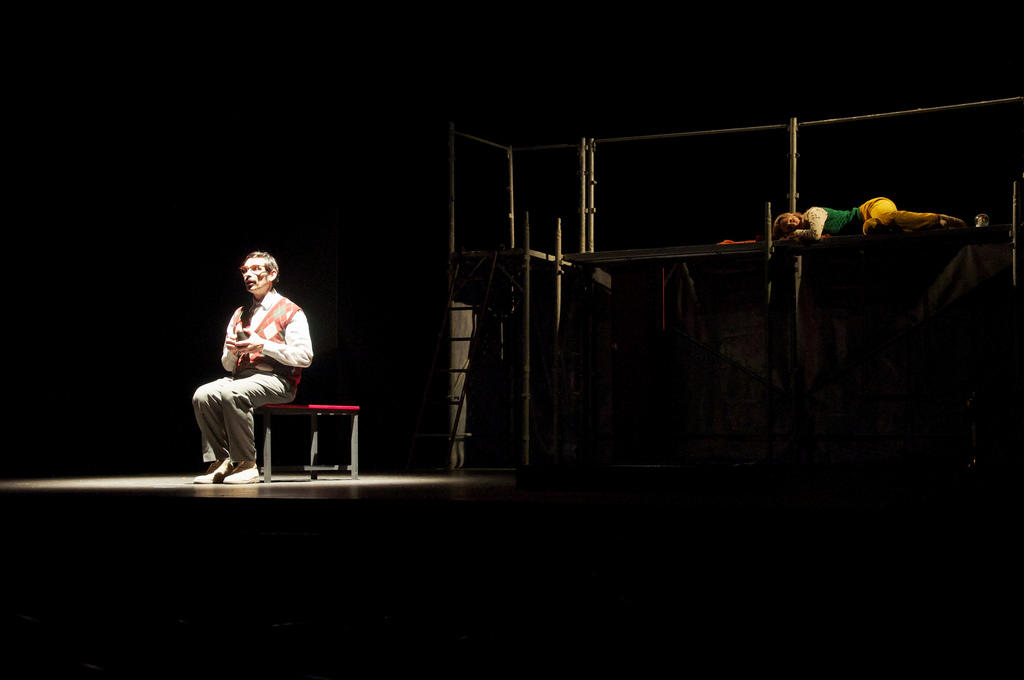

🎥 5 Main Acting Methods
- Classical Acting: Focuses on the technicalities of the vocal and body movements
- Method Acting: Deep immersion and identification to "become" the character
- Meisner Technique: Cultivate authenticity through improvisation and connection
- Chekhov Technique: Highlight characters' psychological thoughts through physical motions
- Practical Aesthetics: Structured script analysis to break down the scene through context
As a novice, you may look at acting as simply a case of pretending to be a character while you are in acting classes, rehearsals, or performing on stage. However, there are different techniques involved in acting, just as there are in the other creative arts (take painting styles, for example), and even different styles and techniques in theatre and playwriting.
In this article, we've listed some of the principal acting techniques and styles and explained how they differ from one another, but also how they share some similarities.


🙋♂️ Acting Techniques and Methodologies
Exploring different acting techniques and methodologies is valuable because, whether used individually or collectively, they provide actors with guidelines and starting points for bringing a wide range of characters to life, across eras and cultures.
There is an art to acting, and there are techniques that are acquired. You can be as emotional as you'd like, as a person, but figuring out ways that you can bring specific emotions at specific times and have them be true, and relating to someone as someone that they're not, is a lot.
Zoe Bell
A deep study of acting techniques and methodologies can expand and diversify your performance in terms of these three areas:
Imagination
- Simulation of situations and circumstances from the given description or dialogue analysis
- Putting yourself in the characters' shoes
Emotional authenticity
- Recalling raw or untapped emotions
- Drawing from personal experiences according to the character and context
Expression
- Facial expressions and micro expressions
- Physical movements and gestures to deliver more impact
📚 Classical Acting
This term, which often conjures up images of Shakespearean theatre, is relatively broad and integrates the expression of voice, body, imagination, and script analysis, focusing strongly on precision. In other words, classical acting training helps to keep your performance balanced through different stages of character development. 1
For instance, mastering classical acting helps you to develop a stable breathing technique when you need to deliver a long monologue or engage in physical movements between several scenes. You'll also know when and how to amplify your voice volume correctly without straining your vocal cords in the long run.
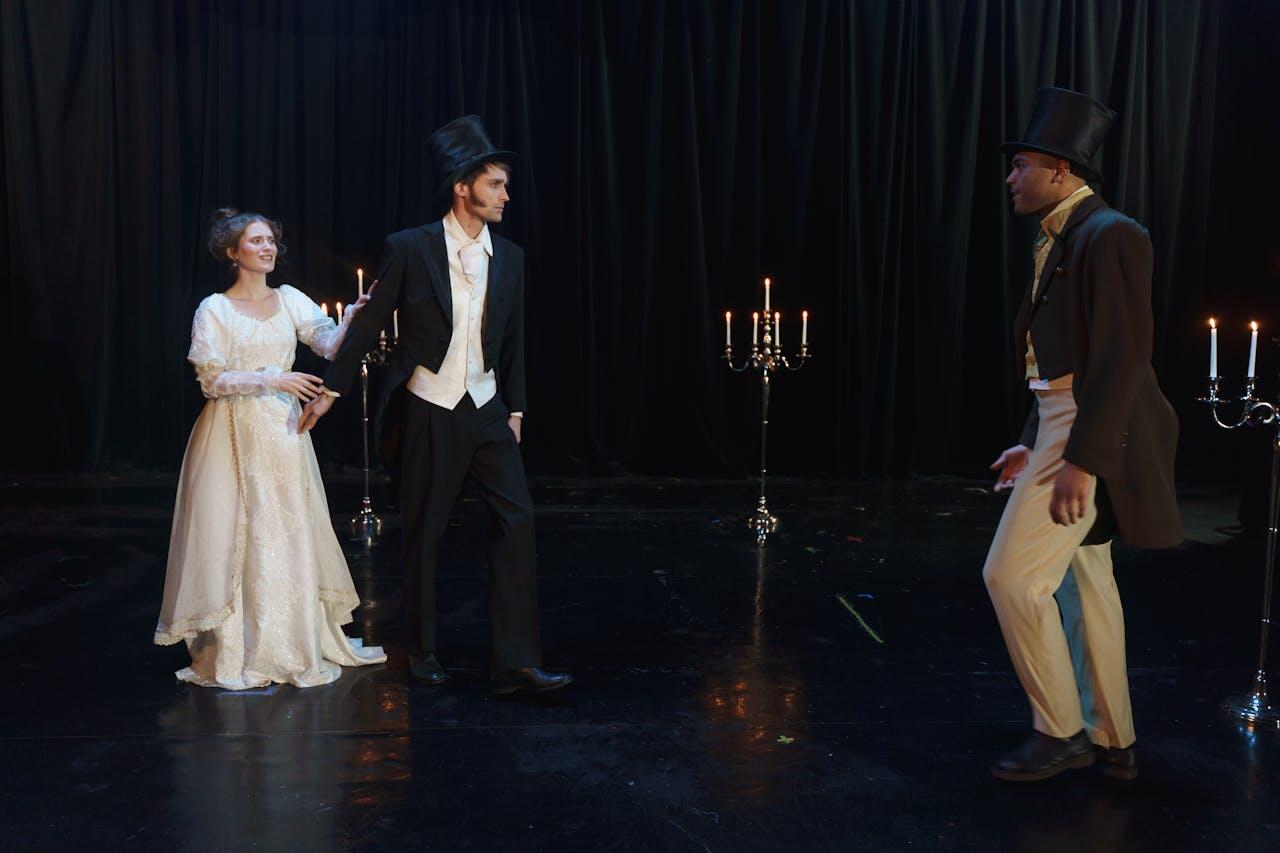
What sets classically-trained actors and actresses apart is that classical performers use a precise script combined with their own interpretation of the lines they have learned and rehearsed to bring their characters to life before the audience.
With classical acting, you memorize your lines, and you don't deviate from the script, so performances are solid and what one can expect when going to watch a play of this kind.
Even though it has quite rigid rules, audiences have loved this style of acting for centuries - for a long stretch of the history of theatre - so it clearly has a good impact on spectators!
The National Theatre School of Canada in Montreal is one of the established institutions in the country that offers comprehensive classical acting training to aspiring actors.
🔍 Method Acting
Method acting encompasses a range of techniques formulated by Strasberg to develop a cognitive and psychological understanding of the actor's character, bringing to the surface raw and powerful emotions.
A method actor will take his or her role so seriously that they will be willing to put themselves through pain or sorrow just to depict a stronger and more raw emotion on stage. So, for example, if the character is supposed to be going through heartache, the actor will focus intently on a situation in their life that made them feel sad or full of pain. Real tears are far more believable than crocodile tears, after all!
In method acting, you can't have preconceived ideas. You have to live in the moment. You have to keep yourself open.
Dennis Hopper
Lee Strasberg, the true creator of this acting technique, believed that actors should live and breathe their characters in the run-up to performances. 2
One example of an actor who took this intense approach to his work was the late Heath Ledger, when portraying the mentally unstable Joker in Batman: The Dark Knight. The actor, who won many posthumous awards and honours for his performance in the film, was said to have become heavily involved in his rehearsal of the role and was almost obsessed.
Whilst 'living' as this controversial character, it is clear that the celebrity had his very own battles that he was working through behind the scenes before he met his untimely death whilst filming the last scenes.
Just like the amazing Ledger, method actors refuse to break their composure and risk losing that connection to their character until the last scene is finished and they hear the word 'cut'.
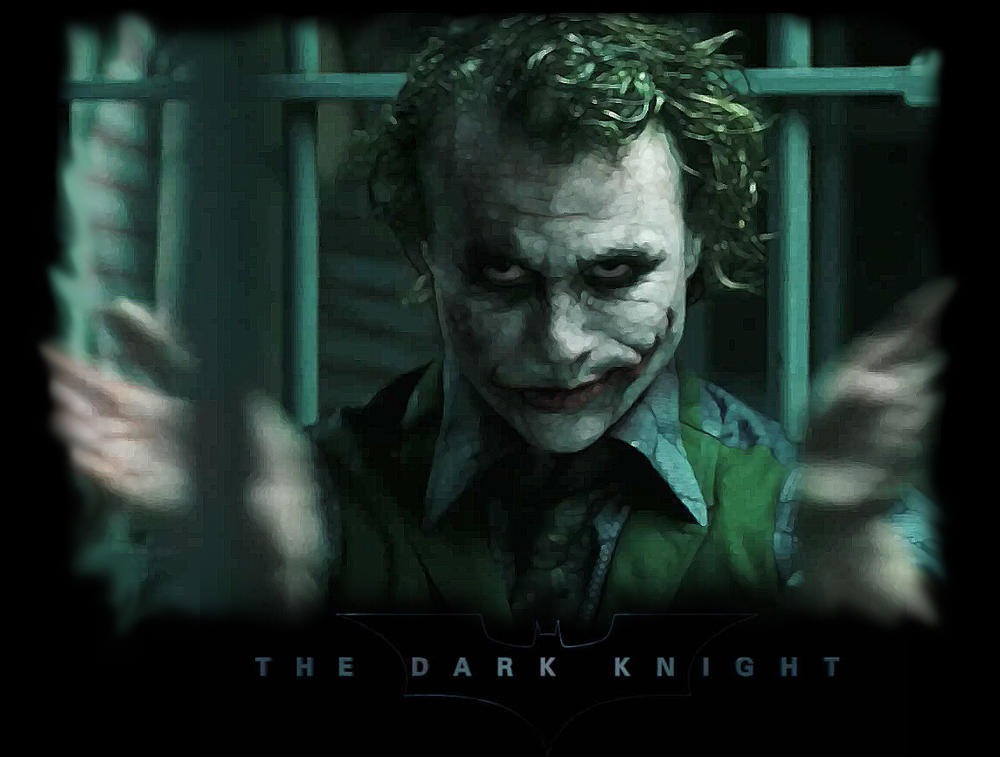
Many committed actors or actresses will alter how they live just to make their performance more authentic, like taking up smoking, changing their diet, messing around with their sleeping habits, and more. Notable examples include: Robert De Niro, Marlon Brando, and Christian Bale.
👀 The Meisner Technique
The Meisner Technique, formulated by Sanford Meisner, asks the actor to focus on nothing but the other actor or actors in the scene with them, as if nothing else in the world exists during that moment. The idea is that the intensity of the performance makes the scene feel more authentic and powerful. 3
The three components of this technique are:
As an actor, the conventional route would be the expectation to memorize and plan for a performance. Meisner didn't believe in planning, though, or even acknowledging that you were an actor. In his eyes, he wanted the performers to tell themselves that they were just individuals existing in imaginary situations, reacting and improvising with the circumstances that occur in the scenes.
🤔 Practical Aesthetics
Next, Practical Aesthetics is a technique that derives from a conception that David Mamet and William H. Macy. 4 The approach includes script analysis and actionable objectives through the definition of an action and a movement during the acting process through these four main steps:
The Literal
Actors ask themselves what is literally happening to their characters in the scene.
Example: I am asking the other character to book an air ticket.
The Want
Actors ask themselves what their characters want from the other person in the scene.
Example: I want the other character to go on a holiday with me.
The Essential Action
Actors need to identify the intention and purpose behind their wants.
Example: I actually want to propose to the other character during the holiday.
The As If
Actors engage with their imagination through scenarios that could happen
Example: It's as if I have decided to settle down with the other character because I am sure he or she is my one true love (even though I may be single in real life).
🕺 Chekhov Technique
Founded by Michael Chekhov, this acting technique centres around physical gestures and psychological actions to unlock emotions. The coined term is "psychological gestures," where actors perform specific actions or movements to express the inner feelings of a specific character. 5
For example, a blind person who is trying to walk through a corridor alone would repeatedly reach out to handles for better support.
When you incorporate these movements in your acting, the whole performance becomes more believable and natural as they reflect the character's actual state in the given environment and circumstances.

Take some cues from one of the best - Bertolt Brecht.
📝 Stella Adler Technique
The Stella Adler technique focuses on the power of imagination rather than drawing from personal experiences and emotions. An actress who received comprehensive acting training and grew up in a family of actors, Adler soon realizes that personal experiences and memories can limit one's acting range. Hence, she advocated that actors build vivid worlds from deep script analysis to explore the character's circumstances and also the setting's descriptions. 6
This technique helps to develop the actors' observation and research skills throughout their acting career. Instead of relying on the actor's personal emotional journey (which can be quite draining in the long run), Adler's technique enables actors to seek creative freedom and character depth.
| Acting Method | Founder | Core Concept | Main Focus | Famous Practitioners |
|---|---|---|---|---|
| Classical Acting | Various, rooted in ancient Greek & Shakespearean traditions | Technique based on clear speech, physical control, and emotional expressiveness | Mastery of voice, movement, and emotional connection for stage presence | Laurence Olivier, Judi Dench |
| Method Acting | Lee Strasberg | Emotional memory and affective recall to access personal emotions for authenticity | Deep emotional truth by drawing on personal experience | Marlon Brando, Robert De Niro |
| Meisner Technique | Sanford Meisner | Living truthfully under imaginary circumstances; repetition exercises | Spontaneity, emotional responsiveness, and truthful behavior | Diane Keaton, Tom Cruise |
| Practical Aesthetics | David Mamet, William H. Macy | Script analysis focusing on the literal, want, actions, and as-if | Action-oriented, text-driven performance emphasizing "doing" | William H. Macy, Felicity Huffman |
| Stella Adler Technique | Stella Adler | Imagination and given circumstances to create character; avoid reliance on personal emotional memory | Imaginative world-building, text analysis, physical discipline | Marlon Brando (early), Robert De Niro, Mark Ruffalo |
🦸♂️ Acting Roles and Character Types
What makes actors memorable to audiences over long periods is their ability to portray a wide range of characters. In fact, some of us instinctively refer to our favorite actors not by their real names, but by the names of the characters they’ve played throughout the years.
For example, millennials would remember Leonardo DiCaprio playing heartthrob roles in Titanic and Romeo and Juliet. On the other hand, the audience from our parents' generation would remember Julie Andrews in her iconic musical roles in Mary Poppins and The Sound of Music.
That being said, there are different acting roles and character types in any production. Understanding how each character type works helps actors to unleash their strengths and expand their range to give their very best performance.
⭐ Lead Roles
- Centre of the story throughout plot development
- Heavy emotional and dramatic arcs with huge emphasis on their point of view
- Examples: Anne Shirley in Anne with an E
⭐ Supporting Roles
- Complement the lead characters, either through contrast or balance, as the plot develops
- May have their side stories, but do not dominate the lead roles
- Example: Dr John Watson in Sherlock
Next, let's look at other acting appearances that actors might explore:
⭐ Recurring characters
- Appear across multiple episodes or acts, even between seasons
- Offers ongoing development and continuity
- Example: Queen Charlotte in Bridgerton
⭐ Guest appearances
- Has a limited presence, maybe one episode or a special scene
- But creates a significant impact or cameo relief
- Example: The Recruiter in Squid Games
⭐ Background roles
- Characters with minimal dialogue or interactions
- To make the location and scene more believable
- Example: Waiters, customers waiting for coffee while the lead roles are talking
🎞️ Acting Styles Across Different Media
Acting roles aren’t the only factors that showcase the range of an actor’s skill; the medium itself also plays a part in highlighting different acting styles - whether performing in front of a camera or for a live audience. Let's break down the following acting styles:
🎭 Theater Acting
Theatre acting is very much dependent on the actors' performance consistency, especially in terms of voice projection, articulation, and expressive movement on stage. It requires hours of focus when it comes to memorising and executing the script without the benefit of editing. And if something unexpected were to happen, the show must go on - one way or another, either through improvisation or ad-libbing.
Derived from the Latin term "ad libitum", it refers to a spontaneous act of alteration to a dialogue or movement to keep the performance authentic and engaging.
🎬 Film Acting
Film acting, on the other hand, relies on subtlety and nuanced expressions that the camera can capture up close. Whether it’s a slight smirk when facing an enemy or a restrained reaction to a sudden injury, actors must understand how their expressions and gestures register on camera, especially since scenes are often filmed out of order.
Some directors are known to be super meticulous when they are filming a specific scene, so actors must also be prepared to repeat the same moments from multiple angles, making it essential to maintain consistent energy and emotion throughout each take.
For example, David Fincher, the director of The Social Network, reportedly had 99 takes for the breakup scene in the movie featuring Jesse Eidenbery and Rooney Mara to create a dramatic effect with layering and lingering dialogue delivery.
📺 Television Acting
Television acting balances the acting style of film subtlety with stage consistency. Actors who participate in television acting must possess great adaptability skills in terms of delivering consistently good performance for quick turnaround schedules.
As some TV series span many seasons, actors must not only quickly embody their characters but also portray believable character development over time. A well-known example is the hit series Kim’s Convenience, where the family members gradually learn to embrace intergenerational and cultural differences through a blend of comedy and slice-of-life storytelling.
🎙️ Voice Acting
Last but not least, voice acting requires actors to make full use of their voice tone, emotion, and vocal range when they're playing a character. Whether they are acting in animation, video games, or dubbing over a foreign production, they still need to paint a vivid picture of the character in terms of their tone and personality. While their physical expressions and gestures are not shown, it doesn't mean they cannot use them when they are voicing the character at the recording studio.
They must use their imagination to come out with a voice to match the character's traits or age. For example, an older person would speak with a deeper, more resonant tone as compared to a teenager.
References
- Milionis, B. (2025b, August 13). Classical Acting: Exploring the acting techniques of the past. The Actors Pulse. https://www.theactorspulse.com.au/acting-techniques/classical-acting-exploring-the-acting-techniques-of-the-past/
- The Lee Strasberg Theatre & Film Institute. (2021, March 26). What is Method Acting? | Lee Strasberg Theatre & Film Institute. https://strasberg.edu/about/what-is-method-acting/
- Team, N. (2024, February 29). Meisner Technique: everything you need to know. NFI. https://www.nfi.edu/meisner-technique/
- Milionis, B. (2025, August 13). Practical Aesthetics: A beginner’s guide to the technique. The Actors Pulse. https://www.theactorspulse.com.au/acting-techniques/practical-aesthetics-a-beginners-guide-to-the-technique/
- Hunter, T. (2025, April 8). Nurturing imagination. Dramatics Magazine Online. https://dramatics.org/nurturing-imagination/
- Hunter, T. (2019, September 9). Don’t be boring. Dramatics Magazine Online. https://dramatics.org/dont-be-boring/
Summarize with AI:
Did you like this article? Leave a rating!

 Loading...