
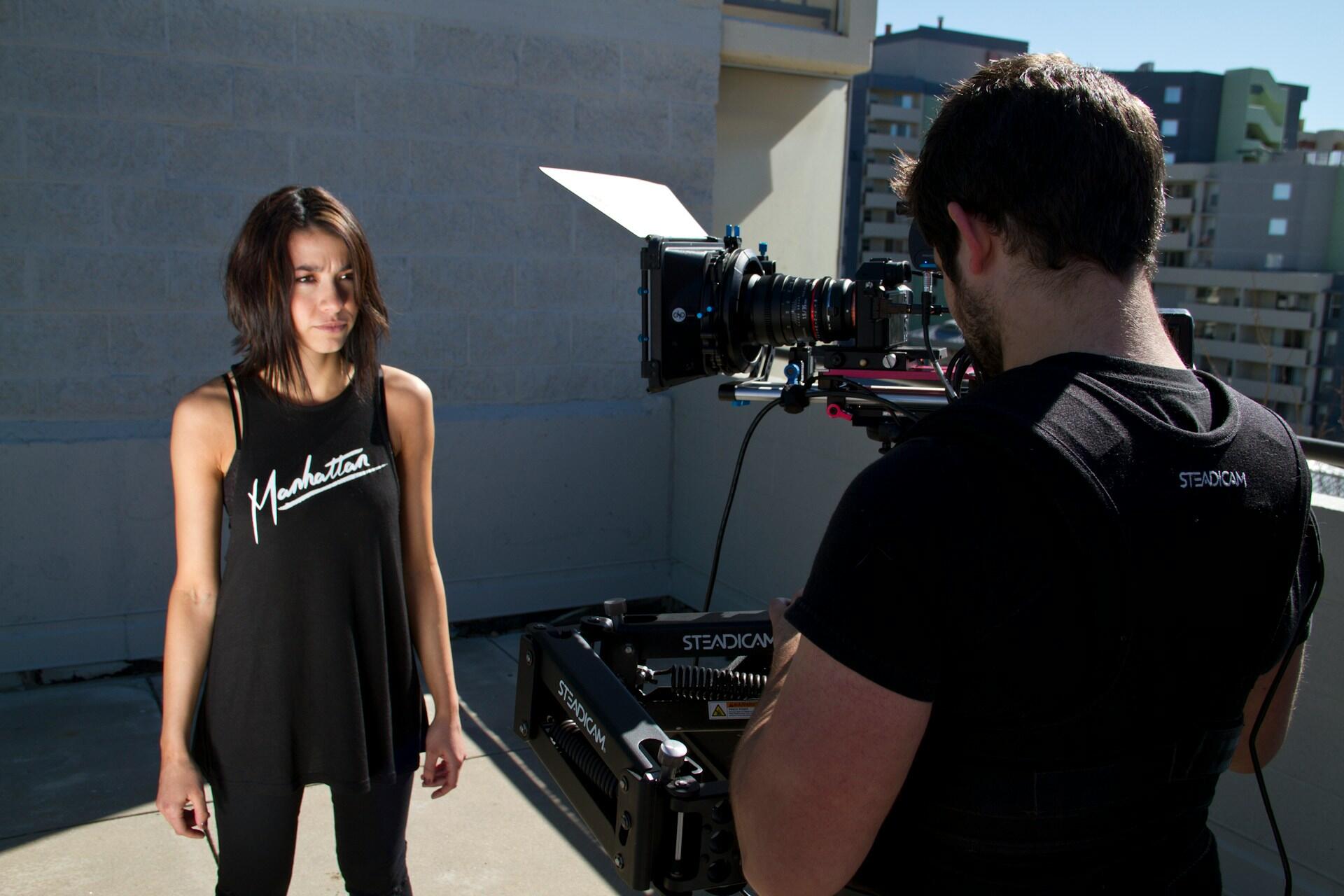

As musicians rely on their instruments, actors rely on their voice (and body) to deliver performances. This is why physical and vocal warm-ups are so important. Here, we'll explore the most effective vocal warm-ups for actors.
Key Takeaways
- Vocal warm-ups for actors prepare the breath, articulators, and resonance system before speaking or performing.
- Diaphragmatic breathing exercises help actors project their voices without straining their throats.
- Articulation exercises improve diction and ensure dialogue is clearly understood by the audience.
- Resonance and pitch exercises strengthen vocal tone and flexibility.
- Physical warm-ups help release tension in the neck, shoulders, and jaw, improving overall vocal performance.


Top Vocal Warm-Up Techniques for Actors
Before any actor steps onto the stage, they should prepare. Beyond rehearsing, every performer should warm up their voice. Vocal warm-ups are key for actors, as they can activate the breath, loosen the articulators, and reduce tension in the body, allowing speech to flow clearly and confidently. By combining breathing work, articulation drills, resonance exercises, and gentle physical movement, actors can improve vocal clarity, projection, and overall performance quality.¹
Actors rely on their voice as a primary instrument. Without proper vocal warm-ups, the vocal folds can become strained, leading to fatigue, poor projection, and unclear articulation. Warming up gradually increases blood flow to the vocal muscles, improves breath control, and prepares the voice for sustained speaking or performance.
With a well-rounded warm-up routine, you'll prepare more than just your voice. You can connect with your breath and body, explore your vocal range, and ensure that every line of dialogue is delivered precisely. There are voice training resources that emphasise warming up breathing, resonance, and articulation together to prepare actors for sustained speaking and performance.⁹

| Warm-Up Type | Focus | Example Exercises | Benefits |
|---|---|---|---|
| Diaphragmatic Breathing | Breath control | Hand-on-stomach breathing; 4-4-6 breathing | Improves projection and vocal endurance |
| Articulation | Speech clarity | Tongue twisters; consonant drills | Makes dialogue clearer and easier to understand |
| Resonance | Vocal tone | Humming scales; buzzing consonants | Produces fuller, richer sound |
| Pitch & Range | Vocal flexibility | Sirens; pitch slides | Helps actors vary tone and emotion |
| Physical Warm-Ups | Body tension release | Neck rolls; shoulder rolls; facial stretches | Improves posture and breath flow |
Diaphragmatic Breathing Exercises
Breathing is the foundation of vocal performance and is a common vocal warm-up for singers and actors. Actors must control their breathing to project their voices clearly without straining their vocal folds. Voice coaches emphasise that proper breathing techniques will help actors maintain volume, sustain longer lines of dialogue, and reduce vocal fatigue during rehearsals or performances.²

Diaphragmatic breathing is a way to train your body to use the diaphragm, the large muscle beneath the lungs that controls airflow. When actors breathe deeply using the diaphragm, their voices become more stable and resonant. This type of breathing also helps actors manage emotional scenes, long speeches, and dynamic changes in volume or intensity.⁴
Breath control is the foundation of strong vocal performance. Diaphragmatic breathing allows actors to project their voice clearly without forcing the throat. When breath support is properly engaged, actors can sustain longer phrases, maintain consistent volume, and reduce tension in the neck and jaw.
Place one hand on your abdomen and inhale deeply through your nose so your stomach expands rather than your chest.
Inhale for four seconds, hold for four seconds, then exhale slowly for six seconds to build breath control.
Take a deep breath and release the air slowly while making a soft “sss” sound to strengthen airflow control.
Exhale in short bursts while saying “ha, ha, ha” to engage the diaphragm.
Raise your arms while inhaling and lower them while exhaling to coordinate breath with body movement.
Practising these exercises can help you develop stronger breath support and vocal stamina. Over time, controlled breathing will become second nature. From there, you can focus fully on character, emotion, and storytelling instead of worrying about running out of breath mid-line.³
Articulation Exercises
Clear articulation is important for actors on stage, film, or voice acting. The lips, tongue, and jaw affect speech, which becomes muffled when they're tense. Vocal training guides recommend warming up the articulators to improve diction, clarity, and the precision needed to deliver dialogue effectively.⁶
Articulation exercises are useful for demanding scripts that feature complex phrasing or rapid dialogue. Loosen your muscles and practice controlled pronunciation to ensure every word is both heard and understood. These are useful if you need to project your voice across a large theatre while maintaining clear consonants and vowels.³
Projection and articulation are often confused, but they serve different purposes. Projection ensures your voice reaches the audience, while articulation ensures every word is understood. Actors must train both skills through tongue twisters, lip trills, and consonant exercises to achieve clear and expressive speech.
Through regular articulation exercises, you'll deliver lines confidently and precisely. These exercises will improve speech clarity and strengthen vocal control. They also help you communicate emotion and meaning through dialogue.
Resonance and Pitch Exercises
Resonance is what gives your voice depth, richness, and carrying power. When your voice resonates effectively, sound vibrations will travel through your chest, mouth, and facial cavities. Voice coaches will encourage you to explore resonance during your warm-ups because it helps produce a fuller sound and improves vocal projection in both stage and voice acting performances.¹
Pitch exercises are key as they allow you to explore the range of your voice, even in non-singing roles. By moving through different pitches, you can increase your vocal flexibility. Focus on these for character work, emotional shifts, and dialogue that requires changes in vocal intensity or range.⁹
Hum gently while moving up and down your vocal range.
Glide your voice from low to high pitch like a siren sound.
Sustain sounds like “zzz” or “mmm” to activate facial resonance.
Move smoothly through pitches using vowel sounds such as “ah” or “oo.”
Lightly tap the chest or face while vocalising to feel where vibrations occur.
You'll find that doing these exercises will help you develop a stronger and more expressive voice. You'll learn to control your tone and naturally vary your pitch. Most importantly, you'll maintain a relaxed and healthy vocal technique, which is key for long or regular performances.
Physical Warm-Ups
While most of your voice warm-ups will focus on the muscles that directly affect your voice, your entire body plays a role, too. Physical tension in your neck, shoulders, jaw, or face can restrict airflow. Acting coaches often blend vocal and physical warm-ups, since a relaxed body allows the voice to resonate more freely and naturally.⁸

As an actor, you'll need to connect movement with breath and speech. Gentle stretching and activating the body can help you improve posture, breathing capacity, and vocal support. Exercises like these are helpful before long rehearsals, demanding stage performances, or voice-over sessions that require sustained vocal control.⁷ They're also a great warm-up for kids before singing or acting lessons.
Slowly roll the head in circular motions to release neck tension.
Lift and rotate the shoulders to relax the upper body.
Open the mouth wide, then scrunch the face to loosen facial muscles.
Stretch the tongue out and widen the eyes to activate facial muscles.
Reach upward and bend forward to loosen the back and torso.
Even simple movements can help release tension and prepare the body for expressive performance. Actors have to warm up physically before acting anyway, so why not do it as part of your vocal warm-ups, too? That way, you can create better conditions for clear articulation, controlled breathing, and a stronger vocal presence on stage or in the recording studio.
A Comprehensive Warm-Up Routine
Only vocal exercises are helpful, but the whole routine works best as an ensemble. With a structured sequence, you can prepare your body and voice for the stage. Voice coaches recommend starting with physical relaxation, moving into breathing work, and then activating articulation and resonance before performing.⁹
Here, we've put together a 10-15 minute warm-up routine to get you started, but really, you should look to create your own that works for you, your voice, and your roles. If you're struggling, you can always work with a voice coach on Superprof to create a warm-up routine together.
Warm-Up Step 1
Release Physical Tension (2 minutes)
Start by loosening the body. Roll the shoulders, stretch the spine, and gently move the neck from side to side. This helps release tension that could restrict breathing or vocal resonance.⁸
Warm-Up Step 2
Activate Diaphragmatic Breathing (2 minutes)
Practise deep breathing by inhaling through the nose and allowing the abdomen to expand. Controlled breathing strengthens breath support and prepares the voice for sustained speech.²
Warm-Up Step 3
Engage Gentle Vocal Sounds (2 minutes)
Begin activating the voice with quiet humming or buzzing sounds such as "mmm." These sounds warm up the vocal folds gradually without strain.⁷
Warm-Up Step 4
Explore Pitch and Range (2 minutes)
Use sirens or pitch slides to move through your vocal range. This helps increase flexibility and prepares the voice for dynamic shifts in tone or emotion.¹
Warm-Up Step 5
Activate Articulation (3 minutes)
Practise tongue twisters or consonant drills like "pa-ta-ka." These exercises wake up the lips, tongue, and jaw so dialogue can be delivered clearly.⁶
Warm-Up Step 6
Practice Dialogue or Phrases (3–4 minutes)
Finish the warm-up by speaking lines from a script, a short monologue, or expressive phrases. This step connects vocal technique with performance and prepares actors for real dialogue delivery.
Expert Tips for Effective Vocal Warm-Ups
Your breath is your fuel, and without proper breath support, doing the simplest of scenes or monologues as an actor becomes infinitely harder.
Patsy Rodenburg, Voice coach and former Head of Voice at the Royal Shakespeare Company
Every actor can refine their warm-up habits and enjoy the benefits. It's about more than just a few exercises before performing; it's about developing consistent practices to support long-term vocal health. Voice coaches focus on warming up gradually while paying attention to breath, posture, and articulation, as these factors can make a big difference to your vocal clarity and stamina in rehearsals or performances.⁴

References
- Backstage. “Acting Warmups: Solo and Group Exercises for Actors.” Backstage, 8 Mar. 2022. https://www.backstage.com/magazine/article/vocal-physical-actor-warmup-guide-74817/. Accessed 1 Apr. 2026.
- Backstage. “How to Speak Louder as an Actor.” Backstage. https://www.backstage.com/magazine/article/how-to-speak-louder-77616/. Accessed 1 Apr. 2026.
- Backstage. “Tips for Speaking Loudly and Clearly as an Actor.” Backstage. https://www.backstage.com/magazine/article/tips-for-speaking-loudly-clearly-as-an-actor-73193/. Accessed 1 Apr. 2026.
- Backstage. “Voice Control Advice for Acting and Singing.” Backstage. https://www.backstage.com/magazine/article/voice-control-acting-singing-advice-75175/. Accessed 1 Apr. 2026.
- Dearing Studio. “8 Theater Vocal Warmups for New and Old Actors.” Dearing Acting Studio. https://www.dearingstudio.com/theater-vocal-warmups-for-actors/. Accessed 1 Apr. 2026.
- StageMilk. “Articulation Exercises.” StageMilk. https://www.stagemilk.com/articulation-exercises/. Accessed 1 Apr. 2026.
- StageMilk. “Ten Essential Vocal Warm-Ups.” StageMilk. https://www.stagemilk.com/ten-essential-vocal-warm-ups/. Accessed 1 Apr. 2026.
- StageMilk. “Theatre Warm-Ups.” StageMilk. https://www.stagemilk.com/theatre-warm-ups/. Accessed 1 Apr. 2026.
- StageMilk. “Vocal Warm Ups.” StageMilk. https://www.stagemilk.com/vocal-warm-ups/. Accessed 1 Apr. 2026.
- StageMilk. “How to Warm Up Your Voice in a Share House.” StageMilk. https://www.stagemilk.com/how-to-warm-up-in-a-share-house/. Accessed 1 Apr. 2026.
Summarize with AI:
Did you like this article? Leave a rating!

 Loading...
