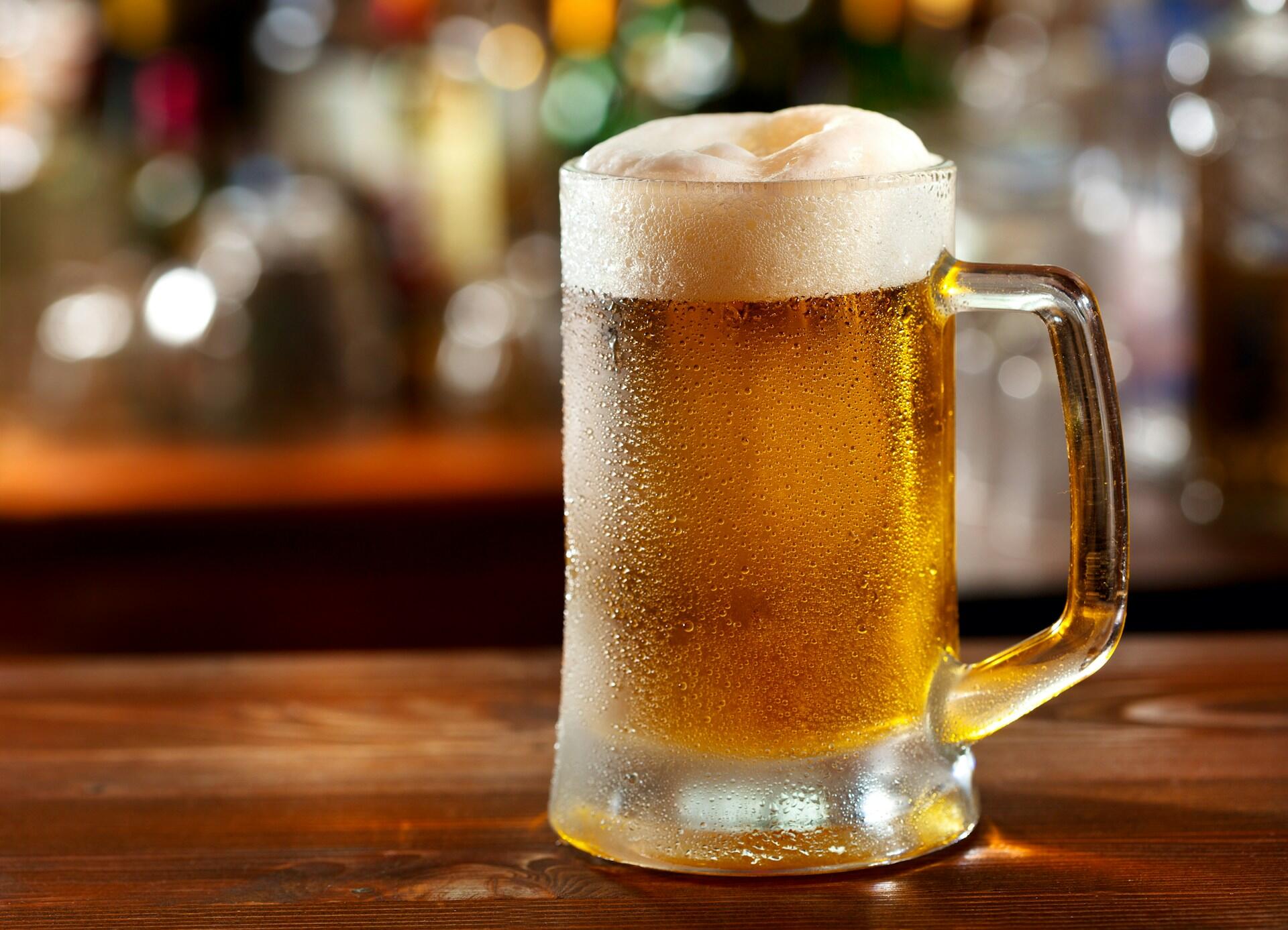

Whether you reach for a crisp lager on a hot afternoon or sip a rich stout with dinner, beer is one of the world’s most widely enjoyed and deeply storied drinks. With International Beer Day fast approaching on Friday, 1 August 2025, now’s the perfect time to put your pint-sized knowledge to the test.
This global celebration honors not just the joy of beer, but also the brewers, bartenders, and beer lovers who bring it to life in pubs, kitchens, and festivals around the world. So crack open your favorite brew, and let’s see how well you really know what’s in your glass.
Quiz
Quiz :



The Origins of Beer: Ancient Brew to Modern Craft
Beer is one of humanity’s oldest beverages - quite possibly discovered by happy accident when grains fermented naturally in water. The Sumerians were among the first to brew it intentionally around 4,000 BCE, even composing a hymn to Ninkasi, the goddess of beer.
Over millennia, brewing evolved alongside civilisations. Ancient Egyptians drank beer daily (often safer than water), while European monks in the Middle Ages advanced techniques that laid the groundwork for many styles we know today. The introduction of hops in the 9th century was revolutionary, adding stability, bitterness, and complexity that transformed beer's flavour and shelf life.
By the 19th century, breakthroughs in refrigeration, yeast science, and transport allowed for mass production of lagers and ales. Today, beer is brewed in almost every corner of the world—with craft brewers reviving forgotten styles, experimenting with bold flavors, and turning beer into both a science and an art form.
Are you keeping up? Let's make it even simpler!
7000 BC
Early Sumerian beer
Archaeological evidence suggests prehistoric nomads in Mesopotamia were brewing beer around this time.
4000 BC
Egyptian beer
Beer was produced for royalty, medicine, and funeral offerings in ancient Egypt.
2000 BC
Babylonian beer
Babylonian brewers had developed around 20 distinct types of beer.
1000 BC
Chinese brewing begins
Beer production emerges in ancient China alongside the rise of cereal agriculture.
800 BC
Germanic brewing
Indigenous Germanic tribes begin brewing, laying fermentative roots.
1516
Reinheitsgebot enacted in Bavaria
This “purity law” mandated beer be made only from water, barley, hops (and later yeast), shaping modern brewing standards.
1810
First Munich Oktoberfest
Celebrated as a royal wedding, the festival becomes a lasting beer-centric tradition.
1850s
Pasteurization introduced:
Louis Pasteur’s discoveries enable safer, more stable beer via heat treatment—key to industrial brewing. Although not listed in Raley’s summary, it’s a pivotal context around this period.
1920–1933
U.S. Prohibition
Complete ban on alcoholic beverages halts commercial beer production in America until repeal in 1933.
1970s–now
Craft beer renaissance
Small-scale, artisanal brewing resurges globally, challenging mass-market styles. Again, not directly in Raley’s list, but it caps the historical arc.
So, whether you're a homebrewer, a foodie, or someone who simply enjoys a cold one with mates, International Beer Day is the perfect excuse to explore new flavours, raise a glass to history, and maybe find a new favourite style.
However you choose to celebrate, we hope this quiz and article help you enjoy beer a little more thoughtfully - one sip at a time. 🍻
Canadian Beer 🇨🇦
Canada might be known for its maple syrup and hockey, but it’s also home to some seriously good beer. Big names like Molson Canadian and Labatt Blue have been around forever and are go-to choices for a classic, easy-drinking lager. But if you dig a little deeper, you'll find a whole world of craft breweries popping up across the country.
Granville Island Brewing in Vancouver helped kick off the craft beer scene back in the '80s, and places like Unibroue in Quebec are now famous for their bold, Belgian-style brews like La Fin du Monde. From coast to coast, whether it’s a crisp lager or a rich ale, there’s a Canadian beer out there to match every taste
What's your verdict?
Summarize with AI:
Did you like this article? Leave a rating!

 Loading...