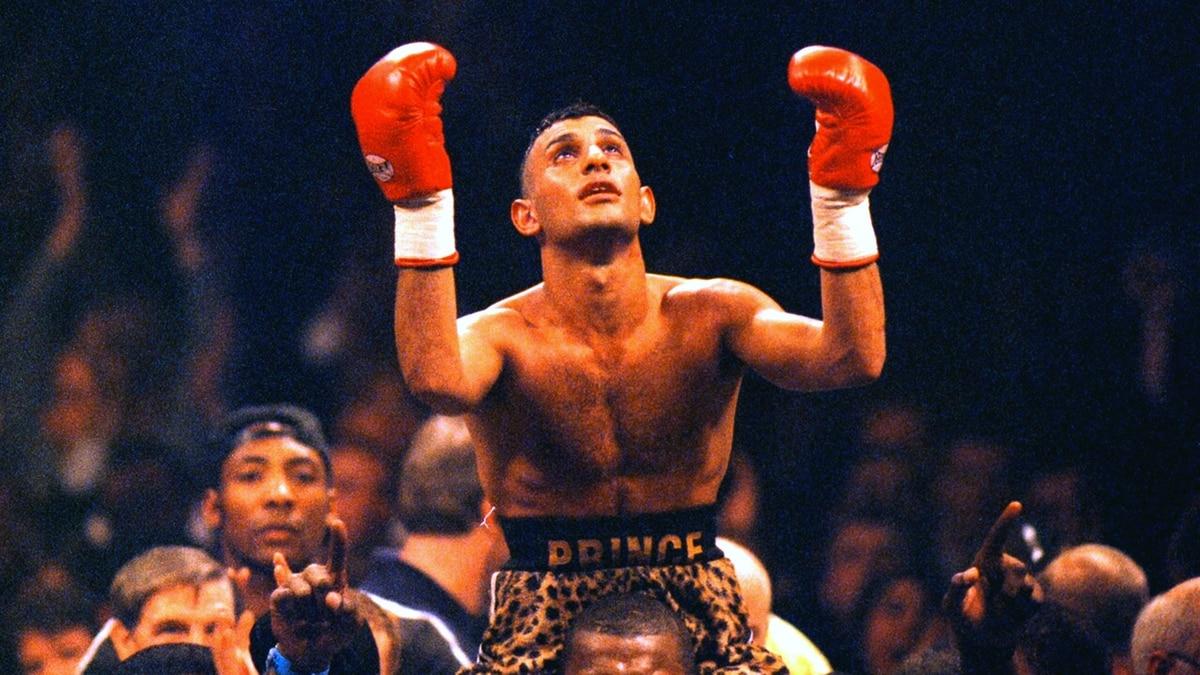

Boxing is becoming more popular than ever, especially in Britain, as both a form of exercise and a professional sport. Whether you’re an enthusiast who likes to participate or a fan who just likes to watch, learning more about the history of British boxing greats is a great way to get more passionate about the sport. Find out more about boxing and how it’s remained part of the country’s sporting identity over the years.


Pioneers of British Boxing
In the early days, before television deals and international sanctioning bodies, boxing relied on individuals to strike deals and create opportunities to further the sport. Thanks to these pioneers, boxing became popular in Britain and abroad, with Britain earning a reputation as a nation that produces strong contenders. The great show of strength became a source of pride for the country, a sentiment that is typically echoed by any nation whenever they produce a new boxing great.
Bob Fitzsimmons
Hailing from Cornwall, Fitzsimmons was one of the very first modern boxers and holds a unique place in boxing history. He was the first boxer to win world titles in three weight classes: Middleweight, light-heavyweight, and heavyweight.
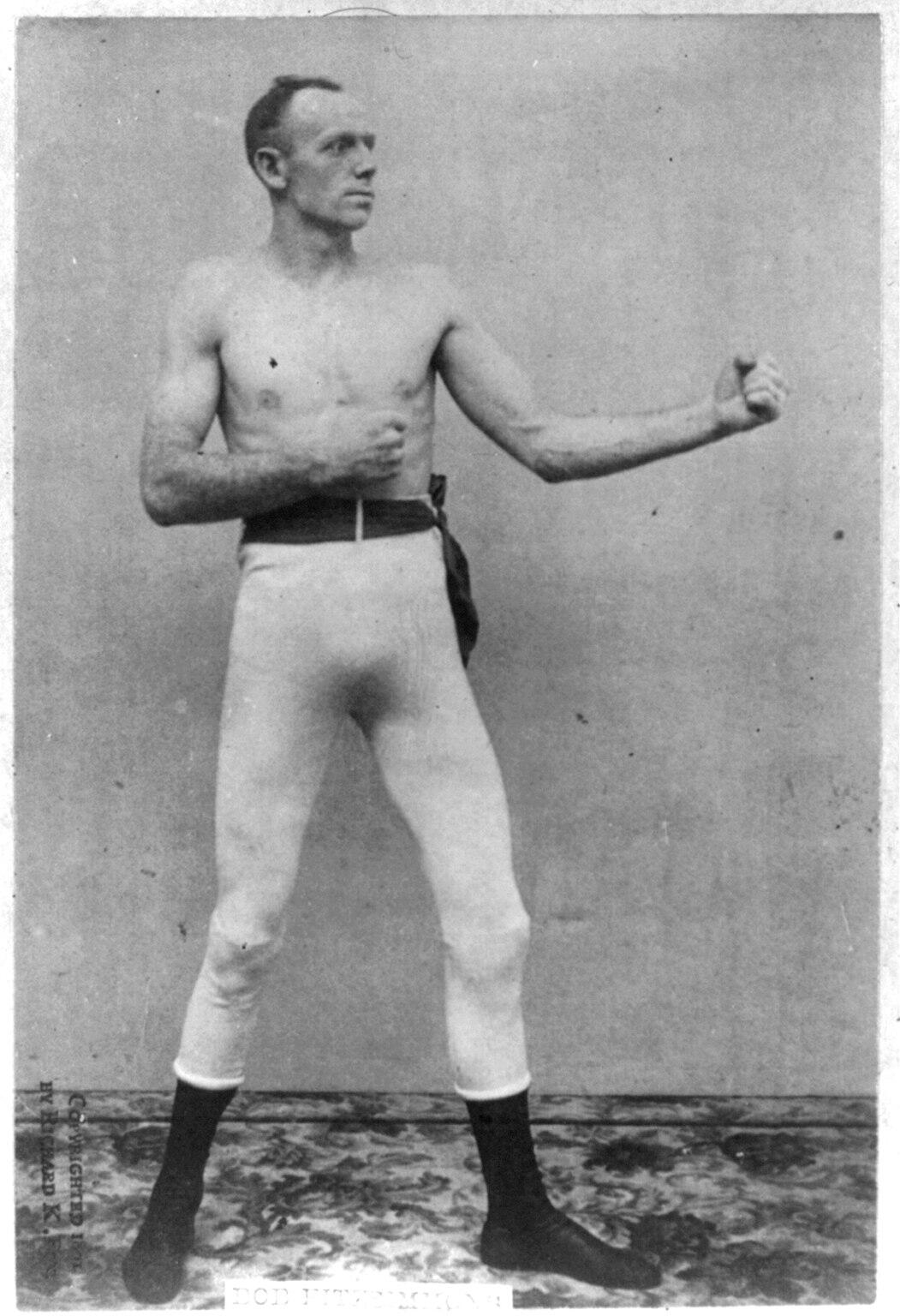
At the time, rules and training were very basic and were still evolving to meet contemporary standards.
Even so, Fitzimmons developed a precise, technical approach focused on aim and timing rather than pure strength.
With that in mind, he was still considered to have one of the hardest punches in boxing history.
He was active from 1883 to 1914.
He was posthumously inducted into the World Boxing Hall of Fame in 1954.
Lennox Lewis
Lewis was a literal powerhouse, making him the last heavyweight champion to have held the undisputed title.
Commentators considered him the most complete heavyweight champion to ever come from British training. His size, ring intelligence, and discipline made him impossible to overcome.
In 1999, he was named Fighter of the Year by the Boxing Writers Association of America and BBC Sports Personality of the Year.
In 2002, he defeated Mike Tyson in one of the most highly-anticipated fights in boxing history (which drummed up a healthy USD$106.9 million in pay-per-view sales).
Find kids boxing classes here on Superprof.

Joe Calzaghe
Calzaghe is the longest-reigning super-middleweight world champion boxer from England. He is still one of the most successful unbeaten British boxing champions, having held the WBO super middleweight title for over a decade straight.
While he wasn’t known for knockout punches, his innate ability to control fights made him a difficult opponent.
Calzaghe was often referred to as the "Pride of Wales" or the "Italian Dragon", the latter being a reference to his Welsh and Italian hertiages. He was inducted into the International Boxing Hall of Fame in 2014. He boxed professionally from 1993 to 2008 and boasted many titles: WBA, WBC, IBF, WBO, and Ring magazine for super-middleweight; Ring magazine for light-heavyweight.
The Rise of Modern Champions in British Boxing
Boxing has been a sport since the dawn of time. It wasn’t until the 18th century that enthusiasts began to make formal rules similar to the ones we see today. In the 18th and 19th centuries, boxing was primarily known as ‘prize fighting’ and was widely illegal. Despite this, boxing was still quite popular, with James Figg being the first celebrity prizefighter in 1719.
Several reform attempts were made over the years:
1743
Broughton’s Rules
John Broughton made the first set of standard boxing rules. They eliminated certain barroom techniques like grabbing hair and hitting an opponent while they’re down. He also introduced “mufflers,” which were a predecessor to the boxing glove.
1838
Original London Prize Ring Rules
Ring size standards and procedures were further clarified, which drew wealthier patrons to the more “dignified” matches versus the bare-knuckle brawls that were still being regularly held.
1867
Queensberry Rules
These rules made four major changes: contestants were required to wear padded gloves; each round was three minutes, with one minute of rest in between; all wrestling moves were illegal; and a downed fighter needed to get up, unaided, within 10 seconds, else they were considered knocked out. This period also saw the introduction of weight divisions.
1891
National Sporting Club Founded
The first organization to formally regulate professional boxing including licensing officials and sanctioning fights.
1929
British Boxing Board of Control (BBBoC) Founded
The BBBoC is still the governing body for professional boxing today.
1960s
Technology Boom Advances Boxing
With the advent of television, boxing became even more popular. Broadcasters realized fights attracted lots of viewers, so they began showing more and more matches. Promoters like Don King learned how to market fighters as personalities, not simply athletes. Rivalries were a marketing tactic to drive up interest. Boxing stars like Muhammad Ali brought boxing into the general zeitgeist. Post-war disposable income allowed people to spend more on fun activities (like watching and betting on boxing). More substantial medical checks and other regulations made boxing a more attractive product for broadcasters and audiences.
Thanks to modern rules and governing bodies, boxing became regulated and legal. It became an attractive sport for broadcasters and venue hosts, audiences and fans, and athletes. It had long been a money-making method for pugilists, betters, and match-arrangers, despite the illegality. Now, the sport is even more lucrative, since they can now have brand sponsors and other means of increasing revenue.
The promise of fame and fortune attracts more boxers, promoters, and other industry workers to the sport.
In boxing you create a strategy to beat each new opponent, it's just like chess.
Lennox Lewis
Heavyweight Champions
The heavyweight division holds a special place in British boxing. It’s the division that attracts the widest audience. It also carries the most historical significance. In both Britain and the U.S., the heavyweight division produced the most exciting matches when the sport picked up in modernity in the 1970s.
The most advertised matches and names included Muhammad Ali, George Foreman, and Ken Norton. The second generation included figures such as Mike Tyson, Evander Holyfield, Lennox Lewis, and Riddick Bowe. Lewis, of course, invigorated the British boxing scene, bringing pride to the nation that had been sorely lacking in heavyweight championships for many years.
Lennox Lewis
In 1990, he won the European heavyweight title against Jean Maurice Chanet. His next few years featured other impressive, decisive wins against opponents like the undefeated Gary Mason and the renowned Derek Williams.
Lewis was born in England but moved to Canada at a young age. There, he trained and won the Olympic gold for Canada, beforegoing pro and moving back to the UK for training in 1989.
In 1992, Lewis won the WBC title belt from Riddick Bowe through relinquishment, making Lewis the first world heavyweight titleholder from Britain in the 20th century. He defended the title from Tony Tucker, Frank Bruno, and Phil Jackson, but lost it in 1994 to Oliver McCall.
In 1999, he defeated Evander Holyfield in a highly-anticipated rematch, becoming the undisputed heavyweight champion of the World. He retired in 2004 with a record of 41 wins (32 by knockout), 2 losses, and 1 draw.
Watch the greatest boxing movies to get more into the sport.
Frank Bruno
In 1982, Bruno started his career strong by winning 22 consecutive matches through knockout. Though his streak ended in 1984 against James “Bonecrusher” Smith, he was far from done with his career. Bruno continued to fight well, hovering in the upper ranks, but failing to secure titles during pivotal bouts.
Finally, in 1995, he beat Oliver McCall and earned the WBC heavyweight world champion title. However, his success was short-lived, and he conceded the title to Mike Tyson in 1996, partly due to an eye injury.
Bruno’s eye injury was too severe to safely continue fighting, and he risked permanent blindness. So, he retired later that year. Though he didn’t hold many titles and didn’t have a long reign, his career stats still make him one of the top-performing English boxers of all time. He finished with a record of 40 wins (38 by knockout) and 5 losses.
Find boxing classes Vancouver here on Superprof!
Boxing is a buzz, but I went into it to make a living. I wasn't going to go into the ring and get punched in the head for the fun of it.
Frank Bruno
Tyson Fury
After a rocky start to his professional career, which included a debut loss, some solid wins, and then a technical win with a poor display, Fury established his skills and dominance in his rematch against John McDermott in 2010. He earned the British and Commonwealth belts, but left them behind to pursue the world title status, having a strong preference to win the Irish title because of his Irish heritage. In 2012, he defeated Martin Rogan and secured the vacant Irish heavyweight title.
In 2015, he made history by defeating Wladimir Klitschko in a match that was named Upset of the Year. He has many other “___ of the Year” associations from Ring magazine, including:
- Fighter of the Year x2
- Round of the Year
- Comeback of the Year
- Fight of the Year
His career record as of 2025 stands at 34 wins (24 KOs), 2 losses, 1 draw.
Anthony Joshua
After achieving Olympic excellence, Joshua turned pro with a dominant display on his debut. He became one of the youngest WBC International heavyweight title holders in 2014 at age 24. In 2015, he defeated former world title challenger Kevin Johnson; Johnson went on to announce his retirement from boxing the next day.
In 2016, Joshua held three unified titles. However, in 2019, he lost it all to Andy Ruiz in one of the biggest upsets in history. But his untitled days were short-lived: Joshua reclaimed the titles from Ruiz later on in 2019, and held them until 2021 against Oleksandr Usyk.
His current record holds at 29 wins (26 KOs), 4 losses. He was appointed Member of the Order of the British Empire (MBE) in 2013 and Officer of the Most Excellent Order of the British Empire (OBE) in 2018.
Cruiserweight Champions
First sanctioned by the NABF in 1979, the cruiserweight division is for lighter heavyweight boxers. These pugilists perform in the same style as heavyweights, but don’t have the same heft. To give them a more equal fighting ground, this subdivision was invented.
David Haye
From 2005 to 2007, Haye was ranked as the world’s #1 cruiserweight champion by BoxRec. He is only one of three boxers in the world to have unified the cruiserweight titles and also become a world heavyweight champion, along with Evander Holyfield and Oleksandr Usyk. He achieved the unified title in 2007 against Enzo Maccarinelli.
His retirement stats sit at 28 wins (26 KOs), 4 losses.
Interested in learning how to box? Read more about how to get into boxing.
Tony Bellew
Bellow began his career as a light-heavyweight. He performed well in the early days, even earning several titles.
He pivoted into becoming a cruiserweight boxer in 2014, immediately defeating Valery Brudov and winning the WBO International cruiserweight title. He even had a small foray in the world of heavyweight, winning against David Haye in 2017. In 2018, at cruiserweight, he badly lost against Usyk and retired. His professional record at retirement is 30 wins (20 KO’s), 3 losses, 1 draw.
Discover professional boxing classes near me on Superprof.
I don't claim to be the best boxer in the world. What I claim to do is give 100% when I get in that ring.
Tony Bellew
Middleweight Champions
In the middleweight division, Eubank and Benn’s rivalry is one of the most memorable in the boxing world. Their clashes helped popularize the sport even more through both their personalities and their performances.
Chris Eubank
Eubank’s strategy relied on composure, timing, and defence. His early career was full of wins, and he secured the WBO middleweight title against Nigel Benn in 1990. The two had a rematch in 1993, with Eubank holding the WBO and Benn holding the WBC. The match was known as ‘Judgment Day,’ but the match ended in a draw.
In 1998, he fought his last bout with Carl Thompson, suffering a bad eye injury that worsened during the rounds. He retired with a record of 45 wins (23 KOs), 5 losses, and 2 draws.
Understand the demands and benefits of becoming a boxer.
Nigel Benn
Benn’s career started strong with a 22 KO streak over about two years. In 1990, he secured the WBO middleweight title from Doug DeWitt. Then, the famed rivalry with Eubank began, with Benn openly saying he hated Eubank. Of course, Benn ended up conceding the title to Eubank in a devastating loss.
He went on to secure the WBC super-middleweight in 1992, conceding the title in a technical loss to Thulani Malinga in 1996.
Benn wanted to return to the sport in 2019, but by then he was too old and out-of-practice. After suffering an injury during sparring, he gave up the endeavour.
In 1995, Benn faced Gerald McClellan, who was at a high point in his career. Sadly, McClellan suffered a blood clot in his brain during the match, which wasn’t addressed until after the fight ended. He ended up mostly blind and deaf and requiring a wheelchair. In 2007, Benn hosted a benefit dinner to raise funds for McClellan’s ongoing medical expenses.
Welterweight Champions
There are fewer British welterweight champions in history, but it’s still an important subclass in the sport.
Ricky Hatton
Ricky Hatton is best remembered for his success at light welterweight, but his impact at welterweight also shaped his legacy. He was named Fighter of the Year by Ring, the Boxing Writers Association of America, ESPN, and BoxingScene. Hatton’s great success and long streaks of uninterrupted wins made him a popular figure in boxing.
In 2007, he suffered his first career defeat at the hands of Floyd Mayweather.
Hatton retired with a record of 45 wins (32 KOs) and 3 losses, making him one of the most successful British boxers of all time. He passed away in September 2025.
Get inspired with the best boxing quotes and phrases.
The high of victory in the ring was bigger than the biggest party. You'd get in the ring and hear thousands of fans chanting your name and I'd be giving it all back for them.
Ricky Hatton
Lightweight Champions
At the lighter divisions, boxers are able to incorporate more agility into their strategies.
Ken Buchanan
One of Britain’s finest lightweight champions, Buchanan was a Scottish boxer with a precise technique. His career began with 23 consecutive wins, culminating in securing the British lightweight title versus Maurice Cullen in 1968. He didn’t lose a single match until 1970, against Miguel Velasquez.
At retirement, he left with a record of 61 wins (27 KOs), 8 losses. He also passed away recently, in 2023.
Featherweight Champions
Featherweight boxers weigh less than 126 pounds, making it a very specific division for compact pugilists.
Naseem Hamed
Known for his unorthodox boxing style and elaborate ring entrances, Hamed was an attraction for his personality and performance, changing how British flyweight and featherweight boxing was viewed.
His showmanship was backed up by his skills in the ring. His speed and reflexes, along with power, made him difficult to predict and exciting to watch. In his entire career, he only lost one match, failing to secure the IBO featherweight title against Marco Antonio Barrera. However, he returned a year later to take the title from Manuel Calvo and subsequently retired at a young age, reportedly due to hand injuries.
Hamed was named the tenth-best British boxer of all time by BoxRec in 2025. His record stands at 36 wins (31 KOs), 1 loss.
Find out everything you need to know about boxing.
Current British Boxing Champions
British boxing is currently stable as a popular sport. Each year, new blood enters the ring, creating new personalities and performance styles for the sport to utilize. World-level champions across divisions come from Britain.
Here are some of the biggest names in British boxing today:
| Champion | Weight Class | Professional Record | Belts Held |
|---|---|---|---|
| Jazza Dickens | Super Bantamweight, Featherweight, Super Featherweight | 36-5 | English. British Super-Bantamweight; IBF, WBO, The Golden Contract, IBO Featherweight; IBA, WBA Interim Super-Featherweight |
| Tyson Fury | Heavyweight | 34-2-1 | WBA (Super) Heavyweight; WBC, IBF, WBO, The RIng, IBO Heavyweight; WBO International, WBO Inter-Continental, European, British, Commonwealth, English, Irish Heavyweight |
| Callum Smith | Super-middleweight, Light Heavyweight | 31-2 | WBA (Super), The Ring, WBC Silver, WBC International, European, English, British Super-Middleweight; WBO Light-Heavyweight |
| Anthony Joshua | Heavyweight | 29-4 | WBA (Super) Heavyweight; IBF, WBO, IBO Heavyweight; WBC International, British, Commonwealth Heavyweight |
| Leigh Wood | Featherweight | 28-4 | Midlands Area, Commonwealth, WBO European, British, WBA Featherweight |
| Nick Ball | Featherweight | 23-0 | WBC Silver, WBA Featherweight |
| Lewis Crocker | Welterweight | 22-0 | WBO European, WBA Continental, WBA International, IBF Welterweight |
| Fabio Wardley | Heavyweight | 20-0 | WBO, Commonwealth, British, WBO European, WBA Continental, English Heavyweight; WBA, WBO Interim Heavyweight |
| Adam Azim | Light Welterweight | 14-0 | IBO, European Super Lightweight; WBO Inter-Continental Light-Welterweight |
| Moses Itauma | Heavyweight | 13-0 | WBO Inter-Continental, WBA International, Commonwealth Silver, Commonwealth Heavyweight |
| Caroline Dubois | Lightweight | 12-0 | IBO, WBC Female Lightweight |
The Future of British Boxing
British boxing is on the precipice of a new, great generation. There are many talented boxers in the sphere currently, but only two men’s world champions to show for it. This is a huge backslide from the status in 2015 in which Britain had 12 male world champions.
However, with the strong training and exposure the new up-and-coming fighters are working with, they are sure to gain experience and yield results very soon. Increased investment in women’s boxing also means more opportunities for British women to join in the national sport as well.
With sustained development in training, promotion, sound management, and fair competition, the rising pugilists of Britain are set to bring about a new era of British boxing excellence.
References
- Espn. (2025a). Boxing’s top 25 under 25: Which British fighters made the list? In ESPN.com. https://www.espn.com/boxing/story/_/id/47000586/which-british-fighters-made-list
- Espn. (2025b). Anthony Joshua: Biography, record, fights and more. In ESPN.com. https://www.espn.co.uk/boxing/story/_/id/38826776/anthony-joshua-biography-boxing-record-fights-more
- Why the modern era of heavyweight boxing has given fans a throwback feel thanks to fun and historic relevance. (2024). In CBS Sports. https://www.cbssports.com/boxing/news/why-the-modern-era-of-heavyweight-boxing-has-given-fans-a-throwback-feel-thanks-to-fun-and-historic-relevance/
Summarize with AI:
Did you like this article? Leave a rating!

 Loading...