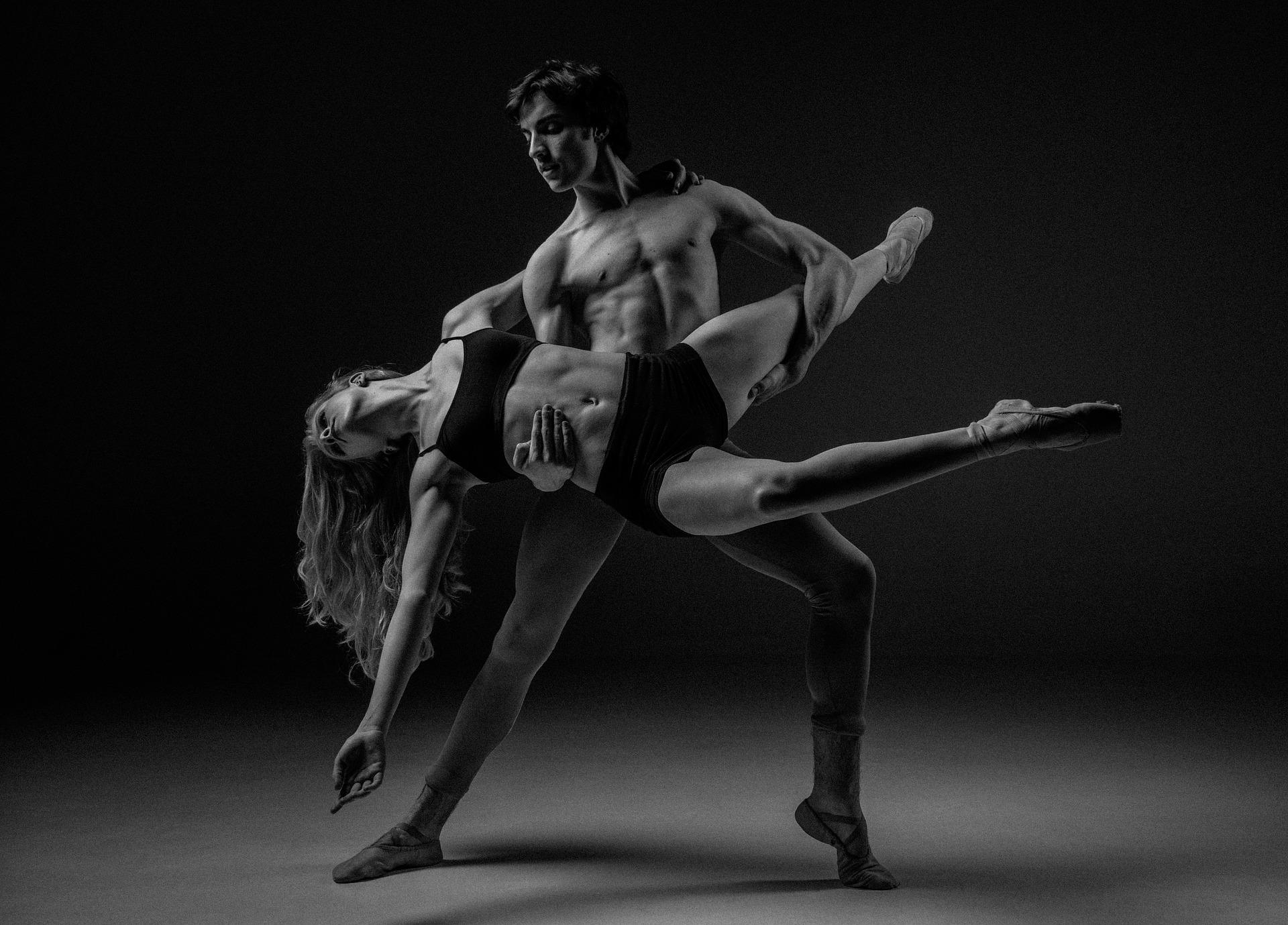

Studying dance will allow you much more than expressing yourself with your body, generating emotions, and developing sensitivity through different musical genres. If becoming a dancer has crossed your mind, we understand the reason why. But can anyone become a professional dancer in Canada? While there are no specific education requirements to be a dancer in Canada, ongoing formal training and coaching are essential for any artistic career. In this case, if you are interested in becoming a professional dancer.
Although many dancers may or may not decide to pursue more intensive dance training at school or university, in academies or conservatories, the truth is that most professional dancers have been training from a very early age.
However, it doesn't matter why you decide to dance. Some people start dancing as a hobby, to do physical exercise, or just because they are following their passion for dancing. However, if you are still deciding whether it is worth doing a university degree in dance or some training, here you will find everything you are looking for! But first, let's test how much you know about dance.
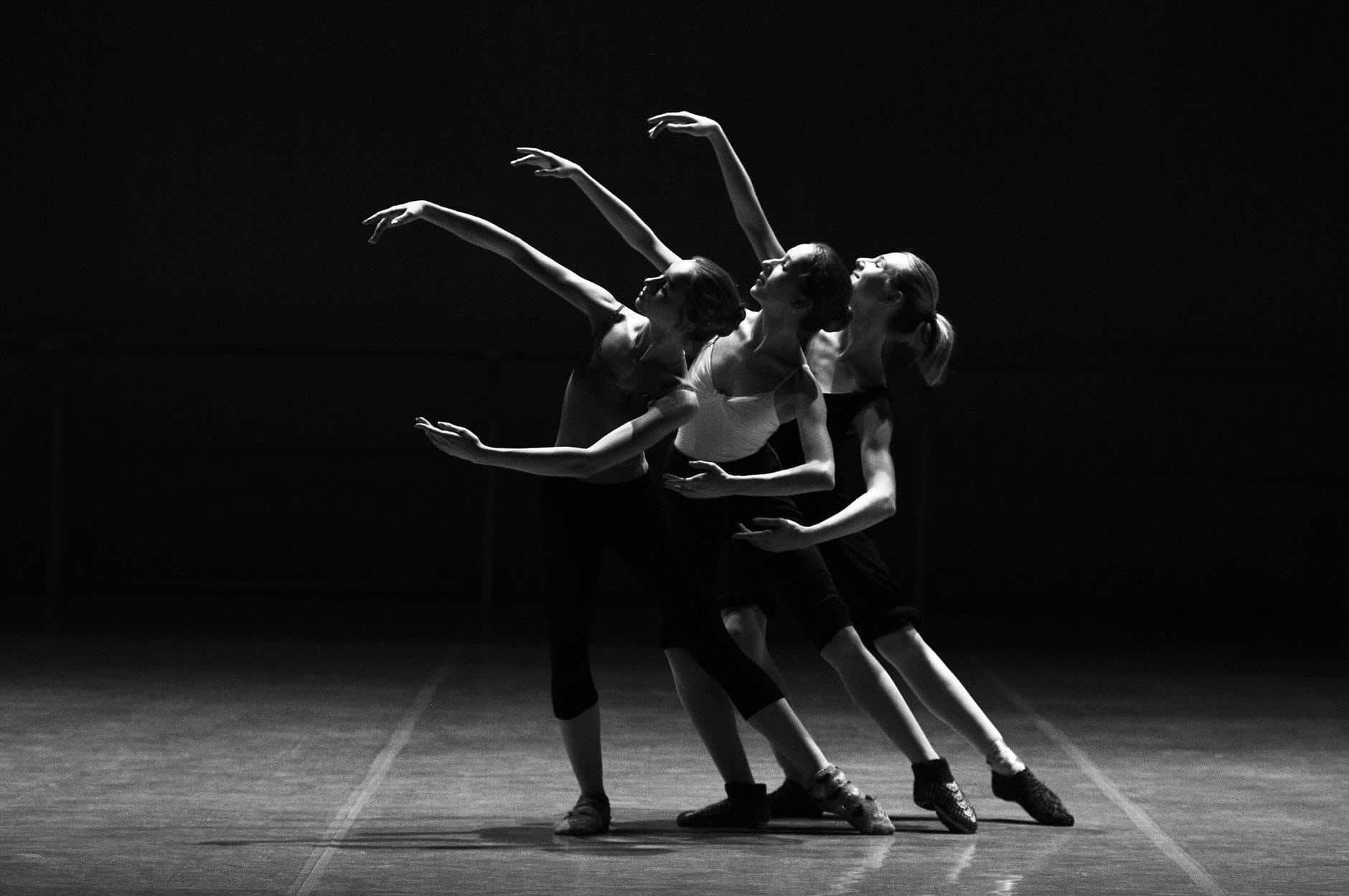



Dance Trivia: Test your knowledge!
Let's see how much you know about dance by choosing the correct answer. We wish you the best of luck, dear reader!
- The King of France, Louis XIV, known as the "Sun King," was a great promoter of dance and the first professional academy of this art: the Académie Royale de Danse. Today, it is known as:
- The National Opera of Paris
- Centre National de la Danse
- Théâtre national de la Danse
- Basilica of the Sacred Heart
- It is the most recognized artistic expression of dance. It was born in Renaissance Italy but reached its splendor in France. The most famous works are Swan Lake and The Nutcracker.
- Folk Dance
- Ballet
- Opera
- Hip Hop
- This traditional dance is always accompanied by a violin, which marks the rhythm of the dance. The dance is practiced in many regions of Canada and is attributed to the Métis, mixed race people between indigenous Canadians and Europeans:
- Folk dance
- Red River Jig
- Bharatanatyam
- Kathak
- The French Canadian dance tradition exemplifies culture, survival, and rebirth. In Québec, __________________ are those based on long, square formations, sung circular dances, and the percussive, rhythmic drumming of the feet called gigue.
- Folk dances
- Red River Jig
- Bharatanatyam
- Kathak
- It is usually associated with an ethnic community, and parents often encourage children to participate in folk dance to learn about their cultural heritage:
- Singing
- Dancing
- Studying
- Learning languages
We hope it wasn't too complicated! So you want to discover who can become a dancer? Can you be a dancer at any age? Keep reading!
Can anyone be a professional dancer?
Dancing is not an occupation regulated in Canada. All regulated professions are controlled by provincial and territorial law and governed by a regulatory body. This means the law requires you to obtain specific certification requirements to practice the occupation. Luckily, you can become a professional dancer without a license or certificate in Canada!
But, even if you don't need any qualifications or a degree to become a professional dancer, getting the degree and training needed to become a professional dancer in Canada will be essential to succeed in the professional world. In Canada, most dance jobs require a degree in dance or equivalent, including acting, vocal, and choreographic performance and direction. Discover the types of jobs for professional dancers in Canada!
But also, we cannot leave physical training aside. Training will give you a solid foundation in dance and provide you with strength, flexibility, and muscle memory, helping you succeed in any dance style. And this can only be achieved with intensive and consistent training. Usually, professional dancers often incorporate strength training, cardiovascular exercises, pilates, yoga, swimming, and cycling.
Becoming a professional dancer requires passion, determination, commitment, and years of training. Hard work is an essential quality a professional dancer must have.
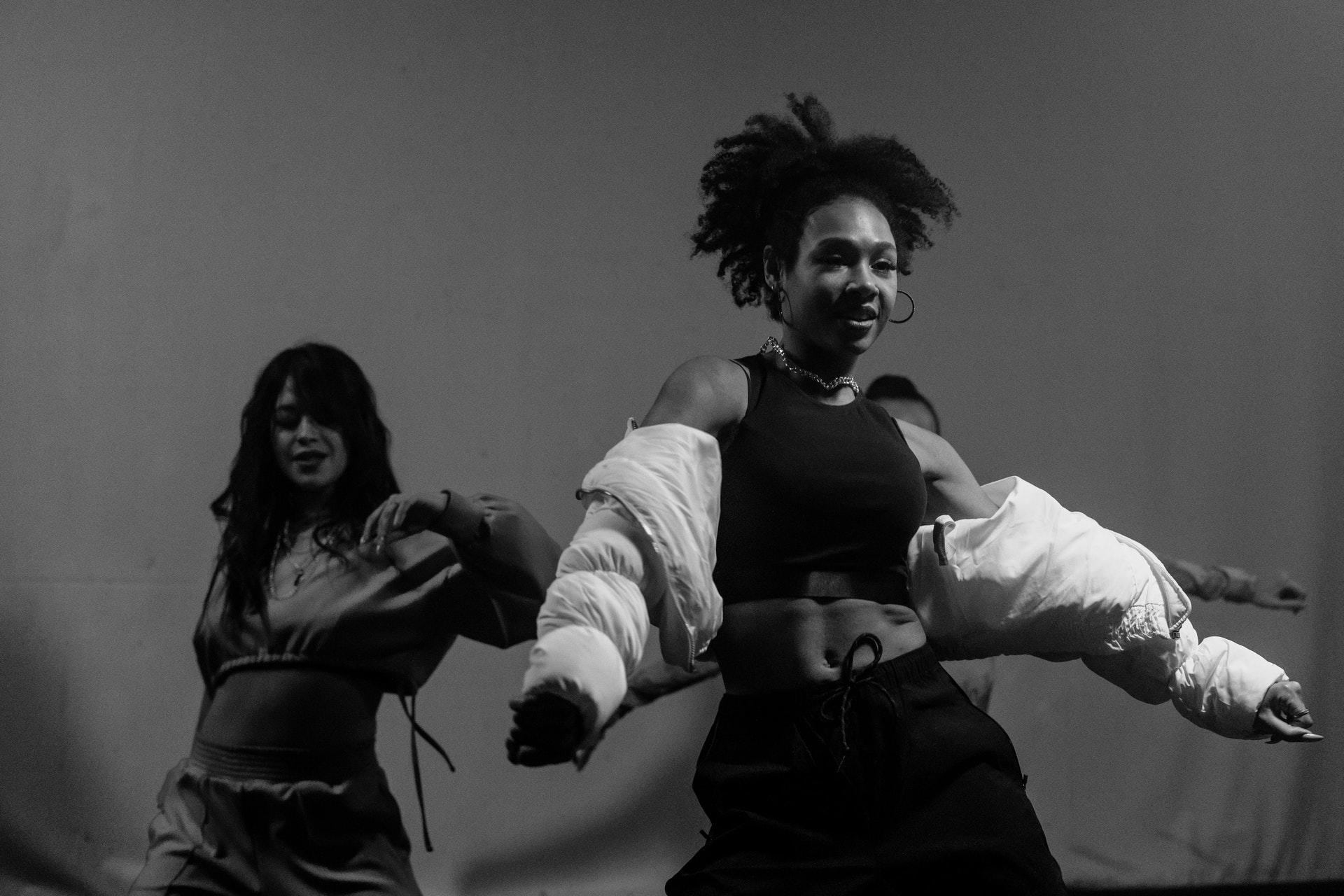
Can you become a dancer later in life?
Of course! You can start dancing at any age! Some people start dancing as children, while others wait until they are a bit older. Dancing will help you to express and feel the music, learn new skills, stay in shape, and have fun no matter your age! Let's discover some of the benefits of dancing:
- Improves cardiovascular and respiratory capacity.
- Because it is an aerobic exercise, it accelerates the metabolism thanks to increased muscle mass and contributes to using fat reserves.
- Improves coordination, strength, and balance capacity.
- Improves self-esteem and sense of well-being.
- Reduces stress and feelings of anxiety.
- Contributes to improving the quality of sleep.
- Increases concentration and memory capacity.
- Improves social and relationship skills.
Being an "older dancer" in your 30's, 40's, and beyond, you must stay on stage as long as your soul desires. While everyone's physical abilities are significantly different at any age, if you can keep dancing, do it!
How do I start a professional dance career?
Having a career in dance is something that many people dream of. However, achieving your dream with hard work, perseverance, and much planning is always possible. Professional dancing is a highly demanded field, so you have to persevere to achieve what you want. In artistic careers, you must constantly step out of your comfort zone and push yourself. But all this effort can make it a gratifying career, allowing you to follow and share your passions. If you are asking yourself how you can start dancing professionally, here you will find some recommendations:
- Be prepared for extensive training.
- Think about pursuing a bachelor's degree.
- Gain professional experience (even though you are still in school).
- Look for a talent agent.
- Build your CV.
- Consider attending auditions.
- Remain healthy.
Be always dedicated, and follow your passions and your intuition! Discover also how long it takes to be a professional dancer in Canada!

Can I be a professional dancer without classes?
Even if you don't need any qualifications or a degree in Canada to become a professional dancer, getting a degree and training will always be essential. Here you will discover everything you need to Become a Profesional Dancer in Canada, but if you want to start dance training, have you considered taking private lessons?
A private tutor is an excellent option if you want to learn dance or train the dancing skills you have already gotten, regardless of whether you are a beginner in dance or already have some experience. You will love this fascinating art with the proper dance lessons and the ideal private instructor!
Having a private dance tutor will allow you to go through all those complexities that dancing may involve, such as the acquisition and development of abilities and skills, the development of coordination and perceptual-motor skills, body knowledge and control, and even historical, social, and cultural aspects.
But perhaps you are asking yourself, "where can I find this one-of-a-kind dance teacher?" Your ideal dance teacher is closer to you than you imagine! Today a simple click can change your life. Go to Superprof!
Superprof is a worldwide digital platform that offers the best private classes and where you can find the best private dance tutors —or any topic that comes to your mind! With Superprof, you can brush up on math, biology, physics, and history and even learn about Canadian folkloric dance!
Whether face-to-face, online or hybrid, individual or in groups, and regardless of where you are in Canada, with Superprof, you will find thousands of private tutors who can help you excel in those dancing moves with the best training. Are you ready to start?
Discover more about Salary expectations for professional dancers in Canada!
Dance TRIVIA Answers!
- The King of France, Louis XIV, known as the "Sun King," was a great promoter of dance and the first professional academy of this art: the Académie Royale de Danse. Today, it is known as the National Opera of Paris.
- Ballet is the most recognized artistic expression of dance. It was born in Renaissance Italy but reached its splendor in France. The most famous works are Swan Lake and The Nutcracker.
- This traditional dance is always accompanied by a violin, which marks the rhythm of the dance. The dance is practiced in many regions of Canada and is attributed to the Métis, mixed race people between indigenous Canadians and Europeans: Red River Jig.
- The French Canadian dance tradition exemplifies culture, survival, and rebirth. In Québec, folk dances are those based on long, square formations, sung circular dances, and the percussive, rhythmic drumming of the feet called gigue.
- Dancing is usually associated with an ethnic community, and parents often encourage children to participate in folk dance to learn about their cultural heritage.
Summarize with AI:
Did you like this article? Leave a rating!


 Loading...