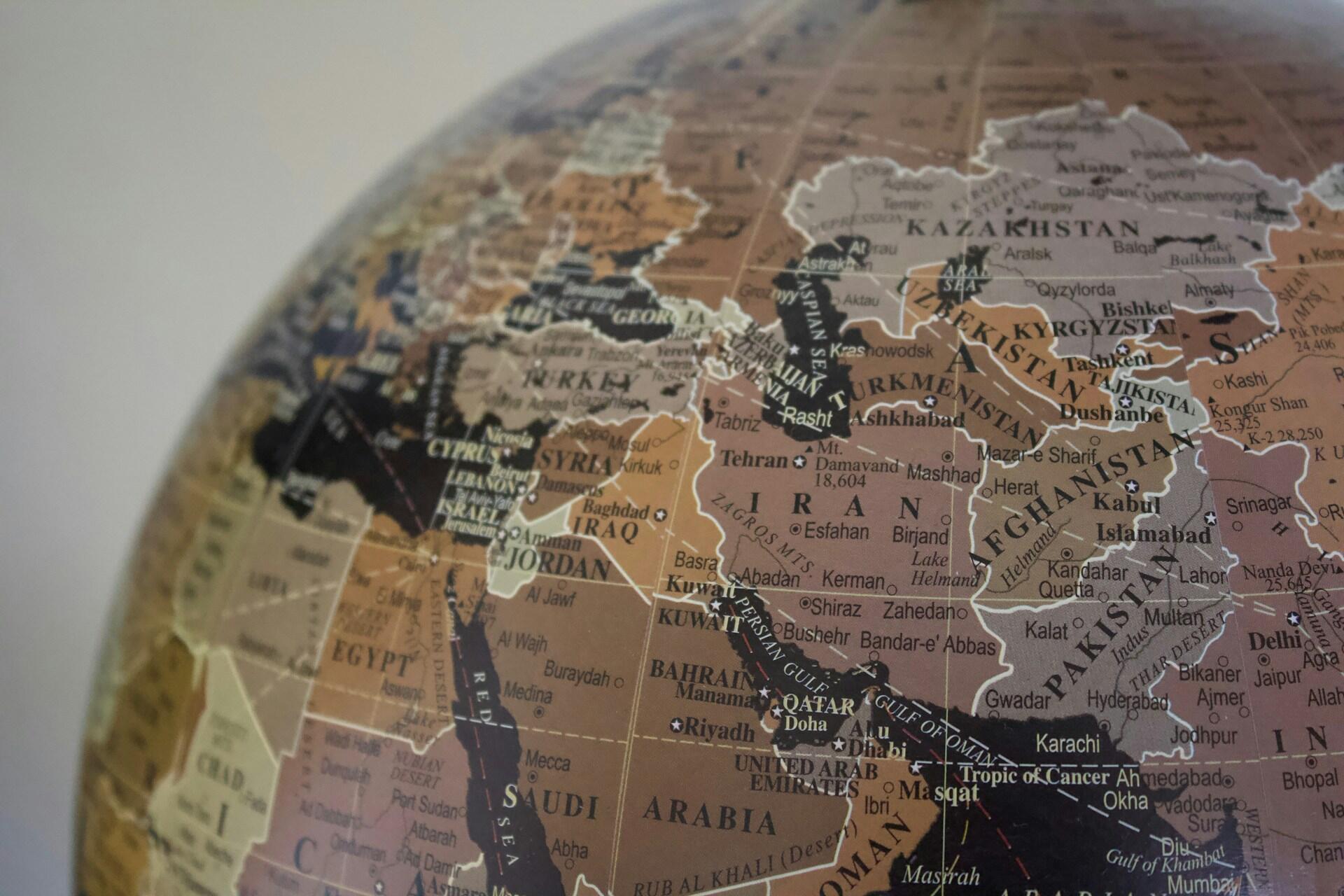

Ready for a quick trip around the map? This article goes hand in hand with the world capitals quiz on this page: a 20-question game with three difficulty levels to find out how much you know about political geography. Here you'll find how the quiz works, surprising facts about capitals that almost nobody expects, and tips for learning more without getting bored. 🌍
Take part and you'll find out how many capitals you've mastered, what kind of traveler you are based on your answers, and a few geographic curiosities that will make you shine in front of your friends. It all takes just a few minutes, with a friendly, light tone that will make you smile. Shall we get started?
Quiz
Quiz :


What is a world capitals quiz and what does it test?
A world capitals quiz measures how much you know about the political seats of countries. It goes beyond memorizing names: it tests your memory, your ability to link each country with its city and, above all, your skill at avoiding the most common traps, such as mistaking the most famous city for the real capital.
Playing in game format has clear advantages:
- You reinforce what you know: every correct answer strengthens the link between country and capital.
- You spot your gaps: every mistake shows you what to review.
- You learn context: the explanations connect each capital with its history and culture.
After each answer, try to explain in one sentence why that capital is important to its country. That way you'll learn context, not just a name.
History and evolution of the world's capitals
The word "capital" comes from the Latin caput, "head": a capital is, literally, the head of a country. But that head hasn't always been in the same place. Throughout history, capitals have been chosen, abandoned and even built from scratch for very different reasons.
- Antiquity: cities such as Babylon, Thebes and Rome were the political centers of great empires. In the year 330, Emperor Constantine inaugurated Constantinople (present-day Istanbul) as the new imperial capital, an early example of a move made for strategic reasons.
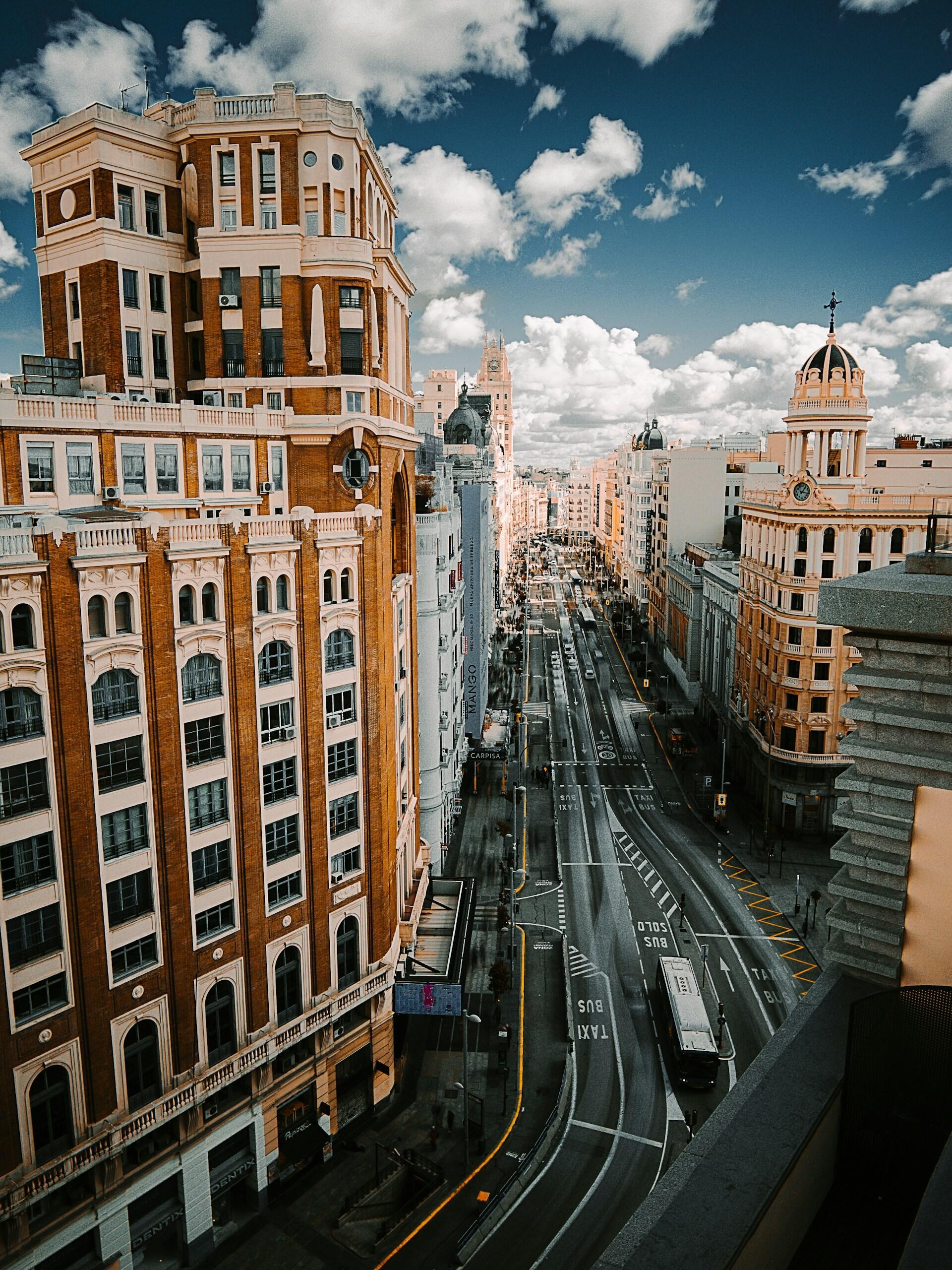
- Middle Ages and Early Modern Period: many European courts moved from place to place and only settled in one city once states became centralized. In 1561, Philip II established the court in Madrid because of its central position on the peninsula.
- 18th and 19th centuries: the capital becomes a political symbol. Peter the Great founded Saint Petersburg in 1703 and made it the capital of Russia in 1712. In 1790, the United States decided to create Washington on the banks of the Potomac as a compromise between North and South. And in 1868, after the Meiji Restoration, Japan left Kyoto, the imperial seat for more than a thousand years, to settle in Tokyo.
- 20th century: independence, wars and reunifications redraw the map. Rabat became the capital of an independent Morocco in 1956, Moscow regained in 1918 the title that Saint Petersburg had held for more than two centuries, and in 1990 Berlin became the capital of a reunified Germany again after decades with Bonn as the capital of West Germany.
- Planned capitals: Canberra, Brasilia, Islamabad, Abuja and Naypyidaw were designed specifically to be capitals, far from the large existing cities. And today some countries are still building theirs.
The reasons for changing capitals keep repeating: finding a neutral spot between rival cities (Canberra, Ottawa), a more central or safer location (Madrid, Ankara), boosting the development of the interior (Brasilia) or making a break with the past. That's why, on the political map, the capital is rarely the most famous city. Further down, in the timeline, you can see some of these moves with their dates.
The world's most famous capitals at a glance
Some capitals come up again and again in trips, news and quizzes. This table brings together twelve of the best known, with their basic data: language, currency, population and climate.
| 📍 Capital | 🗺️ Country | 🌍 Continent | 🗣️ Language | 🪙 Currency | 🌡️ Climate |
|---|---|---|---|---|---|
| London | United Kingdom | Europe | English | Pound sterling | Maritime temperate |
| Paris | France | Europe | French | Euro | Temperate oceanic |
| Tokyo | Japan | Asia | Japanese | Yen | Subtropical temperate |
| Washington DC | United States | North America | English | US dollar | Continental temperate |
| Beijing | China | Asia | Mandarin | Renminbi | Continental |
| New Delhi | India | Asia | Hindi | Indian rupee | Hot semi-arid |
| Moscow | Russia | Europe | Russian | Ruble | Cold continental |
| Cairo | Egypt | Africa | Arabic | Egyptian pound | Hot desert |
| Rome | Italy | Europe | Italian | Euro | Mediterranean |
| Madrid | Spain | Europe | Spanish | Euro | Mediterranean |
| Berlin | Germany | Europe | German | Euro | Temperate |
| Ottawa | Canada | North America | English | Canadian dollar | Subarctic |
Countries with more than one capital
In some countries, power is divided among several cities:
- South Africa: Pretoria is the administrative capital, Cape Town the legislative one and Bloemfontein the judicial one. 🇿🇦
- Bolivia: Sucre is the constitutional capital and seat of the judiciary, while La Paz is the seat of government. 🏛️
- Netherlands: Amsterdam is the capital, but the government and parliament meet in The Hague.
Other curiosities
- Ankara was proclaimed the capital of Turkey on October 13, 1923, barely two weeks before the Republic was proclaimed. An inland city was chosen, more central and safer than Istanbul.
- Canberra was born as a compromise between the rival cities of Sydney and Melbourne, and was designed from scratch as a planned city.
- Brasilia was inaugurated in 1960, and its urban and architectural design made it a UNESCO World Heritage Site.
- Wellington is usually considered the southernmost national capital in the world.
- Asmara, the capital of Eritrea, is famous for its modernist early 20th-century architecture, recognized by UNESCO.
Capitals that moved: a short timeline
Capitals aren't eternal. Here are some moves and foundations that changed the political map:
1857
Ottawa
Queen Victoria chooses it as the capital of the Province of Canada; after Confederation in 1867 it becomes the capital of the country.
1913
Canberra
Construction begins and it officially receives its name; Parliament moves from Melbourne in 1927.
1923
Ankara
It is proclaimed the capital of Turkey.
1960
Brasilia
It is inaugurated and replaces Rio de Janeiro as the capital of Brazil.
1991
Abuja
It officially replaces Lagos as the capital of Nigeria.
1997
Astana
Kazakhstan moves its capital from Almaty.
2005-2006
Naypyidaw
Myanmar moves its government from Yangon.
Tips to improve your geographic memory
If you want to level up in the quiz, these strategies work well and don't take much time:
- Group by region. Study by continent or area (Europe, Asia, Africa…) so that each capital has a context.
- Learn the exceptions first. Cases like Canberra, Ottawa or Bern are the ones people forget most, and the ones that score the most in the quiz.
- Use maps. Pointing out the capital on a blank map activates your visual memory.
- Repeat out loud. Turning a country and its capital into a short sentence or a rhyme helps you remember them.
- Practice a little, but often. Several short sessions work better than an occasional marathon.
- Connect neighboring countries. Studying a country's capital alongside those of its neighbors reveals historical and linguistic connections.
Keep exploring the map!
The goal of this quiz isn't to memorize a list of names, but to understand geography as a network of places full of history and culture. If you enjoyed it, you can:
- Share your result and challenge your friends to beat it.
- Write down the capitals that surprised you most and review them in a few days.
- Take the quiz again to try to move up a profile.
Have a great trip! 🧭
Summarize with AI:
Did you like this article? Leave a rating!

 Loading...