
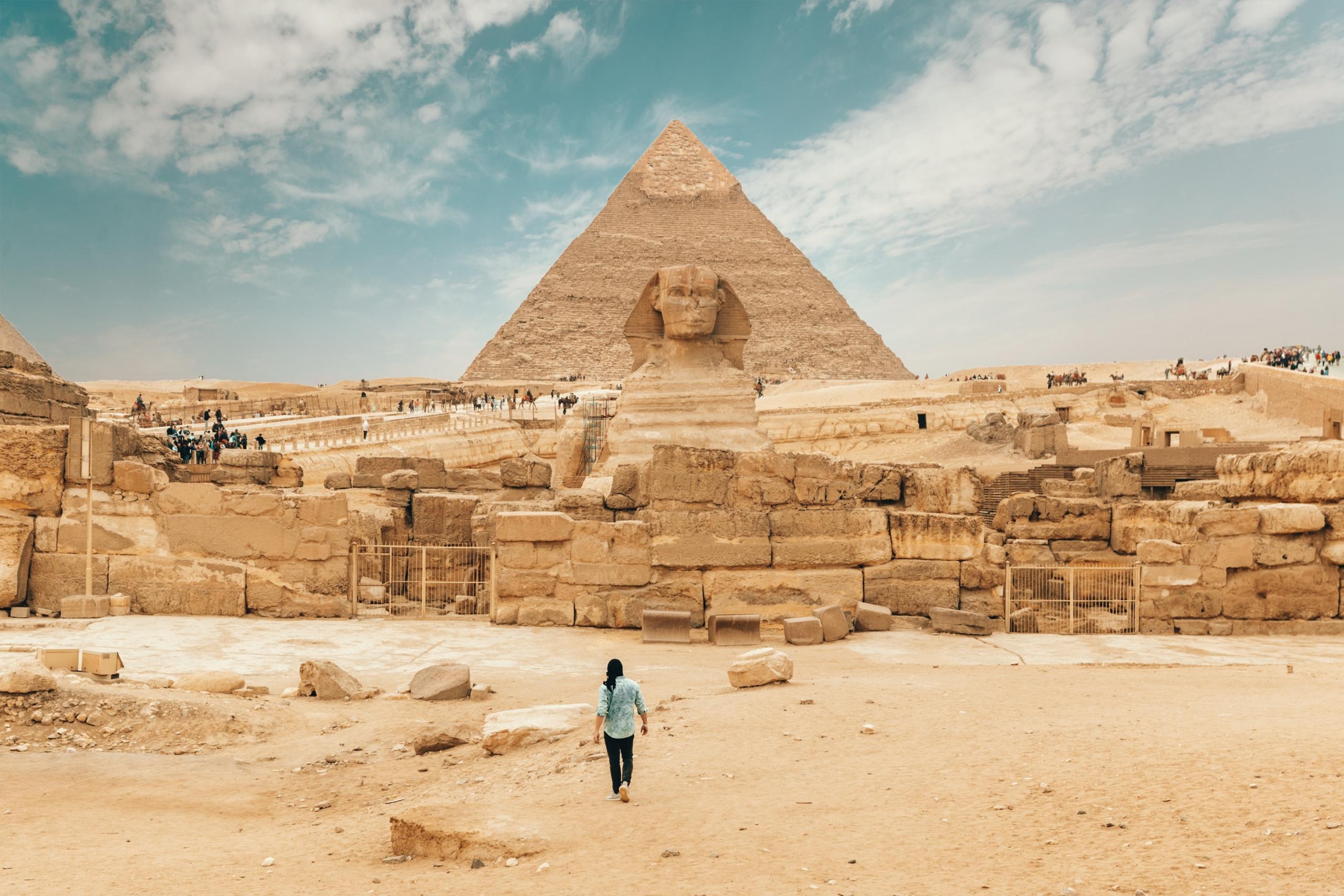

Studying history is seen often as a pursuit of passion: because it doesn't lead to a specific job like doctor or engineer, there is a perception that it is not the most practical career choice. If ideas like these have made you question a pursuit of history study, you may be pleased to know that history students have plenty of career options to look forward to.
History is an intriguing subject for a variety of reasons. Very few things are more interesting or fascinating than the past, and how it is seen by people living in the present. How did people live 50, 500, or 1000 years ago? What did they dress like? How did today's societies come into being? What was it like for radically different communities to meet each other, and attempt to communicate? How did people entertain themselves, or make music? How did major geological or weather events impact people? History is constantly being made as time elapses, and as our perspective of history changes, the more the study of history evolves.
Should you happen to be someone with a passion for history, you will want to think twice before abandoning the subject to pursue something more "practical". Not only is history an exciting and innovative discipline, it also leads to a number of career pathways you may have not even considered. This article explores the different career options you have as a history major. You will discover that it is completely worthwhile to continue your study in history not only to pursue your interests, but to build a strong skillset and train for the workplace, future studies, or further training.
Students that choose to pursue a degree or postsecondary program in history understand that they are engaging in a journey of learning that will be rich and fascinating. They may also be wondering what their career prospects are like, particularly in the field of education.
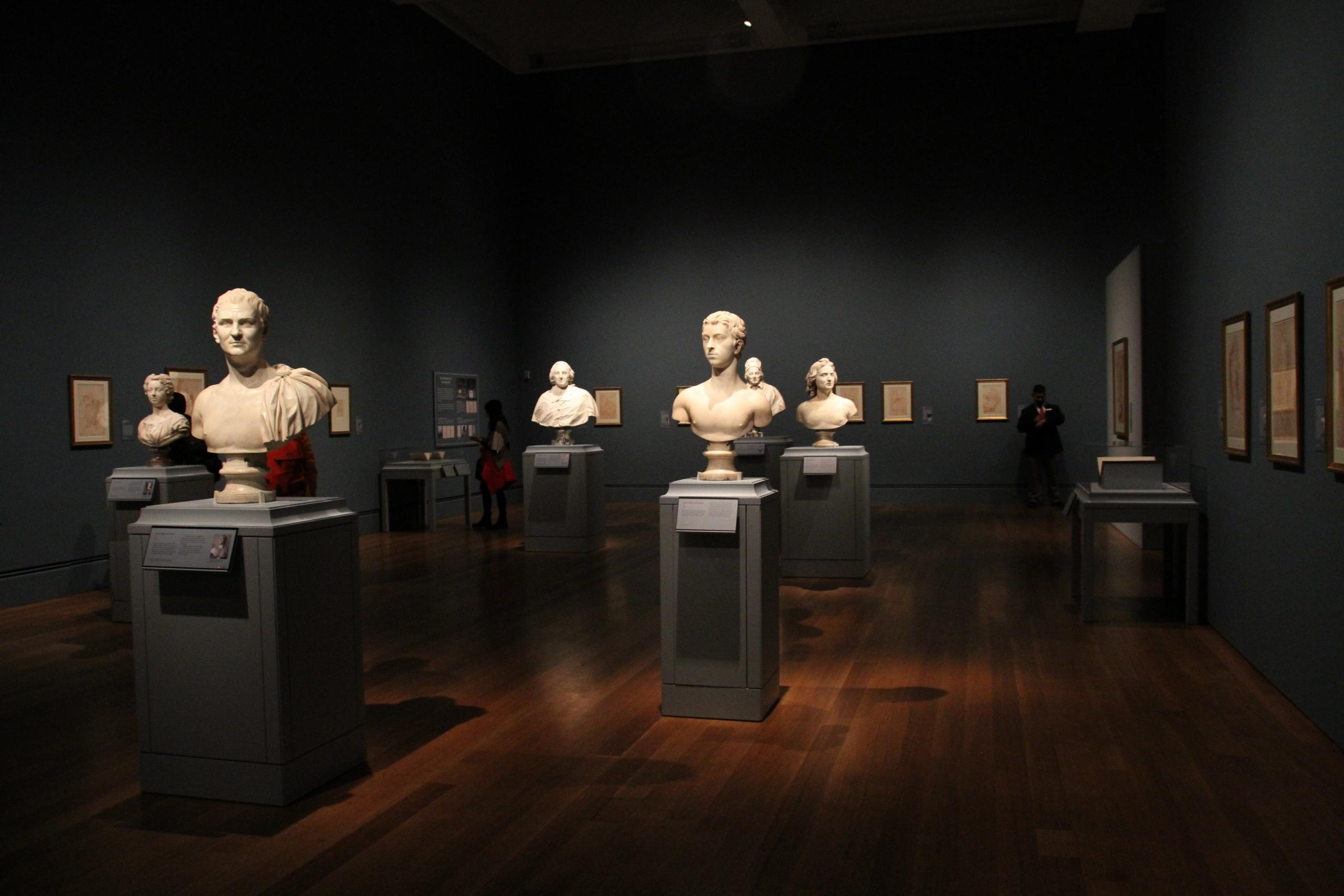


Why You Should Pursue History Learning
History is endlessly fascinating and covers a broad range of topics and themes. Pursuing a study of history means that you will be engaged, and when students are engaged they are much more likely to have academic success. You will also learn valuable critical thinking, research, writing, and presentation skills as a history major. Here is just a handful of some of the topics you can take in a university history program:
- Empires, Encounters and Exchanges
- Religion and Violence
- The Development of European Civilization
- War and Diplomacy
- Women, Gender and Sexuality
- The Shape of Medieval Society
- African American History
- Indigenous History
- Revolution and Emancipation in the Colonial Caribbean
- Europe in the 20th Century
- Asian Canadian History
- Black Canadian History
- Oral Histories of Asian Canadians
There are literally dozens of intriguing courses in any history program in any Canadian college or university. What could be better than learning about what is interesting and meaningful to you?
Another great reason to study history is that it pairs well with a number of other programs. As part of most liberal arts programs, history majors can be completed along with a whole host of other majors and minors, including Women's Studies, English, Political Science, Geography, Asian Studies, International Relations, and so much more.
Though teaching certainly has its stressors, it is a challenging and dynamic role. As a teacher, you. receive all the rewards of working with children and teenagers, helping them to develop the knowledge and skills it takes to survive in the real world.
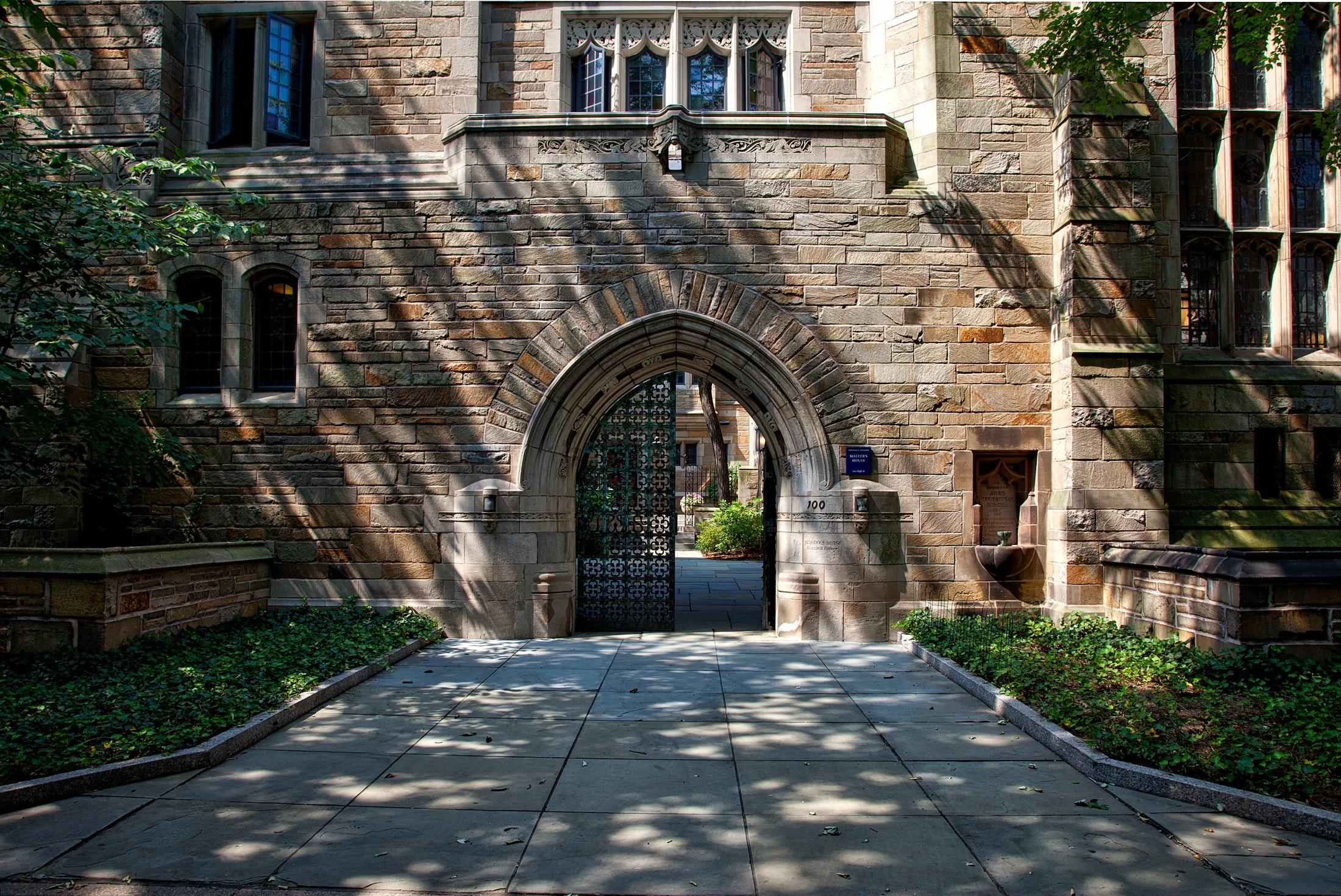
Top Careers and Jobs for History Majors
OK - so you are determined to study history - what are the job and career options available for a history major?
Like many other arts or science programs, a degree or diploma in history is usually an early step toward a career. While you could enter the workforce directly after university or college, you would likely be applying for jobs and careers that seem largely unrelated to history, such as administrative work, customer service and support, or an entry level job in an organization. While any job you get can take you on a fantastic career journey, there are also roles you can find that are directly related to history. Check out organizations such as museums, Parks and Recreation, educational institutions, art galleries, or libraries.
Many students may choose to continue with their learning and seek training in an area where an undergraduate degree is prerequisite. Here are a few postgraduate programs that might be of interest to students of history:
- Teaching/Education
- Law
- Graduate School
- Library Sciences
- Museum Studies
- Business Administration
The benefit of having a degree in something you truly enjoyed and loved is in the knowledge and skills you have acquired, many of which are essential for continued learning.
Becoming a History Teacher
Many history majors to choose to work in education - it is highly rewarding to pass your knowledge to the next generation. Becoming a history teacher involves a number of steps. First, you must complete your undergraduate degree in history and another subject you can teach in school, such as English, Geography, Mathematics, or the Sciences.
You must then apply to a teaching degree program in your province: teaching programs will vary on the grades you would like to work with. If you want to teach history courses, your best bet will be to take secondary school teaching qualifications. Once you have completed teacher's college, you can apply for licensure and then for jobs at school boards.
Teaching history is one of the most important components of education. As a teacher of history, you are passing down cultural knowledge from one generation to the next, helping to build a sense of collective identity and understanding about the world.
What is Teaching a History Class Like?
Teaching a history class is fun, especially when you are working with young students. You will want to really plan your lessons in a way that brings history to life for your students. Use a variety of media, books and experiential activities (ex. field trips and community walks) to make history vivid and interesting.
Of course, you will have to tie your instruction to the curriculum of your province! However, activities such as independent inquiry can be great opportunities for students to go beyond what they are expected to learn in school. For example, they may want to branch outside of Canadian history and explore topics such as Ancient Egypt or Classical Greece. As their history teacher, you can help facilitate such exciting and fun learning!
History is important in so many different ways. As a society, we need to document and understand our history so we can better understand our world. But what skills will you need to succeed in the subject?
Finding History Lessons Outside of School
Are you more interested in taking a more casual, recreational approach to your history learning? There are plenty of ways to enjoy and appreciate history outside of the classroom walls. Local and international travel, for example, will lead you to rich historical learning experiences. Simply walking around a city like Rome, London, Cairo, or Beijing will reveal hundreds of years of human existence right in front of you. Want to stay in Canada? Learn Indigenous history, or about the settlement of European immigrants at local parks and museums.
You might be surprised to know that history is one of the most important disciplines one can learn, and that the skills acquired through a history program can be applied in a number of professions. So what can you do with a history degree other than be a “history buff”?

Why Hire a History Tutor?
A history tutor may seem like a strange investment especially if you consider yourself to be “good” in history and are studying the topic at the postsecondary level. However, as a university or high school student in history, you may find that you want someone who can provide you with feedback on your writing. History courses can involve a lot of research papers and reading, so having someone on hand to support you will take a lot of stress of your mind. They can also help you prepare for major exams and tests, help you to review new concepts, and even provide writing support if you want to improve in communication and referencing.
Who knows - perhaps you may even choose to become a history tutor yourself! If you have academic skills and expertise and are willing to help students you may find that tutoring is the perfect way to bring in an extra stream of revenue while studying. You may even work remotely, and meet students through webcam.
Hiring a tutor or becoming a tutor is convenient thanks to Superprof Canada. Superprof is a site that connects students with tutors. You can search the site to find great tutors near you, or post your own profile so that students can find you. If you are looking for a tutor, use the search tool to find tutors that have the specific area of expertise you need. Tutors post detailed profiles and rates that you can browse through.
Summarize with AI:
Did you like this article? Leave a rating!

 Loading...
