

Windsor is one of Canada's under the radar university towns, and anyone who visits the city will quickly learn why it is one of the best places to learn chemistry. The city is home to the world-class University of Windsor, several community colleges, and is literally a short drive across the Belle River to the American metropolis of Detroit. Studying in Windsor means that you will have access to great chemistry programs and all the benefits of living in a small town and a big city.
Located at the very tip of Southwestern Ontario, Windsor residents enjoy a significantly lower cost of living than students in cities like Toronto or Vancouver. As a Windsor resident, you have access to some of the most beautiful lake beaches in Ontario, including the beaches at beautiful Point Pelee National Park. Feel like hitting up a world class art gallery, amazing restaurants, or taking in a professional hockey, baseball, or basketball game? Just make a short trip over to Detroit to enjoy all the delights of a major city that is both architecturally spectacular and undeniably hip.
For those who want to study Chemistry in a vibrant, European-like city, look no further than Montreal!


Where Can I Learn Chemistry Near Me?
But back to the topic of chemistry - Windsor is a great place to get a Bachelor of Science degree or college diploma. The University of Windsor offers undergraduate and graduate programs in chemistry and biochemistry, and St. Clair College will also offer chemistry foundations courses. If you're not sure which program to take, identify what your long term career goals are and speak to a guidance counselor or the admissions department in the school you want to go to so you can learn exactly which course pathways are best suited for your goals.
So, what is chemistry anyways?
Chemistry is the study of the properties and structure of elements and compounds, and what happens during chemical processes. The study of chemistry is broad and far reaching: chemistry is all around us in what we see, we touch, and taste. We use chemistry everyday to clean, cook, or self medicate. As such, learning chemistry can open up so many different career pathways - manufacturing, pharmaceuticals, food science, dentistry, medicine, and nutrition are all areas in which chemistry learning can be applied. Of course, chemistry is also fun and rewarding to learn. It is one of the few subjects where you can truly be hands-on and make different scientific discoveries.
Let's take a closer look at the study of chemistry, and what you can do to be successful in whatever chemistry course or program you choose to take.
Toronto remains a top choice for international students and locals who prefer the amenities of an urban metropolis with multiple universities and lots of multicultural flair.

When Do Students Start Learning Basic Chemistry Concepts?
You may be surprised to know that you have probably been learning basic chemistry concepts for most of your life. From the time we are toddlers we start exploring basic principles of chemistry, from seeing soap react with water in a bubble bath to playing with mechanical mixtures in a sandbox. As we get older, we do all sorts of 'experiments' in the kitchen: making slime, bakers clay, baking cakes or cooking with a family member.
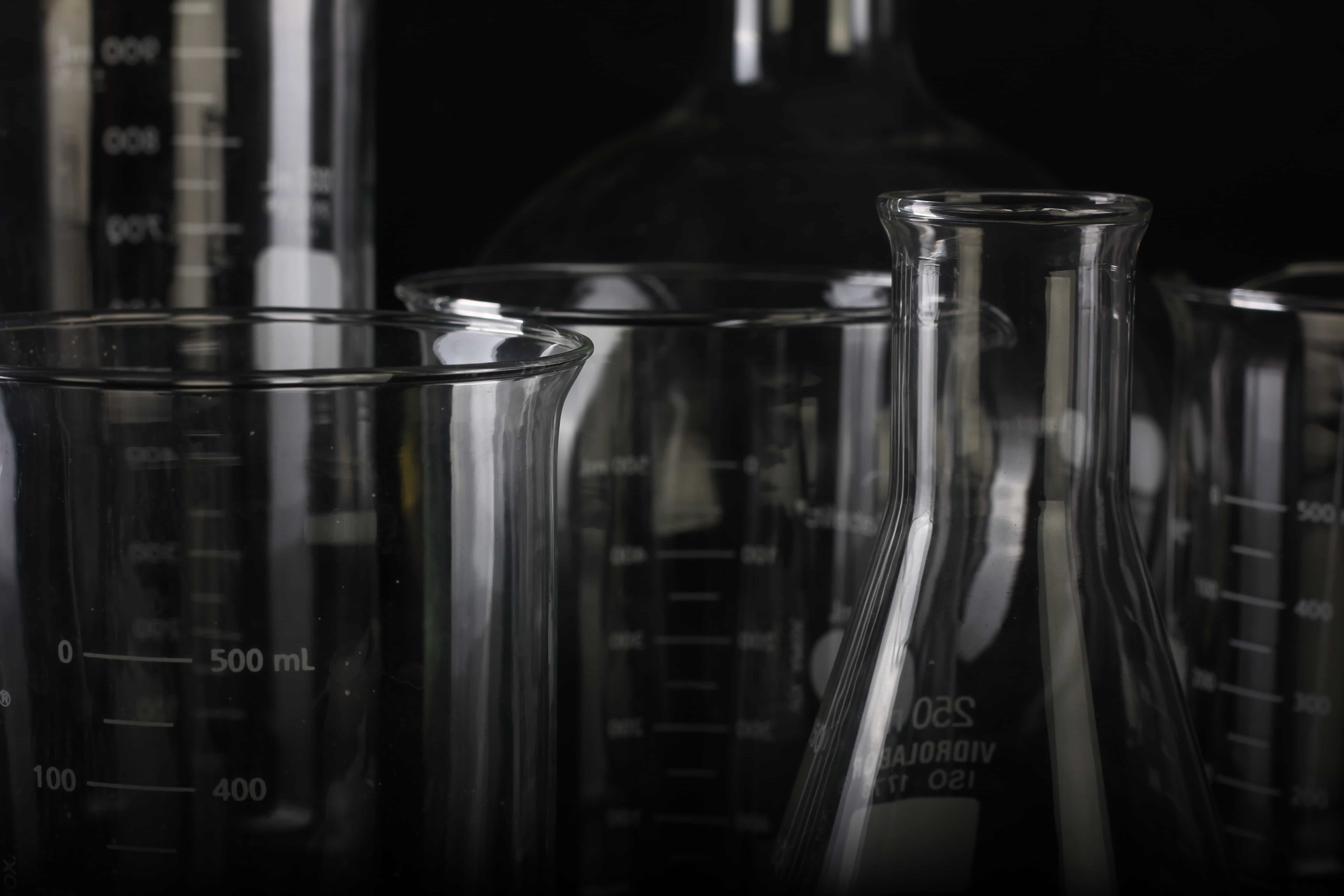
In school, we learn chemistry under the umbrella of general science classes, and may start engaging with the tools and materials of a lab. We start familiarizing ourselves with test tubes, bunsen burners, flasks, pippets, gas elements and learning lab safety. By the time we reach secondary school, we have likely figured out whether or not we really enjoy studying chemistry. Those that choose to pursue academic stream chemistry courses will likely discover they are already well equipped with background knowledge to be successful in upper year chemistry courses.
Canada is known around the world for its incredible natural landscapes, strong economy, and world class university system. Find out the best cities for studying chemistry in Canada!
How do You Prepare for Chemistry Lessons?
Chemistry can be a challenging subject to pursue, as there are so many terms, elements and reactions to know and memorize. Preparing for chemistry class will typically involve regular study, and regular practical application to ensure that the learning 'sticks.'
Make studying for chemistry class more fun by turning it into a social experience. Create a study group with people in class, and make plans to meet at a local library or cafe after school to review notes, practice explaining concepts to each other, or simply have some social time. You will find that it not only keeps you on track in your learning, but that it will help you to look forward to class.

Another thing you can do is to consume the vast amount of chemistry related content on the internet. You will find tons of great explainer videos, podcasts and interactive sites on different topics of chemistry. Take a walk and listen to a science podcast, look away from a page or a book and watch a video that makes a challenging new concept come to life.
Making chemistry study a regular routine will come in handy when its time for a test or a big exam, as you will find less need to 'cram'. When you do have a big test or assessment, get the best of your nerves by taking lots of breaks during your study times, and getting plenty of rest the night before!
Beautiful Vancouver has some of the most beautiful university campuses for chemistry students. Learn everything you need to know about studying in Vancouver.
Should I take Science Chemistry in College or University?
Whether you take chemistry in university or college will largely depend on what your goals are after secondary school. What are your career goals? Will you need a degree to get the professional designation you want? Can you achieve what you want through a college pathway? Answering these questions will give you a good sense of where to start.
Generally speaking, university programs are typically more abstract in terms of course content, and are focused on building theoretical and even historical foundations in the field. They will typically last 4 years, and may require a larger financial investment. To get into any university chemistry program, you will need academic high school credits in the sciences, English, and likely even mathematics.
College diplomas related to chemistry will be slightly different. They may not require academic stream high school credits, and are more focused on hands-on, practical uses of knowledge, such as working as a lab technician, dental hygienist, or an industrial field. Take a look at all programs and apply to the areas you can see yourself working in years from now. Remember that if you start in college, you can still take a university degree if you change your mind - however, this may require an additional investment of time and money.
Calgary is a fantastic city with so much to offer students of chemistry. Learn everything you need to know about studying the sciences in Alberta’s most exciting city!
Will My Chemistry Professors Help Me After Class?
Many chemistry classes in university are not structured in a way that you will have a lot of direct contact with your professor or teacher, as might have been done in high school. In many cases, your professors are also researchers that may be quite busy conducting studies, writing papers and implementing major projects. However, this does not mean you will not receive help from your school - it will likely be with a teaching assistant or PhD candidate.
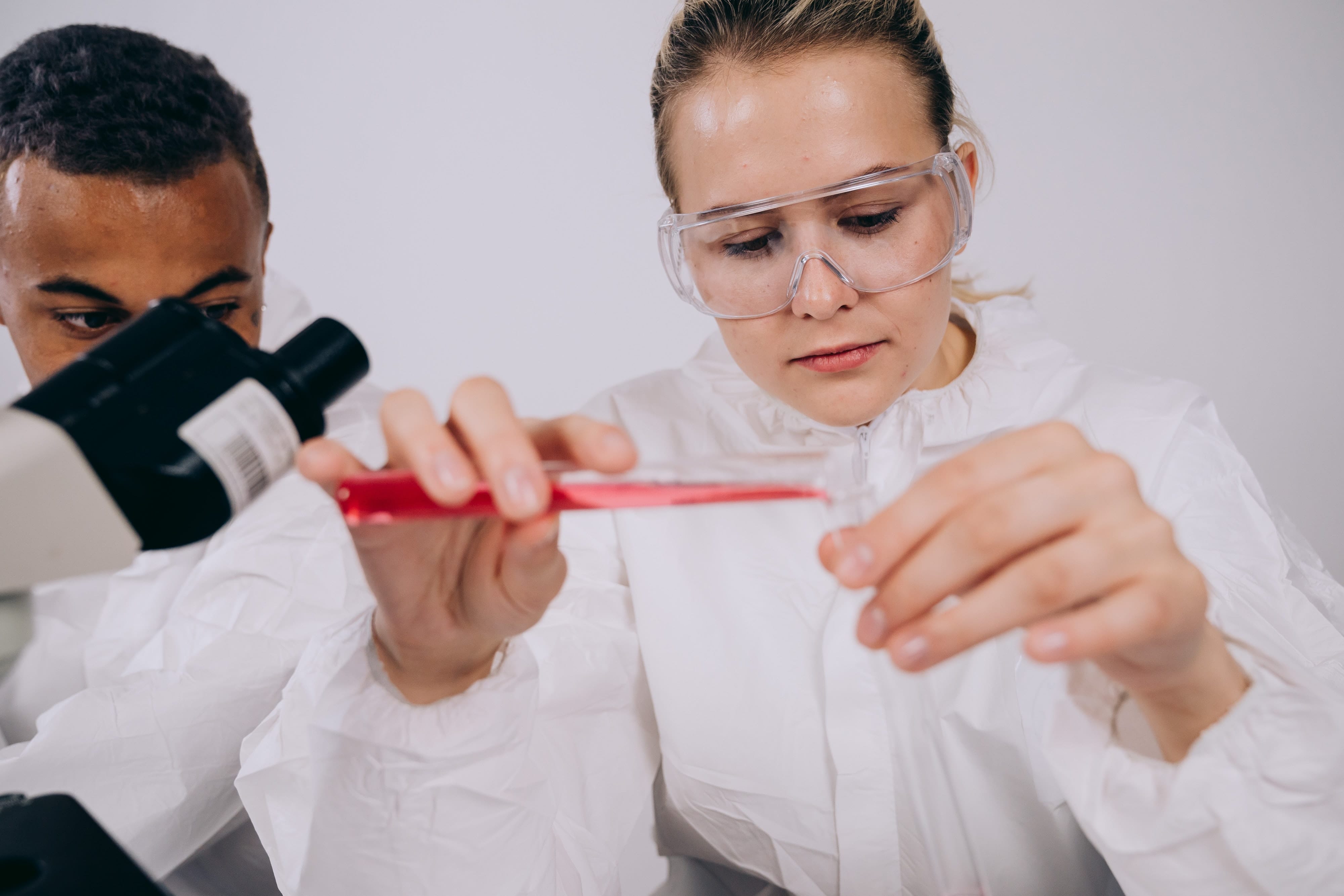
Most courses will place you in a tutorial section, where you will be in a smaller group and learn more interactively with the TA. You may even have lab sections, where you have time to conduct research and experimentation. But what can you do if you want additional support beyond what your school offers?
One convenient and easy way to get the chemistry help you need is to hire a private tutor through Superprof Canada. Superprof has listings for dozens of chemistry tutors in Windsor and across the country. You can browse their profiles, find a rate that works for your budget, and make an appointment to meet the tutor virtually or in person.
There are a lot of benefits to having a chemistry tutor, whether you are in high school, college or university. A chemistry tutor has likely already graduated through the same programs you are working through, so they will bring tremendous insight on how to be successful in the course you are taking. They can help you study and memorize key terms, concepts, and ideas, and explain new learning to you in a way that is different from your instructors or classmates. They can provide you with feedback on your lab reports, and ensure that you are submitting your best work.
To pick the right chemistry tutor, you will want to make sure they are at least 2-3 years ahead of you in their study. For example, if you are in grade 11 chemistry or science, you will want someone who is in university chemistry programs or has already graduated. Expect to pay a higher rate for someone with more expertise - remember, they will have extensive subject knowledge and will be more than prepared to help you through a high school or undergraduate course.
Find your chemistry tutor on Superprof today!
Summarize with AI:
Did you like this article? Leave a rating!

 Loading...
