

In chess, you can use tactics to gain advantages. The chess pin is a move that restricts your opponent's piece and limits their option. Using pins correctly can create pressure, force mistakes, and open opportunities to win material. Let's see how they work.
Key Takeaways
- A chess pin restricts a piece because moving it would expose a more valuable piece behind it.
- The most common forms are absolute pins and relative pins.
- Pins are typically created by bishops, rooks, and queens attacking along ranks, files, or diagonals.
- Strong players use pins to gain material, restrict movement, and create tactical threats.
- Recognising pin patterns early helps players improve their tactical awareness and board control.





Understanding a Chess Pin
A pin is a powerful chess tactic when you restrict the movement of an opponent's piece by placing it in line with a more valuable piece behind it. You can use this to apply pressure through the piece on the front, since moving it would expose the piece behind it. More often than not, the pinned piece becomes restricted and may be unable to defend nearby squares effectively.¹
A chess pin is a tactical situation where one piece cannot move because doing so would expose a more valuable piece behind it to attack. This usually occurs when three pieces are aligned along the same rank, file, or diagonal. The attacking piece applies pressure through the pinned piece, restricting the opponent’s mobility and often creating opportunities to win material or launch an attack.
Pins are powerful because they limit your opponent's options. A pinned piece can't defend key squares since they'd weaken the overall position by doing so. Top players use pins to gain time, create threats, or build pressure on the board.
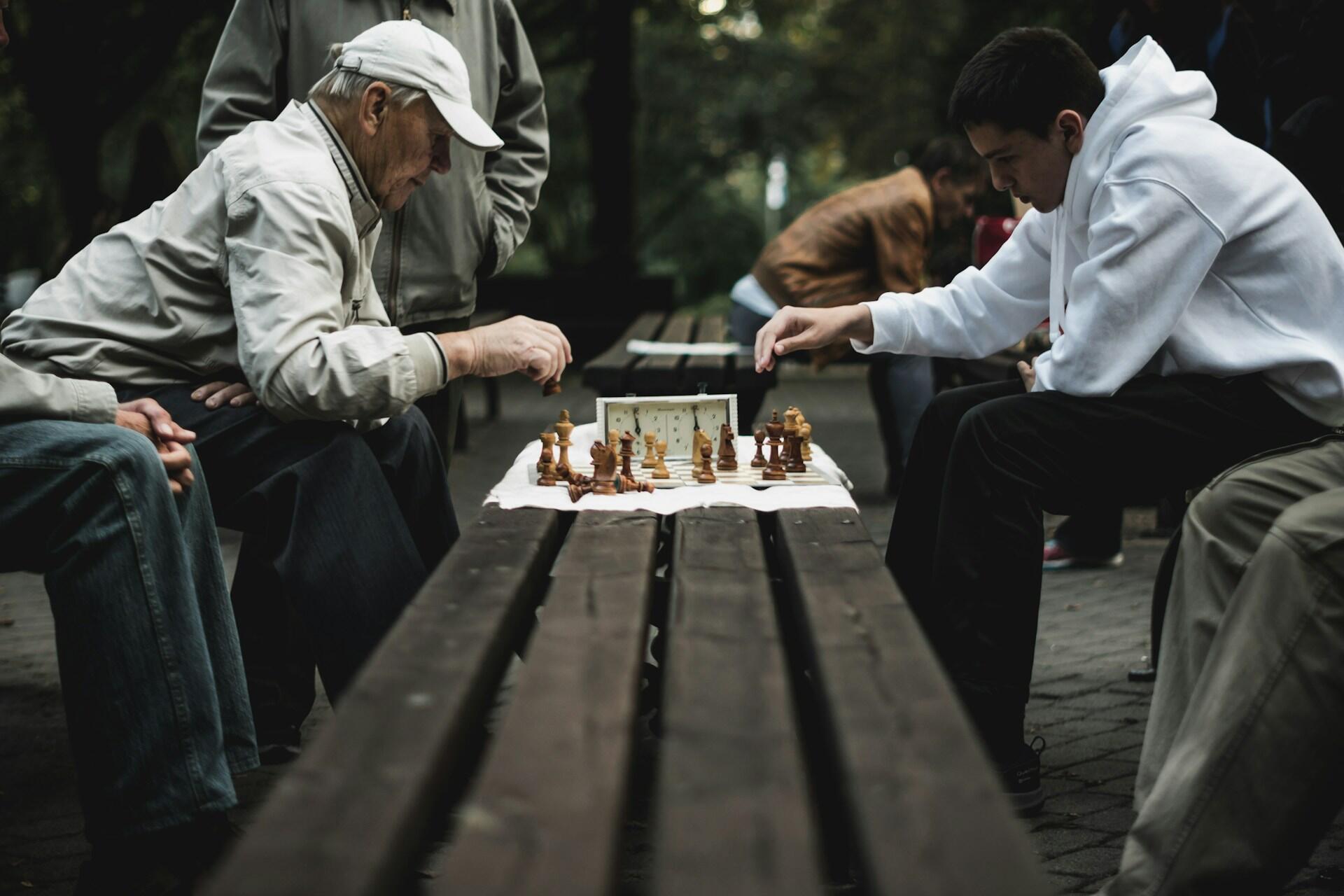
aligned pieces to make a pin: the attacking piece, the pinned piece, and a more valuable piece behind it.
Types of Pins in Chess
There are different types of pins in chess. Some pins completely restrict a piece while others are simply discouraging by creating a threat of material loss. It's worthwhile exploring the different types of pin as well as the skewer tactic to improve your game. Recognise the distinctions so you can identify tactical opportunities during practical play, especially when long-range pieces like bishops, rooks, or queens are involved.¹
In an absolute pin, the pinned piece cannot legally move because doing so would expose the king to check. This makes the piece completely immobilised. In a relative pin, the pinned piece can technically move, but doing so would expose a more valuable piece, such as the queen or rook, usually resulting in a material loss.
Absolute Pin
Relative Pin
Absolute Pin
- The pinned piece cannot move because doing so would expose the king to check.
- Since the king cannot legally be placed in check, the piece is completely immobilised.
- Usually created by a bishop, rook, or queen attacking along a line.
- Common example: a bishop pinning a knight to the king on a diagonal.
Relative Pin
- The pinned piece protects a more valuable piece, such as a queen or rook.
- The piece can technically move, but doing so would lose material.
- Often used to create tactical pressure in the middlegame.
- Example: a rook pinning a knight to a queen on the same file.
Advanced Pin Variations
Absolute and relative pins are the most common types, but there are complex variations that experienced players can employ.⁴ These generally occur when several pieces are interacting along the same lines, which creates layered tactical threats. With multiple pieces influencing the same rank, file, or diagonal, a single move can produce unexpected restrictions or tactical opportunities.¹
Cross Pins
Partial Pins
Situational Pins
Cross Pins
- The pinned piece is attacked by two pins simultaneously.
- The piece cannot respond to one threat without exposing another.
- Usually appears in complex tactical positions.
Partial Pins
- The pinned piece can still move along the line of the pin.
- However, it cannot move off the rank, file, or diagonal.
- Often occurs when the queen is pinned by a rook or bishop.
Situational Pins
- The pinned piece could move legally, but doing so would lead to a tactical disaster.
- Moving the piece might allow checkmate, capture, or a decisive attack.
- These pins rely heavily on positional and tactical context.
| Type of Pin | Description | Key Feature | Example |
|---|---|---|---|
| Absolute Pin | A piece cannot move because doing so would expose the king to check | The piece is completely immobilised | Bishop pinning a knight to the king |
| Relative Pin | Moving the piece would expose a more valuable piece like a queen | The piece can move but doing so loses material | Rook pinning a knight to a queen |
| Cross Pin | A piece is pinned in two directions simultaneously | Multiple attacking pieces create layered threats | Piece pinned on both a file and diagonal |
| Partial Pin | The piece can move along the line of the pin but not away from it | Limited movement remains possible | Queen pinned by a rook but able to slide on the file |
| Situational Pin | Moving the piece leads to a tactical disaster rather than immediate rule violation | Restriction comes from the position | Moving the piece allows checkmate or a decisive attack |
How to Pin in Chess
To create a pin, you have to align one of your long-range pieces with your opponent's piece and a more valuable piece behind it. Look to bishops, rooks, and queens to create pins since they can attack along ranks, files, and diagonals on the board. Much like when using forks in chess, once these pieces control open lines, you can use them to apply pressure through an enemy piece and restrict its movement.¹
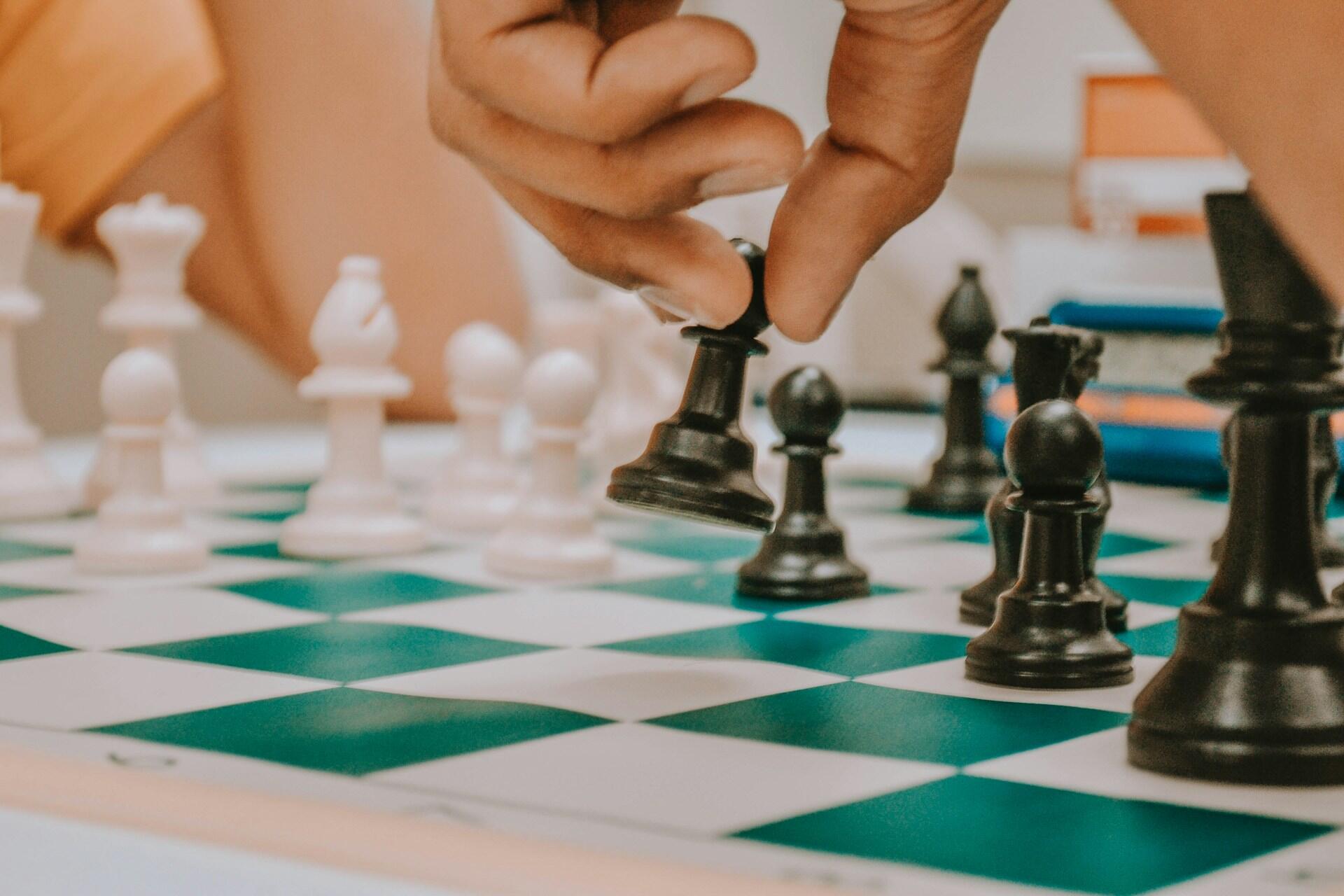
Look closely at piece alignment. When an opponent's piece sits directly in front of their king, queen, or rook on the same line, there may be chances to pin. Place a long-range piece on that line, immobilising the front piece and gaining a positional advantage.²
Pins are most commonly created by bishops, rooks, and queens because these pieces attack along long lines across the board. A bishop can pin along diagonals, while a rook or queen can pin pieces along ranks or files. Knights rarely create pins because their movement pattern does not allow them to attack pieces in a straight line.
Using Bishops and Rooks to Create Pins
Using the Queen to Create Pins
Common Pin Patterns in Openings
Strategic Applications of Pins
Pins are practical strategic tools you can use to influence how a position develops.⁶ When a piece is pinned, your opponent shouldn't be able to use it without weakening their position or losing material. Restricting it in this way allows you to control important squares, increase pressure on key pieces, and dictate the pace of the game.¹
Pins can create long-term weaknesses in your opponent's position. The pinned piece can't move to defend nearby squares or protect other pieces. This can gradually open new attacking opportunities, and even if your pin doesn't immediately win material, in many cases it's only a matter of time before it forces your opponent into passive or defensive play.²
Pins are powerful because they restrict the movement of enemy pieces while increasing pressure on the opponent’s position. A pinned piece often becomes difficult to defend and can be targeted by multiple attackers. Strong players frequently use pins to gain material advantages, create tactical threats, and control important lines on the board.
Offensive Strategies
Defensive Strategies
References
- Chess.com. “What Is a Pin in Chess?” Chess.com, https://www.chess.com/terms/pin-chess. Accessed 2 Apr. 2026.
- ChessFox. “Relative Pin.” ChessFox, https://chessfox.com/relative-pin/. Accessed 2 Apr. 2026.
- ChessLessons4Beginners. “What Is Pin in Chess and How You Can Exploit It.” ChessLessons4Beginners, https://chesslessons4beginners.com/how-to-do-a-pin-in-chess/. Accessed 2 Apr. 2026.
- ChessMood. “The Pin Tactic in Chess Explained.” ChessMood, https://chessmood.com/blog/chess-pin. Accessed 2 Apr. 2026.
- ChessTactics.org. “Simple Relative Pins.” ChessTactics.org, https://www.chesstactics.org/the-pin-and-the-skewer/the-relative-pin/simple-relative-pins/4_4_1_1.html. Accessed 2 Apr. 2026.
- ChessJunction. “Pins in Chess: A Practical Guide.” ChessJunction, https://chessjunction.com/pins-in-chess/. Accessed 2 Apr. 2026.
Summarize with AI:
Did you like this article? Leave a rating!

 Loading...
