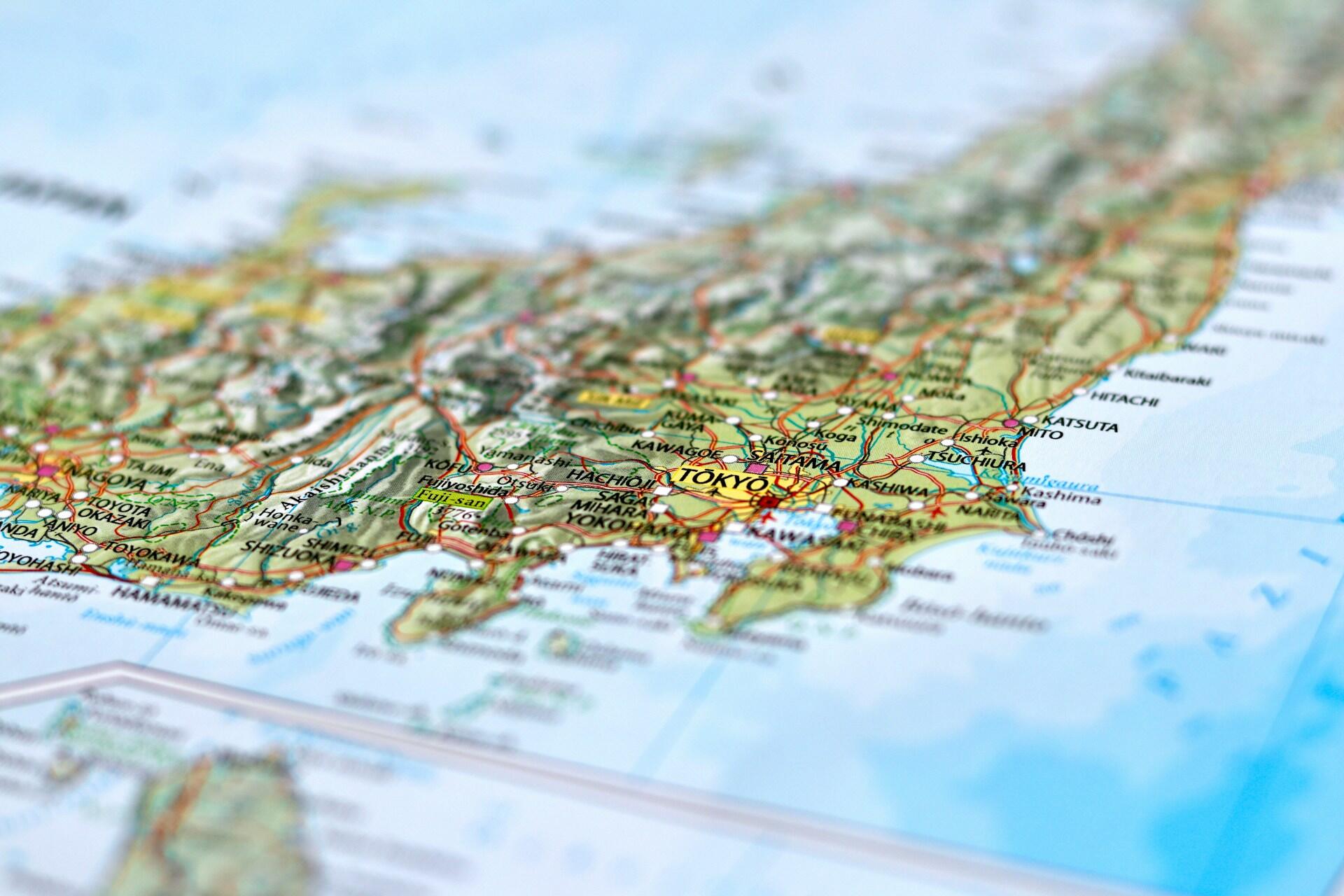

Japan is home to several cities with more than 1 million inhabitants, and these enormous cities shape the country’s economy, culture, and daily life. These largest cities in Japan are also frequently hubs for tourists, since they contain comprehensive transportation, major business districts, and well-known attractions. Find out more about Japan’s largest cities and why they’re so important for tourists and the country as a whole.
2026 estimate
| City | Size (square kms) | Region/Prefecture | Population Estimate |
|---|---|---|---|
| Tokyo | 627.00 | Tokyo | 9,733,276 |
| Yokohama | 437.70 | Kanagawa | 3,769,584 |
| Osaka | 225.21 | Osaka | 2,752,412 |
| Nagoya | 326.45 | Aichi | 2,297,745 |
| Sapporo | 1,121.26 | Hokkaido | 1,965,277 |
| Fukuoka | 343.39 | Fukuoka | 1,612,392 |
| Kobe | 557.02 | Hyogo | 1,525,152 |
| Kyoto | 827.83 | Kyoto | 1,463,723 |
| Kawasaki | 143.00 | Kanagawa | 1,538,262 |
| Saitama | 217.43 | Saitama | 1,324,025 |


Tokyo
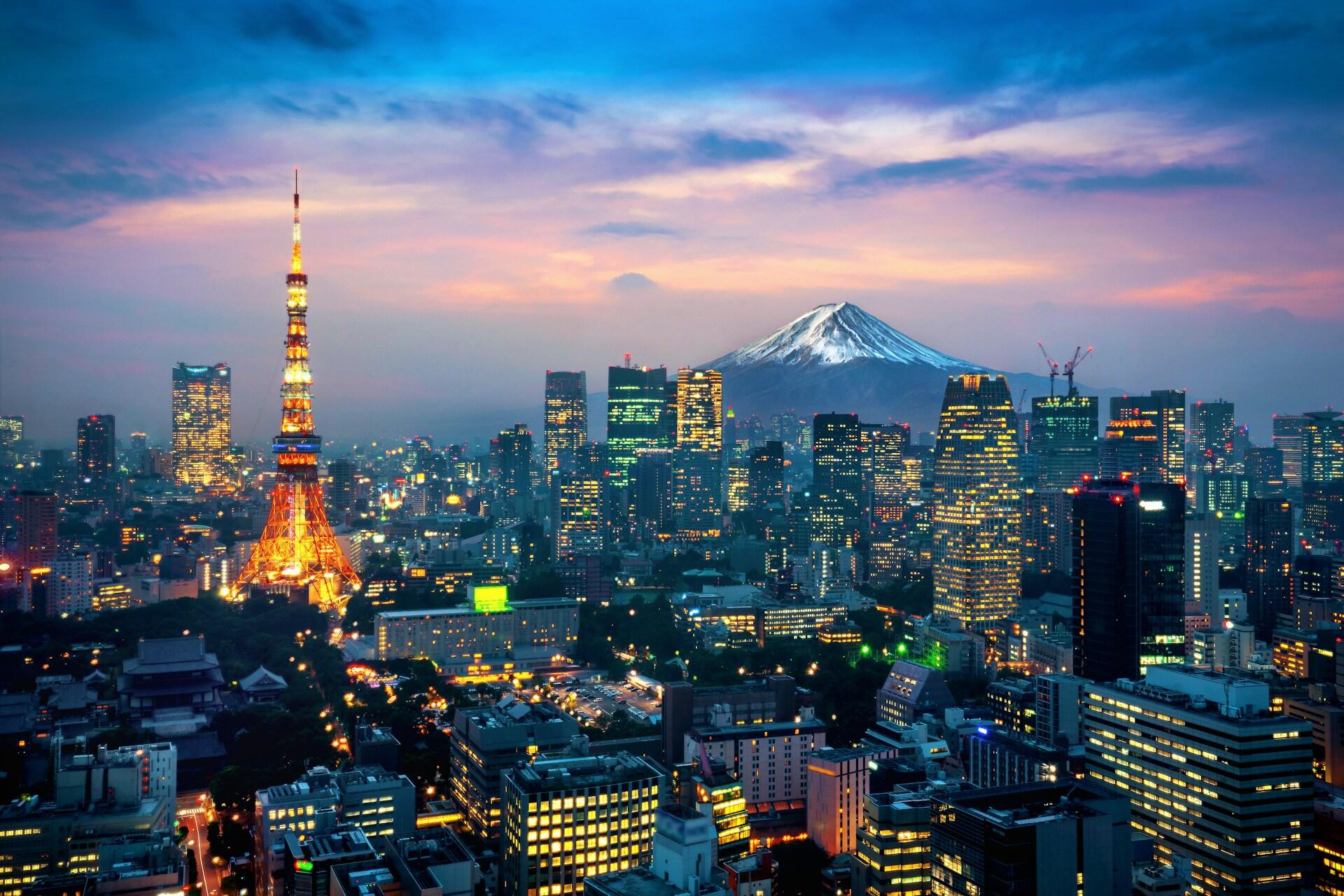
By any measure, Tokyo is hands-down the largest city in Japan. As the country’s capital, it also serves as the most important urban center and global financial hub.
Situated in the middle of the main island, Honshu, it faces the bay of Tokyo and the Pacific Ocean. Major companies, government offices, and transport systems are all concentrated in this one metropolitan area. Its status as the foremost city representing Japan in just about all media seen by outsiders makes it the epitome of modern Japanese culture in most of the world’s minds.
Important to note is that Tokyo is defined as a metropolis constituted by several large areas; depending on how you measure, the population changes.
In this article, we are concerned primarily with Tokyo Metropolis (also called Tokyo, Eastern Tokyo, or Tōkyō-to kubu), which is made up only of the 23 Special Wards and does not include the other 26 cities or 1 municipal area which includes rural towns and villages.
This is because the Greater Tokyo Area (also called Tokyo-to or the Tokyo Metropolitan Prefecture) includes other cities, such as Yohomana and Saitama, which we are measuring on their own.
The area outside of the 23 Special Wards is called Western Tokyo, the Tama region, or toka.
Throughout Tokyo, you can find a mixture of traditional and modern. The architecture and urban planning evolves, but historic buildings exist even within the bustling ultra-modern city. Even new buildings display a touch of traditional culture and construction norms.
This is about 11% of Japan’s total population
About 30% of Japan’s population lives in the entire area
About the size of Toronto, Ontario
Slightly larger than Val-d'Or, Quebec
What are the Special Wards of Tokyo?
When visiting Tokyo, it helps to understand that the city is divided into these 23 sections. When mapping out a route, choosing a hotel, or referring to the locations of places, using this shorthand is really helpful. It’s not exactly the same, but imagine the Wards are the equivalent of the boroughs in New York City.
The Special Wards of Tokyo each operate like cities themselves, with hundreds of thousands of people and different districts within.
- Chiyoda
- Chūō
- Minato
- Shinjuku
- Bunkyō
- Taitō
- Sumida
- Kōtō
- Shinagawa
- Meguro
- Ōta
- Setagaya
- Shibuya
- Nakano
- Suginami
- Toshima
- Kita
- Arakawa
- Itabashi
- Nerima
- Adachi
- Katsushika
- Edogawa
All the main Tokyo attractions are located in these Wards, such as Shibuya Crossing, Tokyo Tower, Meiji Shrine, Asakusa, Senso-ji Temple, and the Tokyo Skytree, among dozens of other things.
Discover the best Japanese monuments to visit on your trip!
Yokohama
Part of the Greater Tokyo Area, Yokohama (meaning "Horizontal Beach"), is the second largest city with 3.7 million people. Nested south of Tokyo on the Tokyo Bay, the city and its massive seaport is one of the biggest industrial hubs of the country.
Minatomirai (or Minato Mirai) is the cosmopolitan waterfront district, known as the “habour of the future.” It’s full of shopping, entertainment, and culture, as well as beautiful views.
As a major port city, Yokohama is critical for international trade. It’s also home to many industries, like automobiles, machinery, technology, and manufacturing.
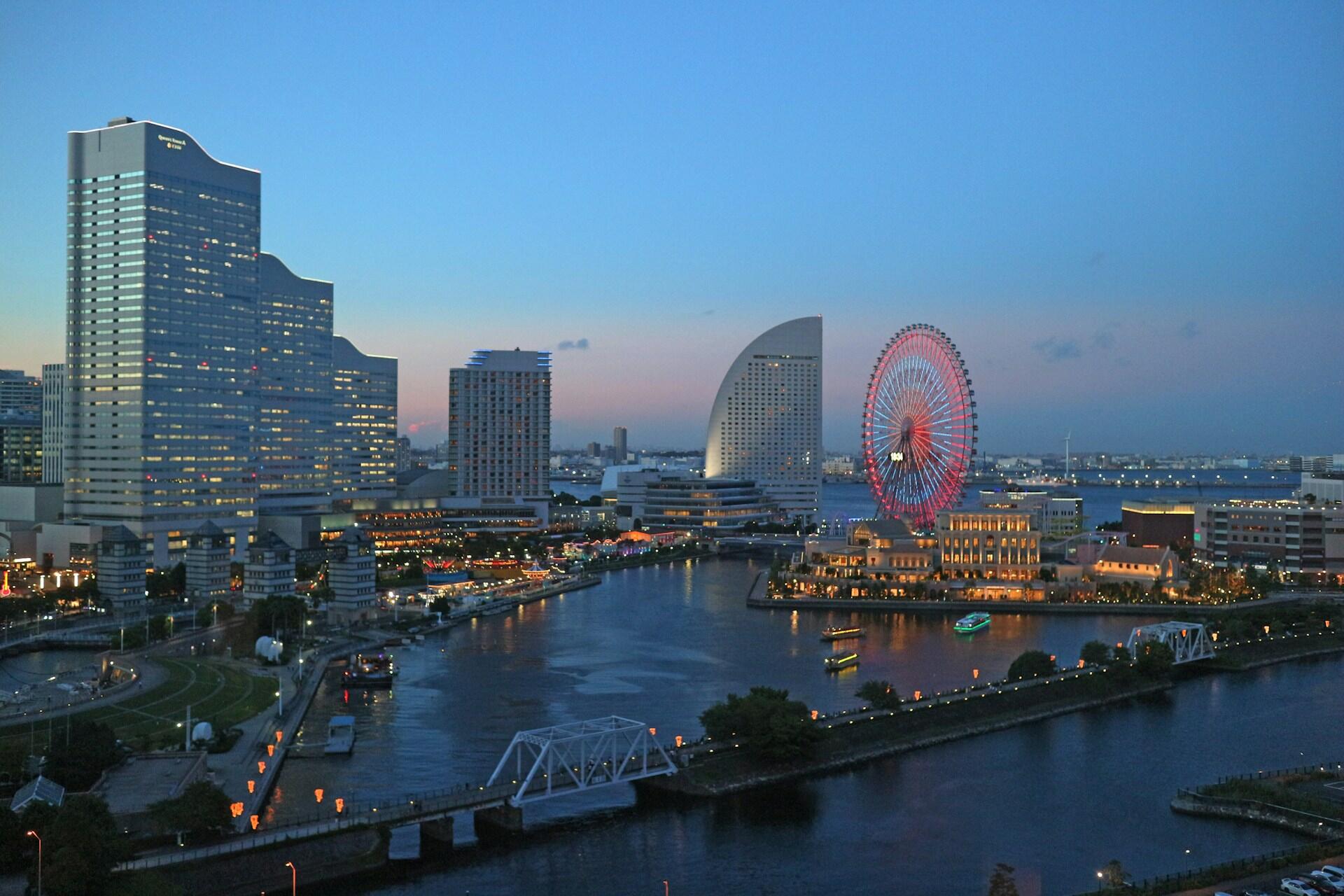
The waterfront and open layout give Yokohama a distinct quality compared to Tokyo, even though they are near one another.
As one of the largest Japanese cities, you will find a lot to do in Yokohama, like visiting the Sankeien Garden, shopping in Yokohama Chinatown, walking down the Osanbashi Pier or going for a baseball game at the Yokohama Stadium.
Other attractions include:
- MARK IS Minatomirai shopping centre
- Yokohama Red Brick Warehouse
- Yokohama Cosmo World
- Manyo Club hot spring
- Cup Noodles Museum
- Mitsubishi Minatomirai Industrial Museum
- Nippon Maru Memorial Park
- Yokohama Museum of Art
Osaka
This important city located in the Kansai region of Honshu, sits on the mouth of the Yodo River on the Osaka Bay.
Osaka was the economic hub of Japan before Tokyo surpassed it in the 1930s. It’s known as “Japan’s kitchen” due to its historical role as the centre of the national food trade and distribution, especially during the Edo period (1603-1867).
The city certainly has some of the best food in Japan today, but it’s not the food capital the way some may claim; you’ll find just as delicious food elsewhere in Japan, because Japan as a whole has delicious food.
However, local chefs started creating dishes that have remained classics to this day, including takoyaki, okonomiyaki, and kushikatsu. So, if you’re visiting the city, you must try some of these foods that originated in the area!
It remains today a crucial economic hub. With a $341 billion GDP the city rivals with Paris and London for the most productive Metropolitan Areas in the world. It still houses the headquarters of major companies such as Panasonic, Sharp and Sanyo.
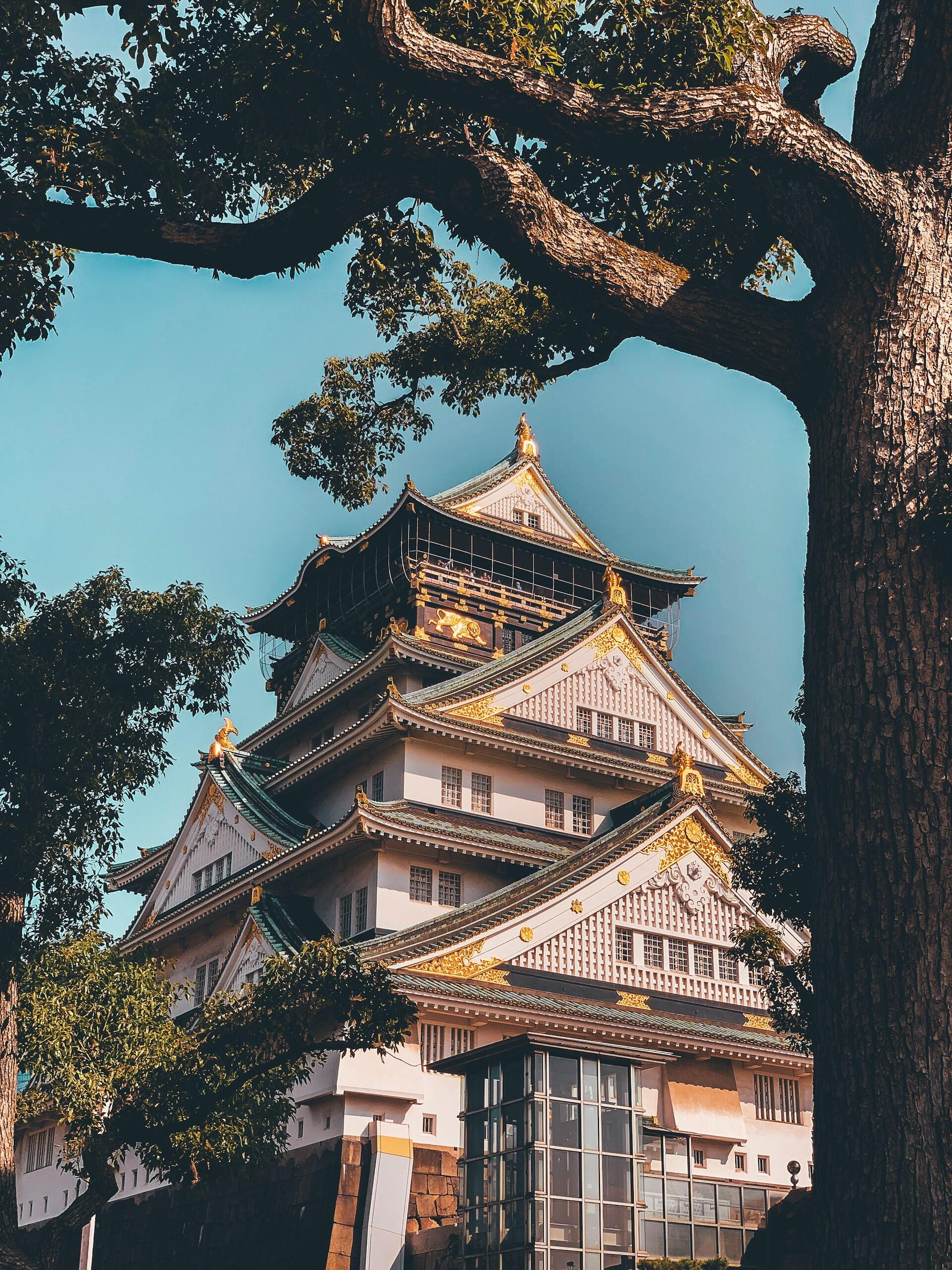
Despite its main economic and financial focus, the city still has plenty to offer in terms of sightseeing due to its very long history dating back to the 6th century BCE. There you will find the first Buddhist temple of the country, Shitennoji, built in 593AD.
You will also be able to visit Osaka Castle which suffered many incidents, usually involving lighting or fire but underwent a full renovation in 1997 to restore it to its Edo era splendour.
Dotonbori is another famous district in Osaka, featuring popular shopping, entertainment, and eating establishments.
Nagoya
Nagoya is one of Japan’s key industrial cities. It is especially prominent in automotive, machine tool, and aerospace manufacturing, which gives it a major role in the national economy. Nagoya’s industry is so immense, it alone accounts for 11% of Japan’s GDP and 1% of global GDP (almost on par with the entire whole of Switzerland).
Beyond industry, the city is famous for the blossoming cherry trees along the Yamazakigawa Riverside, from March to April. The 17th century Nagoya Castle remains one of the city’s most recognized landmarks, while the Toyota Commemorative Museum of Industry and Technology highlights its manufacturing heritage.
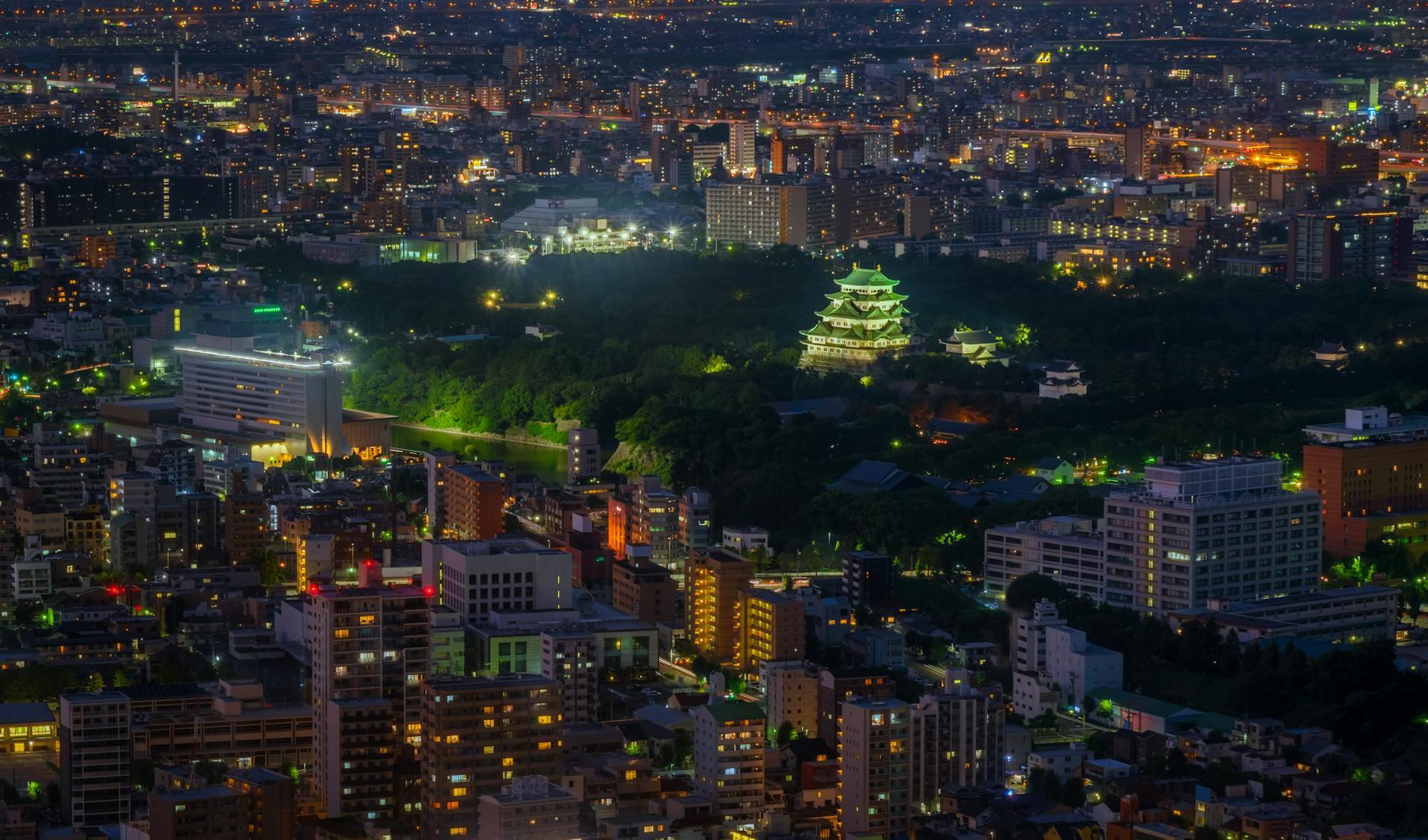
The Nagoya City Science Museum also houses the world's biggest planetarium and some very impressive towering Tesla coils. Like all Japan, the city features century-old monuments and ultra-modern attractions. With its many castles, museums, gardens and even a zoo and botanical garden, the city is a cultural hub.
Nagoya is also renowned for its very tasty food scene. Try the Tebasaki chicken wings, the Kishimen noodles or Hitsumabushi rice, all very local delicacies.
Find out how to secure a tourist vifor to Japan.
Sapporo
The only large city located on the northern island of Hokkaido, Sapporo is home to over 1.9 million Japanese. This city records some of the lowest temperatures and highest snowfalls in Japan. That’s not surprising given its location, which is at about the same latitude as Vladivostok in Russia, which is just over the Sea of Japan. In winter expect up to -4℃ and in summer, temperatures rarely go above the mid 20℃.
For winter sport lovers, Hokkaido and Sapporo itself are said to have some of the best ski slopes in the world.
With fluffy and powdery snow the Sapporo Kokusai Ski Resorts, only an hour away from Sapporo, has more than 10km of slopes.
There, you can also find some refreshing onsens, famous Japanese hot springs, at the bottom of the mountain.
All weary skiers will be glad to relax after a long day on the mountain.
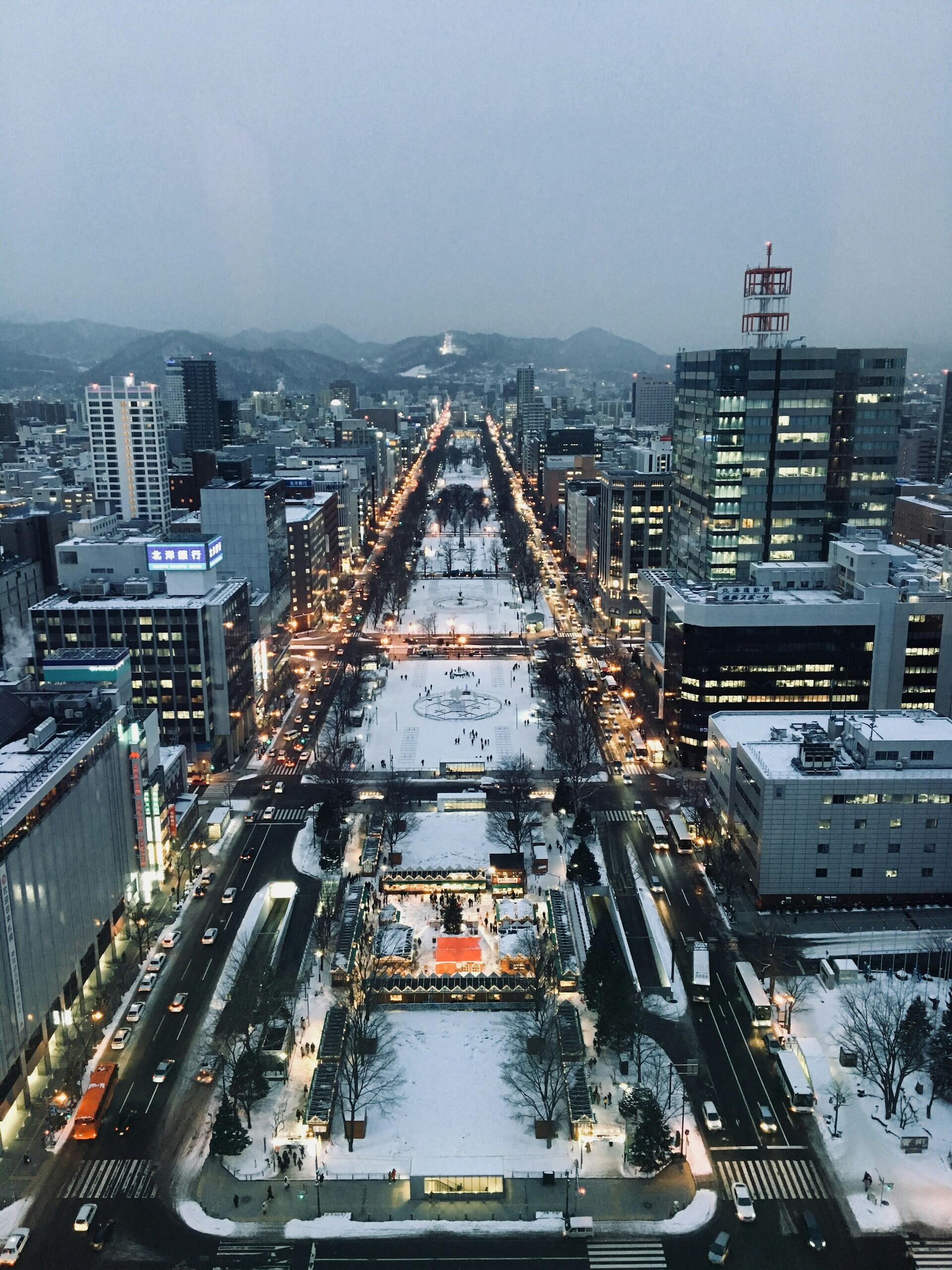
The Sapporo Snow Festival, held in the famous Odori Park in February, is one of the city’s best-known events, featuring incredible snow sculptures and drawing in more than 2 million visitors each year.
Sapporo was the first city in Japan where full-scale beer brewing happened! Pay a visit to the Sapporo Beer Museum while you're there. Other attractions in Sapporo include the Historic Village, Susukino entertainment district, Mount Moiwa, and the Botanic Garden with Ainu museum, just to name a few.
Fukuoka
The only major city in the rank to be located on the island of Kyushu, this municipality is a culturally rich place and should definitely be on your itinerary should you want to learn more about Japanese culture. It’s located in the western part of Japan, close to mainland Asia, which provides the historic nickname “Gateway to Asia” for Japanese traveling to or trading with Chinese or Koreans.
Today, it’s still one of the top cities for trade, travel, and regional business. Compared to other big cities in Japan, Fukuoka is quite young as a modern hotspot and is still growing into a major presence.
According to data provided by the city, it also has the fastest-growing population (especially since many other Japanese cities are seeing population declines) and the highest percentage of young people. The combination has earned it the reputation “startup city,” since there are so many university students and young professionals, especially in the tech industry.
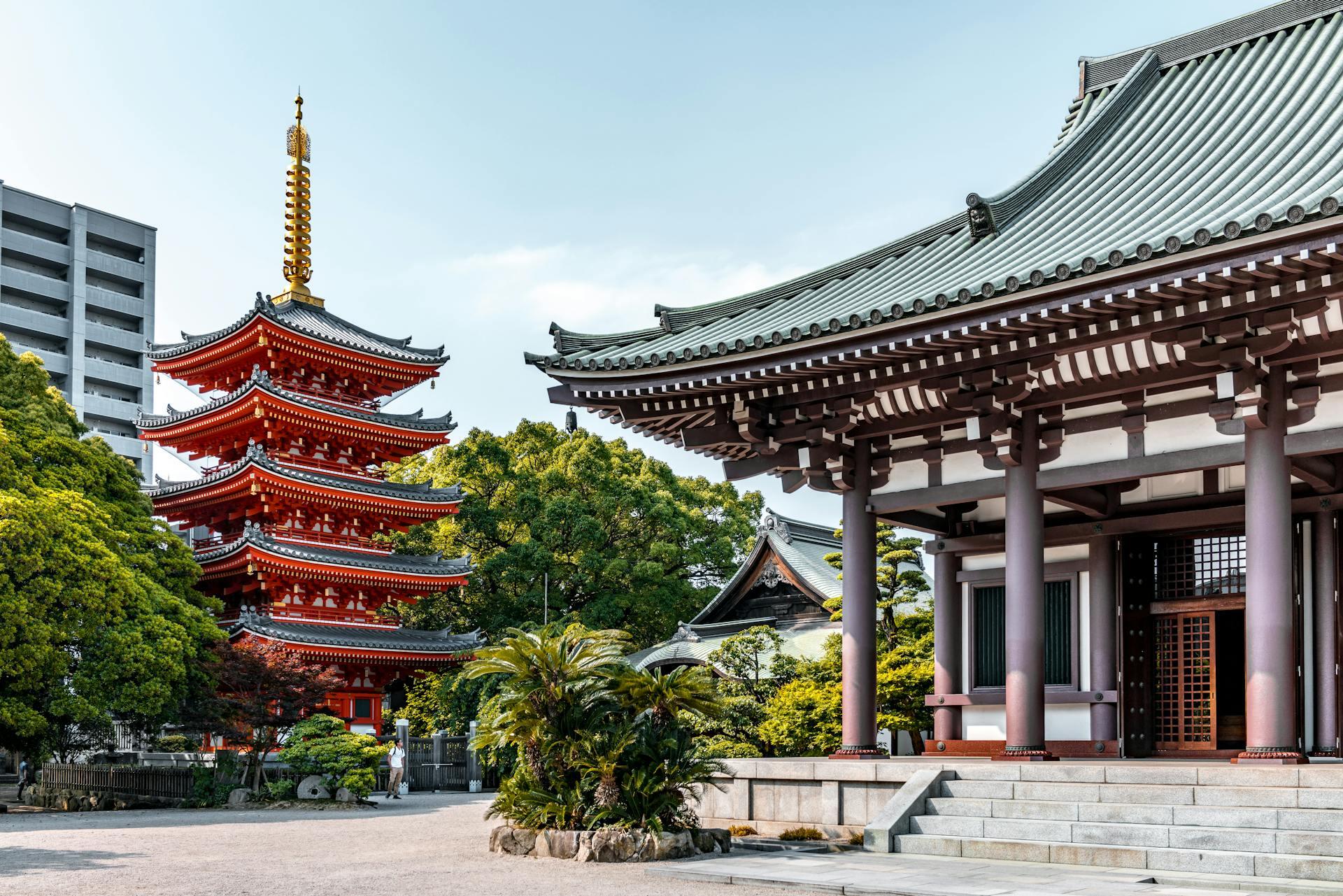
But, the actual city itself is not new. On top of its many temples (some of them among the oldest of the country), the island also offers a beach mainly frequented by locals, an Art Museum, loads of green spaces with some of the top-ranked cherry blossoms spots of the nation and many festivals throughout the year. Fukuoka Tower and Canal City Hakata are among the city’s best-known attractions.
For most Japanese people outside the island of Kyushu, Fukuoka is mainly known for its food scene. In the 1990's the city became famous for its Motsunabe (a beef and pork stew) and attracted domestic tourists far and wide. You will also find there an amazing yatai (street food vendors) scene all year long, a rare sight in Japan.
You will probably hear, maybe without noticing, Hakkata-ben being spoken at some such street food stalls. This local language is the Japanese version of Cockney and is typically spoken by many citizens of Fukuoka.
Kobe
Located in the region of the Kansai, near Kyoto, the city comprises more than 1.5 million people. Kobe gained international reputation for its special beef. Exported all over the world since 2012, Kobe's Wagyu beef is now renowned for its amazing taste and texture.
Kobe is also famous for making amazing sake, the rice wine so inherently part of Japan. With an industry that flourished thanks to the abundance of top quality rice, amazing spring water and a conveniently close location to the port of Osaka, the city has a whole district full of sake breweries. Visit the Sawanotsuru Sake Museum to learn more about this Japanese staple beverage.
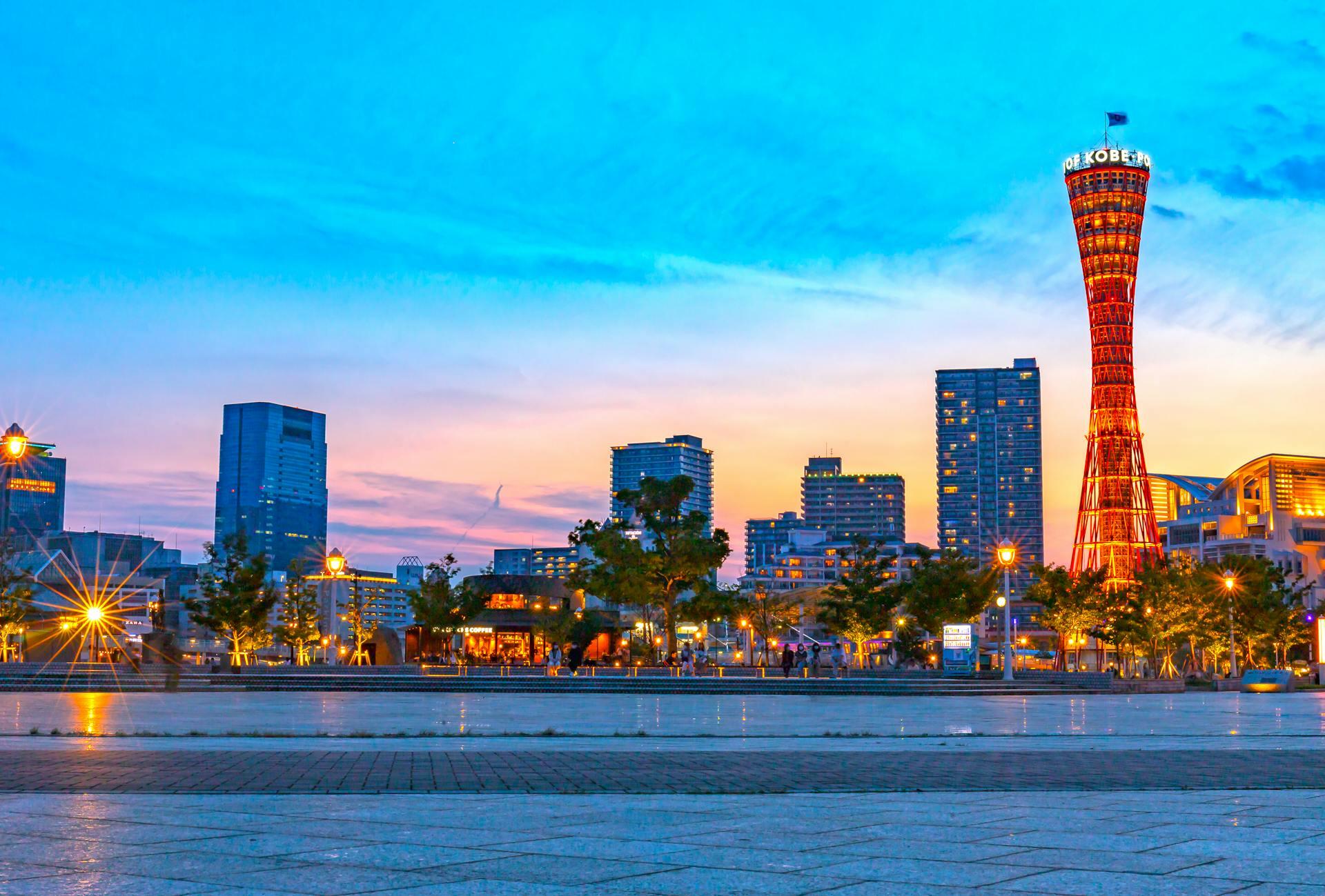
As a cosmopolitan port city, Kobe’s harbour has shaped the city’s identity, importing and exporting culture. The history is still visible in the architecture, food, and cultural highlights of the city. The port is notable for being one of the first in Japan to open to foreign trade. This early acceptance of global influence allowed the city to develop a thriving international community filled with multiculturalism. Today, it continues to support trade, transport, and international business.
The Kobe Port Tower rises up near the water, giving visitors who climb to the top an amazing 360-degree view of the city. On the outskirts, the famous Arima Onsen, one of the “big three onsens” in the country, gives visitors the chance to relax in the hot spring water.
Kyoto
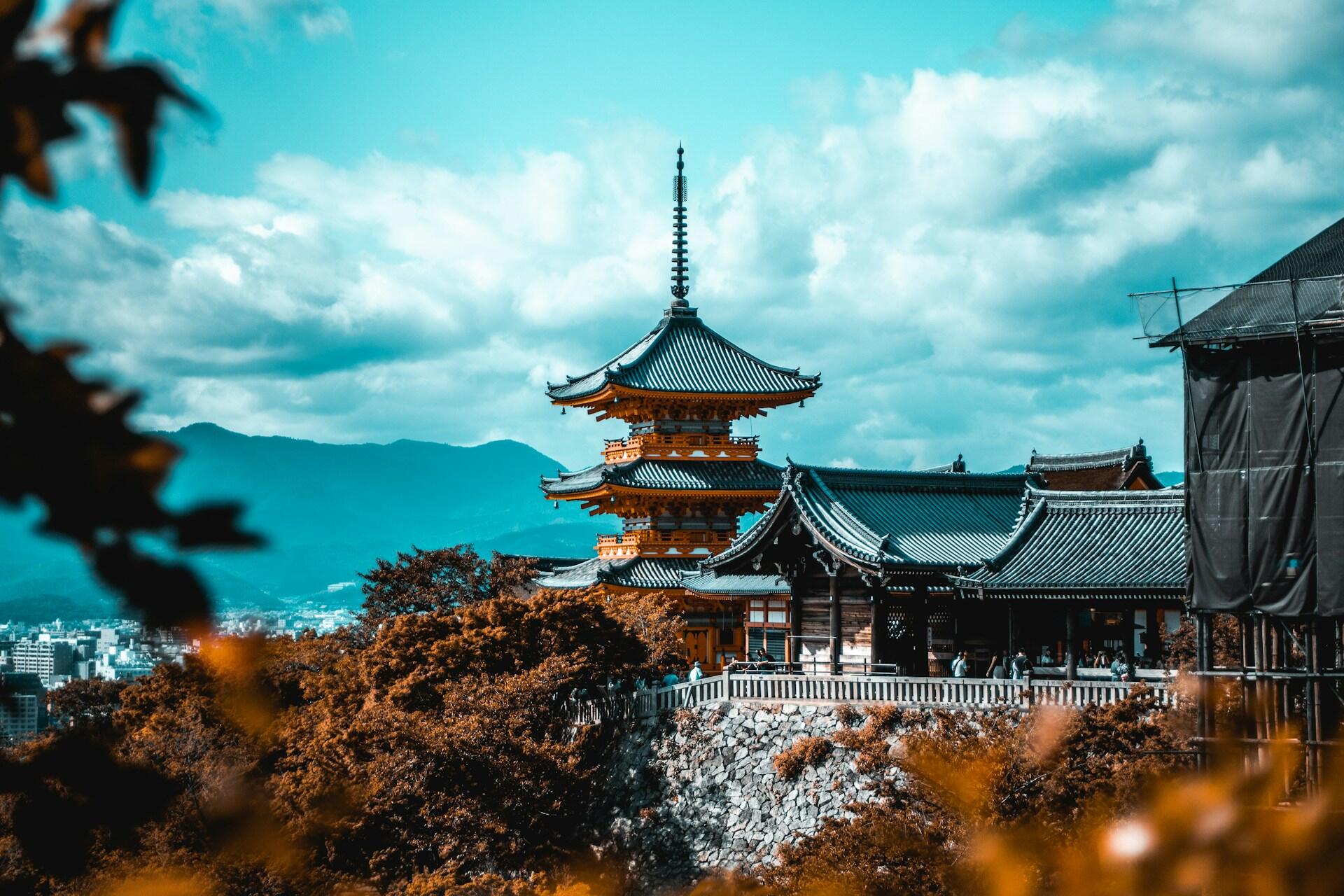
Before Tokyo became the capital city in 1868, Kyoto had been the imperial capital for over 1,000 years. Its historic status means that modern Kyoto still exhibits much of its regal heritage through architecture, temples, and traditional culture. There are hundreds, if not thousands, of interesting sites to visit across the city.
Keihanshin is a metropolitan area consisting of Osaka, Kobe, and Kyoto. It’s the second-most-populated area after Tokyo-to, with an estimated population of over 20 million people, about 15% of the population of Japan.
Being the former imperial capital, Kyoto boasts hundreds if not thousands of interesting sites to visit. Often coined as the most beautiful city in the country, UNESCO acknowledged that in 1994 by adding 17 World Heritage sites in Kyoto, including temples, shrines and castles.
Kinkaku-ji and Fushimi Inari Shrine are two of the city’s most famous landmarks. They draw visitors from around the world, solidifying Kyoto’s continued global reputation. The city remains one of the clearest examples of traditional Japanese culture in an urban setting.
Learn about the emperors and empresses through Japanese history.
Kawasaki
Kawasaki’s position between Tokyo and Yokohama has made it a key manufacturing centre, with its economy being tied closely with Greater Tokyo. It’s been an industrial hub for many years, playing a key role in the heavy and chemical industries supplying the war efforts in Asia during World War II. After the war, many of the industrial areas have been de-industrialized and converted into residential areas.
Still, there is a thriving manufacturing industry in the city today, focused mainly on locomotive and automotive equipment, as well as aerospace.
In 2023, total investment [in Japanese startups] reached $5.4 billion, a 25% increase since 2013.
Andrea Galvan for GlobalEDGE
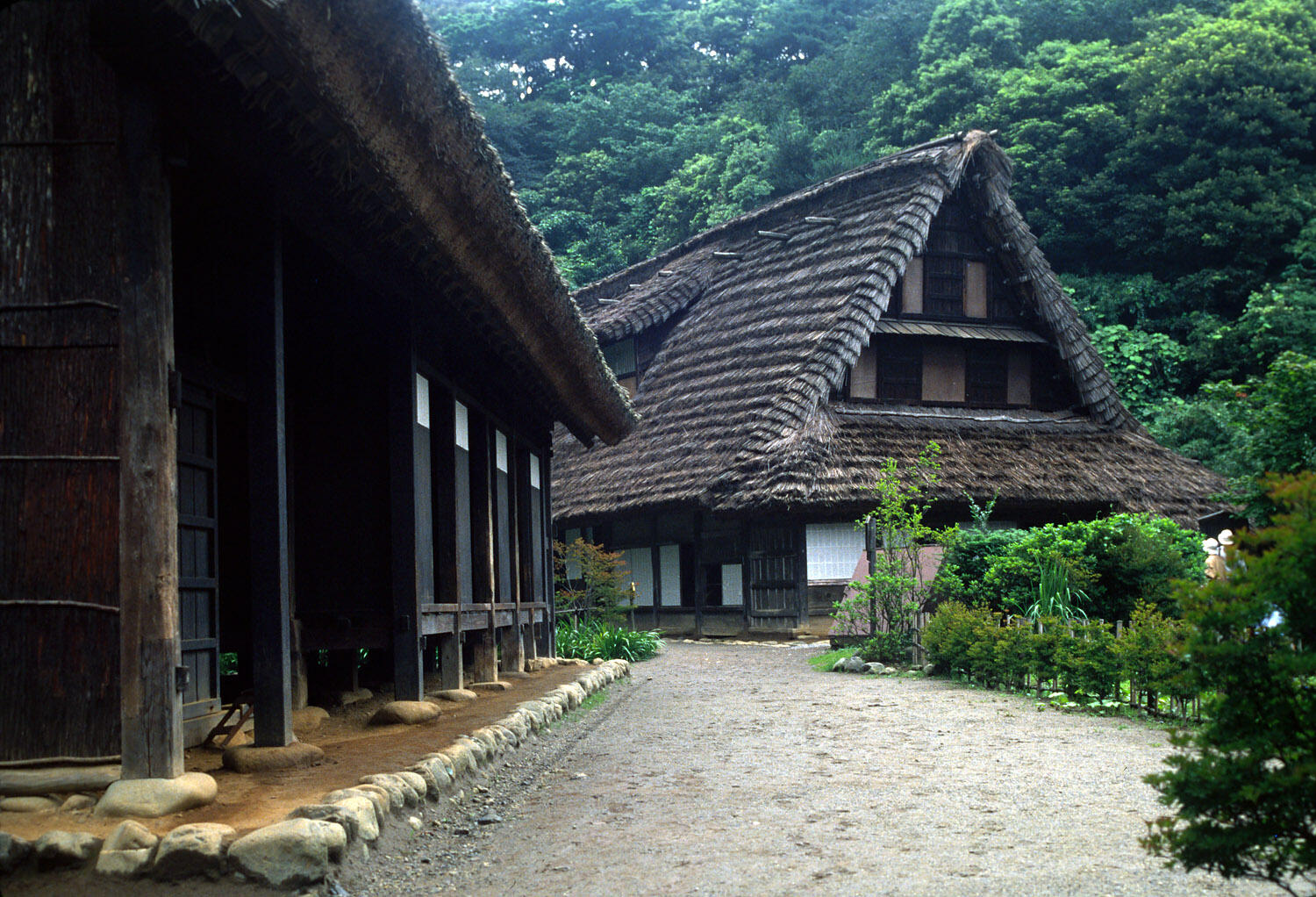
Stretching along the Tamagawa river, the city has a very interesting open-air museum, the Japan Open-Air Folk House Museum (Nihon Minka-en), featuring genuine old-style houses, giving you insight into how life was for Japanese centuries ago. The Kawasaki Daishi Temple, which is nearly 900 years old, stands as another historic display of traditional culture and architectural excellence.
If you're a fan of manga and specifically of the masterpiece Doraemon, you will want to make a detour by the Fujiko F. Fujio Museum, which celebrates the work of the famous artist. Be aware that tickets are not sold directly at the museum but instead you'll have to get them from convenience stores (limited tickets per day).
Saitama
A popular day trip destination, Saitama is only about one hour away from Tokyo by train. It’s a popular area for residents to balance suburban comforts and a job in the city.
It’s an ancient and historic city, even being mentioned in famous poetry from the 8th century. The culture has been preserved in part from these historic times. In “Little Edo,” which is a small nearby town called Kawagoe, much of the atmosphere from the Edo period (1603-1867) remains through architecture, temples, and shops.
Saitama the city is located within the Saitama Prefecture, which contains several other historic towns and cities. In Chichibu to the west, the annual Chichibu Yomatsuri festival sees giant decorated floats parade through the city accompanied by Chichibu Yatai-Bayashi taikos. It’s a festival that’s been held for more than 300 years and draws more than 20,000 spectators each year.
Saitama’s Railway Museum is a popular attraction, featuring historic trains, operations information, and technological progress exhibits. The Omiya Bonsai Village and Omiya Bonsai Art Museum are visitor favourites, featuring multiple bonsai nurseries and information about the artform, respectively.
The city’s modern, urban areas, suburban neighborhoods, and traditional areas offer a blend of busy and relaxed, new and old.
Make your Japan trip the best it can be! Read these Japan travel tips before you go.
Urban Growth and Population Trends in Japan
Each of the big cities in Japan have their own historical contexts that inform their modern atmosphere and function. What they all have in common, along with the rest of the country, is a rapid postwar period of growth. As Japan gained more contemporary infrastructure and technology, cities were able to connect with one another as well as surrounding areas.
They began to grow as transport, business, and housing networks evolved. People moved to the cities for more opportunities in jobs, education, and facilities.
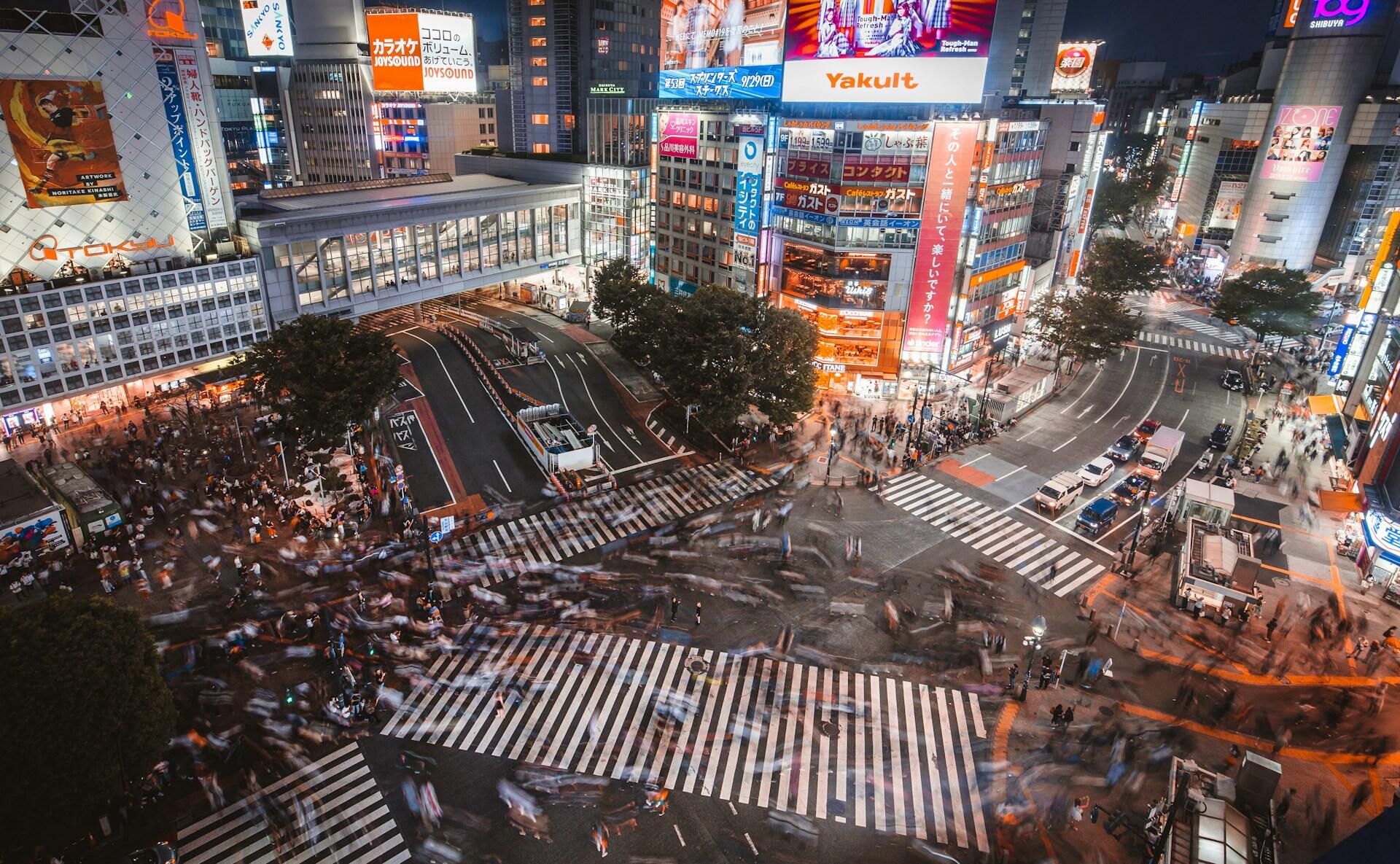
Today, urbanization and population patterns in Japan are undergoing unprecedented changes. The overall population is slowly reducing, with projections estimating a 30% decrease in total population by 2070 if it stays at the current rate. However, the individual cities, especially Tokyo, Kawasaki, Saitama, Fukuoka, and Sapporo, are seeing population increases as more people move there.
Current trends suggest Japan is focusing on cutting-edge technology investments, optimizing cities and transportation, and investing in earth-aware initiatives. Perhaps with more optimized nationwide facilities, the impacts of a reduced population can be softened.
Prepare for your trip with Japanese classes here on Superprof.
Cultural and Economic Significance of Japan's Largest Cities
It makes sense that much of Japan’s economy is perpetuated by these large cities. Each plays important roles in sectors like trade, tech, and manufacturing, with specializations in each area: Tokyo leads in finance and government, Osaka in commerce, Nagoya in industry, and Fukuoka in regional growth. Yokohama, Kobe, and Kawasaki also play major roles in trade, logistics, and manufacturing.
While some critics may say Japan is reluctant to change, and in some ways that may be true, but it’s also true that the nation has a reputation for problem-solving and looking forward. One of the best examples of this is Hiroshima. After the devastating Atomic bomb attack, the destruction zone was converted into the Peace Memorial Museum which promotes the idea of striving for a better, more peaceful future.
The cities’ dedication to preserving tradition while modernizing create a distinct attitude that Japan is known for domestically and abroad. Each location is home to new buildings and industries as well as historic temples, shrines, and constructions. The mixture is a perfect way of attracting tourists from all over the world, and different parts of Japan, to each hotspot.
Japan’s masterful way of balancing newness with tradition is what draws in foreign tourists. The large cities offer a culture and history unlike anywhere else on earth, creating admiration across the globe.
References
- Fukuoka Facts | Data about the Best of Fukuoka. (n.d.). https://facts.city.fukuoka.lg.jp/en/data/population/
- Hale, T. (2025, May 15). Tokyo Is The Biggest City In The World. . . Or Is It? (H. Large, Ed.). IFLScience.com. https://www.iflscience.com/tokyo-is-the-biggest-city-in-the-world-or-is-it-79232
- How Japan is building a nature-positive future. (2026, January 5). World Economic Forum. https://www.weforum.org/stories/2025/10/how-japan-is-building-a-nature-positive-future-through-public-and-private-initiatives/
- Japan population (2026) - Worldometer. (n.d.). Worldometer. https://www.worldometers.info/world-population/japan-population/
- Major cities. (n.d.). https://www.japan-guide.com/list/e1003.html
- Thomas Brinkhoff: City Population, http://www.citypopulation.de. (n.d.). Tokyo Special Wards Area (Japan): Special Wards - Population Statistics, Charts and map. https://www.citypopulation.de/en/japan/tokyocity/
- Tokyo, Japan Metro Area Population (1950-2026). (n.d.). Macrotrends.net. https://www.macrotrends.net/global-metrics/cities/21671/tokyo/population
- Van Keulen, R., & Van Keulen, R. (2024, January 25). Japan’s population decline isn’t as bad as we think | Earth.Org. Earth.Org. https://earth.org/understanding-japans-demographic-crisis-an-alternative-perspective-on-population-decline/
Summarize with AI:
Did you like this article? Leave a rating!


 Loading...