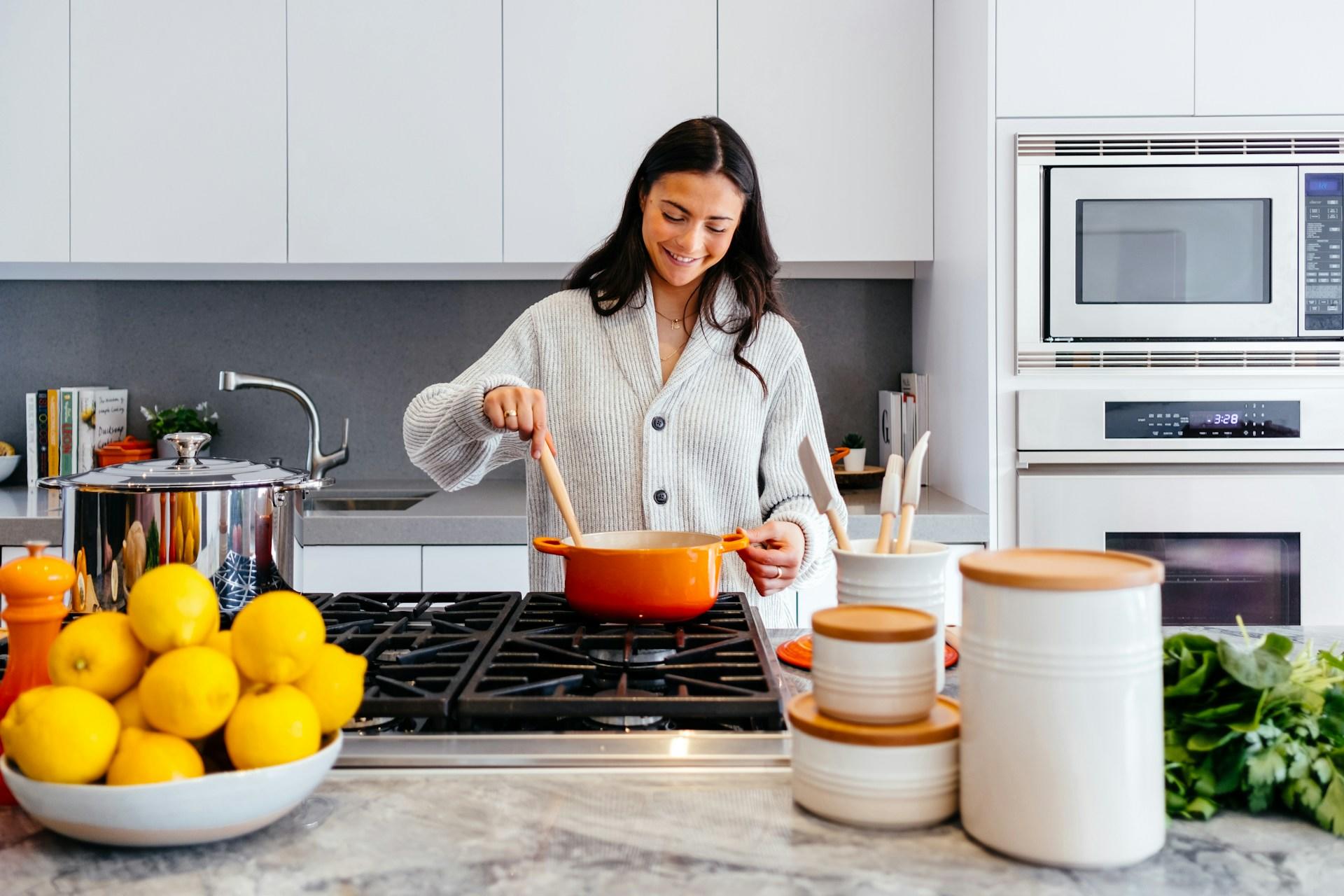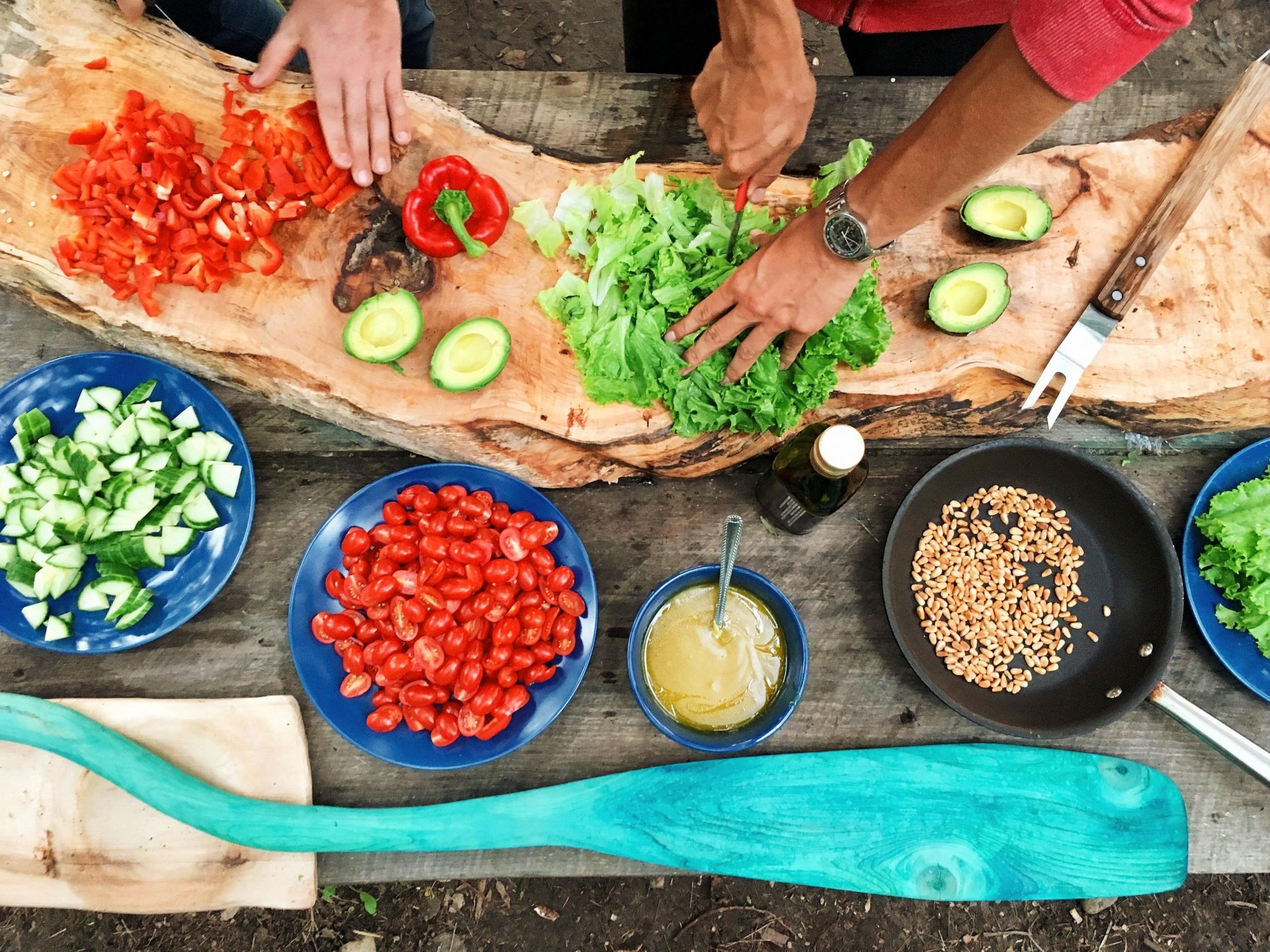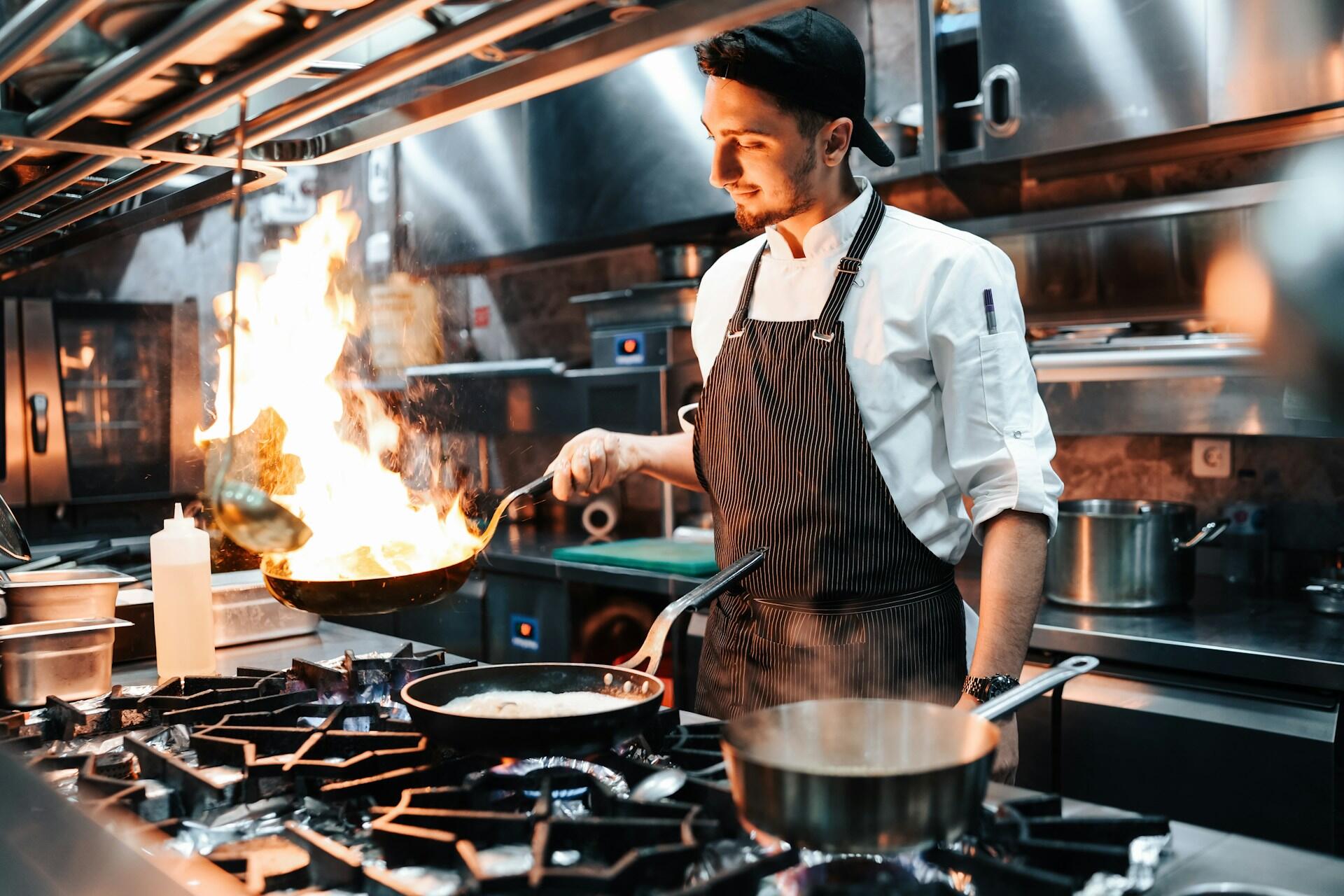

Are you a master chef or are there still some basic techniques that you struggle with? This cooking quiz is a fun way to find out. Through questions about utensils, cooking methods, ingredients, and little chef tricks, you can test your knowledge - and discover what you can still improve on.
It doesn't matter if you cook every day or are just starting out: by the end of the test, you'll know which culinary skills you've mastered and which aspects you could improve to impress your guests at your next lunch or dinner party.
Go ahead and give it a try to see if your cooking skills are up to the challenge. 🍳
Quiz
Quiz :Have you finished the quiz? Here's what you can do now.
Regardless of the result, these types of cooking quizzes are an excellent way to learn. Not only do they help you assess what you know, but they also allow you to discover techniques, concepts, and interesting facts that often go unnoticed when simply following recipes.
If you're practicing for a culinary exam or simply want to improve your skills, here you'll find:
- 🍳 Tips for studying cooking more effectively.
- 👨🍳 Tricks from professional chefs that will help you better understand techniques.
- 📖 Simple explanations of concepts that often appear on cooking tests.
- 📝 Sample questions and resources for further practice.
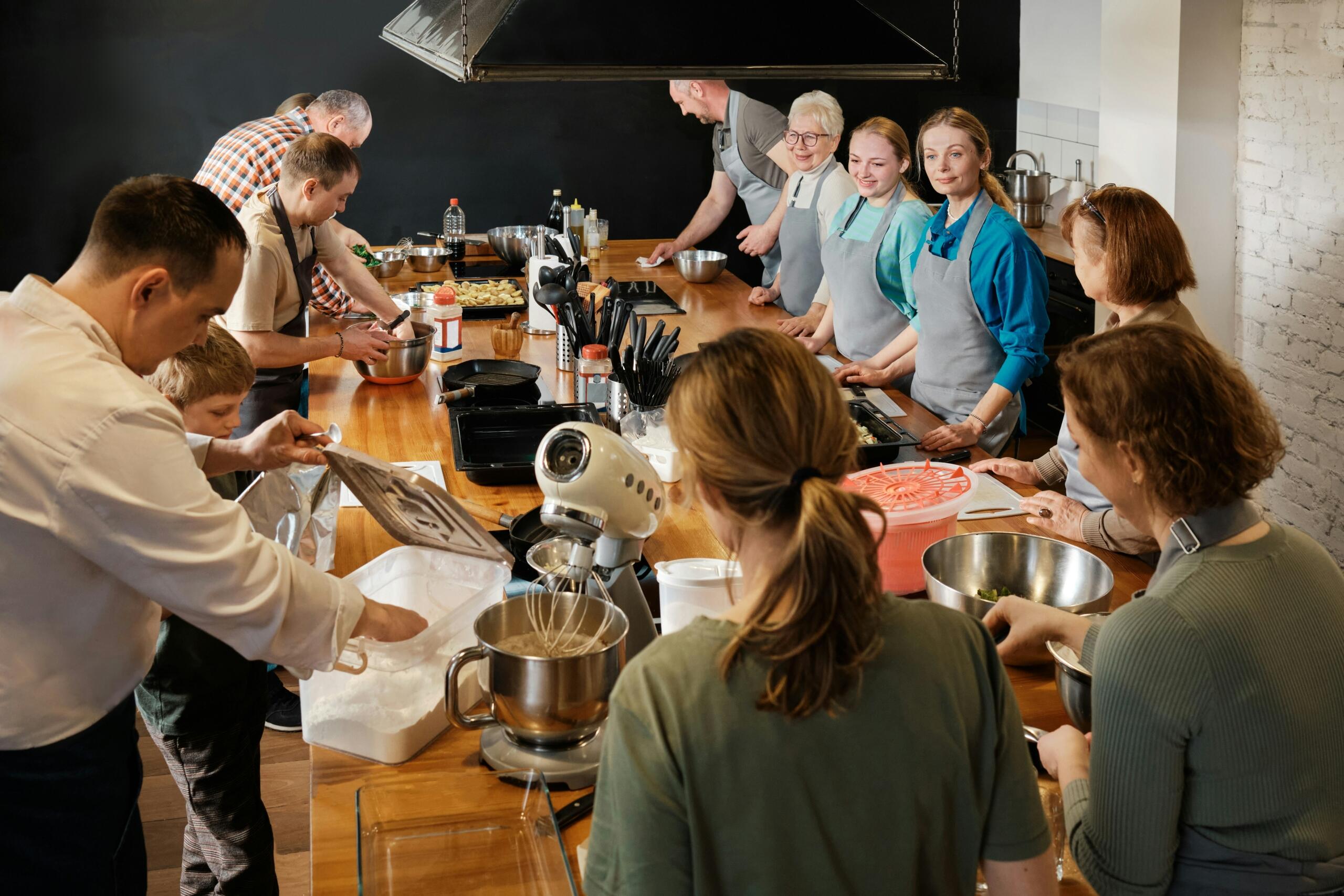
Even if you're taking a free cooking test, each attempt can become a little lesson that improves your cooking.
Because in cooking, as in any discipline, practice and curiosity make all the difference. And who knows... maybe the next dish you prepare will be worthy of applause. 👨🍳✨




Tips for Studying Cooking More Effectively
Learning to cook isn't just about memorizing recipes. To really improve, it's much more useful to understand the techniques and logic behind each dish. When you know why something is done a certain way, it's much easier to remember and apply it to new preparations.
A good study method is to combine theory and practice. For example, if you are reviewing cooking methods such as sautéing, boiling, or braising, try applying them at home while cooking something simple. Direct experience helps to reinforce knowledge much better than just reading about it.
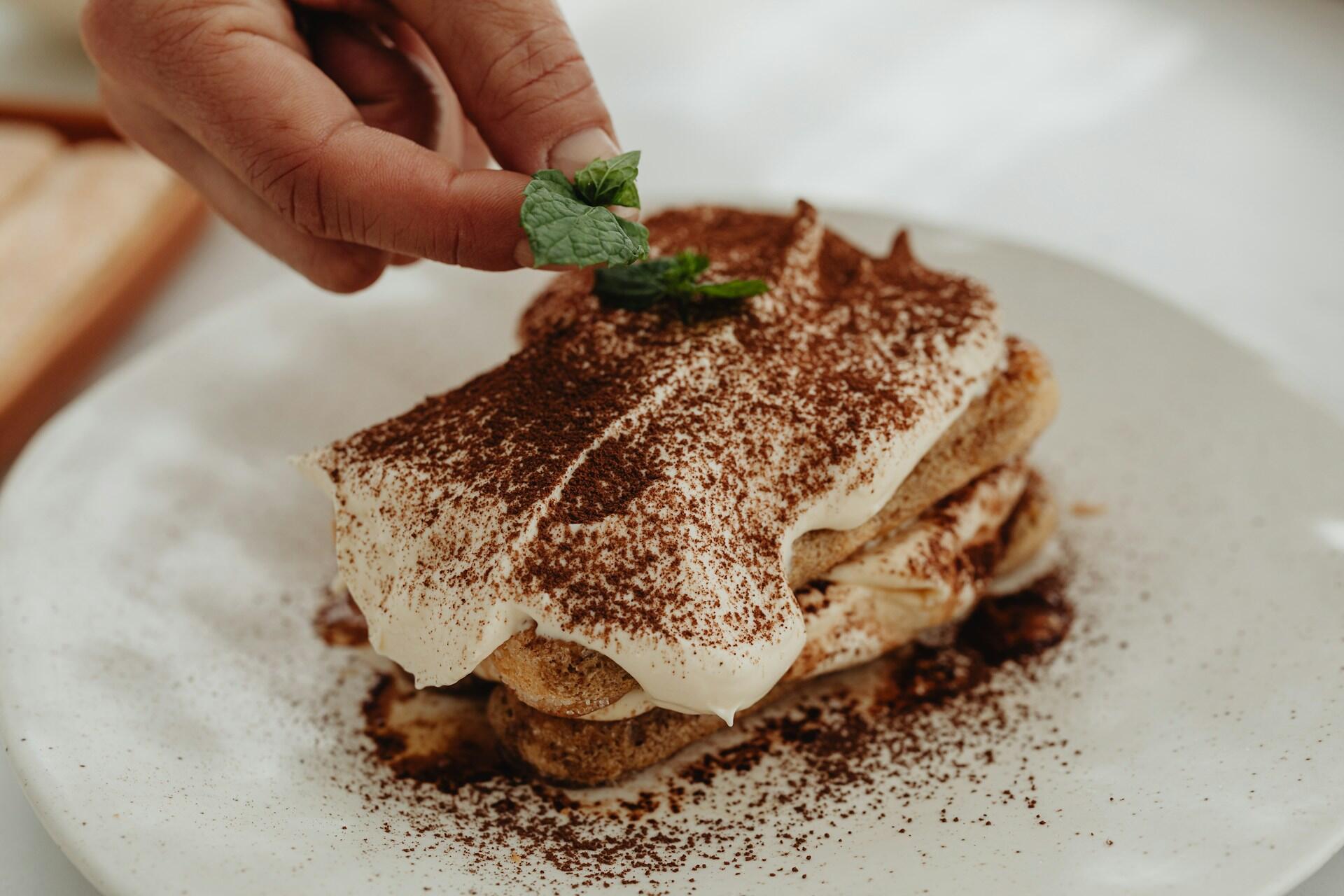
It is also advisable to organize concepts into categories: utensils, cuts, techniques, basic sauces or cooking methods. This way, when you take a cooking test or a multiple-choice exam, you will be able to relate the questions to a specific group of knowledge.
🧑🍳 Which section is the most challenging for you?
Finally, practicing with culinary quizzes or tests is a quick way to identify which topics you have mastered and which ones you need to review a little more.
Technique Tips From Professional Chefs
Many professional chefs agree that small details make a big difference in the kitchen. It's not just about following a recipe step by step, but understanding how heat, ingredients, and cooking times interact.
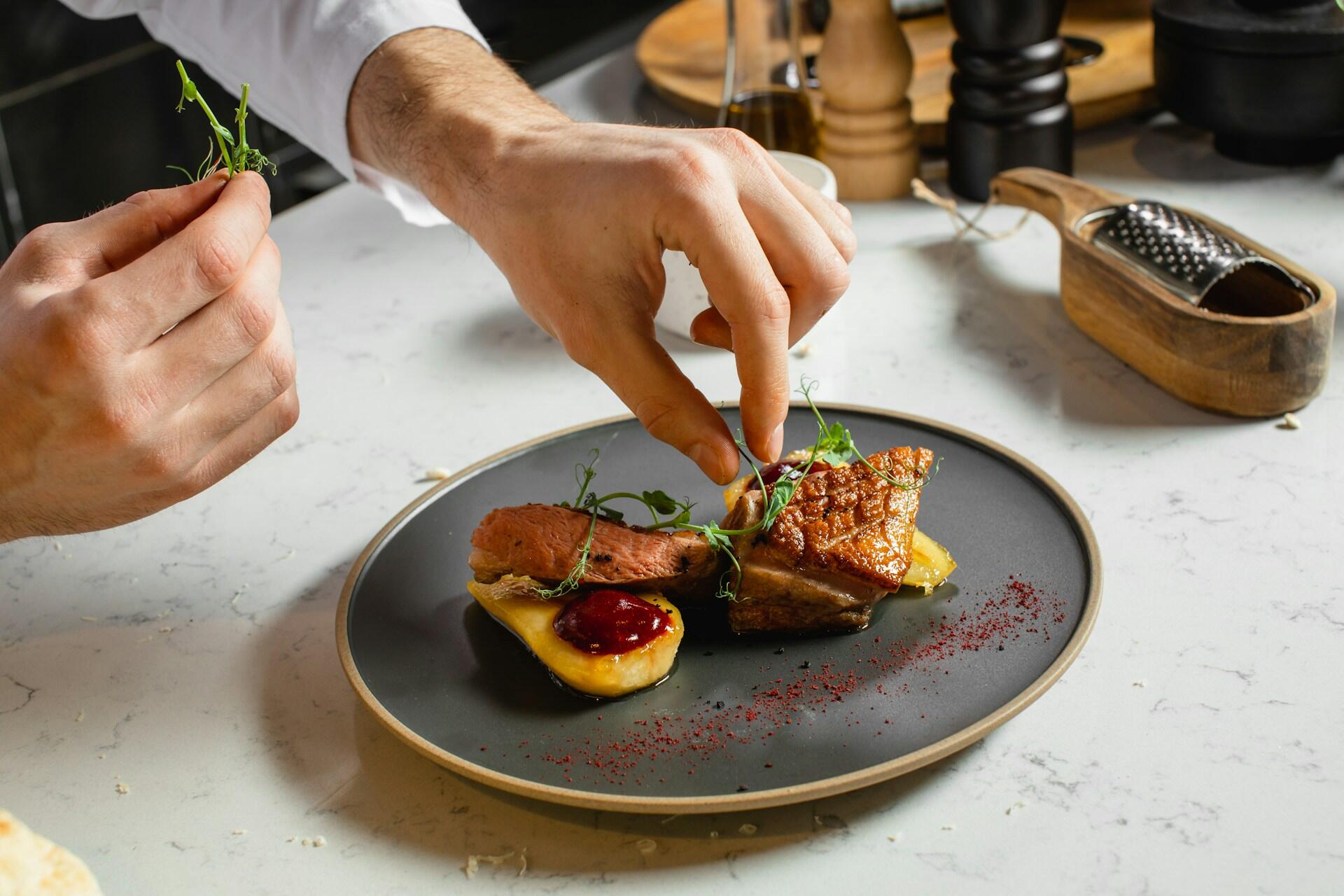
A classic example is to preheat the pan well before adding the food. This simple step helps to seal meat or vegetables properly, preventing them from sticking and improving the flavor.
Another common trick is to season at different stages of preparation, not just at the end. This allows the ingredients to absorb the flavor better and makes the final result more balanced.
It is also important to learn how to control the heat. Many cooking techniques fail because the temperature is too high or too low. Knowing when to turn the heat up or down is a skill that develops with practice, but it often appears in cooking test questions.
Simple Concept Explanations to Study
Cooking quizzes often include basic concepts that are part of culinary vocabulary. Understanding them well makes it much easier to answer correctly.
For example, sautéing means cooking food quickly in a pan with a little fat and over relatively high heat, stirring constantly so that it cooks evenly.
Another common term is blanching, which involves placing food in boiling water for a short time and then quickly cooling it in cold water. This technique is used to preserve the color of vegetables or to prepare certain ingredients before cooking them in another way.
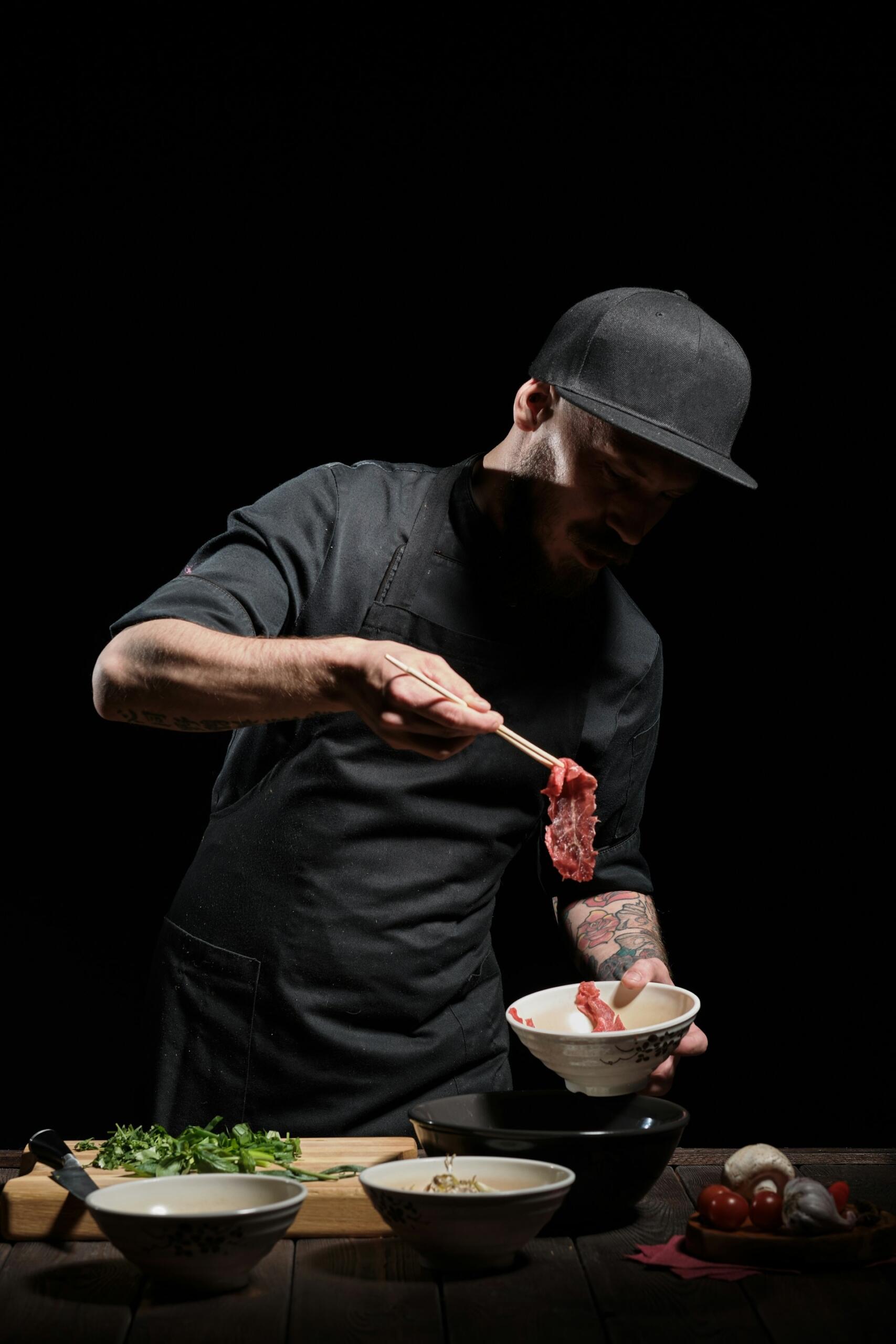
The concept of reducing also comes up frequently. This refers to boiling a liquid so that some of the water evaporates and the flavor becomes more concentrated.
Understanding these basic terms not only helps with tests, but also improves your everyday cooking.
Sample Questions and Resources for Further Practice
Practicing with questions similar to those that appear in the quizzes is an excellent way to consolidate your knowledge. Some typical examples of cooking questions might be:
| Question | Explanation |
|---|---|
| What chemical reaction produces the browning and much of the flavor in meats and breads? | The Maillard reaction is the interaction between amino acids and sugars at high temperatures that creates complex aromas and flavors. |
| Why shouldn't you overcrowd a pan when stir-frying? | Because the temperature drops and the food begins to steam instead of browning properly. |
| What is the main function of a roux in classical cooking? | It acts as a thickener for sauces and soups by combining cooked fat and flour. |
| What is the difference between broth and stock? | Stock is usually cooked longer and used as a concentrated base for sauces, while broth is lighter and often consumed on its own. |
| Why is it recommended to salt pasta water? | Because pasta absorbs some of the cooking water and becomes seasoned from the inside. |
| What technique involves cooking vacuum-sealed food at low temperature? | The sous vide technique allows precise temperature control and very even cooking. |
| What happens if garlic is cooked over heat that is too high? | It burns quickly and develops a bitter flavor. |
| Why is meat rested after cooking? | So the juices redistribute and the meat remains juicy when cut. |
| What role does acid play in many culinary preparations? | It balances flavors and adds freshness to a dish. |
| What does it mean to deglaze a pan? | To add liquid to dissolve the caramelized bits on the bottom and incorporate their flavor into a sauce. |
| Which technique cooks vegetables while preserving more of their color and nutrients? | Steaming, which cooks food without submerging it in water. |
| Why are vegetables blanched before freezing? | To stop enzymes that would otherwise degrade color and texture during storage. |
| What is an emulsion in cooking? | A stable mixture of two liquids that normally do not combine, such as oil and water. |
| What is the goal of reducing a sauce? | To evaporate part of the liquid and concentrate the flavors. |
| What does it mean to confit a food? | To cook it slowly in fat or oil at a low temperature. |
| Why is it important to cut ingredients evenly? | So that all ingredients cook at the same rate. |
| What does 'al dente' mean for pasta? | When pasta is cooked but still slightly firm when bitten. |
| What is the purpose of adding cold butter at the end of a sauce? | To add shine, a silky texture, and enrich the flavor. |
| Why is flour sifted in baking? | To remove lumps and aerate the flour, improving the texture of the batter or dough. |
| Which cooking technique involves slow cooking in aromatic liquid? | Stewing or slow braising. |
| Why is it important to preheat the oven? | To ensure even cooking from the start. |
| What does it mean to macerate food? | To let it rest in liquids or seasonings so it absorbs flavor. |
| What is caramelization? | The process in which sugar is heated and develops its characteristic color and flavor. |
| What is the difference between frying and sautéing? | Frying uses a larger amount of oil, while sautéing uses little fat and high heat. |
| Which utensil allows precise measurement of food temperature? | A kitchen thermometer. |
| Why is salt sometimes added at the end of cooking? | To adjust the final flavor without affecting the cooking process. |
| What is mise en place? | The preparation and organization of ingredients and tools before cooking. |
| Why do some recipes require dough to rest? | So the gluten relaxes and the final texture improves. |
| What happens if fish is cooked too long? | The proteins tighten too much and the fish becomes dry. |
| What role do fresh herbs added at the end of cooking play? | They add aroma and freshness that would be lost during long cooking. |
Answering these types of questions helps reinforce basic concepts and identify potential gaps in learning.
Food safety usually accounts for between 20% and 35% of questions in operational certifications. Mastering this can “secure” a large part of the score. ✅
In addition, you can continue practicing using online cooking tests, cookbooks, or basic cooking courses. The more you are exposed to questions, definitions, and practical examples, the easier it will be to recognize the correct answers.
Over time, much of this knowledge will cease to be theory and become part of your usual way of cooking.
Your Recipe for Passing with Confidence
If you study in blocks, practice with mock tests, and rely on mnemonics, a multiple-choice cooking exam will cease to be intimidating and become a confirmation of what you already know.
Don't forget: combine theory with practice, repeat until you've consolidated your knowledge, and stay focused on safety, basic techniques, and organization. With these tools, any cooking test with answers becomes just another training exercise on your culinary journey. Go for it! 🔪🔥
Summarize with AI:
Did you like this article? Leave a rating!

 Loading...