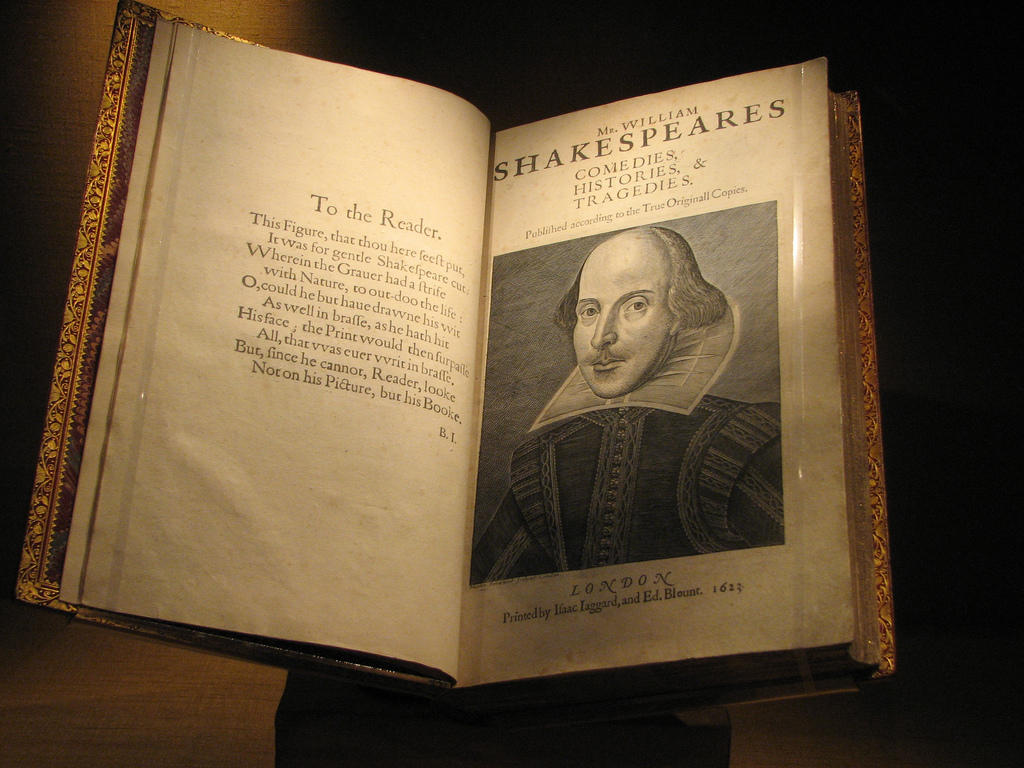

If you are studying poetry or English literature at any level, you will inevitably have to grapple with this thing called the sonnet and other different types of poetry. However, for those of you who have never before set foot into the world of literature, a sonnet is a form of poetry. It refers to a range of poems that share certain conventions in length, structure, style, and themes. Indeed, these conventions are what make a sonnet a sonnet.
This article will provide you with all the details you need to understand what a sonnet is, the types of sonnets, and the application of this poetic form in English literature. You will also learn how to write a sonnet on your own. Let's get started!
Key Takeaways 💡
- The word sonetto, meaning “a little song,” originated in thirteenth-century Italy.
- Sonnet's structural elements are the number of verses, meter, rhyme, and thematic divisions.
- The Petrarchan sonnet, the Shakespearean sonnet, and the Spenserian sonnet are the three main types.
- Carol Ann Duffy, Elizabeth Bishop, and E.E. Cummings are poets who innovate sonnets.
- Writing a sonnet involves choosing a theme, using iambic pentameter, setting a rhyme scheme, developing ideas across quatrains, and concluding with a volta.
The benefit is that there are lots of different styles once you have tried sonnet poems. Ready to discover Japanese traditional Haiku?
The sonnet is a form of poetry that is usually written in fourteen long lines. It stands out from other forms of poetry because of its defined length, but that's not all there is to the sonnet. It also has a defined structure, style, and rhythmic pattern that makes it easy for you to identify it beyond its length.


Historical Origins and Evolution
Every poetic convention in English literature has a history that defines it, and to understand such history, you must understand the story that determines it. The sonnet is not any different from other literary conventions, as it has a unique history. This history is rooted in thirteenth-century Italy, through its introduction to England, and finally endured as poetic forms in Western literature.
Its history is rooted in its Italian origin, as the word "sonnet" comes from "sonneto," meaning "a little song." Developed in Sicily by Giacomo da Lentini, this little poetic form inspired the greatest poets of the Italian Renaissance. These include Francesco Petrarch, Dante Alighieri, and Guido Cavalcanti.
As the popularity of these Italian figures grew, so did that of the sonnet, and it didn't take long before most people of England and France started adapting it to their own languages and poetic traditions.
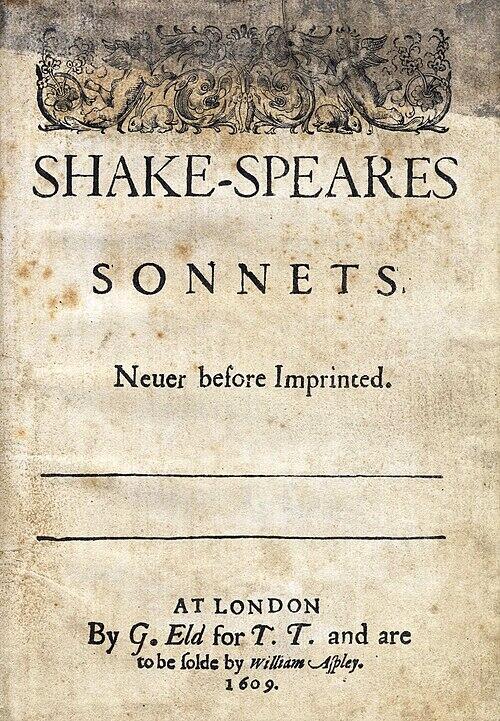
Thousands of Europeans had started writing sonnets. In English-speaking countries, Shakespeare began writing many sonnets by the eighteenth century. He is even credited with introducing many innovative features of the sonnet that we will explore in this article. After him, some of the greatest sonnet-writers emerged during the Romantic period at the turn of the nineteenth century, including John Keats, William Wordsworth, and Percy Bysshe Shelley.
Poets are still writing sonnets today - but modern writers are more comfortable with playing with the once-strict structure of the form. This ongoing evolution demonstrates the sonnet’s lasting relevance.
Timeline of Sonnet's Evolution
13th Century
Birth of the Sonnet (Italy)
Originates in Sicily during the thirteenth century. Derived from the Italian word sonetto, meaning “a little song.” Developed by Giacomo da Lentini.
14th Century
Italian Renaissance Expansion
Perfected and formalized by Francesco Petrarch, Dante Alighieri, and Guido Cavalcanti.
16th Century
Spread Across Europe
The sonnet becomes one of Europe’s most widely practiced poetic forms.
17th–18th Century
Shakespearean Innovation
William Shakespeare writes his sonnet sequence. His 1609 Sonnets publication marks a major turning point in English poetry.
Early 19th Century
Romantic Period Revival
Sonnets explore emotion, nature, politics, and individual experience.
20th–21st Century
Modern Evolution
The sonnet remains relevant through adaptation and experimentation.
Do you want to learn more about the history of poetry? Check out poetry lessons online.
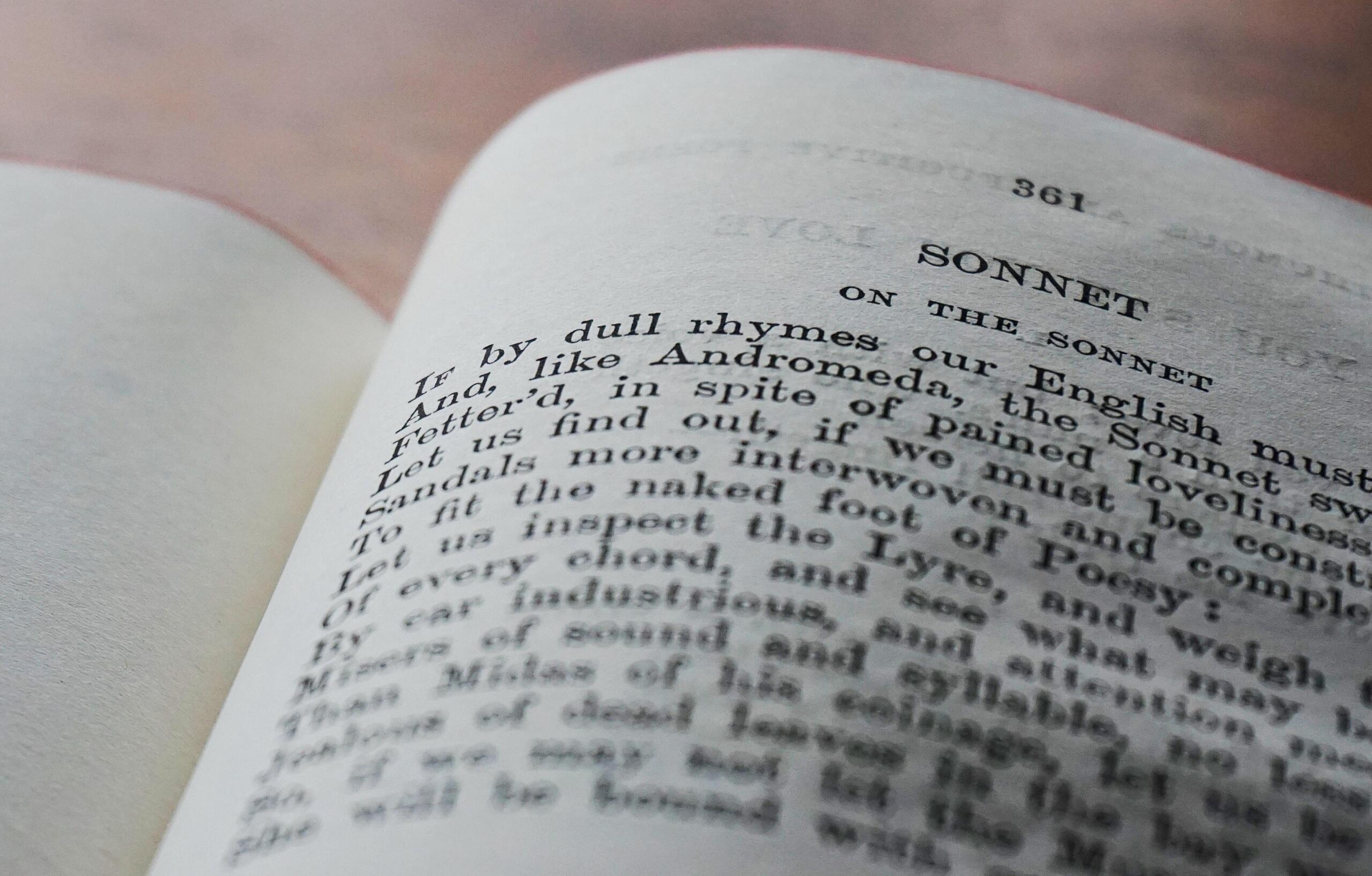
Key Characteristics of a Sonnet
To recognise a sonnet when you see one, you need to know the specific characteristics of that form. The most important structural elements are the number of verses, meter, rhyme, and thematic divisions. So, to add a little more detail, here are the need-to-know features of a sonnet:
1. Number of lines 📑
A sonnet always consists of fourteen lines, as this creates a compact structure that is easy to focus on, contributing to the sonnet's precision.
2. Meter 📏
Sonnets are written in iambic pentameter, in which each line contains ten syllables arranged in five iambs (an unstressed syllable followed by a stressed syllable). An iamb is a pair of syllables, one unstressed and one stressed.
Metre refers to the rhythmic structure: how many syllables it contains and how these are grouped together. The term pentameter means "five". Indicating that each line is built from five metrical units. When these five units are iambs, the result is iambic pentameter.
3. Rhyme scheme 📝
Sonnets follow specific rhyme patterns, which are:
- Shakespearean sonnets (English): Follow the pattern ABAB CDCD EFEF GG, ending with a couplet that offers a thematic resolution.
- Petrarchan sonnets(Italian): Follow the pattern ABBA ABBA CDECDE or CDCDCD, separating the poem into two sections.
This rhyme scheme organizes sound and structures the poem's meaning. Keep reading to find more below.
4. Thematic divisions ✍️
Most sonnets are divided into clear sections:
- Petrarchan sonnet: The octave introduces a problem or idea, while the sextet responds to it.
- Shakespearean sonnet: The three quatrains usually develop related ideas, followed by a final couplet that offers a reflection or resolution. This internal change is often called a volta or “turn.”
Would you like to learn a long narrative poem written in verse? Discover the Epic style poem.
Types of Sonnets
Sonnets are divided into three types named after some of the world's most popular poets. These are the Petrarchan sonnet, the Shakespearean sonnet, and the Spenserian sonnet. While these sonnets all have the essential features that make a sonnet a sonnet, there are some differences, so we need to examine them one after the other.
Want to learn more? Spot private writing classes in Ottawa.
Petrarchan (Italian) Sonnet
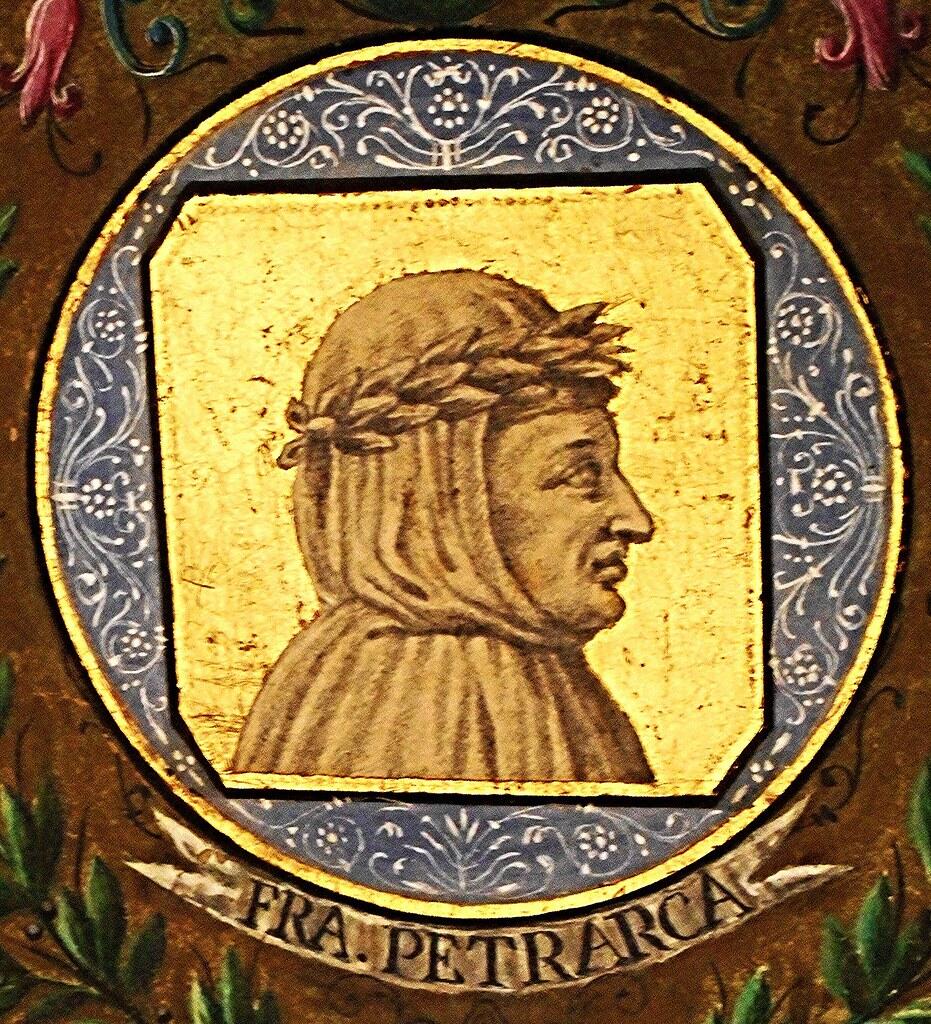
The first sonnet is the Petrarchan, or Italian sonnet. Named after one of the form's greatest practitioners, the Italian poet Francesco Petrarch, the Petrarchan sonnet was the earliest strict sonnet form (he lived from 1304 to 1374).
It is always written in two stanzas, known as the octave and the sestet.
- Octave (has 8 lines): Introduces a problem, question, or emotional tension.
- Sestet (has 6 lines): Responds to or resolves the idea presented in the octave.
As we noted above, the Petrarchan sonnet rhyme scheme follows:
- CDECDE or CDCDCD in the sestet
- ABBA ABBA in the octave
Another important feature of this sonnet is the famous Volta, which here creates the shift of the argument or tone between the octave and the sestet.
Wanting to further explore the sonnet? Find writing courses in Vancouver near you.
Shakespearean (English) Sonnet
The Shakespearean, or English sonnet, follows a different set of rules, which mark the primary difference between the Petrarchan and the Shakespearean sonnet.
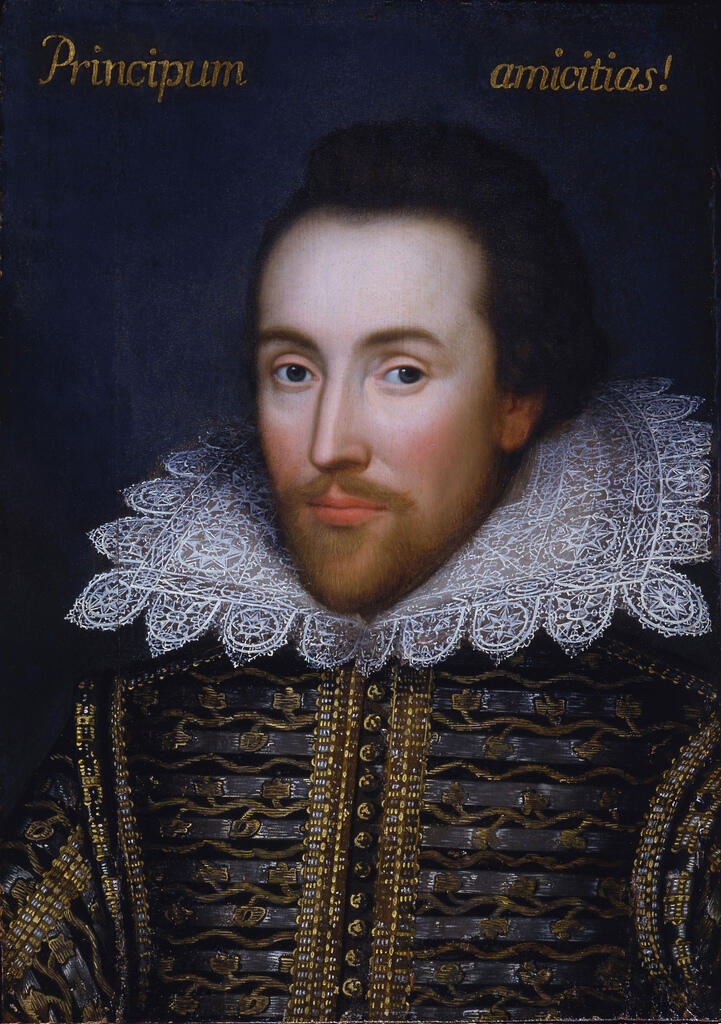
The Shakespearean sonnet, or the English sonnet as it is popularly called, is written in four stanzas:
- Three quatrains (four lines each) develop related ideas.
- One couplet (two lines) signals a conclusion, explanation, or counterargument.
It also has a defined rhyme scheme:
- ABAB, CDCD, EFEF, and GG.
Unlike the other sonnets, the Volta in an English sonnet can come after the first two stanzas or at the beginning of the last stanza.
Learn poetry anywhere in Canada with the best tutors.
Spenserian Sonnet
A contemporary of Shakespeare, Edmund Spenser lived from 1552 to 1559. His sequence, Amoretti, was his main engagement with the sonnet form, and other of his works like The Faerie Queene and The Shepherd's Calendar.
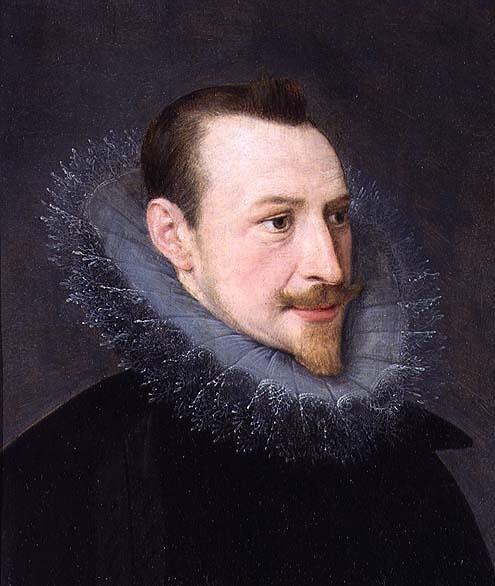
The Spenserian sonnet has a similar structure to a Shakespearean sonnet. The Spenserian sonnet is usually written:
- In three quatrains (four lines each)
- One concluding couplet (two lines)
The interesting thing about the Spenserian sonnet is, of course, the rhyme scheme:
- The Volta in this sonnet type is usually seen in the ninth line, making it a little different from the English sonnet.
- It has a unique ABAB, BCBC, CDCD, and EE rhyme scheme.
Feeling inspired? Click to start poetry private courses on Superprof.
| Sonnet Type | Structure | Rhyme Scheme | Volta (Turn) | Key Characteristics |
|---|---|---|---|---|
| Petrarchan (Italian) Sonnet | Octave (8 lines) + Sestet (6 lines) | ABBA ABBA CDECDE or CDCDCD | Between octave and sestet (line 9) | Presents a problem or question in the octave and resolves it in the sestet; emphasizes contrast and logical development. |
| Shakespearean (English) Sonnet | Three quatrains + final couplet | ABAB CDCD EFEF GG | Usually in the final couplet or after line 8 | Develops ideas across quatrains; final couplet provides resolution, reflection, or irony; suited to English rhyme patterns. |
| Spenserian Sonnet | Three quatrains + final couplet | ABAB BCBC CDCD EE | Commonly at line 9 or in the final couplet | Uses an interlocking rhyme scheme linking quatrains together; combines continuity with strong closure. |
Thematic Elements and the Volta
Without a doubt, one of the most prominent themes of the sonnet is love, usually unrequited or dramatic love. However, over time, poets began to include a more realistic or ironic representation of idealized relationships. Sonnets also explore themes of nature, beauty, morality, mortality, and the passage of time. Generally, Renaissance sonnets examined the passage of time, aging, and death.
Significance of the Volta 🌀
In Italian, this word means "turn" and, in the sonnet, this is the moment at which a change occurs in the poem. This change might be in tone, argument, or thematic focus, and it is very rare to find a sonnet without one.
As we note above, these usually occur after the eighth line of the poem for Petrarch, after the octave, whilst for Shakespeare and Spenser after the second quatrain. You'll notice this change quite easily, as they are usually signaled with a but, however, or and.
Give the other poem styles a try, and discover all about limericks and light-hearted poems.
Notable Sonneteers and Their Works
Although what we have just seen are the main historical types of sonnets, many poets have decided to take the basic structure of the form and change its content. While it is always important to know the sonnets mentioned above, it is worth noting that they are not the only forms of sonnets that exist. Let's look at some examples of innovative poets who play with the conventions of the form.
Carol Ann Duffy
To learn more about Carol Ann Duffy, visit the Poetry Foundation website. 1
Elizabeth Bishop
To learn more about Elizabeth Bishop, visit her biography on the Poetry Foundation website. 2
E.E. Cummings
To learn about E.E. Cummings contributions, go to the Poetry Foundation website. 3
Would you like to tell a story that was traditionally set to music? Read on about the Ballad poetry style!

Writing Your Own Sonnet
Are you ready to write your first sonnet? Of course, if you are writing your own sonnet, you can choose any style you like. Below are several simple, explanatory steps to get started!
Do you need help getting started? Find personalized writing classes in Calgary.
1. Find Inspiration 💗
Whereas Shakespeare’s sonnets generally revolve around love, you could, in fact, choose any topic for your sonnet. You could even look to modern pop songs for inspiration! Modern music can also help writers understand poetic rhythm. Many popular songs unintentionally follow iambic pentameter, making them pretty useful tools for recognizing stress patterns in language. A great example is Taylor Swift’s Shake It Off song.
Other songs sung in iambic pentameter include:
- One Direction – History
- Alessia Cara – Here (a particularly good example as she gives each foot’s downbeat extra stress)
- Halsey – New Americana
- G-Eazy ft. Bebe Rexha – Me, Myself and I
Granted, none of these songs are sonnets, but they do give you a sense of iambic pentameter and how it can be used.
2. Master the Iambic Pentameter 🥁
As most traditional sonnets are written in iambic pentameter, you should internalize the iambic ‘beat’. You could practice it while:
- Walking – left foot unstressed/right foot stressed,
- Clapping your hands (soft-LOUD soft-LOUD),
- Drumming your fingers.
Remember that in sonnet criteria the first quatrain introduces the situation and, at least as far as Shakespearean sonnets are concerned, follows an ABAB pattern, meaning that:
- Line 1 rhymes with line 3
- Line 2 rhymes with line 4
3. Play with Words 🤓
You’ll note that there are several words in this stanza that generally would not be used in normal conversation, at least not in the form or in the place they are used here. Our great bard, Shakespeare, was famous for perverting the meaning of words; his frequent use of anon is the perfect example of such.
The word anon dates back to 12th century English. Its original meaning was straightaway, or forthwith. Through his persistent misuse of this word, it has come to mean the exact opposite: soon, or in a while.
Poetic license permits the use of froze instead of frozen to describe those unuttered words. Doing so even lends urgency to the situation by implying the words froze upon the sight of the person in question.
The term poetic license describes the freedom an artist or writer has to change details, distort facts, or ignore the usual rules — especially if the art they produce is better as a result.
Find various courses to start writing sonnets.
4. Depict a Complete Scene in 14 Lines ✍️
To do that properly and effectively, you should use as many words and phrases that would call up visual imagery as you can. For example, the phrase "fear forbade my presence to come near" conveys so much more than "I had an anxiety attack and couldn’t approach you", even though they represent essentially the same concept, right?
This stanza causes us to see fear as a looming, frightening, domineering entity denying the speaker the privilege of approaching the person in question.
Now, you must remember the organization of your sonnet:
- First quatrain: Always introduces the situation
- Second quatrain: It deepens emotion or conflict
- Third quatrain: It intensifies tension
- Final couplet: Resolution or contradiction
5. Use the volta and conclude! 🏆
Never forget the volta! In Shakespeare's sonnets, it usually appears at the beginning of the third quatrain, or in the final couplet.
If you are looking for performance poetry, discover slam poetry, or listen to free-verse poetry style. Ready to get started? ❤️
References
- Carol Ann Duffy. (2026). Poetry Foundation. https://www.poetryfoundation.org/poets/carol-ann-duffy
- Elizabeth Bishop. (2026). Poetry Foundation. https://www.poetryfoundation.org/poets/elizabeth-bishop
- E. E. Cummings. (2026). Poetry Foundation. https://www.poetryfoundation.org/poets/e-e-cummings
Summarize with AI:
Did you like this article? Leave a rating!


 Loading...