
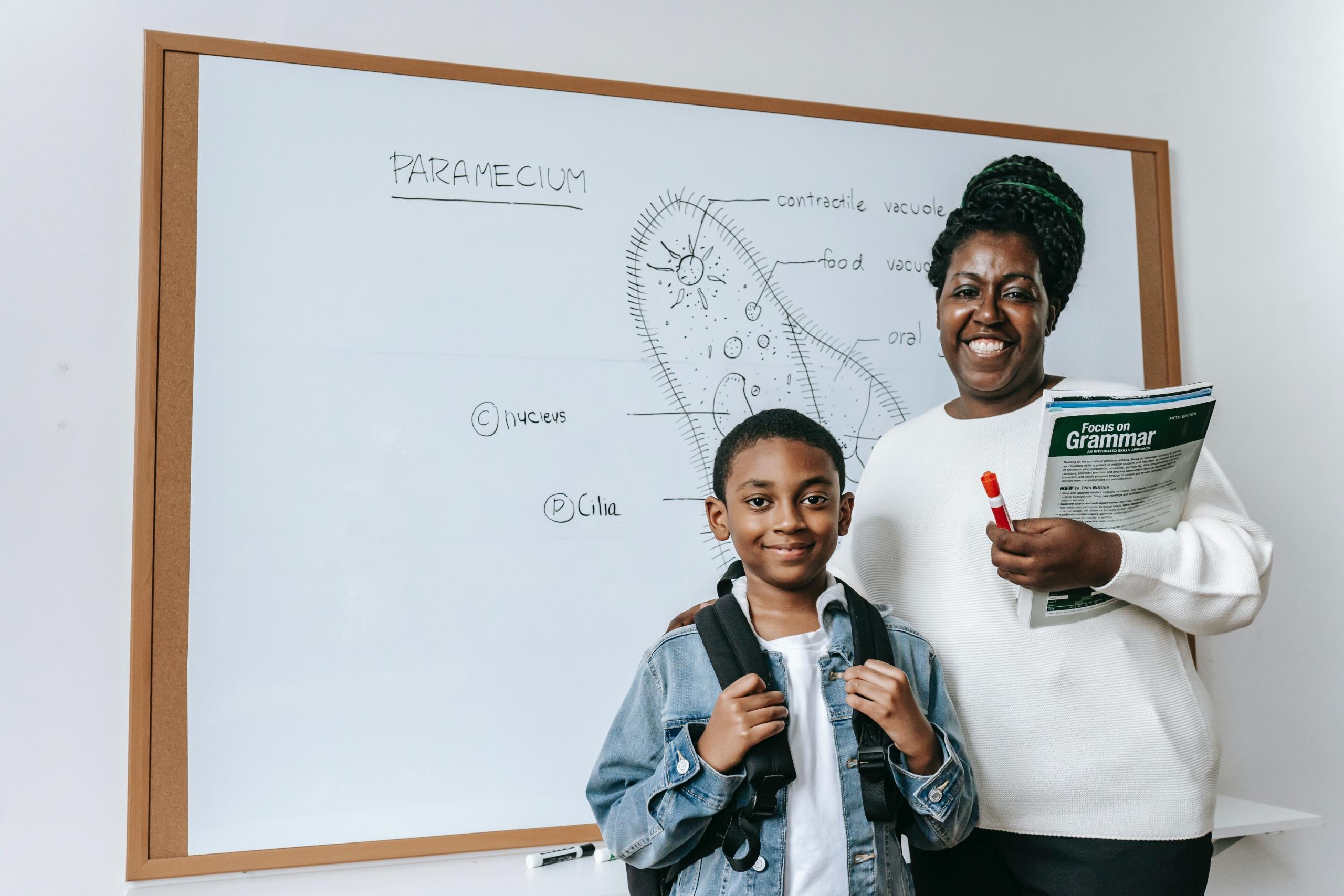

Education remains one of the most attractive areas of employment for university graduates. Very few other fields will give you the summer months off, not to mention weeks of winter and spring breaks. As a teacher, you also have the amazing job of working with children and teens, sharing your knowledge and expertise, and having the privilege of watching students progress in a variety of skills from the beginning to the end of the year. You get to make a real difference in people's lives, and are in a position of responsibility where your decisions may directly impact someone's future.
This is not to say that teaching is a perfect dream: the job is not for the faint of heart. For all the flexibility you have at different points in the school year, you must plan endlessly, cope with the stress of managing student behaviour, and assess student work on a regular basis. You must be creative, a strong presenter, and have the presence to inspire and motivate others.
While it is often assumed that chemistry and science majors go on to work in laboratories or as scientists, the reality is that many of these students also choose to pursue teaching. Having science and chemistry graduates in the education field is critical: how else will we be able to inspire the next generation of scientists? Like graduates in any other field, science grads are attracted to the many benefits of being an educator. They get into teaching because they are eager to share their their knowledge with others, set the goal of becoming a teacher at a young age, or discover they want to enter the profession after volunteering in a school or knowing friends or family members who are in the field.
But how is being a science or chemistry teacher different from other teaching jobs? How does your scientific knowledge get utilized in an academic context? What is the typical day of a chemistry teacher like? If you are a science student and are intrigued by the idea of becoming a teacher, you have come to the right place. We will explore what it takes to get into the teaching profession, and what you can expect on the job as a science educator.
While many chemistry students may imagine themselves working in a lab throughout their career, the reality is that they have many options to choose from. Learn more about chemistry educator careers.


What Educational Background does a Chemistry Tutor or Teacher Need?
Becoming a teacher, whatever subject you want to teach, typically starts with a university degree. Those that want to teach the early years or the primary grades may get started with a degree in the social sciences or a teachable subject like English or Science, while teachers of older students will require a background in multiple teachable subjects (disciplines that are taught in school).
Once you. have earned a bachelor's degree, you can apply to a faculty of education where you will take courses that will prepare you to teach classes and understand educational policy and best practices. Typically, bachelor of education programs will take 1-2 years. When you enrol, you will want to ensure you get into a program that provides you with the appropriate qualifications for the grade level you wish to teach. If chemistry is what you want to teach, you will likely want to get your secondary teaching qualifications because it is only at that level where chemistry is taught as a standalone subject. If you choose the elementary panel, you will teach chemistry as part of the science curriculum.
When you have your degree in education, you can then apply for your license to teach in the province you want to reside or work in. From there, you can apply to a public school board or a private school.
Becoming a Tutor
To be a tutor, you do not need to have a teaching qualification or to even have completed your degree. You will, however, want to make sure you are equipped to teach the level of student you may have as your client. For example, if you are finishing your undergraduate degree in chemistry, your ideal tutee would be in elementary or high school. We will discuss how to organize your tutoring practice and promote your tutoring services later in this article!
Chemistry teachers are a very unique group. Their knowledge is essential for fields that include engineering, medicine, manufacturing, and government. Learn more about becoming a chemistry educator or tutor!
How do You Plan Chemistry Lessons?
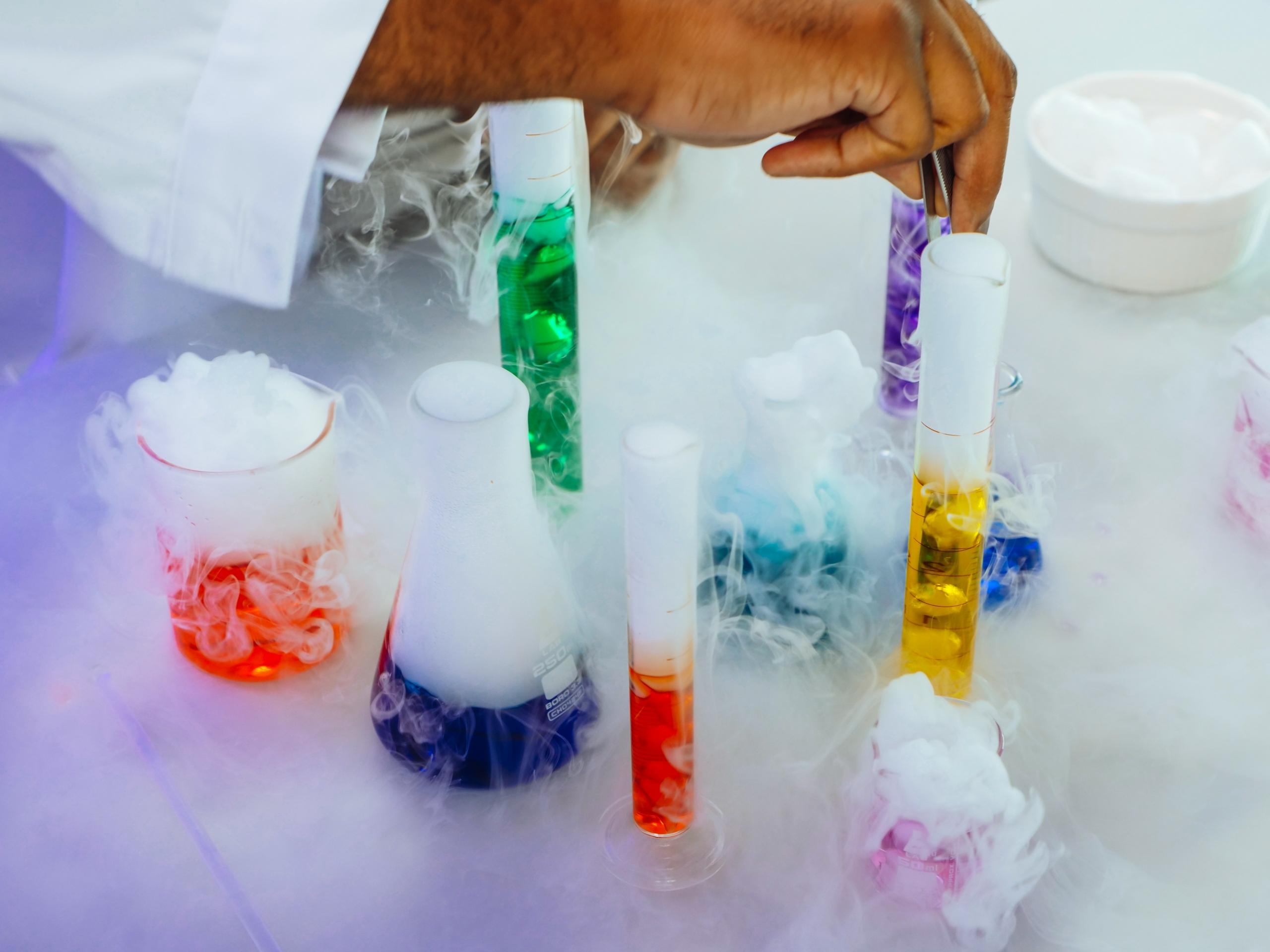
Planning chemistry lessons can vary significantly from lessons in other classes. First of all, chemistry is a class where hands-on work is part of the curriculum: students are using tools to observe chemical reactions and experiment with different fluids and substances. As such, you will need to prepare students to navigate the laboratory and understand important safety guidelines. Secondly, chemistry will require you to engage in a lot of setup and cleanup. Your students will require much more than textbooks, pens, paper, and laptops: they will need access to many tools and you will likely see more than a few broken test tubes. It will be critical to create a safe classroom environment with clear and explicit expectations for learning and behaviour.
Planning your lessons will take a big picture approach, starting with concepts students will learn in a more traditional format with lecture style lessons, media, and reading. To compliment these lessons, you will also have to plan experiments and inquiry projects for students. In addition to lessons and labs, you will also need to plan assessments, exams, and tests.
As challenging as chemistry teaching may be, it is one of the most fun and rewarding professions. Learn how you can start your career pathway as a chemistry teacher.
What is a Chemistry Tutor Online Job Like?
Many prospective teachers choose to work as chemistry tutors while in school or even after graduation for additional income. Online tutoring is a great option for any tutor. There is no commute, it is generally safe, and you can work from the comfort of your home. As a chemistry tutor, you will work with students to better understand their needs and challenges in chemistry class, helping them to review learning and provide feedback on assessments and assignments. You may have students with special needs or specific learning preferences, so make sure you get to know your students well to ensure they are happy with the service you are providing.
Are Lessons in Chemistry Difficult to Teach?
Chemistry lessons are no more difficult to teach than any other subject. In fact, because chemistry is so hands on, you may find it easier than planning for a history or English class. If you are passionate and knowledgeable in the subject, you will impart that joy to students and they will be engaged with your instruction. To make chemistry teaching easier, focus on figuring out which pedagogical strategies work best for you and the students in your class. Remember that teaching is an ever-evolving field: how you teach may change from one group to another!
Being an educator is an excellent role for those who do not want to work a typical 9-5 job. So what kinds of careers are available for science educators? Learn more about what experiences you need to prepare for a role as a chemistry teacher.

How do Chemistry Tutors find Clients?
Chemistry tutors can find clients easily using the Superprof site. Superprof is a site that connects students and their families with tutors in different subjet areas. Tutoring is an excellent way to build your resume as an educator while having the flexibility to attend school or work full time. As a tutor, you can post a profile on the site that includes the type of education services you offer, your rate of pay, and a description of your educational background and qualifications. When prospective students are searching for a tutor, they may encounter your profile in a search and read through it to determine if you might be a good fit for them.
There are lots of career options in the sciences, such as being a doctor, pharmacist, nurse, scientist, or researcher, but getting these jobs can be tough for a variety of reasons. Is chemistry teaching the right option for you?
Superprof is free and easy to use for any tutor looking to start their own practice. If you can offer tutoring in multiple subjects beyond chemistry, such as English or Mathematics, it is highly encouraged that you include them to ensure you can show up in a broad range of searches. Prospective students can message you directly through the site, and can even use the on site payment platform to compensate you safely.
Why delay your education career? Post your profile on Superprof and become a high school chemistry tutor today!
Summarize with AI:
Did you like this article? Leave a rating!

 Loading...
