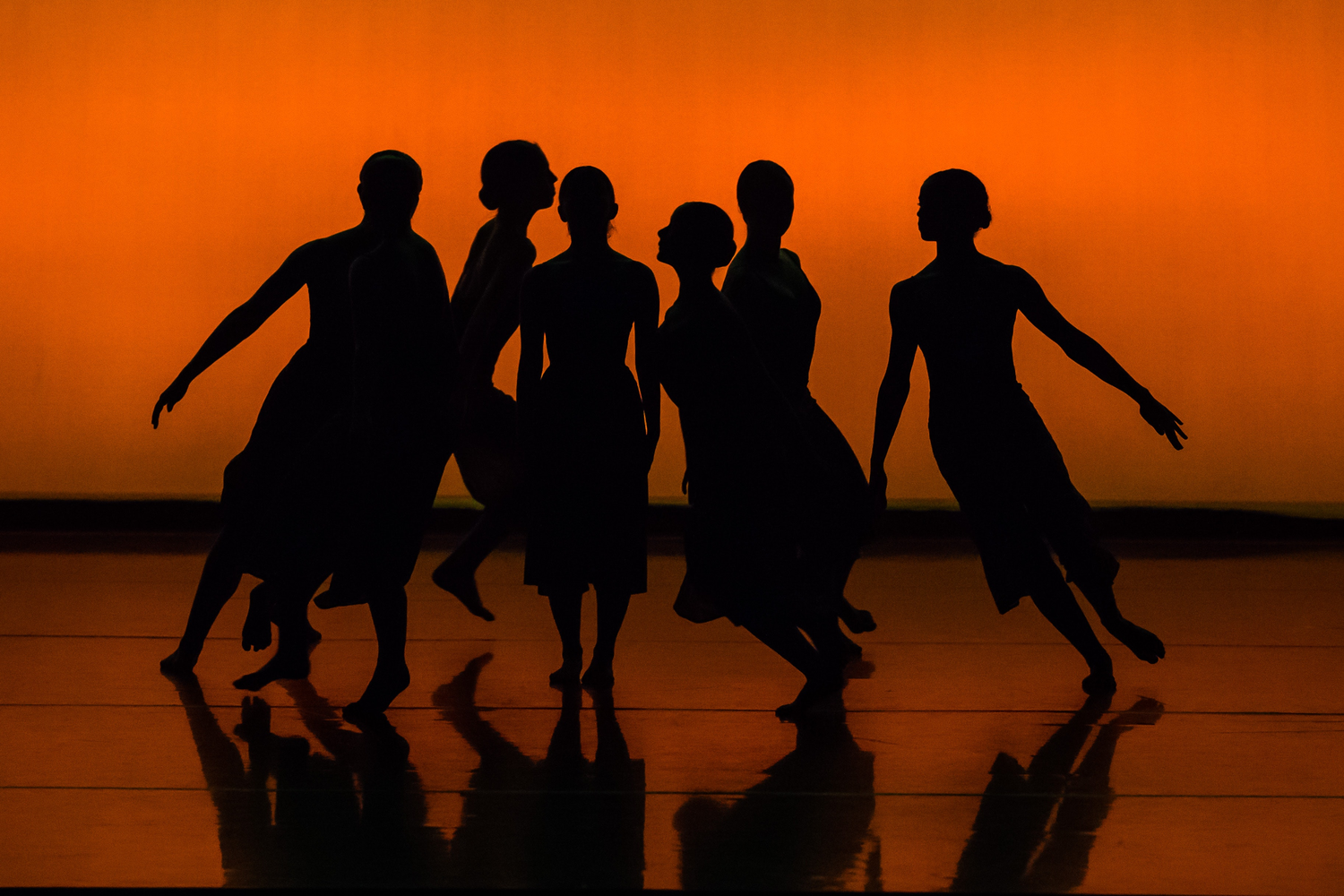

The study of dance aims to spread art through body movements, usually accompanied by music. People who study dance are passionate about art, culture, music, and the freedom this art generates. Dancers seek to show their emotions through the body while appreciating the music and the rhythm.
The study of dance develops musical skills, rhythm, visual memory, and movement. It allows the recognition of the different theatrical styles, from operas to musical comedies, and offers artistic and technical knowledge of the different dance styles, choreographies, and all the elements that make up stage productions.
However, how long will it take me to become a dancer? Is it complicated to be a dancer in Canada? Let's answer these questions and discover if becoming a dancer is your ideal career path!




Ready to go back in time? Discover the history of dance!
Dance is one of the most ancient forms of human expression, whether expressed for artistic, entertainment, or religious purposes. The first rhythmic movements in early human societies celebrated rituals and traditions generally passed on from generation to generation.
Did you know that dance was one of the first artistic manifestations in the history of humanity? Let's go back in time and discover a bit of history!
- The origins of the dance. Did you know that dance originated in the prehistoric periods, forming a fundamental part of fertility or war rituals and demonstrating that man has always sought to express his feelings through verbal and bodily communication? Some vestiges of cave paintings found in Spain and France, dating back over 10,000 years, show dancing figures associated with rituals and hunting scenes, highlighting the importance of dance in primitive human societies.
- The dance ceremonies of ancient Egypt. In ancient Egypt, different types of dance were performed as part of cult ceremonies, funeral rituals, and dramatic or lyrical plays. The dances were generally performed by young professional dancers trained in the temples of the goddess Hathor, where music, singing, and many other arts were also practiced.
- Dance in Ancient Greece. The origins of dance and lyrical art in classical Greece are found in Crete, from the second millennium B.C. According to Homer, it was in Crete that the gods taught dance to mortals. Religious ceremonies were diverse and consisted of dances, songs, and processions in which women were dominant. Dance, writing, music, and physical exercise were central to the educational system and a means of cultivating the body and soul.
- The dance in Ancient Rome. In ancient Rome, dance lost importance and social and religious value. In the early days of ancient Rome, Roman citizens could only participate in dances in a military, civic, or religious context. From 150 B.C., all Roman dance schools were closed because the Roman nobility considered dance suspicious and dangerous.
- The Christianization of the Roman Empire. The Christianisation of the Roman Empire marked the beginning of a new era in which the body and dance became the subject of controversy and conflict. The Christian Church rejected dancing since Church leaders considered it a catalyst for sexual permissiveness.
- Dance and the Middle Ages. Dancing continued as part of the religious rites of the European peoples. During the 11th and 12th centuries, a secret dance called the dance of death arose, prompted by the church's prohibition and the appearance of the black plague (also known as the Black Death). This dance spread from Germany to Italy and was described as a furious dance to expel disease from the body.
- The Renaissance and the arts. The Renaissance brought a new attitude towards the arts and dance. Dance became an object of intellectual study. For example, the ballet of this period aimed to entertain the aristocracy, and this date is considered the starting point of the history of ballet. The courts of Italy and France became the center of recent developments in dance, celebrations, and festivities.
- The evolution of dance. During the 20th century, parallel to the Ballet revolution, the first manifestations of modern dance arose, and until today dance has been gaining ground and breaking all the rules.
Mindblowing right? If you feel even more interested in studying dance after learning how it has evolved, believe that you are not the only one surprised. Would you like to know how many years you need to become the most famous dancer?
Discover everything you need to Become a Profesional Dancer in Canada!
How long does it take to become a professional dancer?
If you are wondering how many years of training you need to become a professional dancer in Canada, it is essential that we first consider the training and education required to achieve it. If dance is your passion, we recommend that you look into graduating with a Bachelor of Fine Arts or a Bachelor of Arts in Dance, which typically takes an average of 3 years.
And why is it advisable to obtain a university degree in dance? Although the dance career is not regulated in Canada, which allows you to work without a specific certification or diploma, the reality is that obtaining a degree will always open many professional doors for you, even if anyone becomes a professional dancer in Canada. By completing a Bachelor's degree, you will even be able to access better salaries.
A degree in dance will offer you artistic and technical knowledge of the different styles of dance, choreography, and scenic productions of theater and visual arts. Even you could work in dance-related careers such as theater, audiovisual communication, and stage direction.
Now, one thing is getting a degree, and another is the years of intensive training you must dedicate to dance. To become a professional dancer, you must focus on intensive and constant training, which can last more than ten years, depending on the type of dance you choose. Thus, it can become a real challenge to be a professional dancer.
Learn more about the training needed to become a professional dancer in Canada!
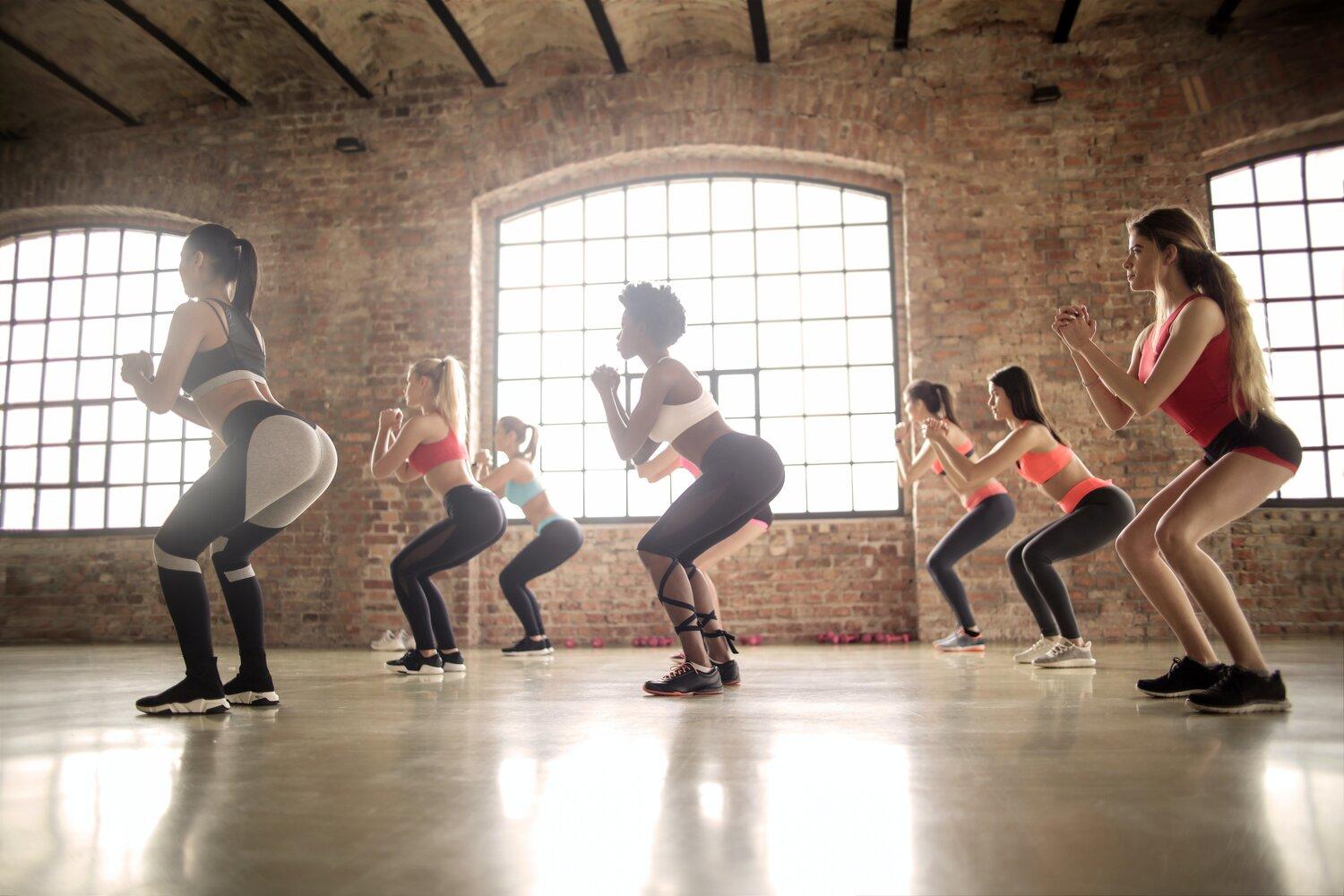
How hard is it to become a professional dancer?
Although this question is a bit subjective, we cannot deny that the path to professional dance is complex and demanding due to everything this involves.
If we consider that dancers usually begin their dance training at the age of five or six and end their professional career generally at 40, we can say that the dance career could be very short, which is why most professional dancers could contemplate a second career to make a professional conversion. It is vital to be aware of this situation to combine the dance career with other studies. Discover the types of jobs for professional dancers in Canada and have a clearer picture of where your career path may evolve.
Another critical point is that the world of dance is highly competitive and perfectionist, so you must be ready to handle stress and pressure and have a good handle on frustration.
Dance requires a high degree of dedication and as much athletic ability as a professional athlete; therefore, there are the same risks of injury. Remember that a severe injury could impact the dancer's career permanently.
Deciding to follow a passion can also include having a well-thought-out plan. Just because you have made a plan and decided to commit to your passion, it does not mean that you will never have doubts or will not feel afraid. The reality is that following your passions is a journey, not a destination.
Can you make a living from being a dancer?
It is often difficult to establish whether it is possible to make a living as a professional dancer because this artistic career has many career opportunities, and many external factors could impact a dancer's salary. For example, market demand, years of work experience, qualifications and degrees obtained, and even where you seek work.
For example, working as a professional dancer in Toronto can earn up to $35 per hour; in Edmonton, the average wage is $25 per hour; in Vancouver, the average salary for dancers is $21 per hour. In addition, in bigger cities, you will find more dance academies and dance schools to pursue your training as a dancer.
However, if we focus on the career of a professional dancer as such, entry-level positions for beginners can earn up to $45,000 per year. While more experienced artists can earn up to $65,000 a year. Learn more about the salary expectations for professional dancers in Canada!
Would you like to give it a shot, to dance?
Learn dance with Superprof! The Superprof platform is excellent for finding the best private classes and dances instructors anywhere in Canada.
If you are looking for an excellent tutoring option that is budget-friendly and that allows you to learn at your own pace, Superprof is one of the best ways to find what you are looking for.
Welcome to the Superprof Canada family, and dance!
Summarize with AI:
Did you like this article? Leave a rating!


 Loading...