The length of time it takes to become a professional swimmer in Canada can vary for a person. Depending on a number of factors, like the individual's skill, their dedication to training, access to coaching, access to resources, and finally, competition level.
| Tier | Primary Goal | Training Commitment | Funding & Support |
|---|---|---|---|
| Amateur / Recreational | Fitness, fun, local meets | Part-time, self-directed | Self-funded; no formal support |
| University / Club Swimmers (Canada) | Compete while studying; some aim to turn pro later | High volume but balanced with classes; often club-based or university team | Mostly self-funded; some athletic awards or bursaries, but rarely full scholarships |
| Professional / Elite | National/international racing | Full-time (20–35 hrs/week); coaching, sports science, travel central to life | Sponsorships, grants, institutional support (e.g., high-performance centres). |
| Olympic | Represent country at the Games | Full-time, highly periodized; 25–35+ hrs/week | National team funding, sports science, medical support; must hit Olympic Qualifying Time /Olympic Consideration Time and be selected. |
If you really want to become a professional swimmer, you must know that it can take multiple years of hard work and consistent training to do so. In this article, we will explore what it takes to pursue swimming as a full-time career, at different levels in Canada.


What Does It Mean to Be a Professional Swimmer?
Before diving deeper (no pun intended), let's look at what a professional swimmer really entails. A professional swimmer is an athlete who dedicates his or her time and energy to swim competitively as a career at the elite national and international levels. 1
Some of the main revenue streams of professional swimmers include:
📍Sponsorships and endorsements (gear, apparel, supplements)
📍Grants and funding from national or provincial sport organizations
Prize money
📍Side roles (swim coaches or instructors)
To compete at the professional level in Canada, swimmers typically need to qualify for either national or international competitions, including the Olympic Games or the Commonwealth Games. Competitors must achieve top rankings in their events to attend these competitions.
How to Become a Professional Swimmer
The pathway from a beginner to an elite swimmer takes between 8–12 years of focused training and competitive experience.
Most swimmers do not go from beginner to elite athlete in a single season. Progress depends on starting age, technical foundation, physical development, coaching, training consistency and competitive experience.
Here's a simplified timeline based on Swimming Canada’s Long-Term Athlete Development (LTAD) model. 2
Ages 0-6
This is where kids learn about basic movements and play-based aquatic skills.
The focus is on fun and confidence in the water
Ages 6–9 boys, 6–8 girls
This is where kids begin to develop balance, coordination, agility and speed through introductory swimming skills
Ages 9–12 boys, 8–11 girls
This is where kids begin to join a swim club to start mastering all four strokes and even participate in local meets
Ages 12–16 boys, 11–15 girls
This is where learners start to increase their weekly training sessions and start competing provincially
Training covers building strength and stroke efficiency
Ages 16–23 boys, 15–21 girls
This is where learners train to compete, between 9-11 lessons a week to start aiming for national competitions
Ages 19+ boys, 18+ girl
The best age for elite, full-time training for learners who target Olympic and world records
Note: The LTAD models adjust age ranges by sex to match the puberty age range for both boys and girls, as girls mature biologically about 1.5- 2 years earlier than boys.
This simply means girls will have an earlier growth spurt, which helps them develop strength and aerobic capacity earlier.
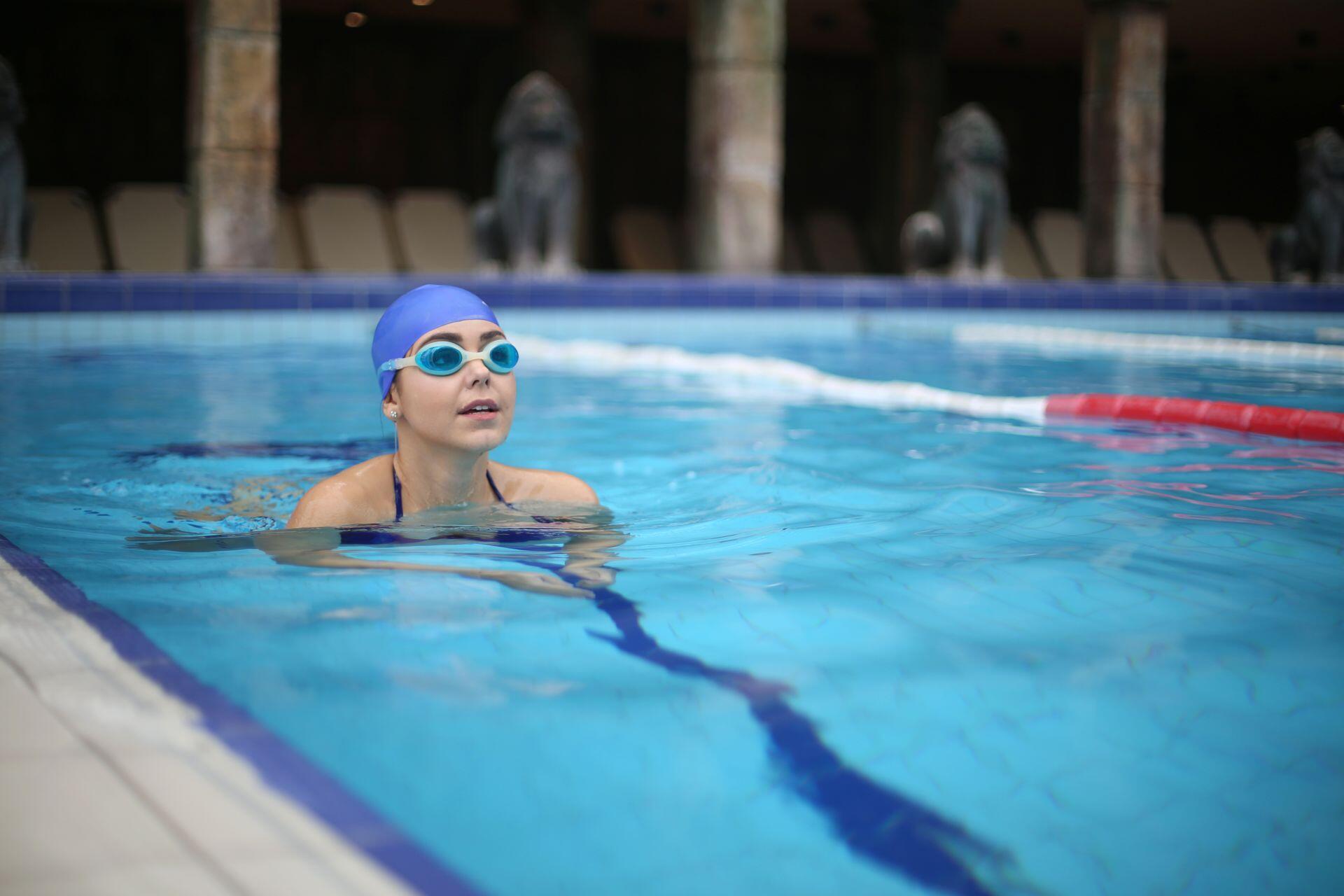
Training Requirements for Professional Swimming
Training for professional swimming requires highly structured, periodized programs which combine the following components:
Having said that, the weekly training schedule could vary considerably by age, event and training phase.
| Component | Frequency | Duration per Session | Purpose |
|---|---|---|---|
| Pool Sessions | 9–11 times/week (often 2x/day, 6 days/week) | 1.5–3 hours | Build endurance, speed, stroke efficiency, race pacing |
| Dryland (Strength & Conditioning) | 2–5 times/week | 30–60 minutes | Improve power, prevent injury, enhance starts/turns |
| Technique/Video Analysis | 1–2 times/week (integrated into pool sessions) | Varies and depending on the length of the video | Refine stroke mechanics, reduce drag, optimize efficiency |
| Recovery (Sleep, Nutrition, Mobility) | Daily | 8+ hours sleep; structured meals; stretching/mobility work | Support adaptation, prevent overtraining, maintain health |
| Mental Conditioning | 1–2 times/week (or integrated) | 15–30 minutes | Build race focus, manage pressure, visualize performance |
Apart from these weekly training routines, it's also important for professional swimming athletes to have access to expert coaching, appropriate facilities, sports medicine and science, and financial resources to unleash their true potential.
Competition Pathway: From Club Swimming to National-Level Meets
In Canada, the competitive swimming structure can vary by province and by age group, but the broad progression looks like this:
- Club: Entry-level focused, local competitions
- Provincial: This is where people start to identify regional elites, also age-group focused
- National: Open-age and prioritizes fast times for international selection
- International: Olympic/World Championship level, requires OQT/OCT and national team selection
| Level | Description | Qualification | Examples of Meets |
|---|---|---|---|
| Club Meets (PASS, Time Trial) | Entry-level sanctioned meets; swimmers must meet minimum time standards ("PASS" times) | Achieve suggested minimum times for each event | Local club time trials, intrasquad meets |
| Provincial Meets | Top provincially sanctioned events; showcase fastest age-group swimmers in the province | Achieve "AA", or provincial qualifying times (varies by province) | BC Provincial Championships, Ontario Age Group Championships |
| National Meets | Elite-level meets open to swimmers achieving national time standards (often one set of standards for all ages) | Achieve Swimming Canada TRL (Trials) or National standards | Canadian Swimming Trials, Canadian Age Group Championships |
| International Meets | World Aquatics Championships, Pan Pacifics, Commonwealth Games, Olympics | Achieve Olympic Qualifying Times (OQT) or Olympic Consideration Times (OCT); selected by national federation | World Championships, Olympic Games |
Important tip: The exact meets and qualification standards change from season to season. Be sure to confirm the latest competition updates based on eligibility requirements, rankings, quotas and published criteria.
Swimming Canada, the national governing body for competitive swimming in Canada, publishes current team-selection criteria and competition information rather than using one permanent standard. Its current selection-criteria page lists criteria for events including the 2026 Pan Pacific Championships and 2026 World Aquatics Swimming Championships, among others. 3
How to Become an Olympic Swimmer
To qualify for the Olympics in Canada, athletes must meet all the eligibility requirements, achieve the relevant international qualification standards, and go through Swimming Canada's selection process for the Olympic team.
Qualifying for the Olympics is a demanding endeavour, as it is a highly competitive and challenging process. Athletes truly dedicate themselves to training and competition for many years to even have a chance to compete at this level.
Because requirements and qualifying events vary by sport and competition, athletes should check with their national federation for details on their sport's Olympic qualification process if they are serious about it.

The steps to qualify for the Olympics in Canada include the following:
- Meet eligibility requirements: In order to qualify, athletes are required to satisfy specific conditions, which include being a citizen of Canada, satisfying the age and other eligibility criteria under the applicable Olympic, World Aquatics and Swimming Canada rules, while complying with anti-doping regulations. 4
- Achieve the required Olympic entry standard: For example, individual swimmers who want to qualify for the Los Angeles 2028 Olympics can qualify through the A Entry Standards or B Entry Standards, set up by World Aquatics.
- Compete in qualifying events: Athletes must compete in World Aquatics-approved competitions throughout the qualification window.
- Meet Swimming Canada's team-selection criteria: This typically involves achieving the required times at designated qualifying competitions and meeting any additional ranking, event-entry, or selection requirements outlined in Swimming Canada’s criteria for that Olympic cycle.
- Be named to Canada's Olympic swimming team: Swimmers who satisfy the applicable qualification and selection requirements can be nominated/selected to Canada's Olympic team.
Athletes who have met all the requirements and been selected by the Canadian Olympic Committee will represent Canada at the Olympic Games and compete against other athletes from around the world.
Pool swimming is scheduled for July 22–30, 2028, while the Olympic 10km open-water events are scheduled for July 17–18. 5
Here's an overview of the differences between a professional swimmer and an Olympic swimmer.
| Aspect | Professional Swimmer | Olympic Swimmer |
|---|---|---|
| Training Load | 20–30 hours/week (pool + dryland) | 25–35+ hours/week, highly periodized |
| Competition Level | National meets, some international | Olympic Games, World Championships |
| Qualification | Achieve national-level times | Achieve OQT/OCT + national team selection |
| Support | Club coaching, possible sponsorship | National team funding, sports science, medical support |
| Selectivity | Top ~1–5% of competitive swimmers | Top ~0.1% globally; only 2 per event per country typically |
Career Options Outside of Competition
Canada does not have a traditional professional swimming league in the same way that sports such as hockey or basketball have professional leagues. For many high-performance swimmers, competitive swimming is therefore supported by several sources rather than a conventional professional salary.
Becoming a professional swimmer is not the only way to have a successful career in swimming in Canada.There are various opportunities to coach, teach, and work in the sport at various levels. You may also find success with scholarships or other financial support available to athletes at all levels of competition.
Here are some examples:
| Career | What You Do | Typical Requirements |
|---|---|---|
| Swim Coach (Club/University) | Design and lead training sessions for age-group, high-performance, or Masters swimmers; plan seasonal programs; attend meets as team coach. | ✅NCCP certification (National Coaching Certification Program)applies to the different coach levels ✅Community Sport Coach – for assistant coaches, beginners (15+ years). ✅ Fundamentals Coach (Swimming 101) – for entry-level competitive swimmers.- ✅Age Group Coach (Swimming 201) – for provincial-level swimmers. ✅ Senior Coach (Swimming 301) – for national-level, university, or elite swimmers. ✅All levels require Making Ethical Decisions (MED) training; higher levels need portfolio evaluations and in-person assessments. |
| Swim Instructor / Teacher | Teach learn-to-swim lessons (children or adults), private coaching, water safety, stroke correction. | ✅Swimming Canada Swimming Teacher Pathway: Gets approval by the Lifesaving Society (or provincial equivalent) ✅ Complete Swimming Teacher certification modules. ✅ Lifeguard certification (NLG or equivalent) and Standard First Aid & CPR-C often required by employers. |
| Sports Media / Commentary | Write articles, host podcasts, provide race analysis for broadcasts, create social media content about swimming. | ✅No formal certification required, but helpful to have strong writing/communication skills. ✅Deep knowledge of swimming rules, techniques, and competition formats. ✅ Helpul to have a portfolio (blog, YouTube, freelance commentating clips). |
| Sponsorship / Brand Ambassador | Represent swim brands (e.g., Speedo, Arena, TYR) or related products (goggles, training gear) in exchange for gear, stipends, or appearance fees. | ✅No certification needed, but typically requires competitive results (provincial/national level). ✅Shows a strong social media presence (Instagram, TikTok, YouTube). ✅ Professional image and networking skills. |
| Sports Administration | Work for Swimming Canada, provincial sections, or event organizers in roles like coordinator, event manager, or development officer. | ✅Often requires degree/diploma in sports management, business, or kinesiology. ✅ Experience in event coordination, volunteer management, or club administration. ✅ Knowledge of Swimming Canada rules and policies. |
Having said that, not every high-performance swimmer automatically receives financial assistance. The availability and eligibility of programs such as the Athlete Assistance Program can depend on the applicable criteria.
Swimming Canada, the national governing body for swimming in Canada, provides support and resources to high-performance swimmers to help them compete at the international level. This support includes access to national team coaching, training camps, and world-class High Performance Centres (e.g., in Toronto and other hubs).
What If You're Starting Later? Can You Still Become a Professional Swimmer?
Yes, but it depends on what you mean by "starting later". The pathway could be different for someone who starts competitive swimming at 15 as compared to someone who starts at 25.
Younger swimmers would have accumulated many more years of technical development and structured training, which makes an Olympic or elite international career more feasible.
However, starting swimming later in life does not rule out competitive participation. Adult and late-starting swimmers can pursue competitive swimming through options such as:
- Competitive club swimming
- Provincial-level meets
- Masters swimming
- Open-water events
You can always adapt your swimming learning goals, regardless of when you start. Elite competitions should not be your only ultimate final goal. Many adults who started swimming late in Canada train with a Masters club (like Masters BC), participate in local competitions, and race in age-group categories (aged 18 and older). 6
How Long Does It Take to Become a Professional Swimmer?
There is no fixed timeline to become one, but several factors may come into play for a young swimmer progressing through Canada's athlete-development pathway.
How to Find the Right Coach or Swim Club
If you decide that swimming is something you really want to do in the long-run professionally, you are going to need proper support, especially when it comes to choosing the right club and coach.

Here's a simple guideline to help you make the right decision.
| What to Check | Example Questions to Ask The Club/Coach |
|---|---|
| Coach Qualifications | ✦Are your coaches NCCP-certified? ✦What level (101/201/301)? ✦Do your coaches have MED (Making Ethical Decisions) training? |
| Competitive Environment | ✦What level are your top swimmers? ✦Can I see last season’s meet results or team rankings? |
| Federation Affiliation | ✦Are you affiliated with Swimming Canada? ✦Can I verify your club on the provincial swim website? |
| Training Philosophy | ✦How do you structure training for 10–12 year-olds? ✦Do you follow Swimming Canada’s LTAD model? |
| Facilities & Support | ✦Do you train in a 25m or 50m pool? ✦Is dryland coaching included? ✦Do you use video analysis? |
Common Mistakes That Slow Down Progress
Ask any professional swimmer, and they'll tell you that the pathway to becoming one is not a bed of roses, and you might make some mistakes along the way, especially as a beginner.
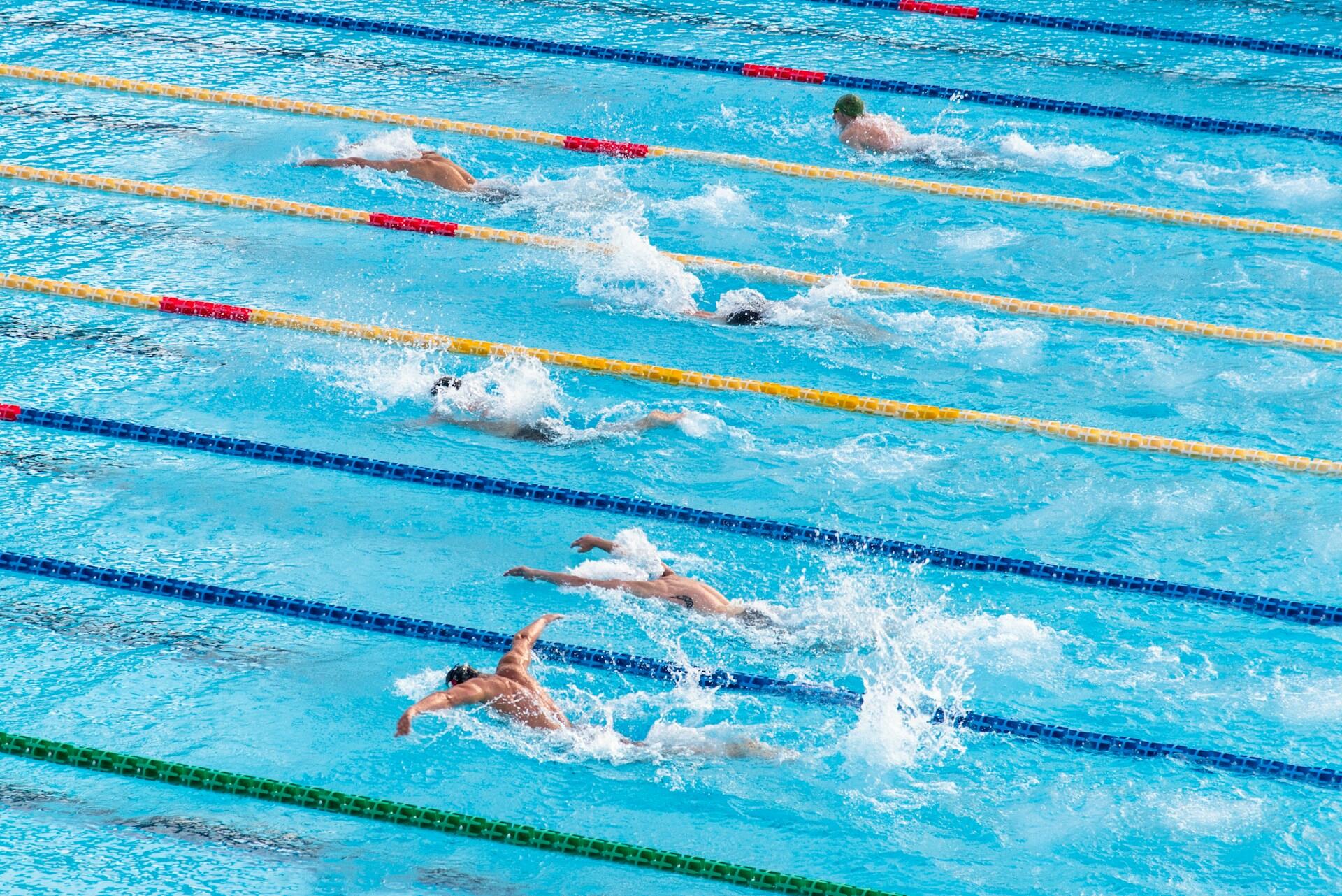
Here are some examples:
- 🏊Inconsistent training:
Skipping practices or taking long breaks - 🏊Ignoring the right techniques:
Lacking focus on body position, breathing, turns or stroke mechanics - 🏊Poor recovery:
Low priority on sleep, nutrition and hydration could lead to risks of injury
- 🏊Racing without analysing results:
Swimming without specific goals and feedback can be frustrating - 🏊Rushing through competition levels:
Could burden the body and mind to perform beyond your actual swimming pace - 🏊Unnecessary comparison with others:
Could be very discouraging when you're fixated on someone else's benchmark
Remember, you should approach professional swimming as a long-term performance pathway, step-by-step with consistency.
We hope you have enjoyed reading this article on how to become a professional swimmer in Canada. All the best in your future endeavours!
“The water doesn’t know how old you are.
Dara Torres, American swimmer and coach
References
- “How to Become a Professional Swimmer: Career Path & Guide.” Himalayas, 2025, https://himalayas.app/career-guides/professional-swimmer. Accessed 7 Oct. 2026.
- “Client Challenge.” Scribd, n.d., https://www.scribd.com/document/423754677/LTAD-Swimming. Accessed 7 Oct. 2026.
- “Team Selection Criteria.” Swimming Canada, 13 Sept. 2023, https://www.swimming.ca/team-selection-criteria/. Accessed 7 Oct. 2026.
- “LA28 Olympic Qualification System Principles Finalised for Swimming and Open Water Swimming.” World Aquatics, 12 Dec. 2025, https://www.worldaquatics.com/news/4418041/la28-los-angeles-2028-olympic-games-qualification-system-principles-finalised-swimming-open-water-swimming-world-aquatics. Accessed 7 Oct. 2026.
- “Swimming—Team Canada.” Team Canada, 22 Aug. 2026, https://olympic.ca/sports/swimming/. Accessed 7 Oct. 2026.
- “Masters Swimmers.” Swim BC, n.d., https://swimbc.ca/masters-swimmers/. Accessed 7 Oct. 2026.
Summarize with AI:
Did you like this article? Leave a rating!


 Loading...