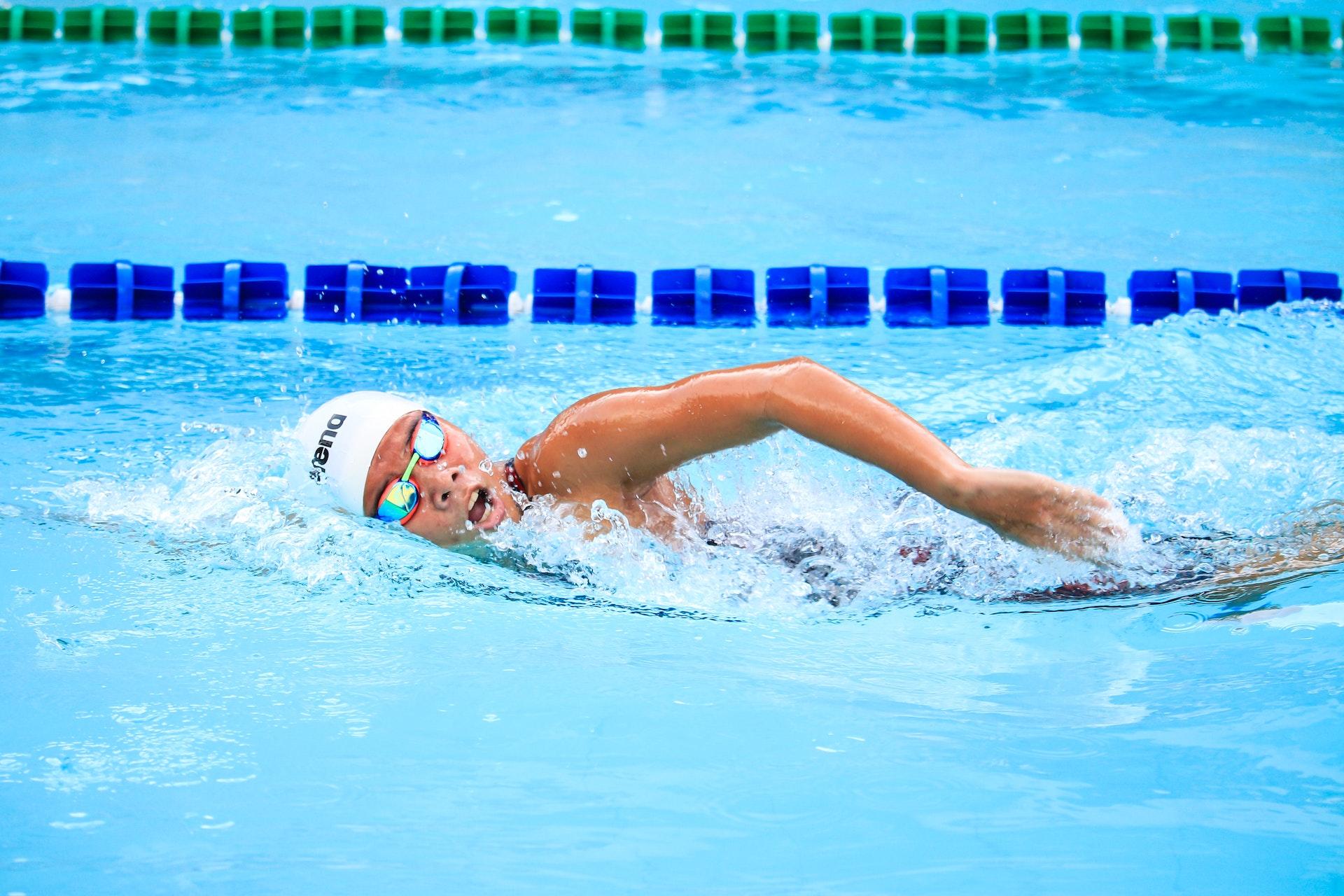

🏊♂️ Steps to Becoming a Pro Swimmer in Canada
- Step 1: Start early with swimming lessons (beginner to advanced level)
- Step 2: Join a competitive swimming club to build experience and endurance
- Step 3: Follow a rigorous training regime to improve your techniques
- Step 4: Ensure optimal health by focusing on nutrition, diet, and recovery throughout training
- Step 5: Participate in local and international competitions
If you're a fan of the Canadian swimming scene, you’ll definitely recognize big names like Josh Liendo, Summer McIntosh, and Kylie Masse. 1 Before representing Canada on the international stage and earning decorated medals at the Paris 2024 Olympics, each of them followed a structured path built on rigorous training, steady dedication, and strong mental resilience.
These same principles and steps apply to every aspiring competitive swimmer. In this article, we'll discuss some of the key factors you may want to consider before pursuing your goal, including meeting the requirements and qualifying for a swim meet, your age, the approximate time it takes to accomplish your goal, the training, and the support and guidance you will receive.


⏱️ Qualifying for a Swim Meet
If you are dedicated to competing in swimming at a high level in Canada, you'll need to meet specific qualifying requirements according to your age group, course type (short course vs long course), gender, and event distance.
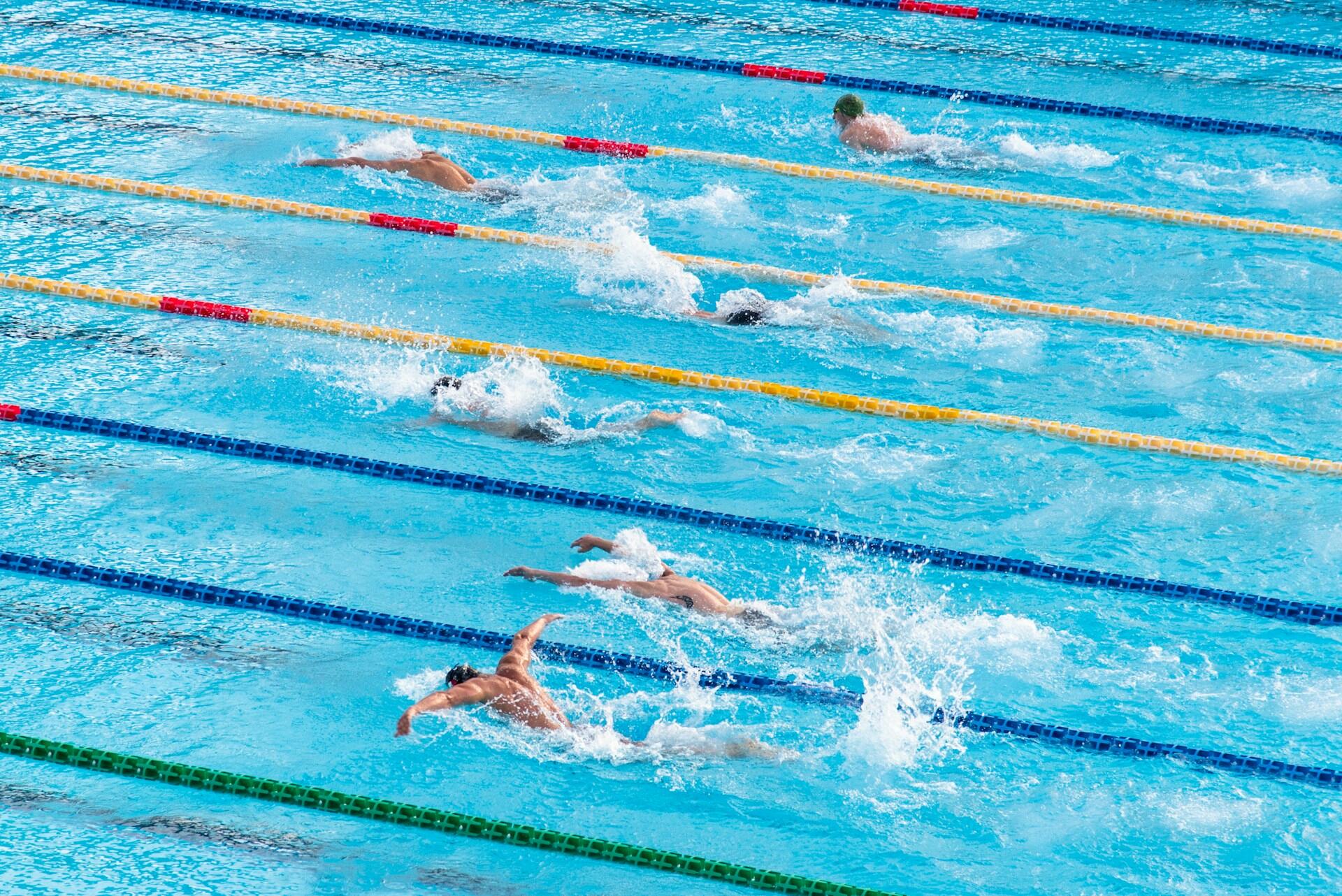
There are two ways to qualify for a swim meet in Canada:
- Sanctioned competitions
- Sanctioned time trials
It's important to make sure that every swimming competition that you participate in falls under the regulation of Swimming Canada (SNC) and also the provincial swimming organizations for the following event tiers:
For early-stage swimmers, participation usually requires no qualifying time
Require basic qualifying times set by clubs or associations; organizers' examples include North York Aquatic Club and Dalhousie University Tigers
Require provincial-level qualifying times (more competitive), organizers' examples include Swim Ontario, Swim BC, and Swim Alberta
Require higher standard qualifying times, as set by Swimming Canada; event examples include Canadian Junior Championships and Canadian Swimming Championships
Qualifying time standards for national competitions can be accessed via the official Swimming Canada website. Here's a table detailing the various qualifying time standards for female swimmers who intend to join the Canadian Open (2026-2028 standard).
| Event (Canadian Open) | Junior SCM Short Course Metres (25m pool) | Junior LCM Long Course Metres (50m pool) |
|---|---|---|
| 50 Freestyle | 26.36 | 27.15 |
| 100 Freestyle | 56.61 | 58.31 |
| 200 Freestyle | 2:02.47 | 2:06.14 |
| 400 Freestyle | 4:21.15 | 4:28.98 |
| 800 Freestyle | 9:02.58 | 9:18.86 |
| 1500 Freestyle | 17:36.18 | 18:07.87 |
| 50 Backstroke | 29.96 | 30.86 |
| 100 Backstroke | 1:03.64 | 1:05.55 |
| 200 Backstroke | 2:17.89 | 2:22.03 |
| 50 Breaststroke | 33.26 | 34.26 |
| 100 Breaststroke | 1:12.29 | 1:14.46 |
| 200 Breaststroke | 2:37.33 | 2:42.05 |
| 50 Butterfly | 27.94 | 28.78 |
| 100 Butterfly | 1:01.95 | 1:03.81 |
| 200 Butterfly | 2:17.87 | 2:22.01 |
| 200 Individual Medley | 2:20.19 | 2:24.40 |
| 400 Individual Medley | 4:57.84 | 5:06.78 |
When it comes to qualifying for swimming competitions in Canada through time trials, swimmers will usually participate in a special swim outside regular races (organized by their swimming club) under the official timing, the verifications of judges/referees, and proper rules.
Here's a table detailing the time trial standards for female swimmers who intend to join the Canadian Open for long course metres (2026-2028 standard).
| Event Name | Junior Time (LCM) | Senior Time (LCM) |
|---|---|---|
| 50m Freestyle | 26.36 seconds | 24.12 seconds |
| 100m Freestyle | 56.61 seconds | 52.60 seconds |
| 200m Freestyle | 2:02.47 | 1:54.97 |
| 400m Freestyle | 4:21.15 | 4:06.18 |
| 800m Freestyle | 9:02.58 | 8:43.17 |
| 1500m Freestyle | 17:36.18 | 16:35.66 |
| 50m Backstroke | 29.96 seconds | 27.90 seconds |
| 100m Backstroke | 1:03.64 | 59.63 seconds |
| 200m Backstroke | 2:17.89 | 2:09.91 |
| 50m Breaststroke | 33.26 seconds | 30.29 seconds |
| 100m Breaststroke | 1:12.29 | 1:06.29 |
| 200m Breaststroke | 2:37.33 | 2:24.62 |
| 50m Butterfly | 27.94 seconds | 25.89 seconds |
| 100m Butterfly | 1:01.95 | 56.96 seconds |
| 200m Butterfly | 2:17.87 | 2:08.07 |
| 200m Individual Medley | 2:20.19 | 2:10.75 |
| 400m Individual Medley | 4:57.84 | 4:41.82 |
📅 What Age Should You Be?
While age may make it harder to compete at a high level, it is not impossible to be a successful athlete later in life. Starting young is often considered advantageous when it comes to mastering different stroke techniques, but it's important to consider personal goals and the enjoyment of the sport.
That being said, there should also be emphasis on the benefits of competition, including motivation, accountability, and physical health.
The typical starting age for competitive swimming: 6 –10 years old. This gives them an advantage of reaching peak elite performance from their teenage years (14-19) right up to mid-20s, as they participate in major events like the Olympics and World Championships. 2
While most professional swimmers usually undergo swimming lessons and training at an early age, their achievements throughout their swimming career are very much dependent on other factors, such as dedication, quality coaching, and consistent training. In fact, some of them even have better comebacks and swimming records in their 30s. Let's look at some notable examples:
Ed Moses (United States)
- Did not begin swimming training until the senior year of high school
- Won two Olympic medals during the 2000 Olympics (one gold and one silver medal for breaststroke)
Anthony Ervin (United States)
- Retired early at the age of 22, but began training and competitive swimming again in his 30s
- Won his second Olympic gold medal in the 2016 Summer Olympics, holding the record of the oldest gold medallist in swimming
📈 How Long Does It Take?
Becoming a professional swimmer in Canada can take several years of consistent training and competition. Many elite swimmers begin training at a young age and dedicate themselves to the sport through their teenage years and into adulthood.
0-2 years
Introduction to swimming and basic strokes
2-5 years
Development of techniques and building of endurance
5-8 years
Advanced training to improve speed and join more competitions
8-10 years
Rigorous daily training for physical and mental preparation for the national-level qualifications and competitions
10-12 years +
Elite-level training for professional athletes, expected to show peak performance for international competitions
The typical timeline for most swimmers to qualify and reach for national and international competitions, such as the Olympics or Commonwealth Games, and achieve top rankings in their events can take 8 to 12 years, depending on the following factors:
Training conditions
- Optimal quantity and quality of training to improve techniques
- Access to good facilities and coaching
Physical development
- Increased strength, speed, and endurance in the water
- Optimal height and good muscle mass spurt
Mental prowess
- High self-discipline with clear goal-setting
- Demonstrates resilience during setbacks (injuries or defeats)
Depending on your area of expertise and the event you choose, the time it may take to become a pro may change. That doesn't mean you should underestimate the years of competing at different age groups, where you can aim for personal best records, at the provincial or even national level.
Still, competing in a professional sport takes many hours of training and practice to achieve, and usually cannot be done without first qualifying for a qualifying event or meet.
There is no professional league for swimmers in Canada, but elite swimmers can still compete at a high level and receive support through programs such as the Athlete Assistance Program (AAP) and the NextGen program.
Swimmers in Canada can compete in various competitive events such as freestyle, backstroke, breaststroke, butterfly, individual medley, and relays.
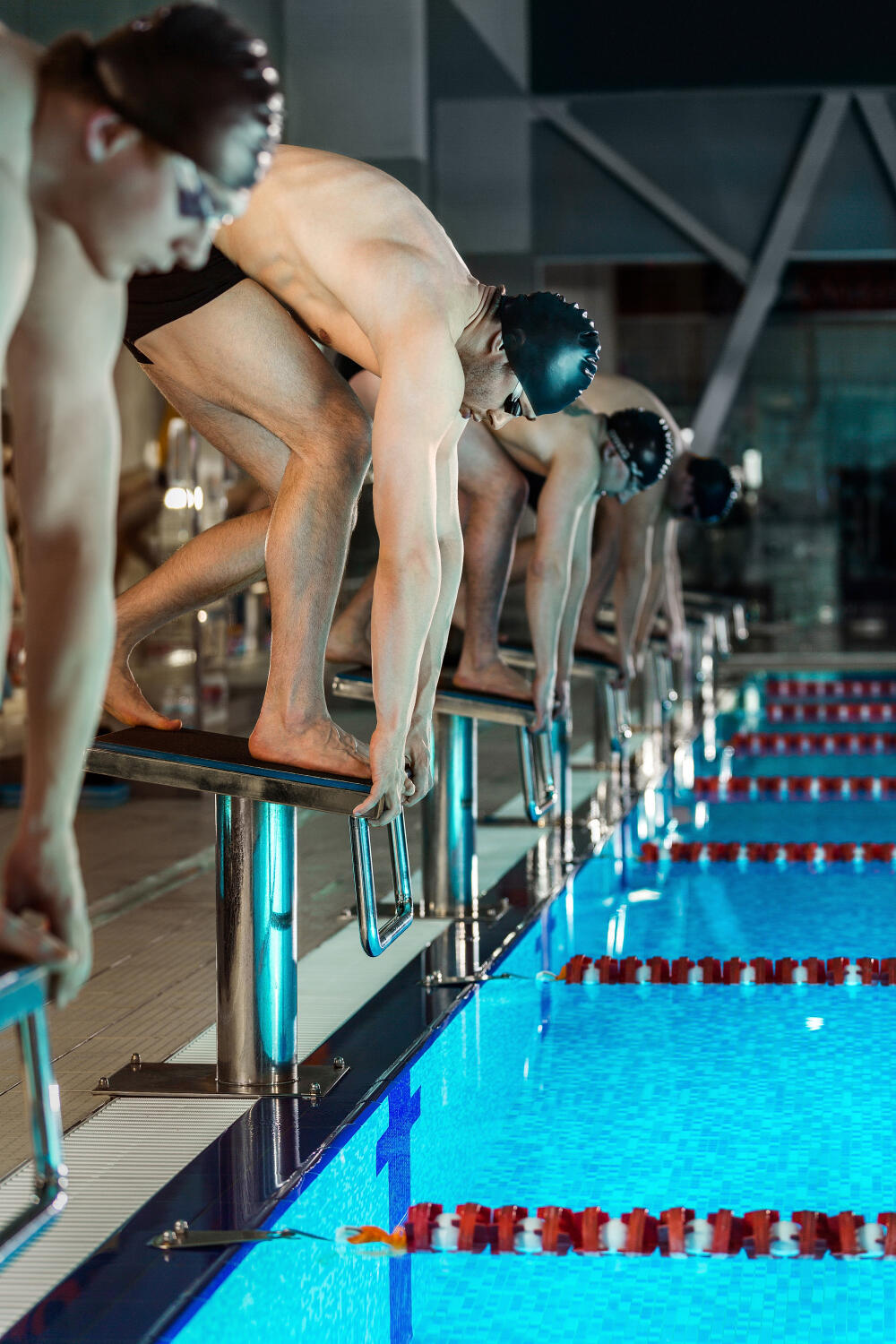
💪 What Kind of Training is Required?
To become a professional swimmer, extensive training is required in several areas. Swimmers need to incorporate ways to improve their swimming techniques, endurance, strength, flexibility, and mental toughness in their training regimen:
Pool training: Technique refinement training is essential for all strokes, while making sure the body is streamlined with powerful starts and turns (especially for long-distance and relay events where every second matters) to avoid injuries.
Another important training includes endurance, like swimming long distances at a steady pace and building up to more intense interval training.
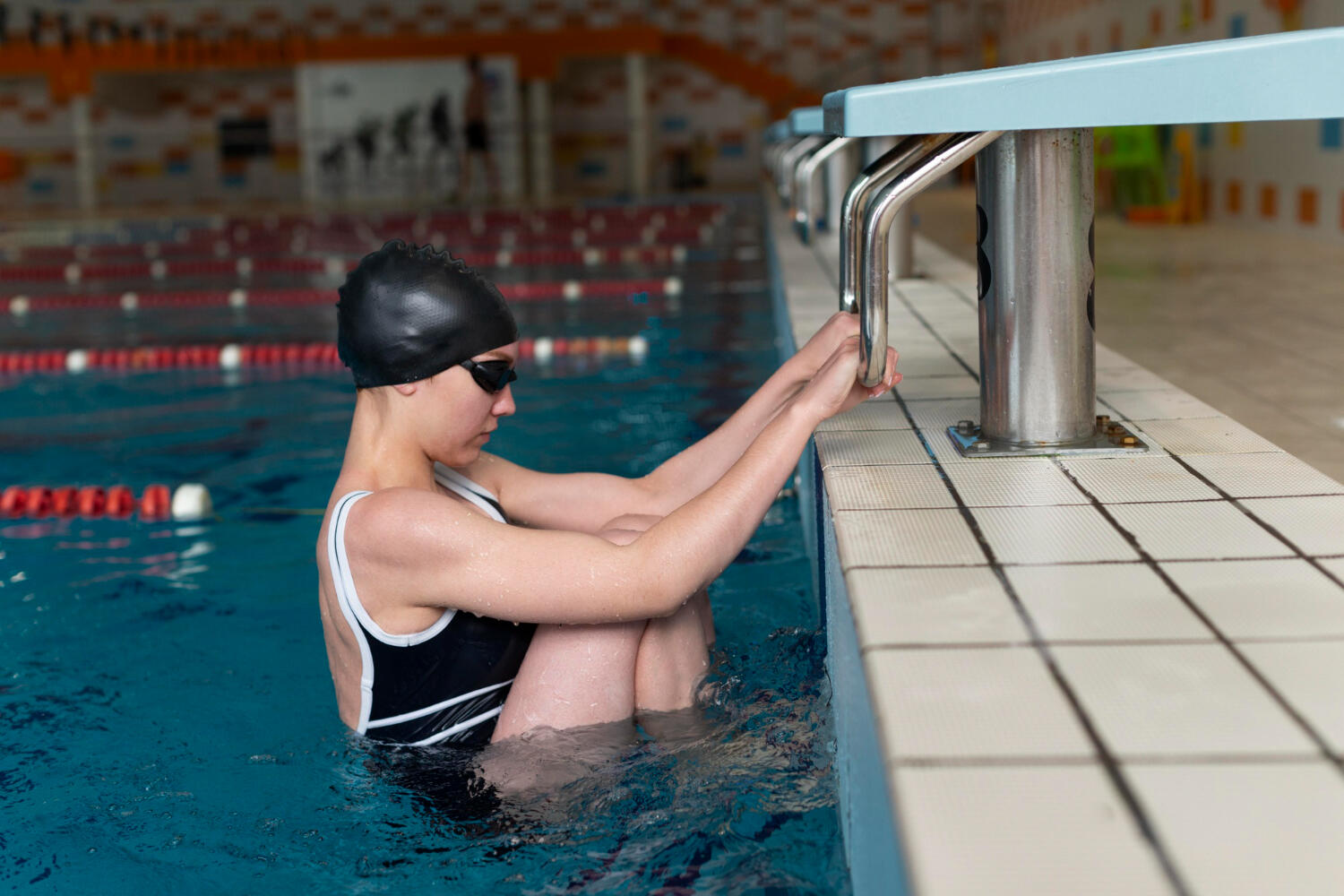
Dryland training: Important component includes strength training, which involves exercises like weight lifting, pull-ups, push-ups, and core work.
Mental preparation: Includes stress management, goal setting, and working with sport psychologists to be in the right state of mind during international tournaments
Additionally, it's important to dedicate sufficient time to rest and recovery, through principles such as nutrition, breathing techniques, and quality sleep (8 to 10 hours) to fully reap the rewards of a productive swimming training experience.
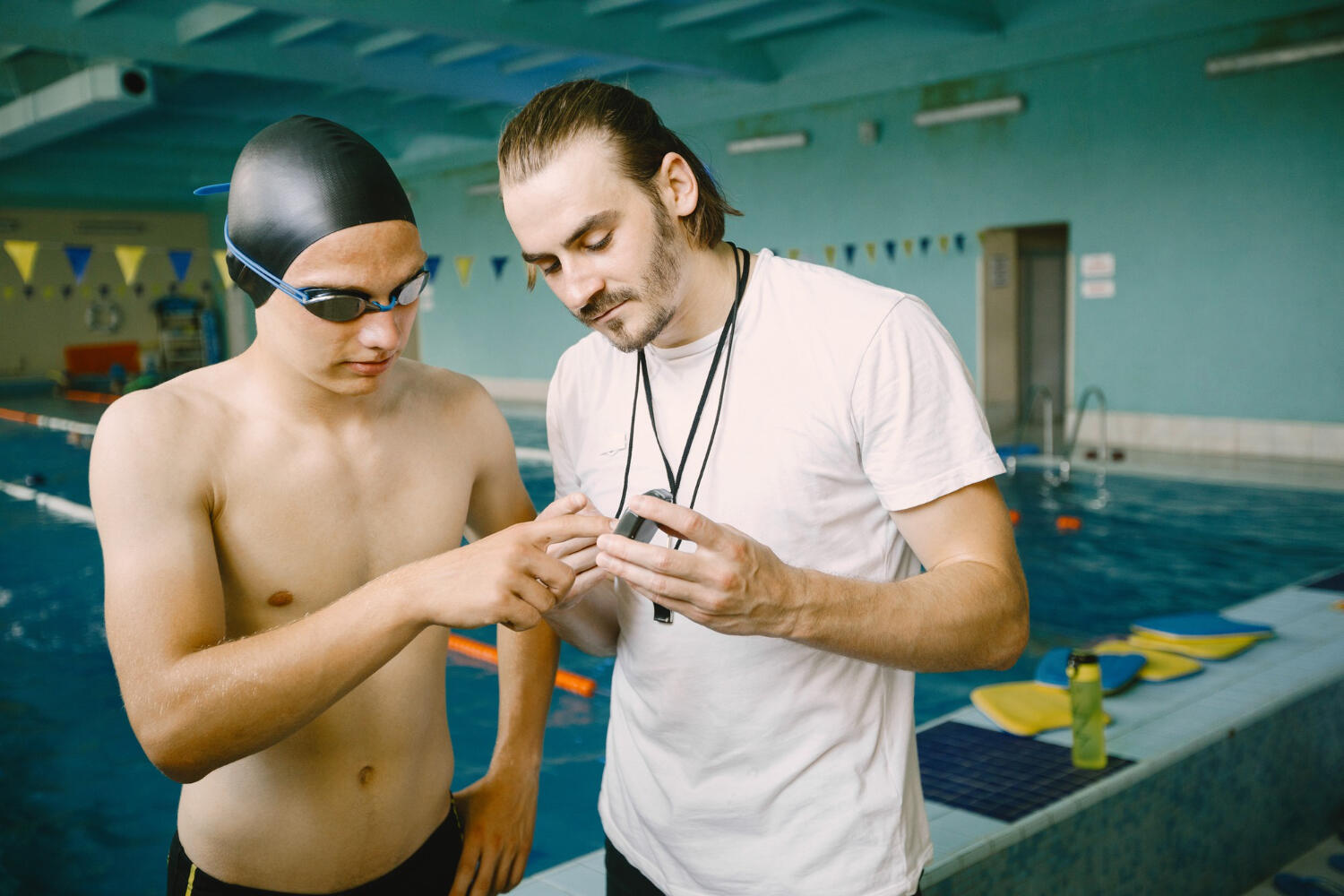
Training tip: Aspiring pro swimmers need to take into account the time that they need to participate in events and qualifying meets while planning their training regimen. This is where an experienced swimming coach and trainer comes in. He or she will design individualized training sets according to the swimmers' needs and body type.
I have a lot of confidence in my training and I know that I've put in a lot of work. It's been fun, honestly...
Penny Olesisiak, Canadian Olympian swimmer
🏅 Can Anyone Become A Professional Swimmer?
Even though certain physical and mental attributes can be beneficial for professional swimming, becoming a professional swimmer in Canada is achievable for anyone. If you are considering pursuing competitive swimming one day, it’s helpful to understand these attributes. 3 They highlight that swimming is both a physically and mentally demanding sport, requiring a combination of natural ability and dedicated training.
Physical attributes
Mental attributes
However, it is also worth noting that several misconceptions can arise from knowing these attributes, where they could act as a stumbling block for aspiring swimmers who want to venture into competitive swimming. 4
❌ Tall swimmers stand a better chance of turning pro.
✅ Precision of swimming techniques is more important than physical attributes
❌ If you do not start swimming early, you're less likely to become a successful pro swimmer
✅ The key is to have a consistent and effective training regime, regardless of your learning age
However, it is still possible for older individuals to compete if they are dedicated to their training, diet, and recovery, as seen in the examples of Ed Moses and Anthony Ervin earlier.
Nevertheless, proper training, nutrition, and recovery strategies can allow athletes to perform at a high level at any age. Consider swimming lessons to help you on no matter your age or what level of skills you have.
🌊How to Find Swimming Lessons Near Me?
Becoming a professional swimmer in Canada is not an easy task. If you’re having trouble with any of the previously mentioned factors in your pursuit to become a professional, you may want to seek private swimming lessons through a knowledgeable tutor.
Which swimming stroke are you most interested in?
With Superprof, it has never been easier to find your ideal candidate for such a task. We offer thousands of tutors, local and worldwide, to select from.
All you have to do is send a message to a tutor of your choosing and set up a time that works for both of you!
The first class is free, so you can see how great Superprof is without the commitment.
🎯 Summary
We hope this article has enlightened you about the steps to becoming a professional swimmer in Canada. Remember, every pro was once a beginner, so kickstart your journey by:
All the best, and don't forget to enjoy the whole experience too!
References
- Nichols, P., & Nichols, P. (2021, June 24). Team Canada to have 26 swimmers at Tokyo 2020. Team Canada. https://olympic.ca/2021/06/24/team-canada-to-have-26-swimmers-at-tokyo-2020/
- Munatones, S. (2016, August 31). Age analysis of Olympic open water swimmers. World Open Water Swimming Association. https://www.openwaterswimming.com/age-analysis-of-olympic-open-water/
- News detail. (n.d.). https://www.gomotionapp.com/team/Indiancreek/page/news/138267/the-perfect-swimmers-body
- Picard, G. (2020, November 30). Challenging 9 Swimming Myths That Have Run Rampant. Swimming World. https://www.swimmingworldmagazine.com/news/challenging-9-swimming-myths-that-have-run-rampant/
Summarize with AI:
Did you like this article? Leave a rating!


 Loading...