It is not surprising that a country as vast, populous, and rich in history and culture as India has developed one of the most diverse and complex linguistic landscapes in the world. As a result of thousands of years of migration and diverse cultural and political exchanges, language has played a central role in India's cultural heritage and political identity. Discover the key events in the historical evolution of the Indian language and its diversity.


Historical Evolution of Indian Languages
India is one of the countries with the most complex linguistic diversity, the result of large-scale migrations and cultural interactions, including Indo-Aryan movements around 3,500-4,000 years ago. The languages of the subcontinent are grouped into different linguistic families that evolved over time and influenced one another. Let's discover them below.
c. 1500 BCE
Foundation of Indo-Aryan languages
The development of early Sanskrit (Vedic Sanskrit) is the foundation of many Indo-Aryan languages.
1st millennium BCE onward
Languages expansion
Expansion of Indo-Aryan languages in northern India and development of Dravidian literary traditions in the south, especially Tamil.
17th Century (early 1600s)
Arrival of the East India Company
Introduction of English in trade and administration.
1835
English is promoted as the language of higher education
1858–1947
English takes center stage
During the British Raj, English became the main language of law, governance, and higher education.
1947
India gains independence
1950
Adoption of the Constitution of India
Hindi is declared the official language of the Union; English is retained as an associate official language. The Eighth Schedule initially recognizes 14 languages.
2004
Tamil was officially declared a Classical Language of India
Present
Recognition of the Indian languages
The Eighth Schedule lists 22 recognized languages; Hindi and English are official languages at the Union level.
Ancient Roots and Language Families
Indo-Aryan
Most of India's languages and mother tongues belong to the Indo-Aryan subfamily, which is part of the large Indo-European language group. Before developing into Indo-Aryan languages, these languages derived from the Indo-Iranian group.
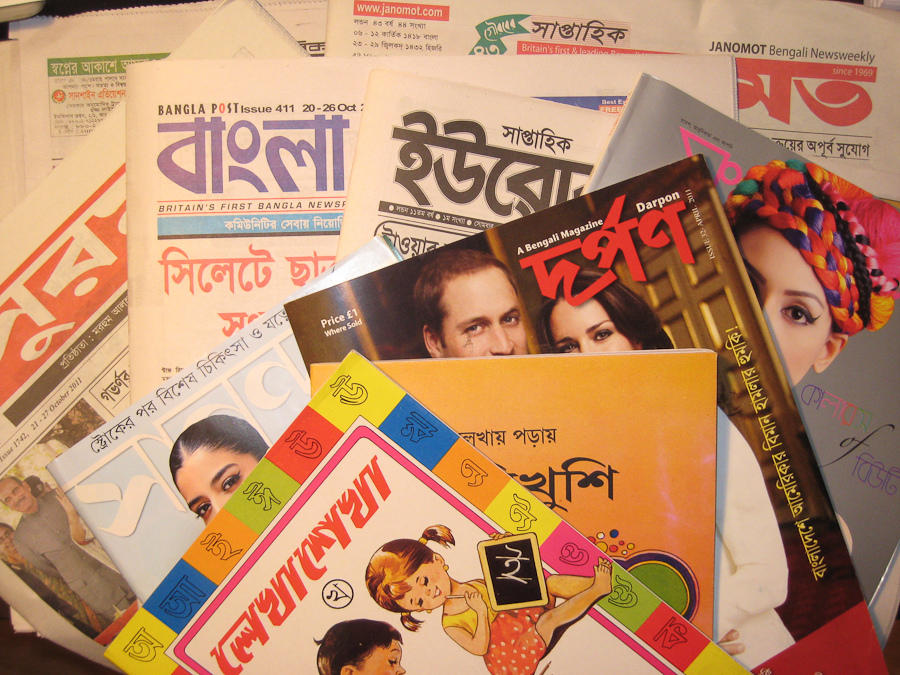
Among the modern Indo-Aryan languages, Hindi and Bengali are the best known. In fact, Hindi has approximately 49 dialects and is spoken across a large region of northern India. In addition, Hindi has different regional dialects. For example, Western Hindi and Eastern Hindi.
Marathi is another Indo-Aryan language, mainly spoken on the western coast of India in the states of Goa and Maharashtra and in the union territories of Daman and Diu and Dadra and Nagar Haveli.
Dravidian languages
Today, there are 26 Dravidian languages, 25 of which are spoken in India, mainly in the southern part of the subcontinent. Spoken by more than 300 million people in South Asia, the Dravidian languages are largely due to the rich grammatical and literary tradition of classical Tamil. Among the most important are Malayalam, Kannada, and Telugu, which each have independent scripts and grammatical systems.
For example, Telugu is the third-most spoken language after Hindi and Bengali and belongs to the Dravidian language family.
Austroasiatic languages
The Austric family of languages is divided into two branches, Austroasiatic and Austronesian. They are spoken in India, Southeast Asia, and the Pacific Islands.
The Austroasiatic family is represented in India by the languages of the Munda group, spoken mainly by indigenous communities in the east and center of the country. The Munda languages include the following: Santali, Mundri, Bhumij, Birhar, Ho, Tri, Korku, Khari, Juang and Savara, among others.
The Tibeto-Burman languages
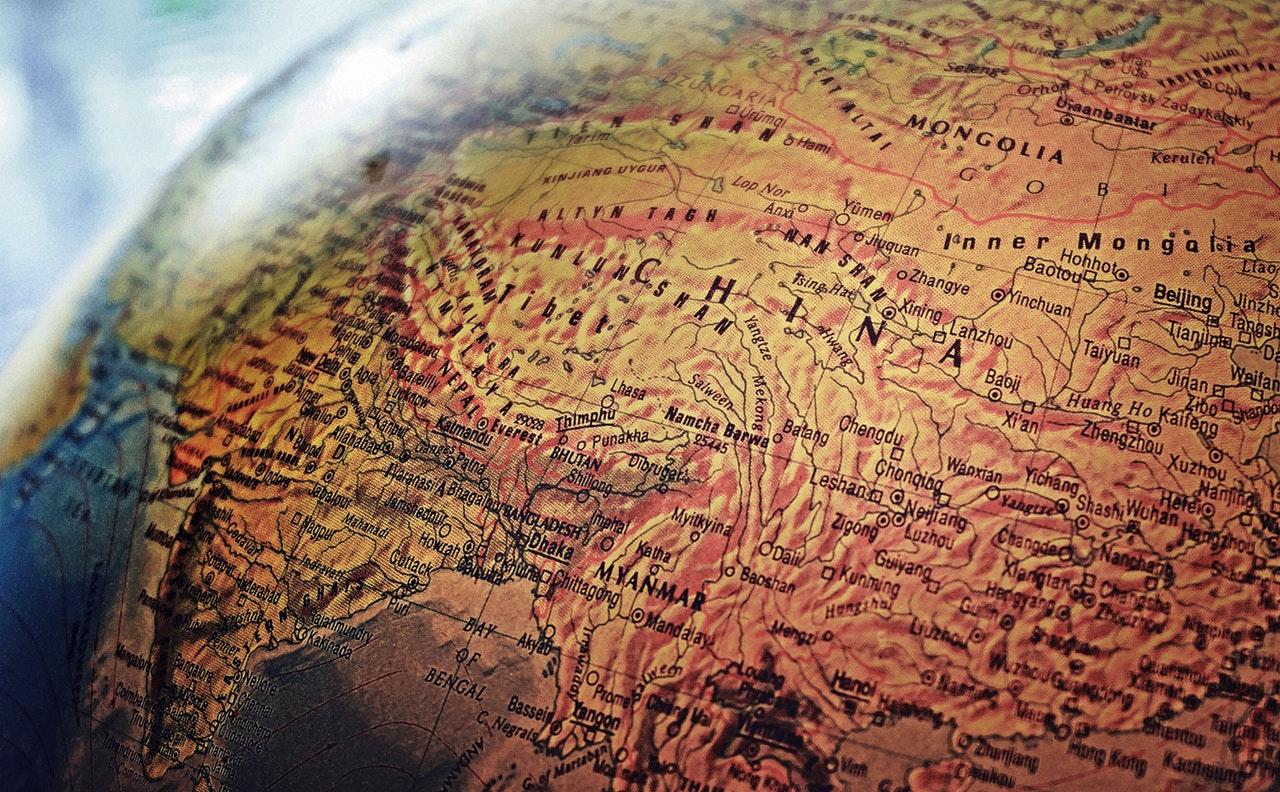
The Tibeto-Burman family is part of the Sino-Tibetan languages and extends from Tibet to Burma, Ladakh, and the Chinese provinces of Sichuan and Yunnan. Lepcha, Sikkimese, Garo, Bodo, Manipuri and Naga are some of the best-known Tibeto-Burman languages. 1
Influence of Sanskrit and Other Classical Languages
Sanskrit is an ancient Indian language that helps preserve the country's culture and traditions, as it is found in religious, philosophical, literary, and scientific texts. Some fundamental Sanskrit texts include the Vedas, the Upanishads, and epics such as the Mahabharata and the Ramayana. Due to its great importance, it is considered the mother of many Indian languages. Initiatives such as the National Education Policy 2020 have recognized its great importance by integrating it into contemporary educational policies. 2
In addition to Sanskrit, India officially recognizes several classical languages, such as Tamil. Tamil is the 5th most spoken native language in India, with more than 69 million speakers (mainly Tamil Nadu and Puducherry), and belongs to the Dravidian language family. In 2004, Tamil was declared a classical language of India due to its ancient origins, independent tradition, and extensive literary texts. 3
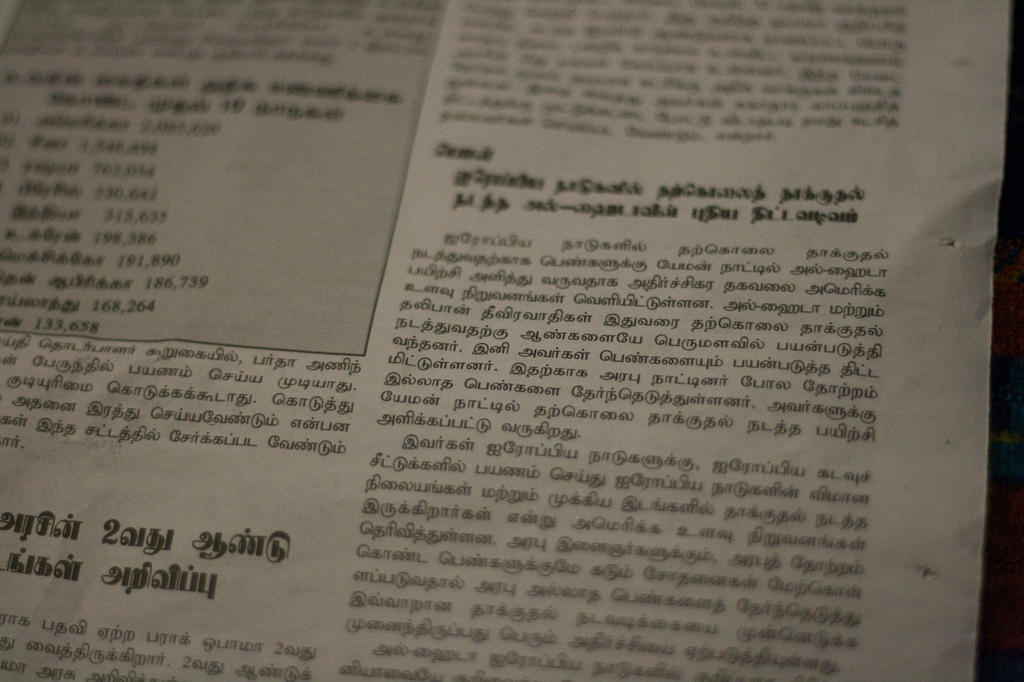
Official Languages of India
The Eighth Schedule and Scheduled Languages
So, how many Indian languages are there? The Constitution of India recognizes the official languages of the Republic of India in its Eighth Schedule. It originally included 14 languages, but over time, these have been expanded to 22.4 These languages are recognized for their cultural and linguistic importance and are used in education, civil service examinations, and government communications. The languages included are:
- Assamese
- Bengali
- Bodo
- Dogri
- Gujarati
- Hindi
- Kannada
- Kashmiri
- Konkani
- Maithili
- Malayalam
- Manipuri
- Marathi
- Nepali
- Odia
- Punjabi
- Sanskrit
- Santali
- Sindhi
- Tamil
- Telugu
- Urdu
Although the Constitution has mixed linguistic criteria, its inclusion generally reflects great antiquity and original literary tradition. If you are ready to get started, find an online Hindi course on Superprof.
Did you know that English, despite its widespread use and role in administration, higher education, judiciary, business and interstate communication in India, has never been part of the Eighth Schedule of the Constitution?
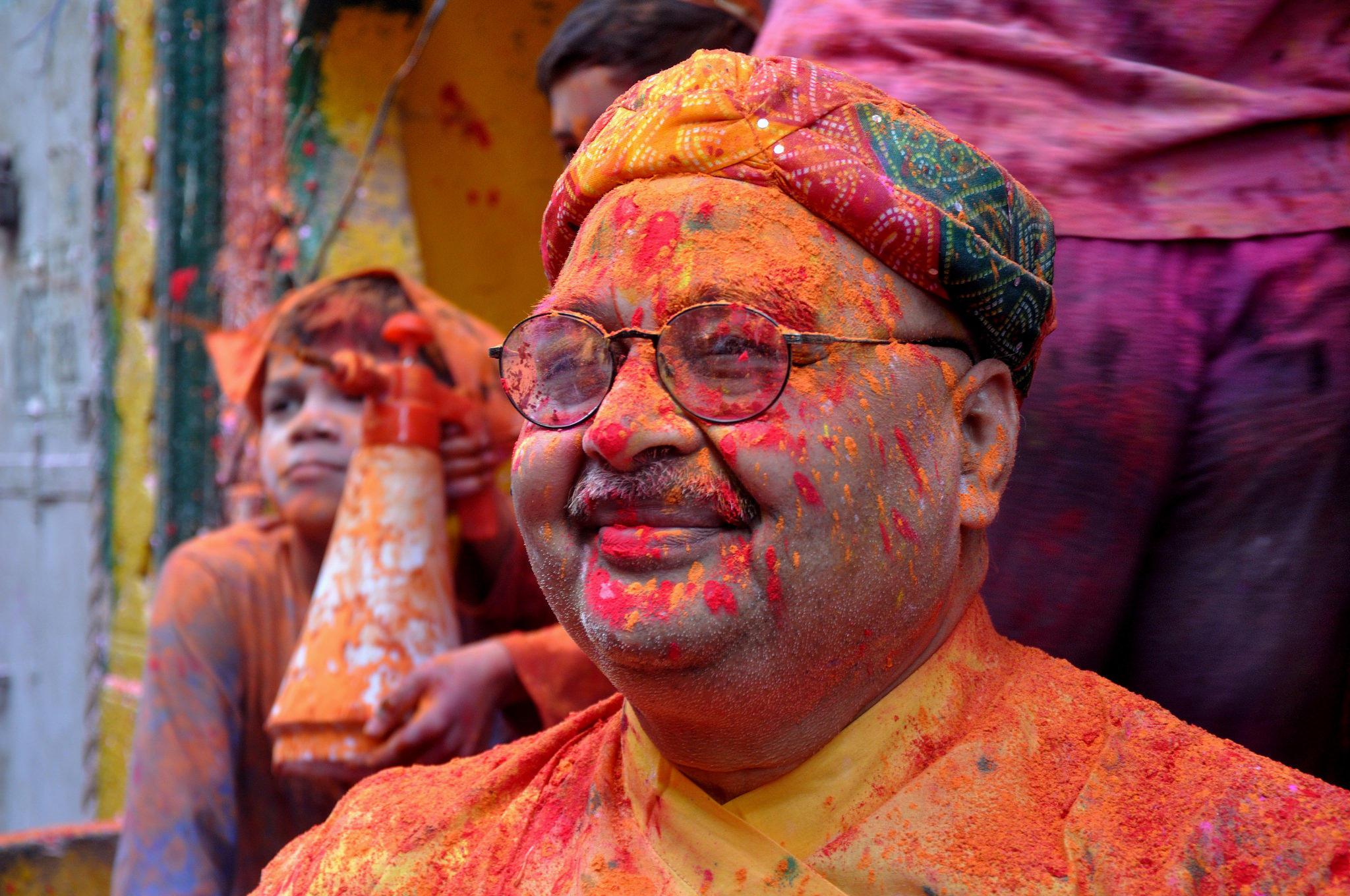
Hindi and English: National Official Languages
India does not have a national language. However, at the Union level, Hindi and English are official languages under the Constitution. English was introduced in India during the 17th century, when the East India Company arrived at the court of the Mughal Emperor Jahangir and secured the right to trade in India.
The East India Company was an English private company owned by stockholders and reporting to a board of directors in London, formed to trade with the East Indies (presently maritime Southeast Asia). While it began as a monopoly over trade institutions, the Company's powers quickly expanded, gaining political control.
After 1858, under the British Raj, English became the primary language of law, politics and education. The British Crown continued to control India for almost a century until its independence in 1947 and the subsequent creation of the Indian Union. The Constitution of 1950 declared Hindi the official language of the Union. Due to India’s vast territory and largely divided regions, English continues to coexist with Hindi in governance today.
Hindi
- Written in the Devanagari script
- Used in central government communications
- Used in parliamentary proceedings
- Used in administrative work
- Prevalent in northern and central India
- Functions as a lingua franca in many regions
English
- Written in the Latin alphabet
- Used in national-level administration
- Used in the higher judiciary
- Used in interstate communications
- Widely used in higher education
- Dominant in business and diplomacy
Major Languages and Their Demographics
Most Spoken Languages in India
What are the Indian languages most widely spoken? According to the Language Services Bureau 5, the most common spoken languages in India are:
| Language | Speakers |
|---|---|
| Hindi | 528.3 million |
| Bengali | 97.2 million |
| Marathi | 83.0 million |
| Telugu | 81.1 million |
| Tamil | 69.0 million |
| Gujarati | 55.4 million |
| Urdu | 50.7 million |
| Kannada | 43.7 million |
| Odia | 37.5 million |
| Malayalam | 34.8 million |
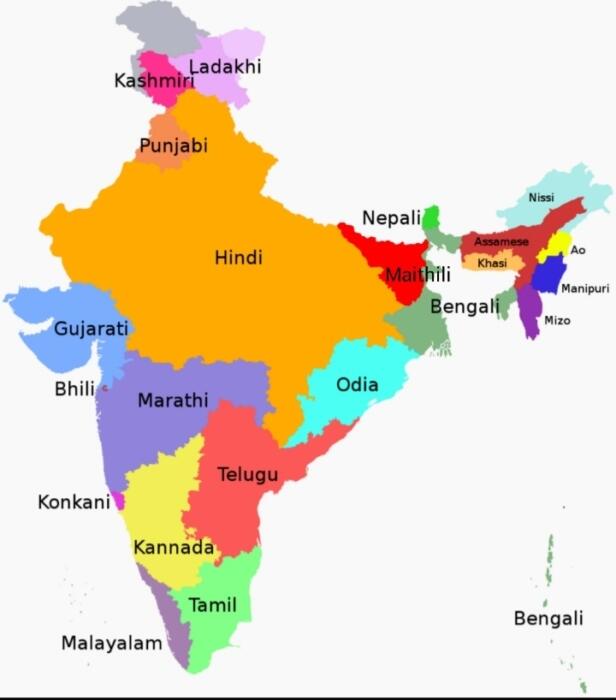
In India, language is deeply linked to cultural, social, and political identity. Hindi is spoken in the north and center of the country, facilitating communication between speakers of different languages. Bengali, for example, has a strong literary and intellectual tradition and is today spoken primarily in the Indian states of West Bengal, Tripura, and parts of Assam, as well as in the Andaman and Nicobar Islands.
In the West, languages such as Marathi and Gujarati are more dominant. In the south, Dravidian languages such as Telugu, Tamil, Kannada, and Malayalam are prominent in state and political discourse. Tamil, in particular, has one of the oldest continuous literary traditions in the world.
Did you know that Bengali or Bangla is the second-most widely spoken language in India after Hindi? Learn more about Bengali and the Indo-Aryan family of languages.
Language Distribution by Region
Northern and central India
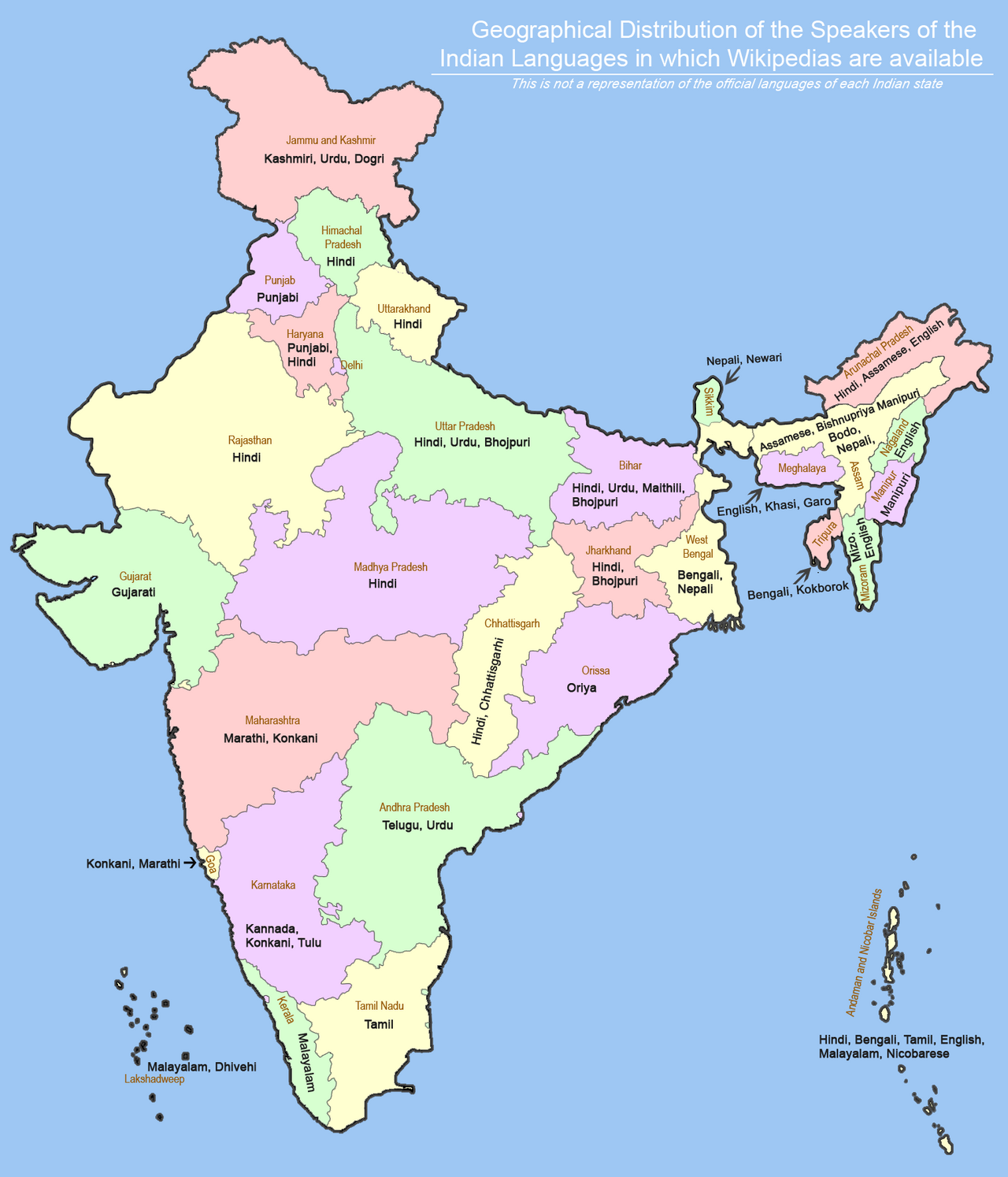
In the north and center of the country, Hindi is the dominant language in Uttar Pradesh, Madhya Pradesh, Rajasthan, Uttarakhand, Himachal Pradesh, and Chhattisgarh. In Bihar, languages such as Maithili and Bhojpuri are also spoken alongside Hindi and Urdu official language.
Further north, in Jammu and Kashmir, the main languages are Kashmiri, Urdu, and Dogri. Punjab is predominantly Punjabi-speaking, whereas Haryana is multilingual, with Hindi and Punjabi as the dominant languages.
Eastern India
Bengali predominates in West Bengal, where Nepali is also present. Odisha is associated with the Odia (Oriya) language. On the other hand, Assamese, Bodo, and other regional languages are spoken in Assam.
Western India
In the west, Gujarat is clearly associated with Gujarati, Maharashtra with Marathi, and Konkani in the coastal area. Goa shows the presence of Konkani and Marathi.
Southern India
In the south, Dravidian languages are predominantly spoken, including Tamil in Tamil Nadu, Kannada in Karnataka, Telugu in Andhra Pradesh, and Malayalam in Kerala.
Northeast India
The northeast is the region with the greatest linguistic diversity. In addition to Assamese and Bengali, languages such as Bodo, Manipuri (Meitei), Nepali, Khasi, Garo, and Kokborok are spoken. English is also spoken in these regions.
Language Policies and Education
Education is key to maintaining the balance between regional identity and national integration. In India, students learn their regional language, Hindi and English. This allows each community to preserve its language and culture while also enabling students to obtain better employment and educational opportunities.
It is worth mentioning that the use of these languages in schools is supported by the Constitution and national education policies.
Medium of Instruction in Schools
In a country as diverse as India, where each state has its own linguistic identity, it is essential to ensure unity and inclusion for all students. For this reason, the Indian government, through the National Education Policy, introduced the Three Language Formula (TLF) in the 1960s.
This formula promotes multilingualism while preserving cultural identity, suggesting that students learn at least three languages in schools. For example:
Young children who learn multiple languages acquire greater problem-solving skills, better memory, and greater cognitive flexibility. Therefore, through these types of strategies, students develop cognitive, social, educational, and occupational advantages.
However, the Three Language Formula also promotes the strengthening of cultural identity, enabling students to better understand their roots and remain connected to their culture and traditions, thereby making the classroom a more inclusive and collaborative place. 6
Government Initiatives for Language Preservation
The Government of India and the Ministry of Education have played a fundamental role in preserving the country's linguistic wealth, implementing programs such as the Scheme for Protection and Preservation of Endangered Languages (SPPEL) at the Central Institute of Indian Languages (CIIL), whose main objective is to preserve and document endangered and lesser-spoken languages in India. The SPPEL identified 117 languages at risk of extinction by 2025. 7
On the other hand, it is also important to mention that India's education policies strongly promote multilingualism. The National Education Policy (NEP) 2020 focuses on teaching the mother tongue or regional language from the early stages. This integration aims to improve the effectiveness of education by incorporating cultural and heritage elements into higher education curricula. 8
Find various Hindi courses for students pursuing higher education or at any educational level.
Endangered Languages and Preservation Efforts
Identification of Endangered Languages
Although some languages have become extinct throughout history, endangered languages are currently disappearing at a slightly faster rate due to globalization, mass migration, cultural replacement, imperialism, and, for example, neocolonialism. Even if there is no single factor that is sufficient to assess the status of a community's language, UNESCO has implemented six categories of endangerment to determine the viability of a language, its role in society, and the type of measures needed for its maintenance or revitalization. 9
| Degree of Endangerment | Intergenerational Language Transmission |
|---|---|
| Safe | Language is spoken by all generations; intergenerational transmission is uninterrupted. |
| Vulnerable | Most children speak the language, but it may be restricted to certain domains (e.g., home). |
| Definitely endangered | Children no longer learn the language as a mother tongue in the home. |
| Severely endangered | The language is spoken by grandparents and older generations; while the parent generation may understand it, they do not speak it to children or among themselves. |
| Critically endangered | The youngest speakers are grandparents and older, and they speak the language partially and infrequently. |
| Extinct | There are no speakers left (included in the Atlas if presumably extinct since the 1950s). |
Censuses conducted in India over the years have clarified the country's linguistic landscape, determining that languages spoken by fewer than 10,000 people are considered endangered. India's endangered languages encompass the country's diverse linguistic families and are found throughout the national territory. 10
| Zone | States/UTs Covered | Some Endangered Languages |
|---|---|---|
| Northern | Chandigarh, Haryana, Himachal Pradesh, Jammu & Kashmir, Punjab, Uttar Pradesh, Uttarakhand | Spiti, Jad, Darmiya, Gahri, Kanashi |
| Northeast | Arunachal Pradesh, Assam, Manipur, Meghalaya, Mizoram, Nagaland, Sikkim, Tripura | Aimol, Tangam, Sherdukpen, Singpho, Tarao |
| East Central | Uttar Pradesh, Bihar, Jharkhand, West Bengal, Odisha, Chhattisgarh, Madhya Pradesh | Bhunjia, Birhor, Bondo, Toto, Gorum |
| West Central | Gujarat, Maharashtra, Rajasthan, Daman, Diu, Dadra Nagar Haveli, Goa | Nihali, Baradi, Bharwad, Diwehi, Bhala |
| Southern | Telangana, Karnataka, Andhra Pradesh, Tamil Nadu, Kerala | Toda, Soliga, Jenu Kurumba, Siddi, Urali |
| Andaman & Nicobar | Andaman and Nicobar Islands | Sentinelese, Onge, Shompen, Lamongse, Luro |
Did you know that almost half of the 7,000 languages that exist in the world are in danger of extinction? UNESCO estimates that at least 40% of these 7,000 languages are endangered and that approximately every two weeks a language disappears, resulting in a great loss of heritage, culture, and intellectual wealth.
Strategies for Language Revitalization
The CIIL focuses on various strategies to preserve the languages of local and/or indigenous communities. For example, establishing programs that promote the use of the mother tongue, publishing dictionaries, manuals, and grammar guides, training teachers, and developing educational materials in minority languages are some of the CIIL's efforts toward linguistic preservation.
It also uses technological advances to preserve and promote languages in India. For example, to date it has published eight digital dictionaries for various endangered languages. In addition, SPPEL uses various types of technological tools for its documentation, such as high-quality recording equipment for capturing audio, video recording equipment for visual documentation, specialized software for metadata creation, and linguistic analysis software. 10
The Role of English in Contemporary India
Historical Context of English in India
English was initially purely a commercial language when it was introduced to the Indian subcontinent in the early 17th century. However, over time, English was promoted as a means of communication in higher education, and later also became the main language of administration and law.
After independence in 1947, the Constitution (1950) declared Hindi the official language of the Union, but English remained viable to ensure administrative continuity and standardise communications in regions where Hindi was not spoken. Today, English continues to function as a key language of governance and international diplomacy.
English in Education and Business
In India, English-language education has expanded significantly, and in fact, many private schools and higher education institutions use the language as part of their primary instruction. For example, in fields such as science, engineering, medicine, and business, English remains the dominant language.
English has also facilitated India's integration into the global economy, as globalization has led to its playing a significant role in sectors such as information technology and international trade.

References
- Heitzman, J., Worden, R. L., & Federal Research Division. (1995). India: A Country Study. https://www.education.gov.in/sites/upload_files/mhrd/files/upload_document/languagebr.pdf
- Das, D. (2024). The role of Sanskrit in preserving Indian cultural heritage. In Gurukul International Multidisciplinary Research Journal, Gurukul International Multidisciplinary Research Journal: Vol. XII (Issue II, p. 134) [Journal-article; Peer Reviewed Journal]. https://gurukuljournal.com/wp-content/uploads/2024/07/GIMRJ2406IIV12P022.pdf
- Bhadriraju Krishnamurti. (n.d.). Tamil language. Britannica. https://www.britannica.com/topic/Tamil-language
- Team, P. I. C. (2025, August 27). Eighth schedule of the Indian Constitution. PMF IAS. https://www.pmfias.com/eighth-schedule/
- Languageservicesbureau.com. (2023, July 15). 10 most spoken languages in India. languageservicesbureau.com. https://www.languageservicesbureau.com/blog/most-spoken-languages-in-lndia.php
- Three-language formula in India | Complete guide & importance. (n.d.). https://mittsure.com/blog-details/three-language-formula#:~:text=The%20Three%20Language%20Formula%20(TLF,three%20languages%20atleast%20in%20schools
- Scheme for Protection and Preservation of Endangered Languages. (n.d.). https://sanchika.ciil.org/communities/71db1d96-ba70-4a7c-890d-e3487bf06b1b
- National Education Policy (NEP) 2020. (2026, January 29). Policy Monitoring Platform. https://www.unesco.org/creativity/en/policy-monitoring-platform/national-education-policy-nep-2020
- UNESCO Project: Atlas of the World’s Languages in Danger. (2011). UNESCO. UNESDOC Digital Library. https://unesdoc.unesco.org/ark:/48223/pf0000192416
- Documenting India’s endangered languages. (2022). In Documenting India’s Endangered Languages [Article]. https://static.pib.gov.in/WriteReadData/specificdocs/documents/2025/aug/doc2025812605201.pdf
Summarize with AI:
Did you like this article? Leave a rating!


 Loading...