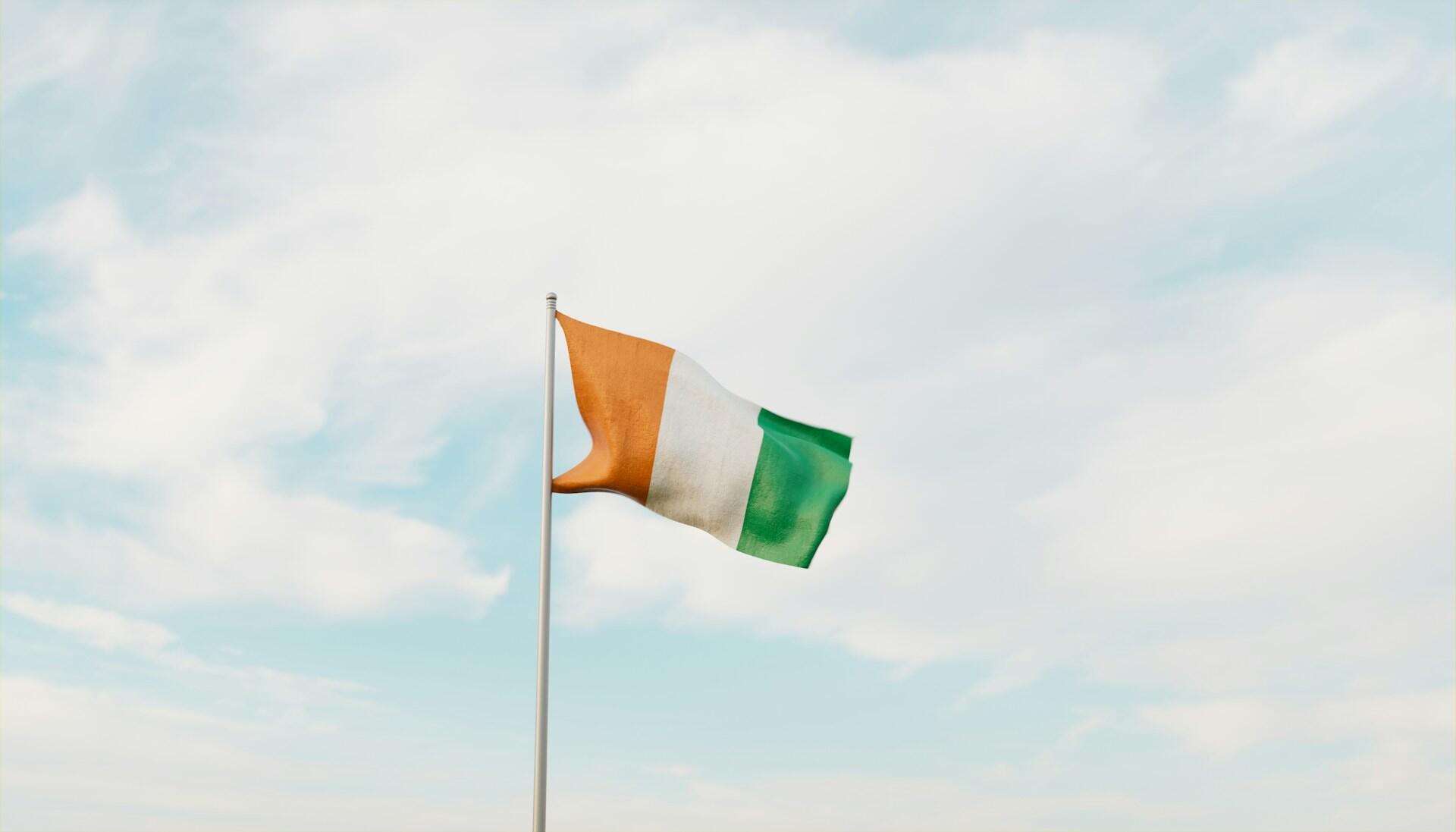

Ireland has a rich and complex history, a complicated story of culture, conflict, and resilience. From the ancient Celtic roots to centuries of English rule, including the Great Famine and the struggle for independence, we cannot cover it all in this article.
431 AD
The coming of the gospel to Ireland
Before Saint Patrick, Bishop Palladius brought christianity to Ireland.
600 BCE
Arrival of the Celts
Long before the Normans or the British arrived, the Celts arrived!
1169
Norman Invasion
The Anglo-Norman Invasion of Irish territory.
1607
Flight of the Earls
The departure of Gaelic Catholic nobility, marking the end of Gaelic Ireland and the beginning of intensified English and Protestant dominance.
1801
Act of Union
Merging of the Kingdom of Great Britain and the Kingdom of Ireland into one entity called as the 'United Kingdom of Great Britain and Ireland.'
1845–1852
Great Famine
The Irish Potato Famine, was a controversial period of mass starvation and suffering in Ireland.
1922
Irish Free State established
1949
Republic of Ireland declared
Formal declaration of a republic.
1972
Bloody Sunday
Perhaps the most significant event of the Troubles.
1998
The Good Friday Agreement
Agreements signed, Good Friday, 1998, that ultimately ended the majority of the violence of the Troubles.





The Coming of the Gospel to Ireland and Saint Patrick
When we think of the arrival of Christianity in Ireland, the figure of Saint Patrick inevitably comes to mind. Over time, he has become inseparable from the story of Ireland’s conversion. Yet the truth is more complex — and more revealing.
Christianity had begun to take root in Ireland even before Patrick’s arrival in 432 AD. As historian Neil Hegarty explains in his book Story of Ireland, early contact with Christianity came through unexpected channels: “The Irish were in the habit of plundering the long western seaboard of Roman Britain in search of booty. The first Christians in Ireland, therefore, were most likely Britons carried across the sea as slaves.” 1 These captives brought not only their languages but also their faith, sowing the earliest seeds of Christianity on Irish soil.
Less known, too, is that the first official Roman mission to Ireland did not involve Patrick at all. In 431 AD, a year earlier, Pope Celestine I sent Bishop Palladius, an aristocratic Briton, to minister to “the Irish believing in Christ.” Though Palladius is often overlooked in popular accounts, his mission confirms that a Christian community already existed in Ireland, however modest.
Over the centuries, Christianity became deeply woven into Irish culture and identity, influencing both its greatest struggles and its finest achievements. From the monastic golden age to masterpieces like the Book of Kells, faith has shaped Ireland’s story in profound and lasting ways, far beyond the myths we’ve inherited.
Celtic Ireland: The Early Roots of Irish Culture
Like with any nation, you can go as far back as you like, but it makes sense to start the story of Ireland with the Celts in terms of a more human timeframe.
Long before the Normans or the British arrived, Ireland was significantly influenced by the Celts. The Celts weren't a single people or identity but rather a network of tribal societies with origins in Austria and Switzerland (long before these existed, of course).
These early Celtic communities brought their culture and language with them, which would ultimately evolve into Irish Gaelic!
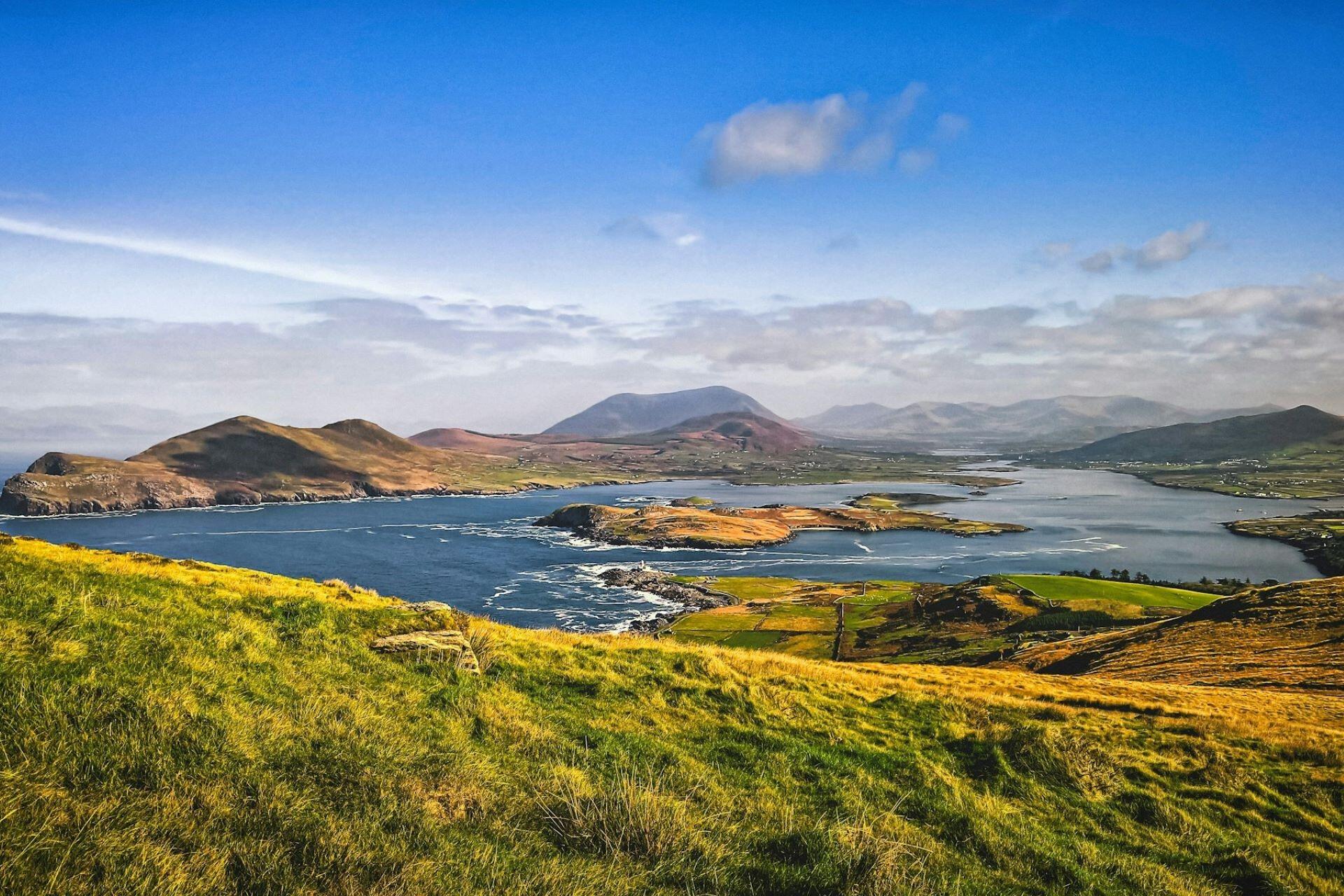
The Celts also had artistic and religious traditions and formed some of Ireland's earliest societies. These societies were built around clans, chieftains, and druids who served as spiritual leaders, judges, and historians through oral tradition.
Unlike much of continental Europe and Great Britain, Ireland never became part of the Roman Empire. While many other Celtic tribes found their cultures Romanised, the Celts in Ireland could leave their mythology, epic tales, and symbols, including spiral carvings.
Remains of this can be seen in Ireland's language, place names, and, most significantly, national identity.
The Arrival of the Normans and the Anglo-Norman Influence
While Celtic Ireland had its visitors and invaders, including Vikings, they never took control of the island. Instead, these other groups would ultimately assimilate into the preexisting Celtic culture while bringing some of their culture with them. St. Patrick probably had one of the most profound effects on the island without ever invading it, per se.
However, in 1169, Norman knights from England and Wales landed in Ireland. They had been invited by an Irish king, Diarmait Mac Murchada, who sought help in reclaiming his throne.
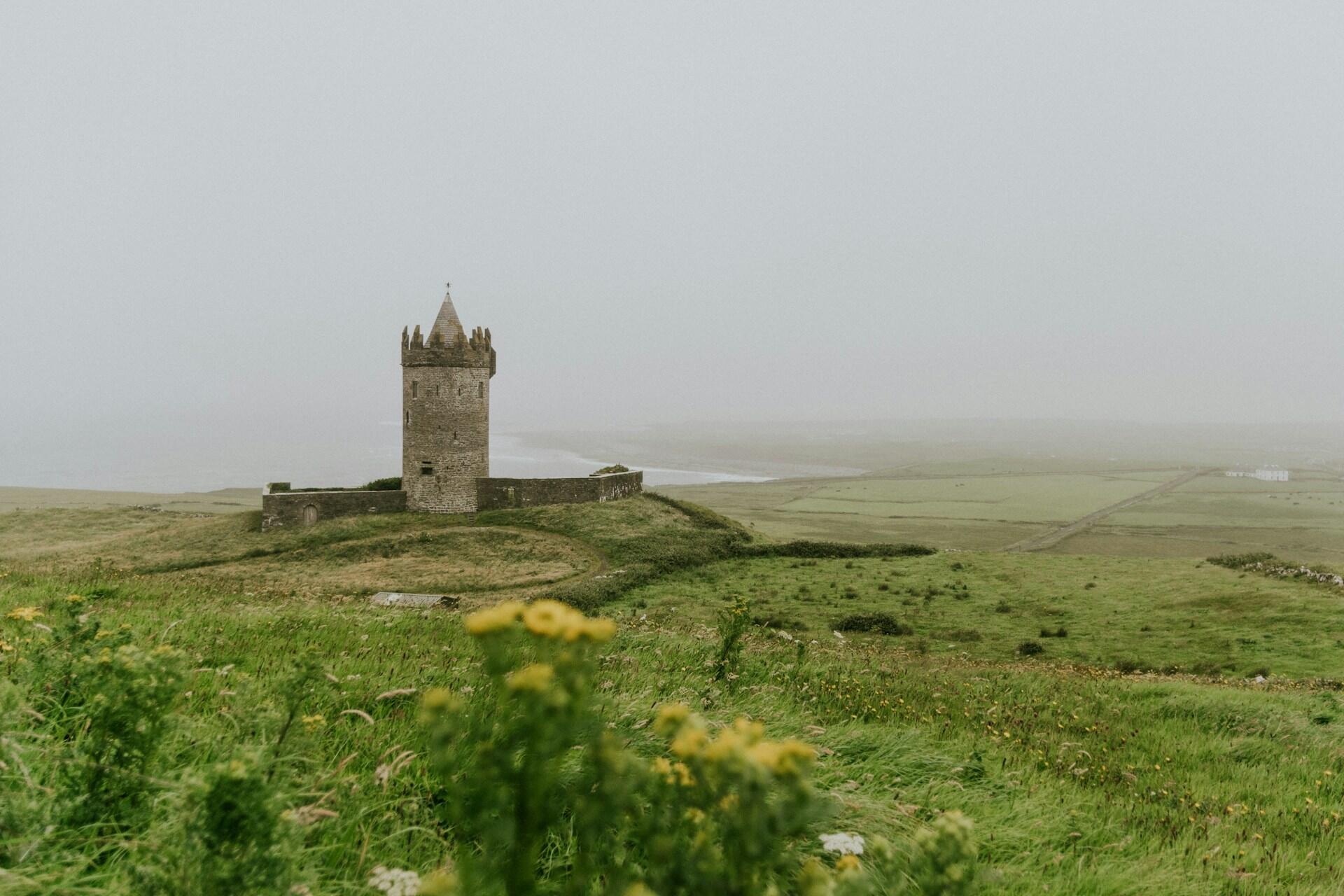
This Irish power struggle opened the door to centuries of foreign involvement. The Normans, backed by the English crown, quickly established strongholds across Ireland and built castles, towns, and churches.
They also introduced new feudal systems that would ultimately reshape Irish society and not necessarily for the betterment of the Irish people.
By the 13th century, large parts of eastern Ireland, largely around Dublin, were under Anglo-Norman control. The city became a key centre of administration and trade.
The Normans initially assimilated with the native Irish, much like they had done in France (they were Vikings who had ultimately assimilated there, too). The Church was reorganising along Roman lines, and though the Normans never fully conquered all of Ireland, they did lay the groundwork for future English claims to Ireland, which would influence the long and turbulent relationship between England and Ireland.
The Tudor and Stuart Conquests: The Path to Colonisation
By the 16th Century, English control in Ireland had weakened. The Tudor monarchs, notably Henry VIII and Elizabeth I, launched aggressive campaigns to bring Ireland together with English rule.
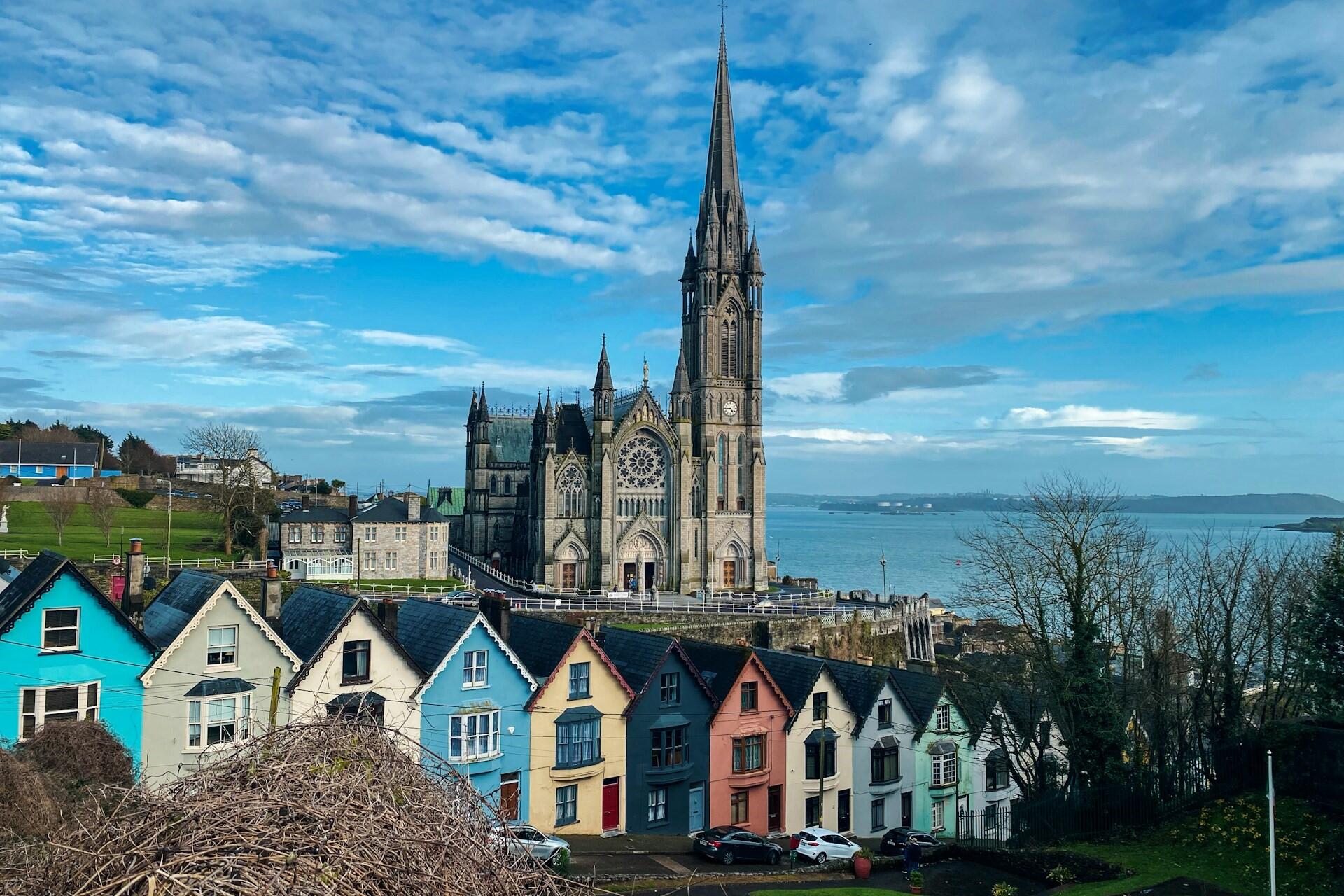
In 1541, Henry declared himself King of Ireland, beginning a process of religious and political transformation that would shape Ireland for centuries.
Ireland experienced waves of conflict, rebellion, and forced land confiscation under the Tudors and the later Stuart kings. The English crown would implement a plantation policy, seizing lands from Irish lords and settling Protestant colonists from England and Scotland, particularly in Ulster.
This land ownership would deepen the divides between native Catholic Irish and Protestant settlers, making Ireland increasingly divided along religious, economic, and political lines.
There were centuries of resistance, resentment, and rebellion as British influence entrenched itself within the country. By the early 17th century, Ireland wasn't England's neighbour. It was a colony under foreign control.
Flight of The Earls
In 1607, the Flight of the Earls marked a turning point in Irish history, bringing an end to the old Gaelic aristocracy. Hugh O’Neill, Earl of Tyrone, and Rory O’Donnell, Earl of Tyrconnell, along with nearly 100 followers, fled Ireland for continental Europe after their failed rebellion against English rule. Their departure effectively dismantled Gaelic Ireland’s political power, paving the way for increased English colonization and the Plantation of Ulster. As historian Seán Duffy notes, this event “signalled the final collapse of native Irish resistance to English authority”2.
English Rule and Irish Rebellion
From the 17th century onwards, the British government attempted to tighten its control over Ireland. However, this was often met with resistance.
The country was being divided into two, one where Catholic Irish people faced harsh restrictions under Penal Laws that banned them from owning land or practising their faith. They were also barred from participating in political life, with the power concentrated in the hands of a Protestant elite who were loyal to England, particularly in areas like Dublin and Ireland's larger towns.
Irish rebellions continued to erupt, and one of the most significant was in 1798 when the United Irishmen, inspired by recent American and French revolutions, looked to unite Catholics and Protestants in the fight for an independent Ireland.
This rebellion would ultimately fail, but it was a turning point for the Irish political consciousness.
In 1801, the Act of the Union formally united Ireland with Great Britain to create the United Kingdom of Britain and Ireland, abolishing the Irish Parliament in Dublin and moving all legislative power to London.
This was supposed to stabilise the country, but as you'll see, it was just one of many acts by the British government that stoked the fires of rebellion in Ireland and fuelled Ireland's desire for independence.
The Great Famine: Tragedy and Transformation
The Great Famine between 1845 and 1852 was devastating in Irish history, resulting in the death of over one million people and forcing another million to emigrate.
Though a potato blight triggered the crisis, the real devastation was caused by the systems implemented by the British government before the blight, which left Ireland's poorest dependent on a single crop. Subsequent inaction and rigid laissez-faire economics focused more on saving the market than the lives of Irish people.
Ireland had more than one crop type, but the potato was the only thing accessible to most of the poor tenant farmers who had nothing to eat or sell and couldn't pay their landlords, with many of them evicting them, leaving them starving and homeless.
While Ireland's poorest starved, landowners were still exporting grain and livestock to England to ensure stable markets!
Over 1 million people died and another 1 million emigrated during the famine, reducing Ireland’s population by a quarter and forever reshaping Irish society and identity.
Rising Nationalism and the Push for Independence
The already-obvious inequalities in Irish society were only highlighted by the Great Famine.
Nationalist sentiment grew from the trauma of mass starvation, emigration, and the political neglect of the British government. This all left deep scars, and there was a considerable movement to regain control over Irish affairs.
In the 19th century, many pushed for Home Rule, looking to reestablish an Irish parliament while remaining within the United Kingdom.
Cultural revival movements, such as the Gaelic League and the Irish Literary Revival, also sought to restore the Irish language, history, and identity.
The Irish Republican Brotherhood (IRB) sought complete independence through more radical means, including armed rebellion.
By the 20th century, due to the lack of haste toward Home Rule and growing support for Sinn Féin and the Irish Volunteers, the sentiment shifted away from Home Rule and towards a demand for a free and independent Irish republic.
The Easter Rising and the Irish War of Independence
During the height of World War I, a group of Irish republicans launched the Easter Rising. This short-lived rebellion was unsuccessful, and the British response was swift and overwhelming, quelling the rebellion in six days.
However, the British's heavy-handed response generated sympathy and support for the cause, which would reignite in 1919 with the Irish War of Independence, a guerrilla campaign waged by the Irish Republican Army (IRA).
The war was fought using ambushes, raids, and targeted assassinations. After two years of escalation, a truce was agreed.
The result was the Anglo-Irish Treaty of 1921. It partitioned the island into Northern Ireland and the Irish Free State, a decision that ultimately wouldn't please many.
Partition and the Birth of the Irish Free State
Some saw the Irish Free State as a pragmatic step towards an independent Ireland. Others saw it very differently, with Ireland being divvied up and the Irish Free State being part of the British Commonwealth.
The six Protestant-majority counties in the north were politically separated from the predominantly Catholic south. Many members of the IRA saw it as a betrayal of the Irish Republic that had been declared in 1916.
This led to the Irish Civil War (1922-1923), in which pro- and anti-Treaty forces fought. The pro-Treaty side won, but the divisions in Irish society only deepened.
Northern Ireland remained under British rule, with tensions rising between Unionists (supporting British rule) and Nationalists (supporting an independent state that included them).
Predominantly Catholic
Sought independence from Britain
Fought a civil war over the treaty
Left the Commonwealth in 1949
Predominantly Protestant
Part of the United Kingdom
Supported by Unionists
Epicentre of The Troubles
Ireland in the 20th Century: From Free State to Republic
The Irish Free State remained part of the British Commonwealth while successive governments continued to reduce British influence in Ireland.
In 1937, Ireland adopted a new constitution, officially renaming itself Éire and asserting greater sovereignty, removing references to the British monarch.
1949 Ireland formally declared itself a republic and left the Commonwealth with the Republic of Ireland Act.
This was the formal end of constitutional ties with Britain. The Irish state underwent economic, political, and social changes, modernising slowly.
Ireland joined the European Economic Community (now the EU) in 1973. By the late 20th century, it had become a dynamic, independent nation..
The Celts also had artistic and religious traditions and formed some of Ireland's earliest societies. These societies were built around clans, chieftains, and druids who served as spiritual leaders, judges, and historians through oral tradition.
Unlike much of continental Europe and Great Britain, Ireland never became part of the Roman Empire. While many other Celtic tribes found their cultures Romanised, the Celts in Ireland could leave their mythology, epic tales, and symbols, including spiral carvings.
Remains of this can be seen in Ireland's language, place names, and, most significantly, national identity.
Ireland's Journey to Independence at a glance
References
- Hegarty, N. (2012). Story of Ireland. Random House.
- Duffy, S. (1997). Ireland in the Middle Ages. Palgrave Macmillan.
Summarize with AI:
Did you like this article? Leave a rating!

 Loading...