
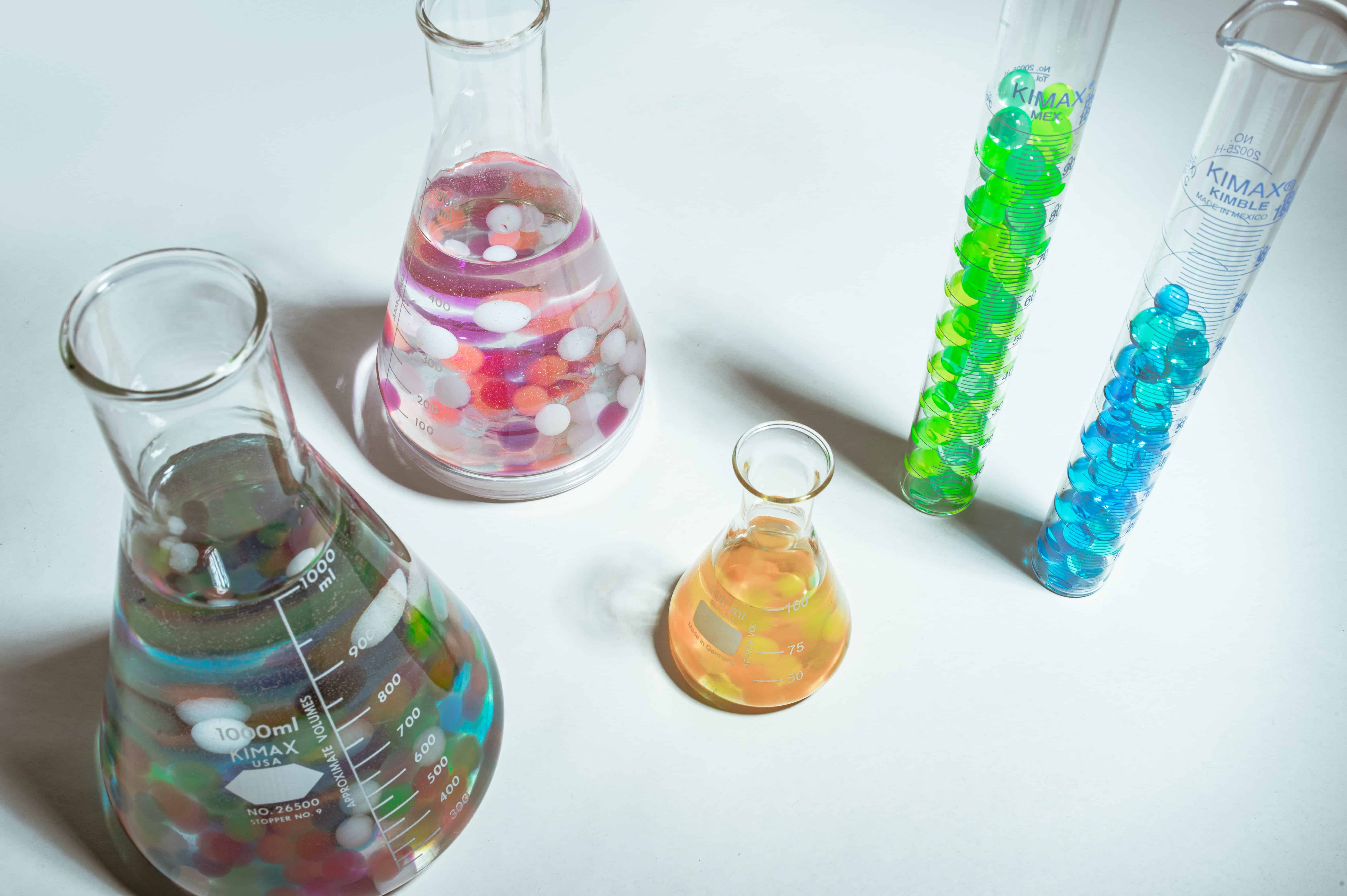

The transition most Canadian students make from elementary school to secondary school is major. Leaving elementary, middle school, or junior high can mean leaving a situation where you may have been in a school where you were the oldest, in a class where you may have only left to have recess, or in a school where you have been learning since kindergarten. Suddenly, you are plunged into a situation where you are now the youngest, are seeing hundreds of unfamiliar faces, and must deal with a whole new set of expectations for learning. There are also stressors like bullying, social media, fitting 'in', and discovering a whole new sense of identity as you learn more about your interests and preferences. You are changing physically, must start thinking about your post secondary future, and navigate a whole new social world of dating and friendships. It's so overwhelming - starting secondary school is not for the faint of heart!
If you are a parent or guardian with a child starting secondary school this year or next, you may be wondering about how you can support their learning as they enter this busy and critically transitional moment. You will certainly need to be watching out for your child's emotional and social well-being, but also monitoring academic growth since many of the experiences younger secondary school students have in their first years will largely impact the decisions they make about choosing postsecondary options and programs. Perhaps you are the student entering secondary school: you will want to make sure you are ready to balance all of the new changes in your life with the work it takes to get good marks and have all the best options at your disposal once you graduate! Whatever position you may be in, this article is here to guide you - particularly in the area of chemistry and science.
Wondering what courses to take once you are finished grade 9 science coursework? Find out more about the academic pathways in chemistry you can choose from.


Is Chemistry Grade 9 in Elementary or Secondary School?
Because each province in Canada has its own Ministry or Department of Education, they year you start secondary school will differ from one province to another. Below is a list that will tell you the years of secondary school in each province.
- Alberta: Grades 10-12
- British Columbia: Grades 10-12
- Manitoba: Grades 9-12
- New Brunswick: Grades 9-12
- Newfoundland: Grades 9-12
- Nova Scotia: Grades 10-12
- Ontario: Grades 9-12
- Prince Edward Island: Grades 10-12
- Quebec: Secondary I-Secondary 5 (starts after grade 6)
- Saskatchewan: Grades 9-12
- Yukon: Grades 10-12
- Northwest Territories: Grades 10-12
- Nunavut: Grades 10-12
What Will Chemistry 101 Be Like in Grade 9?
Like any course you take, grade 9 chemistry or science will be much different from what you are used to in previous years because, in most cases, you are either about to transition into secondary school or enter secondary school. Let's take a closer look at some of the biggest differences.
Secondary School Means You Will be Earning Credits
Unlike elementary school, where you may have learned multiple subjects at once, you will be learning each subject separately and earning credits you can put toward the completion of your secondary school diploma. Those who are taking grade 9 chemistry or science in secondary school will find that they are earning a credit, which adds a lot of incentive to being successful and closely monitoring your grades and performance: if you do not pass the course, you will have to re-do the credit or make it up another way. If grade 9 is not counted as part of secondary school in your province, you will not need to be concerned with obtaining a credit, though you will be earning credits once you start grade 10.
Thinking of hiring a chemistry tutor? Read all the benefits of hiring a tutor for your science courses in secondary school.
Grade 9 Is a Transitional Year
Grade 9 is considered a transitional year for most students: as an intermediate grade, the assumption is that it is largely preparation for senior level courses. This means that much of the assessment and instruction will be designed to determine which pathway you will be embarking on in postsecondary, be it university, college or the workforce. In provinces like Ontario, for example, grade 9 chemistry is part of a broader science course that continues into grade 10. Once you arrive in the senior level courses, you will choose between applied and academic track pathways. Academic pathways in Chemistry and science are largely intended for those who want to continue studies at the university level, so much of the learning will be theoretical and abstract. Applied courses are more hands-on and practical, meaning that the course will teach you to apply chemistry principles in real-life, job-related scenarios.
You Can find Chemistry Online (as well as many other courses!)
One great perk of being in secondary school or high school is that you can take many credits online. This is great if you are working part-time, prefer to spread out your courses in different formats, or simply want the flexibility of learning from home. Expectations will still be high and rigorous - so do not expect an "easy" credit!
Intermediate science and chemistry courses can be challenging. Learn the best ways to study and prepare for grade 9 chemistry classes.
What is the Curriculum in Chemistry for Beginners?
The content of the grade 9 chemistry curriculum will largely depend on the learning expectations that have been established by your province. This is because each province has its own governing body for education, with a separate curriculum in all subjects. However, in many cases, there will be lots of similarities especially when it comes to the content.
In Alberta, for example, grade 9 chemistry is part of a broader and general study of science. You will study topics such as:
- properties of materials
- physical and chemical changes
- particle size, concentration and temperature
- ionic and molecular compounds
Ontario students will learn chemistry as part of a destreamed science curriculum, meaning that all students will take the same course whether they are pursuing an academic pathway or not. The four major scientific subdisciplines are studied: biology, chemistry, physics, and earth and space science. British Columbia students focus on topics like meiosis, the reproductive system, the periodic table of elements, electricity, sustainability, and First People's knowledge of interconnectedness and sustainability. Nova Scotian grade 9s will study atoms and elements, characteristics of electricity, space exploration and reproduction.
While this is just a very brief overview of what topics will be encountered in grade 9 science, it is important to note that the best thing to always do is read through the science curriculum in your own province.
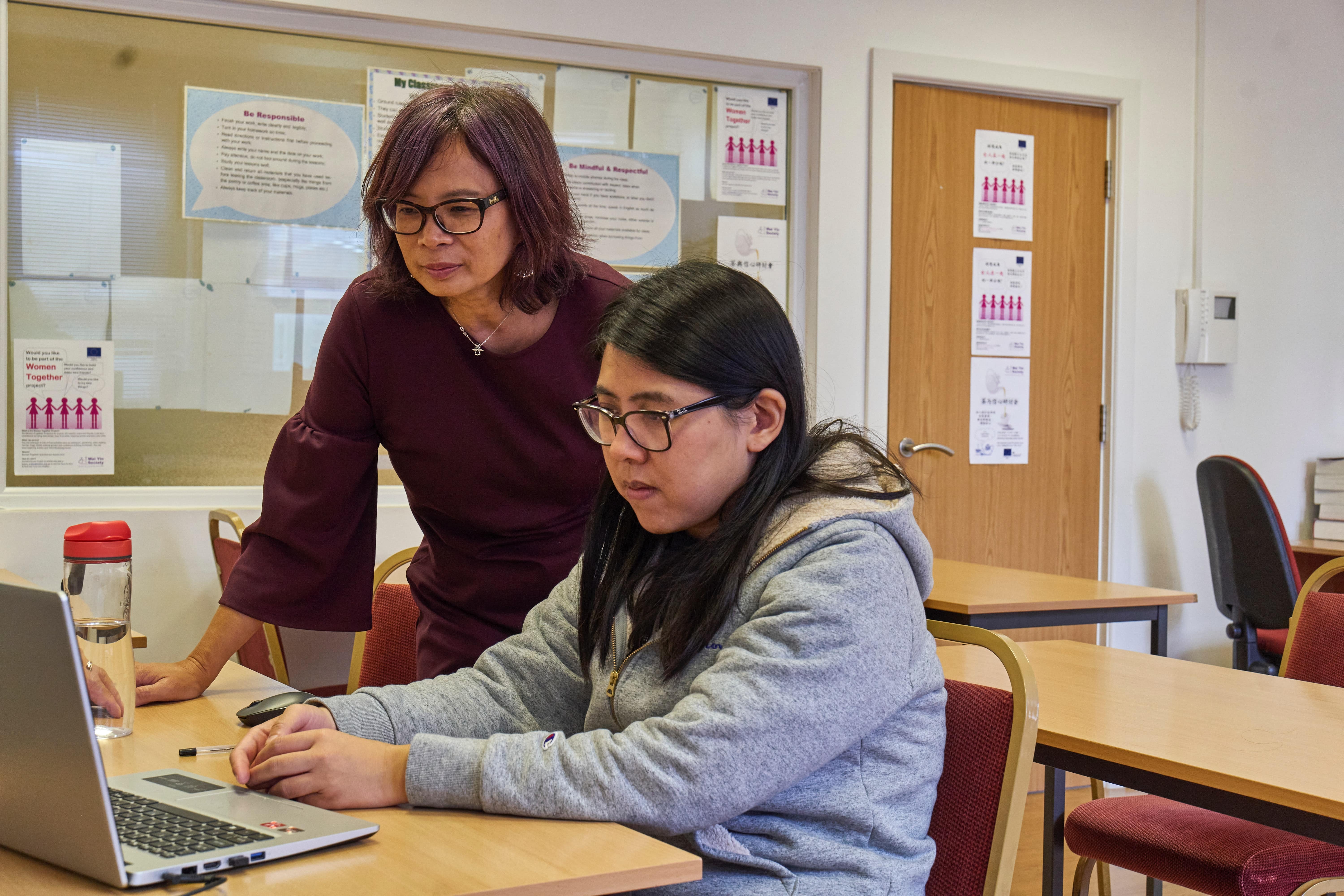
What exactly will you learn in grade 9 chemistry? Find out everything you need to know about intermediate science and chemistry classes.
Is it Possible to Take Chemistry Lessons Online?
Depending on your school board, you should be able to find Chemistry credit courses available in online or remote learning format. While it is always best to learn through hands-on, in-person labs, if you need a science credit taking chemistry lessons online can be totally worth it! Be prepared for a lot of screen time!
What is the Best Way to Prepare for Chemistry Lessons in Grade 9?
Success in grade 9 science will come just as it does for many other subjects: through establishing strong study skills, work habits, and fostering an inquiry mindset. The best way to start is to keep up with your learning on a regular basis: do not let your readings pile up, use your class time wisely to complete your work before socializing, and take advantage of the knowledge and expertise of your teachers. Make time to review new learning, especially when there are concepts that are confusing to you, and ask questions while you have your teacher in front of you. Start your assignments early, and if you have a big test or exam coming up do not wait until the last minute to 'cram' or study at an accelerated pace. By keeping up with your lessons and starting assignment and test preparation early, you will eliminate a lot of stress in your life!
Of course, maintaining strong study habits can be tough when you are a teenager with a busy social life or you are simply distracted by a new school environment. Just as you schedule time to dedicate to your study, schedule time to enjoy your new friendships, unwind with some screen time, play sports, or hang out with your family. If you are a parent or guardian, model what it means to have a good work life balance to your kids, and tell them explicitly how important it is to have good time management skills.
Wondering what science and chemistry will be like in secondary school? Not sure what to expect when you start grade 9 science? The reality of secondary school chemistry may be much less daunting than you think.
Are Chemistry Tutors or Chemistry Homework Help Worthwhile?
Despite our best efforts to be prepared for school, we may find that it is not enough to keep up with the pace of instruction. For this reason, it can be important to hire a private tutor to support your or your child's learning.
A private science or chemistry tutor can review complex new concepts, help prepare you for tests and exams, and provide valuable help and feedback for research and writing assignments. They can help you or your child to establish strong study habits, to explain things in ways your teacher may not be able to, and even help you in other subjects if you need it. Tutors provide valuable one-on-one time that students simply cannot get in busy or overcrowded classrooms.
Hiring a tutor is easy with Superprof Canada. Superprof is a site that connects learners with professional tutors across every province. To find the right tutor, simply go to the Superprof site and use the search tool to find a tutor in the subject you wish. Try searching "chemistry tutor Vancouver", for example, if you live in Vancouver. You can browse through different tutor profiles, and contact them directly through the site to see if they are right for you or your child.
Don't risk a poor performance in your science and chemistry classes! Find a tutor on Superprof and start taking chemistry classes today.
Summarize with AI:
Did you like this article? Leave a rating!

 Loading...
