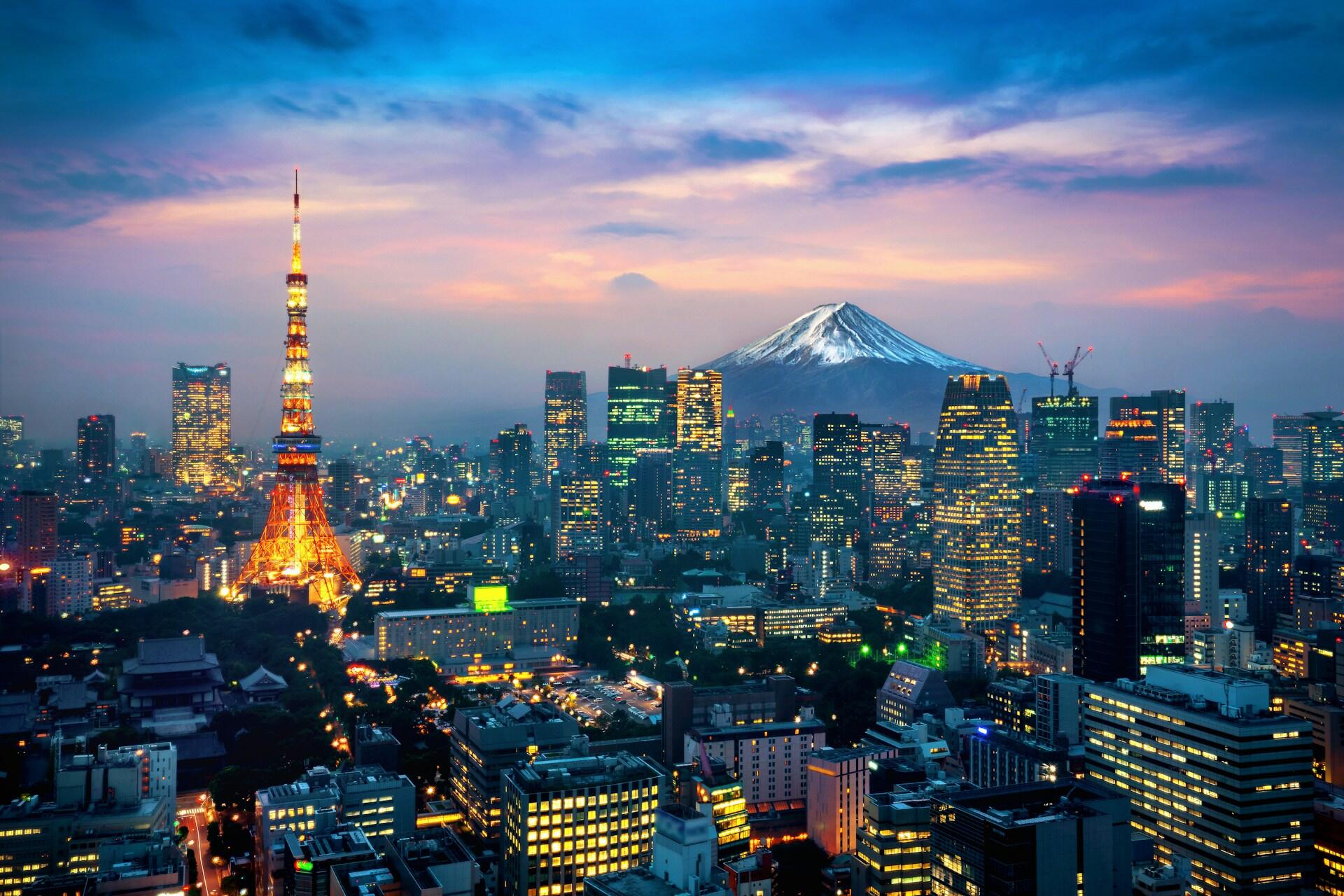

With more than 3000 important landmarks throughout the country, Japan is a gallery of blended traditions, religions and modernity. Often found in the same area, century-old temples and brand new skyscrapers stare at each other. Both have one thing in common: the craft of Japanese people. More than 30 million people on average visit the country each year, making the trip to experience some of the most incredible architectural and natural landmarks on earth. Discover some of the can’t-miss historical and cultural heritage attractions to see while visiting Japan.
| Site | City |
|---|---|
| Fushimi Inari Taisha | Kyoto |
| Kinkaku-ji (Golden Pavilion) | Kyoto |
| Senso-ji Temple | Tokyo |
| Himeji Castle | Hyogo |
| Matsumoto Castle | Nagano |
| Tokyo Skytree | Tokyo |
| Osaka Castle | Osaka |
| Mount Fuji | Yamanashi & Shizuoka |
| Arashiyama Bamboo Grove | Kyoto |
| Dotonbori | Osaka |
| Gion District | Kyoto |
| Hiroshima Peace Memorial Park | Hiroshima |
| Meiji Shrine | Tokyo |









Ancient Temples and Shrines
When you think of Japan famous landmarks, odds are that at least a few temples come to mind immediately. With thousands of Buddhist temples and Shinto shrines scattered across the country, it’s no wonder! You can’t visit them all, but be sure not to miss out on these top temples.
Fushimi Inari Taisha, Kyoto
One of the important Shinto sites of Japan, this shrine is dedicated to Fushimi Inari, the Shinto god of rice. Rice was the base of the Japanese economy at the time and the goddess was adopted by merchants and manufacturers as patron of business.
You will notice fox statues all over the shrine's grounds, the animal thought to be Inari's messengers.
This shrine is famous for its thousands of vermilion torii gates, outlying a network of trails leading up the mountain.
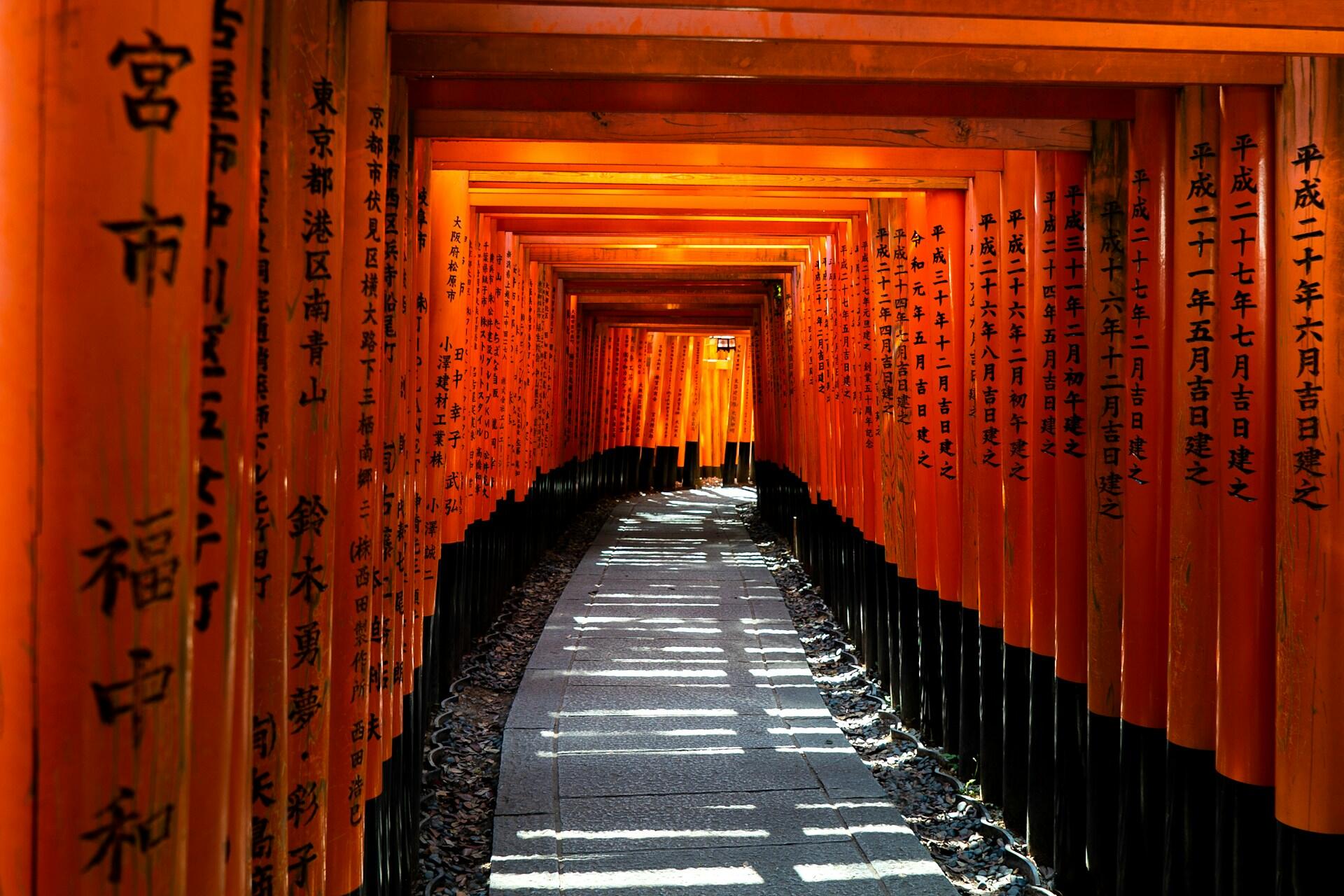
Those trails lead up the sacred Mount Inari standing at 233m. Each of the vermilion gates along the trail has been donated by an individual or a company and each of them is engraved with the name of the donor and date of the donation.
One of the most imposing torii is the one standing right in front of the main building. Called the Romon Gate, it was donated by Toyotomi Hideyoshi, one of the great unifiers of Japan, in 1589.
The hike up and down the mountain will take you 2 to 3 hours and is dotted with smaller shrines along the way. A few restaurants can be found beside the path, offering locally themed dishes such as Kitsune Udon ("Fox udon"), thick noodles served with aburaage (fried tofu), which is said to be one of the favourite food of foxes.
Fushimi Inari-taisha is recorded to have been founded in 711 CE by the Hata clan, who immigrated from the Korean Peninsula.
Once reaching the Yotsutsuji intersection, about halfway up the mountain, hikers will enjoy nice views over Kyoto and can do some more exploring up the summit if they wish so.
Add this temple to your tours of other inari shrines across prefectures like Fukuoka, Saga, Kyoto, and Aichi.
Prepare for your trip! Find a Japanese class here on Superprof.
Kinkaku-ji (Golden Pavilion), Kyoto
If you happen to be in Kyoto, this historical monument has to be on your agenda.
Originally built in the 14th century, it first was the retirement house of Shogun Ashikaga Yoshimitsu. After he died, and according to his last wishes, the Pavilion was transformed into a Zen Buddhist temple, a function it still holds today.
The Temple was burned and rebuilt numerous times, the last of which was in July 1950, after a mentally ill monk set fire to the Temple. The building was reduced to a charred frame, and the original statues of Yoshimitsu were lost to the fire. However, the Pavilion was rebuilt in 1955, including the restored statues.
About 90 minutes walk east, you will find Ginkaku-Ji, The Silver Pavilion, which has a notable sand zen garden.
Both temples are near the Kyoto Imperial Palace.
The gold leaves covering the second floor of the building is said to be an addition to the old design but is not uncommon to the Muromachi Period during which the Temple was erected.
Each reconstruction of the Temple features a different architecture style, opposing and complementing each other at the same time.
Senso-ji Temple, Tokyo
Located in the area of Asakusa, Senso-ji, also called Asakusa Kannon, is the oldest Buddhist temple of the capital. The temple is dedicated to Kannon Bosatsu, one of the major Bodhisattva of the Buddhist religion. Senso-ji is part of the Bando Sanjusankasho pilgrimage route, which consists of 33 Buddhist temples across the Kanto region.
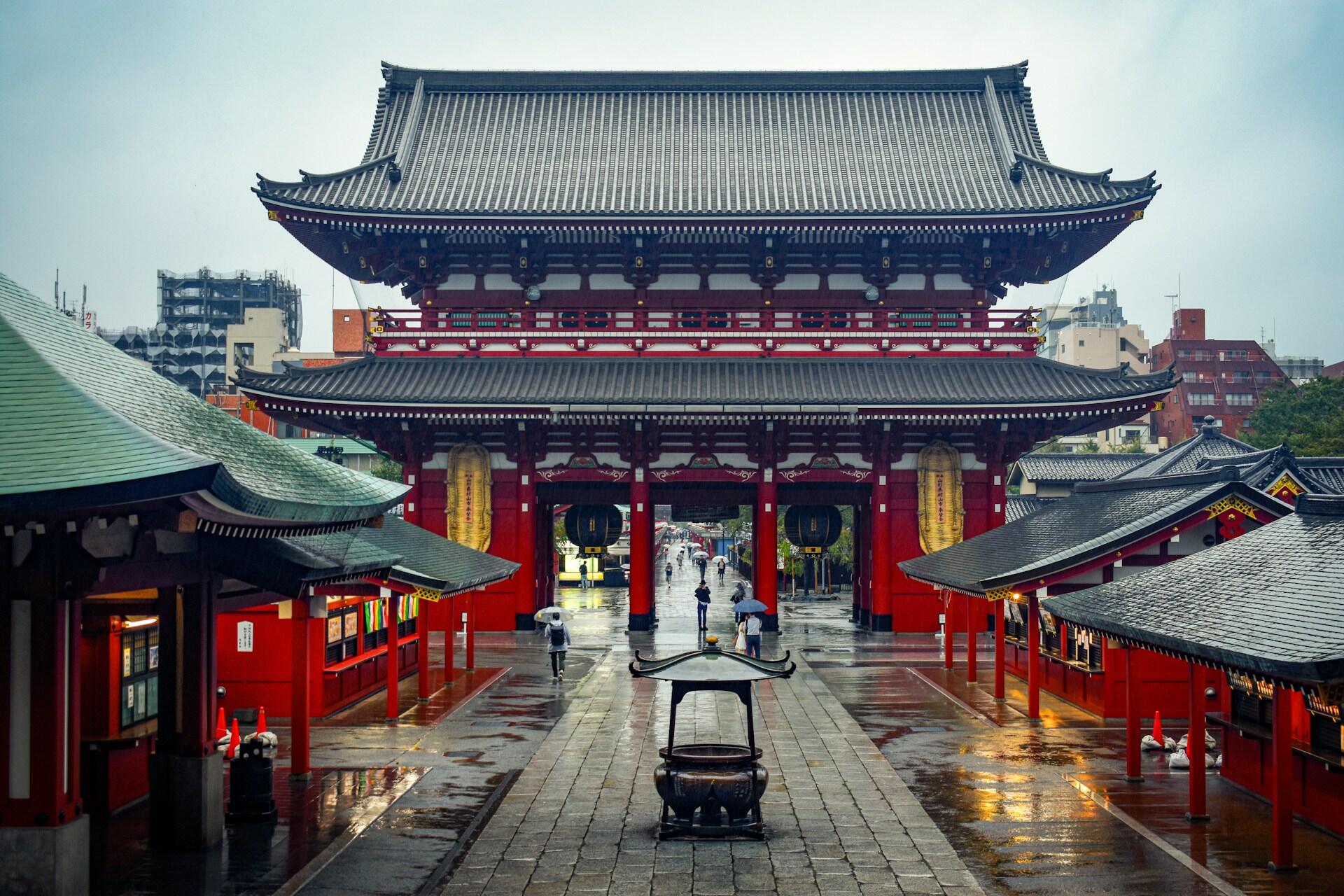
The origin of the temple is unclear, but it’s known to have been originally built around 628 CE. Over the centuries, new additions were added, and parts of the temple were burned in fires. In the 17th century, the five-story pagoda was rebuilt, and the beginnings of Nakamise were sparked by the building of several shops.
people visit the temple each year
Historically, the temple became a hub in Asakusa, allowing the surrounding town to become a popular entertainment district, a tradition that lives on today.
In 1945, during World War II, the temple was destroyed by an air raid, but it was rebuilt in the ‘50s.
Today, Nakamise Dori street is still one of the most bustling and popular attractions in the area. The historic shopping street is home to multi-generational shops selling everything from samurai swords to matcha ice cream.
Historic Castles
Often, European castles take centre-stage whenever the word is mentioned, but Japan is home to many incredible strongholds with just as much history and prestige. Many of Japan’s castles were constructed during the feudal era (c. 1185–1868), when conflict between different regions was common.
After the Meiji Restoration in 1868, many fortresses were torn down or modernized, reducing the number of in-tact castles. Those still around today carry an extra historical significance, serving as the remaining examples of the architecture and craftsmanship from that time period.
Most of the attractions on this list get most of their visitors between 9 am and 5 pm. If possible, try to visit the monument, especially ones with less space, early in the morning or after dark. However, if you’re visiting in the non-tourist season, you might find the days to be less crowded.
Himeji Castle, Hyogo
One of the most recognizable landmarks in Japan, this century-old landmark is considered to be the finest example of the prototypical Japanese castle. Nestled near Kyoto and Osaka, the small town in the Kansai region would likely be forgotten by tourists if it didn’t boast the gleaming white castle in the hills.
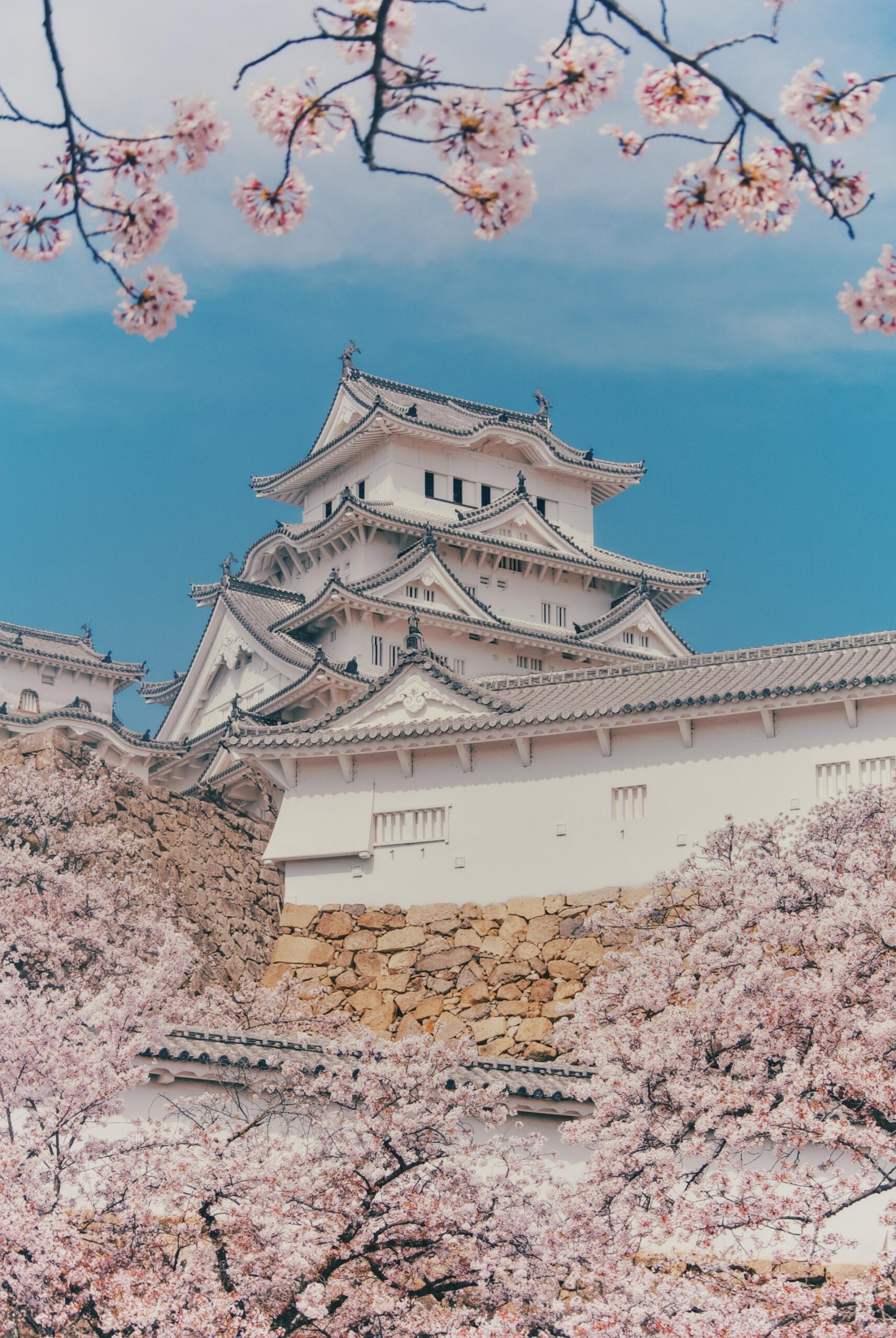
It’s sometimes called the White Egret Castle or White Heron Castle for its clean, white appearance.
Dating all the way back to the 14th century, the castle received extensive additions through the next couple of centuries.
Himeji castle miraculously survived revolutions, bombings and even the great Hanshin earthquake of 1995, though some of the building required extensive repair work afterward.
The advanced defence system included maze-like paths that lead to the main keep. Designed to slow down enemy samurais, today it usually confuses tourists that easily get lost in the castle's alleys.
With many legends surrounding its construction, the castle is part of Japanese folklore and since its last restoration work was completed in 2015, more than 10 million people have visited it.
In 1993, the castle was registered as a UNESCO site for its historical significance.
A very popular spot during cherry blossom season, the parks of the Castle can get so crowded during the Golden Week (main spring holiday week in Japan) that visitors may have to wait several hours to access the Castle's grounds.
Visitors can find guided tours and audio tours in multiple languages, including English, at the castle, available for an additional fee (between 1,000 and 1,500 yen).
Read these travel tips to have the best trip possible in Japan.
Matsumoto Castle, Nagano
Contrasted with Himeji, Matsumoto Castle is known for its striking black exterior. Known as the Black Crow or Crow Castle, the structure was originally built in the early 16th century and changed ownership several times as different clans took control of the region.
During the Meiji reconstruction in 1872, the outer grounds of the castle were auctioned off and redeveloped as the remnants of the feudal past were systematically destroyed. Matsumoto Castle was saved when an influential figure from the region campaigned with locals to protect the building from destruction or repurposing.
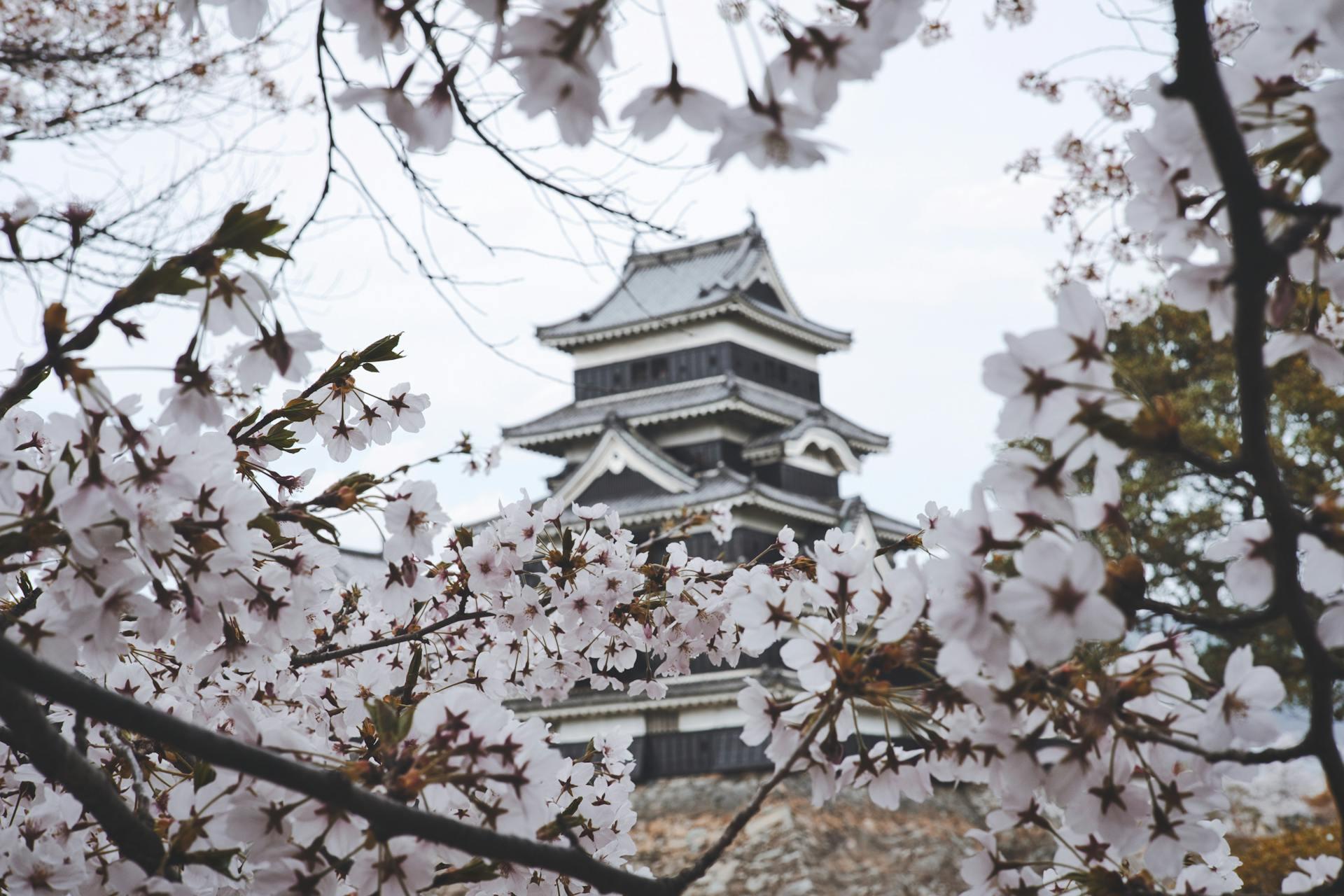
In the late 19th and early 20th centuries, the tenshu began to lean to one side due to neglect and problems with the construction. It was renovated between 1903 and 1913, effectively saving the building. It is one of only 12 surviving tenshu in the country; before the Meiji restoration, there were thousands of tenshu across Japan.
The castle is particularly scenic in spring, when the cherry blossoms are in full bloom. The venue even hosts a famous event, “Nighttime Cherry Blossom Viewing,” offering a unique experience to see the blossoms at night, backed by the dark sky, the black castle, and atmospheric lighting.
In 1930, the castle was designated a National Historic Site. And in 1952, each of the five remaining original structures was named a National Treasure of Japan, which has helped ensure their continued restoration and maintenance.
Modern Architectural Marvels
Some of the most famous places in Japan are modern man-made feats of architectural excellence. Japan has been home to incredible and aesthetic construction for centuries. With the new materials and technologies available in recent years, the constructions have only gotten better. These modern structures are worthy of a visit if you’re ever nearby!
Tokyo Skytree, Tokyo
Today's third-tallest structure in the World (behind Burj Khalifa and Merdeka 118), the Tokyo Skytree in the Sumida area first appeared in the capital's landscape in 2008 and took 4 years to complete.
This tower, symbol of Japan's modernity, includes more than 300 shops and restaurants, an aquarium and a planetarium.
Busy all year long, you might want to book your ticket up the tower in advance.
Different ticket options are available depending on which levels you want to visit, as well as what time of day you want to go.
If your budget allows it you might want to have lunch or dinner at Sky Restaurant 634 and enjoy a view of the capital at 345m of altitude.
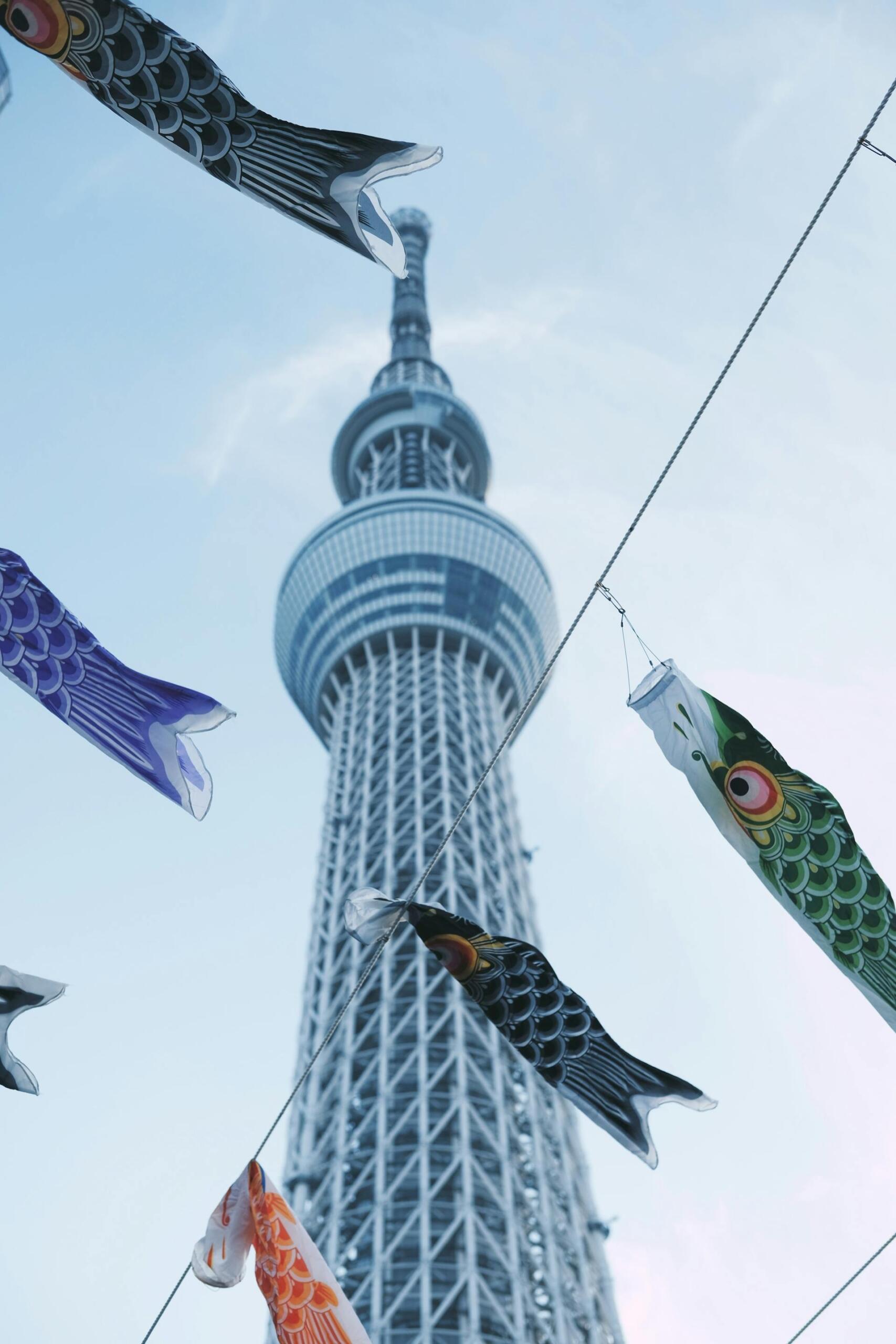
The tower, which functions as a TV and radio broadcast tower for the Kanto region, was designed with a neofuturistic aesthetic in mind. As for the construction, the building features effective seismic proofing against earthquakes.
Nearby, the older sister of the Skytree, the Tokyo Tower, can be easily added to your visit. The tower also has observation decks, but is an iconic sight to behold from the ground as well.
The other nearby aerial view is Shibuya Sky, which overlooks the famous Shibuya Crossing.
Find out which cities in Japan you simply must visit.
Osaka Castle, Osaka
One of Japan’s most famous landmarks, this historical monument is a pretty recent castle compared to the others, having been completed in 1597.
The castle was destroyed at least four times between 1615 and 1945. The current buildings are the work of a 1995 restoration which aimed to give the castle its former splendour back.
The history of the castle is as eventful as the history of Japan. It was once the headquarters of one of the most powerful clans in the nation, the Toyotomim. The clan was completely wiped out 15 years after the Battle of Sekigahara, which saw the victory of the rival clan, the Tokugawa.
The Tokugawa clan ordered the reconstruction of the castle in 1620 after they had burned it to the ground in 1615. However, they assigned the cumbersome task to rival samurai clans, hoping that the burden and cost of the work would prevent them from rising up again.
The Castle's surrounding Nishinomaru Garden is a great spot to escape the fast pace of the surrounding city and feature many sakura (cherry) trees.
The garden has its own operating hours: 9 am - 5 pm from March to October (with extended hours during Golden Week), and 9 am - 4:30 pm from November to February. Entry to the garden is ¥200 for high school students and older, and free for anyone younger.
The castle was burned down again, this time by Imperial loyalists in 1868. The Emperor and the Meiji government ordered its restoration and the castle became part of the Osaka Army Arsenal, a function it held until it was bombed by the U.S. in 1945 during World War II.
In 1995, the bombed keep was restored to look like it would have in the Edo era. Today, the interior is a dedicated museum that details the history of the castle and Japan as a whole. The castle also boasts an observation deck on the eight floor.
Natural Wonders
Buildings and monuments aren’t the only interesting things to see in Japan. The Land of the Rising Sun is home to some of the most beautiful and awe-inspiring natural features on earth. Venture out of the cities and make sure to enjoy some of the best nature attractions during your visit!
Mount Fuji
In 2013, Mt. Fuji was declared a UNESCO World Heritage site for its cultural significance. In Japanese history and culture, the mountain is an important part of Shinto mythology. The goddess of the mountain is Konohanasakuya-hime, who is also the goddess of all volcanoes, and is symbolized by sakura. The top of Mt. Fuji is considered to be part of the Fujisan Hongu Sengen Taisha shrine dedicated to the goddess.
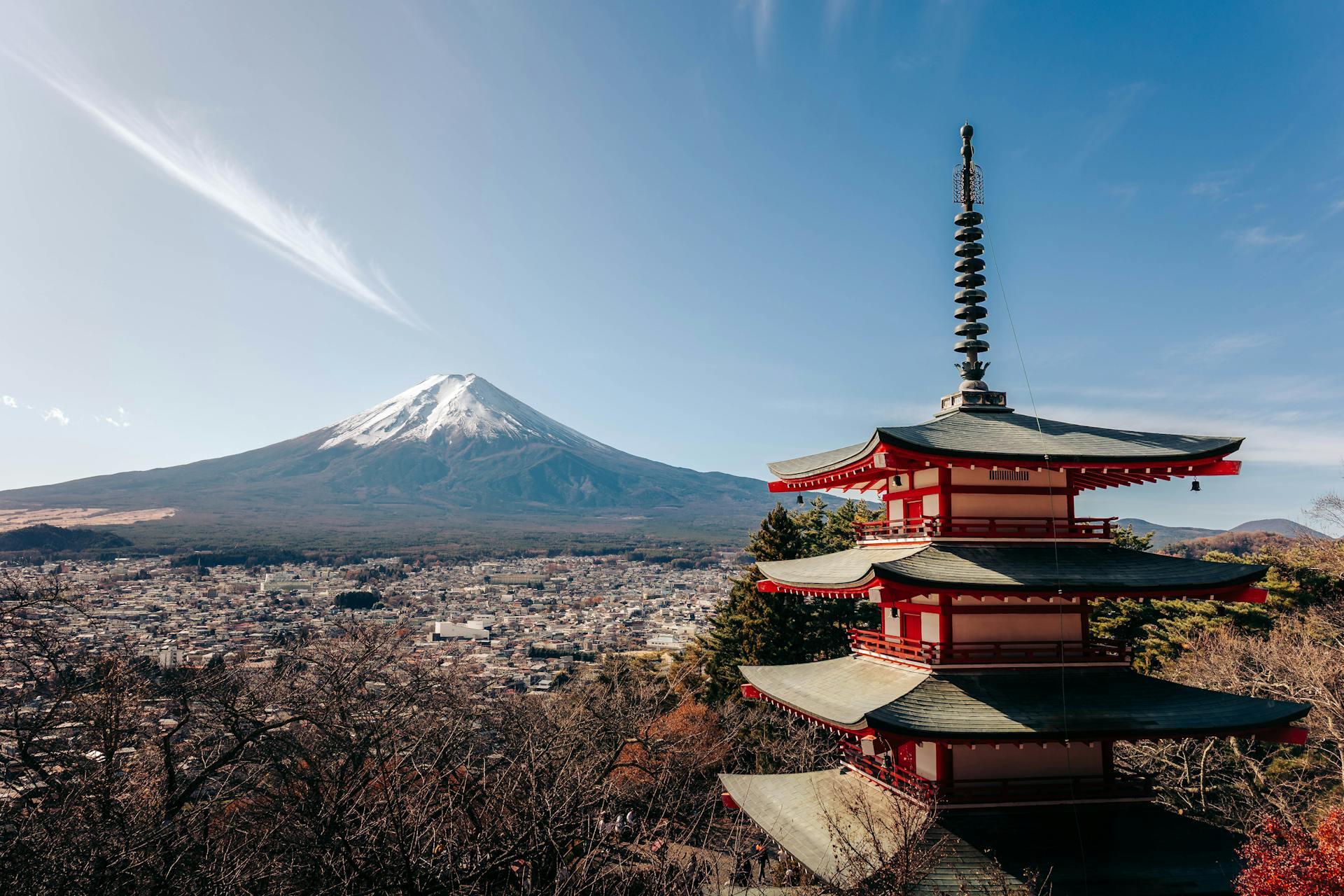
In ancient times, locals worshipped the mountain from a distance, since it was an active volcano. They erected the Asama shrine in the foothills as a way to ward against eruptions. Eventually, the volcano stopped erupting, and started to be included in religious practices directly. In the early 12th century, worshippers started climbing the mountain as part of their religious observance.
Most Mt. Fuji admirers enjoy the view of the majestic mountain from afar. Those who want to get up-close and personal with the famed peak are welcome to climb the famous slope.
Mt. Fuji sees about 300,000 climbers during the climbing season, which lasts from early July to early September.
Climbing Mt. Fuji is a serious undertaking and must be planned well in advance. There are several key bits of information every hopeful climber must know before they embark:
- The on-season during July and August is the best time, but experienced hikers can apply to climb in the off-season as well
- There are 4 trails to choose from, each with its distinct difficulty and characteristics
- You must begin climbing between 3AM and 2PM, unless you’re staying in a mountain hut
- Weather varies, but is usually cold (5-15℃) due to elevation and wind, especially when the sun is down; you should also bring a helmet in case of falling rocks
- Hikers who wish to summit should opt for a 2-day journey
You should make reservations with the trail you plan to take well in advance. Since the mountain climb is so popular and only open for a few months per year, huts and spots on the trail fill up fast. Guides are not mandatory, but they are highly encouraged.
Where is the best place to view Mt. Fuji? While climbing the mountain or hiking the trails around 5th station can offer amazing photography opportunities and lookout points, you’ll obviously not be able to include the mountain in your sightseeing.
To best observe the mountain itself, you’ll need to be quite far away. Here are some of the best places to enjoy the beautiful mountain at a distance:
- Akakurayama Sengen Park, Fujiyoshida, Yamanashi
- Imamiya, Fuji City, Shizuoka
- Urui River, Shizuoka
- Lake Tanukiko, Shizuoka
- Lake Yamanakako, Yamanashi
- Oshino Hakkai Springs, Yamanashi
Arashiyama Bamboo Grove, Kyoto
There’s nothing quite like being surrounded by tall bamboo stalks swaying in the breeze. Located in the village of Sagano, the grove is also home to the Okochi-Sanso Villa, Nonomiya Shrine, and Togetsukyo (Bridge to the Moon), and the entrance is located near the historic Tenryuji Temple.
The bamboo grove has been growing for over 1,000 years, likely first cultivated during the Heian period (794 to 1185). During the Showa period (1926 to 1989), the grove was partially felled during rapid urbanization and expansion, but opponents of the development managed to have the area protected under the Traditional Buildings Preservation Districts.
Today, the Chikurin-no-michi (bamboo path) runs through the towering bamboo shoots. It runs for about 500 metres between the villa, temple, and shrine. The atmosphere inside the grove is peaceful and serene. It’s named one of the top 100 Soundscapes by Japan’s Ministry of Environment, so be sure to listen carefully to the natural ‘music.’
The Nonomiya Shrine, an ancestral Shinto shrine, was once used as a place for young girls from the imperial family to purify themselves before serving at the Ise Jingu shrine. Today, many young girls attend the shrine to pray for love, children, safe childbirth, and general happiness.
In December, the Hanatouro “path of flowers and light” festival takes place. Lanterns placed along the path and around the main buildings create a magical nighttime atmosphere.
If you’re exploring the bamboo forest, be sure to also visit the main attractions nearby:
- The Okochi-Sanso Villa: The villa contains a garden, museum, and meditation hall. Admission is ¥1,000 for adults, ¥500 for elementary and high school students and people with disabilities. The villa is open from 9 am to 5 pm daily.
- Nonomiya Shrine: Find a small garden, torii gates, lanterns, and a lucky stone at the shrine. The shrine is open daily from 9 am to 5 pm and is free to enter.
- Tenryuji Temple: Built in 1339 and now a world heritage site, the temple is the most important in the Arashiyama district. It’s home to the Rinzai Zen sect of Japanese Buddhism. The temple is open from 8:30 am to 5 pm daily and costs ¥500 to enter, with an additional ¥300 for entry to the temple building.
Cultural Districts and Streets
One of the top things to do in Japan is immerse yourself in the local culture. This is easy no matter where you go, but certain areas offer more interesting experiences. Check out these city sections for a unique encounter with Japanese culture.
Japan is the most intoxicating place for me. The Japanese culture fascinates me: the food, the dress, the manners and the traditions. It’s the travel experience that has moved me the most.
Roman Coppola
Dotonbori, Osaka
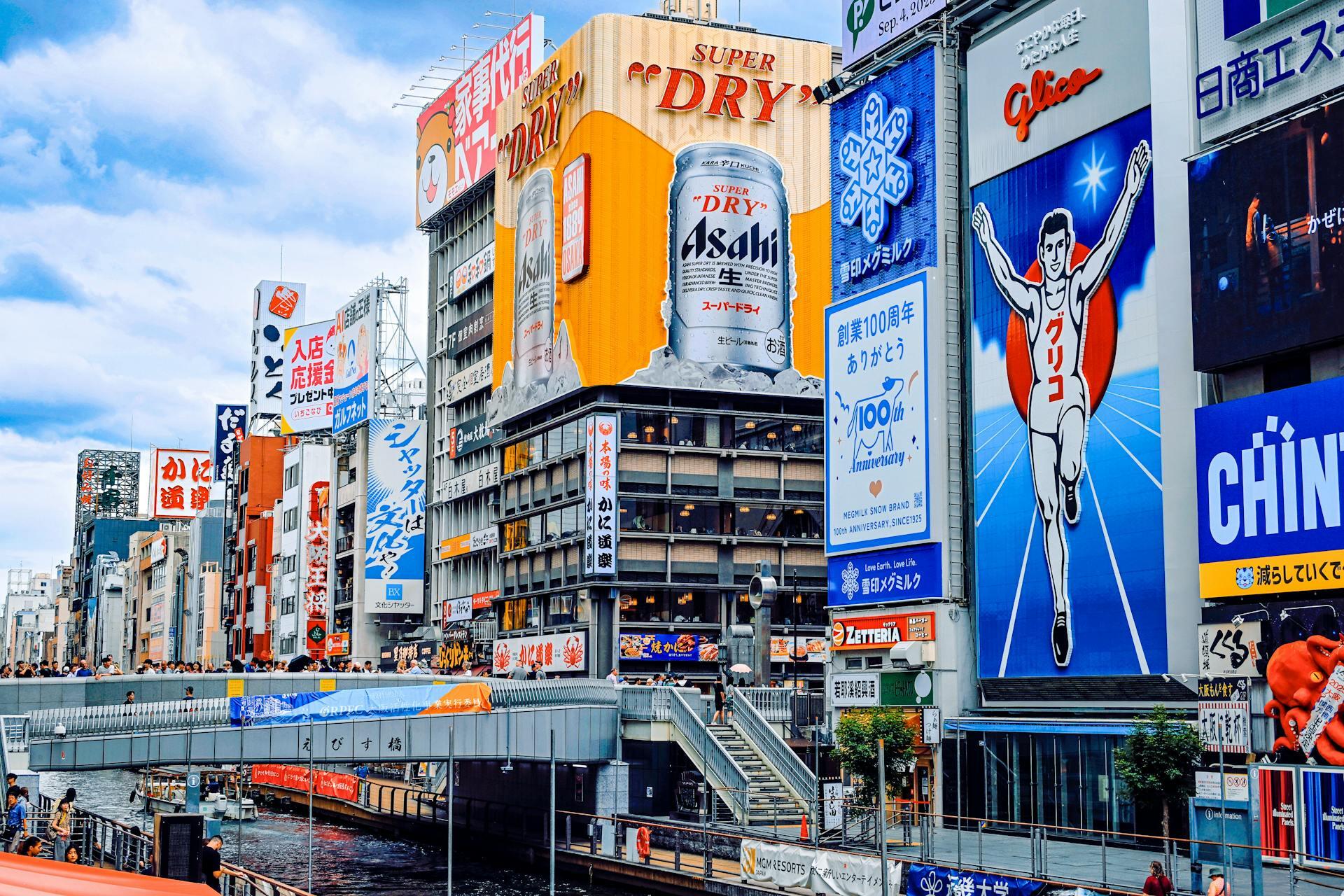
Known as “Osaka’s Times Square,” Dotonbori is a 400-year-old, ever-evolving entertainment district. It began with a handful of kabuki and bunraku (puppet) theatres, but today it’s the site for hundreds of attractions ranging from restaurants to neon signs, clubs to souvenir shops, river cruises to arcades.
Wander the street and find something that catches your eye or take a foodie walking tour to find all the best street food options.
Don’t miss these highlights in the Dotonbori District:
- Don Quijote Shop
- Shinsaibashi-suji Shopping District
- Naniwa Meibutsu Ichibirian Shop
- Dotonbori River Cruise
- Kushikatsu Daruma Restaurant
- Kushikatsu Shirotaya Restaurant
- Chibo Okonomiyaki Restaurant
- Glico Running Man sign
- Okonomiyaki street dish
- Mitarashi-Dango street food
- Daifuku Mochi street dish
- Shochiku-za kabuki theatre
Dotonbori is perhaps best experienced at night, when the bright neon lights make the most striking impression. The crowds can get very thick there, and some call the area a tourist trap. Regardless, it’s a hub for all different types of food, everyday architecture and shopping.
Make sure your trip goes smoothly: read up on visa requirements for vacationing in Japan.
Gion District, Kyoto
One of the most visited Japanese attractions, Gion District is the foremost geisha district in Japan. Here, you can walk around historic buildings filled with shops, ochaya (teahouses) and restaurants amongst geiko (geisha) and maiko (geiko in training).
Hanami-koji Street is the most popular area, lined with wooden machiya houses modeled after the style of the Heian period (794-1185), though the actual buildings are only 100-150 years old.
The bad behaviour of tourists over the years has forced the government to close certain lanes off entirely. Do not enter or photograph areas marked with anti-tourist signage. Do not photograph geiko or maiko without permission and always be respectful. There are hefty fines for infractions, and if the behaviour continues, Japan may limit tourists even more.
Most geiko and maiko experiences are not available to the average tourist, since they are exclusive and expensive. However, tourists can attend the daily cultural show at Gion Corner (near the Gion Kobu Kaburenjo main theatre) to get a taste of 7 of the traditional Japanese performing arts.
Each performance lasts about 50 minutes. Note the following seasonal schedule:
- Regular season: Daily at 6 and 7 pm
- Winter schedule: Dec 1 to March 11, Tuesday - Friday, 6 and 7 pm (excluding public holidays)
- Closed seasons: July 16 to August 16; December 26 to January 4
The admission fee depends on the age of the attendee as well as which experience you want, whether that’s a regular seat, a seat with tea and sweets, or a premium seat.
Admission fees for the regular seats range from free for children under 7 to ¥5,500 for adults over age 22. Premium seats and seats with tea and sweets are about ¥6,500 each with no age discount.
Memorials and Museums
Historical monuments are important no matter where you travel. Japan has been the site of many historical events, so naturally, it is also home to many memorials and museums. Here are just some of the monuments commemorating important events to visit while in Japan.
Hiroshima Peace Memorial Park, Hiroshima
A reminder of some of the darkest hours of Japanese History, the Hiroshima Peace Memorial Park stands on the former political and commercial heart of the city. A few years after the A-Bomb was dropped by the Americans, Japanese officials decided that the area was not to be rebuilt but instead dedicated to peace and memorial buildings.
Even if you are not looking to visit it, it is very unlikely if you are in Hiroshima that you won't stumble upon this large park in the centre of the city.
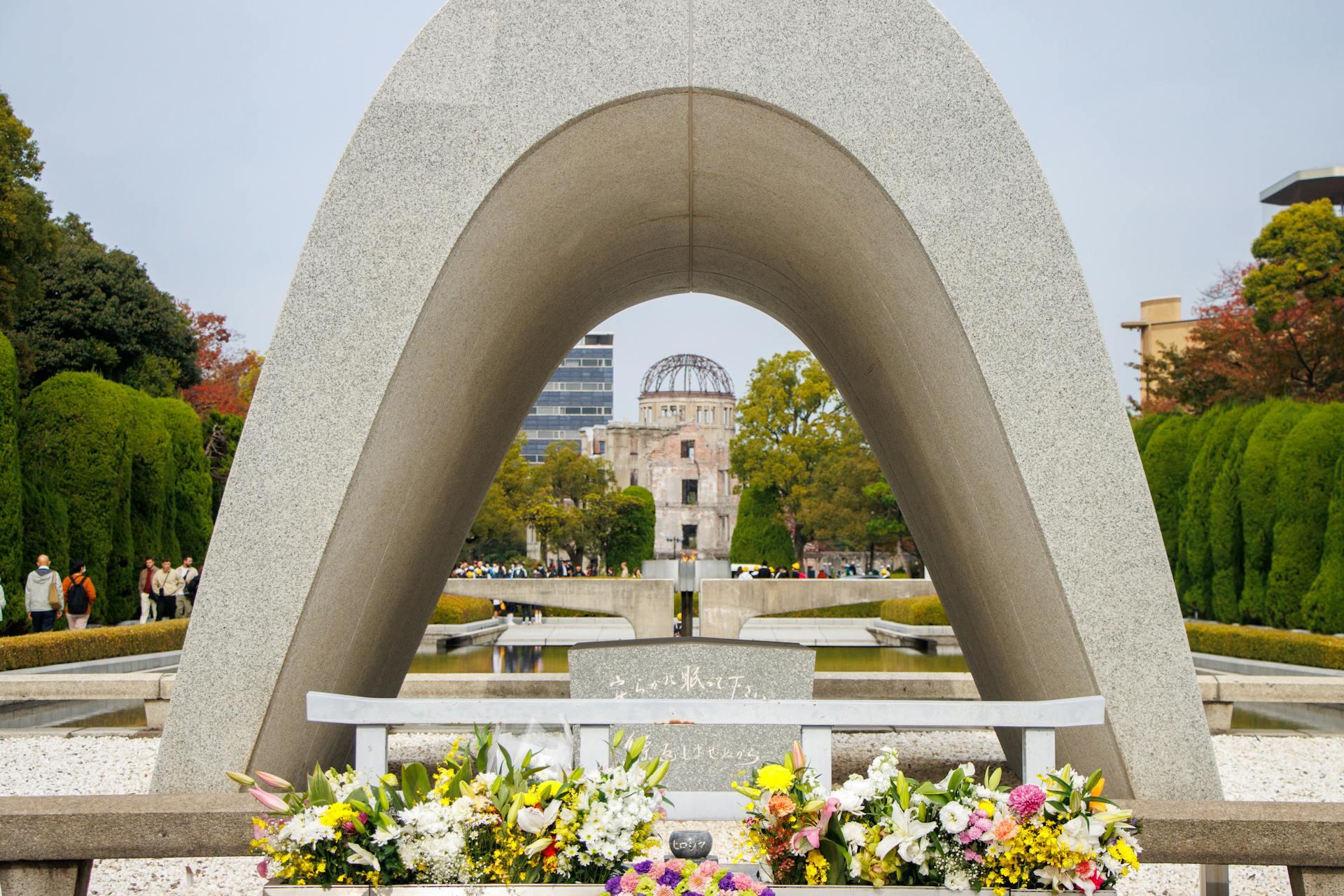
The park feature 3 main sites of interest :
- The Peace Memorial Museum which consists of two buildings. It houses permanent exhibits retracing Hiroshima's history and the events preceding and following the destruction of the city on the 6th of August 1945 and the human suffering it caused. The museum has a seasonal schedule but is generally open from 7:30 am to 7 pm. It costs 200 yen to enter.
- The Memorial Cenotaph, located near the centre of the park, is a concrete monument, sheltering the names of the 220,000 victims of the Atomic Bomb. Each year on the anniversary of the bombing, at 8:15 am, the exact time the bomb detonated, a ceremony is held and wreaths are laid at the Cenotaph.
- The A-Bomb dome, originally the Hiroshima Prefectural Industrial Promotion Hall, is the skeleton of the only building to survive the detonation of the A-Bomb. Now known as the Hiroshima Peace Memorial, it was designated a UNESCO World Heritage Site in 1996.
This memorial, full of history, will make one reflect on the darkest hour of modern times but as the Museum points out, it is necessary to know what happened there to "Let all the souls here rest in peace for we shall not repeat the evil".
Meiji Shrine, Tokyo
Meiji Jingu is a Shinto shrine dedicated to Emperor Meiji and Empress Shoken. The pair were the force behind the Meiji Restoration which, while it did cause many feudal remnants to be torn down or repurposed, also oversaw industrialization and modernization across the country and the reinstatement of imperial rule.
The shrine began construction in 1912, after the emperor’s death, as a commemoration. Built in the traditional nagare-zukiri style, the project was a source of national pride and brought youth groups and other civic associations together from around the country. It was another victim of the air raids of WWII, but was repaired in 1958.
Visitors can simply walk the main grounds and quietly enjoy the peaceful serenity of the shrine, or they can get more involved by enjoying some of the paid areas. Plan your visit to include these interesting and beautiful aspects of the Meiji Shrine:
- Inner Garden: Commissioned by the emperor and empress during their lifetimes, the garden has been maintained for over 100 years. Entry fee: ¥500
- Forest: Man-made forest planted in 1920, home to rare birds and insects. Free to enter, but maintain respect by staying on the path, not taking anything, and not leaving anything behind.
- Sanctuary: Where the ceremonies and rites take place. Free to enter and observe.
Typical ceremonies are:- Nikku-sai at 8 am and 2 pm daily
- Tsukinami-sai at 9 am on the 1st and 15th days of each month
- Kigansai private prayer ceremonies conducted on request, and which cost ¥5,000+. Note that you can register for the event in English, but the rites are conducted only in Japanese.
- Seasonal ceremonies include Saitan-sai (New Year’s Day), Sukeishatai-sai (Spring Grand Festival), Joya-sai (Year-End Festival), and various celebrations involving the emperor and empress.
- Meiji Jingu Museum: Opened in 2019, the museum is visually stunning and hosts many important cultural artifacts. Hours: 10 am to 4 pm daily, except Thursdays (closed). Admission: ¥1,000 for adults, ¥900 for high school students and younger
Like many shrines around Japan, visitors can financially support the organization and make a memory by buying things like Kiganbun (letters expressing gratitude and well-wishes that are part of the offerings in the morning rites), Goshuin (collectible calligraphy stamp), Omikuji (oracle poems), and Ofuda (amulets or talismans).
Why does the Meiji Jingu shrine operate based on the sunrise and sunset times? In traditional Shinto practice, sacred grounds are meant to be open to worshippers during sunlight hours only. Observing the sunrise and sunset times daily is also a great practice for being in tune with nature.
No matter where you visit in Japan, you’ll be sure to behold a beautiful scene filled with an exciting atmosphere.
Many more temples and shrines are spread all over the country. Smaller Shinto shrines called Hokora are often located in towns and villages and tended by the local residents who visit them to honour small Shinto deities.
Using your Japan Rail Pass will make it easy to go from onsen towns with their hot springs to larger cities and the main tourist attractions. The Shinkansen "bullet train" itself is an experience. The modernity and speed of the train make it an absolute breeze to travel from Sapporo all the way north in Hokkaido to Kagoshima all the way south of the Kyushu islands.
Japanese tea ceremony, sake, traditional ryokans, Japanese cuisine, the snow monkeys of Hokkaido, the Ghibli Museum, the Itsukushima Shrine and sumo wrestling are only a handful of other Japanese treasures and wonders that one might want to experience during a visit to Japan.
At each stop on your trip, be sure to remain respectful of local customs; it’s best to research social expectations and learn some Japanese before you go.
References
- ASAKUSA KANNON SENSOJI. (n.d.). https://www.senso-ji.jp/english/
- Fushimi inari taisha. (n.d.). https://inari.jp/en/
- General Information | Matsumoto Castle, National Treasure of Japan. (2024, October 18). 国宝 松本城. https://www.matsumoto-castle.jp/eng/info
- Gion. (n.d.). Kyoto Travel. https://www.japan-guide.com/e/e3902.html
- Himeji Castle. 世界文化遺産・国宝 姫路城 便覧. (n.d.). 世界文化遺産・国宝 姫路城 便覧. https://www.himejicastle.jp/en/
- Japan National Tourism Organization. (n.d.-a). Arashiyama Bamboo Grove | Travel Japan - Japan National Tourism Organization (OFficial Site). Travel Japan. https://www.japan.travel/en/spot/1141/
- Japan National Tourism Organization. (n.d.-b). DotonBori | Travel Japan - Japan National Tourism Organization (OFficial Site). Travel Japan. https://www.japan.travel/en/spot/2207/
- Kinkaku-ji | 臨済宗相国寺派. (2019, September 4). 臨済宗相国寺派. https://www.shokoku-ji.jp/en/kinkakuji/
- Meiji Jingu. (n.d.). https://www.meijijingu.or.jp/en/
- Mt.Fuji Guide | Travel Japan(Japan National Tourism Organization). (n.d.). Japan National Tourism Organization (JNTO). https://www.japan.travel/en/fuji-guide/
- Museum, H. P. M. (n.d.). Hiroshima Peace Memorial Museum. Hiroshima Peace Memorial Museum. https://hpmmuseum.jp/?lang=eng
- [Official] Tokyo TOKYO SKYTREE. (2026, March 26). [Official] Tokyo TOKYO SKYTREE. https://en.tokyo-skytree.jp/
- Sam. (2025, December 30). Osaka Castle, Osaka, Japan (大阪城). Osaka Castle Website. https://osakacastle.org/
- The complete guide to Mt. Fuji. (n.d.). https://www.fujisan223.com/en/
Summarize with AI:
Did you like this article? Leave a rating!


 Loading...