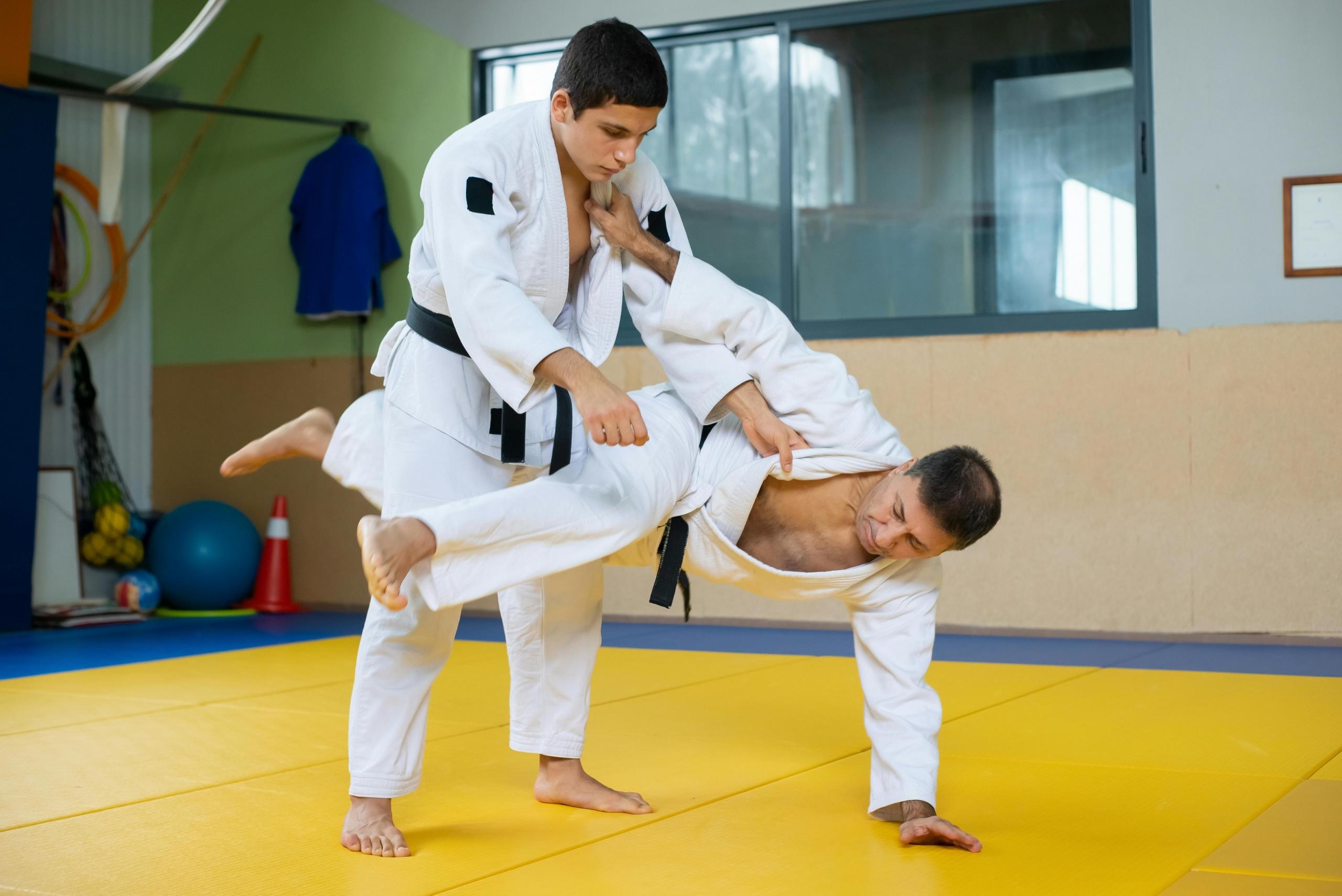

Judo, meaning “the gentle way,” is a modern martial art and Olympic sport that focuses on throws, holds, and submissions. Developed by Jigoro Kano in Japan, it emphasizes technique, balance, and discipline rather than brute strength. Over time, judo has become popular across Canada, and today, judo continues to attract people of all ages looking to improve their fitness, confidence and mental resilience.
Walk a single path, becoming neither cocky with victory nor broken with defeat, without forgetting caution when all is quiet or becoming frightened when danger threatens.
Jigoro Kano ~ Founder of Judo
Whether you are completely new to martial arts or already have experience, there are many high-quality options when it comes to finding a Toronto judo club. From traditional dojos to modern training centers, the city offers a wide range of programs designed to suit different goals and schedules.
| Club | Description |
|---|---|
| Japanese Canadian Cultural Centre (JCCC) Judo Kai | Offers classes for various age groups and skill levels. |
| Ipê Dojo | Provides flexible scheduling and programs in both judo and Brazilian Jiu-Jitsu. |
| Bosei Judo Academy | Focuses on community engagement with programs for all ages. |
| Olympic Judo Centre | Features personalized training with experienced coaches. |
| JUDOKAN Academy | Emphasizes character development through structured training. |
For those exploring the development of English language style content or researching structured learning environments, judo training offers a similarly progressive system where skills build over time. This makes it appealing not only as a sport but also as a long-term personal discipline.
The uniform worn in judo is called a judogi, and different coloured belts show skill level.
Judo made its Olympic debut at the 1964 Tokyo Games.
- The longest judo match in Olympic history lasted 11 minutes and 37 seconds at the 2000 Sydney Olympic Games.
- Ryoko Tamura of Japan is the youngest judo medalist in Olympic history. At the 1992 Olympics, he won a gold medal at the age of 16.
- Millions of people in more than 200 countries and territories practice Judo.


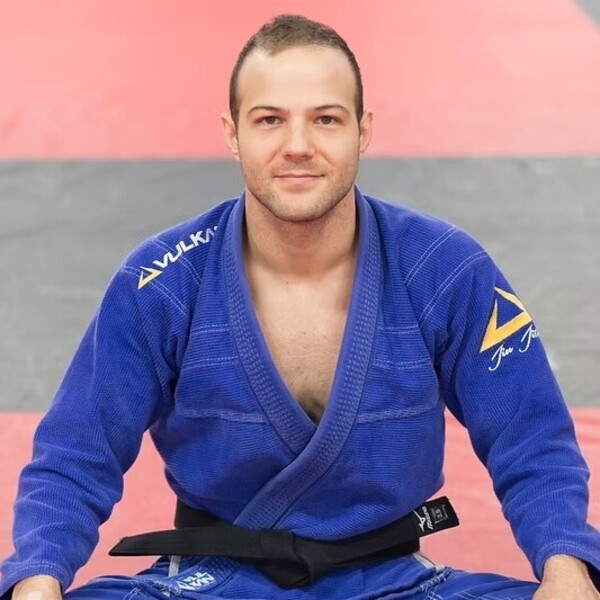

Japanese Canadian Cultural Centre (JCCC) Judo Kai
Located at 6 Sakura Way, the Japanese Canadian Cultural Centre Judo Kai is one of the most respected judo schools in Toronto. It offers a wide range of programs, including general classes for ages 7 and above, women’s classes, and advanced training for competitive judokas.
What makes this club stand out is its strong connection to the cultural roots of judo. Training here goes beyond physical techniques, with a clear emphasis on discipline, respect, and community involvement. Students are encouraged to understand the philosophy behind judo, not just the movements.
The club has also produced high-level athletes and maintains strong links with Judo Ontario competitions. At the same time, it remains accessible to beginners, making it a well-rounded option for anyone interested in judo in Toronto.
Ipê Dojo
Ipê Dojo offers training at two locations, one on Yonge Street in Toronto and another in Woodbridge. It provides both judo and Brazilian Jiu-Jitsu programs, allowing students to explore different grappling styles within the same environment.
A key advantage of Ipê Dojo is its flexible scheduling and membership structure. Students can attend multiple classes per week, which is ideal for those who want to progress quickly or fit training around a busy lifestyle. This flexibility makes it one of the more accessible judo schools in the Toronto area.
The dojo welcomes all levels, from beginners learning basic throws to advanced practitioners refining technique. The supportive atmosphere also makes it a strong choice for those new to martial arts.
Bosei Judo Academy
Bosei Judo Academy, located in the Annex area of Toronto, is known for its strong community focus and inclusive approach. It offers multilevel judo classes, summer camps, and opportunities to participate in international events.
The academy is designed to support long-term development. Beginners can build confidence in a welcoming environment, while more experienced students have opportunities to compete and advance. This balance makes Bosei a popular option for families as well as individuals.
Its emphasis on community engagement sets it apart. Students are encouraged to develop not only technical skills but also personal discipline and respect, which are central to the philosophy of judo.
Olympic Judo Centre
Based in North York, Olympic Judo Centre provides personalized training programs for students at all levels. Classes are typically smaller, which allows instructors to give more individual attention and focus on technical improvement.
The centre is led by experienced international coaches, making it a strong choice for those interested in competitive judo or higher-level training. At the same time, beginners are supported through structured programs that introduce core techniques safely and effectively. Watch how they teach children Judo grips below.
For anyone looking into Olympic judo centre in Toronto options, this club stands out for its balance between accessibility and performance-focused coaching.
JUDOKAN Academy
JUDOKAN Academy offers structured judo training programs across Toronto, with a focus on both skill development and character building. Classes are available for children, teenagers, and adults, making it suitable for a wide range of students.
The academy follows an international curriculum and emphasizes values such as discipline, respect, and perseverance. This approach reflects the original philosophy of judo while adapting it to modern training environments.
Students benefit from a clear progression system, helping them build confidence as they move through different levels. This makes JUDOKAN Academy a solid option for anyone seeking a well-organized and supportive judo school.
The Popularity of Judo in Toronto
Toronto is known for its strong sports culture, with major teams like the Toronto Maple Leafs and the Toronto Raptors attracting large and loyal fan bases.
The city’s diverse population and passion for sport create an environment where both traditional and emerging activities can thrive.
As interest continues to rise, judo is becoming an increasingly recognised part of Toronto’s sporting landscape, offering not only physical fitness but also discipline, confidence, and community connection.
Many different levels of Judo exist. This allows you to always aim higher while still gaining satisfaction with each step closer to a black belt.
Judo Belt Levels (Beginner → Advanced)
- ⚪ White – Beginner
- 🟡 Yellow – Basic techniques
- 🟠 Orange – Developing skills
- 🟢 Green – Intermediate level
- 🔵 Blue – More advanced techniques
- 🟤 Brown – Pre-black belt (advanced)
- ⚫ Black – Expert / Dan grades
- 🔴⚪ Red & White belt (high Dan grades)
Judo offers something different from traditional team sports. It focuses on individual development, technical precision, and strategic thinking. This appeals to people who want a structured activity that builds both physical and mental strength. Watch below to see some impressive throwing techniques!
The growth of judo in Toronto is also linked to increased awareness of its benefits. Many people are turning to martial arts as a way to improve fitness, reduce stress, and learn self-defense. As a result, more clubs are opening, and existing ones are expanding their programs.
Why do you most want to learn judo?
Organizations like Judo Canada and regional associations continue to support the development of the sport, providing pathways for both recreational and competitive athletes.
How to Choose the Right Judo Club
Choosing the right judo club is an important step in ensuring a positive experience. With so many options available, it helps to consider a few key factors before making a decision.
• Instructor Qualifications
• Class Size
• Training Focus
• Facility and Equipment
• Community and Culture
• Location and Schedule
First, instructor qualifications are essential. Experienced coaches can teach proper technique, reduce the risk of injury, and help students progress effectively. Looking for certifications or affiliations with recognized organizations is a good starting point.
Second, consider the training environment. A clean, well-maintained dojo with proper mats and equipment is important for safety. The atmosphere should also feel welcoming and supportive, especially for beginners.
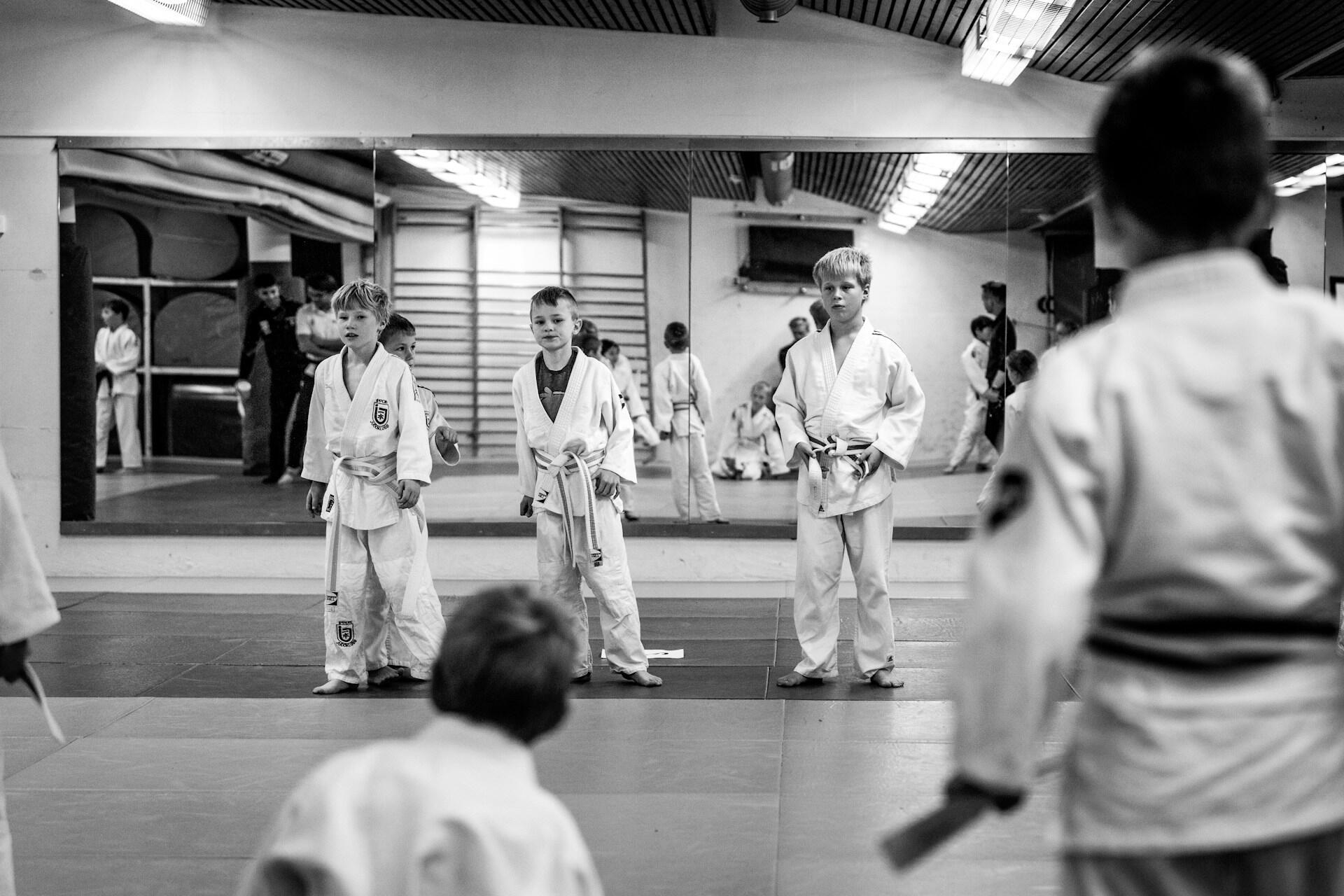
Finally, think about practical factors such as location and schedule. A club that is easy to access and offers convenient class times will make it much easier to stay consistent with training. Visiting a club in person or observing a class can provide valuable insight before committing.
Benefits of Practicing Judo
Practicing judo offers a wide range of benefits that extend beyond physical fitness. It is a complete activity that develops the body, mind, and social skills at the same time. Learning techniques requires concentration and patience, while training regularly helps build confidence and self-control. The dynamic movements involved in throwing and grappling also provide a full-body workout that builds endurance over time. In addition to this, training involves working closely with partners, which promotes respect, trust, and cooperation.
Encourages focus, discipline, and resilience.
Improves strength, coordination, balance, and flexibility.
Fosters a sense of community.
Research supports these benefits, showing that martial arts training can improve both physical health and psychological well-being when practised consistently. With so many options available to help anyone to learn, what have you got to lose by trying?
References
- U.S. Olympic & Paralympic Museum (n.d.) Hall of Fame – Judo. Available at: https://usopm.org/hall-of-fame/judo/. Accessed 04 April 2026.
- Kano, J. (1986) Kodokan Judo. Tokyo: Kodansha International.
International Judo Federation (2023) Judo for Education and Development. Available at: https://www.ijf.org. Accessed 04 April 2026. - Vertonghen, J. and Theeboom, M. (2010) ‘The social-psychological outcomes of martial arts practice’, Journal of Sports Science & Medicine, 9(4), pp. 528–537. Accessed 04 April 2026.
Summarize with AI:
Did you like this article? Leave a rating!


 Loading...