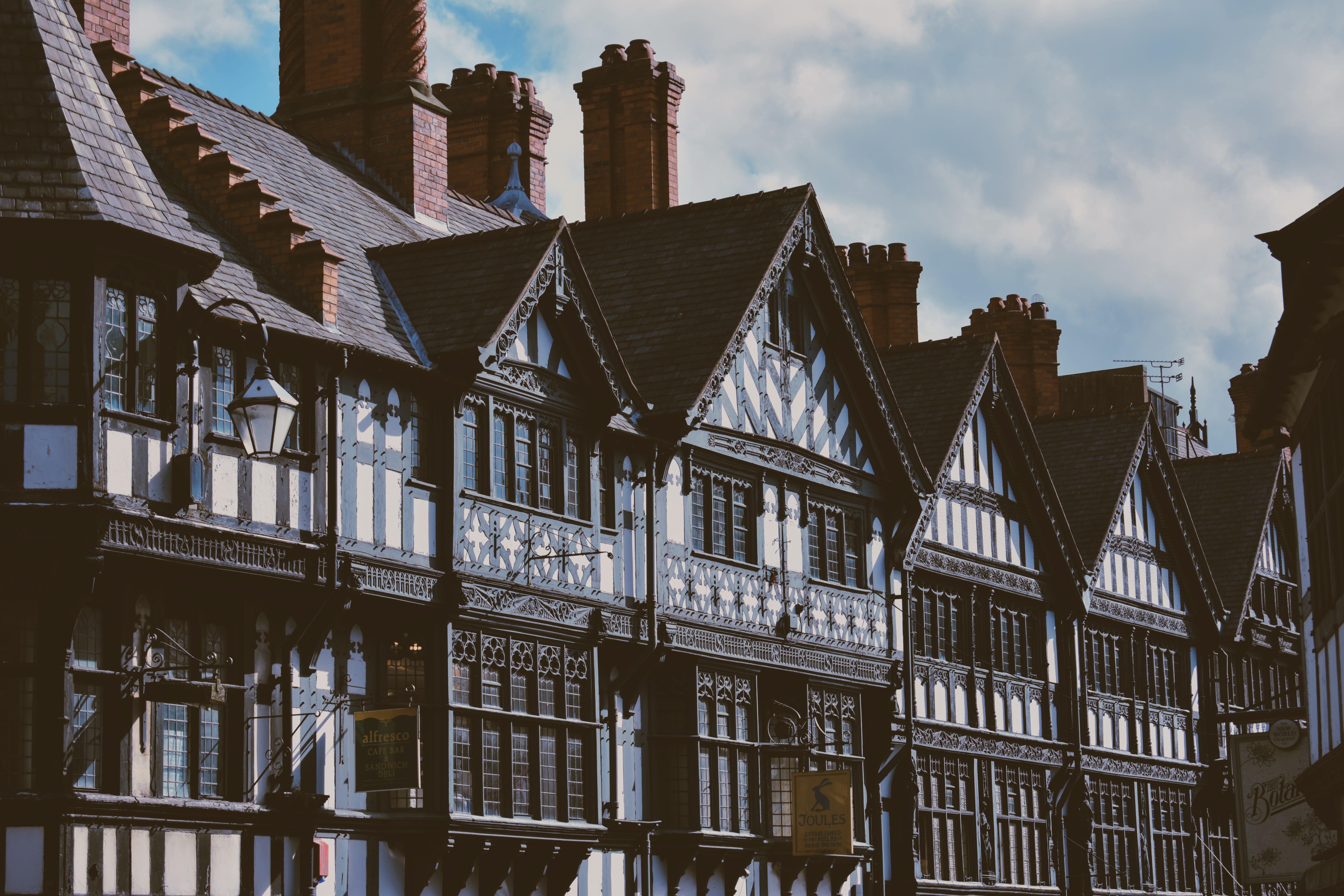

The Tudor dynasty is one of the most exciting and well-known periods from English history, featuring political and social turmoil, intrigue at the royal court, and wars, dramas, executions, and controversies.
But whilst we still hold a fascination for this grisly period, our attention generally stays with the Tudor kings and queens themselves, from Henry VII and King Henry VIII through to Edward VI, Queen Mary I, and Queen Elizabeth I of England; we rarely look beyond to see what ordinary people would have been doing.
That is to miss some of the most fascinating parts of the Tudor era – and it is to overlook the effects of the actions of the monarchs themselves. We’ll be looking here at what it was like to be a person in the Tudor age. Let’s take a look!


🙏🏻 Religion in Tudor Times
Let’s start with one of the most well-known aspects of the Tudor era: religion.
| Monarch | Reign | Religion Practiced | Major Religious Rebellions / Conflicts |
|---|---|---|---|
| Henry VII | 1485–1509 | Catholic | Rebellions during his reign were political, not religious. |
| Henry VIII | 1509–1547 | Catholic | After 1534, he proclaimed himself Head of the Church of England but retained many Catholic practices. A massive Catholic uprising in the North against the dissolution of monasteries occurred during the Pilgrimage of Grace. Another conflict was the Lincolnshire Rising (1536). |
| Edward VI | 1547–1553 | Protestant (strongly reformist) | Prayer Book Rebellion (1549). A Catholic uprising in Devon and Cornwall occurred during protests against the new English-language Book of Common Prayer. |
| Mary I | 1553–1558 | Catholic (restored Papal authority) | Wyatt’s Rebellion (1554). Partly driven by anti-Catholic and anti-Spanish sentiment. There was also Protestant underground resistance, but no large-scale military rebellions beyond Wyatt. |
| Elizabeth I | 1558–1603 | Protestant (via the Elizabethan Religious Settlement; moderate Anglican) | Catholic plots occurred rather than open rebellions: the Northern Rebellion/Rising of the North (1569), in which Catholic nobles attempted to restore Catholicism. The Ridolfi Plot (1571), the Throckmorton Plot (1583) and the Babington Plot (1586). Tensions increased, leading to conflict with Catholic Spain (The Spanish Armada battle of 1588). |
As is known, the Tudor monarchy was pretty concerned about it. However, throughout the period, different Tudor monarchs and their heirs couldn’t quite agree on the religion they wanted for their country.
Unlike his father, the first Tudor, Henry VII, who sought to avoid conflict after having directly experienced the Wars of the Roses, Henry VIII's Reformation 1 posed a significant problem for the Tudor dynasty. Why?:
Protestantism gained ground in England following the Reformation 2 with figures like Thomas Cromwell widely sympathetic to it. This new theology had one idea that attracted Henry VII: the figure of the pope as the highest authority was fervently rejected.
Later, Edward VI was the living proof of the advancement of Protestantism. Henry VIII's heir was raised Protestant, but because he was so young, it was his protectors who truly fueled the conflict between Protestants and Catholics. The Duke of Somerset even introduced the famous Book of Common Prayer (fundamental for Protestants).
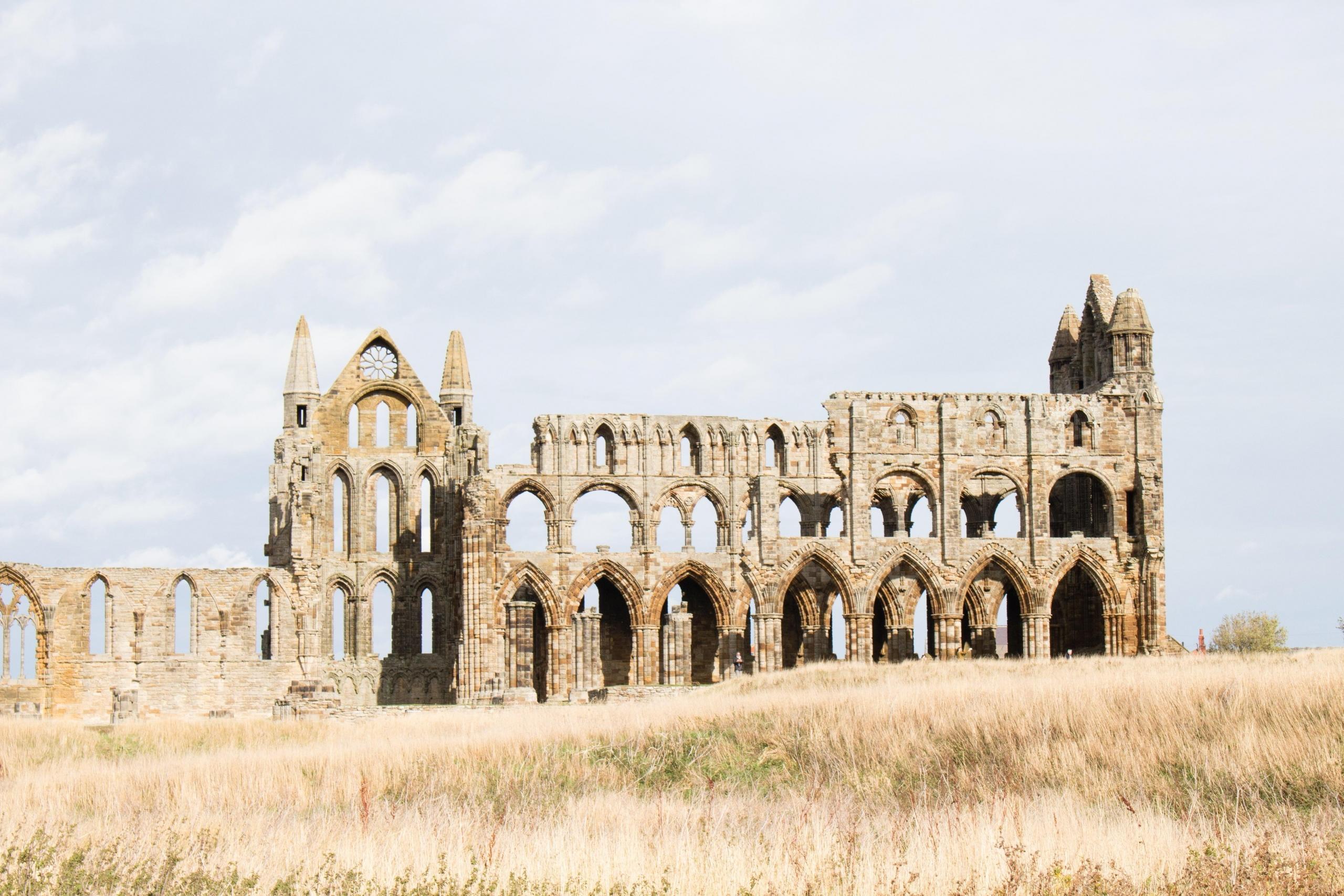
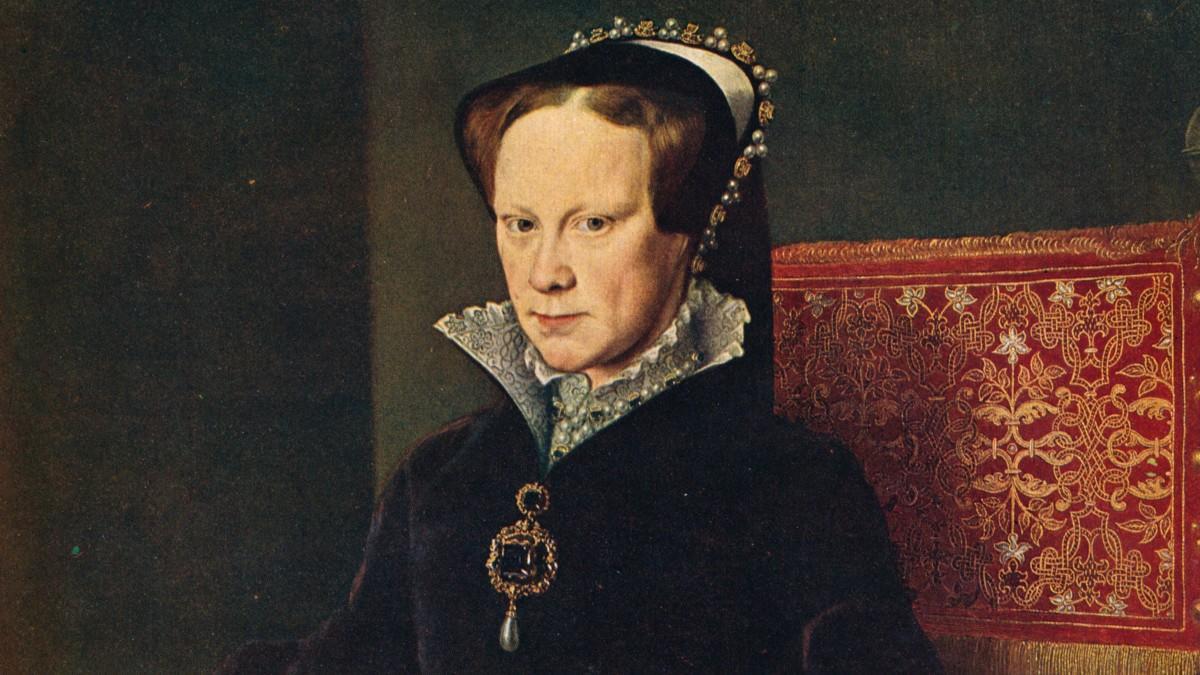
Queen Mary I attempted to fully reimpose Catholicism (partly due to the influence of her mother, Catherine of Aragon, daughter of the Catholic Monarchs) through a relentless persecution of those who had converted to Protestantism during her reign.
Her half-sister, Elizabeth I, consistently favoured a moderate form of Protestantism, aiming to achieve stability between the two religions still present in the kingdom.
It was only with the unification of the Scottish and English crowns under King James I (who was Protestant) that the Catholic faith was truly banished from the kingdom.
Protestant thought held differences in the Church service and in the reading of the Bible, questioning purgatory, the sacraments, and the figure of saints. It was never really a unified way of thinking; there were many Protestantisms. If someone was particularly committed to one side or another (catholic or protestant) and he was quite an important person, anyway, he could have as well been executed, depending upon which monarch reigned during his life.
🔨 What Did People in Tudor England Do for Work?
Working in the Tudor period was another thing entirely, dependent on class and geographical location.
Although there was significant commercial development in Tudor England, especially during Elizabeth's reign, a large part of the population worked as peasants in agriculture. Farm labour formed the base of the social pyramid in Tudor times 7, and most people worked in this sector, along with those who served the upper classes.
The middle class, the yeomen, held other common professions such as:
- Merchants
- Craftsmen
- Lawyers
- Tailors
- Teachers (who might also own some land)
The yeomen were the ones who interacted directly with nobles, lords, and the gentry (knights and landowners).
👩🏻🌾 Class in Tudor Times
Much more than these days, your class determined a lot of what you were able to do in Tudor England, or your general position in the social hierarchy.
The Different Classes in the Tudor Period
To put it quite simply, there were four main classes in Tudor England: the Nobility, the Gentry, the Yeomanry, and the Poor. These were relatively fixed categories – and your place in each one would determine the things you were allowed to wear, eat, do, and, really, even think.
As the House of Tudor was in the early modern period, which came at the latter end of the feudal period, we still find reference in this age to the Great Chain of Being, an idea of a hierarchy that stretched from God, through angels, to kings, noblemen, and down to the poor, and ultimately to animals. By basing hierarchy on theological terms, the poor were less likely to resent their position in life.
⚜️ Being a Noble
- Nobles didn’t have a bad life – particularly if you came from an ancient family like the Howards, the family of the Dukedom of Norfolk, or the Earldom of Pembroke.
- Even if not all people who held influence over the king were born into nobility, with time, they could be sure to wield a fair amount of influence in the Tudor court and have plenty of cash from the people on their land.
- Your position as noble, however, was always dependent on the favour of the king.
🪡 The Poor in Tudor England
- They were obliged to work very hard.
- If they were unemployed and ended up as beggars, they'd end up in a fairly unpleasant position: they could be whipped or have an ear cut off. If they were caught a third time as a ‘vagabond’, they could be executed.
About a third of people lived in poverty, it was tough during times of famine and economic decline. The best you could expect was alms or charity from the rich. Luckily for some living during the Elizabethan age period, there was some help for them with the Poor Law 6:
Poverty was viewed as a moral failing during the reign of Elizabeth I. In 1601, a law was passed that, in an effort to prevent the spread of crime fueled by poverty (begging was banned), allowed assistance to the poor (both children and adults) and to those unemployed due to age, health, or disability through the justices of the peace. These officials collected taxes, which they then distributed to people in need as an allowance.
📚 Education in Tudor Times
During the height of Renaissance thought, particularly the study of classical thinkers like Plato and Aristotle and the exploration of humanism, education and intellectual pursuits (such as music) were reserved mainly for the upper classes.
According to the Encyclopedia Britannica 3, especially after the Reformation, schools began to be built in major cities, the number of students doubled, and in addition to basic grammar, Latin and Greek were taught with great enthusiasm (which began to highlight ideological and class distinctions).
At the beginning of the 16th century, in Tudor England, women began to receive an education. However, they did not have access to university, and in the lower and middle classes, their only expected career path was service. It is known, for example, that Thomas More (a scholar, lawyer, and Erasmus of Rotterdam's friend) provided his daughters with a high-quality education.
The humanist was a thinker, theologian, philosopher, and author without whom education as we know it today could not be understood; he defended a more liberal model of education grounded in reflective thought and literary study. A critic of the church as an institution and of ideas such as superstition and greed—though always maintaining that the study of the Bible should be accessible to all—he had to move constantly, living in Belgium, France, England, and Germany.
🧽 Health and Hygiene in the Tudor Era
Although some people lived to 60, life expectancy was relatively short during the Tudor era, with many dying before age 35. One of the factors that most affected life expectancy was the extremely high infant mortality rate.
Of the children under the age of seven, did not survive in Tudor England
Margaret Tudor is a prime example of this statistic 5, as five of her seven children did not even reach the age of two. Childbirth was equally dangerous, and Jane Seymour (Henry VIII's third wife and mother of Edward VI) was one such victim.
The dangers for the population were even in the water, where many people died either while collecting water or drowned trying to cool off after arduous days of work; of course, in those times, neither the practice of swimming nor, much less, its instruction was commonplace.
As historian Steve Gunn explains on the History Extra podcast 4, the notion of showering for the purpose of cleansing the body was even discouraged by medical manuals of the time, which argued that hot water opened the pores, making us more susceptible to disease, so only changing clothes was suggested.
A highly lethal disease that appeared in England as an epidemic five times during the 15th and 16th centuries, killing anyone who contracted it in less than 24 hours. Symptoms included, of course, intense sweating, severe headaches, and delirium. It is now believed that the infection was associated with poor hygiene and may have been spread by lice.
Although The Tudors (2007) is the reference series on life during this period, a more accurate depiction of events like the Sweating Sickness is found in Wolf Hall (2015), a BBC production about the life of Henry VIII's right-hand man, Thomas Cromwell.
🗡️Going to War in Tudor and Elizabethan England
Unlike in the England of the twenty-first century, war was always a present threat in the sixteenth century during Tudor times. If you hadn’t fought in the Wars of the Roses, you’d be more than likely – if you were an able-bodied man – to be shipped out to fight the French, the Scots, or, later on, something like the Spanish Armada.
Unfortunately, however, if that wasn’t enough, people were obliged to fight for the earl, duke, or regional power upon whose land they lived and worked. And so, if their duke was rebelling against the policy of the monarch, it was more than likely that they would get involved too.
Whilst the specific circumstances were much more complex, this is generally the case of what happened during the Pilgrimage of Grace, the rebellion of ‘the north’ against Henry VIII’s reformation policies in 1536; during Bigod’s rebellion of 1537, for the same reasons; and during Wyatt’s Rebellion in 1554 against Mary I’s intention to marry Philip II of Spain.
Generally, as poor people during the Tudor period, people would fight when they were told to, whether they were inspired by their monarchs or not. We'll take as inspiration the famous speech to the Troops at Tilbury by Elizabeth I:
🎭 What You’d Do for Fun in the Tudor Era
Entertainment varied between social classes during Tudor Times:
⬇️ Entertainment for the Lower Classes
- For many people, ‘fun’ wasn’t really a thing that happened. There wasn’t really such a thing as leisure time, with labour laws absent and people generally living at a subsistence level.
- Social activities for the lower classes included, for example, visiting taverns.
⬆️ Fun for the Upper Classes
- The upper classes enjoyed fencing, hawking, and hunting, all of which required specialized equipment that, of course, only they could afford.
- If you were a noble person, much of life was spent in leisure. You could have private musicians, you might write poetry, go hunting, or even play tennis.
Sundays, however, being the Lord’s day, were generally days of rest. You’d go to church, for sure, but afterwards you could play a bit of sport, see travelling musicians, or dance.
In London, you could attend the theatre whether you were rich or poor – and see plays by the likes of Shakespeare and Christopher Marlowe.
The cultural explosion that accompanied the popularity of theatre occurred during the reign of Elizabeth I. With the construction of the first theatres or "playhouses," people from all social classes were able to gather during Tudor Times. However, divisions existed even here, because although everyone could afford to attend, not everyone could afford the same venues. Furthermore, not everyone could be an actor, and even if there were female roles in the plays, they were performed by men.
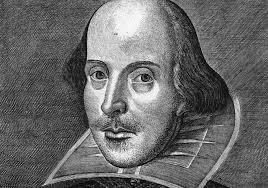
The emblematic figure of the period is, of course, William Shakespeare, who, between his tragedies and comedies, defined the reigns of Elizabeth I and James I. Although not of noble birth, Shakespeare grew up in a family of artisans that allowed him to develop his talents.
Shakespeare in Love (1998) accurately recreates what those theatrical performances were like in the famous Rose Theatre, the class divisions, the fun in each play, and even directly addresses how women were not allowed on stage:
Some of the best works of the Tudor Times arrived during the Elizabethan period, also called The Golden Age. You'll recognize some of the best authors of History:
| Author | Principal Works during the Golden Age |
|---|---|
| William Shakespeare (1564–1616) | Hamlet, Romeo and Juliet, Macbeth, A Midsummer Night’s Dream, Othello |
| Christopher Marlowe (1564–1593) | Doctor Faustus, Tamburlaine the Great, The Jew of Malta, Edward II |
| Edmund Spenser (c. 1552–1599) | The Faerie Queene, Amoretti, The Shepheardes Calender |
| Francis Bacon (1561–1626) | Essays, Novum Organum, The Advancement of Learning |
| John Donne (1572–1631) | Songs and Sonnets, Holy Sonnets, Devotions upon Emergent Occasions |
🍰 Food in the Sixteenth Century
Of course, the food people ate during Tudor times depended entirely on class, too. And, if they were poor, they wouldn’t eat very well – and there may have been times of the year, or particular times of hardship, in which they didn’t eat very much at all.
Pottage was the general dish for the poor, a soup or stew of vegetables and oats. Bread and cheese were staples too – alongside whichever vegetables they could get their hands on.
Of course, things were different for the rich, who could afford to employ cooks and much more extravagant foods. Meat was always on the menu, as we can witness in this scene from The Tudors, where Catherine Parr and Henry VIII share a big dinner together:
Most importantly, all foods were eaten seasonally. There would be no chance of anything else – shipping foods from all over the world, as we do now – as there was simply no chance of keeping it fresh!
References
- Learning Academy YouTube Channel. Henry VIII Religion, Arts & Learning. (9 May 2025). Available at: https://www.youtube.com/watch?v=GasQP6qOGzM (Accessed: November 2025).
- Bitesize BBC.The Reformation and its impact. (No date). Available at: https://www.bbc.co.uk/bitesize/articles/zgkcr2p#zcd94xs (Accessed: November 2025).
- Encyclopedia Britannica. United Kingdom’s History: Edward VI (17 November 2025). Available at: https://www.britannica.com/place/United-Kingdom/Edward-VI-1547-53 (Accessed: November 2025).
- History Extra. The most common accidental way to die in Tudor England reveals surprising truths about daily life (12 August 2025). Available at: https://www.historyextra.com/period/tudor/most-common-accidental-tudor-death/ (Accessed: November 2025).
- History Hit YouTube Channel. Historian Answers Google’s Most Popular Questions About Tudor England. (2 September 2024). Available at: https://www.youtube.com/watch?v=avagSCdkiDs (Accessed: November 2025).
- Encyclopedia Britannica. Poor Law (No date). Available at: https://www.britannica.com/event/Poor-Law (Accessed: November 2025)
- Bitesize BBC. Daily life in Elizabethan England - OCR B- (No date). Available at: https://www.bbc.co.uk/bitesize/guides/z3tdhv4/revision/2 (Accessed: November 2025).
Summarize with AI:
Did you like this article? Leave a rating!

 Loading...