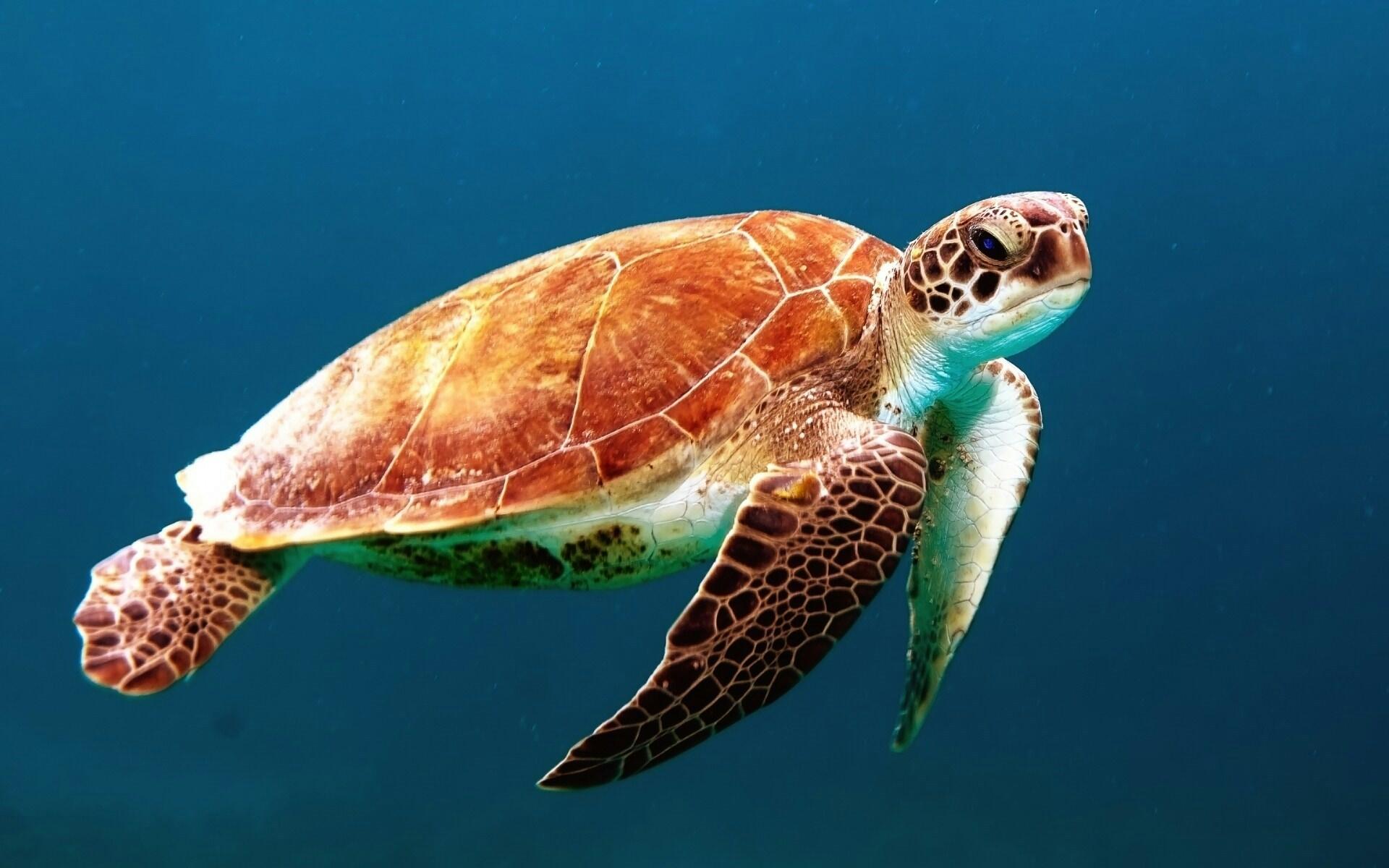

Canada’s oceans - the Atlantic, Pacific, and Arctic - are home to some of the world’s most fascinating and diverse marine life. From massive whales to tiny plankton, these ecosystems are always evolving, shaped by climate change, migration patterns, and human activity.
marine species
If you’ve ever wondered what animals live in the Arctic Ocean or how Canada’s coastal wildlife is adapting, you are about to dive into a world full of beauty, resilience, and change.


Key Marine Species of The Atlantic and Pacific Oceans
Canada is one of the few countries bordered by three major oceans, and its Atlantic and Pacific coastlines support vastly different but equally fascinating marine ecosystems.
Both coasts are biodiversity hotspots, with each hosting species that have adapted uniquely to their environments.
Atlantic Ocean Species 🌊
The Atlantic Ocean along Canada’s east coast is typically cooler, with average surface temperatures ranging from 2°C in winter to 15°C in summer, depending on the region. The waters are known for their powerful tides, rich fishing grounds, and a mixture of rocky shores, sandy beaches, and coastal wetlands.
These varied environments support a wide range of marine animals. Below are some examples of the amazing marine life that lives in or around the Atlantic Ocean.
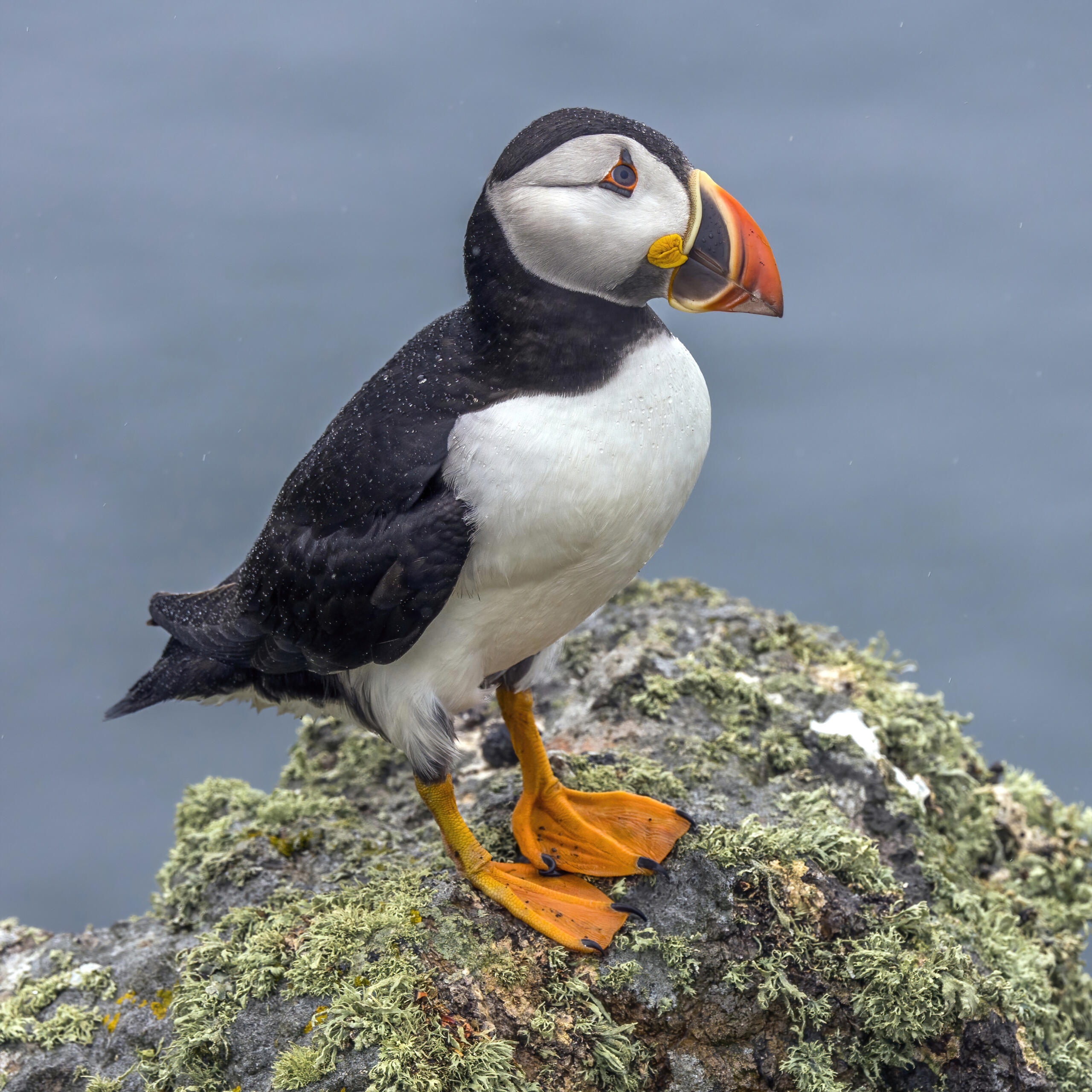
Atlantic Puffin 🐧
Atlantic puffins are easy to recognize by their bright orange, blue, and yellow beaks during breeding season and are a beloved symbol of the east coast. They grow about 25 cm tall, weigh less than 500 grams, and use their wings to “fly” underwater while catching fish like herring and capelin.
Puffins breed in large coastal colonies in places like Newfoundland’s Witless Bay, usually arriving in spring and staying until late summer. Outside the breeding season, they spend most of their lives far out at sea.
Harbour Porpoise🐬
Small, shy, and often elusive, harbour porpoises are one of the smallest cetaceans, growing to around 2 meters in length and weighing around 60 kg. They have a rounded head, dark grey back, and lighter underbelly, blending perfectly into the cool Atlantic waters.
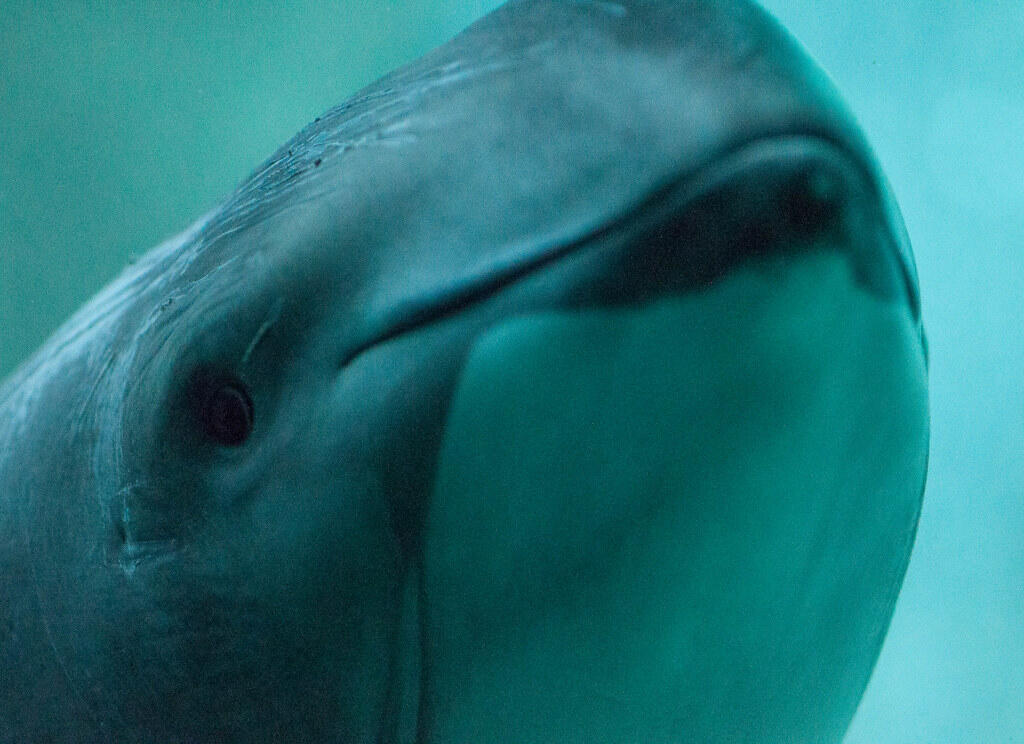
They are most active in summer and early fall and are commonly found off Nova Scotia, New Brunswick, and the Gulf of St. Lawrence, often traveling alone or in small groups while feeding on fish like herring and mackerel.
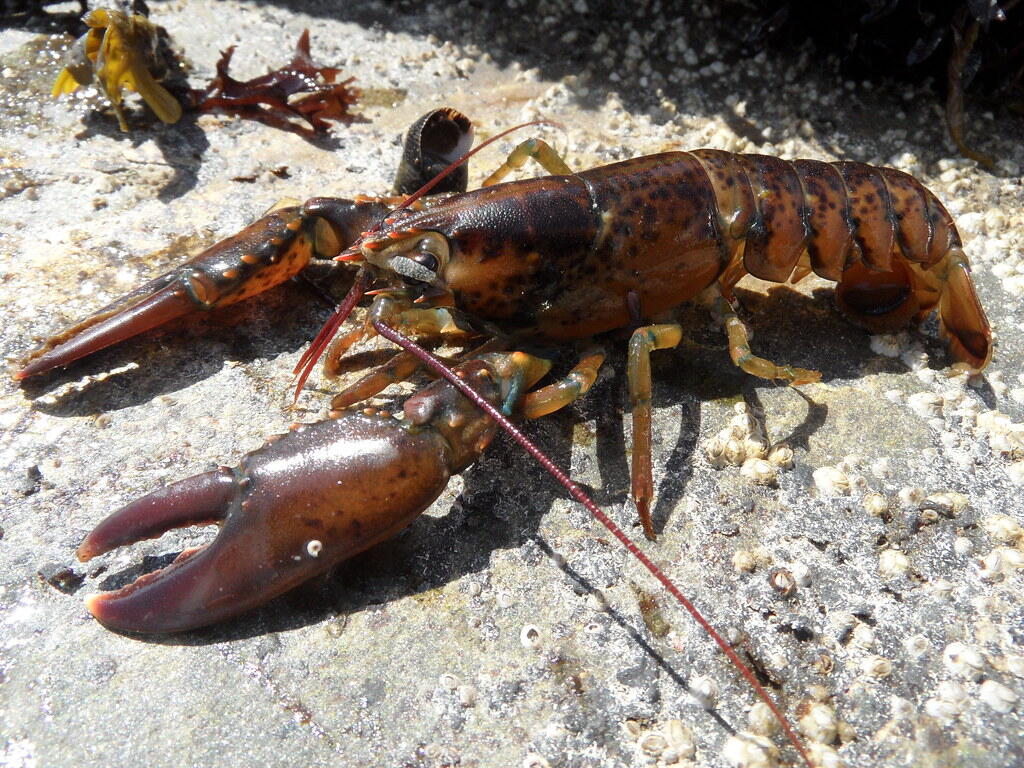
American Lobster🦞
One of the Atlantic’s most iconic marine animals, the American lobster can grow impressively large, with some reaching over 60 cm and weighing up to 20 kg. They are typically dark greenish-brown but can occasionally show rare color variations like blue or yellow.
Living on the seafloor from shallow waters to depths of 200 meters, lobsters are mostly nocturnal hunters. They are especially active during the summer months when water temperatures rise, making it the best time for commercial and recreational lobster fishing.
Green Sea Turtle🐢
While primarily associated with warmer tropical waters, green sea turtles occasionally appear off Canada’s Atlantic coast during the summer migration season. Adults can weigh between 130 and 160 kilograms and measure about 1.5 meters in length.
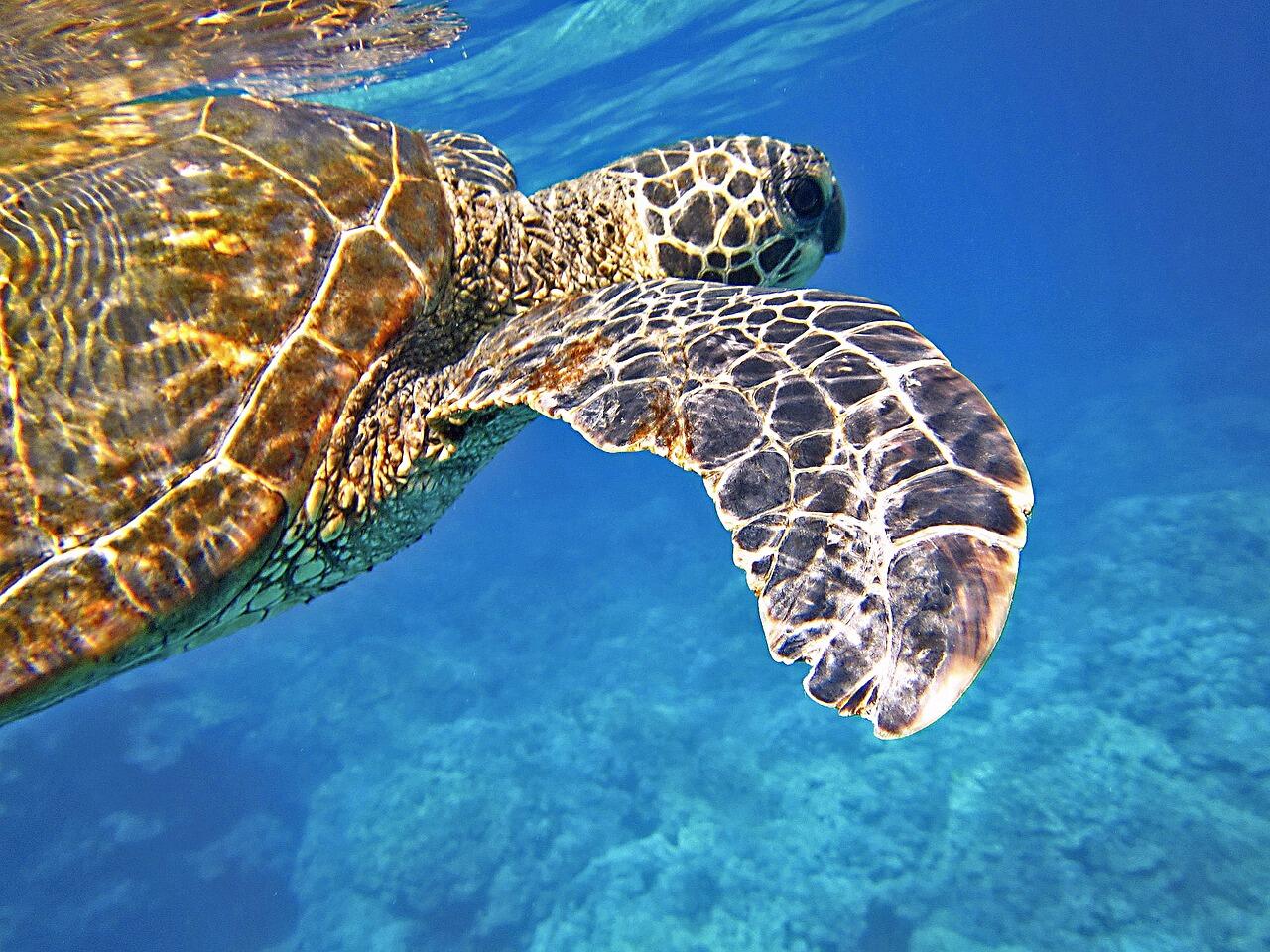
Named for the greenish color of their body fat rather than their shell, these turtles graze on seagrass beds, helping maintain healthy coastal ecosystems. Sightings are rare and typically occur in the warmer currents reaching Nova Scotia and Newfoundland during late summer
Pacific Ocean Species 🌊
The Pacific Ocean along Canada’s west coast is rich in nutrients, shaped by the North Pacific Current and coastal features like kelp forests, rocky shores, and fjords. With surface temperatures between 5°C and 15°C, it supports one of the world’s most diverse marine ecosystems.
Because of this biodiversity, British Columbia has become a leading destination for marine biology studies, offering students and researchers incredible opportunities to explore coastal ecosystems firsthand.
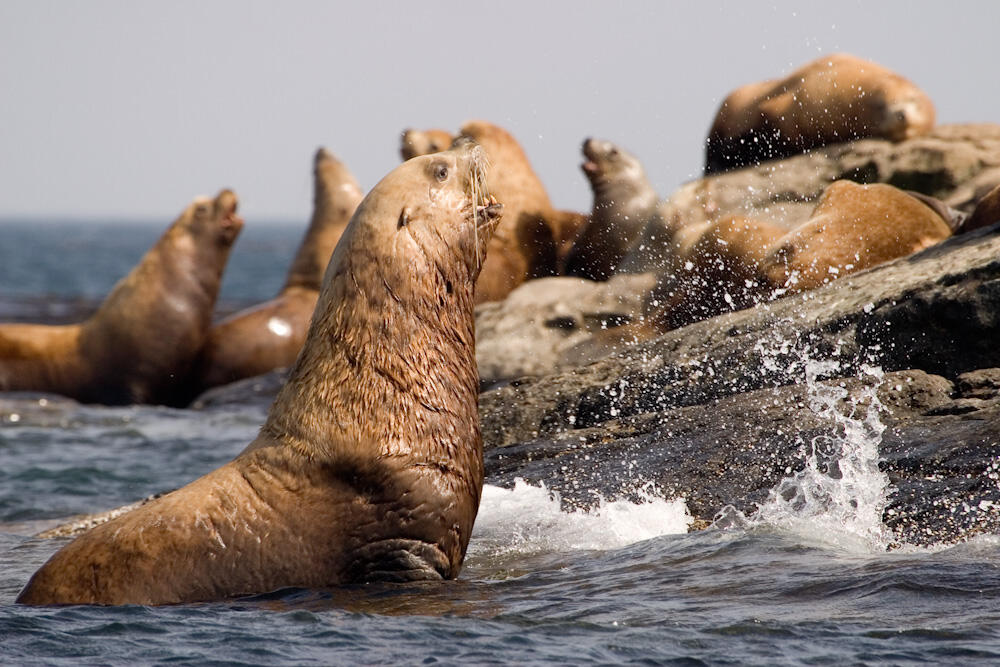
Steller Sea Lion🦁
The Steller sea lion is the largest sea lion species in the world, with adult males weighing over 1,000 kg and reaching lengths of up to 3 meters. Steller sea lions are most active in spring and summer, gathering in noisy groups called “rookeries” to breed.
They have a pale golden coat and a massive, muscular build that makes them unmistakable when seen lounging on rocky islands off British Columbia.
Pacific Salmon🐟
Pacific salmon, including Chinook, Sockeye, and Coho, are critical to both marine and freshwater ecosystems. These fish transport nutrients from the ocean deep into forests and rivers during their famous spawning migrations.
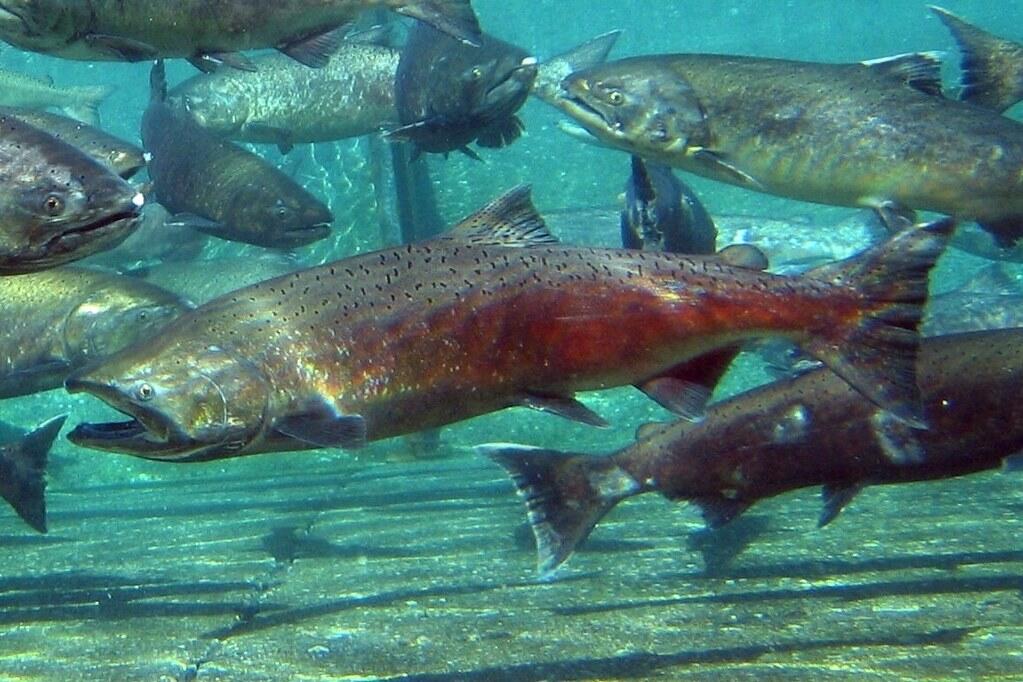
Salmon runs peak between late summer and early fall, drawing wildlife and visitors alike to rivers across British Columbia.
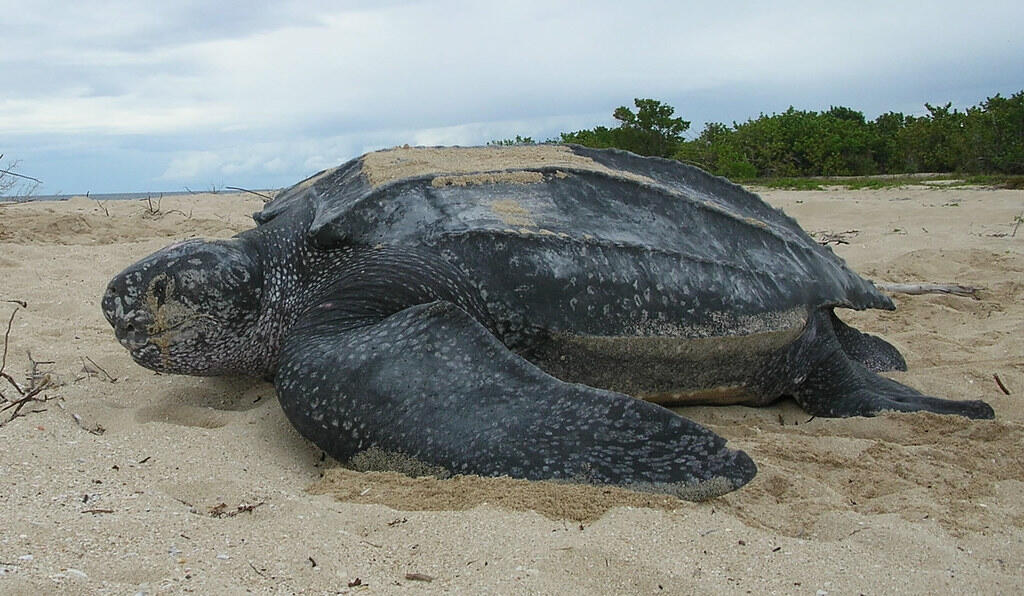
Leatherback Sea Turtle🐢
The leatherback sea turtle is the largest sea turtle on Earth. And sometimes it visits British Columbia’s coastal waters during long migrations. They can reach 2 meters in length and weigh up to 900 kg.
Unlike other turtles, their flexible, leathery shells help them dive deep in search of jellyfish - their favorite food. Sightings are rare but possible in warmer offshore currents from late summer through early fall.
Starfish ⭐
Colorful starfish like the ochre star and the sunflower star are common sights in British Columbia’s rocky intertidal zones. Starfish are key predators that help balance coastal ecosystems by feeding on mussels and barnacles, and are easiest to spot at low tide in summer.
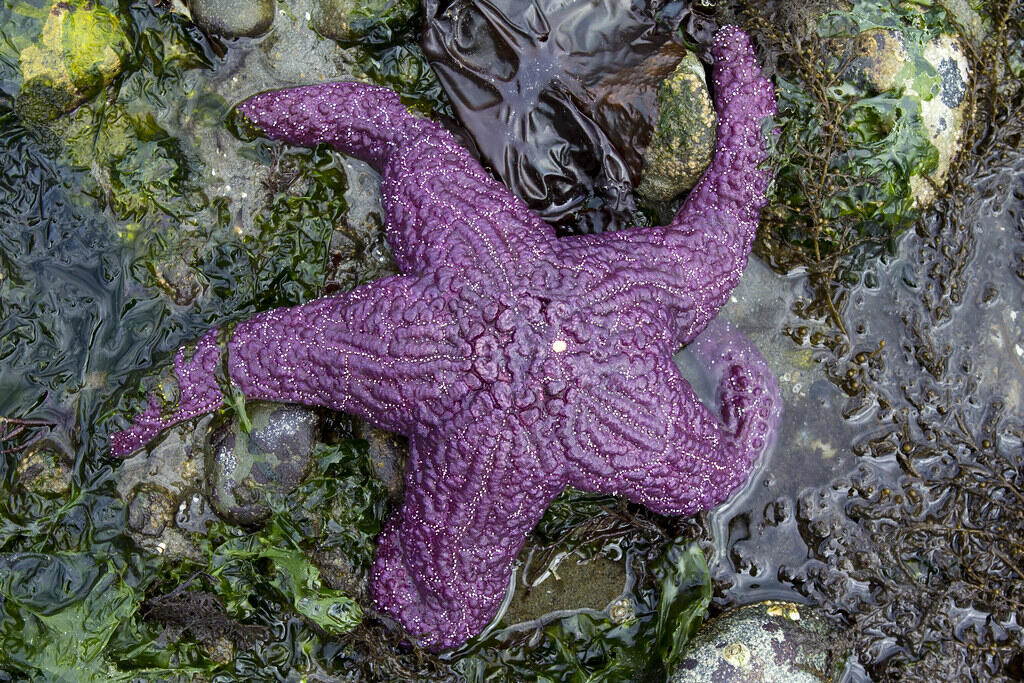
Both the Atlantic and Pacific oceans are vital to Canada’s environmental health and global marine heritage. Protecting the diverse species that call these waters home helps preserve not just natural beauty, but the essential ecosystems that support life far beyond the coastlines 🌎
Arctic Marine Life
Canada’s Arctic waters are among the harshest and most fascinating marine environments on Earth. With thick sea ice for most of the year and temperatures often below freezing, only the toughest arctic sea animals can survive. Despite these extreme conditions, the arctic marine life is rich and vital to global biodiversity.
When we ask what lives in the Arctic Ocean, the answer includes some of the most iconic and unique creatures on the planet. Beluga whales, known as the "canaries of the sea," thrive in these cold waters with their bright white coloring and loud, social calls. You can spot these whales in places like Hudson Bay and the Beaufort Sea during the summer months when the ice retreats.
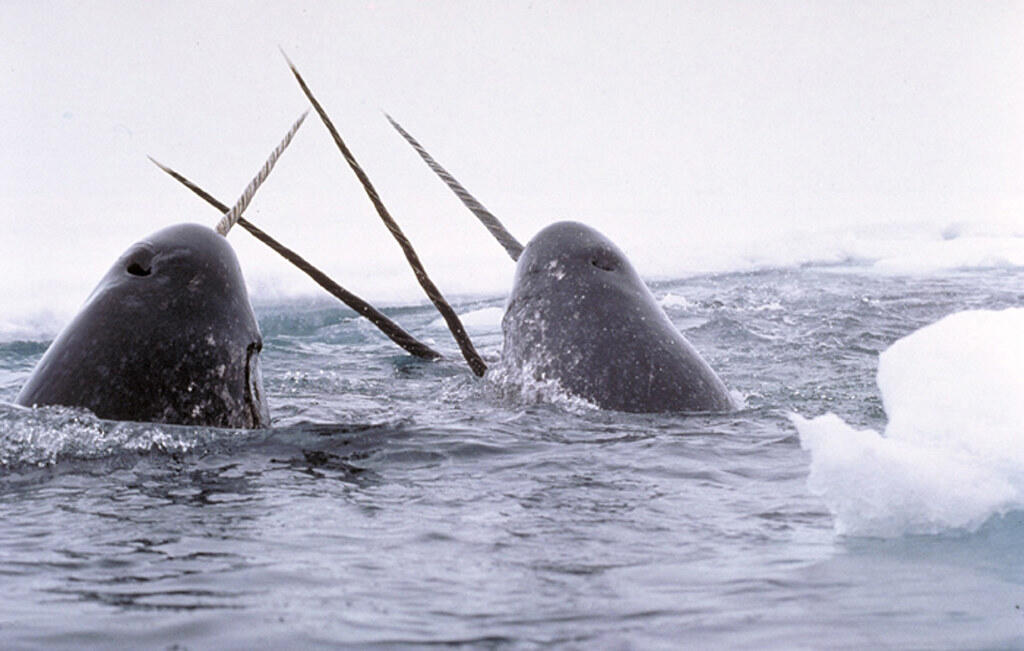
The narwhal, often called the “unicorn of the sea,” is another famous Arctic resident. With their long, spiral tusks, narwhals spend much of their lives deep under ice-covered waters, navigating a world that few other arctic marine animals can endure.
Smaller but equally important are Arctic cod, a keystone species that supports a wide web of predators, including seals, seabirds, and whales. Ringed seals, critical to both the ecosystem and the diet of polar bears, depend on stable sea ice for breeding and raising their pups.
Seasonal changes trigger a burst of life in the Arctic Ocean wildlife. During the endless summer days, plankton blooms bring migrating bowhead whales, seabirds, and fish back to Arctic waters.
However, climate change is rapidly transforming the Arctic, melting sea ice earlier each year and disrupting food chains that many animals that live in the Arctic Ocean depend on. Without urgent action, some of the Arctic’s most iconic marine species could face serious declines - putting this delicate ecosystem at risk for generations to come.
Yes! Several whale species live in the Arctic year-round, including beluga whales, narwhals, and bowhead whales. In fact, Canada’s Arctic is home to about 75% of the world’s narwhal population and around two-thirds of the global beluga population
Endangered Species Among Canadian Sea-life
Canada’s oceans are home to some of the most iconic marine species in the world, but many are now at risk. Climate change, overfishing, habitat loss, and pollution have put growing pressure on endangered marine animals. Protecting these species is essential not only for biodiversity but also for the health of entire marine ecosystems.
The North Atlantic right whale is one of the world’s most endangered whales. These gentle giants, which can grow up to 16 meters long and weigh up to 70 tons, are slow-moving and easily recognized by their V-shaped blow. Sadly, ship strikes and fishing gear entanglement remain their biggest threats, causing injury and death.
Despite conservation efforts, their numbers continue to decline, making their protection a critical priority for Atlantic Canada’s marine ecosystems.
Loggerhead sea turtles are known for their large heads and strong jaws, used for cracking open hard-shelled prey like crabs and mollusks. Though rare in Canada, when they do appear, they face major risks from fishing gear, plastic pollution, and habitat loss. Adult turtles can grow up to 1.2 meters long and weigh more than 135 kilograms.
Atlantic bluefin tuna are among the ocean’s most impressive swimmers, reaching speeds of up to 70 km/h. They can grow over 3 meters long and weigh up to 680 kilograms. Highly prized for their meat, these fish have suffered from extreme overfishing, pushing them toward endangerment despite international conservation efforts.
Southern Resident killer whales are unique in their specialized diet, feeding almost exclusively on Chinook salmon. These intelligent, social whales are under threat from declining salmon populations, vessel noise, and pollution. Adult males can grow up to 8 meters long, but their survival now depends heavily on habitat protection and food availability.
Canada’s oceans are rich with life, but the survival of many endangered sea animals is at serious risk. Every species, from the mighty North Atlantic right whale to the elusive loggerhead sea turtle, plays an important role in maintaining healthy ecosystems. Protecting their habitats and reducing human threats is crucial for ocean health.
If you dream of helping these incredible species, a career in marine biology can open the door to research, conservation, and protecting Canada’s marine biodiversity for generations to come.
Summarize with AI:
Did you like this article? Leave a rating!


 Loading...