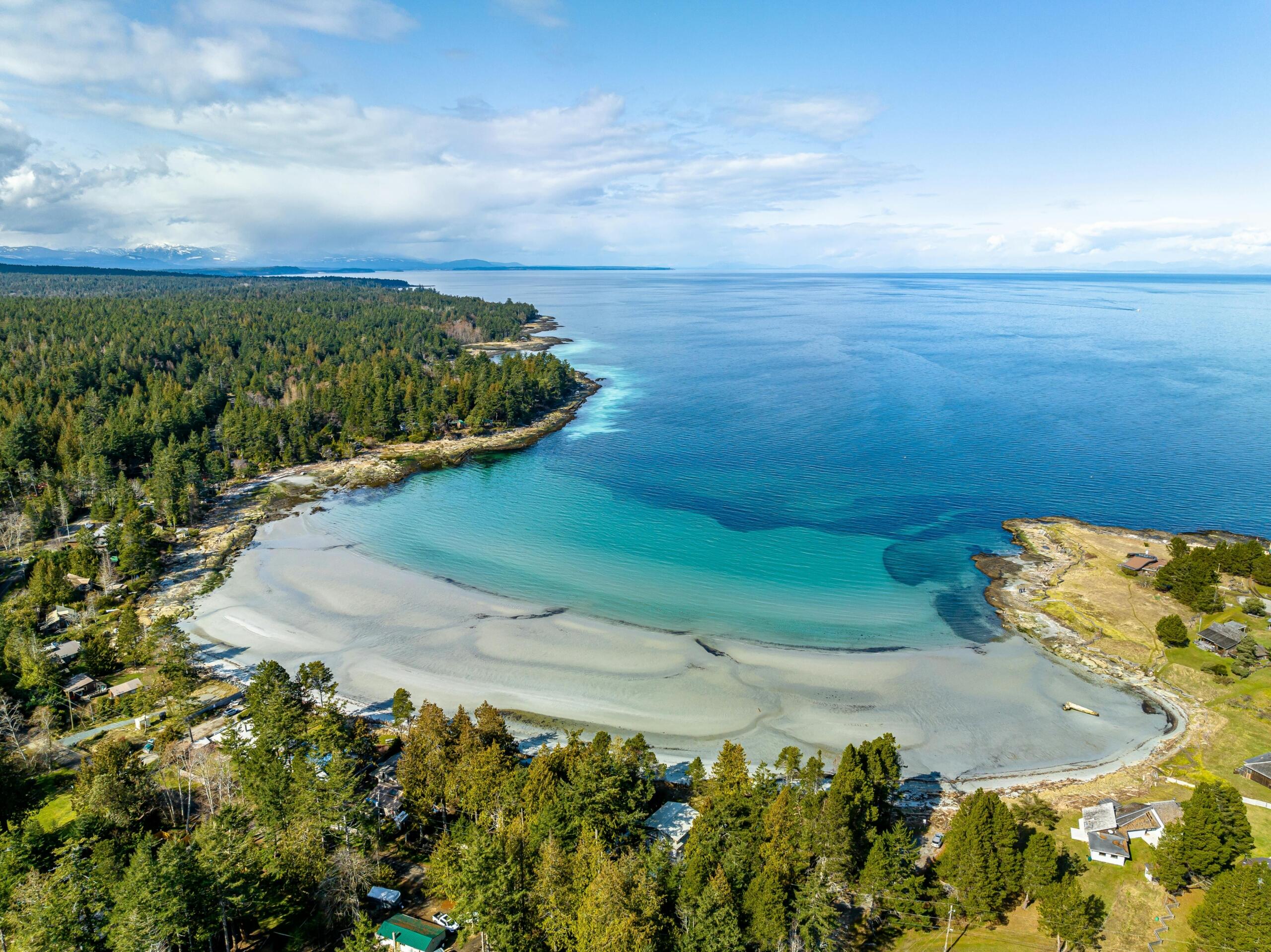

Marine organisms do not care about international boundaries; they move where they will.
Paul Snelgrove, a marine biologist and research professor at Newfoundland and Labrador’s university in the Department of Ocean Sciences and Biology.
This reality makes marine biology a truly global science, and Canada plays a leading role in advancing it. With the longest coastline in the world and access to the Atlantic, Pacific, and Arctic Oceans, Canada is uniquely positioned to study and protect marine life on a massive scale.
Whether it’s groundbreaking research on climate change impacts or partnerships to conserve vital ecosystems, Canada’s marine biology programs and institutions are shaping the future of ocean science.


Marine Biology Research Institutions in Canada
Canada is home to some of the world’s leading marine biology institutions and therefore some of the best marine biology programs, offering students, researchers, and marine bio enthusiasts countless ways to explore, protect, and understand the oceans. If you are passionate about studying marine ecosystems, Canada offers incredible opportunities to dive deep into the field.

On the east coast, Dalhousie University in Nova Scotia stands out as a major hub for marine biology Canada. Its strong connection to the Bedford Institute of Oceanography, one of Canada’s largest and oldest ocean research centers, gives students unique access to groundbreaking marine research.
Here, students can study everything from fisheries management to the effects of climate change on Atlantic marine species.
In the west, the University of British Columbia (UBC) is a top destination for marine bio. UBC’s Institute for the Oceans and Fisheries brings together experts across biology, oceanography, and environmental sciences.

Students can work directly on projects addressing marine sustainability, climate impacts, and global ocean health, often alongside international researchers.
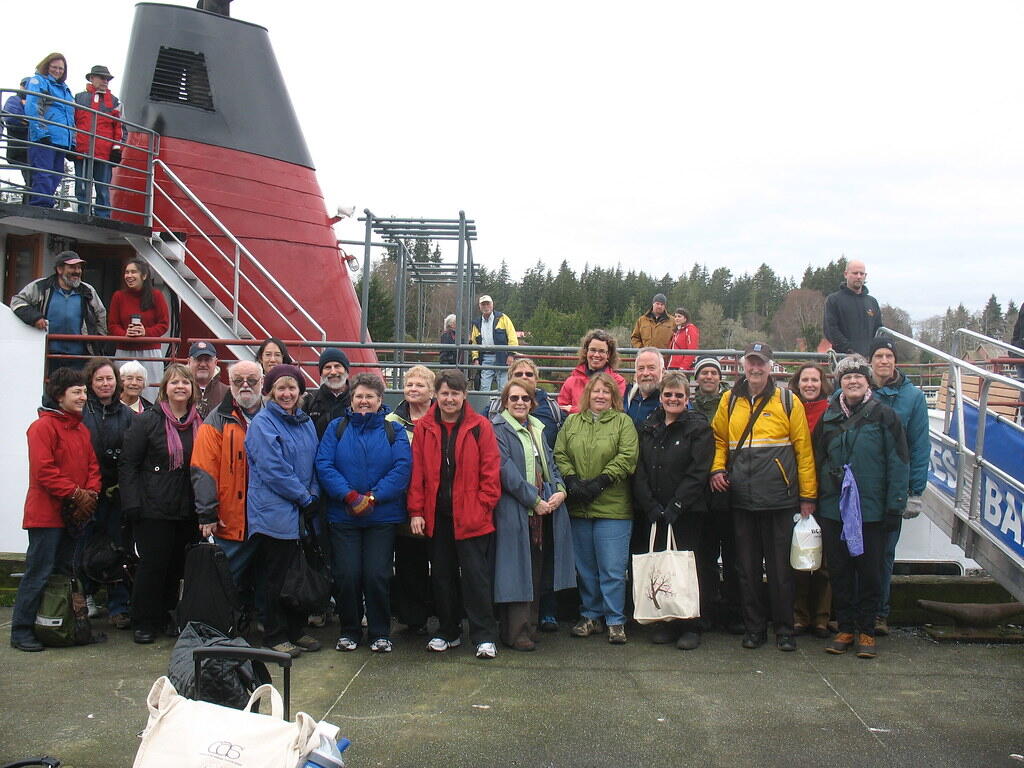
Another standout is the Bamfield Marine Sciences Centre on Vancouver Island, which offers a rare hands-on learning environment. Supported by five major Canadian universities, Bamfield allows students to study marine biology right in the middle of diverse Pacific coastal ecosystems.
In Newfoundland, Memorial University specializes in Arctic and subarctic marine biology. Memorial’s programs are among the few in the world focusing specifically on cold-water ecosystems, sustainability, and the unique challenges facing northern marine life as the climate continues to warm.

Beyond academic institutions, Canada’s government agencies like Fisheries and Oceans Canada (DFO) and Parks Canada also invest heavily in marine biology research. Through the creation of National Marine Conservation Areas (NMCAs), they help protect critical habitats while supporting scientific studies that aim to conserve Canada’s marine biodiversity for generations to come.
Whether you’re dreaming of working in coral reef conservation, Arctic marine research, or marine policy and law, marine biology in Canada offers a rich landscape of opportunities. With its vast coastlines, rich biodiversity, and strong commitment to ocean protection, Canada continues to lead the way in marine science and education.
Canada has the longest coastline in the world - over 243,000 kilometers!
The Intersection of Marine Biology and Maritime Law
Marine biology and maritime law are deeply connected, particularly in a country like Canada where the Atlantic, Pacific, and Arctic Oceans play a major role in shaping the environment and economy. Marine biology Canada programs increasingly emphasize this connection, teaching students how scientific research underpins important legal protections for the ocean.
Laws like the Oceans Act, the Fisheries Act, and the Canada National Marine Conservation Areas Act (CNMCAA) form the backbone of ocean governance in Canada. Each plays a unique role in translating discoveries from marine biology into real-world action.
The Oceans Act provides the legal foundation for creating marine protected areas, managing marine ecosystems, and conserving biodiversity in Canada’s Atlantic, Pacific, and Arctic waters.
As one of Canada’s oldest environmental laws, the Fisheries Act regulates fishing practices, protects habitats, and supports healthy aquatic ecosystems. It balances economic activity with the conservation of fish species and marine biodiversity.
The CNMCAA establishes National Marine Conservation Areas (NMCAs) to protect vital marine regions while allowing sustainable use. It strengthens conservation efforts by integrating Indigenous stewardship and fulfilling international biodiversity goals.
Together, these laws ensure that insights from marine biology, such as species vulnerability, ecosystem health, and climate change impacts, are incorporated into the legal frameworks that govern Canada’s marine spaces. Without this critical link between science and policy, efforts to protect Canada’s marine life, fisheries, and coastal communities would lack the structure needed to succeed long-term.
Additionally, if you are thinking about a career in marine biology, understanding maritime law is becoming an essential skill. Marine biologists often provide expert research that informs regulations, environmental impact assessments, and conservation efforts. Whether advising governments on protecting endangered species or studying the health of coral reefs and kelp forests, marine scientists play a key role in shaping Canada’s sustainable ocean policies.
In many cases, marine biologists collaborate directly with policymakers, Indigenous communities, and environmental organizations to ensure that laws reflect both scientific findings and local knowledge. As human activity in coastal areas increases and new industries, like offshore wind energy and marine electrification, emerge, this relationship between science and law will only grow more important.
Ultimately, strong laws based on scientific research ensure the long-term survival of Canada’s diverse marine life.
Without legal frameworks in place to protect vulnerable ecosystems, even the best research efforts would not be enough. The collaboration between marine biologists and legal experts is vital to safeguarding everything from beluga whales in the Arctic to salmon runs in British Columbia, preserving marine biodiversity for future generations.
Impact of Climate Change on Canada’s Marine Life
Canada’s oceans are facing profound changes as a result of climate change, and the effects are visible from coast to coast to coast. Rising sea temperatures, ocean acidification, shifting currents, and melting sea ice are not only altering habitats but also putting significant pressure on marine life that has evolved over thousands of years.
We are witnessing changes to marine life and ecosystems, changes that are directly affecting Canadians and our coastal communities.
The Honourable Jonathan Wilkinson, Minister of Fisheries, Oceans and the Canadian Coast Guard
In the Atlantic, species like cod and lobster, once central to coastal ecosystems and local economies, are moving northward in search of cooler waters. At the same time, warm-water species such as silver hake and mahi-mahi are becoming more common, disrupting traditional food webs and challenging long-standing fishing practices. Fisheries are being forced to adapt quickly to this shifting balance.
Meanwhile, along the Pacific coast, changes in ocean temperature and chemistry are putting stress on ecosystems like kelp forests and coral reefs. Pacific salmon, a cornerstone species for both marine and freshwater systems, are especially at risk. Warming rivers and declining oxygen levels are making spawning more difficult, threatening salmon populations and the many species that depend on them.
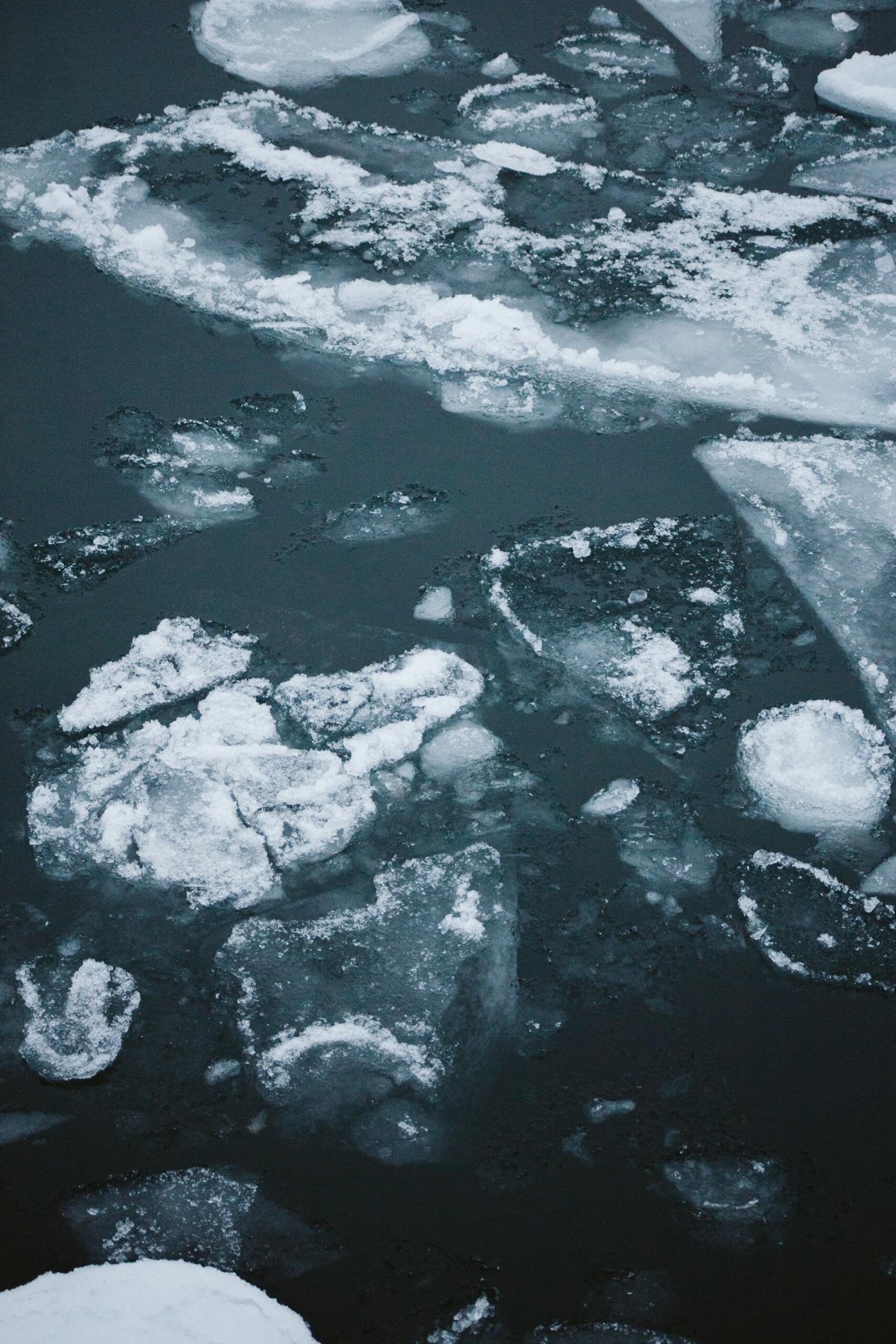
The Arctic is experiencing even more dramatic and unprecedented transformations. With sea ice forming later in the autumn and melting earlier in the spring, the delicate balance of its ecosystem is rapidly unraveling. Species that depend on this ice, such as polar bears, ringed seals, and narwhals are facing increased threats to their survival.
Arctic marine animals are very vulnerable to climate change. Their existence hinges on cold environments, many of which are disappearing. These changes not only endanger individual species but also jeopardize the intricate web of life that sustains the Arctic's unique biodiversity.
For marine biologists, understanding these changes is now essential. As climate change accelerates, marine scientists, policymakers, and communities must work together to protect Canada’s diverse marine life and ensure its survival for generations to come.
Canada’s Global Role in Marine Biology Research
However, Canada is not only protecting its own waters - it is also leading international efforts to understand and safeguard the world’s oceans. Through global partnerships like the High Seas Treaty negotiations and leadership within the International Union for Conservation of Nature (IUCN), Canada’s marine biologists and policymakers are shaping the future of ocean protection on a planetary scale.
Supporting international conservation efforts like these is essential for protecting endangered species, preserving biodiversity, and ensuring the future health of marine ecosystems around the world.
National initiatives like the Oceans Protection Plan and the goal to conserve 30% of marine areas by 2030 show Canada’s commitment to science-based marine conservation. Programs such as the expansion of National Marine Conservation Areas (NMCAs) help preserve critical habitats for whales, fish, and countless other species facing threats from climate change and human activity.
In a world where ocean ecosystems are changing faster than ever before, Canada’s investment in marine bio research, conservation law, and climate action is vital. Whether you dream of a career in marine biology or simply care about the future of life below water, Canada’s efforts highlight how research, law, and collaboration are the keys to safeguarding our oceans for generations to come.
Summarize with AI:
Did you like this article? Leave a rating!

 Loading...