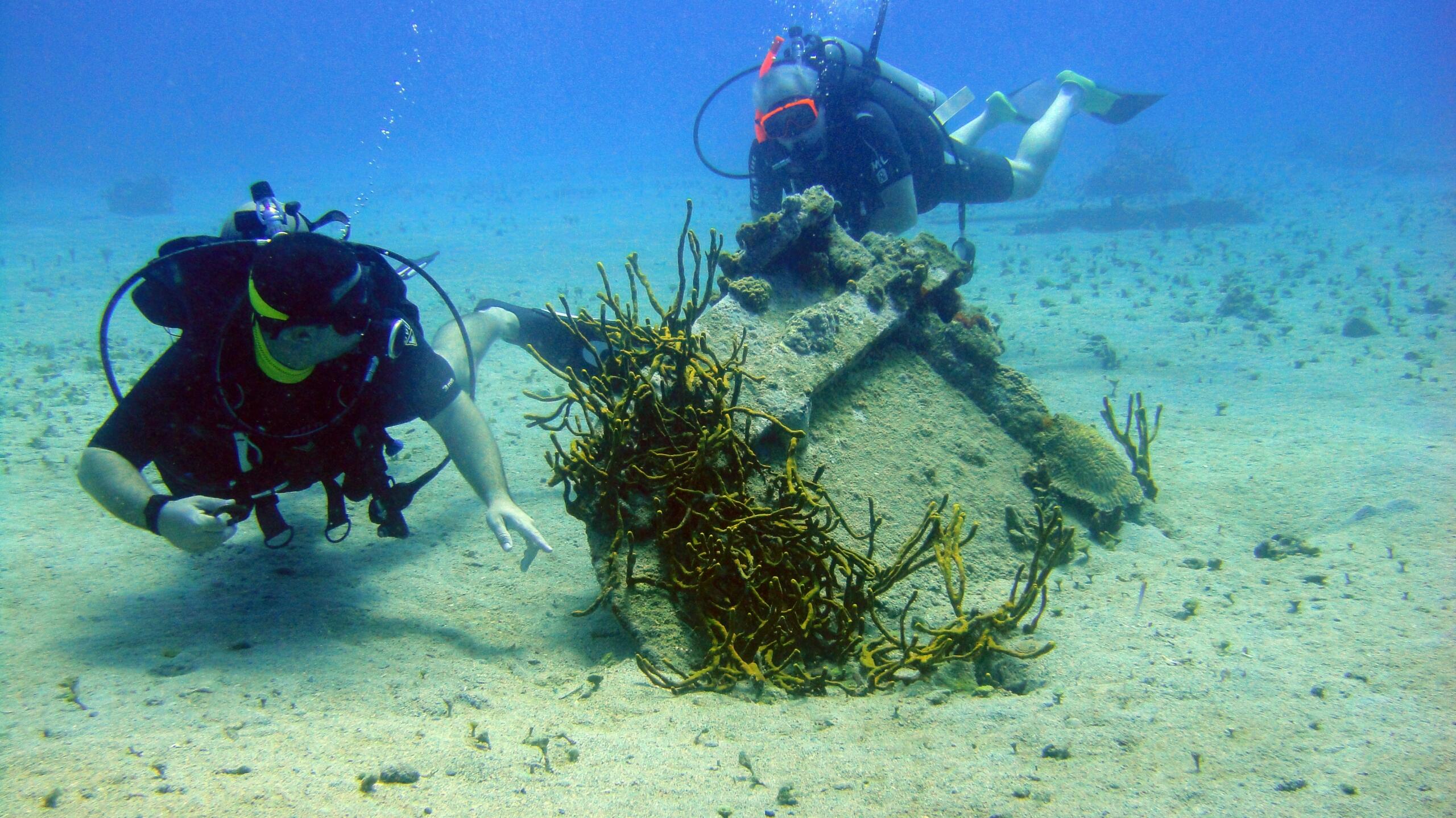

If you’ve ever dreamed of exploring the ocean, protecting marine life, or working in cutting-edge research, a career in marine biology might be for you. Luckily, Canada has some of the best marine biology universities in Canada, offering incredible marine biology programs where you can study marine biology up close.


How to Become a Marine Biologist in Canada
Before you pick a program, it’s important to understand how to become a marine biologist in Canada, because the right education and experience will set you up for success in the field.
Most marine biologists start by enrolling in marine biology undergraduate programs in Canada, earning a Bachelor of Science (BSc) degree in marine biology, oceanography, aquatic biology, or environmental science. During your undergraduate studies, you will build a strong foundation in biology, chemistry, ecology, and mathematics — all essential for understanding ocean ecosystems.
From there, many students choose to specialize further through marine biology master's programs in Canada, especially if they want careers in research, conservation leadership, or teaching. A master’s degree or even a Ph.D. becomes important if you’re aiming for careers in scientific research, marine conservation leadership, policy development, or university teaching.
Postgraduate training is particularly important if you want to work as a research scientist or professor, where original research and academic publishing are key parts of the role.
Completing a marine biology degree in Canada gives you a strong foundation for careers in environmental science, research, and ocean conservation.
Becoming a marine biologist usually takes about 6 years for a bachelor’s and master’s degree, or up to 10-12 years with a Ph.D.
Marine Biology Programs in Ontario
While Ontario is better known for its vast freshwater systems, it does touch part of Hudson Bay in the far north. Most marine biology programs here, however, focus on freshwater and aquatic ecosystems - making Ontario a fantastic place to study marine biology if you’re interested in combining freshwater science with marine studies.
With access to world-class universities, rich aquatic environments, and strong research facilities, students can build a solid foundation in biology, conservation, and ecosystem management with opportunities for marine-focused research through electives, fieldwork, and international study programs.
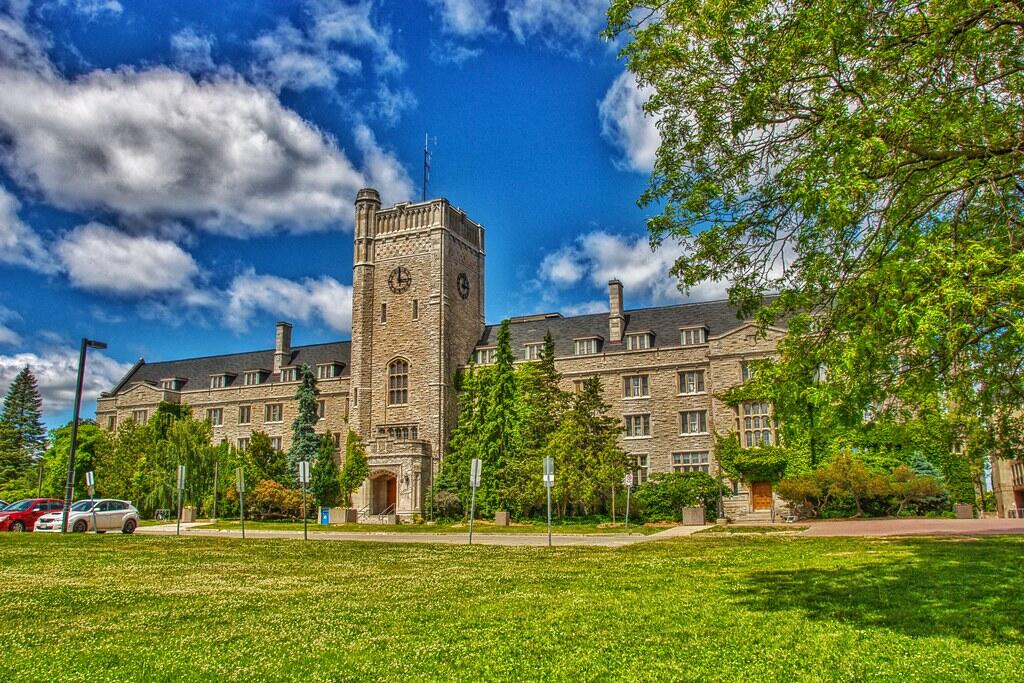
University of Guelph
📚 BSc in Marine and Freshwater Biology
⭐ Why it’s unique: Strong focus on sustainability, technical skills, and global research opportunities.
The marine biology Guelph program is especially respected for its combination of lab research and fieldwork. The program focuses on both biological and physical science perspectives of aquatic environments, giving students a well-rounded understanding of ecosystems. You’ll work directly with aquatic organisms in labs and out in the field, gaining skills in sustainability, conservation, and research.
I love the Marine and Freshwater Biology program because it provides lots of hands-on experience and practical labs.
Clair Beckley, Marine and Freshwater Biology Graduate
Students have access to the state-of-the-art Hagen Aqualab, offering a rare opportunity to work with diverse marine, freshwater, and tropical species right on campus. Co-op placements and field courses - even in Arctic and tropical environments - add incredible hands-on experience to your degree.
Ontario Tech University
📚 Marine Biology Specialization within Biological Science
⭐ Why it’s unique: Combines Canadian academic training with tropical fieldwork, hands-on marine research, and a strong co-op structure.
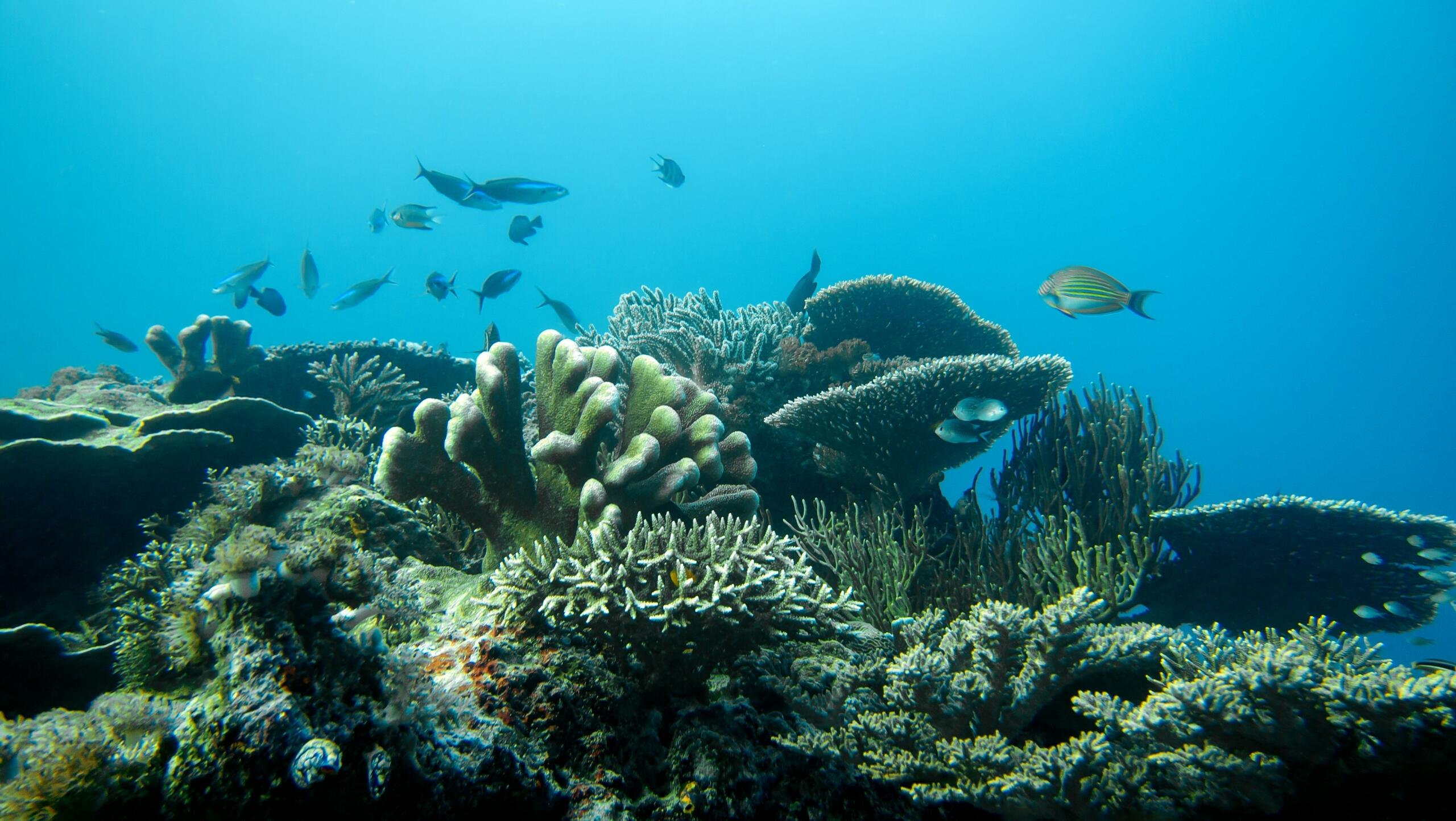
Ontario Tech offers an exciting path for marine biology students, with a semester abroad at the Bermuda Institute of Ocean Sciences (BIOS). Students study coral reef ecology, marine invertebrates, and open-ocean ecosystems while gaining hands-on experience aboard research vessels. Back in Canada, the program blends classroom learning with fieldwork and a five-year co-op option, helping graduates build strong real-world experience for careers or graduate studies.

Queen’s University
📚 Marine and aquatic biology courses within Biology
⭐ Why it’s unique: Offers diverse courses within a flexible program structure, perfect for students wanting to explore both marine and freshwater ecosystems.
At Queen’s University, students fascinated by marine life and freshwater ecosystems can tailor their studies through specialized biology courses. Offerings include Marine Biology, Fisheries Biology, Limnology, and Aquatic Ecology, providing a strong ecological and evolutionary understanding of aquatic systems and how they respond to environmental change.
Because not all marine-focused courses are available every year, planning ahead is important, but the many course options make Queen’s a good choice for students who want flexibility and strong science skills.
Georgian College
📚 Marine Studies and Marine Technology Programs
⭐ Why it’s unique: Combines technical marine training with real-world sea experience and direct pathways to careers with top marine employers.
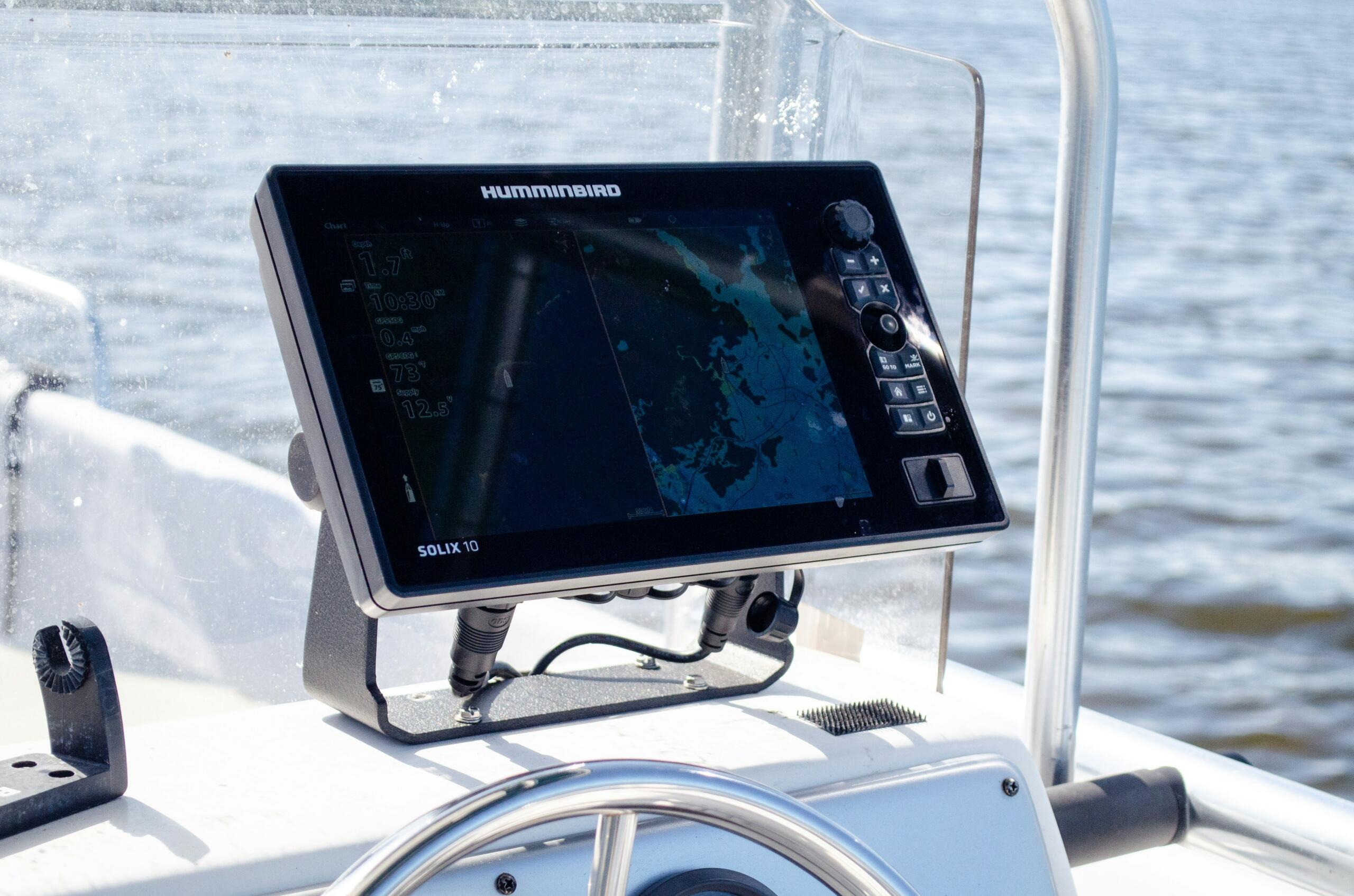
If you’re interested in the technical and career-focused side of marine science, Georgian College is an obvious choice for a marine biology program in Ontario. Students will receive hands-on training in marine navigation, engineering, and leadership, using Canada’s most advanced simulators and research equipment. A full year of work experience at sea and strong industry partnerships help graduates earn professional certifications and launch into high-paying careers in shipping, transportation, and marine engineering.
Georgian prepared me really well for my career. All the courses were highly relevant – even the elective courses like Human Behaviour. All the equipment training was current, so when I went on co-op, the work was familiar.
Arnesh Misra, Second Officer at McAsphalt Marine Transportation Ltd.
These programs also give students valuable insight into how marine industries are shaped by marine laws, safety regulations, and environmental standards - an important part of the broader marine biology framework in Canada.
Marine Biology Programs in BC
With its endless coastline, rich marine biodiversity, and direct access to the Pacific Ocean, the marine biology programs in BC have so much to offer. From hands-on fieldwork at the Bamfield Marine Sciences Centre to cutting-edge research at top universities, BC offers students a world-class education in marine ecosystems, conservation, and oceanography.

University of Victoria (UVic)
📚 Marine Sciences Concentration within Biology
⭐ Why it’s unique: Combines classroom learning with direct access to coastal ecosystems, and partnerships with Bamfield Marine Sciences Centre.
If you’re passionate about marine life, UVic is a top choice. Located close to rocky shores and beaches, students can specialize in marine sciences through a Marine Biology concentration or a combined Biology and Ocean Sciences major. Courses in marine ecology, oceanography, and marine invertebrates are backed by fieldwork opportunities through projects like NEPTUNE and VENUS. Students also gain hands-on research experience at Bamfield Marine Sciences Centre.
Simon Fraser University
📚 Marine Science Program (at Bamfield Marine Sciences Centre)
⭐ Why it’s unique: Offers fully immersive marine field courses at one of Canada’s premier marine research stations.

SFU students study marine biology directly at the Bamfield Marine Sciences Centre, focusing on everything from coastal biodiversity and conservation to marine ecology and fish biology. The program combines theoretical learning with real-world fieldwork, making it ideal for students aiming to build a career in conservation, research, or environmental consulting.
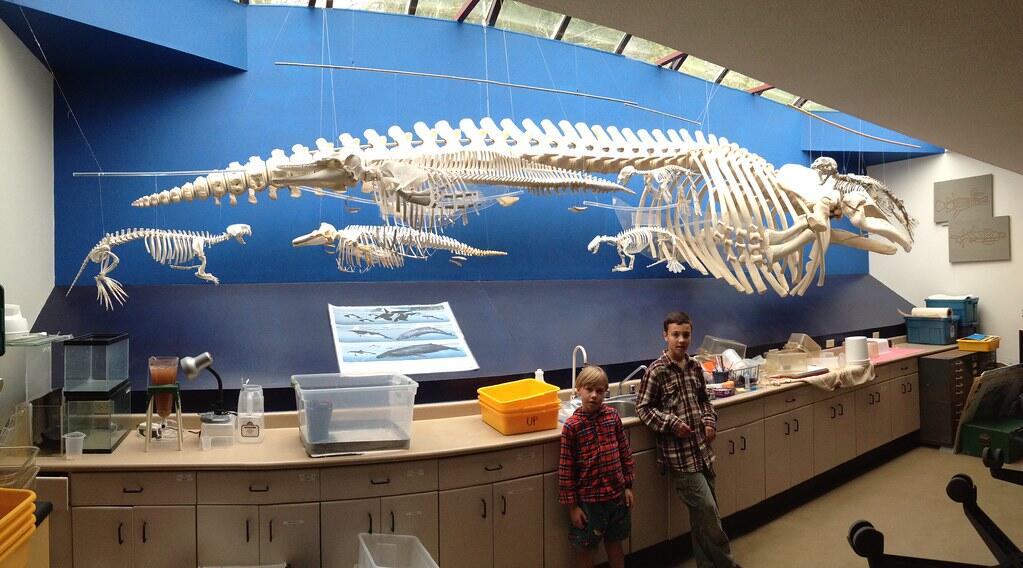
Bamfield Marine Sciences Centre
📚 University Credit Marine Science Courses
⭐ Why it’s unique: Full immersion in marine ecosystems, with courses recognized by five major Canadian universities.
BMSC offers an oceanside campus experience like no other. Students explore rocky shorelines, estuaries, and ancient rainforests while completing university credit courses in marine biology, oceanography, and conservation. It’s a top choice for students seeking real-world research experience in one of Canada’s most dynamic coastal environments.
Courses at BMSC are designed to maximize hands-on learning, with small class sizes, intensive fieldwork, and direct mentorship from leading researchers. Students develop strong scientific skills while gaining a deep appreciation for the complexity of marine ecosystems, ranging from intertidal zones to the open ocean.

University of British Columbia
📚 Oceanography Major and Combined Honours Programs
⭐ Why it’s unique: Multidisciplinary study of ocean systems linked to climate science, marine ecosystems, and global sustainability.
The University of British Columbia marine biology program is internationally recognized for its research and academic excellence. UBC’s oceanography program offers a strong scientific foundation in the physical, chemical, and biological properties of the ocean. Students can combine oceanography with other sciences, such as biology or chemistry, and access world-leading research at the Institute for the Oceans and Fisheries. The program prepares students for roles in research, environmental policy, or marine conservation.
Students enrolled in the UBC marine biology track also have access to cutting-edge oceanography labs and fieldwork opportunities in marine biology Vancouver.
Douglas College
📚 Marine Biology Course within Biology Studies
⭐ Why it’s unique: Strong foundation in marine ecology and human impacts, combined with hands-on lab and field training.

Douglas College offers a comprehensive Marine Biology course that covers ocean systems, marine biodiversity, conservation, and the effects of human activities like climate change and habitat loss. Students gain essential field research and lab skills, making it a strong starting point for those looking to transfer into specialized marine programs later on.
Other Marine Biology Schools in Canada
While Ontario and British Columbia offer some of the most popular choices for studying marine biology, they’re not the only options. Across Canada, you’ll find other outstanding universities and colleges offering marine biology degrees, aquatic science specializations, and strong research opportunities.
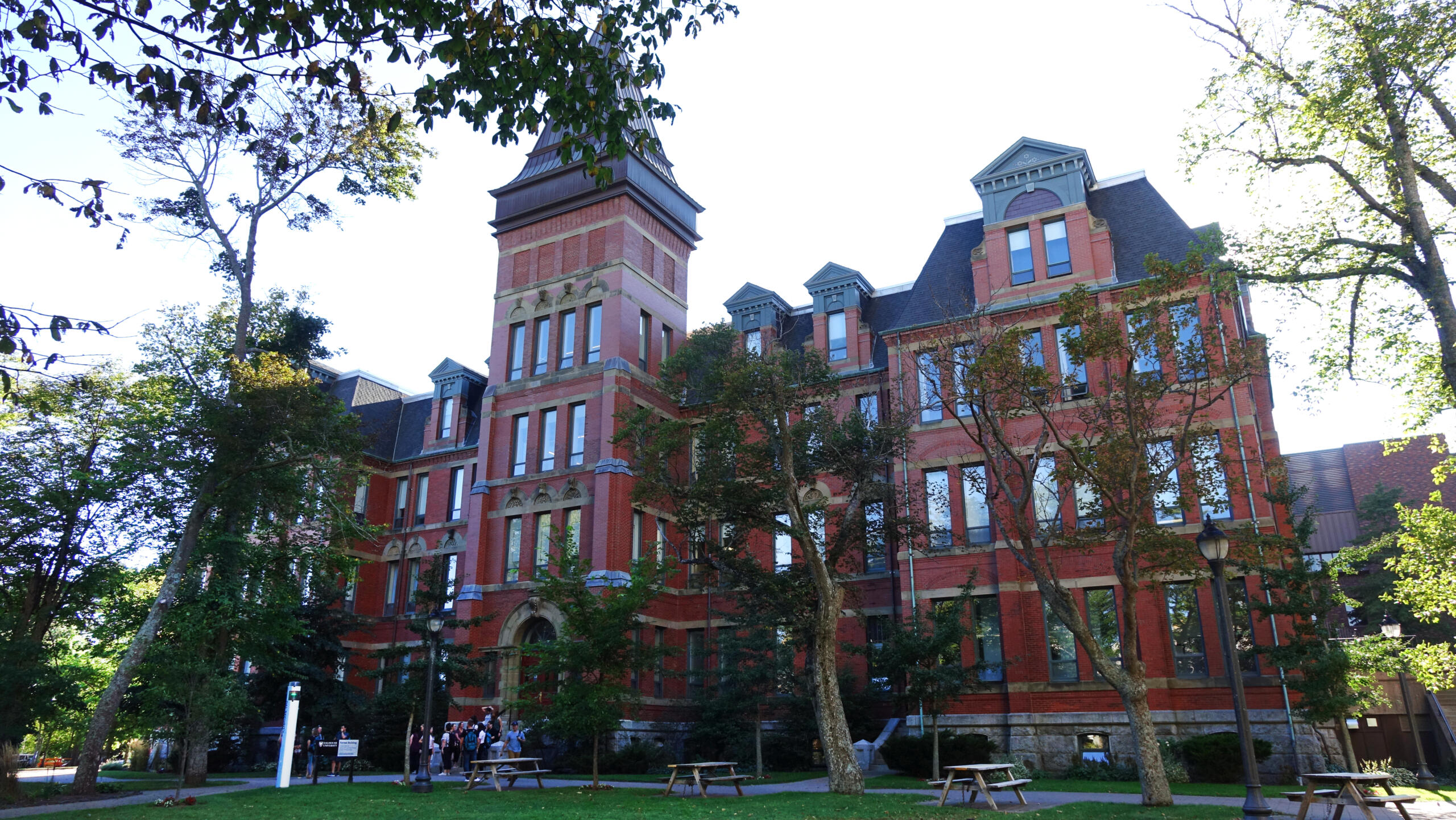
Dalhousie University
📚 BSc in Marine Biology; Ocean Sciences Programs
⭐ Why it’s unique: Direct access to the Atlantic Ocean and partnerships with top marine research institutions.
It’s often ranked among the best marine biology universities in Canada for research and fieldwork opportunities. With strong field research opportunities and ties to the Bedford Institute of Oceanography, students gain hands-on experience studying marine life, conservation, and climate impacts in real-world Atlantic environments.
Memorial University of Newfoundland
📚 BSc and MSc in Marine Biology and Ocean Sciences
⭐ Why it’s unique: Focus on cold-water marine research and North Atlantic ecosystems.
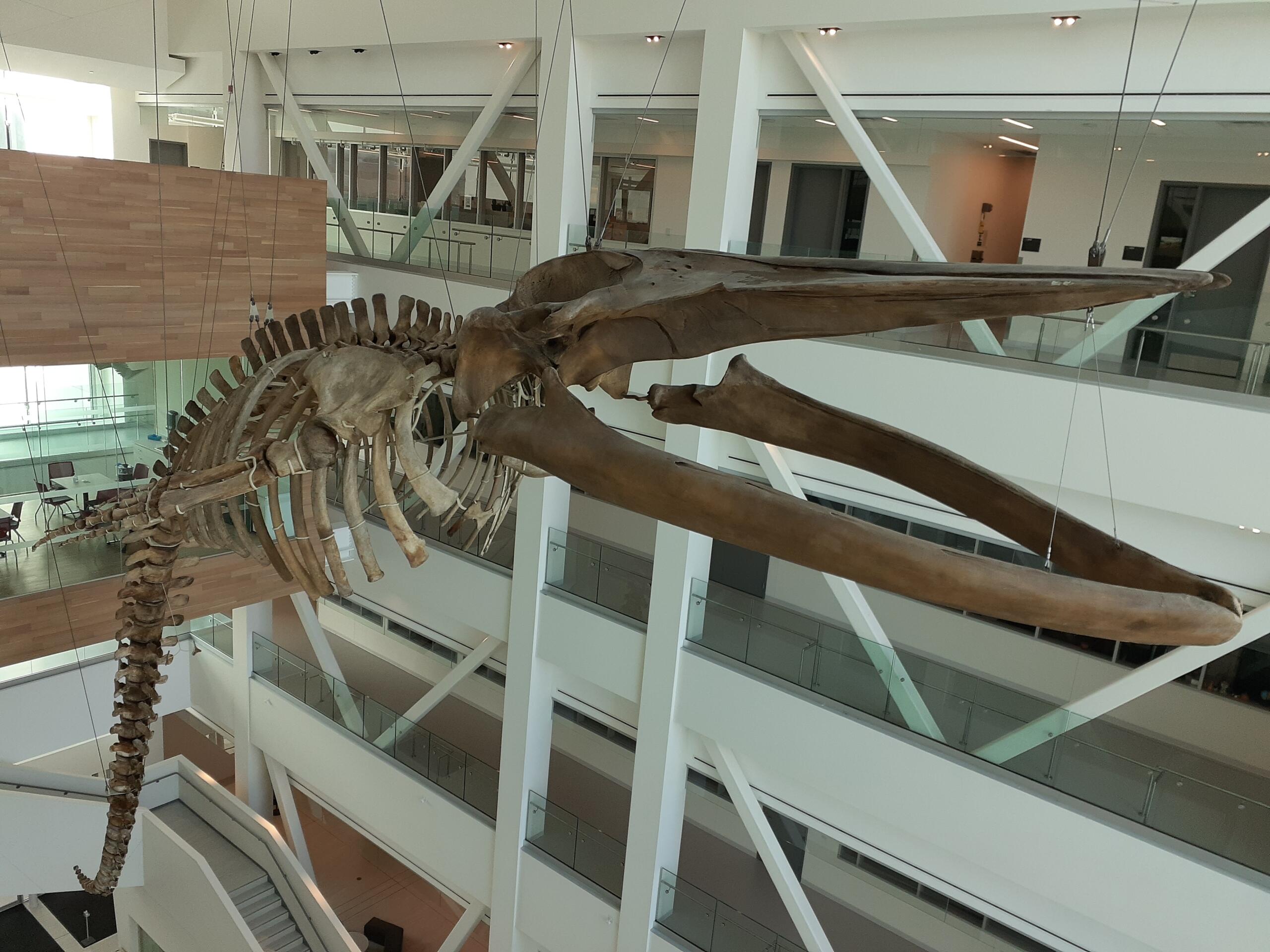
Memorial University is ideal for students interested in Arctic and subarctic marine life. Located in St. John’s, it offers access to one of the richest and most dynamic marine research areas in the world. Students benefit from cutting-edge research facilities, field programs, and a strong emphasis on sustainability and fisheries science.

Université Laval
📚 Marine Biology Undergraduate and Graduate Programs (French)
⭐ Why it’s unique: Specialized Arctic and northern marine ecosystem research.
Located in Quebec City, Université Laval is a leader in cold-water and Arctic marine biology. Programs are offered primarily in French and focus on studying marine biodiversity, the effects of climate change on polar ecosystems, and sustainable ocean management. It’s a strong choice for bilingual students passionate about Arctic marine science.
Whether you dream of studying coral reefs, ocean currents, or Arctic marine life, Canada offers an incredible range of marine biology programs to match your passion. From Ontario’s freshwater labs to British Columbia’s Pacific coast research stations you’ll find world-class opportunities to study, explore, and make a real impact on the future of our oceans.
Summarize with AI:
Did you like this article? Leave a rating!

 Loading...