
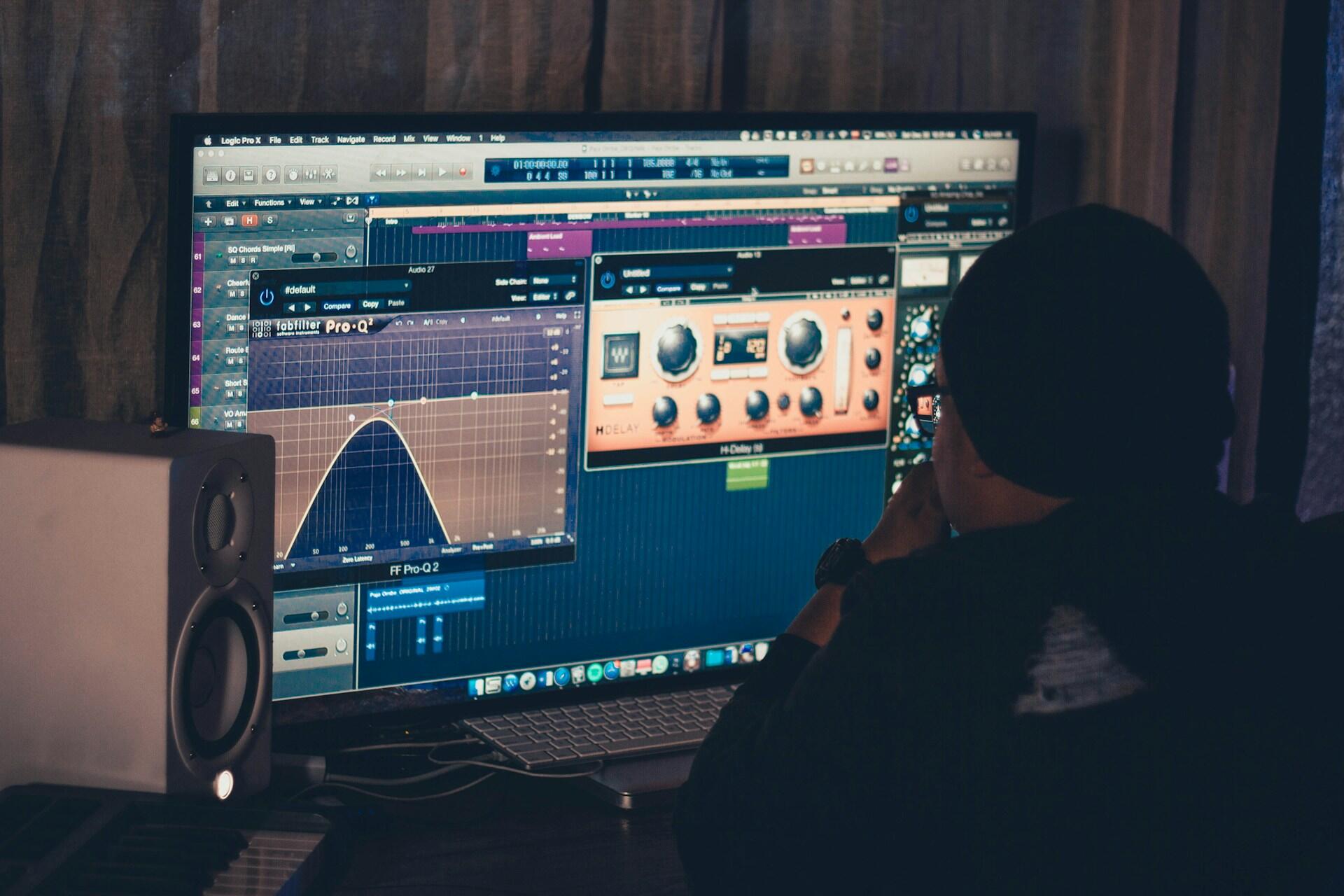

Mastering engineers handle some of the final stages of a track in the music production process. They take finished mixes and prep them for release across streaming services, downloads, CDs, vinyl, and other formats. It’s a technical role in a creative field, balancing both approaches. Discover what mastering engineers do and how they can influence the way music sounds.


What Is a Mastering Engineer?
Mastering is the process that comes after recording, editing, and mixing. It’s one of the most critical aspects involved in music production. Mastering engineers take the final mix and make adjustments so that the file sounds balanced on different playback systems. They typically work with stereo files sent from the mixing engineer, which means they have one track with all the layers (such as vocals, drum, bass, and other instruments) together.
Back in the day, music would be recorded on one medium and released on a different medium. And the job of the mastering engineer was to handle that transfer from the recording format to the delivery format. That required specialist equipment and expertise — especially when you’re cutting vinyl.
Sam Inglis, music producer, for SoundOnSound.com
Their final checks use mastering software, equalisers, and compressors, among other tools, to ensure that the music sounds good through each delivery medium. They submit customised files to streaming platforms, download sites, and CD and vinyl manufacturers, where the file has been optimised for the respective outlet.
Mastering engineers listen to the final track and look at its data to spot any possible problems. An expert masterer can even fix missing or broken audio that may have been overlooked in the mixing phase. If you skip mastering, you risk having a final track that sounds off-balance or doesn't meet requirements for distribution.
Mixing vs Mastering
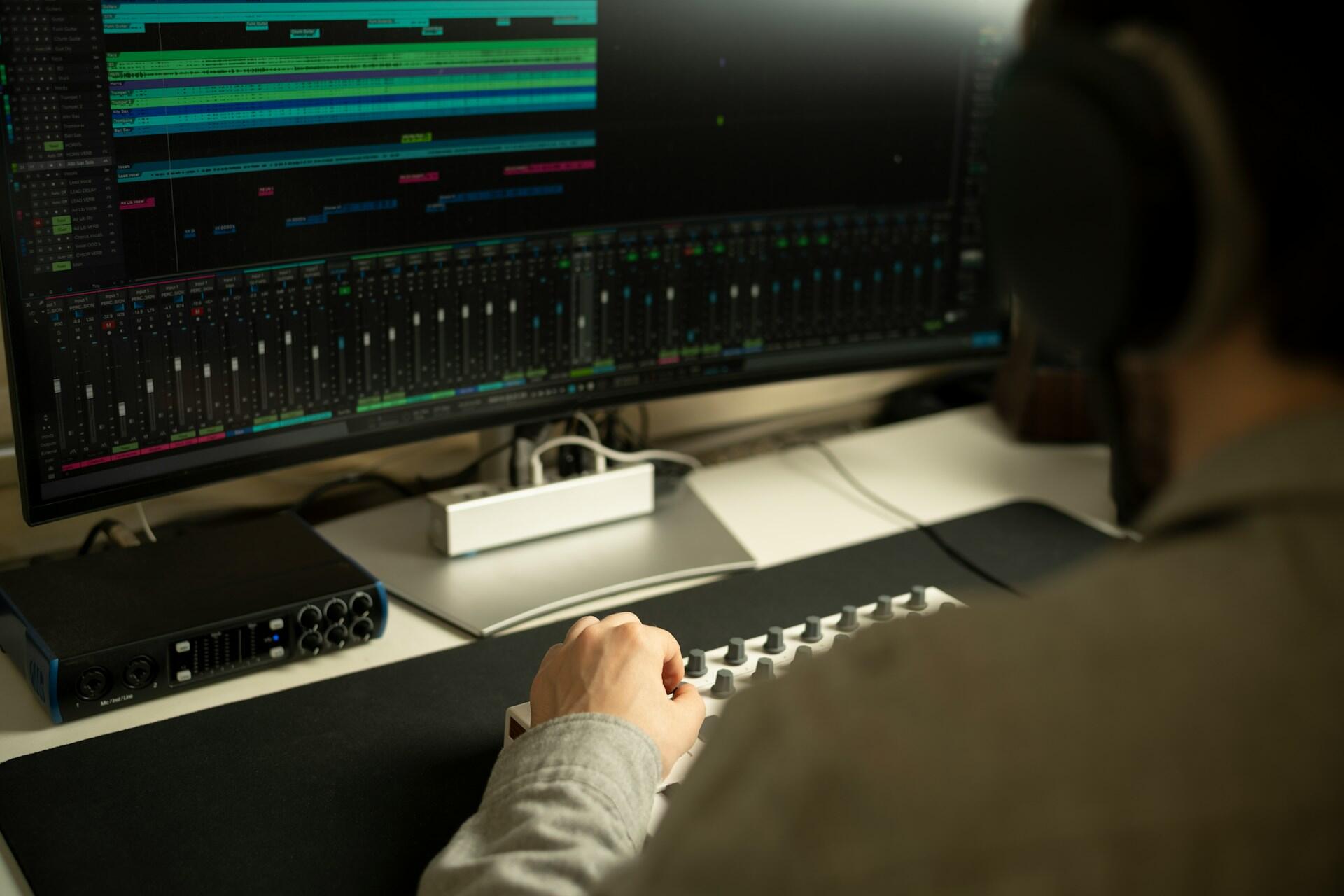
Mixing and mastering are two separate tasks, but they are often performed by the same person. Mixing involves working with separate audio tracks and deciding how loud each instrument should be. Mixing engineers determine where the instruments should sit in the stereo image and use effects like reverb or delay to shape the song.
Mastering is the next step, where the completed mix is handled as one stereo or multichannel file. Instead of tweaking each individual instrument, they must improve the overall recording. Mastering engineers address a song’s overall loudness, EQ, and consistency. Mastering involves polishing the artist’s intention and making it shine on every distribution channel. Many music producers actively mix and master at their studios.
If a mastering engineer begins working on a track and notices lots of large adjustments need to be made, it’s a sign that the track needs to spend more time in the mixing stage before it can be mastered.
Reduce the level of a bass guitar that is overpowering a kick drum
Use broad equalisation or dynamic processing to improve the low frequencies distinction across the entire song
The Key Responsibilities and Skills of a Mastering Engineer
What does a mastering engineer’s list of tasks look like? Mastering is essentially the quality-control stage of the life of a music track. The engineer listens for problems using state-of-the-art headphones and speakers in an immaculate acoustic environment, so they can pick up on even the smallest, quietest, briefest parts of a song that might cause issues. Here are some of the most common responsibilities for a mastering engineer.
Make subtle, effective adjustments to the EQ for balancing the low frequencies, midrange tones, and high end. The engineer must consider the genre and artists’ vision to achieve the desired sound.
Using techniques like compression and limiting, reduce the difference between quieter and louder parts of a recording to be either the same volume, or appropriately contrasting. These techniques prevent peaking above a set ceiling and create a more consistent and powerful track.
Check for faults that can affect the release quality, such as:
- Digital clipping
- Unwanted clicks, pops or gaps
- Excessive silence at the beginning or end
- Phase problems that affect mono playback
- Distortion caused by the mix or processing
- Inconsistent levels between songs
- Incorrect file names, sample rates or bit depth
- Metadata and delivery errors
Arranging the tracks and noticing the transition between them. Loudness, tone, and spacing should sound intentional and not unintentionally jarring to the listener.
Mastering a track for digital release is usually simple, since the entire recording, editing, mixing, and mastering process is done digitally (these days, for most studios and music makers). But mastering a track for CD, vinyl, or cassette requires meeting certain technical specifications. The mastering engineer must also consider how the songs will sound in each place they’re played, such as in headphones, through car speakers, phones, laptops, and domestic audio systems and create files appropriate for each medium.
Skills for Mastering Engineers
Mastering engineers need to have technical and creative skills to be successful. They must know how to use various industry-standard equipment and programs, as well as have technical knowledge of the process; not only do they need to adjust the track, they need to do it in a way that will translate into the correct final outcome during the production phase.
Critical Listening and Judgment Skills
The most important skill in mastering is the ability to truly hear the smallest details in a track. A mastering engineer must be able to identify and distinguish small changes in frequency, dynamics, stereo image, and distortion, just like audio engineers. Harsh-frequencies, weak bass, excessive compression, and unbalanced vocals are some examples of issues a mastering engineer might be able to identify and fix.
When working with clients, mastering engineers need to be able to make the tracks sound the way the clients want, rather than adhere to their personal tastes.
Equipment and Software Expertise
Mastering engineers need to know how to use digital audio workstations (DAWs) to edit files, arrange tracks, save settings, and revise work without changing the original audio. The original file should always be preserved for making different edits, as a backup, and for posterity.
Common digital tools for mastering engineers to know include:
- Plug-ins: High-quality EQ, compressor, limiter, etc
- Meters: For loudness and true-peak
- Analysis: Spectrum
- Adjustment programs: De-noising and restoration software
- DAW: Sequoia, SADiE, WaveLab, Pro Tools, etc
- Conversion tools: Dithering and sample-rate conversion
Though less common these days, it can be useful to have knowledge of analog equipment as well. For certain genres or artists, these skills may be more relevant. This equipment can provide a unique tone, saturation, and response that just can’t be replicated digitally.
Equalisers, compressors, tape machines, converters, and processors are some of the typical analog equipment. Mastering engineers may use them end-to-end or limit use to certain steps or for specific effects.
Both digital and analog processes and equipment create the results needed for modern music distribution. Analog hardware can be more expensive, since you need multiple devices for specific tasks rather than a single computer with multiple programs.
A good mastering engineer will be able to identify things about your music that might not sound so good on other systems.
Sam Inglis, music producer, for SoundOnSound.com
Communication
Communicating with artists, producers, labels, managers, distributors, and colleagues in the industry are all part of the job. Knowing how to communicate with each type of person is important.
The engineer should be able to explain technical concepts in plain language to convey ideas and problems. They also need to be diplomatic in communicating with mixers and producers, especially if there’s a problem with their work. Collaboration is also key, since they need to agree to deadlines, revisions, formats, and credits before beginning a project.
For mastering engineers who work freelance or handle financials, creating legal terms of agreement and securing payment is also part of the job.
How to Become a Mastering Engineer
Like many music jobs, there are two main paths into the industry: through formal education, or through hands-on experience and self-learning. In both cases, a natural passion for music and good listening abilities are important. Those skills can’t be taught.
Education Requirements
Formal education pathways into mixing and mastering are procured through A-levels, college, university, and music technology programmes. You may also find success with courses at FE and HE levels in Electronic Engineering.
It’s not strictly necessary to get a formal education. Like other music jobs, such as sound design, you may be able to get in as long as you have experience and proven talent.
As for non-formal education, you can learn a lot from books, blogs, YouTube, and creators online. Combine your studies with hands-on experience with any equipment you can get your hands on and through apprenticeships, internships, and assistantships.
In all instances, these are the fundamentals you need to know:
- Music production
- Sound engineering
- Recording theory, processes, and technology
- Digital audio
- DAWs
- Frequency, amplitude, phase and polarity
- Sample rate, bit depth and digital clipping
- Gain staging and headroom
- Equalisation, compression and limiting
- Stereo imaging and mono compatibility
- Loudness measurement and delivery formats
- Studio acoustics and accurate monitoring
Practical Experience
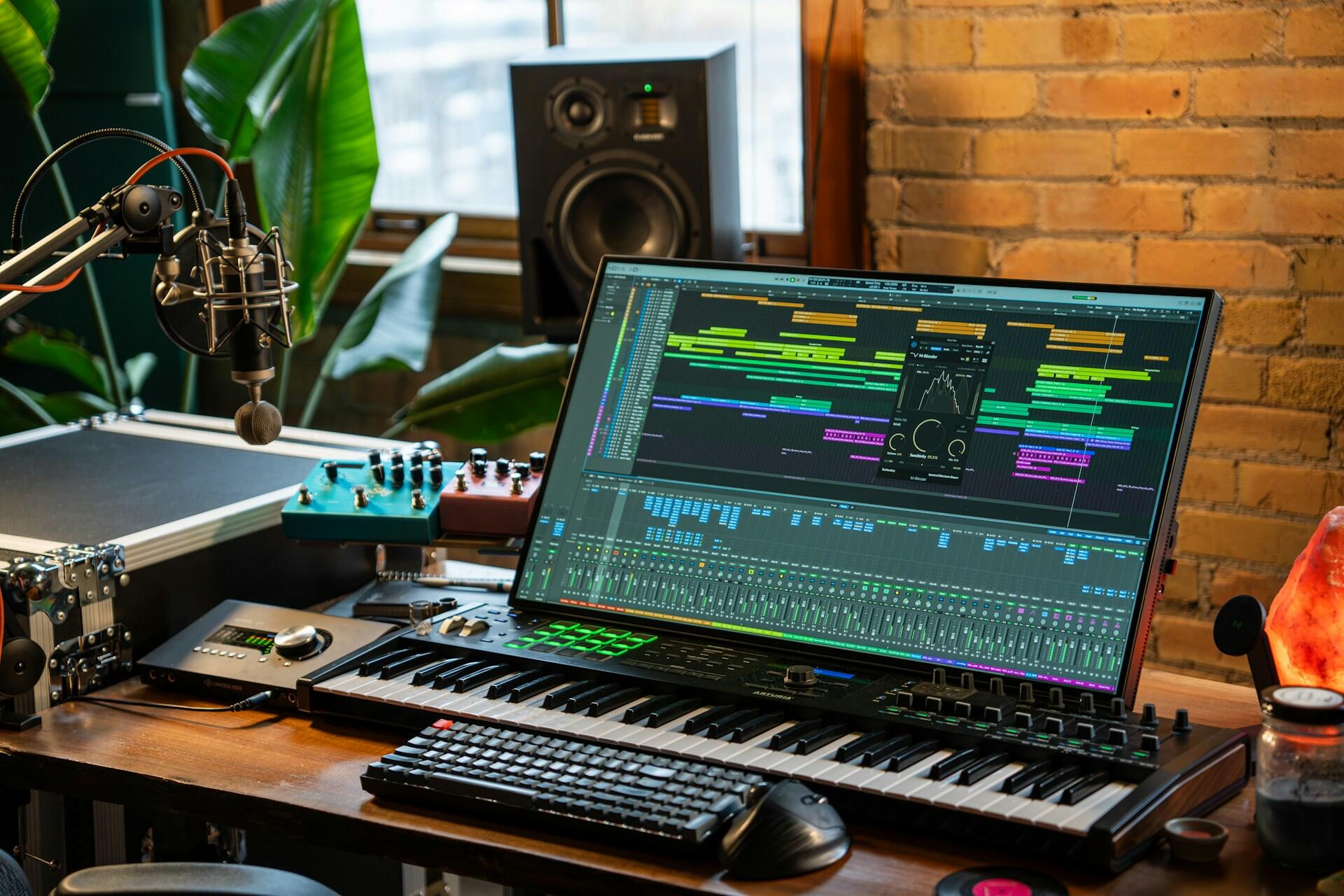
Even with a degree or certification, you’ll need real, hands-on experience to build a working understanding. As a student or self-taught learner, start with your own music projects, collaborate with fellow learners, or work with local artists. You will likely be performing recording, editing, and mixing duties along with mastering. This is great because you’ll get an up-close understanding of each step of the process, meaning you can give knowledgeable input in each stage.
As an assistant, apprentice, or intern, you’ll likely begin with simple tasks like file preparation, session organisation, equipment maintenance, and quality checks. Through exposure and observation, you’ll begin to pick up the processes for the job you want to do. Over time, your managers will let you work more and more on projects.
Building a Portfolio
Your portfolio should show your range. Include music, like EDM tracks, singer-songwriter recordings, rock songs, music you’ve played at live events, etc. Also include an album sequence to demonstrate your talent in making tracks flow.
Include short before-and-after examples to demonstrate your decisions and include statements that explain your thinking and process. You can feature your work on a portfolio website and have curated clips, WIP moments, and commentary on a social media profile.
It’s always good to have experience in an assistant role in a recording or mastering studio on your CV. Apply for these roles often and use your connections to further your education and experience.
Building a Studio
Many mastering engineers are self-employed freelancers, or work mostly from home. So, you’ll need to have the right equipment to be able to make expert-level masterings on your own.
First, you need a suitable listening environment. It’s an investment, but getting a decent monitoring system with accurate speakers, high-quality headphones, and acoustic room treatment is imperative. Without reliable equipment, your feedback and therefore work will not be true-to-life and can negatively impact the final product.
In the music industry, your ears are your most valuable tools. Be sure to calibrate your monitoring levels and avoid working with loud sounds for long periods of time. Once your hearing is damaged, it can’t come back.
Begin with the most essential items and create a consistent sound. Compare your work with successful, trusted commercial releases; do your productions meet the type of sound, consistency, and quality you’re aiming for?
Building your workflow can help with consistency and identifying ways to improve over time. A typical project might look like this:
Confirm
Coordinate with client
Confirm the materials and requests with the client (brief, references, release formats, deadline, provided mix)
Examine
Initial check
Check the supplied mix for problems, like clipping and technical faults
Listen
Get familiar with the tracks
Listen through several times and make notes
Research
Plan your approach
Compare the mix with references you wish to emulate (references supplied by client)
Adjust
Make changes
Apply small EQ, compression, and limiting adjustments conservatively; be sure to save each step of the way to return to a previous iteration if needed
Check work
Quality control
Check the result at different volumes and on different playback systems
Prepare
Arrange the tracks
Sequence the tracks if for an album or EP
Package
Produce the final draft
Export, label, and check final files
Revise
Make any necessary changes
Send a preview for approval and complete revisions if needed and as agreed upon
Always be sure to keep the original file untouched, in case you need to start from scratch, and so you can compare your changes. Document your processes and save different versions clearly. This helps the client understand why it’s worth hiring you, and makes it easier to go back and work on the same project later.
Career Development
Once you have a solid understanding of the science and art of mastering, plus a decent portfolio, your next goal should be building your network and client base. The music industry operates heavily on “who you know,” so submitting an impressive CV will only get you so far; you also need to talk with your potential employers and back up your application with good recommendations.
Find connections by attending music festivals, connecting with independent labels, and developing relationships with producers, studios, and artists. Create a professional portfolio website that highlights your style, process, and finished examples; it can also link to your social media for less-polished examples. Your website can explain your services, genres, equipment, turnaround times, and revision policy.
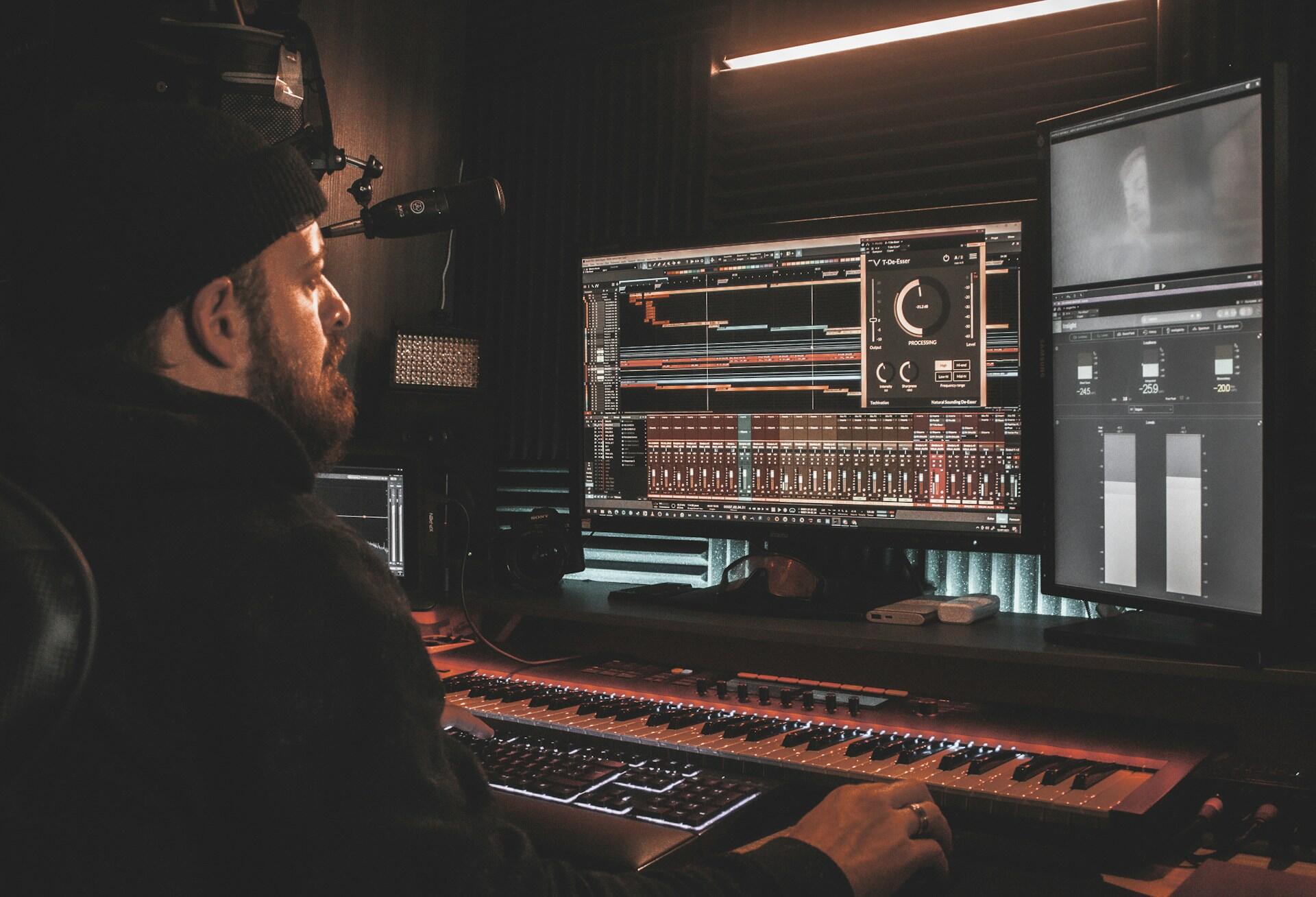
The Role of Mastering Engineers in Different Genres
Different genres require different priorities, though the main principles and processes of mastering remain consistent. As a mastering engineer, you likely have a preference for which genre(s) you like to work with. Be sure to learn the conventions for those genres, so you can adhere to them or intentionally break them.
EDM usually focuses heavily on kick and bass, the impact of drops, low-end mono compatibility, and controlled loudness. Excessive limiting can flatten contrast between breakdowns and choruses.
These genres usually have a focus on vocal presence, as well as drum impact. In albums, there is usually a desire for consistency across tracks. Creating power while avoiding harsh cymbals and guitars is typically sought after.
These genres may emphasise the natural dynamics and room sound. Many decisions are made in the recording stage, long before you begin mastering work. Careful editing and noise control is usually more effective than heavy compression.
Pay close attention to sub-bass, vocal clarity, and rhythm.
Maintain a natural balance to allow the character of the vocals and instruments to shine.
Mastering music is an art, just like every other step of the process. Finding the right sound for each track and artist takes a lot of experience and talent. Many mastering engineers spend years in recording and mixing to gain the sharp ears and insight needed for effective mastering and optimised play.
References
- “Mastering Engineer.” Berklee, www.berklee.edu/careers/roles/mastering-engineer. Accessed 15 Aug. 2026.
- “Mastering Engineer - UK Music.” UK Music, 23 Aug. 2024, www.ukmusic.org/job-profiles/mastering-engineer. Accessed 15 Aug. 2026.
- “What Do Mastering Engineers Actually Do?” Sound on Sound, www.soundonsound.com/sound-advice/what-do-mastering-engineers-actually-do. Accessed 15 Aug. 2026.
Summarize with AI:
Did you like this article? Leave a rating!

 Loading...
