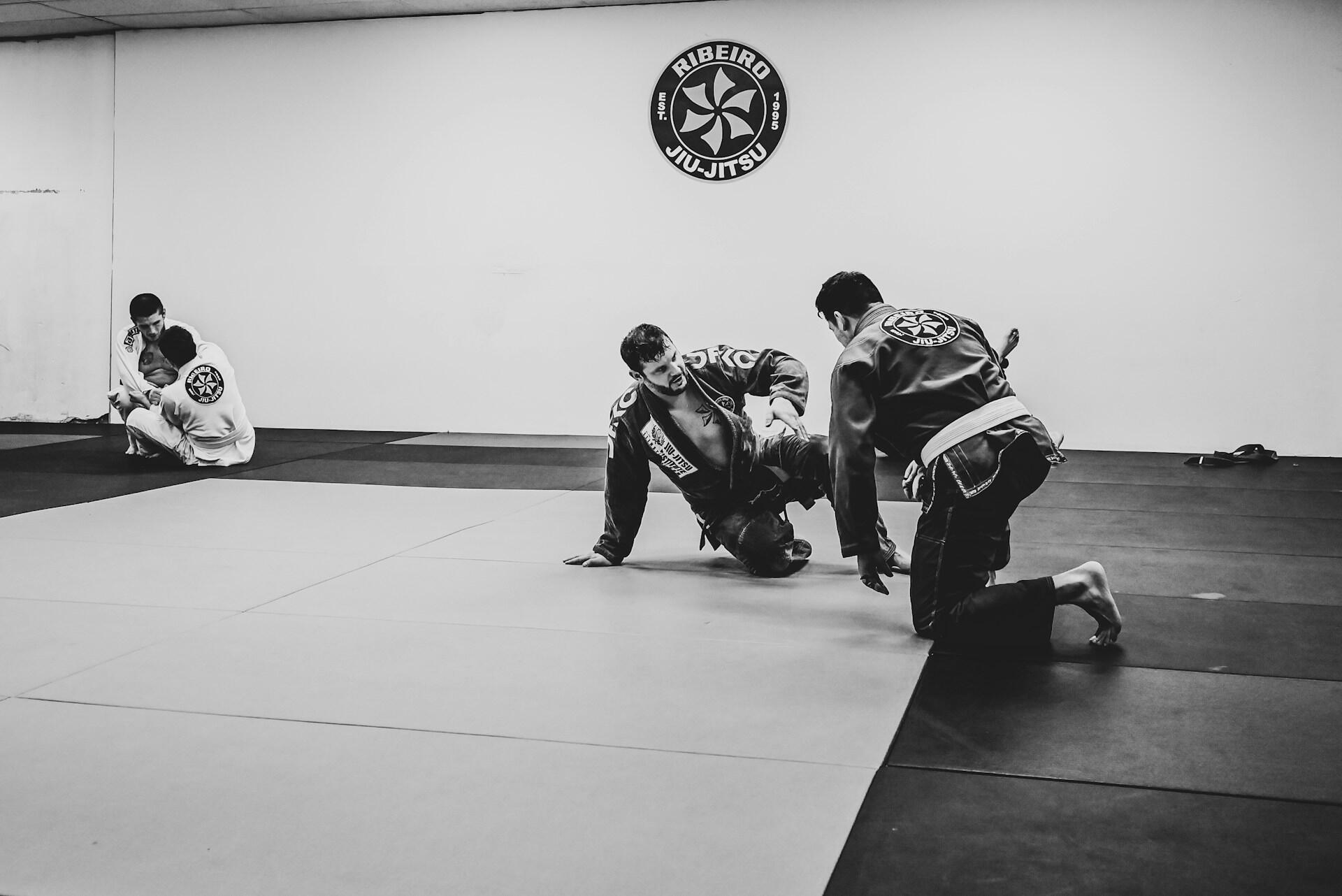

Mixed Martial Arts (MMA) is one of the fastest-growing sports in Canada, attracting both professional fighters and passionate fans. But with its rapid rise comes a need for clear rules, particularly regarding weight classes, scoring, and what is or isn’t allowed inside the cage. Understanding these aspects makes watching fights more enjoyable and crucial for anyone considering stepping into the octagon themselves.
Key Takeaways
- Weight Classes in MMA
- UFC Scoring System
- Illegal Moves in MMA
- How Many Rounds in UFC?
- UFC Scoring Criteria
- Top MMA Organizations in Canada


What Are the Weight Classes in MMA?
MMA fighters are divided into weight classes to ensure fair competition. These divisions prevent a massive size and strength advantage, making fights more skill-based rather than just a battle of raw power.
Under the Unified Rules of MMA, there are 14 official weight classes, but not all are used in major promotions like the UFC. Below is a breakdown of the weight classes for men and women, showing how fighters are categorized based on their weight limits. Men compete in divisions ranging from Flyweight (125 lbs) to Super Heavyweight (265+ lbs):
| Weight Class 💪 | Upper Limit Weight ⚖️ |
|---|---|
| Strawweight | 115 pounds |
| Flyweight | 125 pounds |
| Bantamweight | 135 pounds |
| Featherweight | 145 pounds |
| Lightweight | 155 pounds |
| Welterweight | 170 pounds |
| Middleweight | 185 pounds |
| Light heavyweight | 205 pounds |
| Heavyweight | 265 pounds |
| Super Heavyweight | 265+ pounds |
While women’s divisions range from Strawweight (115 lbs) to Featherweight (145 lbs):
| Weight Class 💪 | Upper Limit Weight ⚖️ |
|---|---|
| Strawweight | 115 pounds |
| Flyweight | 125 pounds |
| Bantamweight | 135 pounds |
| Featherweight | 145 pounds |
General Rules and Fight Conduct
MMA may be an intense and highly physical sport, but it operates under strict rules to ensure fair competition and fighter safety. Every bout follows a structured set of regulations that govern everything from weight classes to legal techniques.
MMA fights take place in a controlled environment, typically inside an octagon-shaped cage. Fighters must adhere to weight limits specific to their division and follow referee instructions at all times.
While MMA allows many different types of striking and grappling techniques, certain moves are strictly prohibited to protect fighters from serious injury. Fighters who break these rules may face point deductions, disqualification, or even a no-contest ruling depending on the severity of the infraction. The referee has the authority to warn, penalize, or stop the fight if illegal moves significantly impact the outcome.
Repeated violations or intentional fouls can lead to severe consequences, including suspension or fines from the athletic commission overseeing the event. Referees play a crucial role in enforcing these regulations, ensuring that all fighters compete within the rules to maintain fairness and safety.
The infamous '12-6 elbow'— a straight downward strike —is completely illegal. Other banned moves include groin strikes, eye gouging, and knees to a grounded opponent.
How Does the UFC Scoring System Work?
The UFC uses the 10-point must system, where the round winner is awarded 10 points, while the opponent typically receives 9 or fewer based on their performance.
If a fighter dominates a round, they may receive a 10-8 score, and in extreme cases, a 10-7 score if they are overwhelmingly superior.
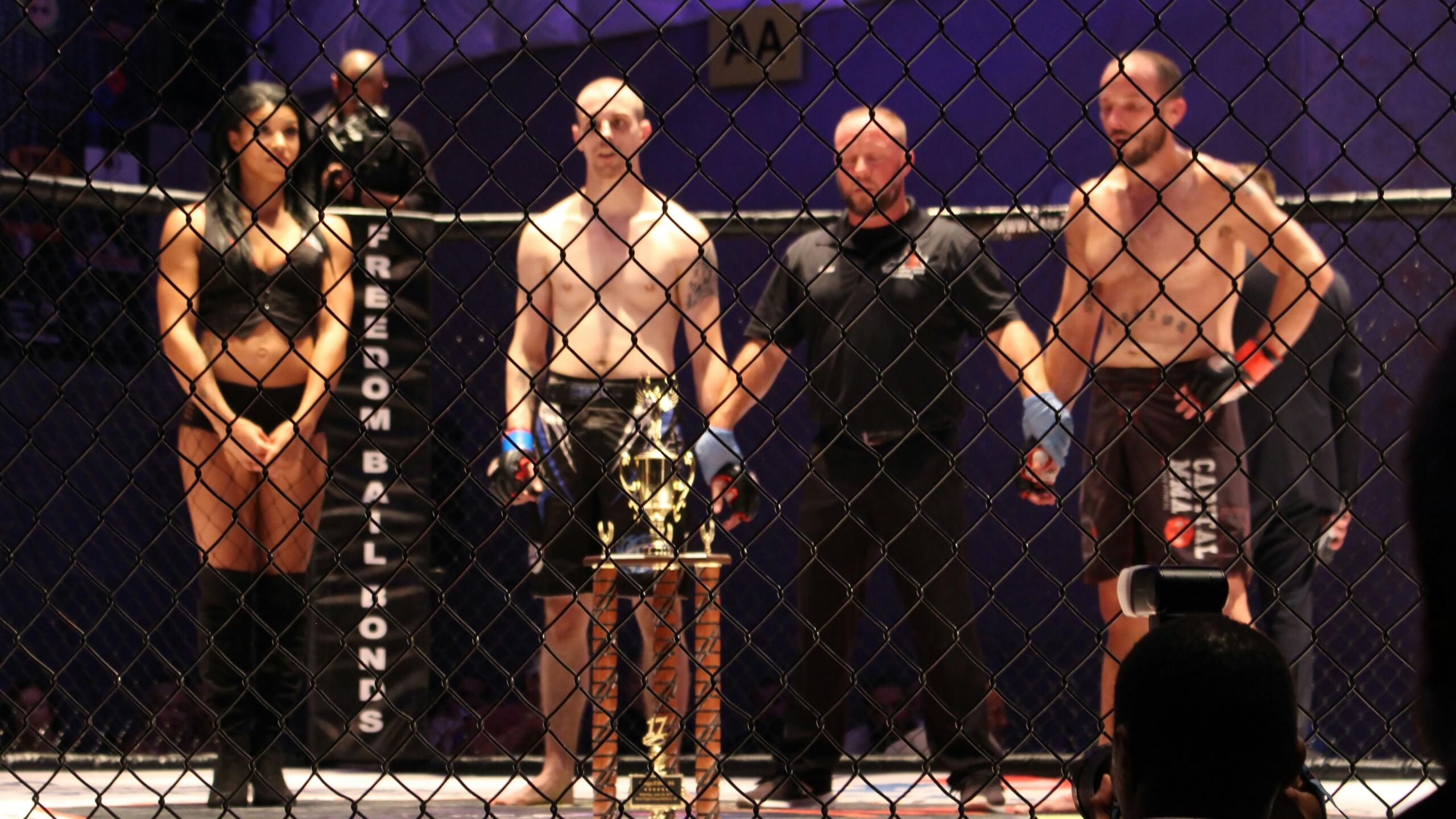
Fights are judged by three officials who score each round individually. Occasionally, both fighters are given 10 points if the round is evenly contested, which can lead to a draw.
Judging is based on three main UFC scoring criteria: striking and grappling effectiveness, aggression, and octagon control. Judges prioritize powerful and effective strikes over the number of hits landed. If the round is close, they look at who is being more aggressive and controlling the pace. If it's still too close to call, the fighter who controls movement and positioning in the cage gets the edge.
But how many rounds are there in UFC and MMA? Well, most UFC fights consist of three rounds, each lasting five minutes with a one-minute break between them. However, main event bouts and title fights are scheduled for five rounds. Longer fights mean fighters need to pace themselves and manage their energy wisely.
If no one gets knocked out or submitted, the judges add up the scores from all rounds to decide the winner.
What Are the Top MMA Promotions in Canada?
Canada has a strong MMA scene with several respected organizations that serve as stepping stones for fighters aiming to reach international platforms. While the UFC is the most recognized MMA organization globally, Canada has 3 active promotions particularly worth mentioning.
1. TKO MMA
Quebec has been a powerhouse in Canadian MMA, largely due to two key institutions: TKO MMA and Tristar Gym. TKO MMA, established in the early 2000s, became a launching pad for elite fighters, including Georges St-Pierre, one of the greatest MMA athletes of all time. TKO MMA has built a reputation for hosting tough fights and well-organized events, giving fighters a solid stepping stone to bigger international promotions.
Over the years, it has served as a breeding ground for top Canadian talent, consistently producing high-level athletes who go on to compete in the UFC and other major organizations. The promotion is also known for its exciting fight cards, featuring a mix of rising prospects and seasoned veterans, making it a favorite among Canadian MMA fans.
Much of Quebec’s MMA success can also be credited to Tristar Gym, located in Montreal. Tristar is regarded as one of the world’s top MMA training centers, producing stars like St-Pierre and Rory MacDonald. Under the leadership of Firas Zahabi, Tristar attracts fighters from around the globe, offering expert coaching in striking, grappling, and Brazilian Jiu-Jitsu.
With its world-class facility, the gym ensures its athletes develop into well-rounded competitors ready for the biggest promotions, including the UFC.
2. Battlefield Fight League (BFL)
Located in British Columbia, Battlefield Fight League (BFL) is one of Canada’s biggest MMA promotions, giving fighters a shot at making it to the top.
From the start, BFL has been all about finding and testing the best up-and-coming fighters, pushing them in tough matchups to see who can handle the pressure.
Many BFL champions have earned contracts with major promotions like the UFC, Bellator, and ONE Championship. Fighters like Matt Dwyer, a former BFL champion, made it to the UFC and even won a 'Performance of the Night' bonus. Similarly, Jamey-Lyn Horth, BFL's first female world champion, transitioned to the UFC, proving that the promotion develops talent across all divisions.
The league’s competitive matchmaking makes sure fighters are always tested, helping them sharpen their skills for the global stage.
3. Unified MMA
Headquartered in Alberta, Unified MMA is the largest and most active MMA promotion in Western Canada, consistently producing high-level talent that moves on to major organizations. One of its biggest success stories is Tanner Boser, a former Unified MMA Heavyweight Champion who earned his way into the UFC, where he has since become a well-known name, even securing a ‘Performance of the Night’ bonus.
The promotion is known for its stacked heavyweight division, but it also delivers action-packed matchups across all weight classes. With a reputation for well-organized events and competitive fights, Unified MMA has become a must-watch for scouts looking for the next breakout stars. Its partnership with UFC Fight Pass has further increased its global reach, giving fighters an even bigger platform to showcase their skills.
As a proven launching pad for MMA talent, Unified MMA continues to play a major role in shaping the future of Canadian mixed martial arts.
How Can I Start Training for MMA?
MMA is a demanding sport that requires dedication, discipline, and a solid understanding of multiple fighting styles. Whether you're looking to compete professionally or just want to improve your fitness and self-defense skills, there are several factors to consider before stepping onto the mats.
What to Consider Before Starting:
Before beginning your MMA journey, it's important to evaluate your fitness level and goals. The sport involves a combination of striking, grappling, wrestling, and conditioning, meaning you'll need endurance, strength, and flexibility.
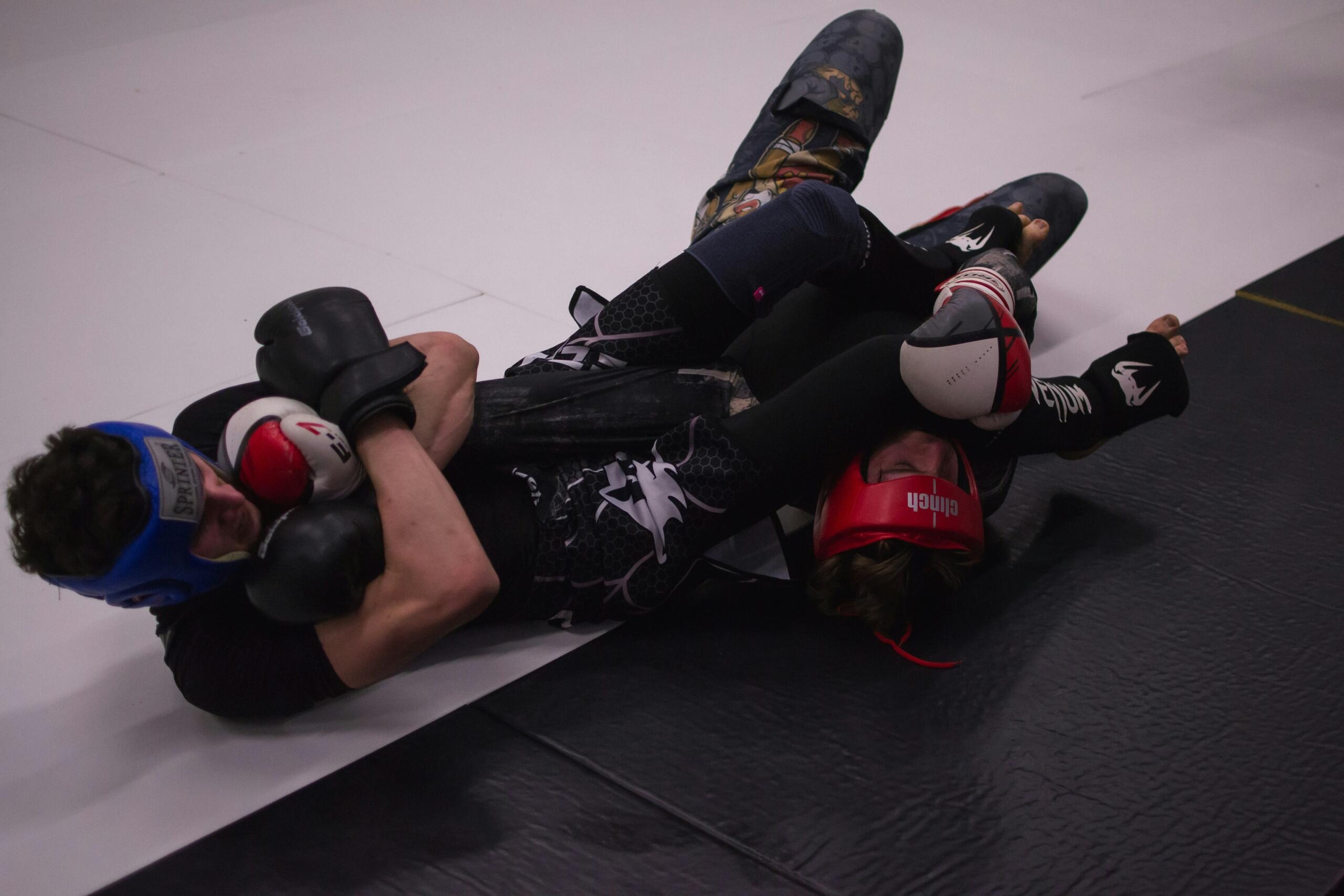
Before beginning your MMA journey, it's important to evaluate your fitness level and goals. The sport involves a combination of striking, grappling, wrestling, and conditioning, meaning you'll need endurance, strength, and flexibility. Beginners should focus on building a strong foundation in basic techniques while gradually improving their overall fitness.
Finding the right gym is crucial, as not all MMA training facilities are the same. Some focus more on competition training, while others cater to casual learners. Look for a gym with experienced coaches, a supportive training environment, and programs that match your goals.
Getting Started with Training
Many gyms in Canada offer structured MMA programs that cover the essentials of striking (boxing, kickboxing, Muay Thai) and grappling (Brazilian Jiu-Jitsu, wrestling, judo). It's best to start with beginner classes to develop proper technique and avoid injuries.
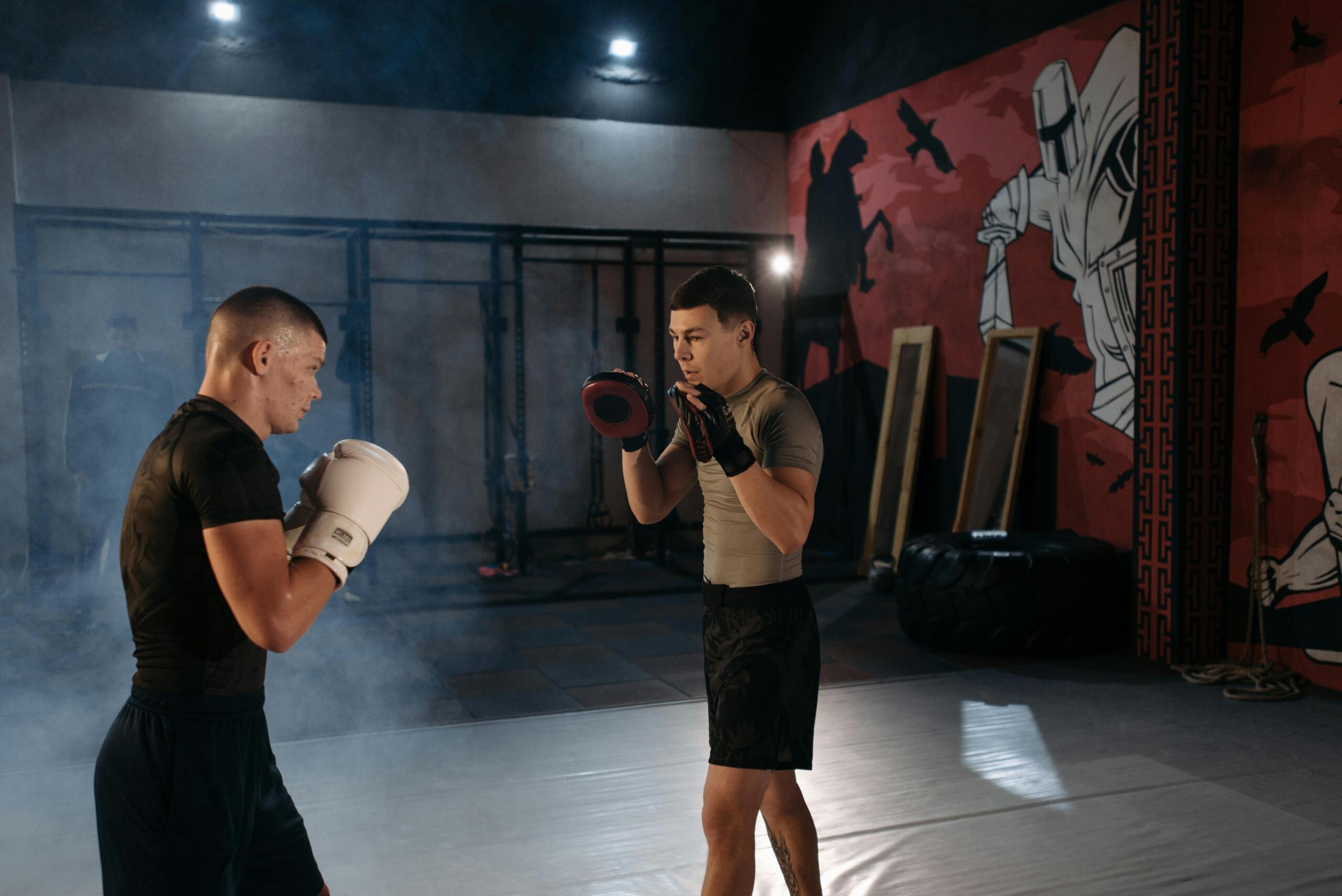
One of the best ways to learn is through private coaching, which allows for personalized instruction and faster skill development.
Platforms like Superprof connect aspiring fighters with experienced instructors who tailor lessons to individual needs. Whether you're a beginner looking to build confidence or an advanced fighter refining your technique, working with a coach can accelerate your progress and give you a competitive edge.
Whether you're aiming for professional competition or just want to learn self-defense, MMA training is widely accessible in Canada. Many gyms offer programs in striking, grappling, and conditioning, but finding the right coach is key.
One way to get started is through Superprof, where experienced instructors offer tailored MMA coaching. Whether you're a beginner or an advanced fighter, working with a coach can help refine your skills and give you a competitive edge.
MMA is an exciting and complex sport, with clear rules governing weight classes, scoring, and illegal moves. Understanding these details makes watching fights more enjoyable and helps new fighters navigate the sport. Whether you’re a casual fan, aspiring fighter, or just curious about MMA in Canada, knowing these regulations gives you a deeper appreciation for the discipline and strategy behind every bout.
Summarize with AI:
Did you like this article? Leave a rating!


 Loading...