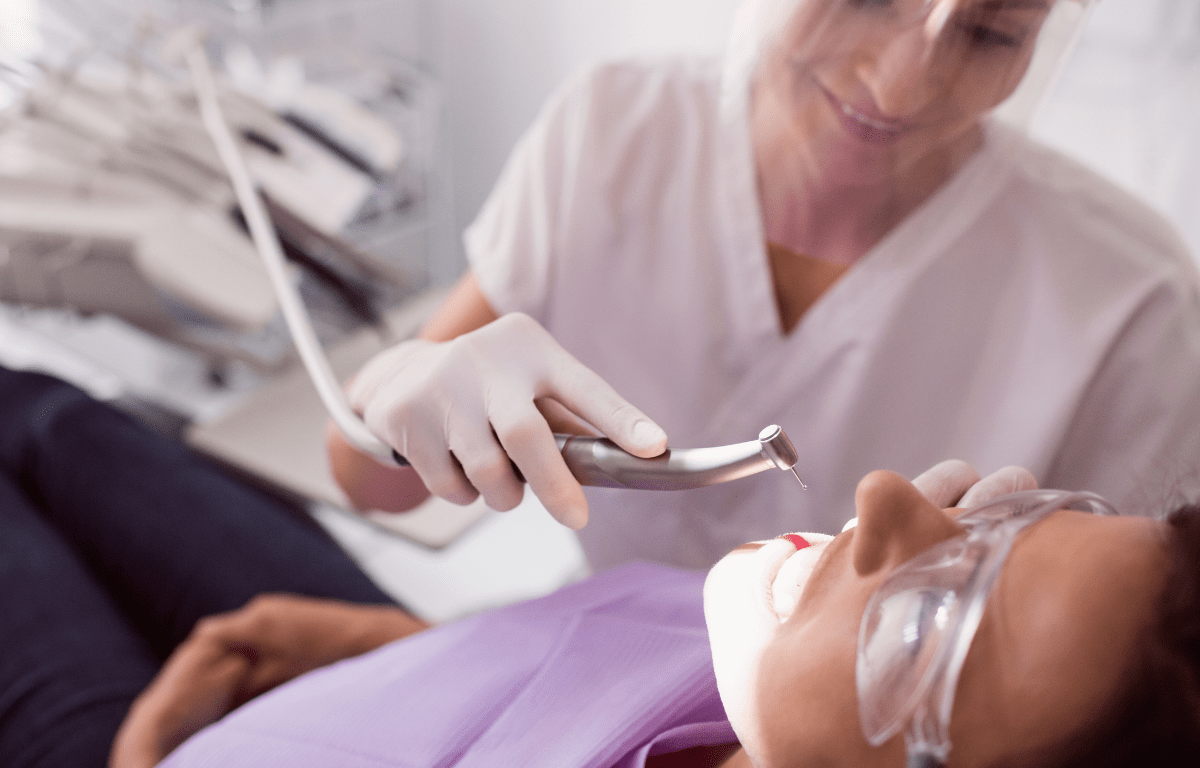

The Ontario Health Insurance Plan (OHIP) provides essential medical coverage for residents across the province, but when it comes to dental care, the coverage can be limited.
So, what dental services are covered by OHIP? OHIP primarily covers dental surgeries performed in hospitals that are deemed medically necessary, such as procedures resulting from trauma, certain medical conditions, or complex surgeries requiring hospitalization. Routine dental care, including check-ups, cleanings, fillings, and extractions, is not covered by OHIP.1
In this article, we’ll walk you through what OHIP covers, what it doesn’t, and how you can access other forms of dental care across Ontario.


Dental Services Covered by OHIP
While OHIP doesn’t usually cover routine dental care, there are a few specific situations where coverage does apply. These are mostly dental procedures performed in hospitals and tied to serious medical needs.2 Let’s take a closer look at when and why OHIP steps in.
Oral health is an essential part of our overall health, and access to quality dental care should not be based on one’s ability to pay.
Jean‑Yves Duclos, then Minister of Public Services & Procurement, Government of Canada.
Hospital-Based Dental Surgeries
For a dental procedure to be covered by OHIP, it must be performed in a hospital and be medically necessary. This requirement means that even urgent dental issues, like impacted wisdom teeth or severe infections, won’t be covered unless hospitalization is needed.
Some examples of procedures that OHIP will cover (when done in a hospital) include:
- Treatment for jaw fractures
- Surgical removal of tumors or cysts in the mouth
- Corrective surgery for cleft palate or other congenital abnormalities
- Tooth extractions requiring general anesthesia or complex monitoring
These hospital-based procedures are typically handled by oral surgeons or specialists who often work within broader healthcare teams. Their work plays a critical role in both dental and medical outcomes, which is also reflected in the average dentist's salary in Canada. However, this can vary widely based on specialization, experience and setting.2
Only procedures done in a hospital and deemed medically necessary are eligible, like jaw fractures, tumor removal, or extractions requiring general anesthesia.
Medically Necessary Procedures
Even when dental problems are serious, OHIP coverage only applies if the procedure is both medically necessary and performed in a hospital. So, what does "medically necessary" actually mean?
It refers to situations where untreated dental issues could seriously affect your overall health, not just your teeth. For example:
- An oral infection spreading to your jaw or bloodstream
- Dental clearance needed before starting cancer treatment
- Surgical complications, like bone death (osteonecrosis), after radiation
In cases like these, dental care becomes part of a broader medical treatment plan, often involving hospital-based teams.
Dental Services Not Covered by OHIP
While OHIP provides essential healthcare coverage, it doesn’t include most dental services that Ontarians regularly need. If the procedure isn’t performed in a hospital or considered medically necessary, chances are it’s not covered.
Routine Dental Care
While OHIP plays a central role in covering essential medical services in Ontario, it does not extend to routine dental care, even when that care is important for your oral health.
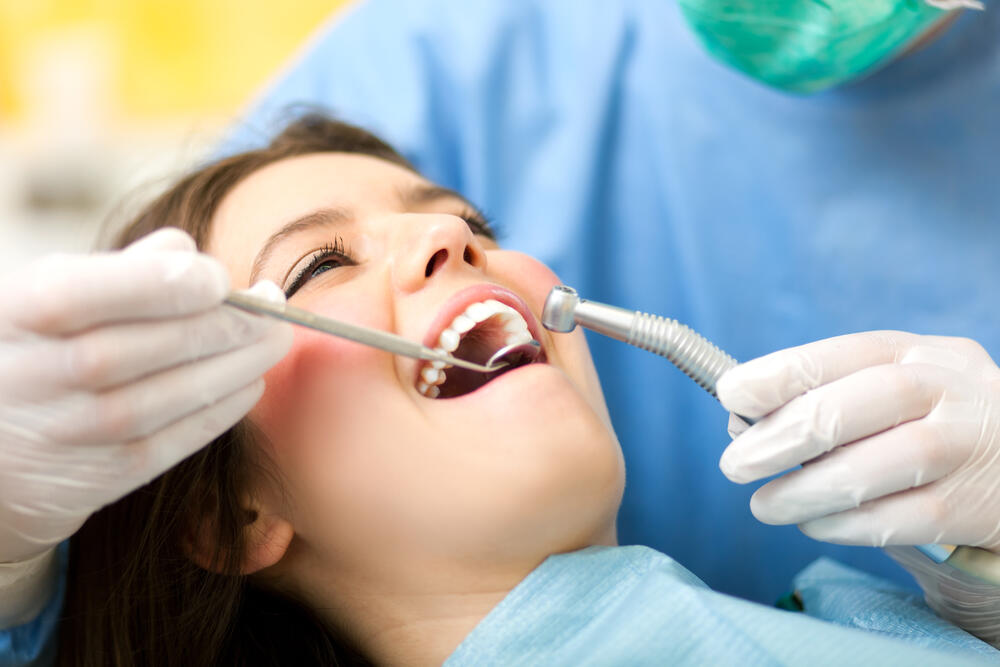
Services like regular cleanings, dental check-ups, and fillings are considered the responsibility of the individual and must be paid out-of-pocket or through private insurance.
Even procedures such as tooth extractions, when performed outside of a hospital setting, fall outside OHIP’s scope. The same applies to orthodontic treatments like braces, as well as cosmetic procedures such as teeth whitening or veneers. Dental implants, despite their restorative purpose, are also not included unless tied to a medically necessary hospital procedure, which is rare; however, it's all things you’ll learn if you decide to study dentistry in Canada.
Because of these limitations, many Canadians turn to dental benefit Canada programs or private coverage to manage costs. This is especially true for adults, since Canada dental benefit for adults is still a patchwork of provincial programs and income-based eligibility.
Since OHIP doesn’t cover everyday dental care, it’s important to understand dentist fees in Canada when planning your health budget.
Out-of-Hospital Procedures
Even if a dental procedure is important for your health, it won’t be covered by OHIP if it’s not performed in a hospital. This includes common treatments like wisdom tooth extractions, root canals, dental implants, and dentures, all of which are usually handled in private dental clinics.
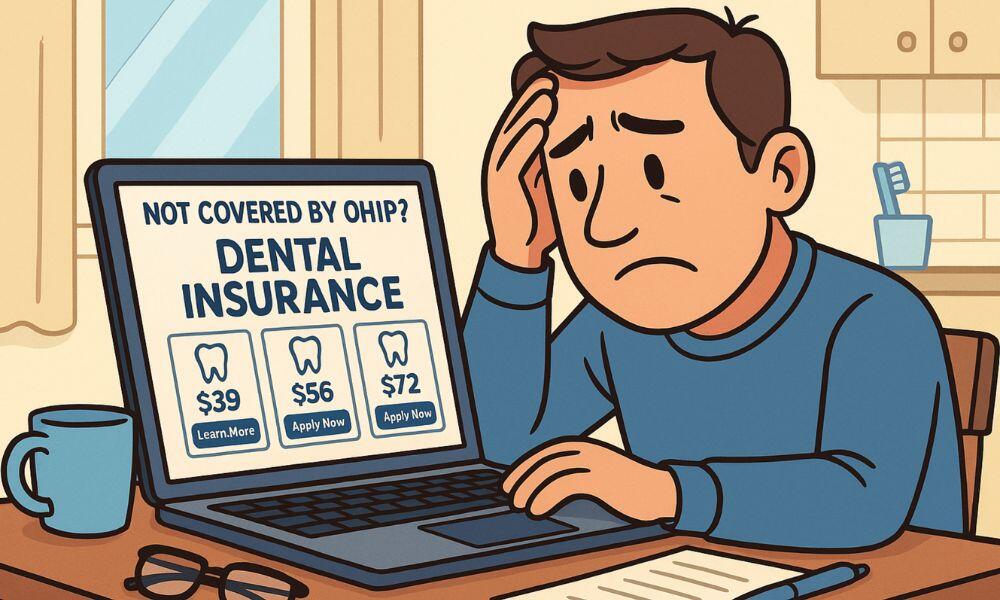
Since these services fall outside public coverage, patients are responsible for the full cost. And those costs can vary. Dentist fees in Canada depend on the type of procedure, your location, and even the dentist’s level of experience. For many Ontarians, this makes private insurance or targeted benefit programs an essential part of planning for dental care.
Unlike general health procedures, dental treatments done in private clinics aren’t included in OHIP coverage. That’s because OHIP only steps in when a dental issue becomes a medical emergency requiring hospital care.
Alternative Dental Coverage Options in Canada
While OHIP doesn’t cover most routine dental care, there are several other programs and options that can help reduce the cost of treatment. From government-funded plans for seniors and children to private insurance policies, it’s worth exploring what support might be available based on your age, income, or personal needs.
Government-Funded Programs
While OHIP doesn’t cover routine dental care, Ontario offers a few publicly funded programs for those who qualify. These programs ensure essential dental services are still available, and also reflect broader shifts in how oral health and dental licensure in Canada are being integrated into the public health system.
Ontario Seniors Dental Care Program (OSDCP)
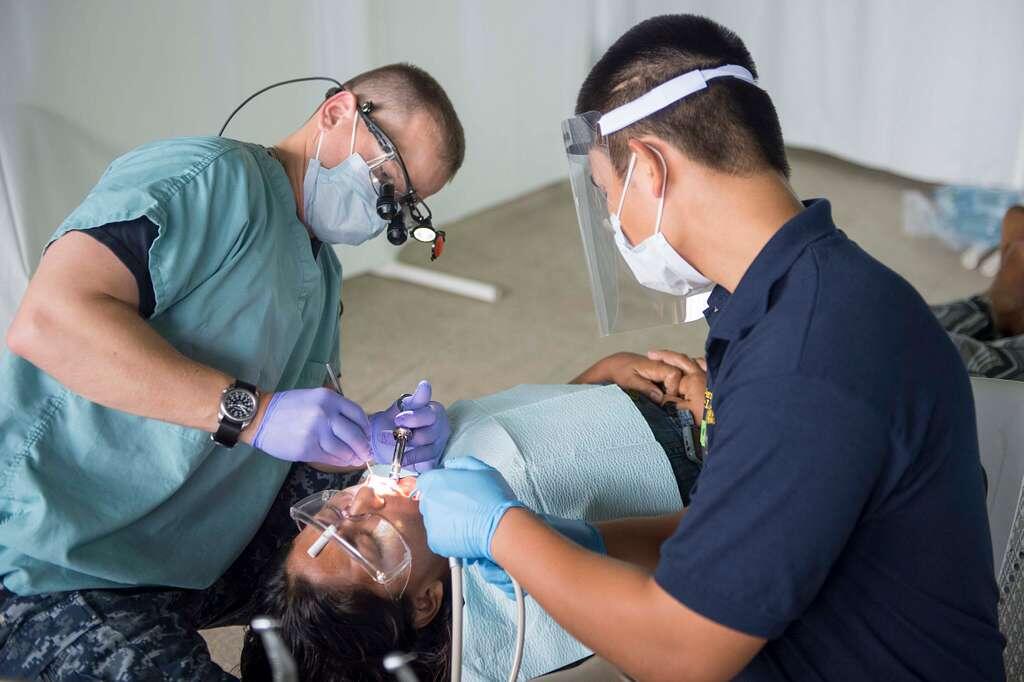
For low-income seniors in Ontario, the Ontario Seniors Dental Care Program (OSDCP) offers free dental care to help maintain oral health and prevent more serious health issues down the line. As one of the few publicly funded options in Ontario, OSDCP plays a key role in supporting access to care under the Canada dental plan for seniors umbrella.
The program covers different basic dental services, including routine exams, cleanings, fillings, X-rays, and even dentures. Services are delivered through public health units, community health centres, and some mobile dental buses.
To qualify, you must:
Eligible seniors can apply online through ontario.ca, by mail, or with the help of a local public health unit. Once approved, you’ll receive a dental card valid for one year, with the option to renew annually.
Healthy Smiles Ontario (HSO)
Healthy Smiles Ontario (HSO) is a government-funded dental program that provides free dental care for eligible children and youth under the age of 18. It’s designed to make sure kids receive the essential oral health services they need, even if their family can’t afford private dental coverage.
No one should have to choose between taking care of their teeth and paying their bills. Canadians deserve access to affordable dental care, which is essential not only for oral health, but for overall health.
Mark Holland, Minister of Health
Covered services include regular checkups, preventive care like cleanings and fluoride treatments, X-rays, fillings, and urgent dental treatments. In some cases, emergency oral surgeries may also be included.3
To qualify, children must:
Families can apply through ServiceOntario, directly with public health units, or with the help of participating dental providers. Once accepted, children receive coverage until their 18th birthday, as long as they continue to meet the income and residency requirements.
Private Dental Insurance
While government programs offer limited coverage, many Ontarians rely on private dental insurance to manage the cost of routine care. These plans can help pay for cleanings, fillings, extractions, and even orthodontics, services that fall outside the scope of OHIP.
Private insurance is often provided through employers, but individual plans are also available. Coverage and costs vary widely, so it’s important to compare options based on your needs and health habits.
Pros of Private Dental Insurance
✅ Helps cover routine and emergency dental expenses
✅ Reduces out-of-pocket payments
✅ Often includes preventive, restorative, and even cosmetic options
✅ May include family members on the same plan
Cons of Private Dental Insurance
❌ Monthly premiums can be costly without employer coverage
❌ Coverage limits and waiting periods may apply
❌ Not all services (e.g., implants or orthodontics) are fully reimbursed
❌ Plan terms can be complex and vary across providers
Understanding Dentist Fees in Canada
Dental care in Canada can feel expensive, especially when you’re paying out of pocket. Since OHIP doesn’t cover most services, understanding dentist fees in Canada is essential for budgeting and planning.

Fees aren’t set by the government. Instead, each province’s dental association publishes a suggested fee guide, but clinics aren’t obligated to follow it. This means prices can vary based on where you live, the clinic’s overhead, the complexity of the procedure, and even the experience level of your provider.
Several factors influence how much you’ll pay:
- The complexity of the treatment
- The type of materials used (e.g., ceramic vs. metal)
- The experience level of the provider
- Regional differences in overhead costs (rent, staff, equipment)
For example, a simple dental cleaning in Ontario might range from $120 to $180, while a single filling could cost $150 to $250, depending on the clinic. More complex procedures like crowns or root canals can run into the hundreds or even thousands of dollars.
| Service Type | OHIP | OSDCP (Seniors) | HSO (Children & Youth) |
|---|---|---|---|
| Cleanings & Checkups | ❌ | ✅ | ✅ |
| Fillings & Extractions (Clinic) | ❌ | ✅ | ✅ |
| Hospital Dental Surgery | ✅ (if eligible) | ❌ | ❌ |
| Braces / Cosmetic Procedures | ❌ | ❌ | ❌ |
| Dentures | ❌ | ✅ | ❌ |
| X-rays | ❌ | ✅ | ✅ |
| Root Canals (Clinic) | ❌ | ✅ (case-dependent) | ✅ (limited to urgent care) |
| Emergency Dental Treatment | ❌ | ✅ (urgent issues only) | ✅ (urgent issues only) |
| Dental Surgery in Private Clinics | ❌ | ❌ | ❌ |
Patients can ask whether a clinic follows the provincial fee guide, request written estimates in advance, and clarify what’s covered by private insurance. Many also explore payment plans, sliding-scale clinics, or community dental programs as more affordable alternatives.
And if you’re planning a dental hygienist career, it’s helpful to understand how provincial fee guides influence service pricing and patient access, especially as hygienists often provide preventive care that isn’t publicly funded.
Even in urgent situations, OHIP only covers dental treatment if:
✔️ The procedure is medically necessary
✔️ It’s performed in a hospital setting
This means that common emergencies like severe toothaches, broken teeth, or infections treated at dental clinics are not covered, even if they’re painful. X-rays are also excluded unless part of hospital-based surgery.
References
- Does ohip cover dental services? (no date) Settlement.Org | Information Newcomers Can Trust. Available at: https://settlement.org/ontario/health/find-a-doctor-or-medical-professional/find-a-dentist/does-ohip-cover-dental-services/.
- Aslam, M. (2025) OHIP dental coverage list 2024: A complete guide, KWC Dental. Available at: https://www.kwcdental.com/blog/ohip-dental-coverage.
- Canada, H. (2024) Government of Canada announces the services covered under the Canadian Dental Care Plan, Canada.ca. Available at: https://www.canada.ca/en/health-canada/news/2024/02/government-of-canada-announces-the-services-covered-under-the-canadian-dental-care-plan.html.
Summarize with AI:
Did you like this article? Leave a rating!

 Loading...