

In this 21st century, anyone can dare to become whatever they want; it differs from the past when only special people could do certain things. Now if you choose any profession or skill, you will find everything you need to learn from anywhere in the world, thanks to the advancement of technology and the positive changes in social conventions, philosophy and politics.
If you have ever thought about learning how to paint or getting to know more about art, do not hesitate any longer; take the bold step into the art world, and you will be surprised at how far you can go in a short time.
Painting brings great joy to the painter and their audience; the diversity, skillfulness, creativity and unlimited ideas in the art form make it very intriguing and exciting for everyone. So in this guide, you will find some vital information that will help you develop yourself in the art world, and you will start learning about painting right here.


What Are the Various Painting Styles?
The first thing you should know about painting styles is that they are different types of painting and very different from painting techniques. A painting style is a distinctive way the brush strokes communicate with the artist when creating a masterpiece. Hence, this list outlines some of the significant painting styles in art.
Realism
As the name implies, realism is a style of painting in which the subject looks more like real things rather than an abstract object. Many people call this style genuine art, but it is still just a series of brush strokes with colours and value.
Realism is the most common painting style; the artist uses his perspective to create an illusion of depth and space and sets in lighting and composition to make it look natural. A classic example of this style is the "Mona Lisa" painting by Leonardo da Vinci.
Impressionism
Impressionism is another exceptional art style that emerged in Europe, where artists sought to capture light with gesture and illusion, not through realism's detail. As a result, the objects in the painting will retain their realistic appearance yet have a vibrancy unique to this style.
When this style was first created, it was regarded as unfinished work by critics, but now people can see the unique beauty of this art style. Painting has many types. Have you seen your favorite?
Painterly
Painterly became widely practised with the invention of the metal painting bucket, which allowed artists to go out of the studio; in this painting style, painters just focused on the painting with no effort to hide their technical work.
The subjects of the painting were rendered realistically with emphasis on the act of the image. Artists working with this style do not smoothen out the marks and texture left behind by their brushes or other tools. Instead, they just let it complement the beauty of the work.
Abstraction
Abstraction is a painting style that showcases a subject's purpose in an image as the artist sees it rather than focusing on its visible details.
The artist may narrow down the subject's attributes to its dominant shapes, colours or patterns and leave out other details; for example, Pablo Picasso used this style for his famous Mural of Three Musicians. The subject's look doesn't seem real, but you will recognize who they are.
Photorealism
This painting style was developed in the late 1960s and early 70s to create something different from abstract expressionism, which has dominated since the 1940s. Photorealism is a style that is often more real than reality, no flaw is insignificant, and no detail is left out; some artists even copy photographs and project them on canvas to capture their details more accurately.
However, other artists practice this style using freehand or a grid system to enlarge a photo.
Expressionism and Fauvism
Expressionism and Fauvism are popular modern painting styles that began to appear in galleries and studios in the 20th century. These two art styles are characterized by the use of bold unrealistic colours, which the artist applies to the painting to depict life as it feels to the artist rather than how it is.
However, there are slight differences between these two styles. Impressions are more suitable to depict the horror and grotesque of everyday life. It is mainly done with horrific images and hyper-stylized brushwork, as the artist Edvard Munch did with his "The Scream" painting.
On the other hand, Fauvism seeks to convey a picture of life's idealized or exotic nature. It depicts a novel use of colour and aims to create compositions that suit this concept. The best example of a painting with this style is George Braque's "Pastoral Scenes" or Henri Matisse's "Frolicking Dancers."
What Are the Elements of Painting?
The elements of the painting are a broad topic of discussion because these are the vital things that will guide you through creating art with the proper compositions and values. First, however, here is a brief outline of the elements of the painting.
Color
The function of color in the painting is primarily for descriptive and decorative purposes; it is used to reinforce the expression of an idea.
However, modern painting with the full spectrum range of pigments now available has made color the primary expressive element. Therefore, the vital thing to know about colour in the picture is the application of hue, intensity and tone; this will set the principal dimensions of the painting.
Texture
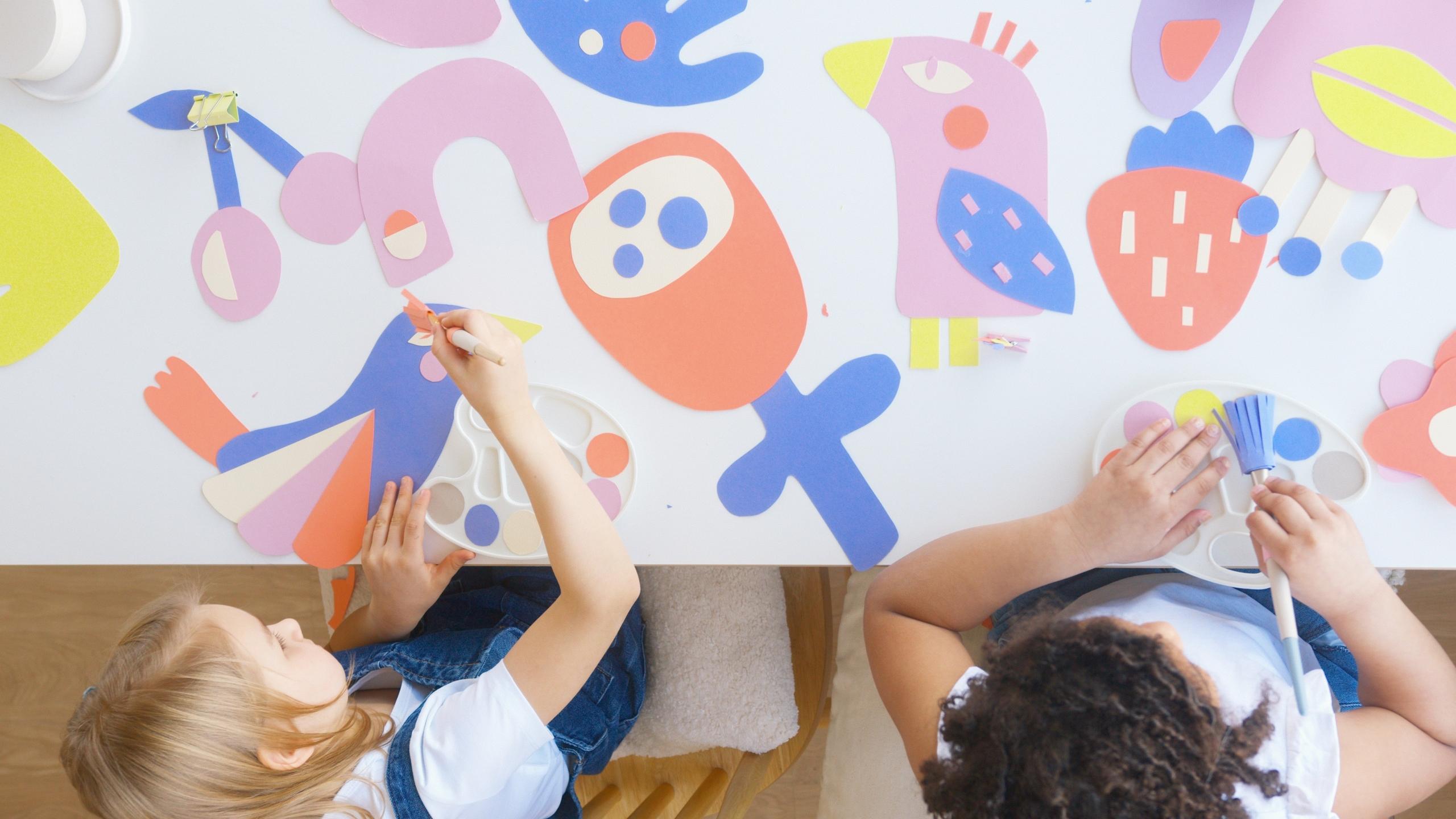
Texture is an element of design that includes all aspects of painting animated or enriched by vibrating patterns of lines, tones, colours and shapes. It is an element that can't be considered without involving others because it combines elements to form its composition.
Shape
The shape is the height and width of the objects in a painting, these values can affect how we see them, and it is an essential part of every painting. Tweaking the width and height of objects can affect how we relate to them because there will be a change in proportions.
Line
Lines are intuitive conventions for representing things, and in art, you must understand the relationship between thick and thin lines, jagged and twisted and broken with continuous. These are the forces of contrast and repetition in design.
What is the Cost of Private Painting Lessons in Ottawa?
You can get private painting lessons in Ottawa for as low as $10 per hour. However, the cost of private painting lessons or any other form of painting lessons in Ottawa varies with different factors, including the type of lesson, in-person or online lessons, the experience level of the teacher and your current skill level.
Different levels of painting lessons may have additional costs. For example, if you are learning the basics, it may be cheaper than when you decide to take more advanced classes. Also, online courses may be more affordable than in-person painting classes, especially when you can choose the location.
So, painting lessons are affordable in Ottawa; it depends on what you seek. Still, if you don't mind adjusting your preferences, learning to paint doesn't cost much. Learn more!
How Long Should I Take Painting Classes Per Week?
It takes time to learn any art form, and it is not advisable to rush your learning process with painting. This is because your unique experience with art doesn't start when you become an expert; instead, it begins when you first decide to learn about it.
So when you start taking painting classes, you should enjoy everything that comes with the process and take as much time as you want. If you take painting classes for at least three days per week, you can learn fast and still have time for other things.
However, it is not entirely a bad idea to take painting classes for four or more days per week; just that it is more advisable to create time for your practice. This personal time will allow you to explore your creativity and practice what you learn in painting classes.
Art Lessons Near Me
While reading through the guide, one of the many thoughts that may come to your mind is how to find painting classes near me. However, suppose you're genuinely interested in art and desire to learn painting. In that case, finding art lessons near me or getting a good painting teacher will not be a problem because you have Superprof - a reliable and efficient platform in Ottawa that can assist you.
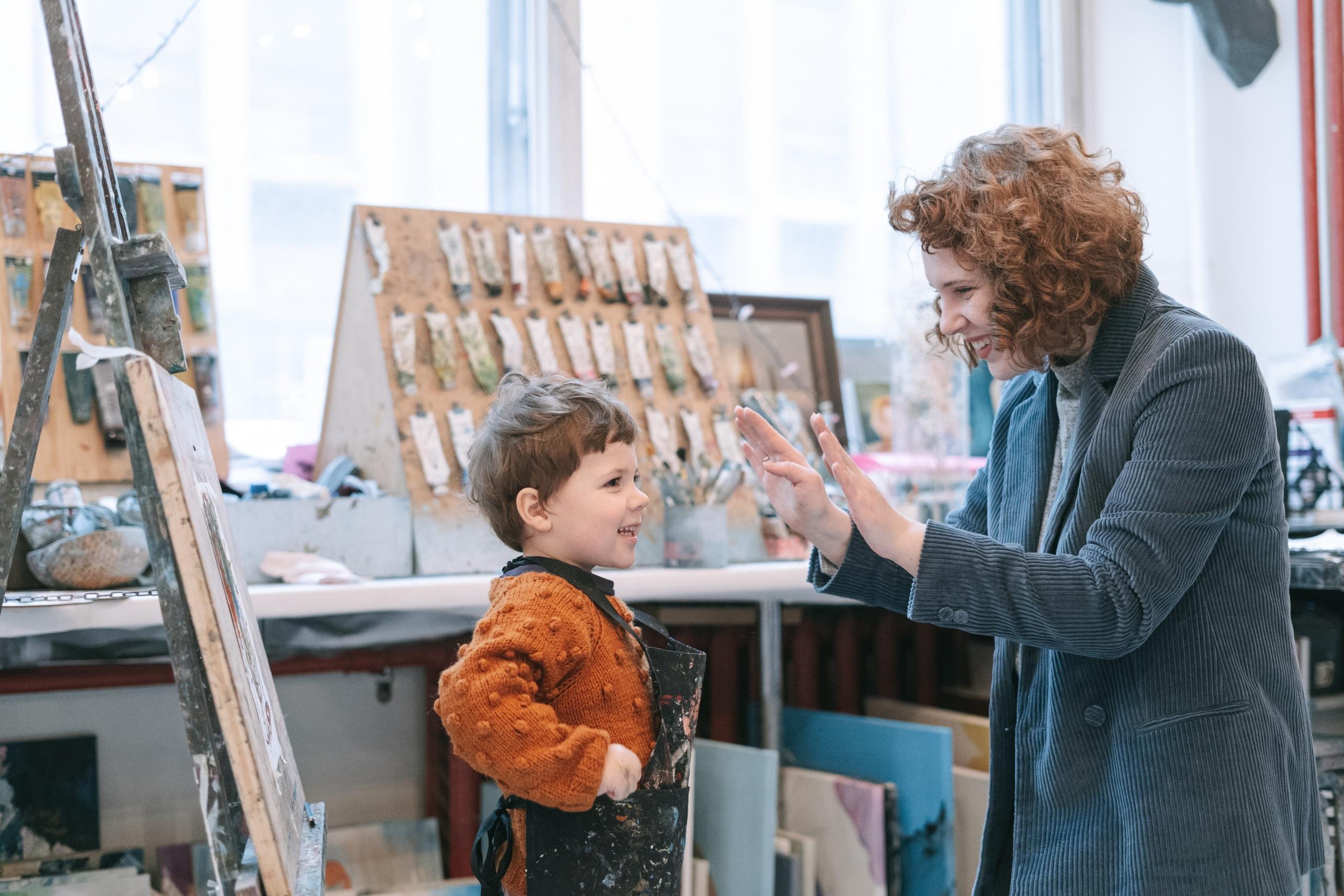
Superprof has hundreds of highly recommended tutors in their various fields of expertise, so you can join the platform and get a painting teacher that suits your learning needs and budget. It might be the perfect time to experiment with paint lessons.
In addition, the platform offers all kinds of painting lessons, and you can learn at your own pace. So hire a painting teacher on Superprof to guide you through your journey to learn painting, and you will have a fantastic art experience.
If you live in Montreal, these painting tips could help.
Summarize with AI:
Did you like this article? Leave a rating!


 Loading...
