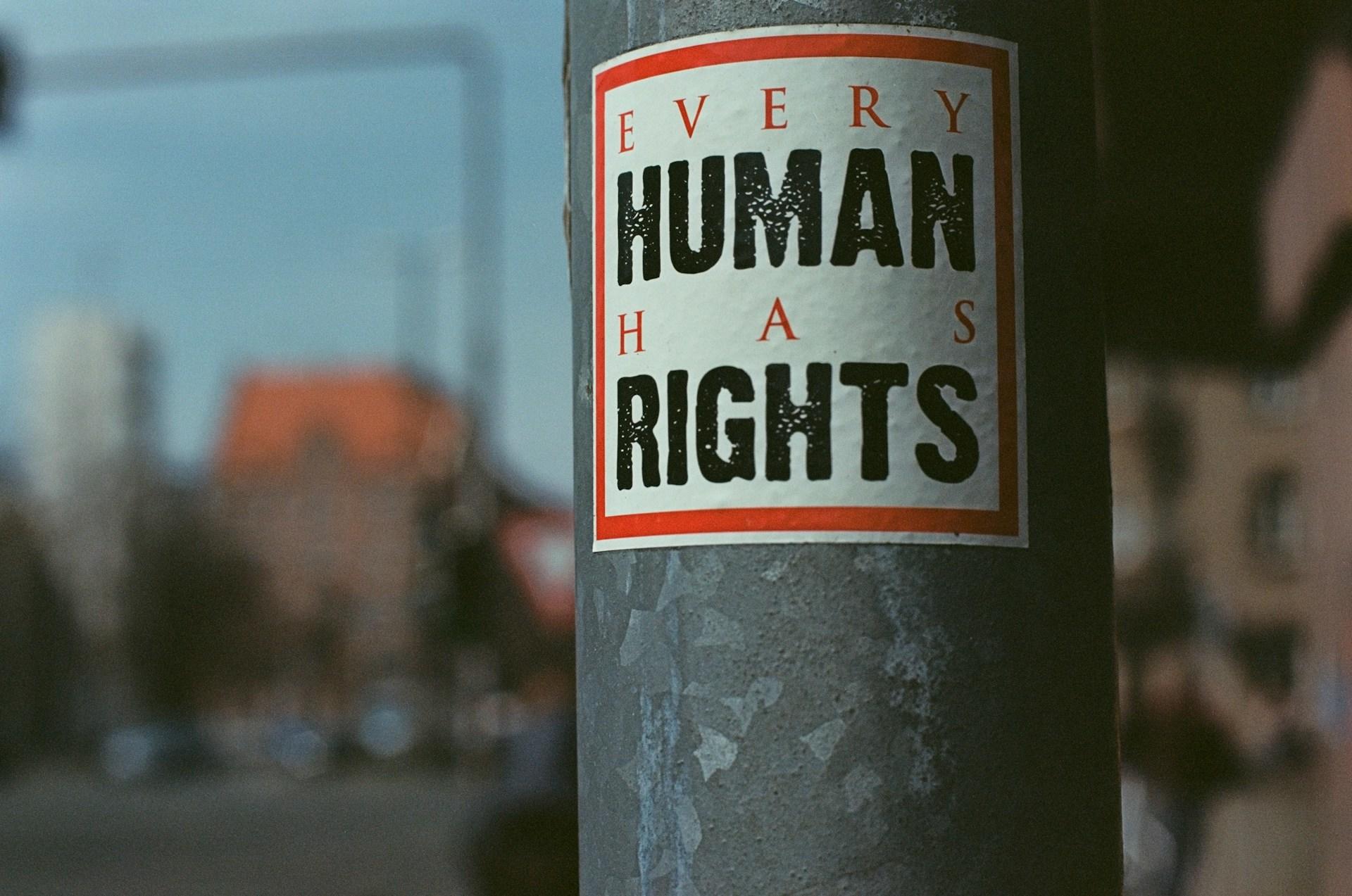
International Human Rights Day, celebrated annually on December 10, reminds us of the fundamental freedoms that every human being is entitled to, regardless of their nationality, gender, religion, or background.
This day commemorates the adoption of the Universal Declaration of Human Rights by the United Nations in 1948. It also serves as a moment to reflect on the ongoing importance of protecting these freedoms in modern society. 1
For Canadians, human rights are not just ideals but vital principles embedded in the fabric of the nation. They form the basis of laws that promote equality, protect individuals from oppression, and foster social justice. These rights are foundational to Canada’s identity as a progressive and inclusive democracy.
Take part in the quiz and celebrate the values that shape International Human Rights Day here in Canada and around the globe:
Quiz
Quiz :The quiz touches on several important human rights. Here's a closer look at what each of them means.
🧑⚖️ Understanding Human Rights: A Canadian Perspective
The Universal Declaration of Human Rights (UDHR) lays out essential principles such as the right to life, liberty, and personal security. It also upholds rights like freedom of expression, access to education, and the ability to participate in society. But how familiar are we with the contents of this landmark document? Do we truly grasp its most significant provisions? And what does it mean for Canadians that these rights are meant to apply universally?
The UDHR now holds the Guinness World Record as the most translated document in the world, available in 500+ languages and dialects. 2
🤝Equality, Dignity and Freedom from Discrimination
These human rights principles are in alignment with both Article 1 and Article 2 of the Universal Declaration of Human Rights. 3
Everyone is entitled to the same fundamental rights and freedoms
UDHR Article 1: Everyone is born free and equal in dignity and rights.
Every person has inherent worth and should be treated with respect
UDHR Article 1: Dignity is presented as a fundamental principle underlying human rights.
People should not be denied rights or treated unfairly because of their race, colour, sex, language, religion or national origin
UDHR Article 2: Everyone is entitled to all the rights and freedoms outlined in this Declaration, without distinction of any kind…

🕊️Freedom of Religion and Expression
These fundamental freedoms are also mentioned and recognized in the UDHR, in alignment with Articles 18 and 19.
Freedom of thought, conscience and religion
- People have the right to have or change their religion or belief
- People have the freedom to express it in public or private, whether through worship, rituals, teaching, and observance
Freedom of
opinion and expression
- People have the right to form and hold opinions without any hindrance
- People have the freedom to look for information and receive ideas from others, across borders and through any medium
📖The Right to Work and Education
Under the UDHR, there are also human rights relating to people's economic, social and cultural well-being. Access to work and education are important for people to function properly in a society.
The right to work
- Covered under Article 23
- The right to employment, favourable working conditions and also protection against unemployment
- The right to receive equal pay for their work
- People can also form and join trade unions
The right to education
- Covered under Article 26
- Everyone has the right to education, with elementary education being compulsory
- The purpose and core of education focuses on the full development of the human personality, and guiding students on human rights and fundamental freedoms
🏠The Right to Asylum and Clean Water
The reason why we grouped these two rights here is to demonstrate how the international human-rights framework has developed beyond the familiar rights in the UDHR.
While the right to seek and enjoy asylum has been recognized under Article 14 of the UDHR since 1948, it has become increasingly relevant as conflicts, persecution and displacement continue to force people to seek protection beyond their home countries.
For example, Khaled Hosseini is an Afghan-American author of The Kite Runner and A Thousand Splendid Suns who became a refugee after his family sought asylum in the United States following the Soviet invasion of Afghanistan
He was appointed a UNHCR Goodwill Ambassador in 2013. 4

Here comes the interesting part of the quiz. While the right to clean water may not be included under the 30 UDHR articles, safe and clean drinking water and sanitation have been recognized as human rights internationally by the United Nations. 5
The right to clean water and sanitation
- Everyone needs to have access to safe, secure and affordable water (personal and domestic use)
- Access to proper sanitation is granted to everyone equally where it's socially and culturally acceptable
- This access is entitled to all people without any form of discrimination
How to address the rights
- Duty bearers (especially the government) must provide equal rights of water and sanitation services, working with the states in every country
- Work out a framework that keeps the duty bearers accountable until they fulfill their responsibilities
- Every reason for discrimination must be addressed, especially towards the marginalized community
🍁Human Rights in Canada: Past and Present
In Canada, human rights are firmly entrenched in the Canadian Charter of Rights and Freedoms, introduced in 1982. The Charter guarantees key rights and freedoms, including equality rights, freedom of expression, and protection against discrimination. These principles reflect Canada’s commitment to ensuring dignity, fairness, and justice for all citizens and residents. 6
| Category | What it protects | Charter sections |
|---|---|---|
| Reasonable limits | Rights are subject only to reasonable, legally prescribed limits that can be justified in a free and democratic society. | Section 1 |
| Fundamental freedoms | Conscience and religion; thought, belief, opinion and expression (including press/media); peaceful assembly; association. | Section 2 |
| Democratic rights | Citizens’ right to vote and run for federal/provincial office; regular elections (at least every 5 years) and legislative sittings (at least yearly). | Sections 3–5 |
| Mobility rights | Citizens’ right to enter, remain in and leave Canada; citizens and permanent residents’ right to move and work in any province (with limited exceptions). | Section 6 |
| Legal rights | Life, liberty and security of the person; protection from unreasonable search/seizure and arbitrary detention; rights on arrest/detention and at trial; protection from cruel and unusual punishment; protection against self‑incrimination; right to an interpreter. | Sections 7–14 |
| Equality rights | Equal protection and benefit of the law without discrimination (e.g., race, national/ethnic origin, colour, religion, sex, age, disability). | Section 15 |
| Official language rights | Equal status and use of English and French in Parliament and the federal government; related language rights in federal institutions and proceedings. | Sections 16–22 |
| Minority‑language education rights | Eligible citizens’ right to minority‑language (English or French) primary/secondary schooling, and where numbers warrant, publicly funded minority‑language facilities. | Section 23 |
| Indigenous rights | The Charter does not take away existing Aboriginal, treaty or other Indigenous rights and freedoms. | Section 25 |
However, Canada has also faced, and continues to address the challenges in fully realizing these rights. Issues such as the treatment of Indigenous Peoples, systemic racism, and the protection of privacy in the digital age are pressing topics that demand ongoing attention.
Similarly, debates around the rights of refugees and access to clean water in Indigenous communities highlight the work still needed to achieve equity across the country.
🌎Human Rights on a Global Scale
While Canada has made significant strides, human rights remain under threat in many parts of the world. Violations, particularly in conflict zones and authoritarian regimes, continue to endanger the lives of millions. Issues such as access to clean water, protection against poverty, and freedom of expression remain unfulfilled in numerous countries.
Organizations such as the United Nations, Amnesty International, and Human Rights Watch play a crucial role in documenting violations and advocating for change. These groups remind us that the fight for human rights is a shared global responsibility.
📜Reflecting on International Human Rights Day
For Canadians, International Human Rights Day is not only a time to celebrate progress but also a chance to examine areas where improvement is needed. In a country that prides itself on diversity and inclusion, the protection of human rights requires constant vigilance and action.
International Human Rights Day is celebrated on 10 December because that’s the anniversary of the UN General Assembly’s adoption of the Universal Declaration of Human Rights (UDHR) in 1948.
By reflecting on the Universal Declaration of Human Rights and its relevance in Canada, we can continue to champion the values of equality, justice, and dignity for all. Let’s use this opportunity to learn, advocate, and take pride in being part of a nation that values the protection and promotion of human rights.
🤝A Call to Action
Human rights are universal, but their enforcement is a collective effort. Whether through educating ourselves, supporting advocacy organizations, or holding our institutions accountable, we all have a role to play. This International Human Rights Day, let’s renew our commitment to fostering a society where everyone can live with dignity, respect, and opportunity.

Take the quiz, expand your understanding, and join the global effort to protect and uphold human rights. Together, we can build a fairer, more compassionate world, starting right here in Canada 🇨🇦.
Human rights are not a privilege conferred by government. They are every human being's entitlement by virtue of his humanity.
Mother Teresa
References
- Amnesty International. (2023). Universal Declaration of Human Rights. Amnesty International. https://www.amnesty.org/en/what-we-do/universal-declaration-of-human-rights/
- Agata Palinska. (2024, December 10). 10th December – International Human Rights Day. European Foundation of Human Rights. https://en.efhr.eu/2024/12/10/human-rights-day/
- United Nations. (1948, December 10). Universal Declaration of Human Rights. United Nations. https://www.un.org/en/about-us/universal-declaration-of-human-rights
- Mulhall, E. (2015, September 30). Refugee Crisis in Europe—Nansen Refugee Award OP-ED by UNHCR Goodwill Ambassador, Khaled Hosseini. UNHCR Canada. https://www.unhcr.ca/news/nansen-refugee-award-op-ed-by-unhcr-goodwill-ambassador-khaled-hosseini
- United Nations. (2024). Human Rights to Water and Sanitation. UN-Water; United Nations. https://www.unwater.org/water-facts/human-rights-water-and-sanitation
- Heritage, C. (2017, October 23). Guide to the Canadian Charter of Rights and Freedoms. Aem. https://www.canada.ca/en/canadian-heritage/services/how-rights-protected/guide-canadian-charter-rights-freedoms.html#a1
Summarize with AI:


Very nice statement for everything !