


Living can be costly, especially in a country like Canada. Not only can it be expensive to purchase or rent a house or condominium, it can also be pricey to spend money on a car, gasoline, groceries, furniture, childcare…the list goes on and on!
With all the pressures in adult life, you might be wondering what the most stable careers are for Canadians. Having a stable career can be particularly important should your goals include starting a family and providing the best opportunities for your children. If you are interested in rewarding, steady work that is always in demand, you might want to consider starting a career in nursing.
Nurses are in demand not only in Canada but around the world. Healthcare is a necessity for everyone in society at some point in your life, whether it is for emergency reasons or simply just maintaining well-being. Ever need a treatment or a surgery? Need to see a family health clinic for a vaccination or physical? Looking for advice on sexual health matters or require a walk-in clinic for a sudden or acute ailment? It is highly likely that a nurse was there.
As a nurse, you could work in a hospital, clinic, community health centre, private clinic, cosmetic medical clinic, a university, long term care centers, or school board. You will not only reap the benefits of working for stable, public and private institutions, but enjoy a competitive salary that can easily be supplemented with overtime work.
And yes, you may find yourself working long shifts, weekends, and experience moments where your patience and and instincts will be tested. You may have challenging patients, colleagues, and witness life-changing moments. But you will also be in one of the most personally rewarding professions where you will use the full extent of your intellect, empathy, and professional capacity. You all also find that there are so many different career pathways you can take in leadership, professional development, and more.
If this all sounds good to you, keep on reading to learn what you can expect in your nursing training and what you can earn once you are in the field.
Becoming a nurse practitioner or a registered nurse in Canada is a complex process that attracts the best and brightest of students. Find out how to become a nurse practitioner in Canada.



What is Nurse Education Like in Canada?
Canada upholds a high standard of care in its healthcare system, and requires nurses to undergo an extensive training and certification process to earn licensure. While that may sound daunting, keep in mind that you don’t need to go to university to work in the nursing profession, though a degree will certainly prepare you for the job and even get you a higher level of certification. There are multiple levels of nursing education in Canada, each requiring different types of training from colleges and universities.
Nurses are in high demand in Canada, and you will find it easy to find programs of different lengths to suit your personal and professional goals. Those that are eager to enter the workforce right away can complete a nursing program at the community college level. These programs may last anywhere from 1-2 years, and focus on preparing you to provide safe and ethical care to patients. Nurses in this stream of education will earn a diploma and the designation of practical nurse upon certification.
If you see a university degree in your future, and want to complete a university level nursing program, you can earn the designation of registered nurse and a Bachelor of Science degree in Nursing. This pathway will take usually anywhere between 3-4 years, though there are programs that can accelerate the process. You will take university level courses which will provide you with a broad foundation for caring for a wide range of patients. With a degree, you will also be able to further advance your nursing education in graduate school, with the option of becoming a nurse practitioner in your future or an certified nurse educator.
Nursing requires so many different skills, and nurses play a key role in supporting vulnerable individuals - some of whom will be in critical condition - so you can expect the training to be thorough and rigourous. Learn all about what it takes to become a nurse practitioner in Canada.
Are Nursing Lessons Difficult?
Nursing courses and programs will be understandably difficult, as you are preparing for a field in healthcare where you may be providing care for people in the most vulnerable positions. You will need knowledge about different medications, diseases, and how to safely treat injuries and ailments. There is a significant amount of technical and scientific knowledge that must be acquired, in addition to on-the-job skills such as working in a team, making important decisions for patients, and using sophisticated equipment to monitor patients and ensure they are being observed appropriately.
If that sounds daunting or difficult, it is because nursing is a challenging program with high expectations of its graduates. That being said, if you have completed the appropriate post-secondary training and have the right study skills you will be prepared to be successful in your program.
The career path to becoming a nurse can be varied, with so many options and opportunities. Find out if nursing is the right pathway for you.
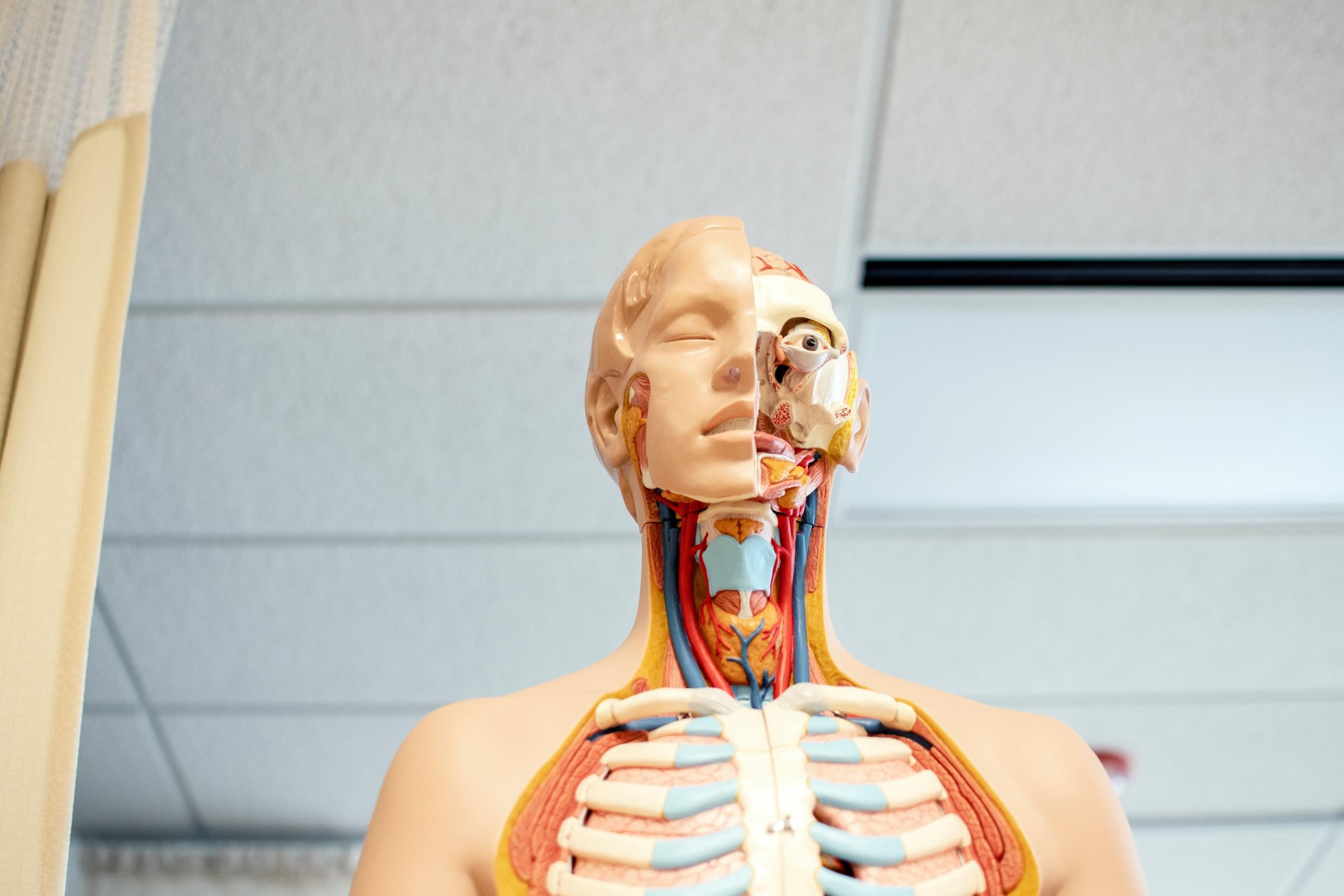
What Happens after I Complete Nursing Training?
After you complete nursing training, you must undergo certification to ensure your readiness to enter the nursing field. The exam registered and practical nursing students in Canada and North America take to check readiness is known as the NCLEX, or National Council Licensure Examination for RNs (or PNs). This exam assesses your ability to respond to client needs, in multiple areas. Some of the areas focused on include:
-safe effective care environment
-Health promotion and maintenance
-psychosocial integrity
-basic care and comfort
-physiological integrity
You will also need to receive certification from your province’s regulatory body. Once you have the appropriate exams and certifications in place, you will be ready to apply for jobs in hospitals, clinics, universities, labs, or wherever nurses are needed. Be sure to research the pathway for becoming a nurse in your specific province. Provincial regulatory bodies include:
British Columbia
British Columbia College of Nursing Professionals and Midwives
Alberta
College of Registered Nurses of Alberta
College of Licensed Practical Nurses of Alberta
Saskatchewan
Registered nurses and nurse practitioners:
Saskatchewan Registered Nurses Association
Licensed practical nurses:
Saskatchewan Association of Licensed Practical Nurses
Manitoba
Registered nurses and nurse practitioners:
College of Registered Nurses of Manitoba
Licensed practical nurses:
College of Licensed Practical Nurses of Manitoba
Ontario
College of Nurses of Ontario
Quebec
Registered nurses and nurse practitioners:
Ordre des infirmières et infirmiers du Québec
Licensed practical nurses:
Ordre des infirmières et infirmiers auxiliaires du Québec
New Brunswick
Registered nurses and nurse practitioners:
Nurses Association of New Brunswick
Licensed practical nurses:
Association of New Brunswick Licensed Practical Nurses
Nova Scotia
Registered nurses, nurse practitioners and licensed practical nurses:
Nova Scotia College of Nursing
Prince Edward Island
Registered nurses and nurse practitioners:
College of Registered Nurses of Prince Edward Island
Licensed practical nurses:
College of Licensed Practical Nurses of Prince Edward Island
Newfoundland and Labrador
Registered nurses and nurse practitioners:
College of Registered Nurses of Newfoundland and Labrador
Licensed practical nurses:
College of Licensed Practical Nurses of Newfoundland and Labrador
Northwest Territories
Registered nurses and nurse practitioners:
Registered Nurses Association of the Northwest Territories and Nunavut
Licensed practical nurses:
Government of Northwest Territories, Registrar, Professional Licensing, Health and Social Services
Nunavut
Registered nurses and nurse practitioners:
Registered Nurses Association of the Northwest Territories and Nunavut
Licensed practical nurses:
Government of Nunavut, Department of Health
Yukon
Registered nurses and nurse practitioners:
Yukon Registered Nurses Association
Licensed practical nurses and registered psychiatric nurses:
Government of Yukon, Yukon Department of Community Services
Nurse practitioners are always in demand in Canada and abroad, with hospitals, clinics, municipalities, and private healthcare companies constantly looking for nursing professionals. Learn more about becoming a registered nurse or a nurse practitioner.
How Much Will I Get Paid as a Nurse?
Nurses on average are paid $71,894 in Canada, though actual salaries and pay scales will vary from province to province. Nurse practitioners will generate higher income, making an average of approximately $80,000 a year in Canada. Of course, these are just averages - to find out the actual salary you can earn with your education and experience, visit the website of your province's regulatory body or find a career coach or guidance counselor that can help you find that information.
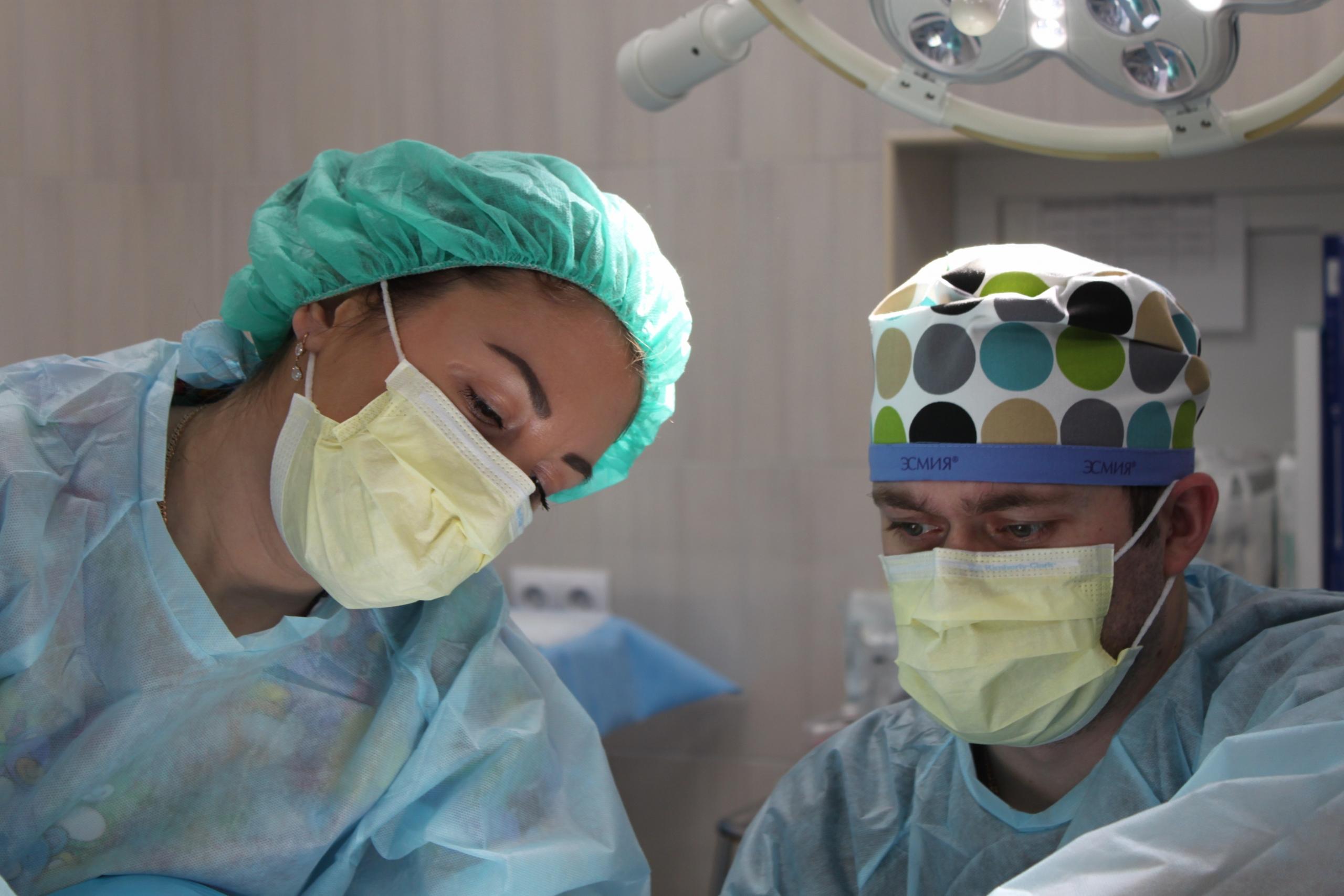
Where Can I Find Nursing Help?
Postsecondary education is a big investment of both time and money - it is important that you maximize the time you are in school to acquire the knowledge, training, and skills to be successful on the job. Of course, it is perfectly fine to get help when you need it, especially if you find yourself struggling or wanting to get the grades you need to get into a postsecondary or graduate nursing program.
For this reason, it is important to know who or what you can turn to for help in nursing school. You may find that your professor or teachers do not have adequate time to help you on an individual basis, that you find some concepts consuming, or that there is a specific subject that has you confused or wondering what to do. In some cases, you may find that your peers or a quick internet search will provide you with the help you need. There are certainly hundreds of sites, videos, and articles that can break down concepts quickly and efficiently. Just make sure you consult a variety of resources, if you do look for help on the internet!
Another option you can take is to hire a private tutor. A private nursing tutor can walk you through concepts you find challenging, help you prepare for tests and exams, or help you through a course. A tutor can give you feedback on research papers and essays, and give you tips on preparing for tests like the NCLEX.
Finding a tutor is easy thanks to Superprof Canada. On Superprof, you can explore dozens of listings of nursing tutors near you or in your province of residence. Ckontact them directly through the site to see if they are right for you!
Hire a nursing tutor on Superprof today!
What’s the difference between a nurse practitioner and a doctor in Canada? The similarities may actually surprise you.
Summarize with AI:
Did you like this article? Leave a rating!

 Loading...
