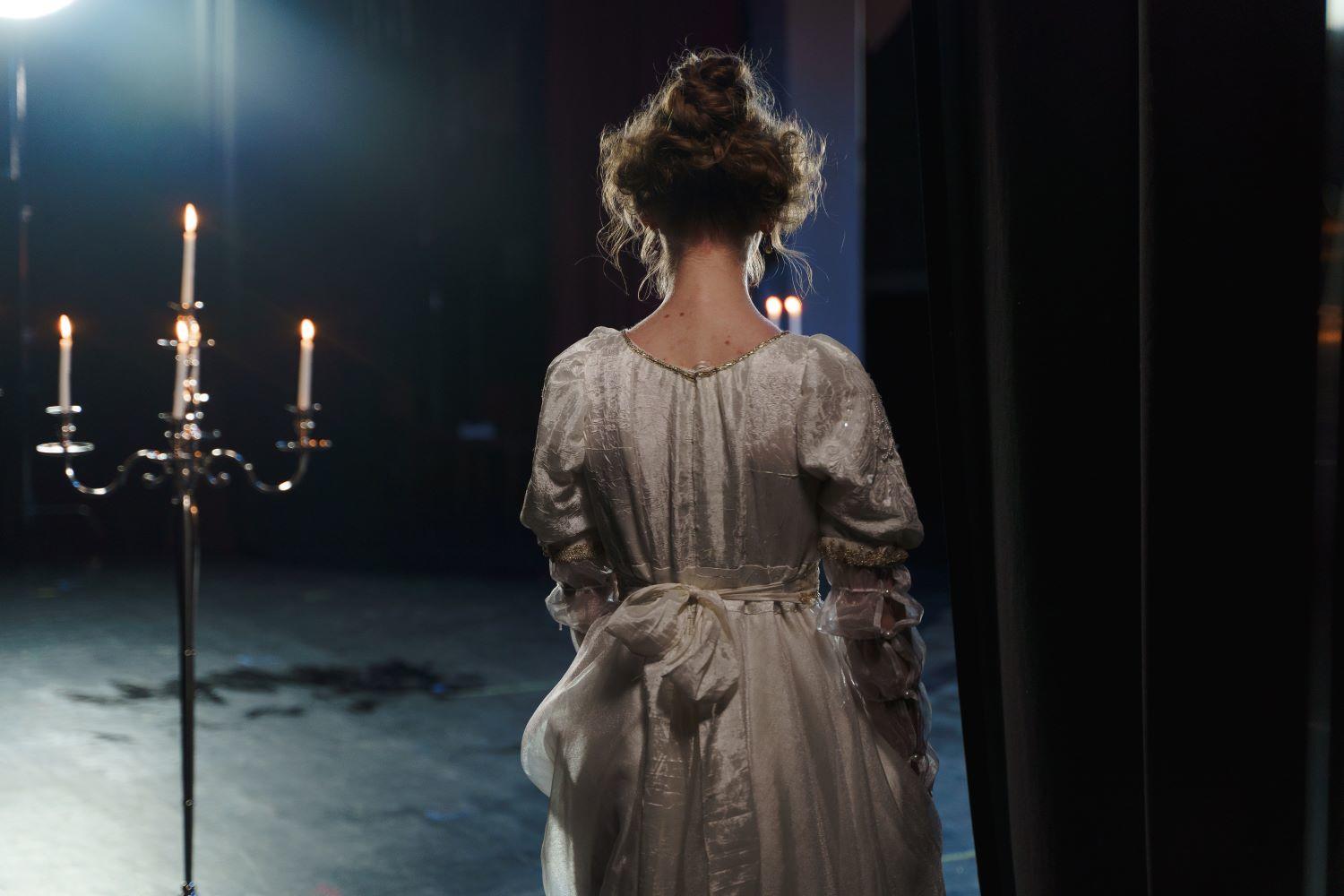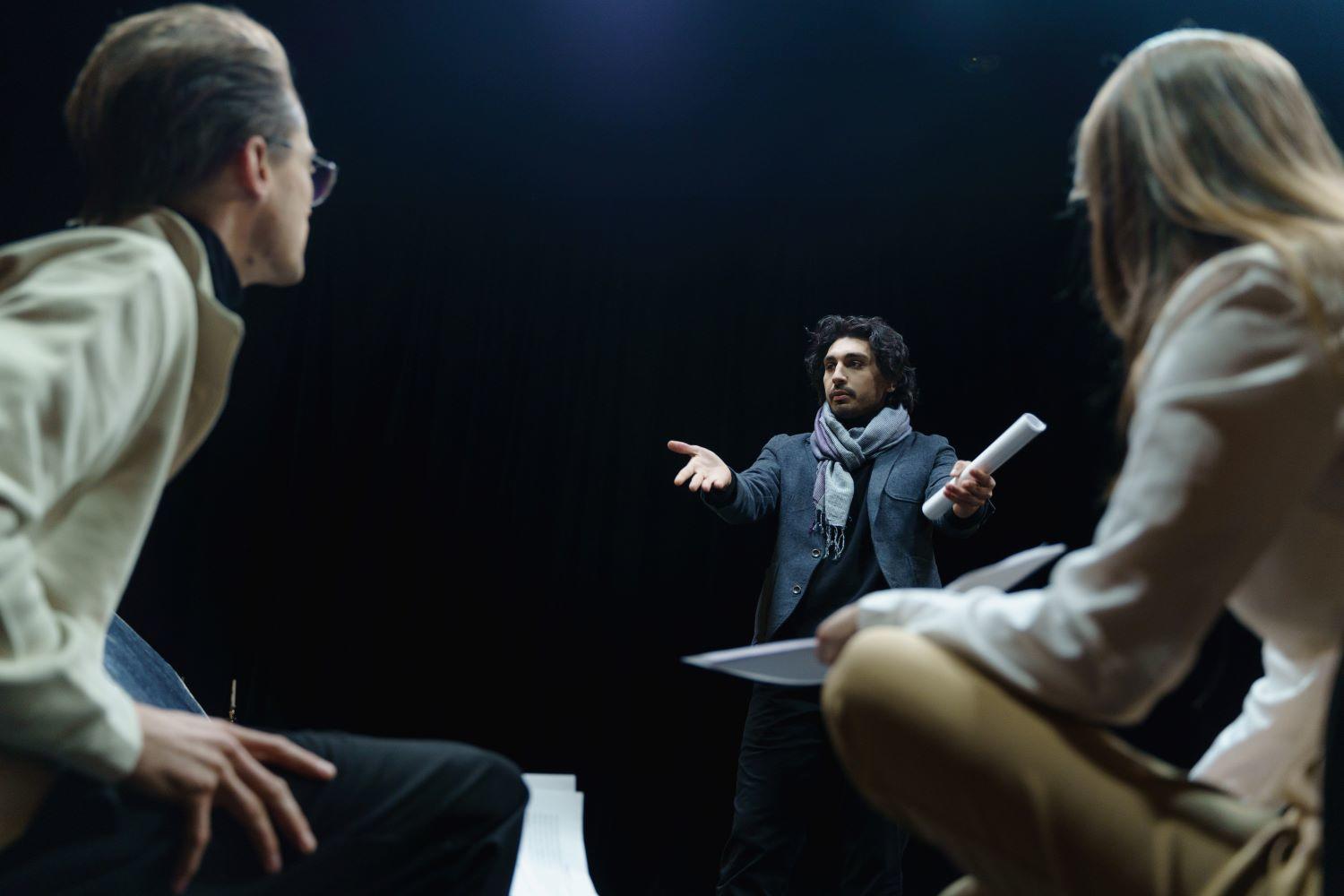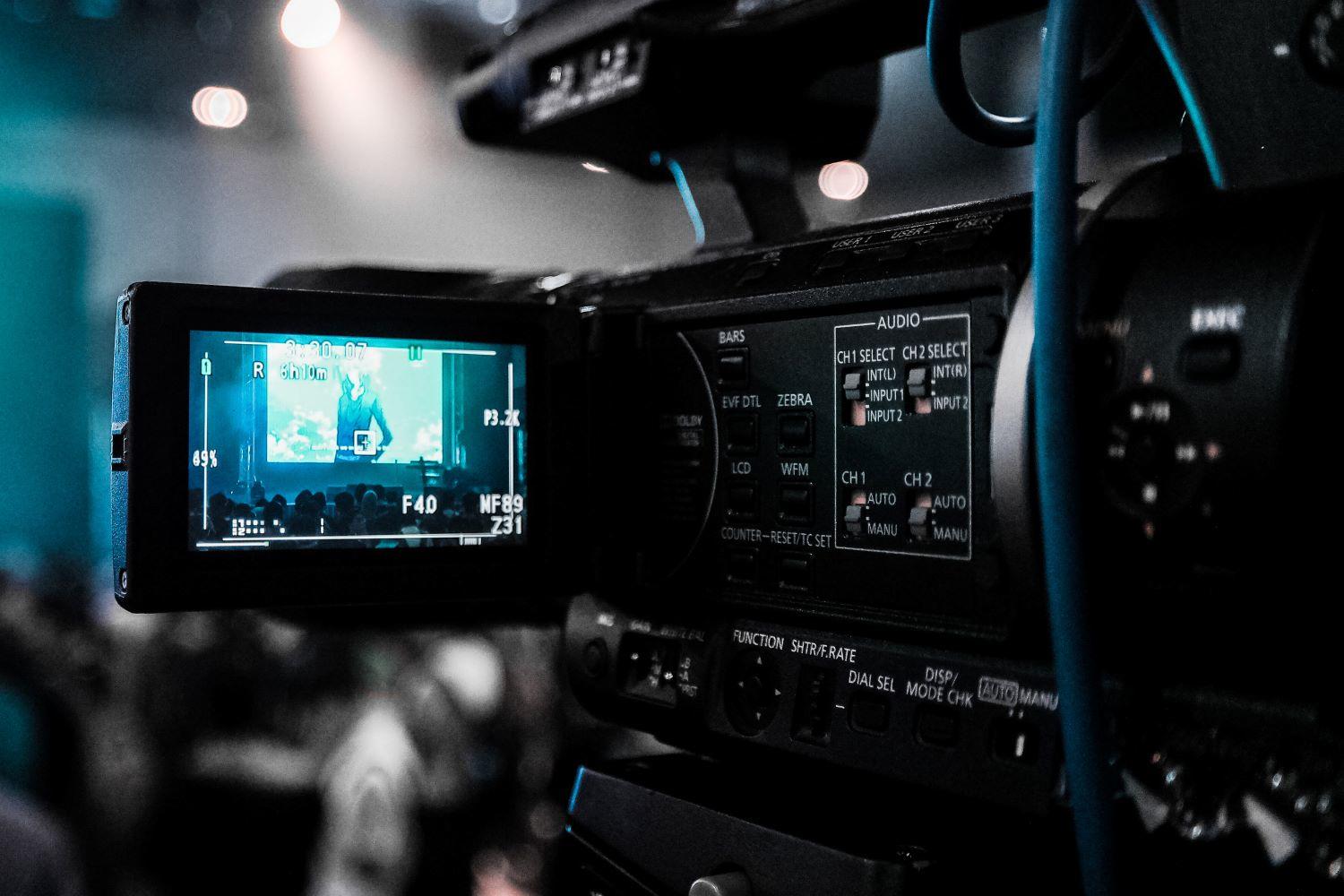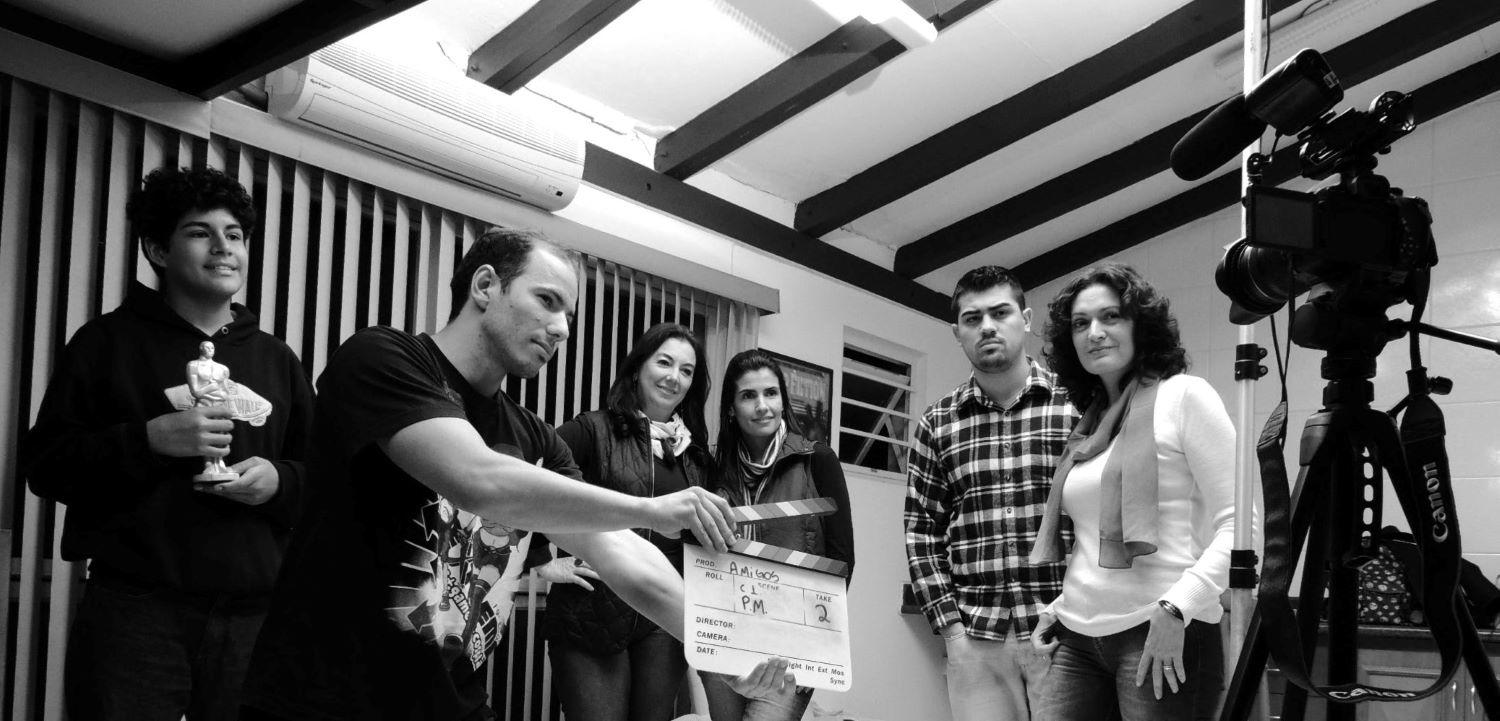
Acting is not simply about memorising lines and pretending to be someone else. Strong performers learn how to understand a character, respond truthfully within imaginary circumstances and communicate the story clearly. The specific approach used to achieve this can vary considerably.

Part of the learning process Stage acting On-screen acting
Character development Explore the character's motivations, relationships, background and objectives Explore the same character elements while considering how they will appear through the camera
Script analysis Analyse dialogue, actions, relationships and the progression of the storyAnalyse dialogue, actions, relationships and the progression of the storyAnalyse dialogue, actions, relationships and how individual scenes contribute to the finished production
RehearsalPractise scenes, blocking, timing and interactions before live performances Rehearse scenes, blocking and camera requirements before filming takes
Emotional preparationDevelop believable emotions and responses that remain consistent throughout a live performance Develop believable emotions and responses that can be recreated across multiple takes
Working with othersCollaborate with actors, directors and the wider theatre team Collaborate with actors, directors, camera crews and other production staff
Performance choicesMake deliberate choices about voice, movement, expression and character behaviourMake deliberate choices about voice, movement, expression and character behaviour while adapting them to the camera
Acting techniques Can draw on Stanislavski, Meisner, classical, physical and improvisational approachesCan draw on the same acting methods, adapting their application to filmed performance

This is where acting methods and acting techniques become important. Some approaches focus on character psychology and emotional preparation while others emphasise listening, physical expression, text or the relationship between actor and audience. Understanding these differences can help new performers choose suitable training and give experienced actors more tools to draw on.

See how to build the best acting profiles in Canada.

The best Acting tutors available
Oceana
5
5 (10 reviews)
Oceana
$150
/h
Gift icon
1st lesson is free!
Jacelyn
5
5 (20 reviews)
Jacelyn
$150
/h
Gift icon
1st lesson is free!
Shirley
4.9
4.9 (10 reviews)
Shirley
$60
/h
Gift icon
1st lesson is free!
Axelle
5
5 (13 reviews)
Axelle
$50
/h
Gift icon
1st lesson is free!
Sally
5
5 (10 reviews)
Sally
$55
/h
Gift icon
1st lesson is free!
Josa
5
5 (8 reviews)
Josa
$25
/h
Gift icon
1st lesson is free!
Anik
5
5 (14 reviews)
Anik
$75
/h
Gift icon
1st lesson is free!
Deva
5
5 (11 reviews)
Deva
$75
/h
Gift icon
1st lesson is free!
Oceana
5
5 (10 reviews)
Oceana
$150
/h
Gift icon
1st lesson is free!
Jacelyn
5
5 (20 reviews)
Jacelyn
$150
/h
Gift icon
1st lesson is free!
Shirley
4.9
4.9 (10 reviews)
Shirley
$60
/h
Gift icon
1st lesson is free!
Axelle
5
5 (13 reviews)
Axelle
$50
/h
Gift icon
1st lesson is free!
Sally
5
5 (10 reviews)
Sally
$55
/h
Gift icon
1st lesson is free!
Josa
5
5 (8 reviews)
Josa
$25
/h
Gift icon
1st lesson is free!
Anik
5
5 (14 reviews)
Anik
$75
/h
Gift icon
1st lesson is free!
Deva
5
5 (11 reviews)
Deva
$75
/h
Gift icon
1st lesson is free!
Let's go

🎭 What Are Acting Methods?

Acting methods are structured approaches that help performers develop believable and purposeful performances. They provide ways of analysing a character, understanding a script and making choices about voice, movement, emotion and behaviour. The Stanislavski System, for example, places considerable importance on given circumstances, objectives and the actions a character takes within a scene.

Three people work with a camera rig in a dim indoor studio, with one seated on a wooden box while two others stand beside him.
Actor on stage. Photo by Alvaro Palacios on Unsplash

An acting technique is usually a specific exercise or practice used within an approach, such as repetition exercises in Meisner training. Meanwhile, "types of acting" is a broader phrase that can describe different approaches, performance styles or contexts.

These terms overlap, but they do not mean exactly the same thing.

See how to get started with an acting career in Canada. Below details 3 key points on acting methods and how they are used.

  1. They provide a process: Methods give actors practical ways to approach characters, scripts and scenes.
  2. They are not one-size-fits-all: Different methods emphasise different skills, from emotional preparation to physical action and listening.
  3. They can be combined: Actors can develop techniques from several approaches rather than permanently committing to one system.

Learning an acting method therefore does not mean losing your individuality. The purpose is to give you more reliable tools for making informed performance choices. A good actor should be able to adapt those tools to the character, script, director and performance environment.

🎬 Types of Acting and Acting Techniques

There are many types of acting and acting techniques, with different approaches placing emphasis on different aspects of performance. Stanislavski's work influenced several later American approaches, including Method Acting and Meisner training, but these should not simply be treated as interchangeable names for the same system.

Technique or approachMain focusBest use
Stanislavski SystemObjectives, circumstances and truthful actionCharacter and script work
Method ActingEmotional and psychological immersionEmotionally demanding roles
Meisner TechniqueListening and respondingScene work and relationships
Brechtian ActingDistance and critical awarenessPolitical or conceptual theatre
Classical ActingText, voice and precisionShakespeare and period drama
Physical ActingBody, gesture and movementPhysical theatre and visual storytelling
Improvisational ActingSpontaneity and collaborationComedy, rehearsal and auditions

These approaches can also overlap in practice. An actor might use Stanislavski-based script analysis while applying Meisner-style listening exercises during rehearsal. The important point is to understand why a technique is being used rather than collecting methods without understanding their purpose.

How does theater differ from on-screen? Find out here!

🎭 The Main Acting Methods Explained

Understanding the history and purpose behind major acting methods makes it easier to decide which techniques are useful for your own training. Each approach asks the actor to solve performance problems in a slightly different way.

Stanislavski System

The Stanislavski System is an important foundation for modern actor training. It encourages performers to investigate the character's given circumstances, objectives, motivations and actions rather than simply attempting to "look emotional." The actor considers who the character is, what has happened before the scene and what the character wants at that moment.

Strength:

Structured character development

Challenge:

Requires detailed preparation

This approach can be particularly useful when learning how to break down a script. Instead of memorising dialogue mechanically, you begin to understand what each line is trying to achieve.

Method Acting

Method Acting developed from interpretations of Stanislavski's ideas, particularly through teachers such as Lee Strasberg. It is often associated with emotional memory and psychological immersion in a character.

Strength:

Can create strong internal connection

Challenge:

Can encourage over-reliance on personal experience

Personal experiences can sometimes help an actor access an emotional quality, but Method Acting should not be reduced to deliberately reliving painful experiences. A performer needs boundaries and control. The goal is to serve the character and story, not to cause genuine distress.

Meisner Technique

Meisner training places strong emphasis on listening and reacting to another performer rather than becoming trapped inside your own thoughts. Repetition exercises are a well-known part of the technique and are designed to encourage genuine responses to a scene partner.

Strength:

Develops spontaneity

Challenge:

Requires consistent partner practice

This makes Meisner particularly valuable for actors who tend to plan every expression or line delivery before the scene happens. Instead, the performer learns to stay present and respond to what is actually happening.

Brechtian Acting

Brechtian acting deliberately moves away from complete theatrical realism. Techniques associated with Brecht can include direct address, visible theatrical devices and the distancing effect, encouraging audiences to think critically about what they are watching rather than becoming completely absorbed in the fictional world.

Strength:

Encourages audience reflection

Challenge:

Less focused on conventional realism

This approach is especially relevant when working with political, social or deliberately theatrical material.

Classical Acting

Classical acting places particular emphasis on text, voice, diction and precision. It is especially useful when working with Shakespeare or other plays where language, rhythm and heightened speech are central to the performance.

Strength:

Strong vocal and textual skills

Challenge:

Can feel overly formal without flexibility

Actors need to understand what the words mean before deciding how to deliver them. Breath control, articulation and vocal variety can help complex language remain understandable to an audience.

Physical and Movement-Based Acting

Physical acting uses the body as a major storytelling tool. Posture, gesture, rhythm, facial expression and movement can communicate character and emotion even when little dialogue is being spoken.

Strength:

Expands non-verbal expression

Challenge:

Requires strong body awareness

This approach is useful for physical theatre but also benefits screen and stage performers. A character's physical habits can reveal confidence, fear, tension or status without requiring the actor to explain those qualities verbally.

Improvisational Acting

Improvisation develops spontaneity, listening and adaptability. Although improv can be a performance format in its own right, its techniques are also useful during auditions, rehearsals and character development.

Strength:

Builds confidence and adaptability

Challenge:

Requires comfort with uncertainty

Improvising around a scene can help actors discover relationships, motivations and possible reactions that may not emerge through memorisation alone.

🧭 How to Choose the Right Acting Method

There is no single acting method that every performer needs to master. Your choice should depend on your experience, the kind of work you want to perform and the skills you most need to develop.

Meisner Technique: Can help develop responsive, natural interaction with scene partners.

Classical or physical approaches: Particularly useful for developing voice, movement and communication with a live audience.

Combined approaches: Experienced actors can draw from different methods according to the demands of each role.

Rather than asking which method is "best", ask which approach solves the performance problem in front of you. A quiet character may require different preparation from an energetic theatrical role, while a Shakespearean monologue may require different tools from a naturalistic film scene.

The best Acting tutors available
Oceana
5
5 (10 reviews)
Oceana
$150
/h
Gift icon
1st lesson is free!
Jacelyn
5
5 (20 reviews)
Jacelyn
$150
/h
Gift icon
1st lesson is free!
Shirley
4.9
4.9 (10 reviews)
Shirley
$60
/h
Gift icon
1st lesson is free!
Axelle
5
5 (13 reviews)
Axelle
$50
/h
Gift icon
1st lesson is free!
Sally
5
5 (10 reviews)
Sally
$55
/h
Gift icon
1st lesson is free!
Josa
5
5 (8 reviews)
Josa
$25
/h
Gift icon
1st lesson is free!
Anik
5
5 (14 reviews)
Anik
$75
/h
Gift icon
1st lesson is free!
Deva
5
5 (11 reviews)
Deva
$75
/h
Gift icon
1st lesson is free!
Oceana
5
5 (10 reviews)
Oceana
$150
/h
Gift icon
1st lesson is free!
Jacelyn
5
5 (20 reviews)
Jacelyn
$150
/h
Gift icon
1st lesson is free!
Shirley
4.9
4.9 (10 reviews)
Shirley
$60
/h
Gift icon
1st lesson is free!
Axelle
5
5 (13 reviews)
Axelle
$50
/h
Gift icon
1st lesson is free!
Sally
5
5 (10 reviews)
Sally
$55
/h
Gift icon
1st lesson is free!
Josa
5
5 (8 reviews)
Josa
$25
/h
Gift icon
1st lesson is free!
Anik
5
5 (14 reviews)
Anik
$75
/h
Gift icon
1st lesson is free!
Deva
5
5 (11 reviews)
Deva
$75
/h
Gift icon
1st lesson is free!
Let's go

🎥 Acting for Stage vs Screen: What Changes?

The fundamental skills of acting remain relevant across stage and screen. Actors still need to understand the character, analyse the script, listen to other performers and make purposeful choices. The biggest changes come from how the performance reaches the audience.

AreaStage actingScreen acting
AudienceLive and physically presentUsually viewed through a camera
MovementOften needs to be visible across the performance spaceMust work within the camera frame
VoiceProjection and clear diction are important
Microphones can capture quieter delivery
ExpressionNeeds to communicate across greater distancesSmall expressions can be captured closely
Performance orderUsually performed sequentiallyScenes may be filmed out of order
RepetitionPerformance is repeated across showsIndividual takes can be repeated during filming
ContinuityManaged across the live performanceActors must reproduce physical and emotional details between takes

Physicality, Presence, and Subtlety vs Projection

Stage actors generally need enough physical and vocal presence for the audience to follow the performance from different distances. This does not mean every stage performance should be exaggerated. It means choices must remain readable within the theatre.

Screen actors work within the camera's frame, so smaller changes in facial expression, gaze and body position can become significant. The microphone and camera also allow quieter and more restrained performances to communicate effectively.

Script Analysis, Rehearsal, and Emotional Authenticity

Both mediums require careful script analysis. Actors need to understand objectives, relationships, circumstances and the progression of the character.

The rehearsal process can differ considerably, however. Theatre typically provides an opportunity to develop a performance over repeated rehearsals before presenting it live. Screen productions may involve shorter preparation periods and scenes being filmed out of chronological order.

🧠 What Skills Do Great Actors Build Through Acting Methods?

Acting methods are ultimately useful because they develop practical performance skills. Listening helps actors respond naturally to scene partners. Concentration allows them to remain focused despite distractions. Script analysis helps them make choices based on the material rather than guessing at a character's motivation.

Voice and body awareness are equally important. Actors learn to control breath, articulation, posture, gesture and movement while remaining responsive rather than mechanical. These skills can transfer between stage and screen even when the final performance style needs to change.

🎓 Practical Tips From an Acting Coach

A useful coaching approach is to treat methods as tools rather than rules. Start with the demands of the scene, identify what the character needs and then choose techniques that help you achieve those objectives.

DO

Analyse the scene: Identify objectives, circumstances and relationships.

Listen: Allow your scene partner's behaviour to influence your response.

Stay physically aware: Notice posture, tension, gesture and movement.

Experiment: Try different techniques during rehearsal before settling on a choice.

Two performers in animal masks and fur costumes on a stage, one standing with a long staff while the other kneels beside blue lighting and tall plants.
Stage actors excelling. Photo by janilson furtado on Unsplash

A coach can also help you recognise when a technique is becoming counterproductive.

A young man in a Juventus jersey sits on two concrete stools in a dimly lit room with a weathered wall and a hanging light overhead.
Stage actor showing regret. Photo by Shubhransh Bhaskar on Unsplash.

AVOID

Forcing emotion: Do not chase a particular emotional result at the expense of the scene.

Ignoring your partner: Acting is a response-based activity, not a solo exercise.

Overthinking every moment: Preparation should support spontaneity rather than eliminate it.

If an approach makes you self-conscious or distracts you from the scene, another technique may be more useful.

⚠️ Common Mistakes Actors Make When Using Acting Methods

One of the biggest mistakes is treating an acting method as a strict formula. Methods are designed to provide tools for performance, not to replace judgement. An actor who relies on one process for every character may eventually produce performances that feel repetitive.

Top mistakes to avoid as an actor include:

  • Overthinking emotion: Focus on the character's circumstances and actions rather than trying to manufacture a specific feeling.
  • Ignoring the scene partner: Stay responsive to what is actually happening rather than waiting to deliver your planned performance.
  • Relying on one method: Different characters and productions can require different approaches.
  • Confusing intensity with truth: A quieter choice can be just as truthful and effective as a highly emotional one.
  • Forgetting the script: Acting methods should deepen your understanding of the written material, not encourage you to disregard it.

The most effective training therefore combines technical discipline with flexibility. Learn the principles behind different acting methods, practise their techniques and then develop the judgement to know when each one is useful.

📍 Where Can I Get Acting Lessons Near Me?

When looking for acting lessons, consider what the class actually teaches rather than choosing a course simply because it uses a famous method. A useful programme should give you opportunities to practise scenes, receive feedback and develop skills that transfer into actual performance.

Look at the instructor's training and professional experience, the class size and whether the lessons focus on the type of acting you want to pursue. Beginners may benefit from broad foundational training before specialising in a particular method, while experienced performers may want targeted coaching in areas such as screen acting, classical text or audition technique.

Several individuals stand in a dark room, surrounded by striking beams of light creating a dramatic atmosphere as they film on stage.
Stage technology. Photo by Daniel on Unsplash

Whether you eventually work on stage, in film or across both mediums, learning different acting methods can give you a larger and more adaptable performance toolkit. The strongest approach is not necessarily choosing one method forever, but understanding what each technique develops and applying the right tool to the character, script and performance environment in front of you.

References

  1. MasterClass (2021) Stanislavski Method: Acting Guide to the Stanislavski Method. Available at: https://www.masterclass.com/articles/stanislavski-method (Accessed: 6 September 2026).
  2. MasterClass (2022) Meisner Technique: Sanford Meisner's Approach to Acting. Available at: https://www.masterclass.com/articles/meisner-technique (Accessed: 6 September 2026).
  3. Theatrecrafts (n.d.) Theatrical Style: Brecht / Brechtian. Available at: https://theatrecrafts.com/pages/home/topics/stage-management/theatrical-style/ (Accessed: 6 September 2026).
  4. MasterClass (2022) Given Circumstances in Acting: How to Get Into Character. Available at: https://www.masterclass.com/articles/given-circumstances (Accessed: 6 September 2026).

Summarize with AI:

Did you like this article? Leave a rating!

4.00 (3 note(s))
Loading...
Marvis Osarhenrhen

Marvis Osarhenrhen

I am a freelance SEO writer focused on helping businesses reach their target audience, get leads and increase revenue using optimized content.

Fleur Neill