
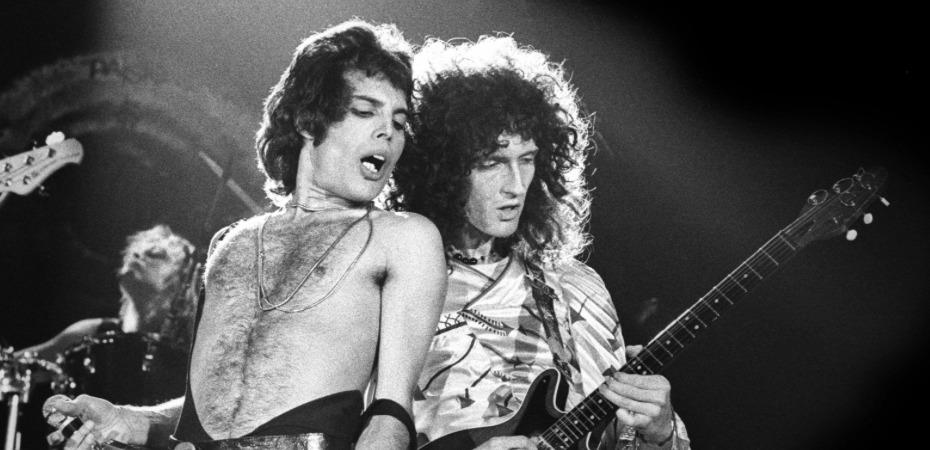

Few musicians shape culture quite like legendary guitarists. From blues pioneers to stadium rock icons, the greatest guitar players transformed not only how the guitar sounds, but how music itself feels. Their riffs, solos, and songwriting styles continue to inspire generations of musicians across rock, blues, metal, funk, and alternative music. 🎶
| Guitarist | Main Era | Approx. Peak Years |
|---|---|---|
| Chuck Berry | Early rock and roll | 1955 to 1972 |
| B.B. King | Electric blues | 1951 to 2006 |
| Jimi Hendrix | Psychedelic rock | 1966 to 1970 |
| Jimmy Page | Hard rock | 1966 to 1980 |
| Eric Clapton | Blues rock | 1963 to present |
| David Gilmour | Progressive rock | 1968 to present |
| Brian May | Arena rock | 1973 to present |
| Eddie Van Halen | Hard rock and metal | 1978 to 2020 |
| Stevie Ray Vaughan | Blues revival | 1982 to 1990 |
| Slash | Hard rock | 1985 to present |
Determining the top guitarists of all time means looking at more than speed or technical skill alone. Innovation, emotional expression, songwriting influence, live performance, and long term impact all matter. Based on those criteria, the greatest guitarists of all time are: Jimi Hendrix, Jimmy Page, Eric Clapton, Eddie Van Halen, David Gilmour, Stevie Ray Vaughan, Brian May, Slash, B.B. King, and Chuck Berry.
Feeling inspired yet? Learn more about guitar lessons here.







🎵 Criteria for Selection
Ranking the best guitar players in history is always subjective, but certain qualities separate truly legendary musicians from everyone else. The guitarists featured here were selected based on:
- Technical ability and originality
- Influence on music and future artists
- Signature sound and innovation
- Songwriting and live performance legacy
The musicians below did not simply play the guitar well. They changed the way people thought about the instrument itself.
🎸 The Top 10 Guitarists
These ten musicians are widely regarded as the most influential guitarists in modern music history. Each one helped redefine what the instrument could do in terms of sound, technique, and emotional expression. 🎶
1. Jimi Hendrix 🔥
When discussing who is the best guitarist of all time, Jimi Hendrix almost always tops the conversation. His playing completely redefined rock guitar during the late 1960s.
| Achievement | Why it matters |
|---|---|
| Revolutionised electric guitar | Redefined what the electric guitar could achieve through innovative techniques and expressive playing. |
| Pioneered new guitar effects | Popularised the creative use of distortion, feedback, wah pedals, and amplifier overdrive in mainstream rock. |
| Groundbreaking performer | His electrifying live shows, including Woodstock 1969 and the Monterey Pop Festival, became defining moments in rock history. |
| Songwriter and innovator | Wrote enduring classics such as Purple Haze, Little Wing, Voodoo Child (Slight Return), and The Wind Cries Mary. |
| Rock and Roll Hall of Fame | Inducted as a member of the Jimi Hendrix Experience in 1992. |
| Lasting legacy | Frequently ranked as the greatest guitarist of all time by major music publications and critics worldwide. |
Hendrix combined blues roots with distortion, feedback, wah pedals, and psychedelic experimentation in ways audiences had never heard before. Songs like “Purple Haze,” “Little Wing,” and “Voodoo Child” remain essential listening for any guitarist.
His live performances became legendary because of their raw creativity and unpredictability. Hendrix could make a Stratocaster sound aggressive, emotional, soulful, and chaotic all within the same solo.
2. Jimmy Page ⚡
As the driving force behind Led Zeppelin, Jimmy Page helped define hard rock guitar. His playing blended blues, folk, Eastern influences, and heavy riffs into one unmistakable style.
Page mastered dynamics better than almost anyone. He could move from delicate acoustic passages into explosive electric solos seamlessly. Tracks like “Stairway to Heaven,” “Whole Lotta Love,” and “Black Dog” helped establish Zeppelin as one of the most influential rock bands ever.
| Achievement | Why it matters |
|---|---|
| Founder of Led Zeppelin | Assembled one of the most influential rock bands in history after a successful career as a session musician. |
| Elite session guitarist | Played on hundreds of recordings before Led Zeppelin, becoming one of Britain's most in-demand studio musicians. |
| Innovative producer | Produced nearly all Led Zeppelin albums, pioneering recording techniques still used in rock music today. |
| Double neck guitar pioneer | Popularised the Gibson EDS 1275 double neck guitar during live performances of Stairway to Heaven. |
| Rock and Roll Hall of Fame | Inducted twice: with The Yardbirds (1992) and Led Zeppelin (1995). |
Page mastered dynamics better than almost anyone. He could move from delicate acoustic passages into explosive electric solos seamlessly. Tracks like “Stairway to Heaven,” “Whole Lotta Love,” and “Black Dog” helped establish Zeppelin as one of the most influential rock bands ever.
He also pioneered innovative studio techniques, layered guitar recordings, and unconventional sounds that shaped modern rock production.
3. Eric Clapton 🎼
Eric Clapton is one of the most influential blues and rock guitarists of all time. Nicknamed "Slowhand," he became famous for his expressive phrasing, smooth vibrato, and ability to make every note feel deliberate. Rather than relying on speed or technical showmanship, Clapton built his reputation on emotion and melody, helping bring traditional American blues music to a global audience during the 1960s and 1970s.
| Achievement | Why it matters |
|---|---|
| Crossed multiple genres | Achieved success in blues, rock, pop, reggae, and acoustic music throughout his career. |
| Signature Stratocaster | His famous Fender "Blackie" became one of the most iconic guitars in music history. |
| Grammy success | Won 18 Grammy Awards across more than five decades of recording. |
| Influential humanitarian | Founded the Crossroads Centre for addiction recovery and organised the Crossroads Guitar Festival. |
| Career longevity | Has remained an active touring and recording artist for over 60 years. |
Throughout his career, Clapton achieved remarkable success with several legendary bands before establishing himself as a solo artist. His work with The Yardbirds, John Mayall & the Bluesbreakers, Cream, Blind Faith, and Derek and the Dominos showcased his versatility across blues, rock, and acoustic music. Songs such as Layla, Crossroads, Cocaine, Tears in Heaven, and Wonderful Tonight remain some of the most recognisable guitar recordings ever released. His ability to move effortlessly between powerful blues solos and understated acoustic performances helped define modern blues rock.
Beyond his commercial success, Clapton's influence on later generations of guitarists is difficult to overstate. He is the only musician to be inducted into the Rock and Roll Hall of Fame three separate times and has won 18 Grammy Awards over a career spanning more than six decades.
Eric Clapton is the only musician inducted into the Rock and Roll Hall of Fame three separate times.
Guitarists including John Mayer, Joe Bonamassa, Derek Trucks, and countless others have cited Clapton as a major influence, while his annual Crossroads Guitar Festival has celebrated blues music and raised millions for addiction recovery charities. Even today, his playing continues to serve as a benchmark for tasteful, expressive guitar performance.
4. Eddie Van Halen 🤘
Eddie Van Halen revolutionized rock guitar technique during the late 1970s and 1980s. His instrumental “Eruption” changed how guitarists approached speed, tapping, harmonics, and solo construction.
Before Van Halen, tapping existed only in niche guitar circles. After him, it became one of the defining sounds of hard rock and metal.
Despite his incredible technical skill, Eddie always prioritized melody and groove. Songs like “Jump,” “Panama,” and “Hot for Teacher” combined virtuosity with unforgettable hooks.
5. David Gilmour 🌌
David Gilmour demonstrated that technical speed is not required to create unforgettable guitar music. As Pink Floyd's lead guitarist, he became renowned for his expressive bends, sustained notes, and atmospheric soundscapes that helped define progressive rock. His playing style is often described as "vocal" because his solos seem to sing rather than simply showcase technical ability. By carefully choosing every note, Gilmour created some of the most emotionally powerful guitar moments in rock history.
| Achievement | Why it matters |
|---|---|
| Signature guitar tone | His black Fender Stratocaster became one of the most recognisable guitars in rock history. |
| Master of effects | Popularised spacious delay, reverb, and sustain that influenced ambient and progressive music. |
| Songwriting contributor | Co wrote many of Pink Floyd's best known albums alongside Roger Waters. |
| Solo career | Released several successful solo albums while continuing to perform with Pink Floyd. |
| Live Aid performance | Performed at the historic 2005 Live 8 reunion of Pink Floyd. |
His performances on songs such as Comfortably Numb, Time, Money, and Shine On You Crazy Diamondremain among the most celebrated guitar recordings ever produced. Rather than overwhelming listeners with complexity, Gilmour focused on melody, dynamics, and emotion. His use of delay, reverb, and sustain helped create the expansive, cinematic sound that became synonymous with Pink Floyd's music.
Beyond his guitar playing, Gilmour played a significant role in Pink Floyd's songwriting and artistic direction. His influence can be heard across progressive rock, ambient music, post rock, and alternative genres. Decades after their release, his solos continue to be studied by guitarists seeking to understand how a relatively small number of notes can create such a lasting emotional impact.
6. Stevie Ray Vaughan 🎸
Stevie Ray Vaughan spearheaded the blues revival of the 1980s, bringing renewed attention to a genre that many believed had faded from the mainstream. Drawing inspiration from artists such as Jimi Hendrix, Albert King, and Buddy Guy, Vaughan fused traditional Texas blues with rock energy and exceptional technical skill. His powerful attack, enormous tone, and passionate performances quickly established him as one of the most exciting guitarists of his generation.
| Achievement | Why it matters |
|---|---|
| Blues revival leader | Helped return blues music to mainstream popularity during the 1980s. |
| Grammy Award winner | Won multiple Grammy Awards, including posthumous honours. |
| Signature Fender Stratocaster | His guitar "Number One" became one of blues music's most famous instruments. |
| Exceptional live performer | Built his reputation through powerful improvisation and energetic concerts. |
| Texas blues ambassador | Brought international attention to the Texas blues tradition. |
| Enduring legacy | Continues to influence virtually every modern blues guitarist. |
Albums such as Texas Flood, Couldn't Stand the Weather, and Soul to Soul showcased his ability to combine dazzling technique with authentic blues feeling. Songs including Pride and Joy, Cold Shot, and Love Struck Baby remain staples of modern blues guitar. Vaughan's use of heavy gauge strings and aggressive playing style contributed to a sound that was both powerful and instantly recognisable.
Although his career lasted less than a decade before his tragic death in a helicopter accident in 1990, Vaughan's influence remains immense. Many contemporary blues and blues rock guitarists continue to model their tone, phrasing, and approach after his recordings. His ability to bridge traditional blues with modern rock audiences helped ensure the genre remained relevant for future generations.
7. Brian May 👑
Brian May created one of the most distinctive guitar voices in rock history. Using the homemade Red Special guitar, built with his father, and a British sixpence coin instead of a standard pick, May developed a bright, articulate tone that became inseparable from Queen. His sound was instantly recognisable even before the listener knew which song was playing.
What set May apart was his orchestral approach to guitar. Rather than recording a single lead line, he often layered multiple harmonised parts to create the effect of a miniature guitar choir. Solos in Bohemian Rhapsody, Brighton Rock, and Killer Queen demonstrated a rare blend of technical sophistication, melody, and arrangement skill.
| Achievement | Why it matters |
|---|---|
| Lead guitarist of Queen | Helped make Queen one of the best selling and most influential rock bands of all time. |
| Created the Red Special guitar | Built his famous homemade guitar with his father, producing one of rock's most distinctive tones. |
| Signature guitar sound | Pioneered layered guitar harmonies that often sounded like an orchestra rather than a single instrument. |
| Songwriter | Wrote classics including We Will Rock You, Fat Bottomed Girls, Hammer to Fall, and I Want It All. |
| Innovative technique | Used a British sixpence coin instead of a traditional pick to create his bright, articulate tone. |
| Rock and Roll Hall of Fame | Inducted as a member of Queen in 2001. |
May's achievements extend beyond guitar playing. He wrote major Queen hits including We Will Rock You and I Want It All, helped shape the band's elaborate studio productions, and later completed a doctorate in astrophysics. Few musicians have combined world class rock success with such remarkable accomplishments outside music.
8. Slash 🎩
Slash became the defining rock guitarist of the late 1980s and early 1990s, helping revive blues based hard rock at a time when the genre was shifting toward glam metal and pop production. As the lead guitarist of Guns N' Roses, he combined gritty blues influences with powerful riffs, melodic solos, and an unmistakable Les Paul tone that immediately set him apart. His playing balanced technical ability with memorable hooks, making his solos instantly recognisable.
| Achievement | Why it matters |
|---|---|
| Revived classic rock | Helped restore blues based hard rock to mainstream popularity in the late 1980s. |
| Signature Gibson Les Paul | His guitar model became one of Gibson's most successful signature instruments. |
| Rock and Roll Hall of Fame | Inducted with Guns N' Roses in 2012. |
| Successful solo career | Achieved commercial success with Slash featuring Myles Kennedy and the Conspirators. |
| Global record sales | Has sold well over 100 million records across his various projects. |
| Pop culture icon | His silhouette, top hat, and curly hair remain among the most recognisable images in rock music. |
With Guns N' Roses, Slash delivered some of the most iconic guitar moments in rock history. Songs such as Sweet Child o' Mine, Paradise City, Welcome to the Jungle, and November Rain remain staples of classic rock radio and are studied by aspiring guitarists around the world. His soaring solo in November Rain is widely regarded as one of the greatest rock guitar solos ever recorded, demonstrating his ability to blend emotion, melody, and technical precision.
Slash’s famous top hat and sunglasses look became one of the most iconic images in rock history.
Beyond his playing, Slash became one of rock's most recognisable figures thanks to his trademark top hat, sunglasses, and long curly hair. He was inducted into the Rock and Roll Hall of Fame with Guns N' Roses in 2012 and has enjoyed continued success through Velvet Revolver and his solo career with Myles Kennedy and the Conspirators. His influence continues to shape modern hard rock, proving that memorable phrasing and timeless riffs can leave a greater legacy than speed alone.
9. B.B. King 🎵
B.B. King taught generations of guitarists that a single note, played with conviction, can be more powerful than a hundred fast ones. His trademark vibrato, expressive bends, and conversational phrasing turned the guitar into a storytelling instrument. Songs such as The Thrill Is Gone remain definitive examples of emotional blues playing.
| Achievement | Why it matters |
|---|---|
| "Lucille" guitars | Named every one of his Gibson guitars "Lucille", creating one of music's most famous instruments. |
| 15 time Grammy winner | Received multiple Grammy Awards recognising his lifetime contribution to music. |
| Presidential Medal of Freedom | Awarded the United States' highest civilian honour in 2006. |
| Extraordinary touring career | Often performed more than 250 concerts per year during his peak decades. |
| Blues ambassador | Introduced blues music to audiences around the world through relentless touring. |
| Lifetime achievement honours | Received numerous international awards recognising his influence on modern music. |
Unlike many later blues rock players, King rarely relied on speed or long technical solos. Instead, he focused on timing, space, and vocal-like expression. His famous Gibson guitars, all named Lucille, became symbols of a career that brought electric blues from regional clubs to concert halls around the world.
King's influence is nearly impossible to overstate. Guitarists including Eric Clapton, John Mayer, Gary Moore, and countless others have credited him as a foundational influence. With 15 Grammy Awards and decades of relentless touring, B.B. King became one of the greatest ambassadors blues music has ever had.
10. Chuck Berry 🚗
Chuck Berry laid the foundation for modern rock guitar. Before Hendrix, Page, or Van Halen, Berry established the language of rock and roll through driving riffs, double-stop licks, and energetic rhythm playing. Songs such as Johnny B. Goode, Roll Over Beethoven, and Maybellene became templates that thousands of later guitarists would build upon.
| Achievement | Why it matters |
|---|---|
| Father of rock and roll | Widely recognised as one of the architects of modern rock music. |
| Influential songwriter | Combined storytelling, humour, and teenage culture in ways that reshaped popular music. |
| Rock and Roll Hall of Fame | Among the inaugural inductees in 1986. |
| Kennedy Center Honoree | Recognised for his lifetime contribution to American culture. |
| Influenced generations | Inspired artists including The Beatles, The Rolling Stones, AC/DC, and countless others. |
| Songs preserved by NASA | Johnny B. Goode was selected for the Voyager Golden Record, representing Earth's music in space. |
Berry was more than a guitarist; he was one of popular music's great songwriters. He combined blues, country, and teenage storytelling into concise, catchy songs that spoke directly to a new generation of listeners. His lyrics about cars, school, romance, and freedom helped define the culture of early rock and roll.
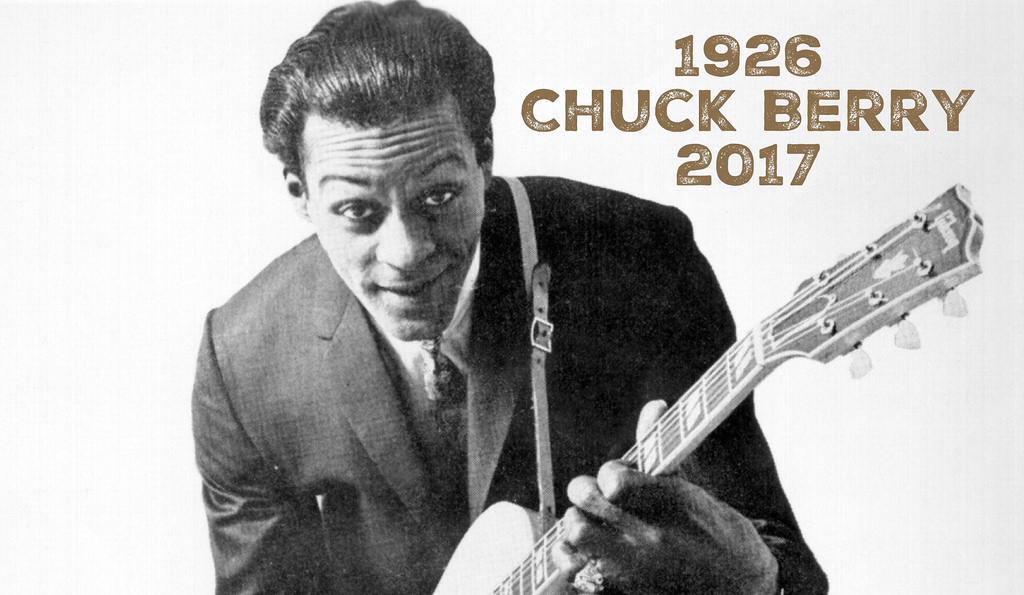
His famous duck walk stage move made him a captivating performer, but his real legacy lies in his influence. The Beatles, the Rolling Stones, AC/DC, and countless other artists borrowed from Berry's riffs, songwriting structures, and stagecraft. Few musicians can claim to have shaped the sound of an entire genre as directly as Chuck Berry did.
📅 Evolution of Guitar Techniques
The evolution of guitar music reflects the innovations introduced by these legendary musicians. Early blues players such as B.B. King and Chuck Berry focused heavily on phrasing, rhythm, and emotional expression.
Hendrix famously played a right handed Fender Stratocaster upside down because he was left handed.
By the late 1960s, Hendrix and Page pushed the guitar into experimental territory using distortion, feedback, and studio manipulation. The 1980s introduced technical revolutions through Eddie Van Halen’s tapping techniques and Stevie Ray Vaughan’s aggressive blues revival. You can get to discover how to play guitar with technology here.
Evolution of Guitar Legends Through the Decades
1930s
Blues foundations with Robert Johnson
1950s
Chuck Berry pioneers rock guitar
1960s
Hendrix revolutionizes electric guitar
1970s
Page and Gilmour expand rock experimentation
1980s
Van Halen introduces advanced tapping techniques
1990s onward
Slash and modern players influence contemporary rock
Modern guitarists continue building on those foundations today. Genres such as metal, indie rock, progressive rock, and alternative blues all borrow techniques pioneered by these icons.
Learn these techniques from across Canada. For example, find out more about guitar lessons Toronto or Vancouver on Superprof here.
🎧 Impact on Modern Music
The greatest guitarists of all time continue influencing musicians across every genre. John Mayer openly studies Stevie Ray Vaughan’s blues phrasing. Metal guitarists still analyze Eddie Van Halen solos frame by frame. Alternative and progressive musicians borrow heavily from David Gilmour’s atmospheric textures.
Even outside rock and blues, these players shaped music production, songwriting, stage performance, and instrument design. Their influence appears everywhere from pop music to film scores.
Who do you think is the best guitarist of all time?
The top guitarists of all time earned their legendary status because they changed music permanently. Some transformed technique, others focused on emotion, while a few completely reinvented what the guitar could achieve.
Whether you prefer Hendrix’s explosive creativity, Gilmour’s emotional solos, or Van Halen’s technical brilliance, these musicians continue inspiring millions of players worldwide. Their riffs, innovations, and performances remain timeless reminders of how powerful six strings can be.
References
- Rolling Stone 2011, 100 Greatest Guitarists of All Time, Rolling Stone, https://www.rollingstone.com/music/music-lists/100-greatest-guitarists-153675/. Accessed 24 May 2026.
- Rock and Roll Hall of Fame 2026, Artist Biographies and Inductees, https://www.rockhall.com/. Accessed 24 May 2026.
- Fender 2026, Stories and Guitar Artist Features, https://www.fender.com/articles. Accessed 24 May 2026.
- Biography 2026, Musician Biographies, https://www.biography.com/. Accessed 24 May 2026.
Summarize with AI:
Did you like this article? Leave a rating!


 Loading...
The Edge from U2 must be included somewhere on lists like this. His body of work is unbelievable. His style and input on dozens of classic U2 songs are innovative and memorable. Give The Edge the respect he deserves please! U2 is among the greatest five or ten rock bands all time. And it’s because of him.
What about the great singer, writer, environmentalist and superb guitarist namely John Denver. Have you heard his version of Bells of Rhymney?
Eric Johnson should be here. Look up Cliffs of Dover. He is absolutely an expert, better than some of the others on the list.
Brian May is the greatest guitarist ever!!
Brian May is the greatest guitarist ever!!
Rory Gallagher to ignore is something.. If even Jimmy Hendrix answered to the question ” Now dies it Fell to be the world best guitar player? Dont ask me ask Rory Gallagher”
Where the he’ll is Tina s
Jimi Hendrix
B.B. King
Eric Clapton
Eddie Van Halen
Jimmy Page
I found my best 5 on this list. :)
One mustn’t forget the talented John Sykes : Very much a Hard Rock guitar player – playing with a ferocious intensity – seen by some as one of the founders of ‘shredding ; John Sykes bought a much needed vigour in to Thin Lizzy’s last album ‘Thunder
rand Lighting’ ,he was then poached by Whitesnake ,and co write the eponymous ‘Whitesnake 1987 album’ the hits of which included ‘Still of the night’ and the Rock ballad ,’Is this love ‘ – that album alone has sold over 17 million copies to date…..
Who in their right mind would not put Jeff Beck in there crazy!
What about mark knophler ??? He is the best of the best
Where is Terry Kath on this list?????