
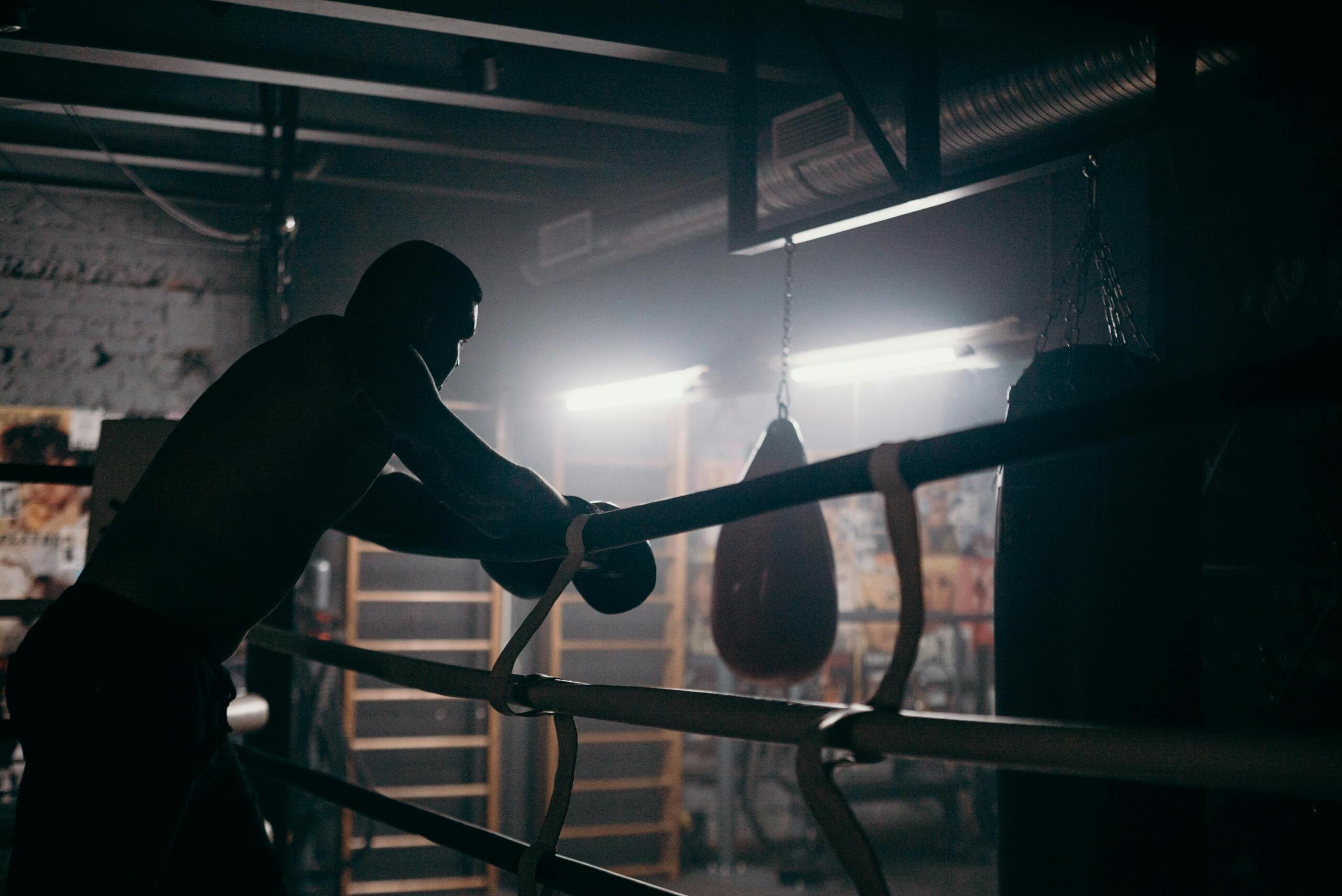

Everyone has a plan until they get punched in the mouth.
Mike Tyson
Boxing is one of the oldest known sports in human history, blending strength, endurance, and strategy. While it is often represented as a often represented as brutal and violent discipline, the truth is that it is an ancient art with variations practiced around the world. Boxing - be it English boxing, French boxing, or Thai boxing - are athletic pursuits enjoyed by countless people.
Boxing's origins can be traced back thousands of years, where it was practiced not just as entertainment but also as training for warriors. Over time, boxing evolved from bare-knuckle brawls to the highly regulated global sport we know today.
This article is all about where boxing comes from and how it has emerged as a multibillion dollar industry. What has made boxing one of the most popular sports?
Boxing, as we know it today, is a combat sport in which two competitors face each other in a ring and attempt to land punches within a set of rules and time limits. The objective is to score points by striking the opponent with clean, effective punches or to achieve a knockout - where the opponent is unable to continue after being knocked down.
Here is a condensed history of boxing - don't be surprised if you learn some facts that surprise you!


Who Created Boxing? A Timeline of Key Events
3000–1500 BCE
Roots of Boxing
Early depictions of boxing appear in Sumerian carvings, Egyptian tombs, and Minoan frescoes, showing fist-fighting as ritual and sport.
688 BCE
Olympics
Boxing is added to the Ancient Olympic Games in Greece, with fighters using leather hand-wraps.
17th Century (1600s)
English Boxing
Boxing re-emerges in England as bare-knuckle prizefighting, often staged in taverns and fairs.
1743
Rules and Regulations
Jack Broughton establishes the first formal rules, introducing a 30-second count and prohibiting hits to downed opponents.
1867
Queensberry Rules
he Marquess of Queensberry Rules revolutionize the sport with gloves, timed rounds, and knockout counts—creating modern boxing.
1904
Boxing Returns to the Olympics
Boxing debuts as an official event at the St. Louis Olympic Games.
1920s–1960s
Golden Age of Boxing
Stars like Jack Dempsey, Joe Louis, and Muhammad Ali turn boxing into a global cultural phenomenon.
2012
Women's Boxing
Women’s boxing is included in the Olympics for the first time, marking a milestone for inclusion and equity in the sport.
Where was Boxing Invented? Roots of the Sport
Boxing was not the glossy, pay-per-view sport Canadians are familiar with today. It actually has a long history, dating back to ancient civilizations, and has evolved into both an Olympic sport and a professional spectacle.
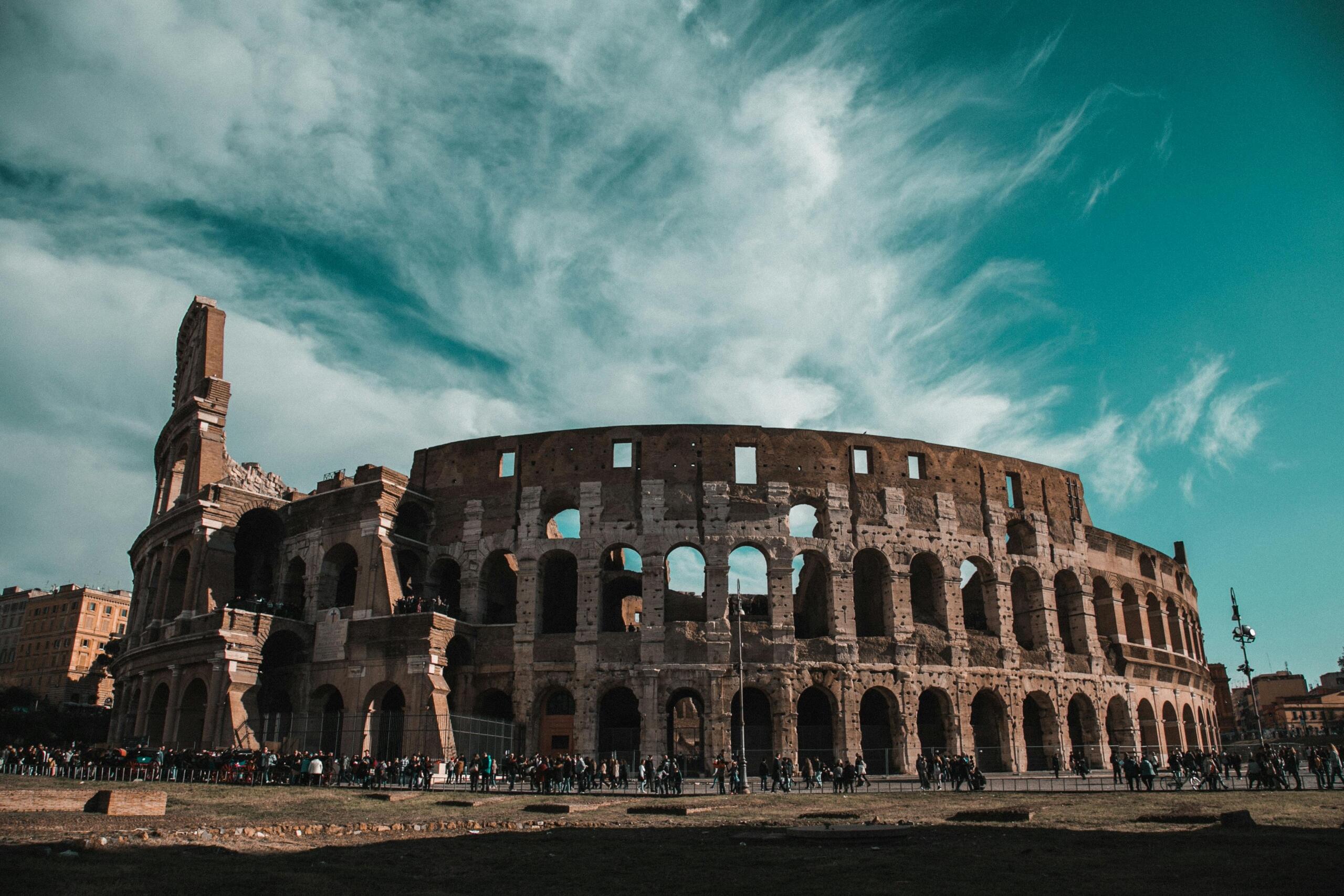
Get to know the tips and tricks of how to get into boxing here on Superprof.
Archeological research on ancient texts (including those of Gilgamesh) made it possible to affirm that boxing already existed in the second millennium BC, in Mesopotamia (present-day Iraq), in North Africa and in Greece. Ancient art dating back to 2000 BC depict hand-to-hand combative sparring. It is also known that in the territories of present-day Ethiopia, in Nubia, men were fighting boxing matches in the first millennium BC.
Invaded by the Egyptians in the 5th century BC, the banks of the Nile became a place where soldiers clashed in hand to hand combat to entertain kings and pharaohs. Fistfighting emerged later in ancient Greece and then under the Roman Empire. The fighters only hit the head, while the opponent had to keep his guard with his fists.
See boxing lessons Vancouver here on Superprof.
Many Roman emperors such as Caligula became fond of fighting to amuse citizens. The practice of the sport became increasingly brutal over the years. Soldiers and gladiators had to fight naked, until exhaustion, standing - hitting as hard as possible - and on the ground, in a fight until the abandonment or death of the opponent.
The Romans recruited gladiators among prisoners and slaves, who fought with bandages of leather which, according to ancient writers Homer and Virgil, split the human flesh and caused serious lesions. The Gladiator Games were banned by Emperor Theodosius I in 392 AD, which would also end boxing for over a thousand years.
Find various boxing classes near me on Superprof.
Emergence of English Boxing
Historians have documented that the nobility of the English bet on illegal fist fights in the 17th century. In France, savate was practiced simultaneously: a face-to-face kickboxing.
During the Napoleonic wars, French prisoners in London discovered the use of the fists in boxing - by clandestine fights with bare hands with money on the table - it is through borrowing from English boxing, that French boxing evolved.
From here the sport progressed and the different weight classes such as flyweight, lightweight, middleweight and heavyweight came into play to make matches more fair.
Here are some of the great boxing champions and the boxing hall of fame.
James Figg (1695-1734) is recognized as the father of modern boxing, which combines techniques from a mixture of boxing with bare hands, wrestling and fencing. Figg created the first boxing school in 1719 and until 1730, he lost only one fight out of 270 in total.
Jack Broughton Introduces Rules and Regulations
Jack Broughton (1704-1789) had won nearly 400 fights, until the day he killed an opponent in the ring. Traumatized by this accidental death, he developed the London Prize Ring Rules to avoid any deadly result.
- The first rule establishes the end of combat when a fallen fighter does not get up after thirty seconds.
- Hitting a boxer on the ground and below the waist became banned.
- Broughton also instituted the boxing ring, a square outside of which one is forbidden to strike. Previously, discontented gamblers joined the fight, turning the match into a general "fight".
- Broughton was crowned English champion in the heavyweight category in 1736.
Find the best movies about boxing to learn more about this art.
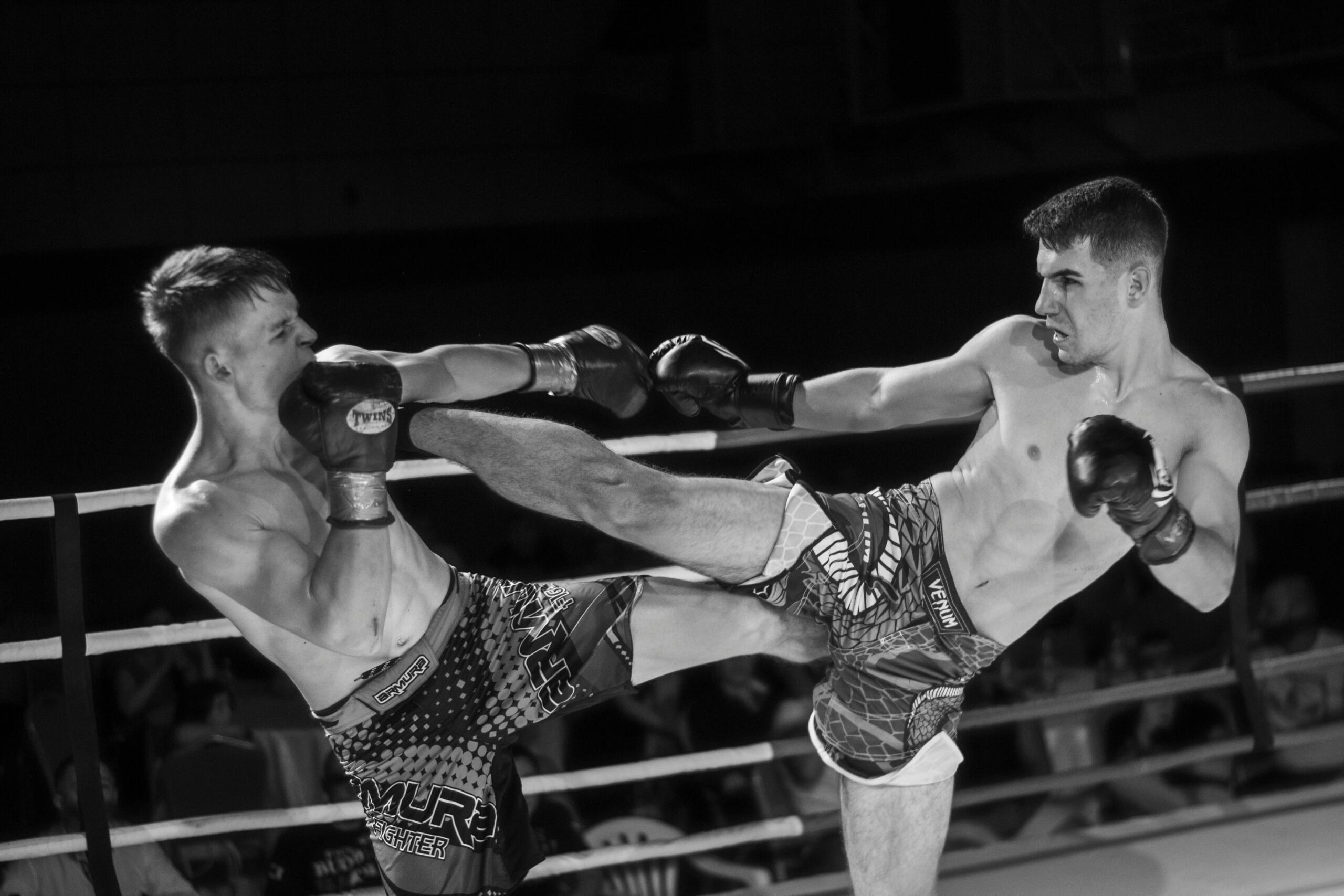
The Queensberry Rules
In 1866, while boxing was still somewhat clandestine, death, corruption and cheating were still commonplace at boxing matches. To overcome this, John Graham Chambers (1843-1883), a journalist, wrote a set of rules in 1866 with John Douglas, known as the Marquis of Queensberry (1844-1900).
Chambers and Douglas created the 16 new rules of modern boxing: the rules of the Marquis of Queensberry, or the Queensberry Rules. The wearing of boxing gloves becomes mandatory, to limit the impact of blows and injuries. The round is limited to three minutes, as well as a count of ten seconds awarded to a thrower on the ground before getting up or defeat.
The rules also established fights according to the weight of the boxers:
- Heavyweights: above 71,667 kg,
- Midweights: between 63,503 kg and 71,667 kg,
- Lightweights: below 63.503 kg.
Fighting became less violent, regulated, faster, more technical, putting more emphasis on the agility of the boxers than on their strength.
Find boxing classes Toronto here on Superprof.
Boxing Returns to the Olympics
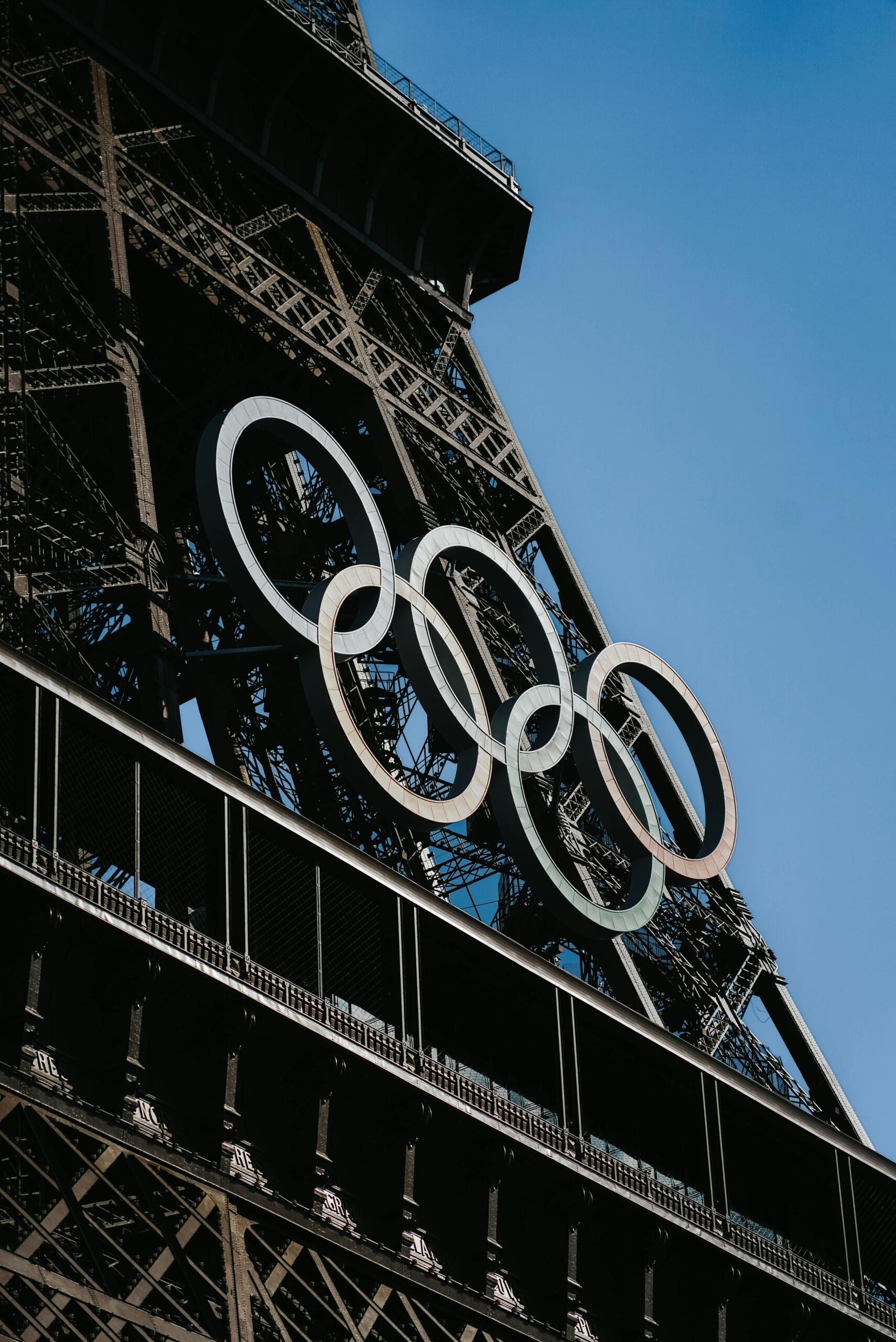
Boxing officially entered the global sporting stage at the 1904 St. Louis Olympic Games, marking its debut as a recognized Olympic event. Though limited in scope at first—only American fighters competed due to the difficulty of international travel—it was a crucial moment in legitimizing boxing beyond local clubs and professional bouts.
By introducing boxing to the Olympics, the sport was reframed not just as entertainment or prizefighting, but as a discipline requiring skill, endurance, and fair competition under clear rules.
The amateur style of Olympic boxing—with its shorter rounds and point-based scoring system—offered a different dimension of the sport, one that emphasized speed, precision, and strategy.
Olympic boxing provided opportunities for athletes from all nations to compete at the highest level and often served as the first step toward professional stardom. Legendary boxers such as Muhammad Ali, Sugar Ray Leonard, George Foreman, and Lennox Lewis all began their careers as Olympic champions.
Golden Age of Boxing
The Golden Age of Boxing, spanning from the 1920s through the 1960s, represented an era when the sport captured the world’s imagination and its champions became larger-than-life figures. Fighters like Jack Dempsey dominated the 1920s with thrilling knockout power that packed arenas and made boxing a mainstream spectacle.
Joe Louis emerged in the 1930s and ’40s as the “Brown Bomber,” uniting America during a turbulent period that included the Great Depression and World War II. His victories, including the iconic win over Max Schmeling, carried symbolic weight far beyond the ring, embodying ideals of strength and justice.
By the 1960s, boxing had entered a new era with Muhammad Ali, whose charisma, unmatched talent, and activism redefined what it meant to be an athlete.
Ali transcended sports, becoming a voice for civil rights and global issues, while thrilling fans with legendary fights like. The Golden Age demonstrated how boxing could serve as both high drama and social commentary, cementing the sport’s place not only in athletics but in history, politics, and popular culture.
Discover the greatest boxing quotes!
Women's Boxing
A century after men’s boxing made its Olympic debut, women’s boxing was finally included in the 2012 London Olympic Games. This historic milestone marked a breakthrough for gender equality in the sport, offering female athletes the chance to showcase their talent on the world’s biggest stage. Fighters like Nicola Adams of Great Britain became instant icons, inspiring a new generation of girls and young women to take up the sport.
The inclusion of women’s boxing not only expanded the reach of the sport but also helped shift cultural perceptions of what boxing could be. Champions like Katie Taylor (Ireland) and Claressa Shields (USA) emerged from London 2012 to become dominant forces in both amateur and professional boxing. Their success opened doors for women’s competitions worldwide and pushing for greater recognition, visibility, and investment.
Find out the ten greatest reasons to learn to box!
The Future of Boxing: What does it Look Like?
The future of boxing looks to be a dynamic blend of tradition and innovation. Advances in technology, such as digital scoring systems, data analytics, and global streaming platforms, promise to make matches more transparent and accessible to audiences worldwide.
At the same time, the rise of women’s boxing and crossover events with MMA are bringing new fans into the fold. While longtime fans may worry about these changes, they also represent the sport’s adaptability. Ultimately, the core themes of of boxing—discipline, resilience, and the underdog’s fight for respect—remains unchanged, ensuring that its future will be just as compelling as its past.
Summarize with AI:
Did you like this article? Leave a rating!


 Loading...
