
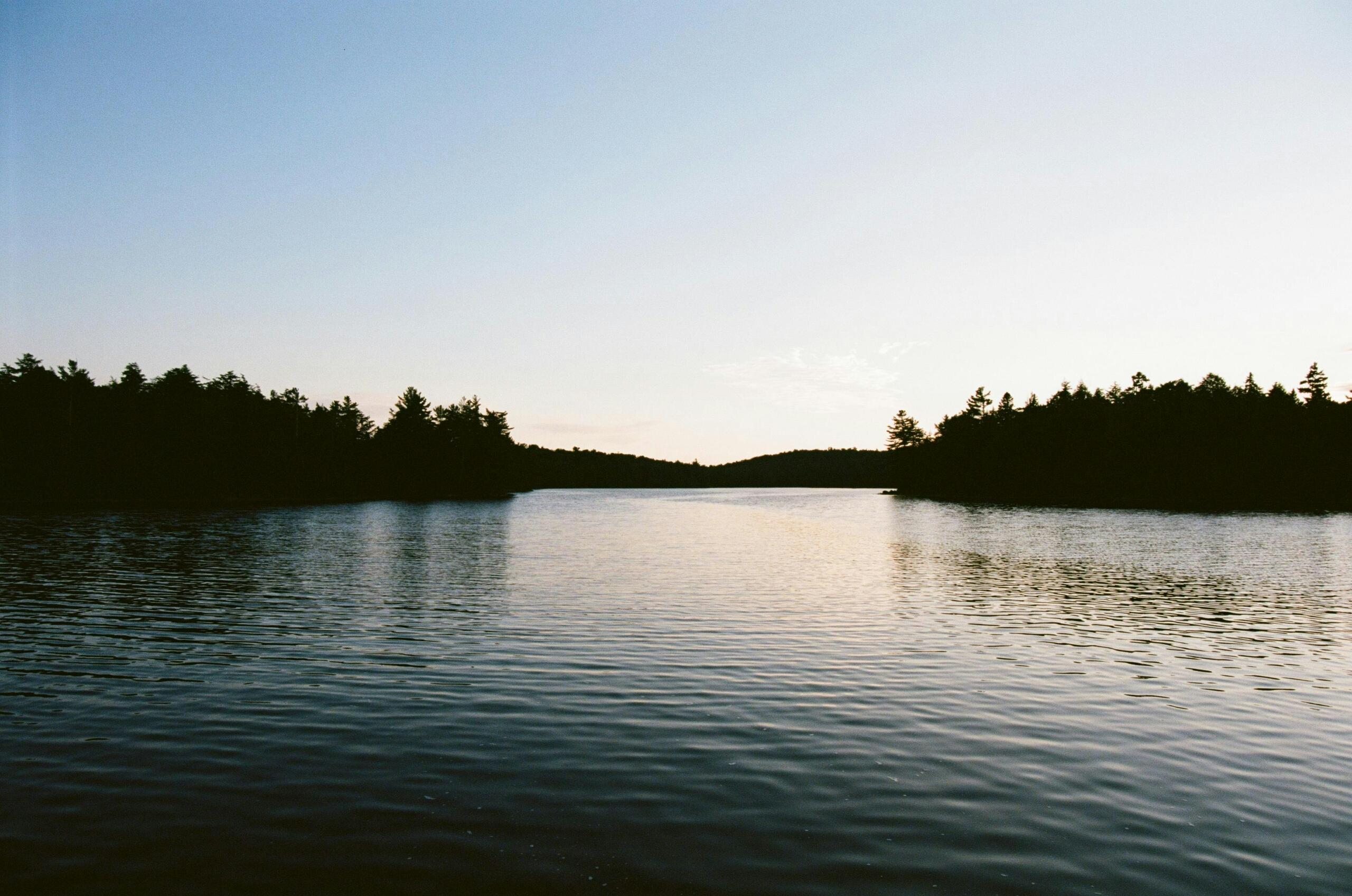

There are four seasons in the world, but there are only two in my mind- painting and no-painting.
Tom Thomson
Tom Thomson is somewhat of a quintessential Canadian artist whose paintings remind Canadians everywhere about how uniquely distinct and beautiful the country is. His work stands as a defining element of Canadian art and art history.
Thomson's paintings give us a vision of nature that is powerful, modern, and deeply connected to place. His work in Algonquin Park is of particular importance to the thousands of visitors that explore the area every year to engage in hiking, canoeing, camping, and other outdoor activities. While his art has stood the test of time and continues to inspire, Thomson lived a short life and we can only wonder what artistic creations he would have produced had he more time.
This article is all about the career and impact of Tom Thomson's artwork. We will learn about what inspired him, and which works have made him one of the most well-known Canadian artists in the world.
Lawren Harris had a deep fascination with the Canadian North, often painting the vast icy landscapes of the Arctic and Lake Superior.


Tom Thomson Artwork Timeline
1906
Toronto
Thomson moves to Toronto and works as a commercial artist, where he meets future members of the Group of Seven.
1912
First Visit to Algonquin Park
Thomson visits Algonquin Park for the first time in his life, which becomes a key focal point in his work.
1913
Becomes a Full Time Painter
Thomson quits his job as a commercial artist to focus on his painting full time, thanks to the support of patrons like Dr. James MacCallum.
1914-1915
Developing Style
Develops his signature use of bold colours and expressive brushstrokes, creating works like "The West Wind."
1916
Long Stay in Algonquin Park
Produces oil sketches during an extended stay in Algonquin Park, which later become some of his most famous work.
1917
Death
Drowns mysteriously in Canoe Lake in Algonquin Park.
Tom Thompson Art, Life, and Career
Tom Thomson was born on August 5, 1877 in Claremont, Ontario, a farming community just Northeast of Toronto. His family later moved to the area of Owen Sound in a town called Leith.
Thomson grew up in a family with a deep appreciation for music, literature, art, and outdoor activities like hunting and fishing. Tom grew up wandering in the forests near his home, collecting specimens and observing nature.

He moved to Chatham, Ontario to attend Canada Business College, though he left after just eight months. He then moved to the Pacific Northwest to join his brother and worked briefly as a hotel elevator operator.
In the Northwest, Thomson gained employment as a pen artist, draftsman, and etcher at an engraving firm. With his raw artistic talent, he produced business cards, brochures, and posters for clients.
Thomson returned to Ontario at the end of 1904 and moved to Toronto by 1905. He settled in a boarding house and was hired at a photo-engraving firm. He read frequently, attended concerts, theatre, and sporting events - typical activities for Toronto dwellers enjoying city life.
Franklin Carmichael had a keen interest in capturing the effects of light and atmosphere, using soft yet striking colors to create depth and emotion.
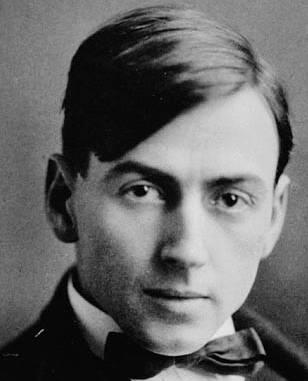
He also took art classes at night with William Cruikshank, who taught painting at the Central Ontario School of Art. By 1909, Thomson was working at Grip Limited, Toronto’s leading commercial art and engraving firm.
At Grip, Thomson met Group of Seven artist J.E.H. MacDonald, who eventually connected him with Lawren Harris, who was a prominent figure in the local arts scene.
They would congregate with other artists at the Arts and Letters club, a meeting place and eatery for men interested in literature, theatre, architecture, and art.
From Graphic Designer to Full-Time Artist
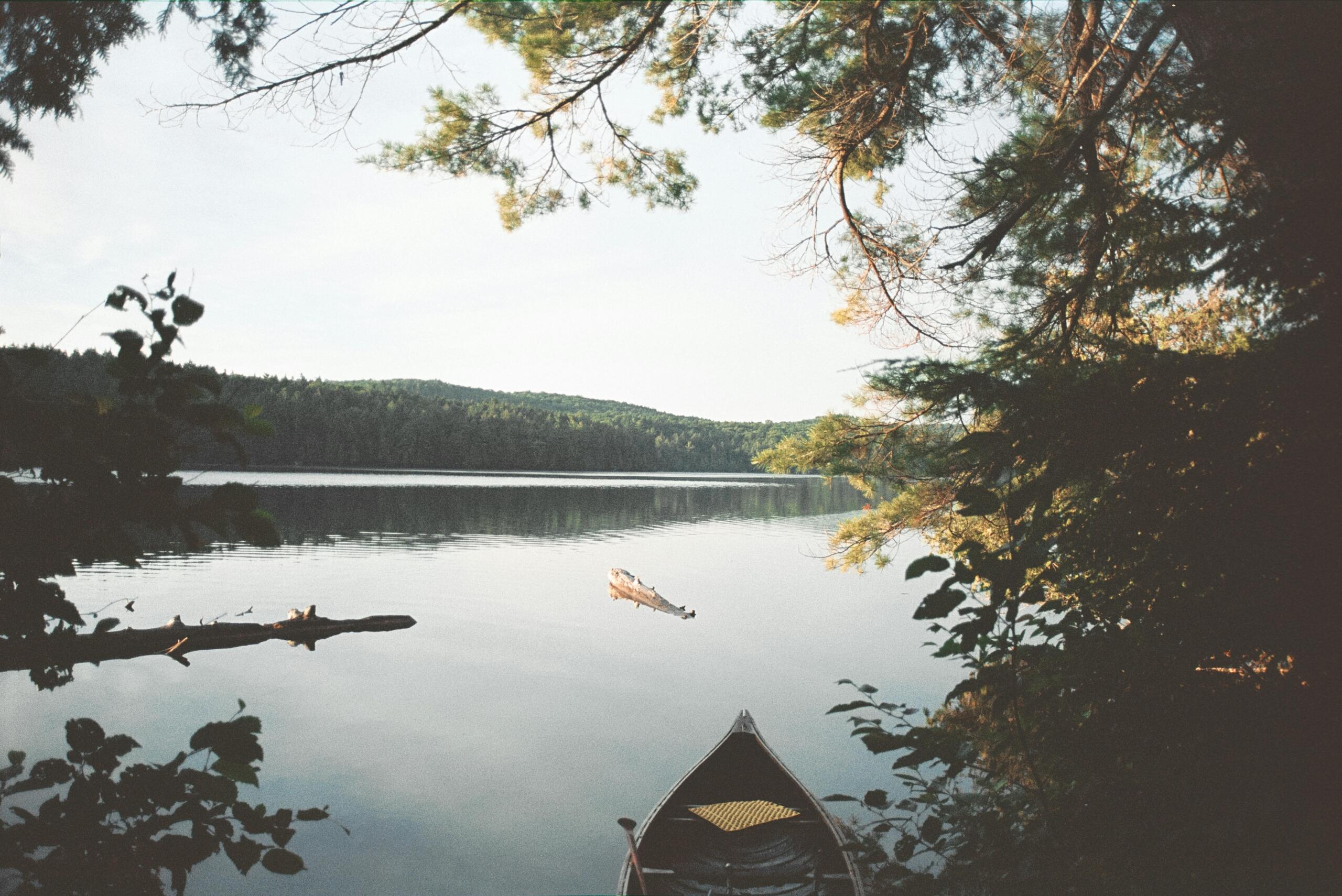
In 1912 Thomson started visiting Algonquin Park to go canoeing and sketching. The park, filled with forests, lakes, rivers, trails, and beautiful views, would provide the inspiration for so much of Thomson’s work. On these journeys, he started to transition from being a commercial designer to a more imaginative, original artist.
Works like “Drowned Land” show the rapid progress Thomson was making as an artist. He was introduced to Dr. James MacCallum, a University of Toronto professor, who was particularly interested in art. MacCallum recognized Thomson’s talent and offered to cover his expenses for a year if he would devote himself to full-time painting.
Thomson accepted MacCallum’s offer and dedicated his life to full time painting, spending most of his year in Algonquin Park and the colder winter months in Toronto.
By 1914, Thomson’s career took a major turn, and the National Gallery of Canada in Ottawa started acquiring Thomson’s work. The recognition was not common for an emerging artist.
Emily Carr’s paintings often featured towering forests, Indigenous villages, and spiritual connections to nature.
Thomson and the Group of Seven
Thomson’s friend J.E.H. MacDonald attended a Scandinavian art exhibition at the Albright Art Gallery in Buffalo in 1913, and were struck by the similarities between the landscapes of Northern Europe and Canada. They were inspired to create a national art movement for Canada, grounded in the country’s “northern” character.
Thomson was influenced by the artistic ambition of his friends, and the Group of Seven was formed after his death in 1920.
An Untimely Death
After several years of long trips to Algonquin Park, and even working as a fishing guide and ranger to make ends meet, Thomson had created a significant body of paintings. His work during this time shows a growing confidence in the medium with strong, expressive brushstrokes.
On July 18, 1917, he set out in a canoe a final time. His body was found in Canoe Lake, 8 days later. The official cause of death was accidental drowning, though a 4-inch cut on Thomson’s head was noted.
Most Famous Tom Thomson Paintings
What are the Defining Characteristics of Tom Thomson Art?
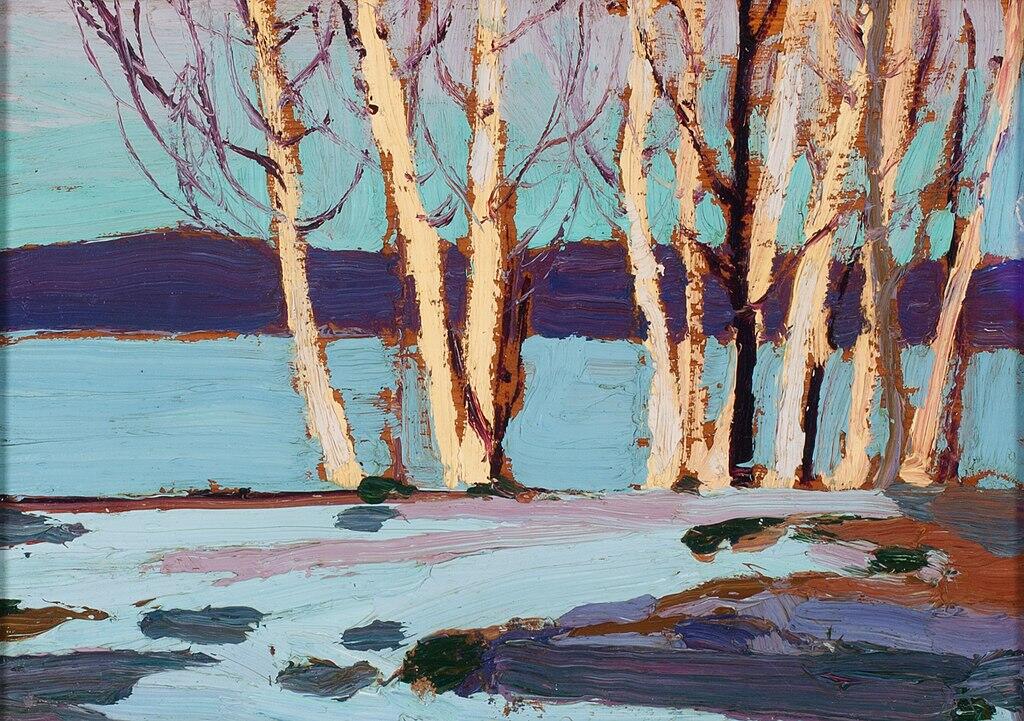
Tom Thomson is known for his bold, expressive brushwork, rich colors, and dynamic depictions of the Canadian outdoors. He laid the foundation for the Group of Seven and helped to develop a distinct Canadian style. Defining characteristics of his artwork include:
- Vivid Colors: intense, vibrant hues to capture the seasons and light throughout the seasons in the forests and lakes of Algonquin Park.
- Expressive Brushwork: Thomson used thick strokes of paint and visible brush marks, creating a sense of movement and energy.
- Simplified Forms: Thomson simplified shapes and compositions, rendering a more modern, abstract quality.
- Emotional Atmosphere: his works are imbibed with a strong emotional connection to nature: moody skies, turbulent waters, and the interplay of light and shadow.
- Small Panels: He often painted on small wood panels while outdoors.
Where Can I View Tom Thomson's Work?
Tom Thomson’s paintings can be seen at several major galleries and museums in Canada. Here are some of the top places to see his work:
Art Gallery of Ontario, Toronto, Ontario: view works like "The West Wind" and "The Jack Pine", along with other sketches and paintings.
National Gallery of Canada, Ottawa, Ontario: see "Northern River" and other key pieces of Thomson's work.
McMichael Canadian Art Collection, Kleinburg, Ontario: see several of Thomson's paintings and personal artifacts, along with other works from the Group of Seven.
Tom Thomson Art Gallery, Owen Sound, Ontario: dedicated Tom Thomson gallery showcasing paintings, sketches, and historical exhibits.
How Can I Learn More about Canadian Art and Painting?
Artists like Tom Thompson are intriguing and easily inspire Canadians to study art and learn how to paint. If you find yourself in this boat, why not consider hiring a private art instructor to teach you painting or help you to complete a fine arts degree?
Superprof Canada can help you connect with the best private art tutor for your needs and aspirations. They can help you learn to paint in the Group of Seven style, hone your own technique, or help you as your complete your art history degree. A tutor is also convenient, and can work with your schedule to support you in your learning goals.
Find a private art tutor on Superprof today!
The Group of Seven helped establish a distinct national style, emphasizing bold colors and expressive depictions of nature.
Summarize with AI:
Did you like this article? Leave a rating!

 Loading...
