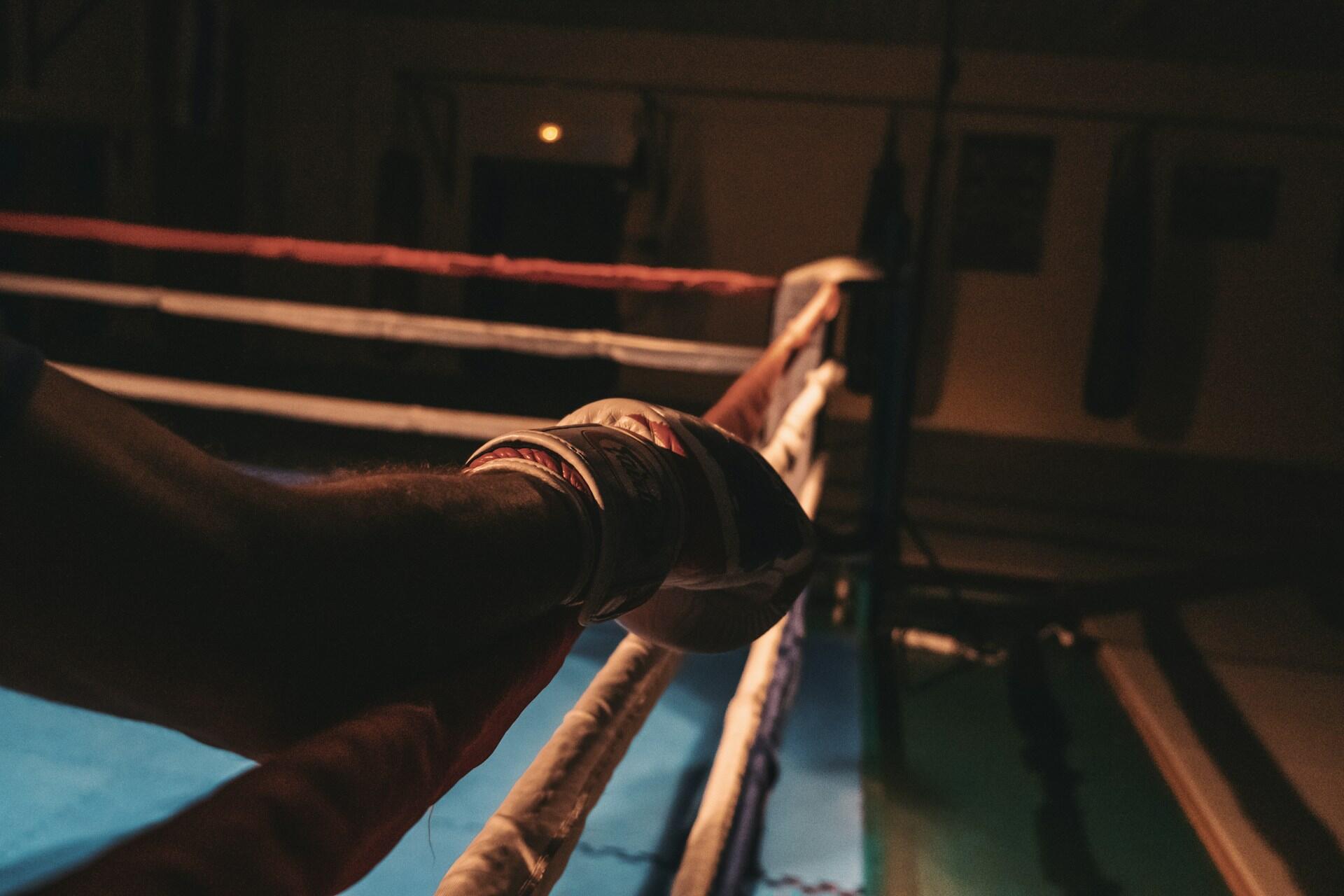

Before defeating legends like Muhammad Ali and facing a young Mike Tyson, Jamaican heavyweight Trevor Berbick spent nearly a decade in Canada, where he twice held the national heavyweight crown. 1
In this article, we will explore the career timeline and legacy of Trevor Berbick, who brought global attention to his home island nation through boxing and his amazing fights amongst the greats in the ring.


👊Early Life and Amateur Career
First, let's learn about the life of Berbick before he became one of Jamaica's most accomplished heavyweight fighters.
🧍♂️Childhood and Background
Berbick was born on August 1, 1954, in Port Antonio, Portland Parish, Jamaica. In his early youth, he moved to Guantanamo Bay Naval Base, Cuba, to work as a forklift operator. Later, he took up boxing for self-defense while working as a maître d’ at a rowdy mess hall for the U.S. Marines bound for Vietnam at the age of 19. 2
One night a marine jumped me coming home from work. But I learned a little martial arts from the Special Forces and handled him pretty well. He told me to come on down and join them boxing. I ended up beating the All-Marine heavyweight champ and winning the service tournament. After that, I figured I had a shot at being a pretty good fighter.
Trevor Berbick
Berbick began his amateur career as a heavyweight boxer. His talent did not go unnoticed, and he was eventually selected to represent Jamaica in prestigious international tournaments, including the 1975 Pan American Games, where he won a bronze medal.
🥇Olympic Participation
Berbick's breakthrough in his amateur boxing career came during the 1976 Montreal Olympic Games.
Despite having only 11 amateur fights before the Olympics, Berbick represented Jamaica as a heavyweight boxer.
However, his lack of experience resulted in a second-round loss to Romanian boxer Mircea Șimon, the eventual silver medalist.
After the Olympics, Berbick decided to turn professional, making the 1976 Montreal Olympic Games his first and last Olympic appearance.
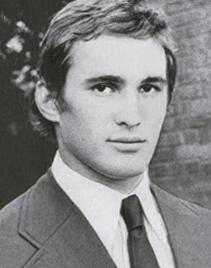
Meanwhile, discover more about Artur Bertebiev.
🥊Professional Boxing Career
Berbick's professional boxing career began when he decided to stay back in Halifax, Canada, to train. He frequently participated in fights across North America, particularly in Canada and the United States.
1977
Turned professional as a heavyweight boxer
1979-1980
Won 11 fights (10 by knockouts) as a pro player
Apr 11, 1981
Challenged Larry Holmes for the WBC heavyweight title but lost by TKO
July 21, 1981
Won the vacant Commonwealth heavyweight title in Halifax, defeating Canadian boxer Conroy Nelson
Dec 11, 1981
Defeated Muhammad Ali in Ali's final professional bout by unanimous decision
March 22, 1986
Defeated Pinklon Thomas to win the WBC Heavyweight Championship
Nov 22, 1986
Fought Mike Tyson and lost by TKO (Round 2), losing his title
💪Rise to Prominence
While Berbick was slowly building his fight record with other pro players in the early 80s, winning the Commonwealth title was one of the highlights of Berbick's career for a few reasons:
Earned regional prestige
- Respected regional championship in heavyweight boxing
Improved world rankings
- Advanced world rankings mean opportunities for larger fights
High-level momentum
- Built self-confidence and motivated him to clinch world titles
💥Notable Fights
After winning his first Commonwealth title in 1981, Berbick encountered some of the most important matches in his career, which elevated his standing in the sport.
⚡Victory over Muhammad Ali
Of course, we have to start with his bout with "The Greatest", Muhammad Ali, also in 1981. Although it was a non-title fight, the bout was historic for several reasons.
Ali initially announced his retirement in 1980 after losing to Larry Holmes in October 1980 in a bout for the World Boxing Council (WBC) heavyweight title. But he soon changed his mind and attempted a comeback in 1981.
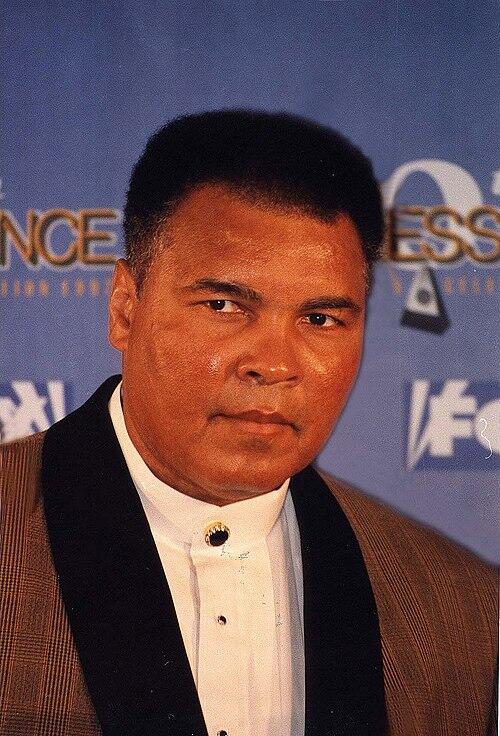
The bout between Berbick and Ali was held in Nassau, The Bahamas, because the athletic commission rules there were less restrictive than those in the U.S.
At that point, Ali's health and reflexes were concerns following his fight with Larry Holmes, making it difficult for him to obtain medical clearance to compete.
Trevor Berbick's win in the Commonwealth offered him credibility as Ali's opponent; he was also fairly experienced in the heavyweight scene, making the match appear more equal. 3
Final Result: Though the early rounds were competitive, Berbick controlled the fight with his stamina and pressure fighting as Ali showed signs of decline. In the later rounds, Ali appeared fatigued, and Berbick was declared the winner by unanimous decision after the final (10th) round.
This match was the final professional fight of Muhammad Ali’s career, and Berbick became the last boxer ever to defeat Ali. 4
🏆WBC Heavyweight Title Win
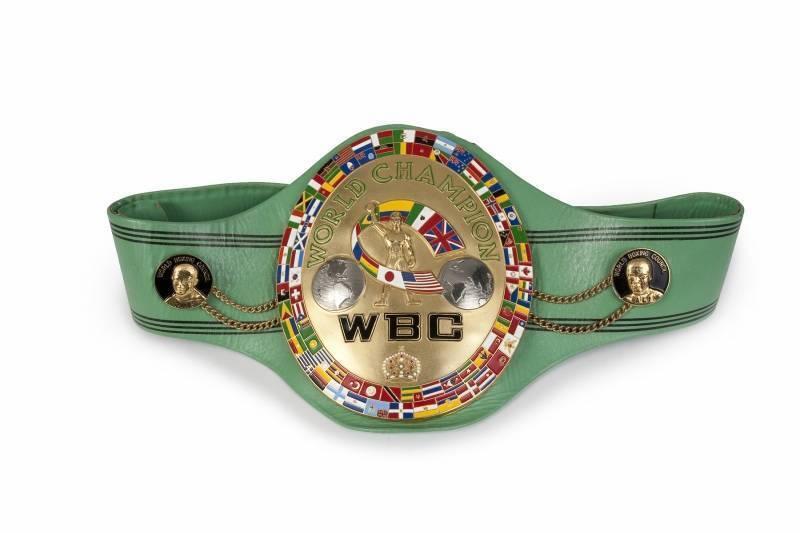
A few years after beating Ali, Berbick experienced the peak of his career with his first and only world heavyweight title victory under the World Boxing Council (WBC).
On 22 March 1986, Berbick had a match with defending champion Pinklon Thomas. Thomas was a strong opponent, known for its defensive skills and aggressive jabs, having successfully defended the titles a few times since winning the title in 1984.
However, Berbick was persistent in his forward movement to lean in and find the gaps to land effective jabs and body punches at Thomas.
Final result: The fight lasted the full 15 rounds, and Thomas was clearly losing stamina. The judges made known that Berbick won by unanimous decision and captured the WBC heavyweight championship.
With this victory, Berbick became Jamaica’s first-ever world heavyweight champion, establishing him as one of the leading heavyweights of the mid-1980s.
💔Loss to Mike Tyson
Unfortunately, Berbick's reign as WBC champion only lasted for eight months. In the same year, he was scheduled to defend it against rising heavyweight contender Mike Tyson. At only 20 years old, Tyson already gained a reputation as one of the most dangerous punchers in boxing with his explosive speed and punching power.
The championship bout took place in the Las Vegas Hilton and ended dramatically in the second round.
During the second round, Tyson landed a powerful punch that knocked Berbick to the canvas.
Berbick attempted to stand up several times but lost his balance and fell again, prompting the referee to rule that he could not continue.
As the count was completed, Tyson was awarded a knockout victory in Round 2.
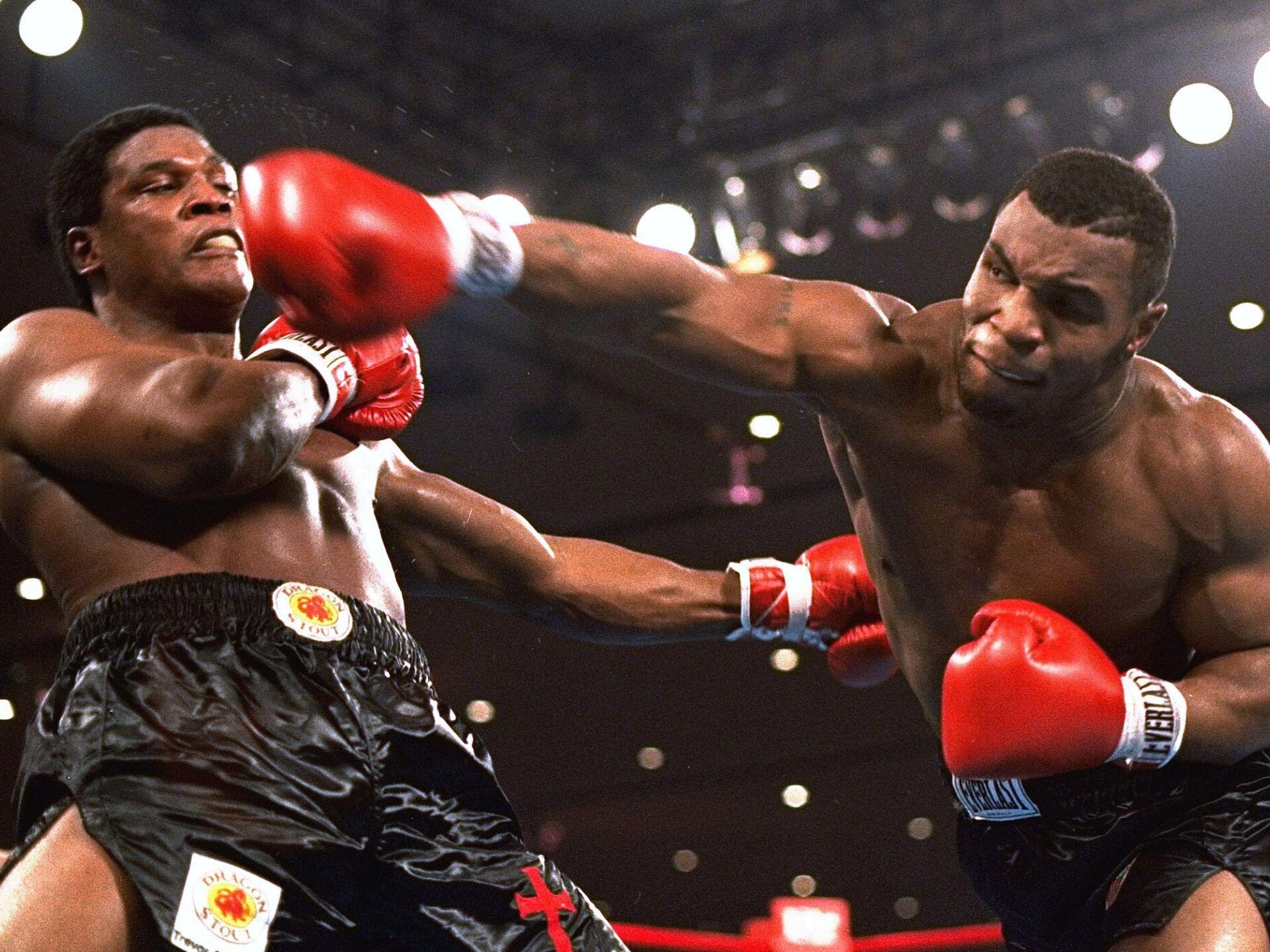
Tyson's victory in this match made him the youngest heavyweight champion in history at age 20 years and 4 months. After the fight, Berbick continued boxing but never won another world title. He retired in 2000 following the discovery of a brain clot and took up coaching in Florida, America.
⭐Legacy and Impact
Berbick’s career ended up bridging two heavyweight eras: he defeated Ali at the end of Ali’s career and later lost his own title to Mike Tyson, who began a new dominant era in heavyweight boxing.
Additionally, he is the only professional boxer who has had direct bouts with three of the most famous heavyweight champions in boxing history, Muhammad Ali, Larry Holmes and Mike Tyson. For this, he has always been regarded as someone who is never intimidated by strong opponents.
🔥Contributions to Boxing
Berbick's success also had a positive impact on boxing in Jamaica. He was the first Jamaican-born heavyweight boxer to win a world championship, when he defeated Pinklon Thomas for the WBC title in 1986.
While Jamaica had its fair share of amateur boxers throughout the year, Berbick was one of the few Jamaican fighters to transition successfully from amateur international competition to the world heavyweight championship.
His championship win in the late 80s proved that fighters from Caribbean nations could compete at the highest level of professional boxing.
Here's an overview of Berrbick's boxing career.
| Category | Record |
|---|---|
| Total Fights | 61 |
| Wins | 49 |
| Wins by Knockout | 33 |
| Losses | 11 |
| Draws | 1 |
| Professional Debut | 1977 |
| World Titles Won | WBC Heavyweight Champion (1986) |
| Title Defenses | 0 |
Learn more about Lennox Lewis, who also had ties with Canada as a heavyweight boxer.
🕊️Remembering Trevor Berbick
At age 51, Berbick was found dead from a massive head wound in a Jamaican churchyard on October 28, 2006. Like the case of Italian-Canadian boxer Arturo Gatti, his sudden death shocked both the national and international boxing communities. 5
He is remembered positively for giving back through boxing clinics in Trinidad and was scheduled as a guest for a boxing event in St. Ann's Bay, Jamaica, on the day of his death, highlighting his ongoing community ties despite personal struggles.
He was a decent human being despite the hiccups in his life. He was a magnaminous person, always concerned about young boxers.
C. Lloyd Allen, former president of the Jamaica Boxing Board and a close friend of Berbick
Berbick will always be remembered for being a trailblazer in the Jamaican professional boxing scene and being one of the world champions to win against Muhammad Ali.
References
- Trevor Berbick (1955-2006) - Find a Grave Memorial. (2019). Findagrave.com. https://www.findagrave.com/memorial/16356139/trevor-berbick
- The Independent. (2006, October 30). Trevor Berbick | The Independent. The Independent. https://www.the-independent.com/news/obituaries/trevor-berbick-422215.html
- The life and death of Trevor Berbick | Boxing News. (2023, November 5). Boxing News. https://boxingnewsonline.net/news/the-life-and-death-of-trevor-berbick/
- Trevor Berbick. (2026). On This Day. https://www.onthisday.com/people/trevor-berbick
- Ex-heavyweight champ Trevor Berbick found dead - ESPN. (2006, October 28). ESPN.com; ESPN. https://www.espn.com/sports/boxing/news/story?id=2641679
Summarize with AI:
Did you like this article? Leave a rating!

 Loading...