


History is much more than a list of dates and events—it’s a dynamic and evolving story of humanity. From ancient civilizations and political revolutions to the rise of technology and everyday social customs, different types of history help us understand how people, cultures, and ideas have shaped the world.
By studying various branches of history—such as political, social, cultural, economic, and diplomatic history—we gain a richer view of the past. History is a science in and of itself and like most if not all scientific fields, History is divided into many more sub-categories, each specifically studying a period of Human history or a specific region of the world.
If you are studying for a History degree or you are already an undergraduate aiming for a bachelor, you will most likely study many though not all, aspects of History. This article explores these diverse types of history and how each contributes to our understanding of human experience across time and place.


The Major Branches of History
While it would be impossible to explore every branch of history in a single article, we can start our inquiry by going into some of the main branches.
Political History
Political history studies the story of government, political leaders, elections, policies and the interaction between the different branches of government. Political historians traditionally examined and wrote down the deeds of monarchs, presidents, politicians, and other political leaders. Recent scholars, however, have been more concerned with questions linked to the exercise of power within society, and the ideologies and their influence in the political arena.
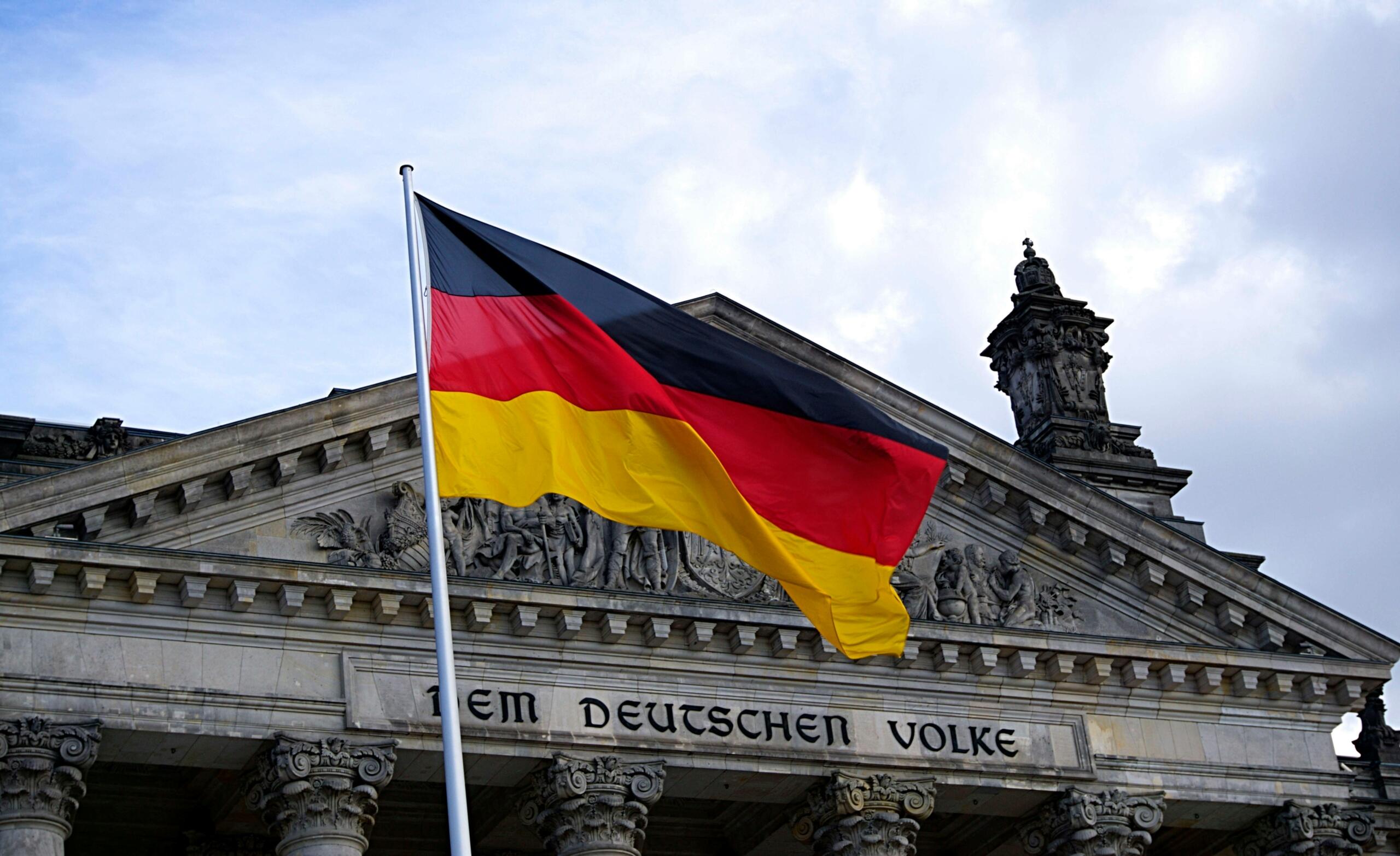
In Canada, political history has been adjusted to encompass a wider range of perspectives beyond those that hold power, including:
- The views of working people and ethnic and linguistic minorities
- The role of women in society
- Marginalized communities
- The impact of social and political reform movements
Studying political history is important. It helps us understand the causes and consequences of leadership and conflict. It also highlights the role of political institutions, ideologies, and events in influencing the direction of a country or region throughout history.
Our children should learn the general framework of their government and then they should know where they come in contact with the government, where it touches their daily lives and where their influence is exerted on the government...they must see how every cog in the wheel of a democracy is important.
Eleanor Roosevelt
Diplomatic History
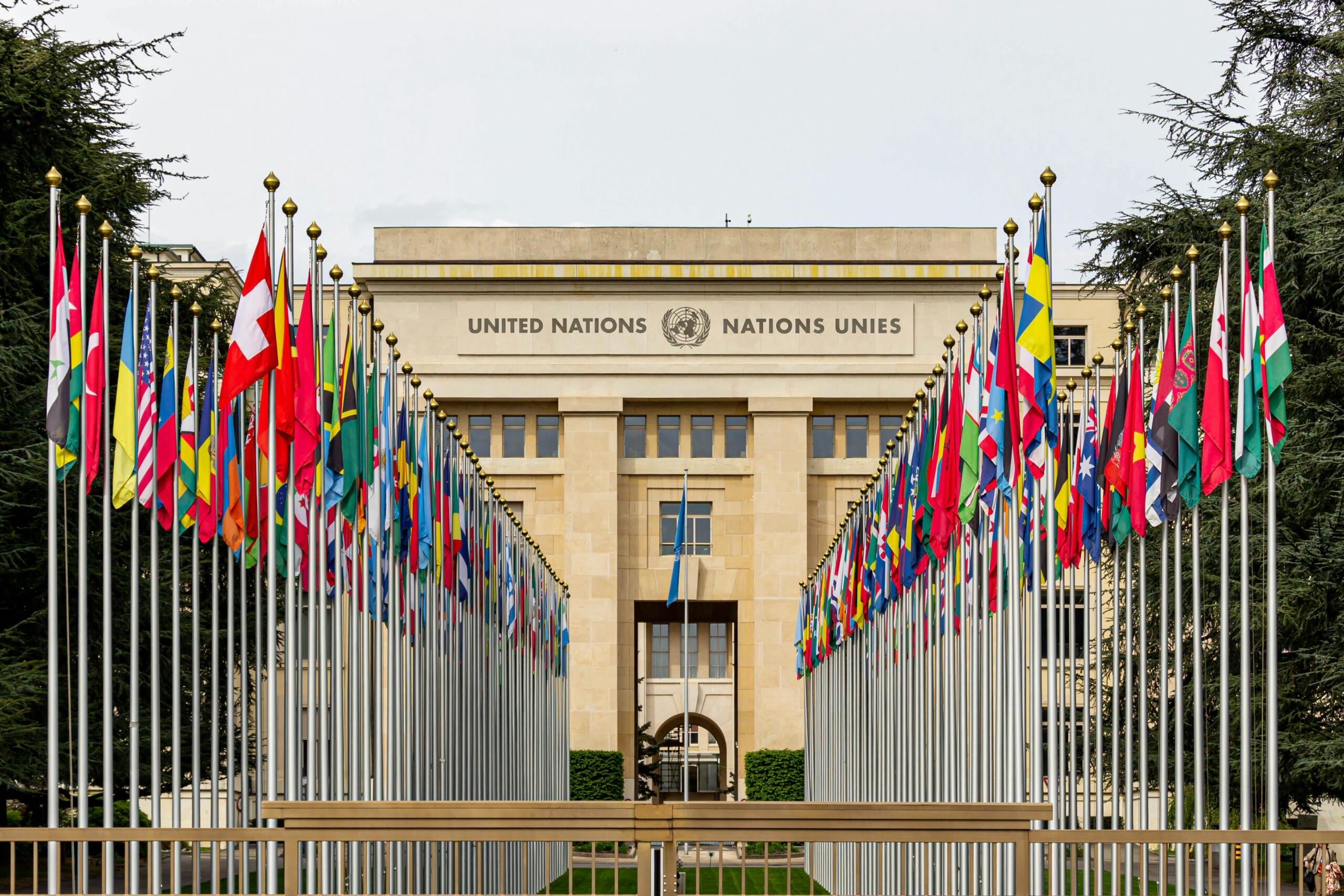
Diplomatic history studies the relations between countries, ambassadors, and ideas of diplomacy. It documents relationships and negotiations between nations through treaties, alliances, and conflicts. It examines how governments avoid war and build partnerships through diplomacy and international dialogue.
The Cold War is an era of history deeply scrutinized by diplomatic historians because it was a time of tense political exchanges between the United States and Russia. Canada was the symbolic starting point of the Cold War: in September 1945, a young Russian man walked into Ottawa newsroom and announced he had proof of a widespread Soviet spy ring operating in Canada.
Analysis of historic peace agreements like the Treaty of Versailles to the tense exchanges of the Cold War, diplomatic history demonstrate how global politics and foreign policy shape world events. Through diplomatic history, we gain insight into how cooperation and communication influence the balance of power and help maintain (or disrupt) international stability.
Social History
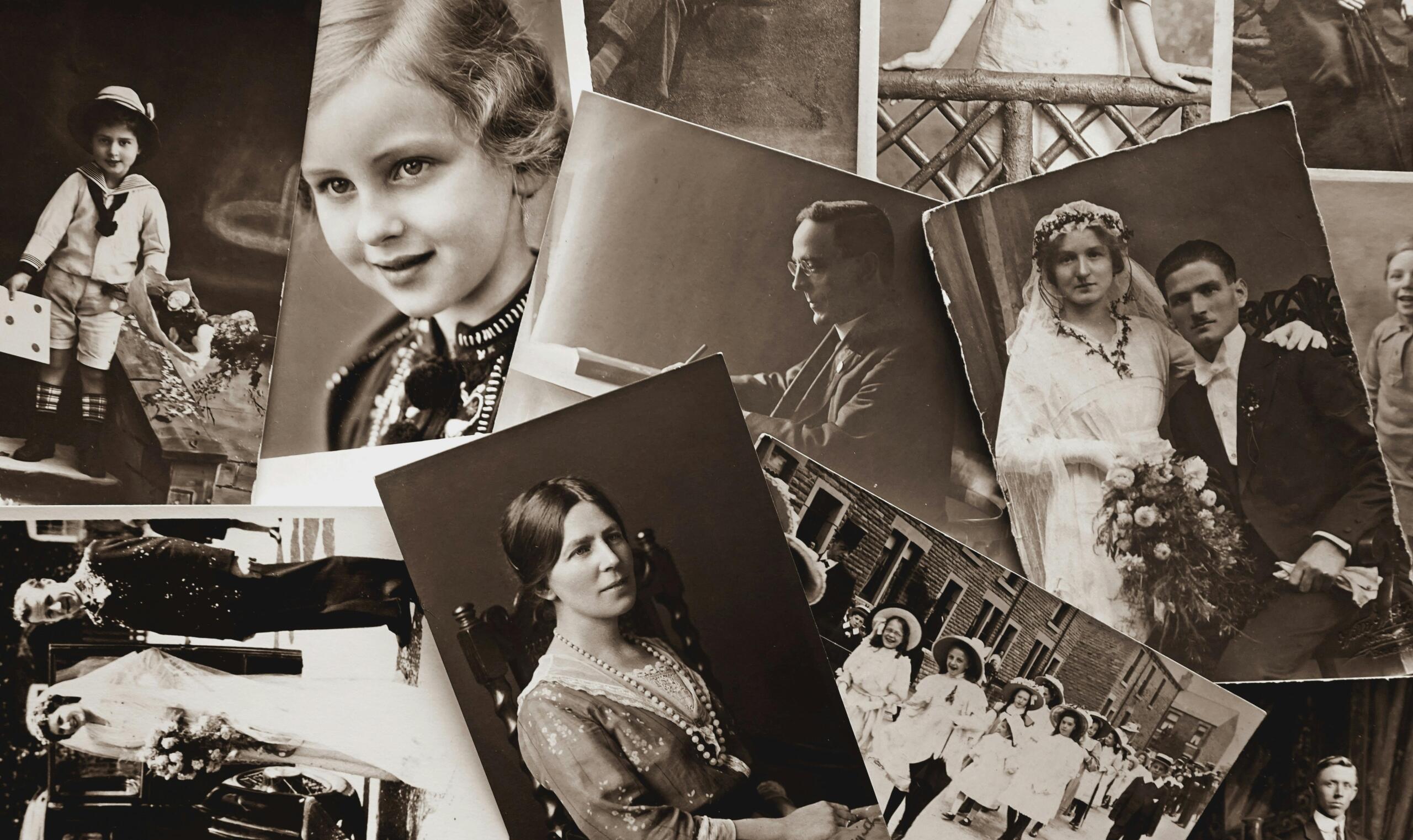
Social history studies the ways and customs of a people, of families and children, education, as well as demography, and social institutions such as churches. It focuses on the everyday lives, experiences, and struggles of ordinary people throughout time. Social history often pursues the questions:
- How have families lived?
- How have people worked?
- How were people educated?
- How did people form communities?
- Whose voices are missing from traditional historical narratives?
Social history helps people to understand how societal values and daily life have evolved in different areas of the world, and how individuals and communities have shaped history from the ground up.
Cultural History
Cultural history studies languages and their uses, the arts including literature, sports and other entertainments and the way they participate in constructing cultural identities.
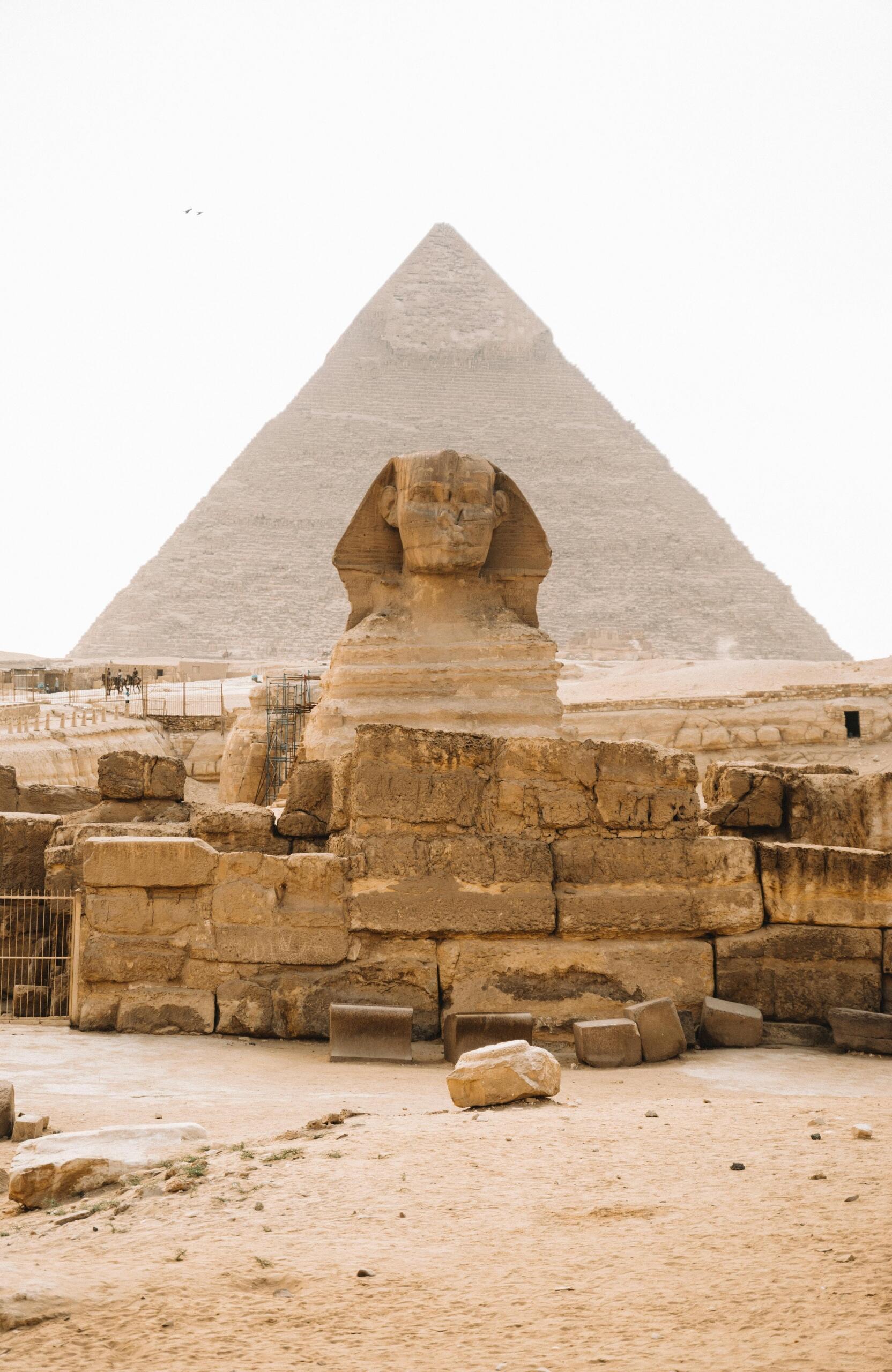
It explores how people in the past understood and expressed their world through beliefs, art, language, traditions, and shared practices. Literature, music, fashion, religion and entertainment are just a handful of elements cultural historians research to better understand societies and their values.
This branch of history helps us understand not just what happened, but how people felt, thought, and made sense of their lived experiences in different contexts.
Economic History
Economic history studies how a whole system of production and consumption (or of any of its parts) works, of businesses, industry, banks, and working classes at all levels of the system. It examines how people have produced, exchanged, and consumed goods and services throughout time.
Economic historians critically examine systems like agriculture, trade, industry, banking, and labor, and how they’ve influenced societies and shaped the global economy. Economic history helps us understand how wealth is built and distributed, and how economic forces impact social and political change.
In 3rd century Rome, Emperor Diocletian implemented fixed prices on most consumer goods to stop rising inflation and currency devaluation. Anyone selling goods at prices highter than those the emperor set was put to death.
Intellectual History
Intellectual history studies ideology and epistemology and works to analyze how ideas affect human lives and how the material world influences human ideas. Unlike other histories, it focuses on the development and impact of ideas from thinkers, philosophers, scientists, and writers.
Historiography
There is even a field of History called Historiography, which is the history of history. Instead of subjecting actual events - say, the conquest of England by William, Duke of Normandy - to historical analysis, the object of historiography is the history of the history of the event: how it has been written, the often conflicting bias pursued by those writing about it through time, and the way in which such circumstances shape our understanding of the actual event in question, and of the nature of history itself.
Questions of historiography include the following:
- who writes history, what was their agenda, and towards what goal?
- how reliable can a historian ever aspire to be, interpreting past events from the point of view of the historian's present?
- what about the sources a historian choose to include in their work or purposefully exclude?
Find Guelph history courses here on Superprof.
Chronological Categories of History
History is also subdivided in chronological categories, based on specific eras or periods of time. Let's explore the major branches of chronological history.
Ancient History
The History of humanity starts when the first civilisation emerged and historians defined everything that came before as Pre-History.
Commonly, Ancient history is accepted to begin around 3000BCE with the apparition of early writing system in Mesopotamia. It extends up until the 6th century CE when the Western Roman Empire collapsed following a succession of invasion and the death of the last Roman Emperor, Romulus Augustulus.
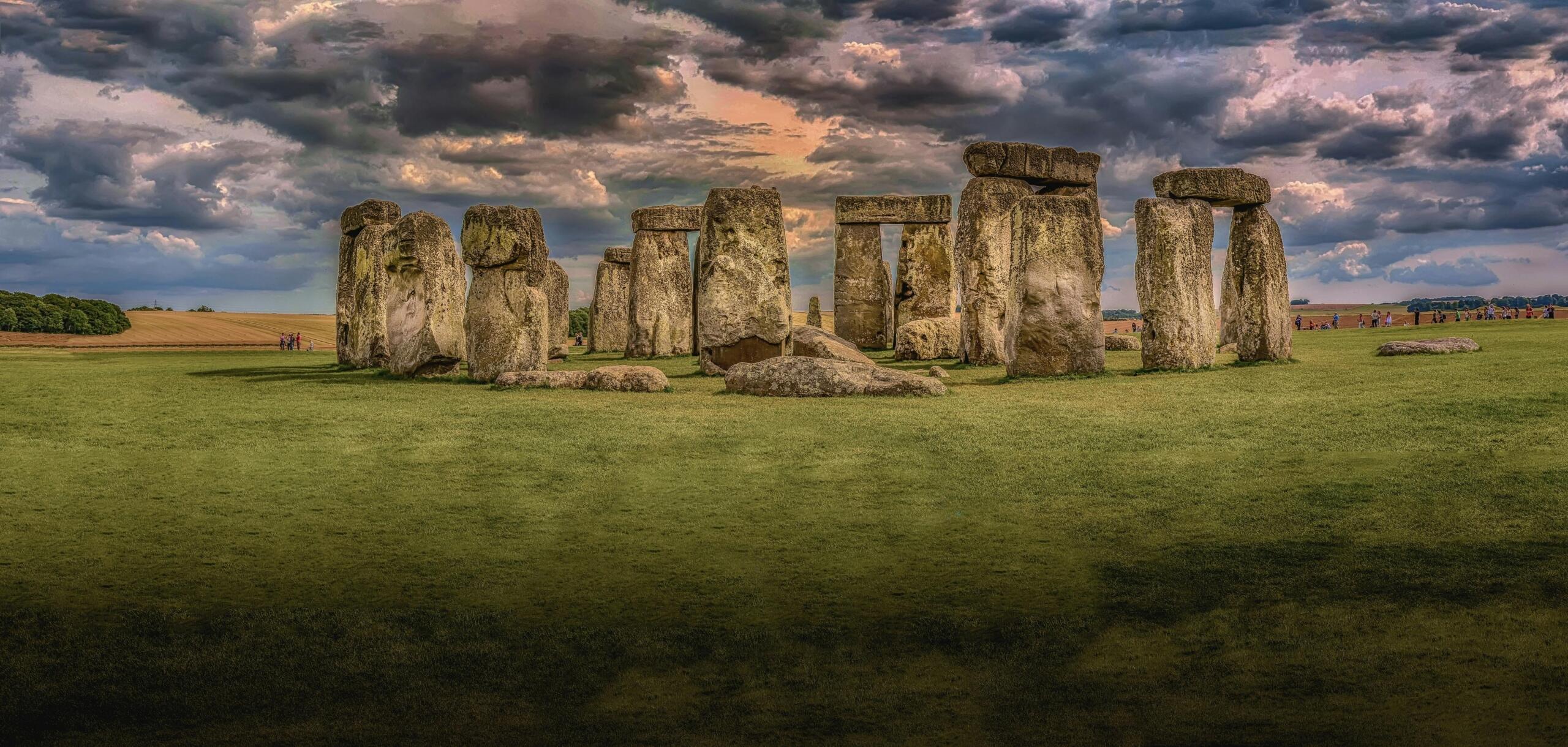
Archaeology has been at the centre of any research regarding Ancient History. It has played a huge part in our knowledge of early civilizations, from the excavation of the Terracotta Army of the First Qin Emperor in ancient China to the exploration of the Mayan Pyramids in South America.
Even though, most of our current knowledge of Ancient time events relies on the writings and accounts of antiquity historians (Herodotus, Thucydides, Arrian, Plutarch, Polybius, Sima Qian, Sallust, Livy, Josephus, Suetonius, and Tacitus), those records were often produced decades if not centuries after the events they described occurred and they are always to take with some precautions.
Discover various online History tutor on Superprof.
Postclassical History
Whereas Ancient History stop in 500CE, Modern History only starts around 1500, depending on the geographic region you are studying. So what happened during those roughly 1000 years?
Those ten centuries of history is what historians refer to as Postclassical history, from the 6th-15th centuries, including the middle ages. In Western and Central Europe this era started when the Roman Empire collapsed but it is not exactly the same for all parts of the world.
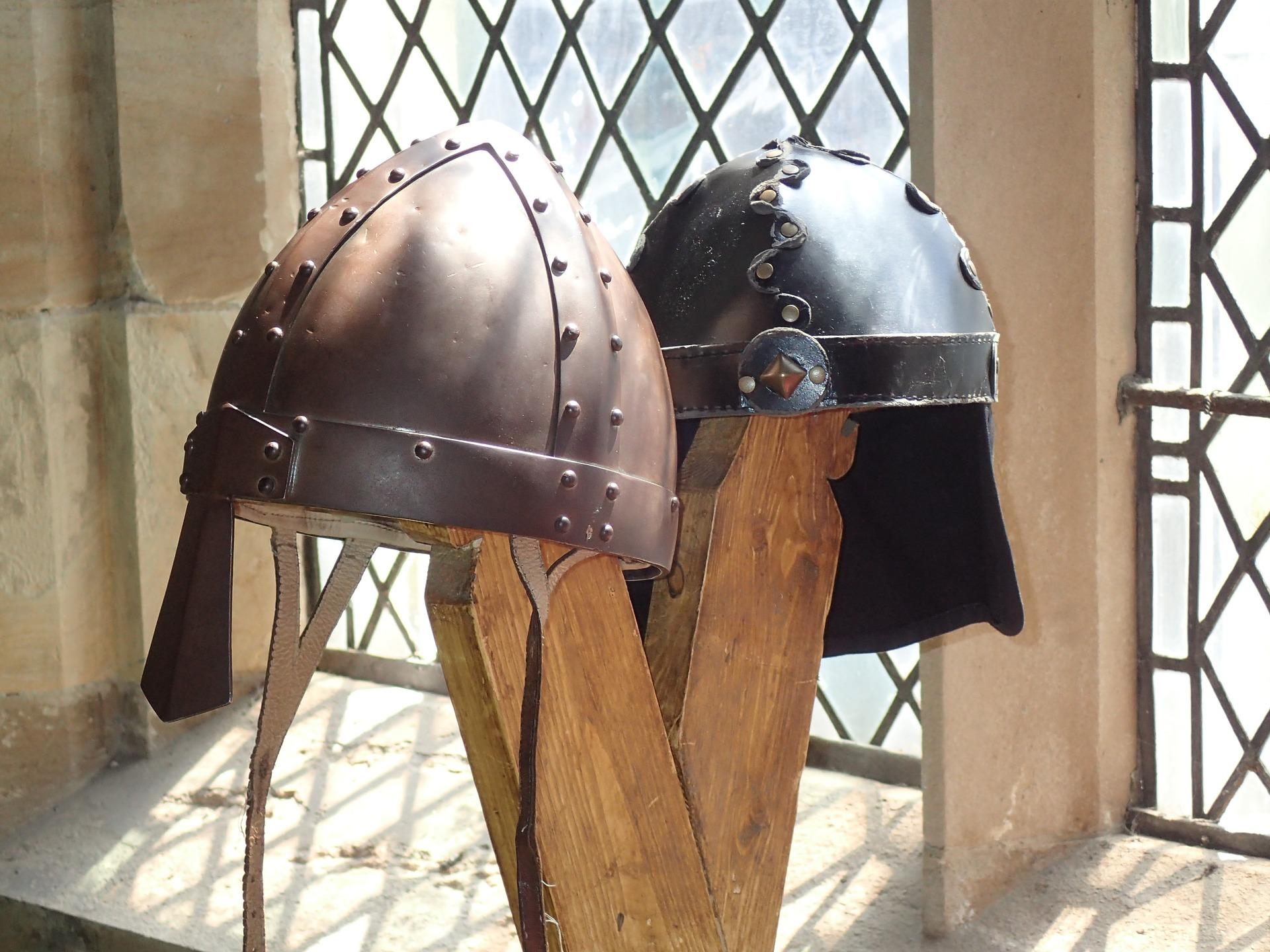
For Scandinavia including current Denmark, Finland and Norway, the Medieval times is often assimilated to the Age of the Vikings, beginning in 793 with the first ever recorded Viking invasion in England and lasted until the failed invasion attempted by the Norwegian king Harald III (Haraldr Harðráði), who was defeated by Saxon King Harold Godwinson in 1066 at the Battle of Stamford Bridge; in Ireland. The same year, William the Conqueror, Duke of Normandy, and descendant of Vikings himself defeated Harold Godwinson and became King of England.
In the East, Japan's medieval period is commonly accepted to start with the Nara period in 709 and ended with the last battle of Sekighahara in 1600 when Tokugawa and his allies defeated the Toyotomi regime and unified the country.
At the same time on the continent, China's different historical periods did not follow the same pattern and the Imperial Era of China began in 221 with the Qin dynasty and only ended with the Qing Emperor in 1911.
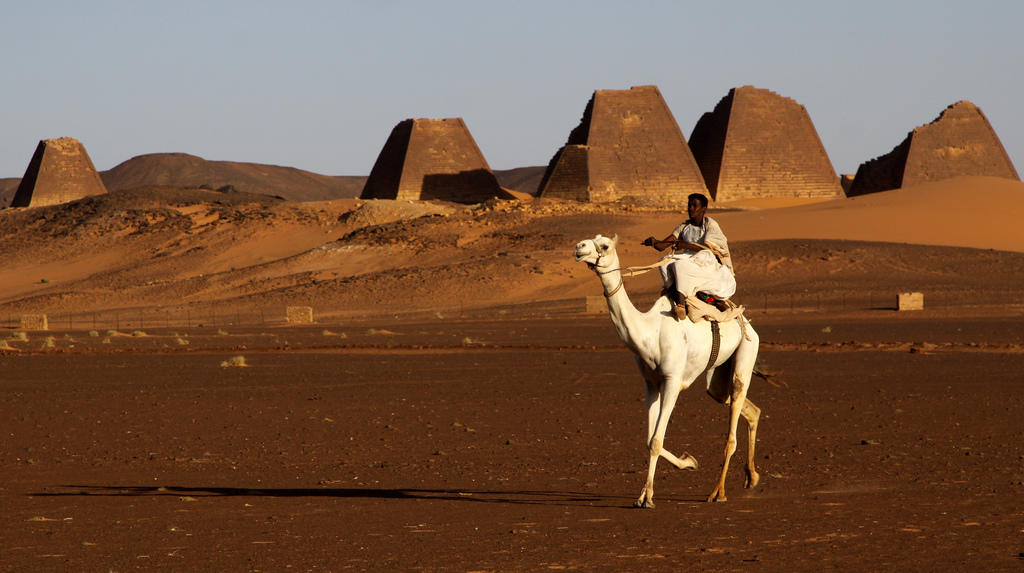
In the Middle East and North Africa as well as the Iberian Peninsula, Medieval times were marked by the ascent of Islam and the creation of powerful Empires.
As studying and following history courses requires a lot of critical thinking skills as well as research skills, many university alumni who graduated from a scholar institution with a degree level in History turn to the law after completing their undergraduate tuition and become lawyers.
Why not hire a History tutor?
Modern History
The Middle Ages slowly faded in Europe as Renaissance was making its way to a full-blown social, religious and economic change. Even though the Renaissance movement started in Italy around the 13th century, with the rediscovery of Antic philosopher and the contact with the scientific knowledge of the Middle East, Medieval History only ended around the year 1500 following a few major events:
- The invention of the printing press by Gutenberg in 1439
- The discovery of the Americas by Christopher Colombus in 1492.
- The globalisation of the world and the acceleration of the exchange of ideas, goods and money through Europe, the Middle East and Asia.
Academics commonly split Modern History into two periods, Early Modern History and Late Modern History. For students who have successfully past the admission stage in their undergraduate degree, Modern History will probably be studied over more than one semester along with other humanities discipline, some elective and some mandatory.
Start taking history courses here.
Early Modern History includes:
- The Renaissance, marked by a new school of thought, Humanism, and the rediscovery of classical Greek philosophy
- The Reformation (the split in Western Christianity launched by Martin Luther and sustained by Huldrych Zwingli, John Calvin and other Protestant Reformers in 16th-century Europe)
- The Counter-Reformation, was the Catholic resurgence launched in response to the Protestant Reformation, starting with the Council of Trent (1545–1563) and ending at the end of the Thirty Years' War (1648). It was initiated to protect the power, influence and wealth held by the Catholic Church.
- The Age of Discovery, spanning from the 15th century until the end of the 18th century and was marked by extensive overseas exploration which led to a profound change in European diplomacy and was the inception of globalization.
- The Rise of capitalism, based on the private ownership of the means of production and their operation for profit.
- The Golden Age of Piracy, which spans from the 1650s to the late 1720s and includes three separate upheavals of piracy:
- The buccaneering period of approximately 1650 to 1680, characterized by French and English sailors based in Tortuga and Jamaica and targeting Spanish ships and colonies throughout the Caribbeans
- The Pirate Round of the 1690s, marked by long-distance cross sea voyages from the Americas to rob Muslim and East India Company possessions in the Indian Ocean and the Red Sea
- The post-Spanish Succession, from 1716 to 1726, when English and American seamen and privateers, turned to piracy after the end of the Spanish Succession war and roamed in the Caribbean, the North American Eastern Coasts, the West African seaboard, and the Indian Ocean.
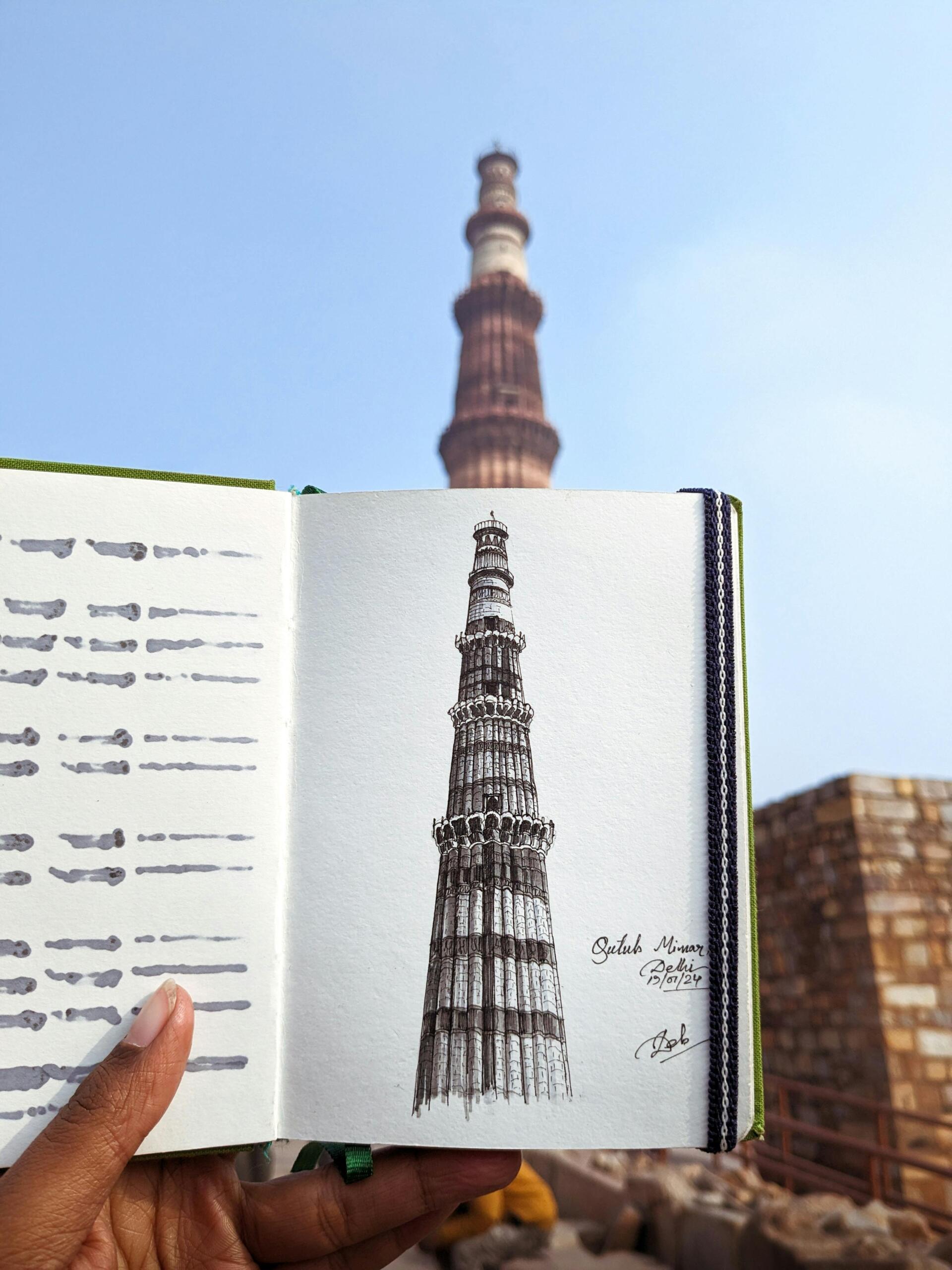
History is such a vast and interesting subject that most universities and school institutions offer the possibility to pursue a History degree or to study history in an interdisciplinary bachelor of arts degree for example. You could even look past your graduation and continue on getting a doctoral degree in History.
Commonly accepted to start at the end of the 18th century and was marked by major events such as:
If you study civilization and societies, time spent in the classroom will mainly focus on historical research and analytical and critical thinking, all research skills being the requirement for journalism or a career in sociology.
Get information about history tuition here.
Specialized Fields of Historical Study
Art History
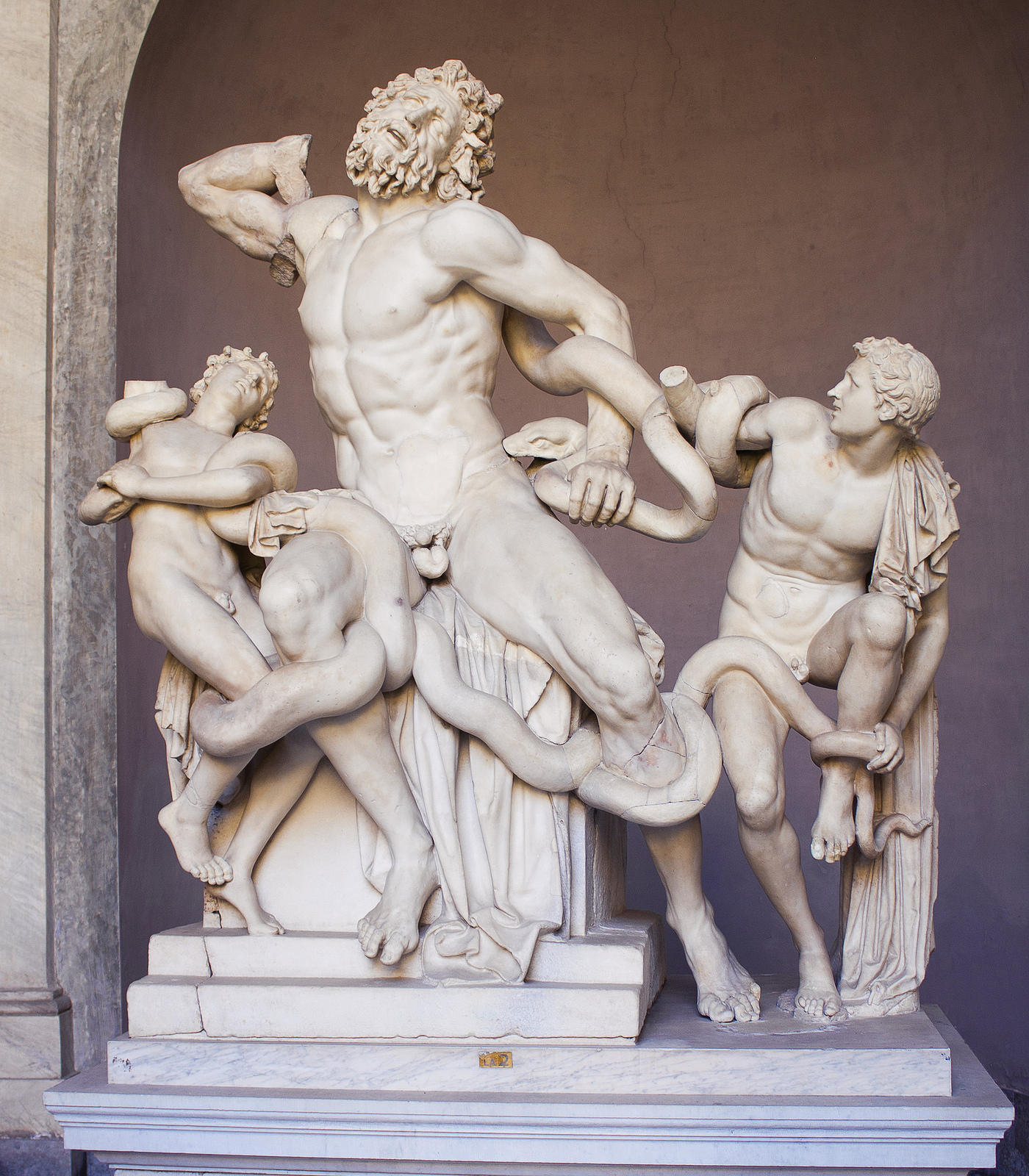
One of the sub-categories of History is the History of Art. While the main focus of Historians has mostly been to study and analyse historical, religious, social and political events through different periods, Art History has been focused on something different.
Art Historians have been studying the visual, aural and oral expression of humanity. Scholars scrutinising Art History have been trying to interpret visual art, music and fictional writings through a thorough investigation using different approaches and methodologies.
One of the earliest Art Historians that we know of is one of the most Antiquity Historian, namely Pliny the Elder. During his time he was considered to be one of the most famous Roman author, naturalist and natural philosopher and even served as a naval and army commander of the early Roman Empire.
Religious History
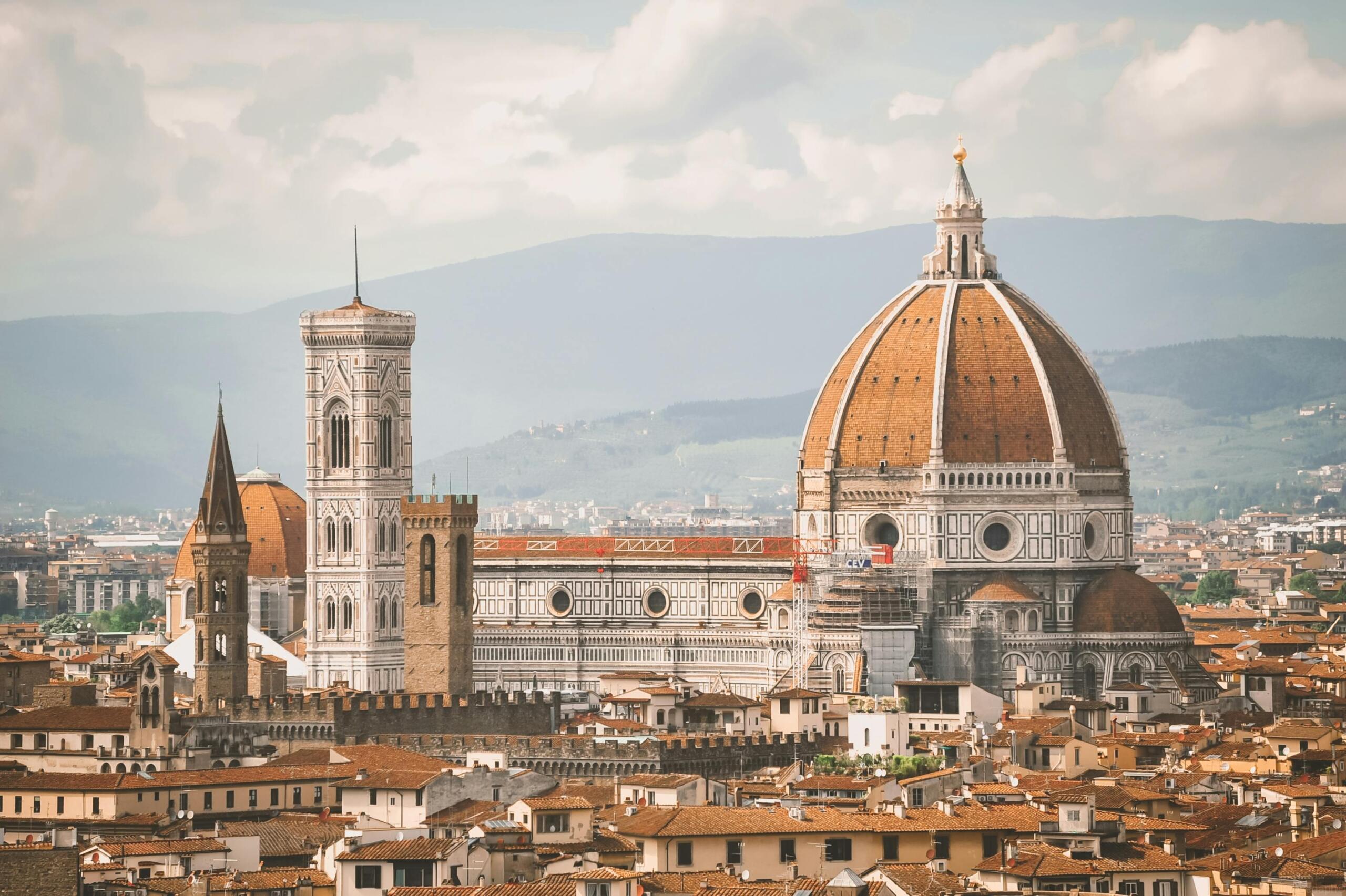
Religious history explores the spiritual beliefs, practices, institutions, and influences of religions throughout time. It examines how:
- Faith shapes culture
- Religion inspires art and architecture
- Religions influencee laws and politics, and guidede the lives of individuals and communities.
Religious historians study the growth and changes of major world religions like Christianity, Islam, Buddhism, and Hinduism, and the role of local spiritual traditions in different cultures and societies. Religious history helps us understand how people have sought meaning and purpose across centuries.
Archaeology
Archaeology bears a strong connection to the discipline of history and is the study of past human life through physical remains, ruins, and other artifacts. Archaeology helps to uncover details about societies that left no written records.
The ancient city of Pompeii, which was destroyed by a volcanic eruption and preserved by ash, has been the site of archaeology since the 1920s - and discoveries are still made over a century later. in 2025, archaeologists announced the excavation of a luxurious, private, 2000 year old bathhouse - complete with hot, warm and cold rooms, exquisite artwork, and a huge plunge pool.
By piecing together the clues provided by tangible evidence, archaeology brings the ancient world to life and deepens our understanding of history across all cultures and time periods.
Start Studying History Today
History is a vast and complex field that intersects with so many other areas of study, such as political science, literature, mathematics, and science. If you are studying liberal arts, it is very likely that your coursework and curriculum will include some history before the completion of your degree programs.
There are many more fields of History that one can spend their life to study, from Western civilization to Latin American History, African History, anthropology, American History or even African American History. Why not start studying your favorite branch or period of history today!
Check out the cost of private History tuition on Superprof.
Find out more about what the future has in store for history graduates.
Summarize with AI:
Did you like this article? Leave a rating!


 Loading...
