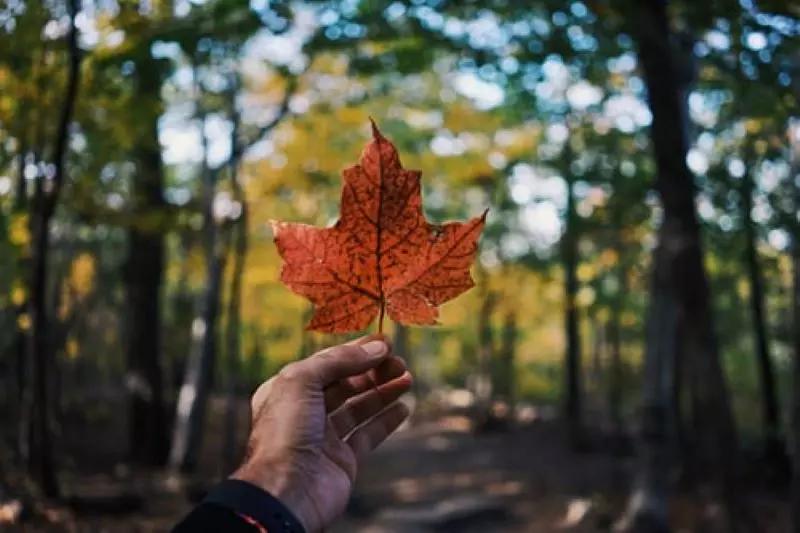

Within its rich culinary tradition, maple syrup is one of the most beloved Canadian foods. The sugary liquid is a natural sweetener produced through sap collected from maple trees and has deep roots in the country's history, traditions, and culture. Ready to explore its origins, production, and health benefits that make maple syrup the best breakfast ingredient?




The origins of maple syrup in Canada
Long before Europeans arrived in 1608, the indigenous communities of eastern North America had already discovered the versatile properties of maple sap. Every spring, these communities would make v-shaped incisions in the bark of sugar maples with various stone tools, then fasten concave pieces of bark to the trees to funnel the flowing sap into woven birch baskets. The sap was used as a cooking liquid and later transformed into syrup.
Early European settlers in Canada learned these ancient techniques of cutting trees to collect sugar maple sap and make syrup. Over time, the collecting methods evolved: instead of making v-shaped cuts in the bark, the settlers began manually drilling holes in the trees and pushing wooden picks into them for more efficient extraction. In addition, they hung buckets of nails under the spouts to protect the sap from animals and strong winds, eventually using iron pots over open fire to concentrate the sap.

The Maple Tree
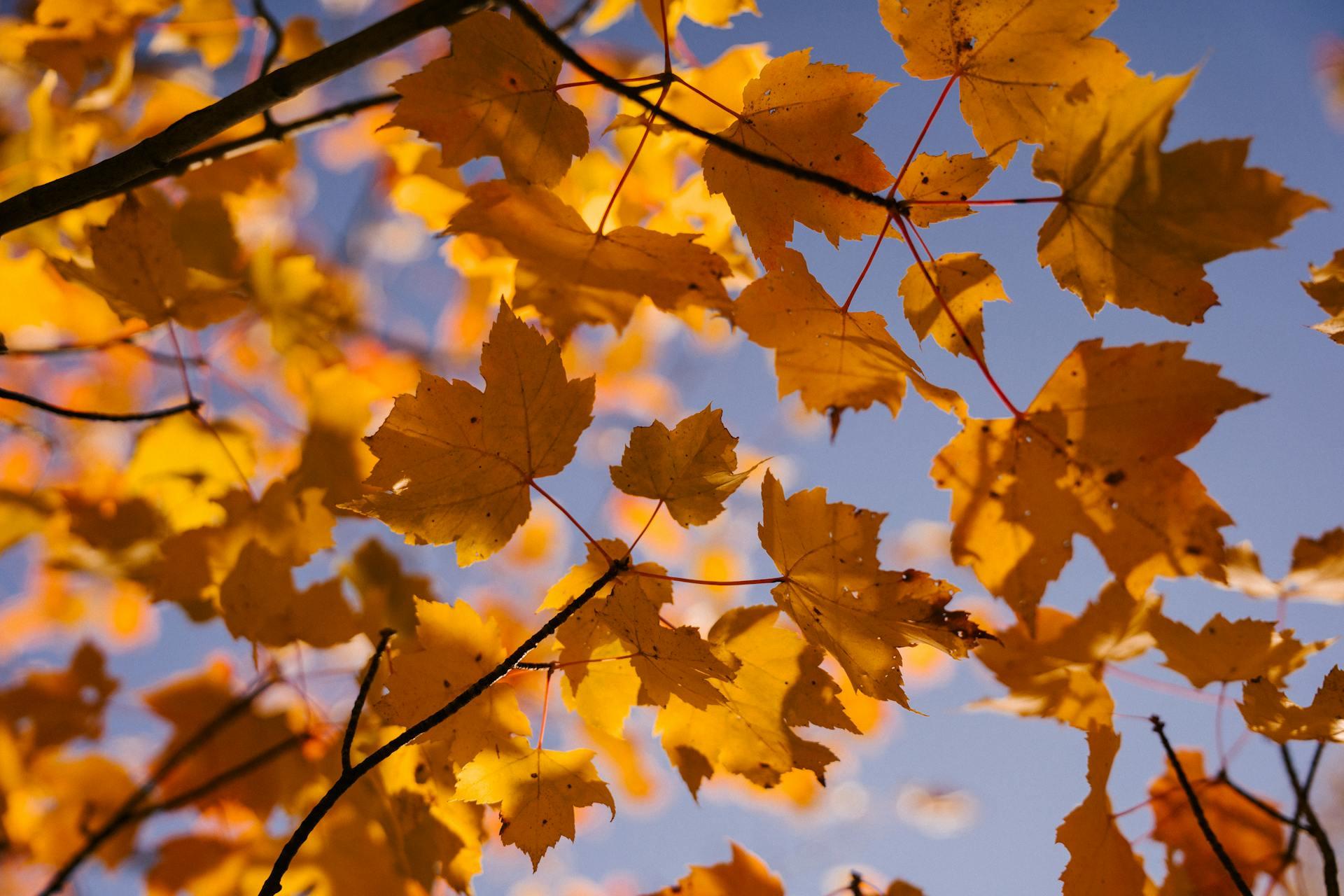
The different kinds of maples that produce syrup are usually located in the provinces of Quebec, Ontario, the Maritimes, New York, and northern New England states in the United States since the climatic conditions are appropriate for its growth. Despite having many species of maples, only a few are suitable for maple syrup. For example:
- Sugar maple: The sugar maple is a tree species belonging to the Sapindaceae family. Its sap has the highest sugar percentage of all maple trees, making it the most used for the production of maple syrup. It is also the iconic symbol featured on the Canadian flag.
- Red maple: Red maple is one of eastern North America's most widely distributed deciduous species. Its sap is also used for maple syrup, though less frequently; its sugar percentage is also a little lower.
- Black maple: Black maple tree is related to the sugar maple tree (Acer saccharum), also tapped for maple syrup.
Canada: Ideal for maple syrup production
The province of Quebec leads the world in maple syrup production, generating more than 70% of the global supply, equivalent to producing about four times as much as the United States. But what makes Canada the perfect place for this prized delicacy?
- A perfect climate for maples: While many maples require some chill, their ideal conditions are cold winter temperatures and warm summer temperatures. These fluctuations allow the sap to flow from the roots to the branches, a crucial time for extracting the liquid that becomes maple syrup. In winter season, the maple tree stores starch in its trunk and roots, which, during the arrival of spring temperatures, is converted to sugar.
- Ideal soils for growth: Maples require well-drained soils and a pH between 6 and 7. Although maple tree roots need moisture, they cannot handle being constantly waterlogged. Therefore, the ideal type of soil is sandy loam rather than clay, which compacts to hinder root development. Additionally, this tree does well on slopes for better drainage.
Maple syrup production process
Collecting and producing pure maple syrup through traditional techniques has been preserved over time. It has been passed down from generation to generation, adapting today's new technologies while respecting traditional methods. Below is a breakdown of the main maple syrup production stages:
1. Sap collection 🌳🪣
For sap collection, trees are drilled, and taps are installed to collect the sap in buckets or pipe systems. New technological advancements make the process more efficient while maintaining traditional methods. Collection occurs mainly in spring (late February or early March) when temperatures range from cold at night to warm during the day.
Depending on the region, the collected sap is transported by sleds or trucks to the sugaring hut, which undergoes a traditional boiling process. There, it is boiled for several hours, usually over a wood fire, until pure maple syrup is obtained.
2. Evaporation 🔥
During this process, the sap is heated to remove excess water, concentrating the sugars present. This step is crucial, as approximately 40 liters of sap are required to produce a single liter of maple syrup, reflecting the dedication and effort behind its fabrication process. This process can take several hours and requires experienced sugarmakers, who constantly adjust the heat source and time based on specific gravity measurements to ensure product quality.
3. Filtering and packaging 🍁
The concentrated liquid is filtered to ensure purity and remove solid residues. Once ready, the syrup is sorted by color and flavor and packaged for distribution according to Canadian government regulations.
Feeling hungry? Enjoy the favorite combination of fries, cheese curds, and gravy.
Learn more about the regulatory standards for maple products in Ontario, such as food safety regulations, grade and colour classifications, and labeling.
Maple syrup composition
Maple syrup composition depends on factors such as the type of tree and climate. The sap is 98% water, accounting for about 32% syrup. Maple syrup is heated at low heat until most water evaporates, leaving a thick, rich syrup. Also, maple syrup has a fairly high-calorie content: 260 kcal per 100 g. It contains 67 g/100 g of carbohydrates, of which the more significant part (60 g) are sugars. Its protein content is low (0.04 g/100 g) and contains practically no fat.
Nutritional composition of maple syrup
Maple syrup is mainly composed of sugar, sucrose being its main component, accompanied by small amounts of glucose, fructose, and water. It also contains other compounds in smaller proportions, such as phenols, organic acids (malic and fumaric), and pyrazines, which contribute to its flavor and unique properties.
Maple syrup is a moderate source of essential minerals such as potassium, calcium, zinc, manganese, and riboflavin (vitamin B2), making it more nutritious than processed sweeteners. Thanks to its polyphenol content, maple syrup has antioxidant properties, offering a natural alternative to other industrial sweeteners.
Ready to indulge yourself even more? Discover other delicious Canadian no-bake desserts.
Maple syrup quality control in Canada
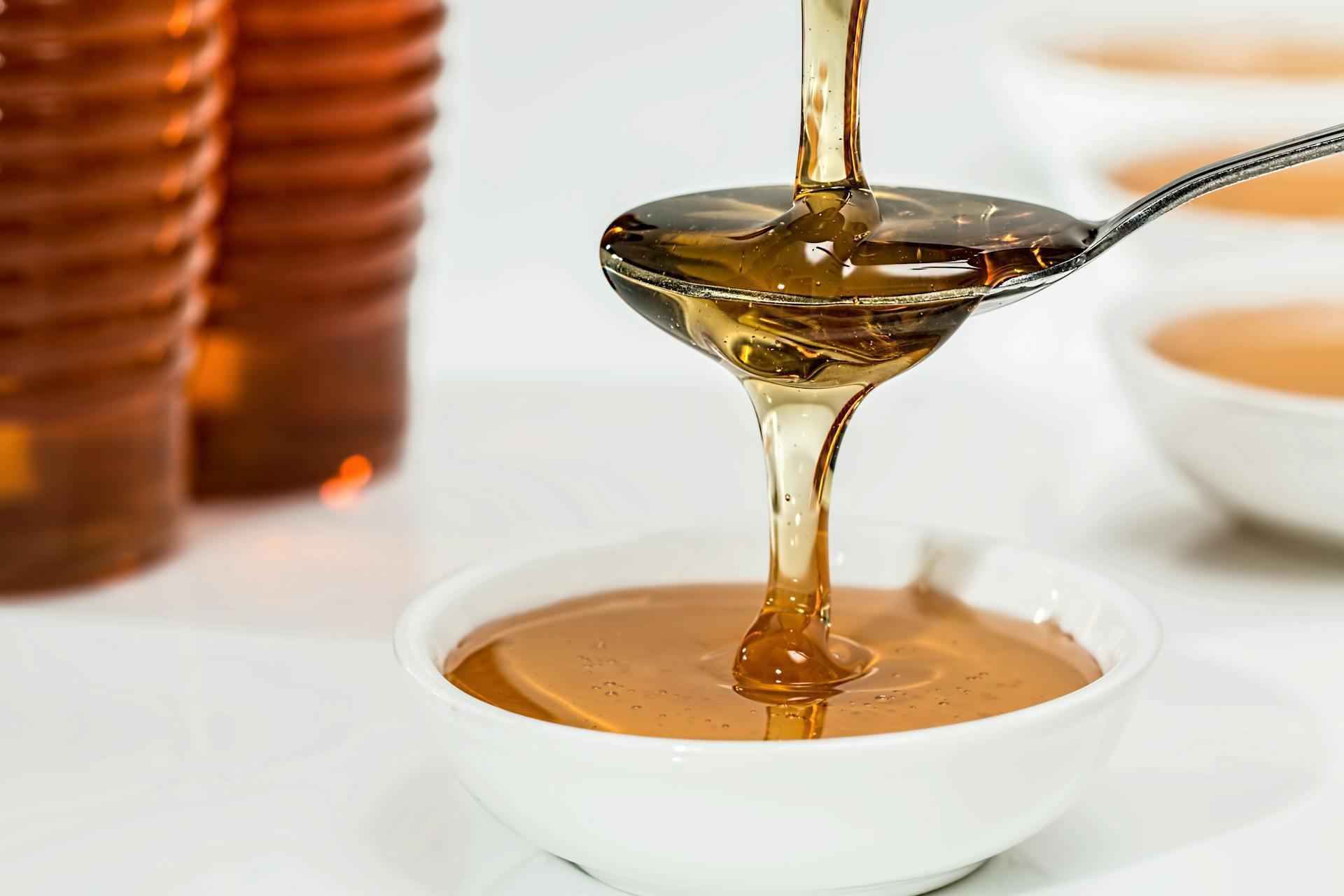
Canada is recognized for producing high-quality maple syrup. The Canadian government strictly regulates production and oversees compliance with good manufacturing practices to ensure product purity and maintain the highest standards.
The Canadian Food Inspection Agency (CFIA) thoroughly checks every batch of syrup before it reaches the market, both domestically and for exports. In addition, the CFIA applies food safety regulations to domestic and imported products and offers certification programs for producers to ensure that maple syrup retains its reputation as an excellent product.
Some of its food-safety regulations and quality controls are:
To be considered pure maple syrup in Canada, it must contain at least 66% maple sap concentration. This ensures proper consistency and taste.
Maple syrup is graded into four categories according to color and flavor:
1. Grade A: Golden flavor - delicate
2. Grade B: Amber - rich flavor
3. Grade C: Dark - strong flavor
4. Grade D: Very dark - strong flavor
Labeling requirements vary depending on the type of maple specialty and the container size. Labels shall bear a mark, sign, device, imprint, stamp, ticket, and tag.
The producers must record the batch's origin and process to ensure authenticity and quality.
Benefits of maple syrup
Maple syrup contains phenolic compounds, which are considered one of the essential antioxidants in the diet. Scientific evidence shows that phenolic compounds play a vital role in the body's defense against reactive oxygen species, which are implicated in the etiology of various cardiovascular, cancer, autoimmune, and degenerative diseases. Besides their antioxidant effects, phenolic compounds have anti-inflammatory and anticarcinogenic properties.
Excessive sugar consumption is considered the main factor in the development of obesity, type 2 diabetes, and other metabolic disorders. Similar to other natural sweeteners, such as honey or agave syrup, maple syrup is an alternative to granulated sugar due to a lower GI and higher nutritional value. However, one should remember that maple syrup is still high in sugar, and the benefits for health are not so overwhelming as to surpass the risks of excessive consumption.
Would you like to discover another famous Canadian delicacy, but salty?
Explore all about cooking with Superprof!
Are you interested in learning something new in the kitchen and developing practical skills? Whether you're looking to study culinary arts or explore a different passion, personalized learning options with Superprof may be just what you need. Beyond local cuisine, this platform allows you to delve into various disciplines and expand your knowledge.
Superprof is a recognized platform that connects students with experienced professionals in various disciplines. With just a few clicks, you can access personalized cooking classes tailored to your interests and goals. Present in more than 47 countries, Superprof makes quality learning available to everyone!
Working with a private cooking teacher will give you the practical skills and support you need to achieve your personal cooking goals. Ready to explore a new hobby, perfect advanced cooking techniques, or delve into the cultural richness of international cuisine? Superprof will support you at every step.
Want something sugary? Try one of the most emblematic buttery desserts in Canada!
Wrap up!
Maple syrup is a natural sweetener and one of Canada's most representative cultural and economic symbols. In addition to its economic significance for local producers and high-quality controls, maple syrup's nutritional benefits and traditional taste solidify its status as a syrupy delicacy within Canada's cultural heritage.
Summarize with AI:
Did you like this article? Leave a rating!

 Loading...