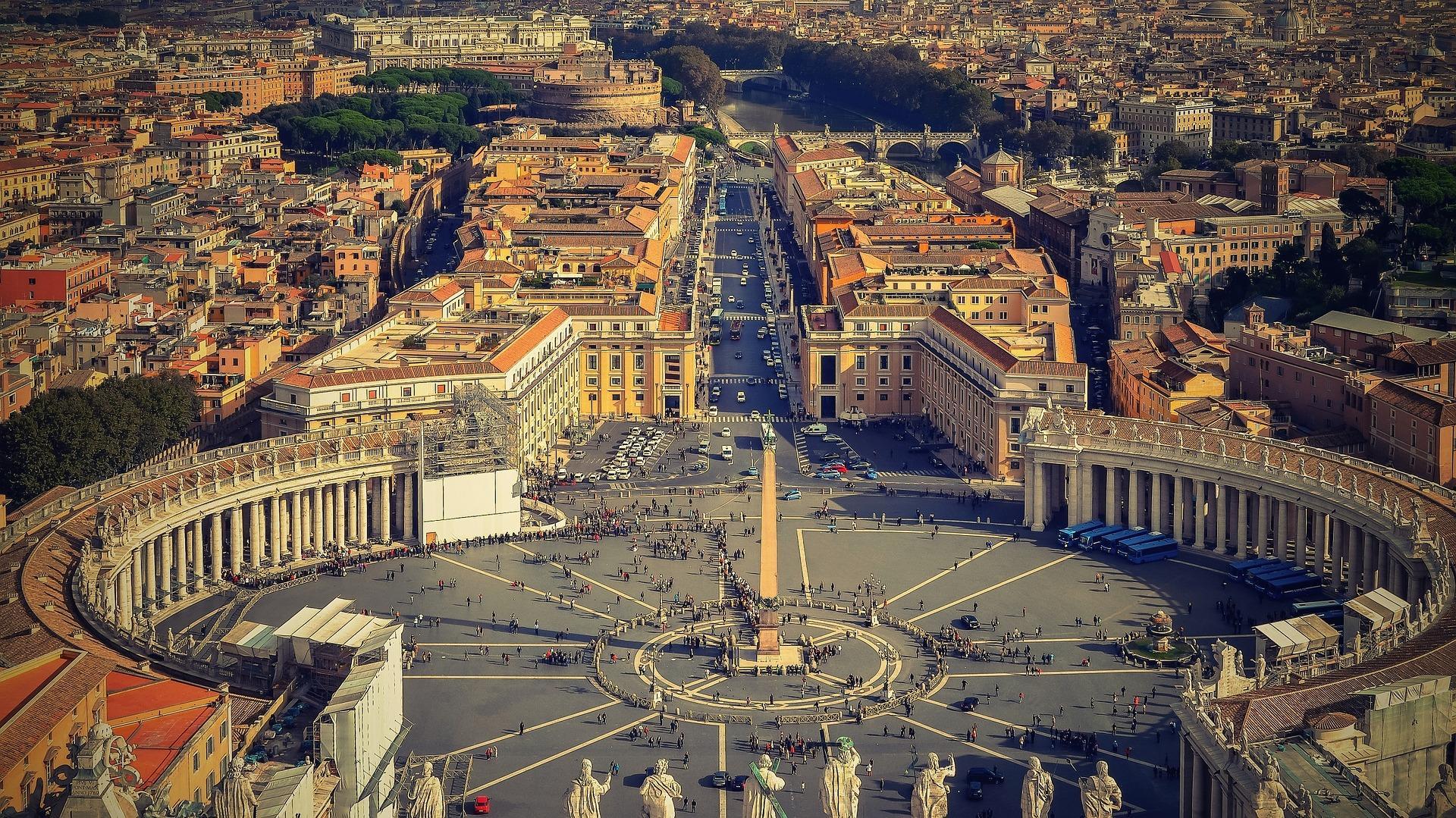

The Vatican City history is often conflated with that of Rome and the Roman Empire. Of course, you can’t separate the history of the Vatican from the history of Rome. Vatican City is now home to the Holy See of the Catholic Church. However, the Vatican site has been important since antiquity. But when was the Vatican built? The short answer: 1929 - is also the most misleading one. The state is 97 years old, the basilica at its centre is around 1,700, and people have been building on Vatican Hill for more than two millennia.
There are three defensible answers, and which one is correct depends on what you mean by "the Vatican"
| What you consider the start | Age | Inception |
|---|---|---|
| The sovereign state of Vatican City | 97 years old | 11 February 1929 — the signing of the Lateran Treaty |
| The seat of the papacy on Vatican Hill | ~1,700 years old | The 320s CE — Constantine builds Old St. Peter's Basilica over Saint Peter's tomb |
| The inhabited site itself | 2,000+ years old | 1st century CE and earlier — the Ager Vaticanus, Caligula's circus and the imperial gardens |
Most sources that answer "1929" are describing only the newest of the three. The origins and significance of Vatican City reveal how a flood-prone strip of land outside Rome's walls became the spiritual and administrative center of the Roman Catholic Church.
Before 27 BCE
The Ager Vaticanus, Etruscan-controlled land outside Rome, is used for farming and burials.
c. 40 CE
Caligula builds the Circus Vaticanus and erects the obelisk that still stands in St. Peter's Square.
c. 64–67 CE
Saint Peter is martyred in Nero's circus on Vatican Hill and buried in the necropolis beside it.
c. 326–360 CE
Constantine builds Old St. Peter’s Basilica over the tomb; it takes roughly 40 years to complete.
5th–15th centuries
Popes gradually settle on Vatican Hill; the Leonine Walls go up in the 9th century; papal power expands.
1506–1626
New St. Peter’s Basilica is constructed over 120 years, under Bramante, Michelangelo and Bernini.
1870
The Italian army takes Rome; the Papal States fall and the pope becomes the “Prisoner of the Vatican.”
11 February 1929
The Lateran Treaty establishes Vatican City as an independent sovereign state.
Today
At 0.49 km², the Vatican is the world’s smallest sovereign state and the centre of the Catholic Church.


Origins of the Vatican Area
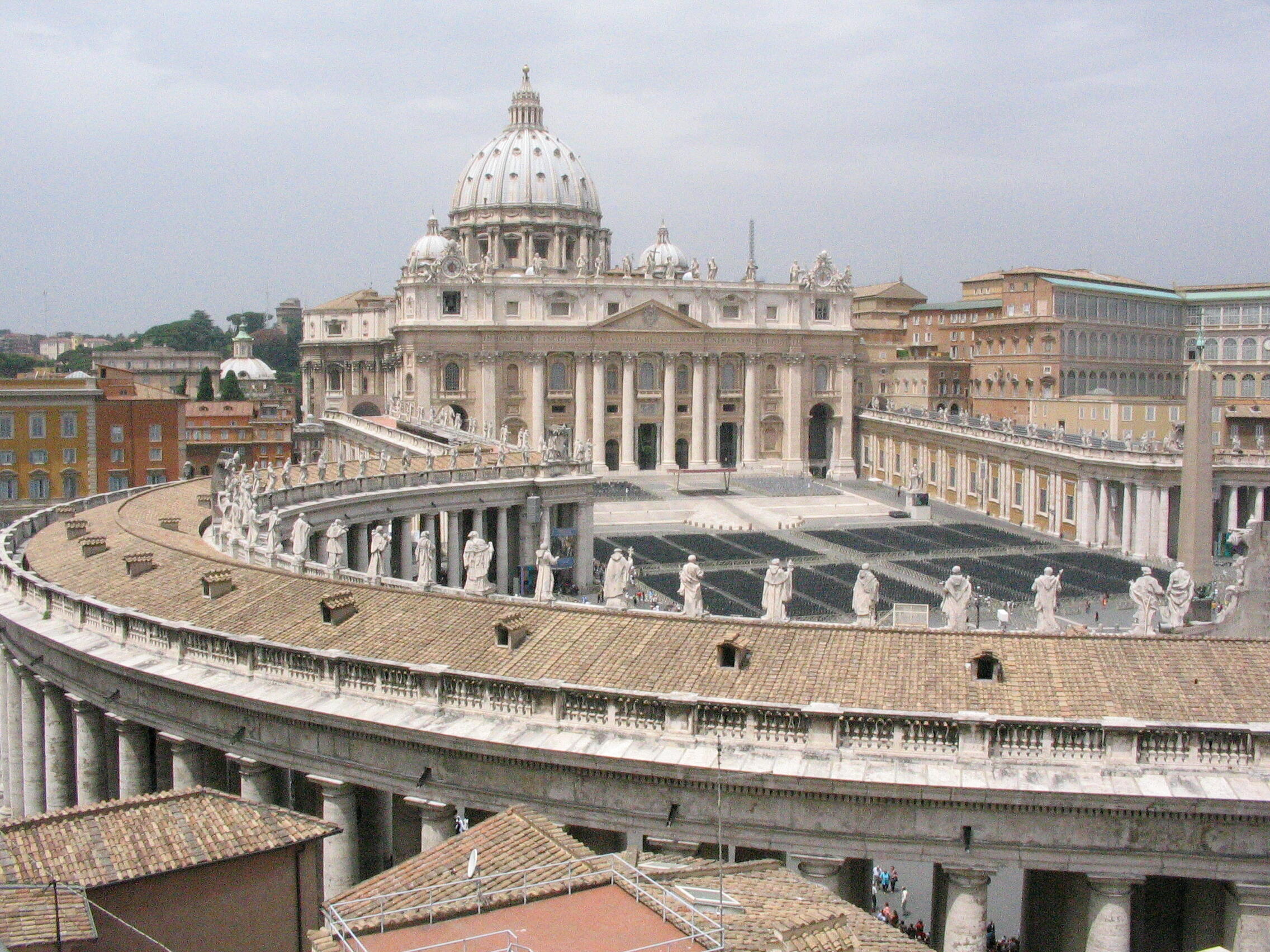
Long before it was a country, the Vatican was the Ager Vaticanus — a low, marshy stretch of land on the west bank of the Tiber, outside the walls of Rome and controlled in earlier centuries by the Etruscans of nearby Veii. It was never part of the city of Rome itself. Because Roman law forbade burials inside the city, the area became a place for cemeteries. The higher ground of Vatican Hill was pleasanter, and Roman nobles built villas and gardens there. Agrippina the Elder, the mother of Caligula and grandmother of Nero, owned an estate on the site. Caligula (12-41), during his short reign (37-41), built the Circus Vaticanus, and brought from Egypt the obelisk that now stands in the centre of Saint Peter's Square.
By the end of the Roman Republic (509 BCE-27 BCE), the Vatican was a small plain along the banks of the Tiber, with a small hill, Vatican Hill.
The Vatican Hill is between the Janiculum, one of Rome’s seven main hills and Monte Mario. The name Vaticanus traces its etymology back to the word “vaticinium”, which means “oracle” since many soothsayers used to occupy the place during the Roman Classical Antiquity.

Under the reign of Nero (37-68), Christians were persecuted and executed in the circus on Vatican Hill — the arena Caligula had begun and Nero completed, sometimes called the Circus of Nero. According to tradition, Saint Peter was martyred there and buried in the adjacent necropolis, on the spot where Constantine (272-337) would raise the first basilica roughly 260 years later.
Construction of Old St. Peter's Basilica
Commissioned in the 4th century, after Christianity was legalized, the ancient Basilica of St. Peter was built on the site where, according to Christian tradition, St. Peter, one of the twelve apostles of Jesus and a key figure in the early Church, was buried.
When construction began on Old St. Peter's Basilica in the 320s CE, Constantine's workers excavated about 1 million tons of earth to level the sloping hillside and prepare its foundations, then worked for the next 40 years. The grand basilica stood for over 1,100 years.
The basilica undoubtedly became one of the most important pilgrimage destinations in early Christianity and established the architectural model for Christian churches, due to its characteristic wide nave, colonnaded aisles and open atrium.
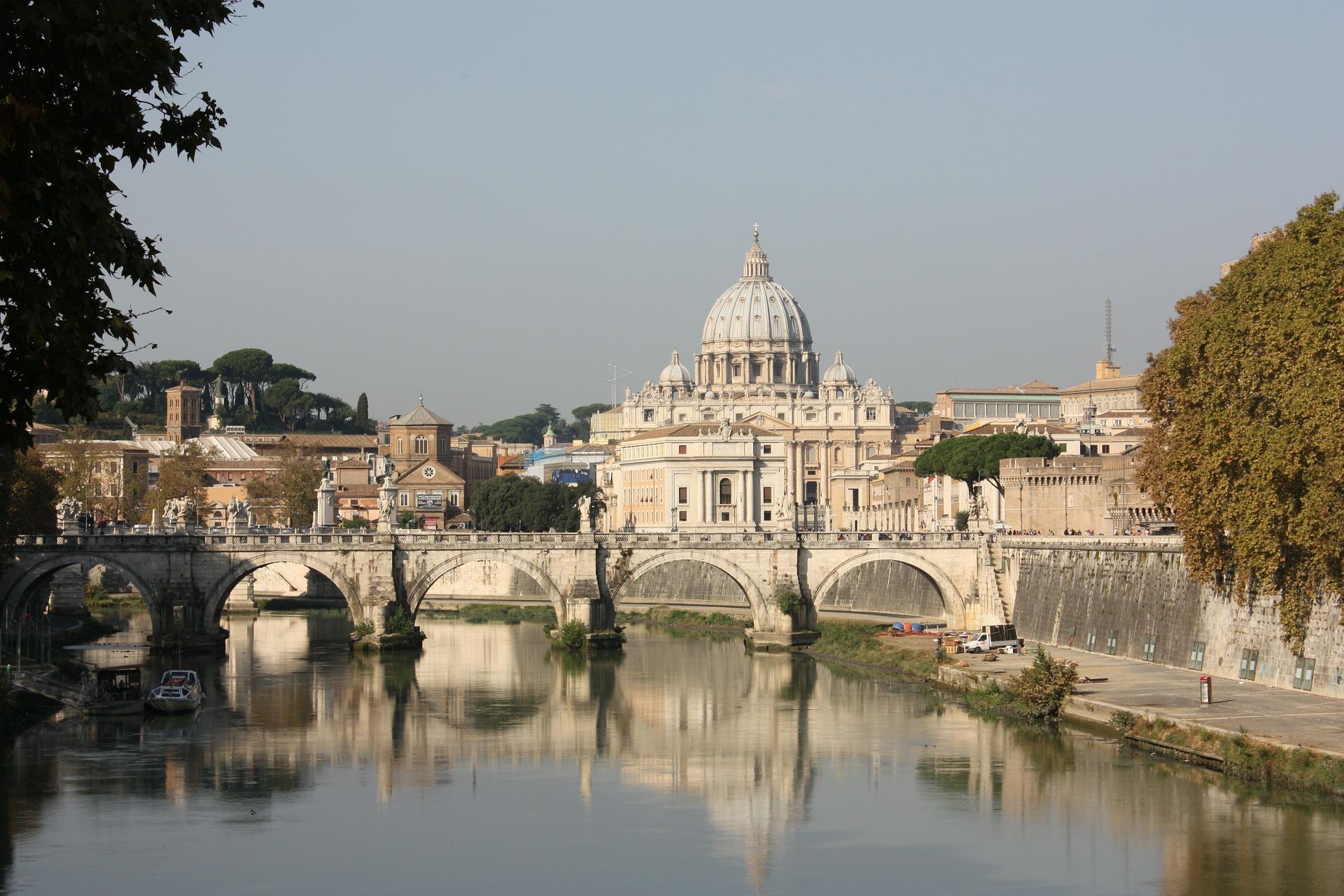
In fact, its construction helped consolidate Vatican Hill as the spiritual heart of the Christian world, strengthening its role as a central destination for worship and the early Christian Church's growing authority.
Over time, the church became an important religious and ceremonial center, closely linked to the authority of the bishops of Rome. Are you ready to find out more about the Vatican City guide for tourists?
Development of the Papal Residences
After the fall of the Roman Empire in 476, the hill became the residence for the popes. Pope Symmachus built a palace at the end of the 5th century where political and religious leaders could stay, marking one of the earliest papal presences in the Vatican area.
However, for several centuries, the official papal residence remained the Lateran Palace in Rome. Due to the passage of time and political instability, various security conflicts made the Lateran increasingly unsafe. As a result, the popes began to prefer Vatican Hill, which offered greater protection and proximity to St. Peter's tomb.
During the early Middle Ages, above all through the Donation of Pepin in 756, the popes received vast grants of land from the Frankish kings, becoming among the largest landholders in Europe and founding the Papal States. This legitimised the papal political power, and so the Vatican gradually became the administrative center of the Church.
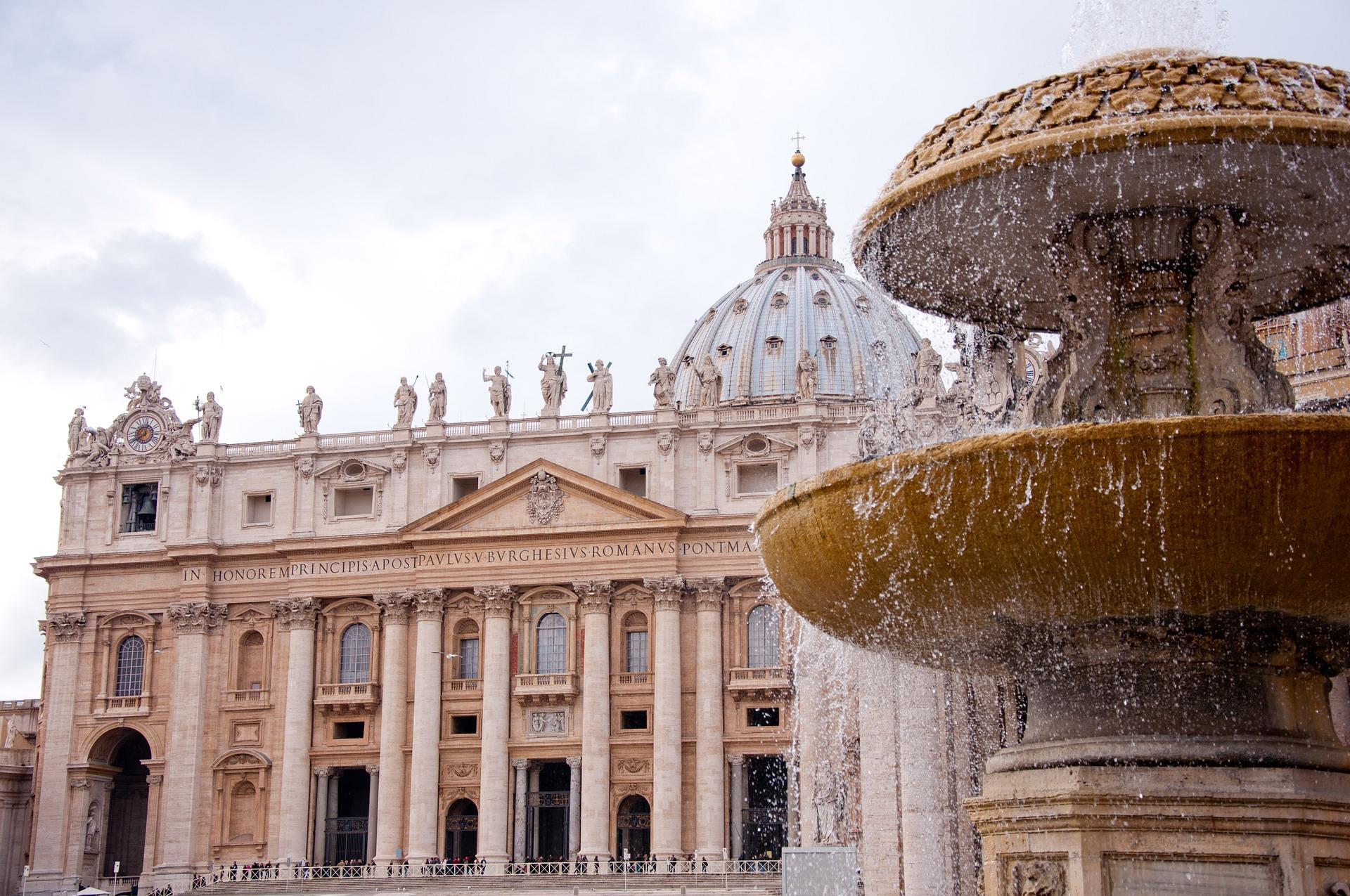
In the 15th century, especially after the Papacy of Avignon left the Lateran Palace severely damaged, the Vatican Palaces became the permanent papal residence, a role they completed during the Italian Renaissance.
Find out everything about the Vatican City State and how to plan a trip to the Vatican.
Construction of the New St. Peter's Basilica
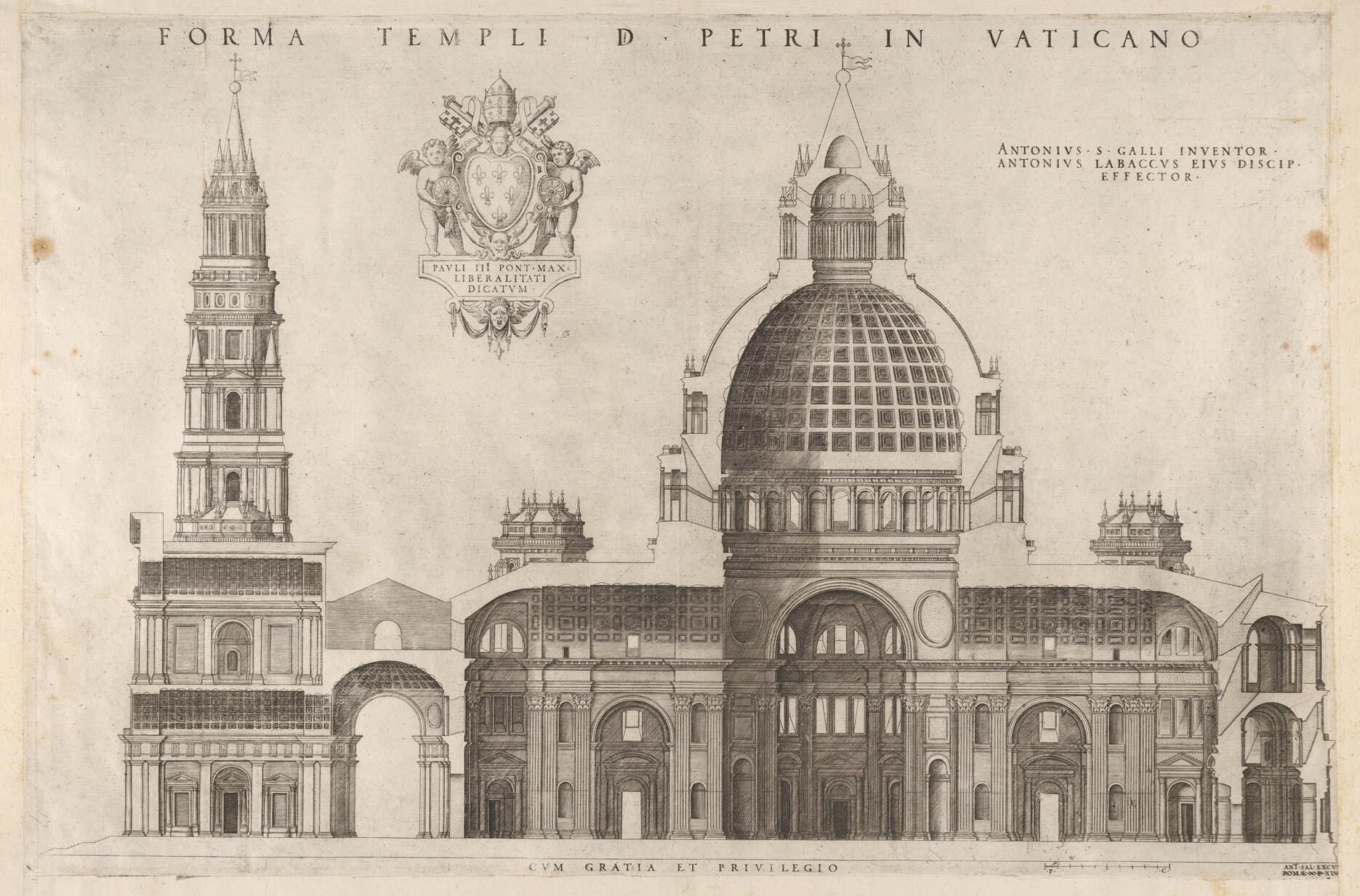
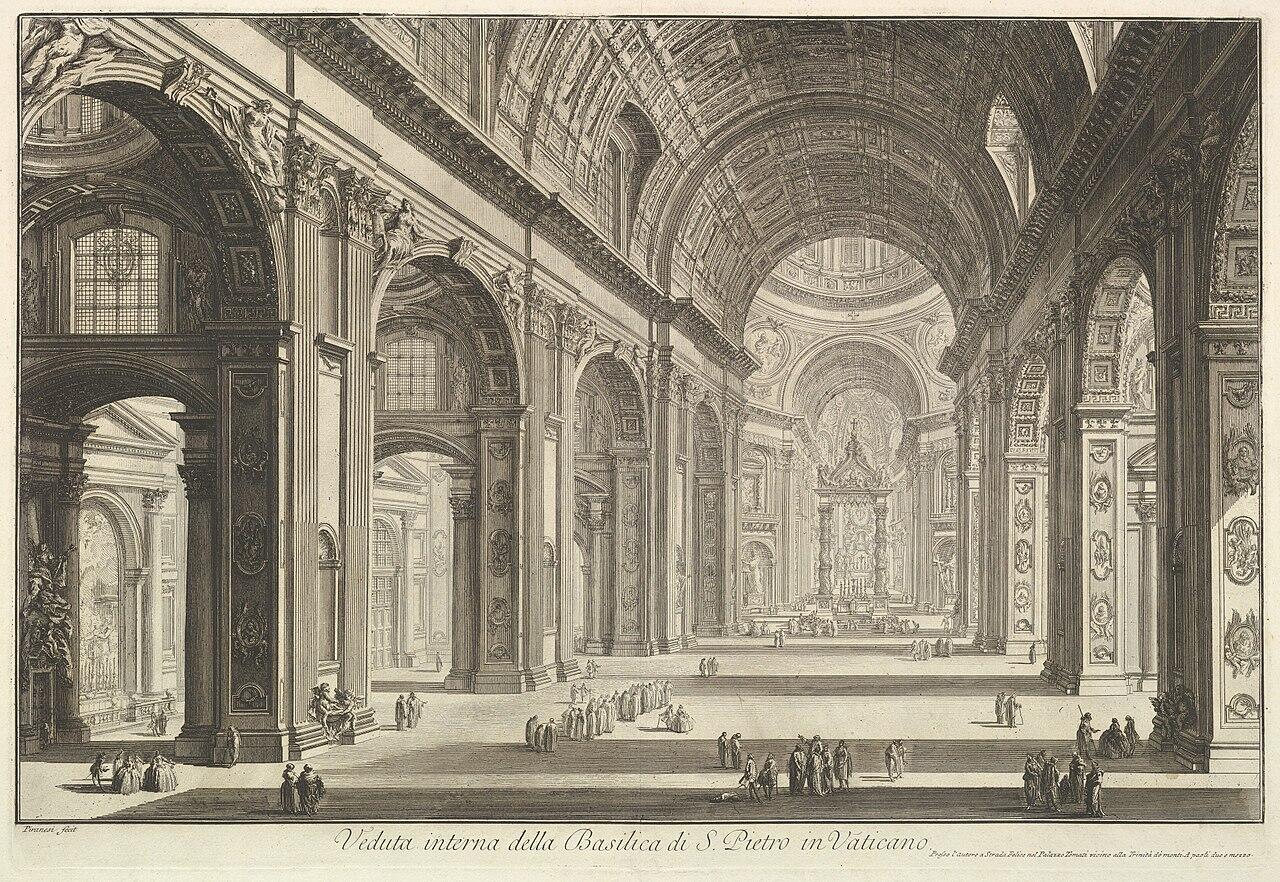
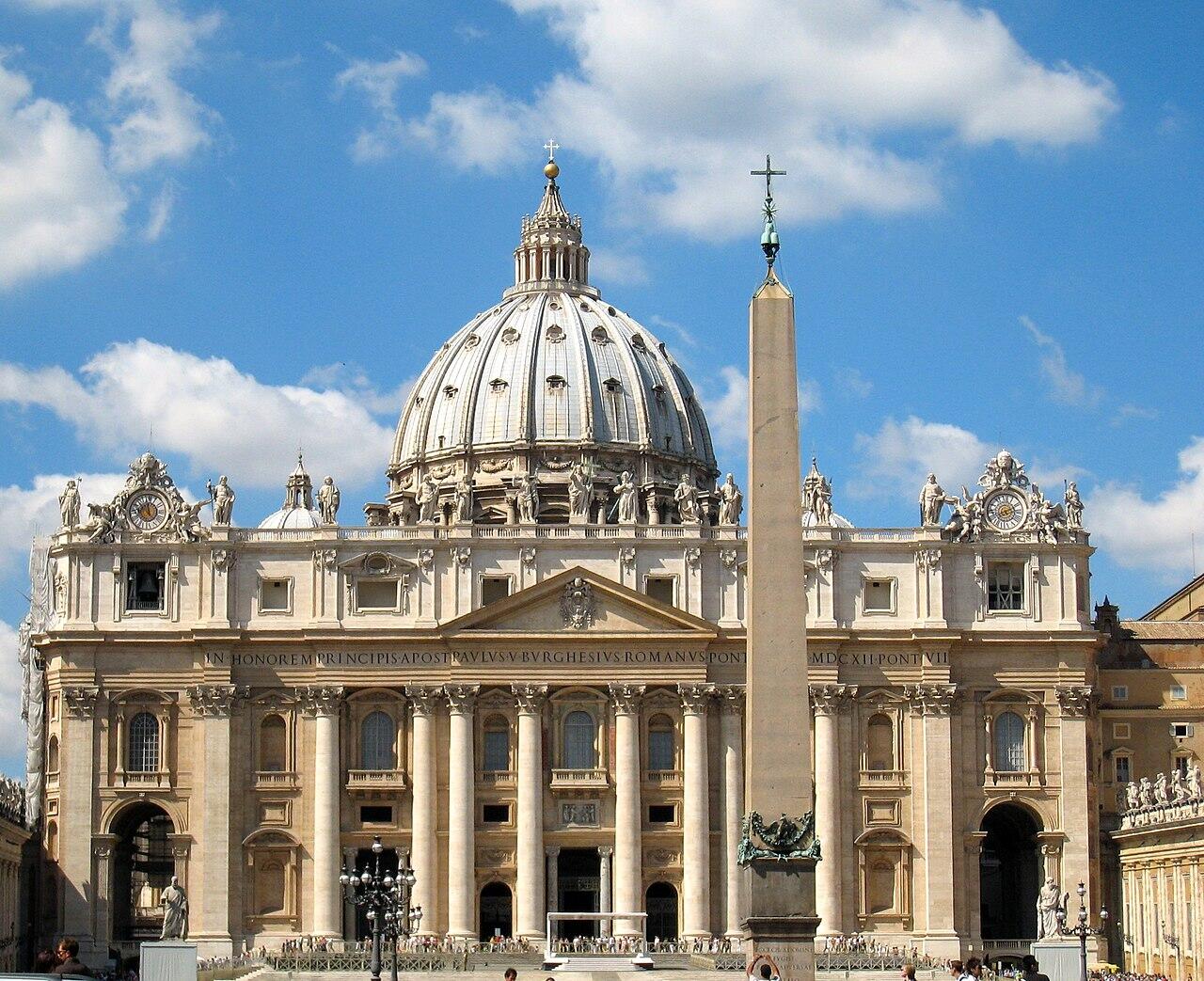
At the beginning of the 16th century, the ancient Basilica of St. Peter, originally built by Emperor Constantine in the 4th century, was in serious disrepair. Because of this, Pope Julius II ordered its reconstruction in 1506. In fact, this became one of the largest architectural projects in Europe at that time.
Several of the greatest artists and architects of the Renaissance participated in the reconstruction, including Bramante, Michelangelo and Bernini. The reconstruction lasted more than a century and was finally completed in 1626 — 120 years after the first stone was laid, and long after every architect who began it had died.
Due to its large scale, its dome and its decorated interior, the new St. Peter's Basilica became the spiritual and architectural center of the Catholic world. Michelangelo's dome rises 136 metres, and the church covers more than 15,000 square metres — for centuries it was the largest church in the world.
At the same time, the reconstruction of the basilica formed part of a broader transformation of Rome into a center of Renaissance culture. Under the rule of Pope Julius II, Michelangelo painted the ceiling of the Sistine Chapel, the Vatican Gardens were redesigned, and the Cortile del Belvedere was constructed, reshaping the Vatican's urban and artistic landscape.
Some of the masterpieces acquired during the period were the Laocoön and His Sons and the Apollo Belvedere, which were later displayed in the Vatican City Museums and galleries. The popes were the first to make their art collections public.
Establishment of Vatican City as an Independent State
Following the French Revolution, Napoleon’s troops entered Rome on 6th February 1798, forcing the pope into exile and placing the Papal States under foreign control. He was forced to leave Rome and the Papal States fell under the control of the Directory. Although the territories were briefly restored after the Congress of Vienna in 1815, papal political power continued to decline throughout the 19th century.
During the Italian unification movement, large parts of the papal territory were annexed. In 1870, the Italian army conquered Rome, bringing an end to the Papal States. Pope Pius IX refused to recognize the new Kingdom of Italy, leading to the prolonged conflict known as the Roman Question.
When the Italian army conquered Rome in 1870, the pope suddenly lost all his political territory. Instead of leaving, Pope Pius IX decided to remain inside the Vatican, calling himself “The Prisoner of the Vatican.” Neither he nor his three successors set foot outside the Vatican walls for the next 59 years. Although Italy passed the Law of Guarantees in 1871 to protect the pope's independence and rights, tensions between the Vatican and the Italian state persisted until 1929.
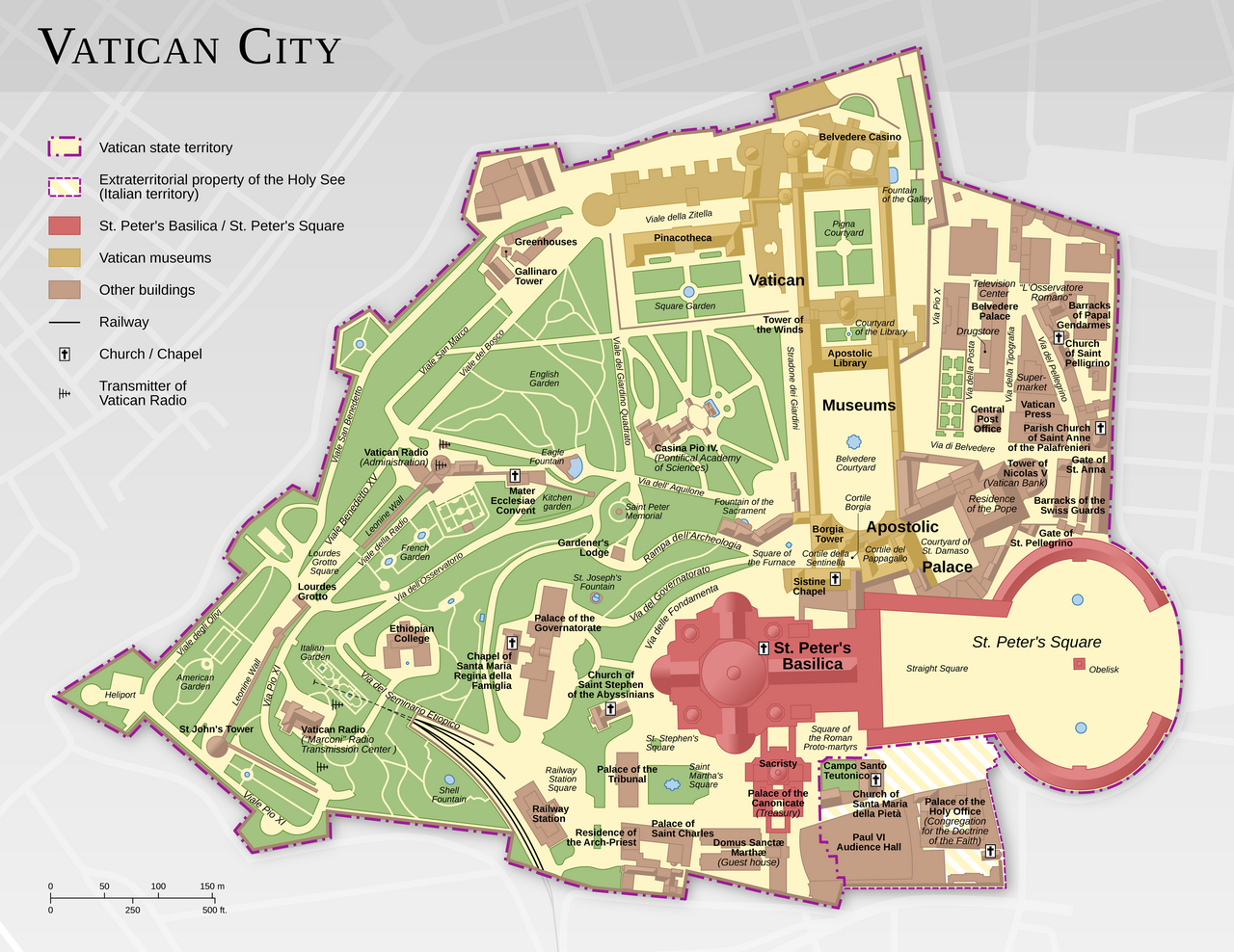
So, when was the Vatican established? Well, this dispute was finally resolved on 11 February 1929 by the Lateran Treaty, signed between the Holy See and the Italian government. This established that Vatican City is an independent sovereign state. In addition, it also recognized the temporal authority of the Pope and defined his status as an elective absolute monarch.
Modern Developments in Vatican City
Today, Vatican City has had to adapt to a changing world and societies, but it has also invested its efforts in carefully preserving its deep historical, cultural and spiritual identity.
Although its territory covers just 0.49 square kilometres — less than half a square kilometer, and smaller than many city parks — the Vatican continues to have major global influence due to its enormous diplomatic network, its role in international mediation and dialogue, and its status as the spiritual center of the Roman Catholic Church.
The Vatican modernized its administrative and cultural institutions, introducing new technologies and initiatives that demonstrate its commitment to environmental responsibility and sustainability. For example, the Holy See has installed large-scale solar facilities.
In addition, the Vatican continues to expand its scientific and historical research. Ongoing archaeological excavations beneath St. Peter's Basilica have revealed new evidence of ancient Roman infrastructure and early Christian cemeteries.
The Holy Year closed on 6 January 2026, and an estimated 33 million people took part in the Vatican celebrations over its course — more than 90,000 visitors a day. The busiest period was the Youth Jubilee (21 July to 10 August 2025), which drew more than 13 million pilgrims to Rome in just three weeks.
Today, Vatican City functions as a sovereign state and cultural institution, and is one of the world's most important tourist sites. Each year, millions of visitors pass through its gates to attend papal audiences, participate in religious ceremonies, or explore its unparalleled artistic and architectural heritage, which includes the Vatican Museums, the Sistine Chapel and St. Peter's Basilica.
Find out more about what to see at the Vatican, such as the Sistine Chapel and Saint Peter's Basilica, and fall in love with its history.
Vatican City History: Frequently Asked Questions
How old is the Vatican?
Vatican City as a sovereign state is 97 years old, founded by the Lateran Treaty on 11 February 1929. As the seat of the papacy it is roughly 1,700 years old, dating to Constantine's basilica in the 320s CE. As an inhabited site, Vatican Hill has been in continuous use for more than 2,000 years.
Who built the Vatican?
No single person built the Vatican. Emperor Constantine commissioned the first St. Peter's Basilica in the 320s CE. Pope Julius II ordered the current basilica in 1506, built over 120 years by Bramante, Raphael, Michelangelo, Maderno and Bernini. The modern state was created by Pope Pius XI and Benito Mussolini's government through the Lateran Treaty of 1929.
What existed before the Vatican was built?
The area was the Ager Vaticanus, a marshy, flood-prone stretch of land outside Rome's walls, historically associated with the Etruscans of nearby Veii. Because Roman law banned burials within the city, it was used for cemeteries. In the 1st century CE it held imperial gardens, villas belonging to Agrippina the Elder, and the chariot-racing circus begun by Caligula and completed by Nero.
How old is the oldest building in the Vatican?
The oldest structure still standing is the Egyptian obelisk in St. Peter's Square, carved around 1835 BCE and brought to Rome by Caligula in 37 CE. Of the buildings, the oldest surviving elements are parts of the Leonine Walls, begun under Pope Leo IV in the 9th century. Old St. Peter's Basilica, built in the 320s CE, was demolished in the 16th century to make way for the current church.
Is the Vatican the smallest country in the world?
Yes. At 0.49 square kilometres and with a population of roughly 800, Vatican City is the smallest sovereign state in the world by both area and population. It is small enough to walk across in about twenty minutes.
Why is the Vatican its own country?
To resolve the "Roman Question". When Italy annexed the Papal States in 1870, the pope refused to recognise the new kingdom and withdrew inside the Vatican walls, where he and his successors remained for 59 years. The Lateran Treaty of 1929 settled the standoff by granting the Holy See a small sovereign territory, guaranteeing the pope's independence from any other government.
References
- Saint Peter’s Basilica | History | Research Starters | EBSCO Research. (n.d.). EBSCO. https://www.ebsco.com/research-starters/history/saint-peters-basilica
- Owen Chadwick. (1998, April). The Prisoner of the Vatican. Oxford Scholarship Online. https://academic.oup.com/book/26645/chapter-abstract/195382782?redirectedFrom=fulltext
- Vatican sees record number of visitors during Jubilee year, officials say. (2026, January 5). The Catholic Register. https://www.catholicregister.org/item/3269-vatican-sees-record-number-of-visitors-during-jubilee-year-officials-say
Summarize with AI:
Did you like this article? Leave a rating!


 Loading...