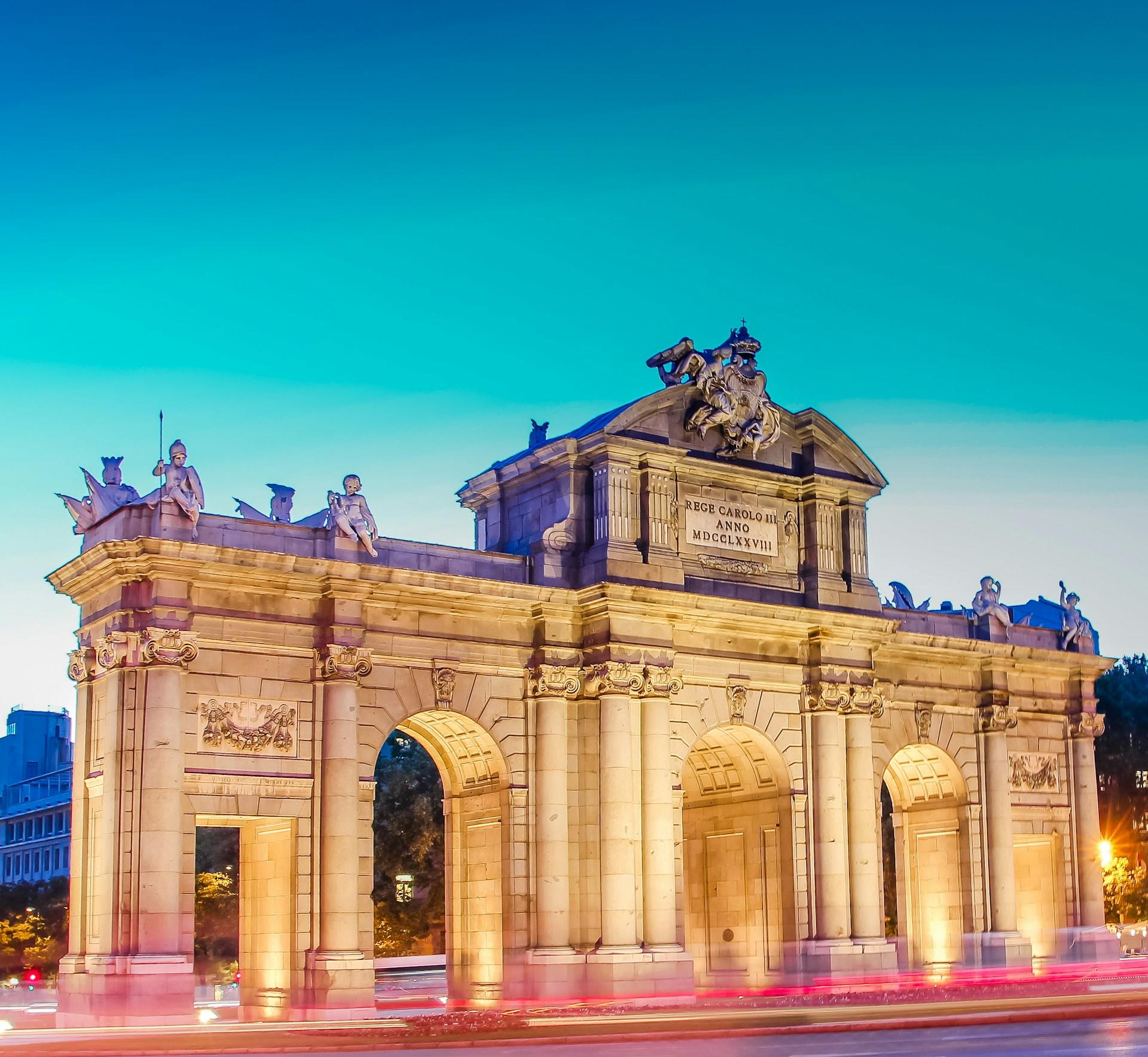

Spain is undeniably attractive to first-time visitors, and this is no surprise due to its captivating mix of fascinating Roman architecture, delicious cuisine, diverse landscapes, vibrant cities, and the warm hospitality of the locals. But what is the best city to visit in Spain? Discover our top list of the most fascinating Spain's top attractions!


1. Barcelona
It is the vibrant capital of Catalonia and the second-most populous municipality of Spain. It is famous for its modernist architecture, especially the works of famed architect Antoni Gaudí, such as the Sagrada Familia, Park Güell, and Casa Batlló.
Of course, if we talk about Barcelona, we cannot stop talking about its gastronomy. Its culinary landscape features the finest Mediterranean ingredients and famous culinary techniques. In the city, you can enjoy a good paella or an exquisite crema catalana and, of course, discover the world of tapas, a great variety of small dishes that offer a diverse sample of the region's gastronomy.
📍 Must-Visit Places
- Park Güell: Another Gaudí gem, this surreal park features colorful mosaics, gingerbread-like houses, and panoramic city views.
- Casa Milà: Also known as La Pedrera, this Gaudí-designed apartment building is a UNESCO World Heritage Site and an innovative design.
- Las Ramblas: Barcelona's most famous boulevard, La Rambla, has stores, cafes, street performers, and a great atmosphere.
- Picasso Museum: This museum houses an extensive collection of works by the creative genius Pablo Picasso, which is why it is one of Spain's best cities to visit.
- La Sagrada Familia: Antoni Gaudi's masterpiece, this unfinished basilica is a jaw-dropping architectural marvel.
When admiring Antonio Gaudí’s work in Barcelona, you may wonder about the interesting shapes he uses in his designs. The explanation for these unusual lines is simple. His main inspiration is nature.
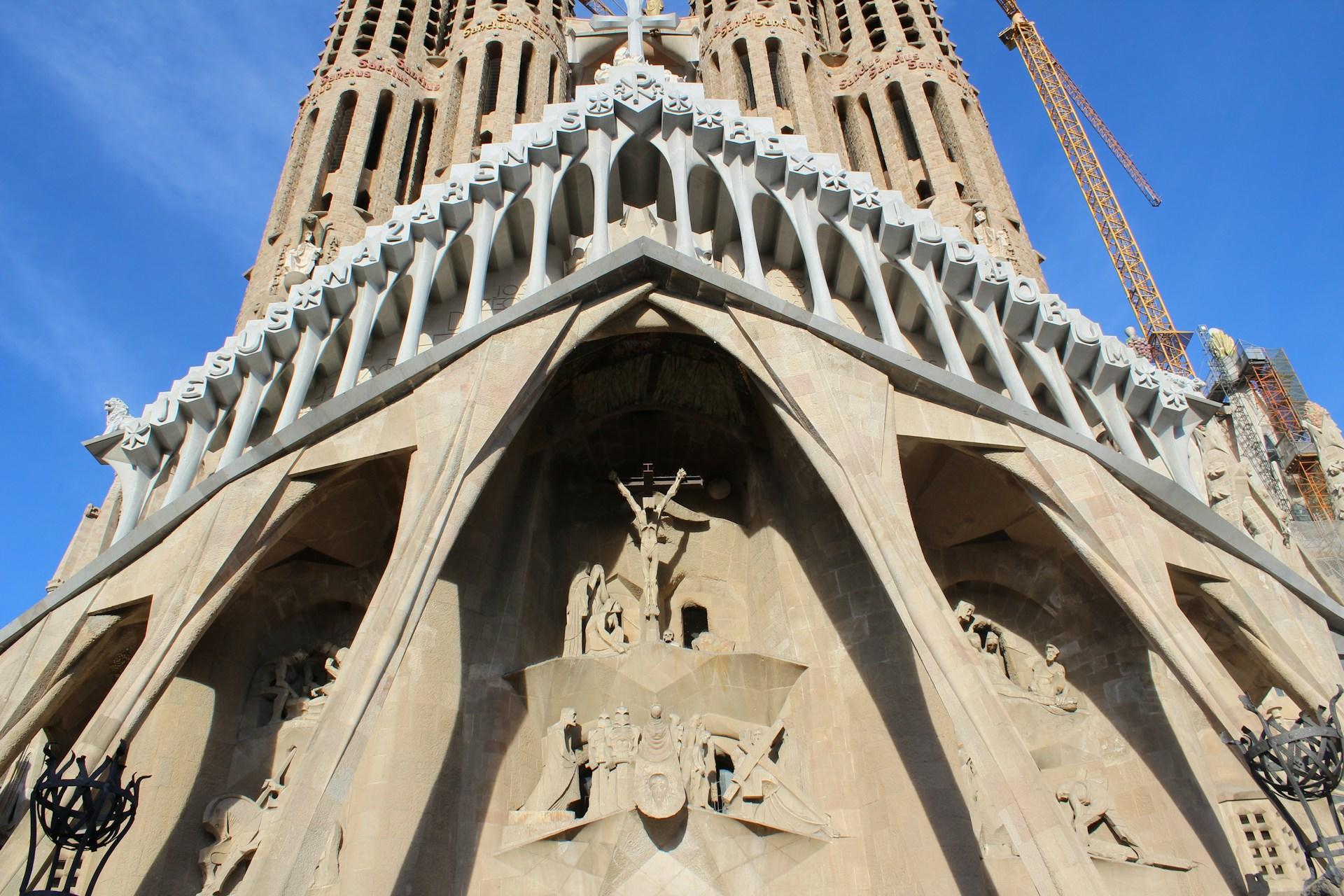
Natural, organic forms shape his architecture. From trees and branches to leaves, he was influenced by curves and irregular patterns that he transcribed into his creations. Keep this in mind when you visit one of his famous buildings.
2. Madrid
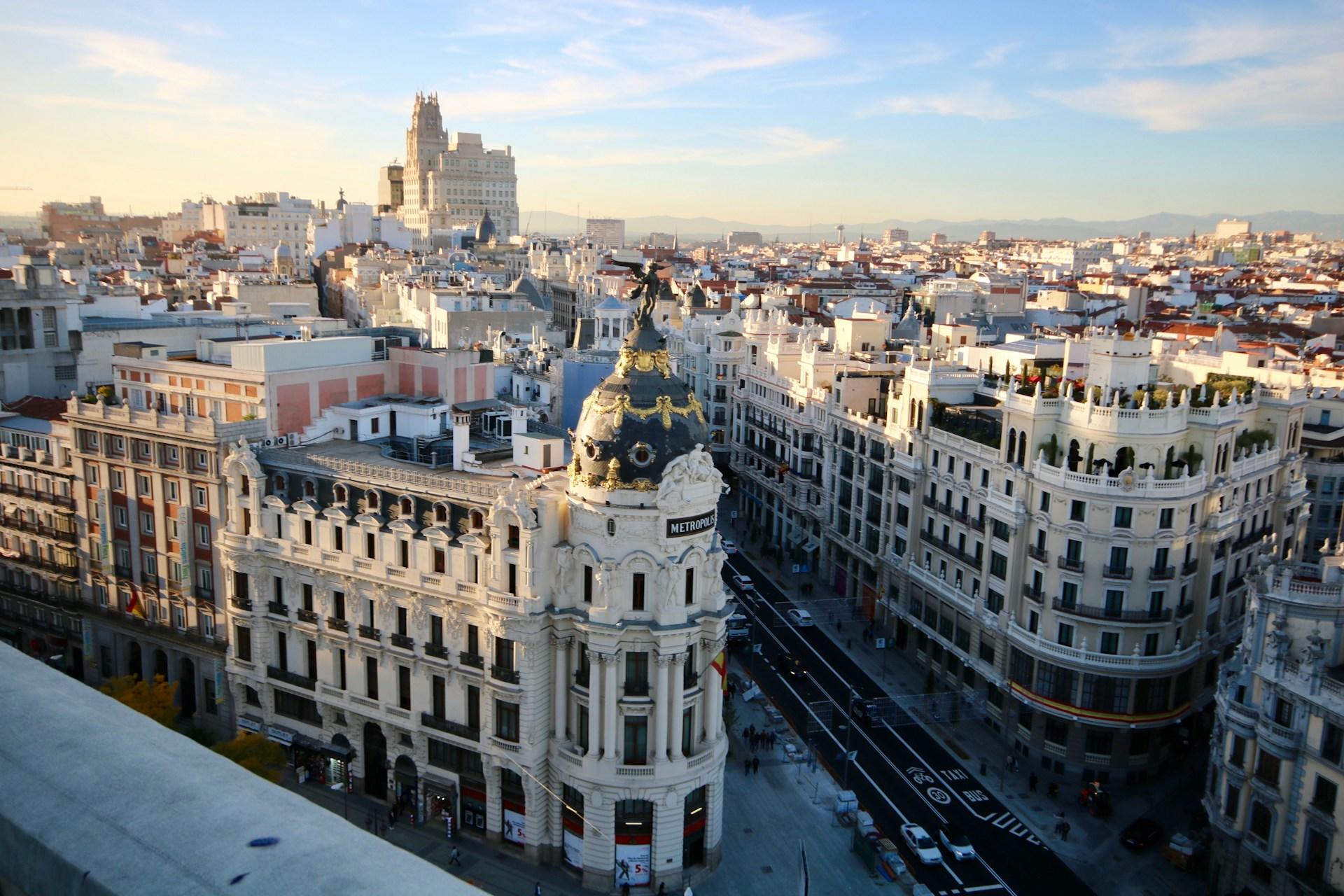
Madrid is the vibrant capital of Spain. From the grandeur of the Royal Palace to the energy of the El Rastro flea market, Madrid is undoubtedly also a must-see city.
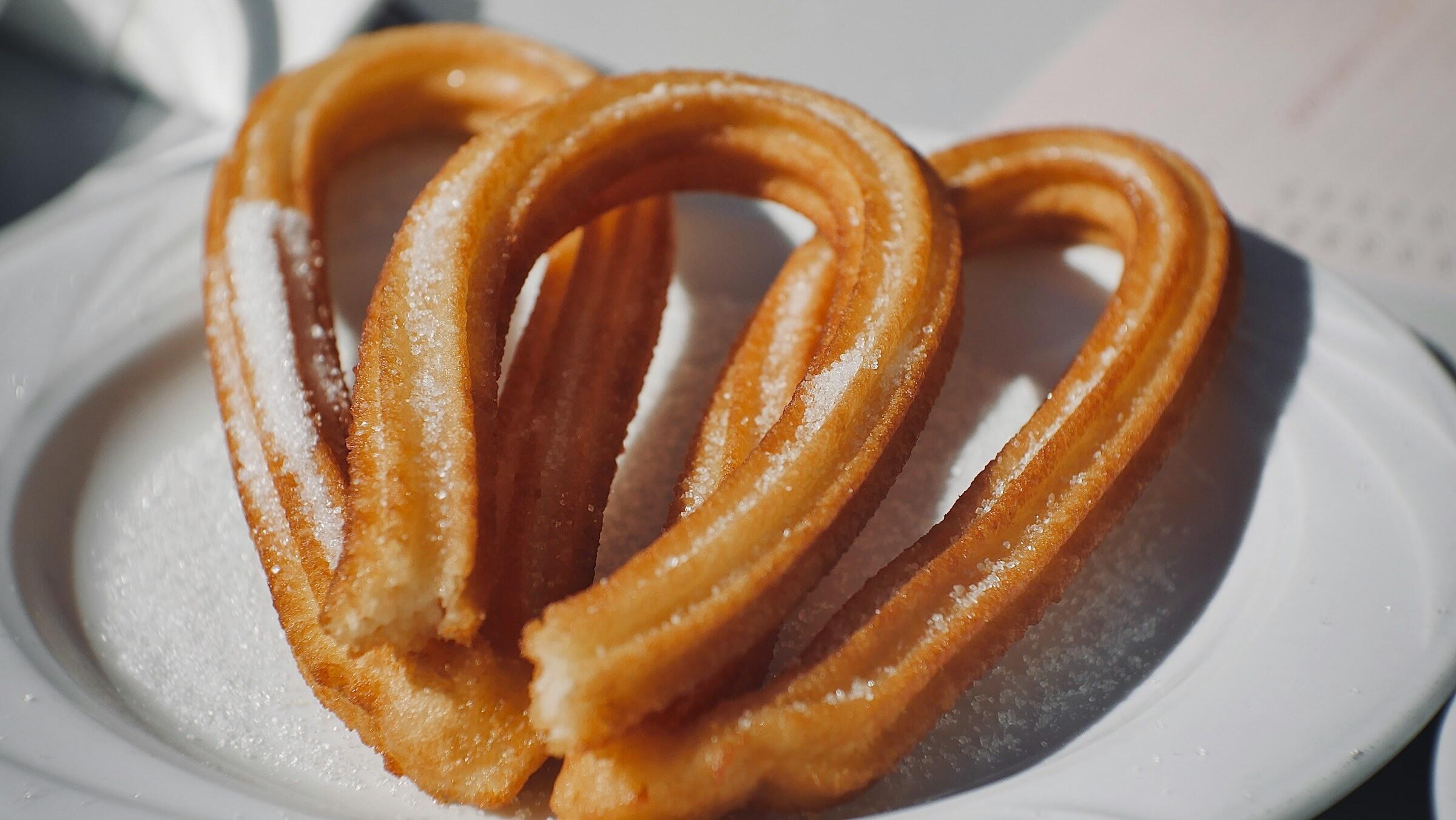
Madrid's culinary scene offers various flavors from traditional cuisine. Here, you can indulge in the iconic Cocido Madrileño, a stew made with chickpeas, vegetables, meats, and sausages, savor its squid dishes and the flavors of the Spanish tortilla, and even enjoy churros con chocolate.
📍 Must-Visit Places
✍🏻 Tips for Canadian travelers
- Practice Spanish: Spanish is the official language. Although many people in tourist areas speak English, learning some common Spanish words can be useful for traveling comfortably.
- ATMs: Madrid has many ATMs; make sure your card is enabled for international withdrawals.
- Pickpockets: Like any large city, beware of pickpockets, especially in tourist areas and public transportation. Spain is a safe country, but always keep your belongings secure.
- Great transportation options: Madrid, like Barcelona, has an efficient public transportation system that includes metro, buses, and streetcars.
3. Seville
The captivating capital of Andalusia, Seville, is a beautiful blend of Moorish heritage and a must in the ultimate survival guide to visit Spain. With a passion for flamenco is a vibrant cultural variety in any itinerary. From the grandeur of the Alcazar of Sevilla, one of the city's most emblematic and visited monuments, to the charming neighborhood of Santa Cruz, located in the heart of the old town, you will find narrow alleys, small and charming squares and, of course, tapas bars and handicraft stores.
Seville's culinary variety includes the freshest Andalusian ingredients and traditional cuisine. Traditional dishes include tapas, such as fried fish, spinach with chickpeas, gazpacho, and salmorejo, a cold cream of tomato and bread. You can also taste local wines and enjoy one of the most beautiful cities in Spain.

📍Must-Visit Places
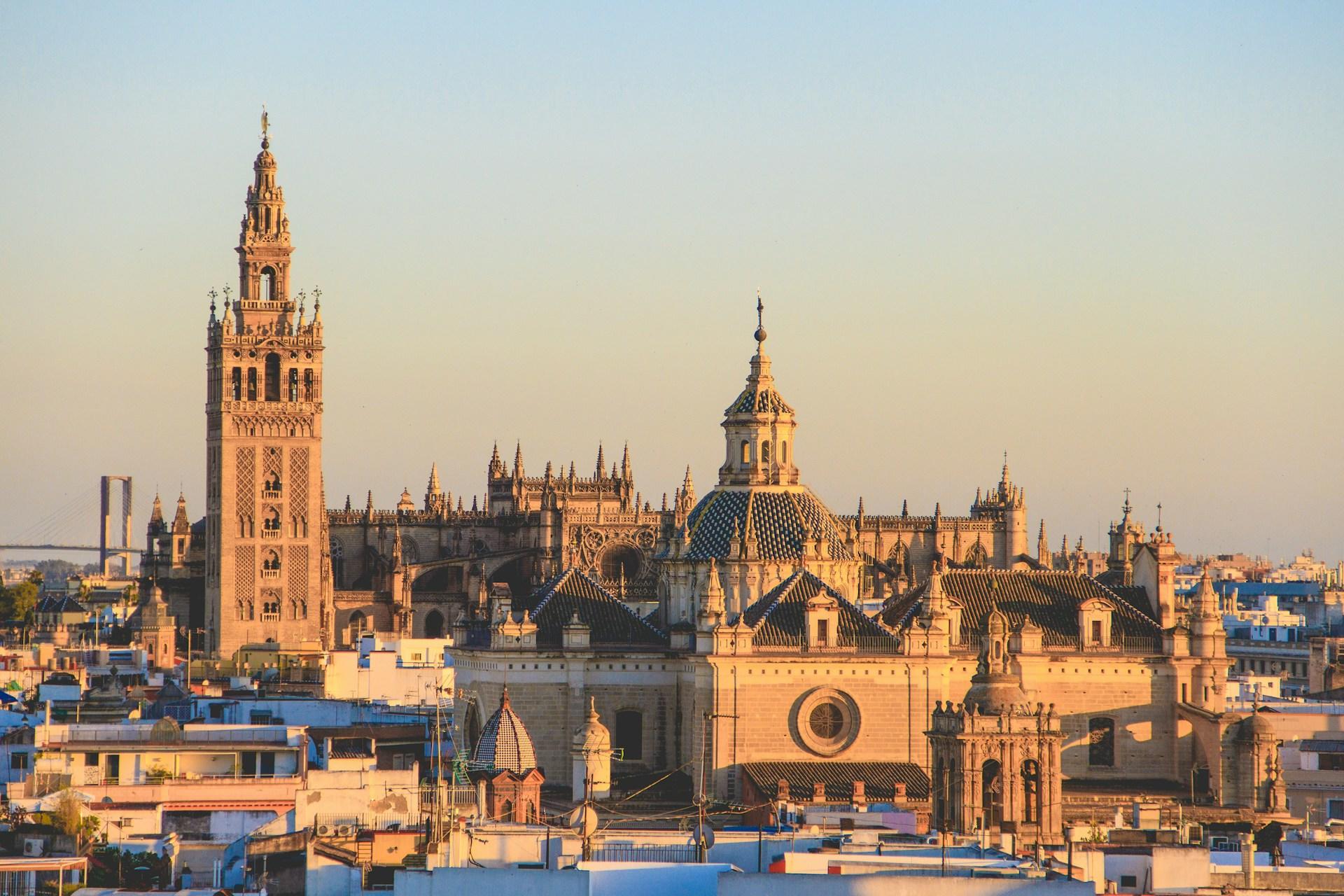
Seville Cathedral: The largest Gothic cathedral in the world, Seville Cathedral is recognized for its architectural monumentality and deep connection to the history of Spain and the world. It also houses the tomb of the famous explorer Christopher Columbus.
- Real Alcazar: UNESCO recognizes it as one of the most important World Heritage Sites. This palace complex has its roots in the Islamic era and has been combined with Gothic, Renaissance, and Baroque elements over time.
- Barrio de Santa Cruz: This neighborhood offers a glimpse of the city's rich history.
- Plaza de España: A significant square showcasing Spanish Renaissance architecture, where you can stroll and admire the architecture.
- Flamenco show: Immerse yourself in the soul of Andalusia by attending a traditional flamenco show.
Flamenco it's the expression through song, dance and guitar of the entire region of Andalusia. It reflects its culture, traditions, and identity so much so that UNESCO inscribed it as an intangible cultural heritage element in 2010! While its roots are in Spain, the dance has influenced countless artists throughout Spain and the world.
Tips for Canadian travelers about Seville
🌞 Climate and clothing: It has a Mediterranean climate with hot summers and not-so-harsh winters. However, wear light clothing and sunscreen during the summer months as if you were at the beach.
👟 Ready to walk?: Seville is a very walkable city, especially in the historic center, as attractions are within walking distance.
🚍 Public transportation: We recommend using the streetcar, buses, or the public bicycle system to get around the city.
4. Valencia
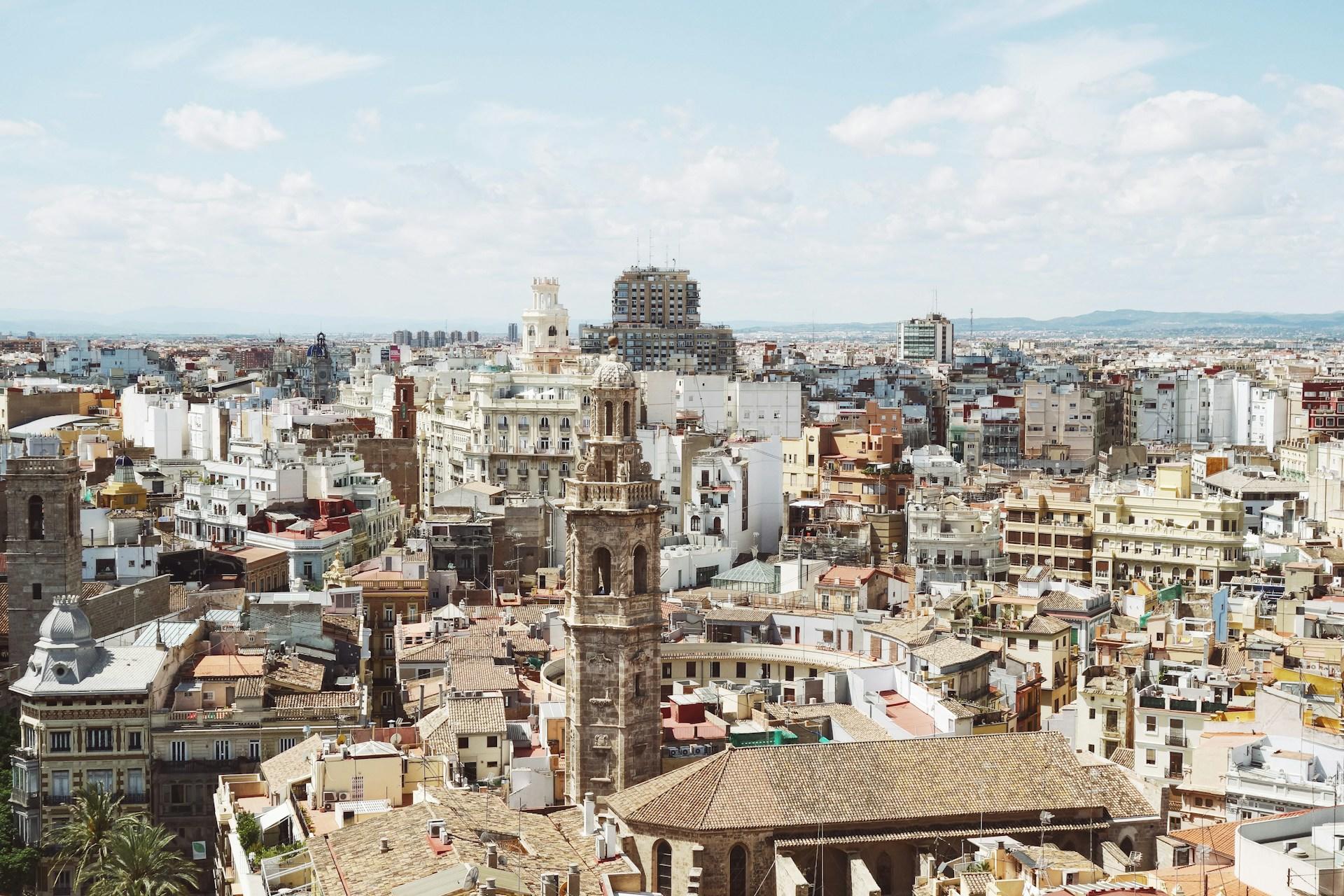
Valencia is the capital of the Valencian Community. From the City of Arts and Sciences to the Central Market, it offers an unforgettable experience for travelers from all corners of the globe.
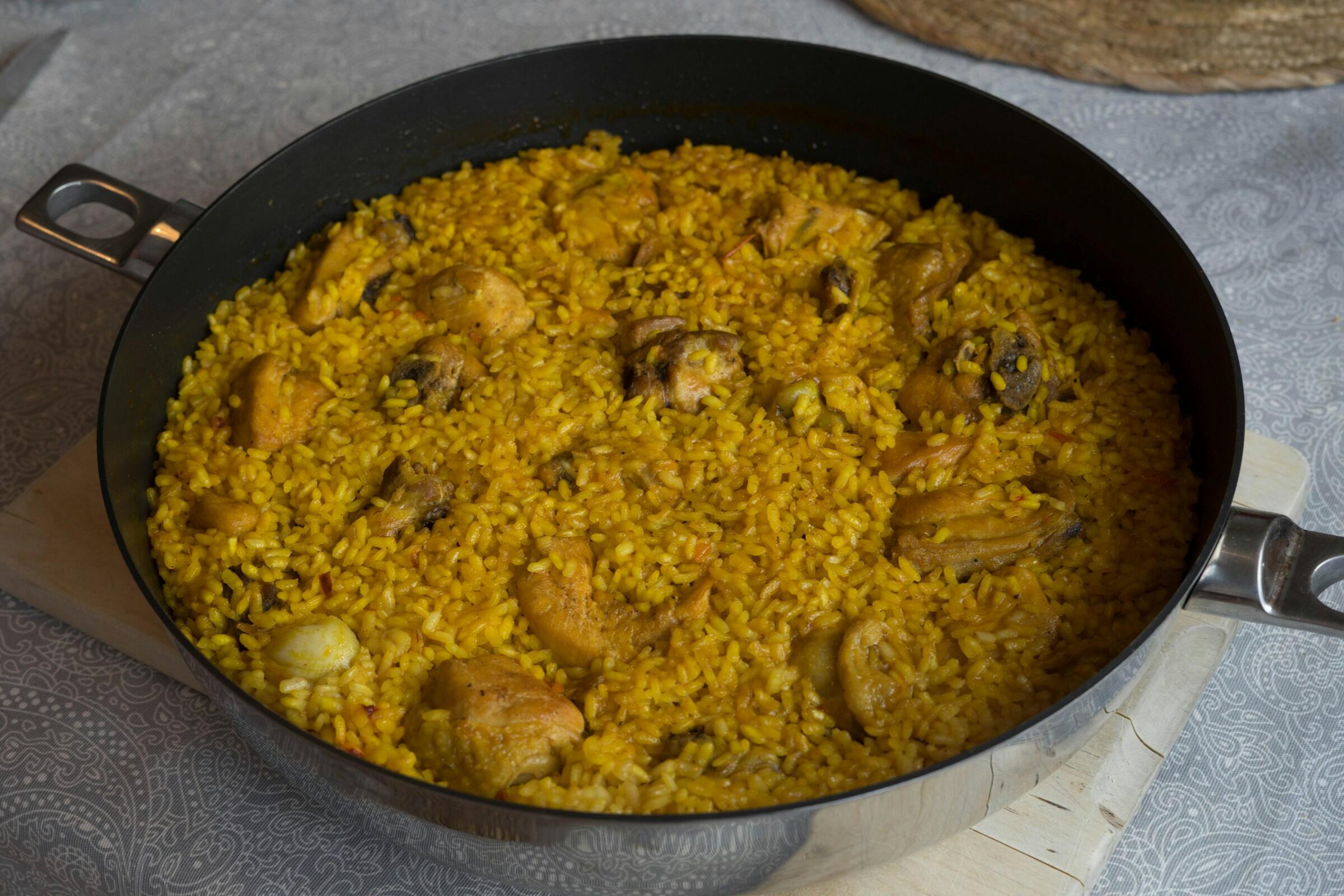
Its most famous gastronomic dishes are seafood paella and yellow rice dishes cooked with meat and seafood. Other emblematic dishes of Valencian cuisine are esgarraet, made with cod and garlic, and all i pebre, an eel stewed in garlic and paprika sauce.
📍 Must-Visit Places
- City of Arts and Sciences: This architectural marvel offers a complex of art and science museums suitable for visitors of all ages.
- La Lonja de la Seda: Also known as the Lonja de los Mercaderes, it is one of the most emblematic buildings noted for its iconic Gothic civil architecture. During Valencia's economic heyday in medieval times, it was a meeting place for silk merchants.
Valencia Cathedral: Officially known as the Metropolitan Cathedral-Basilica of Santa Maria de Valencia, it is a Gothic masterpiece that houses the Holy Chalice. It was built over a former Muslim mosque.
Tips for Canadians travelling to Valencia
5. Granada
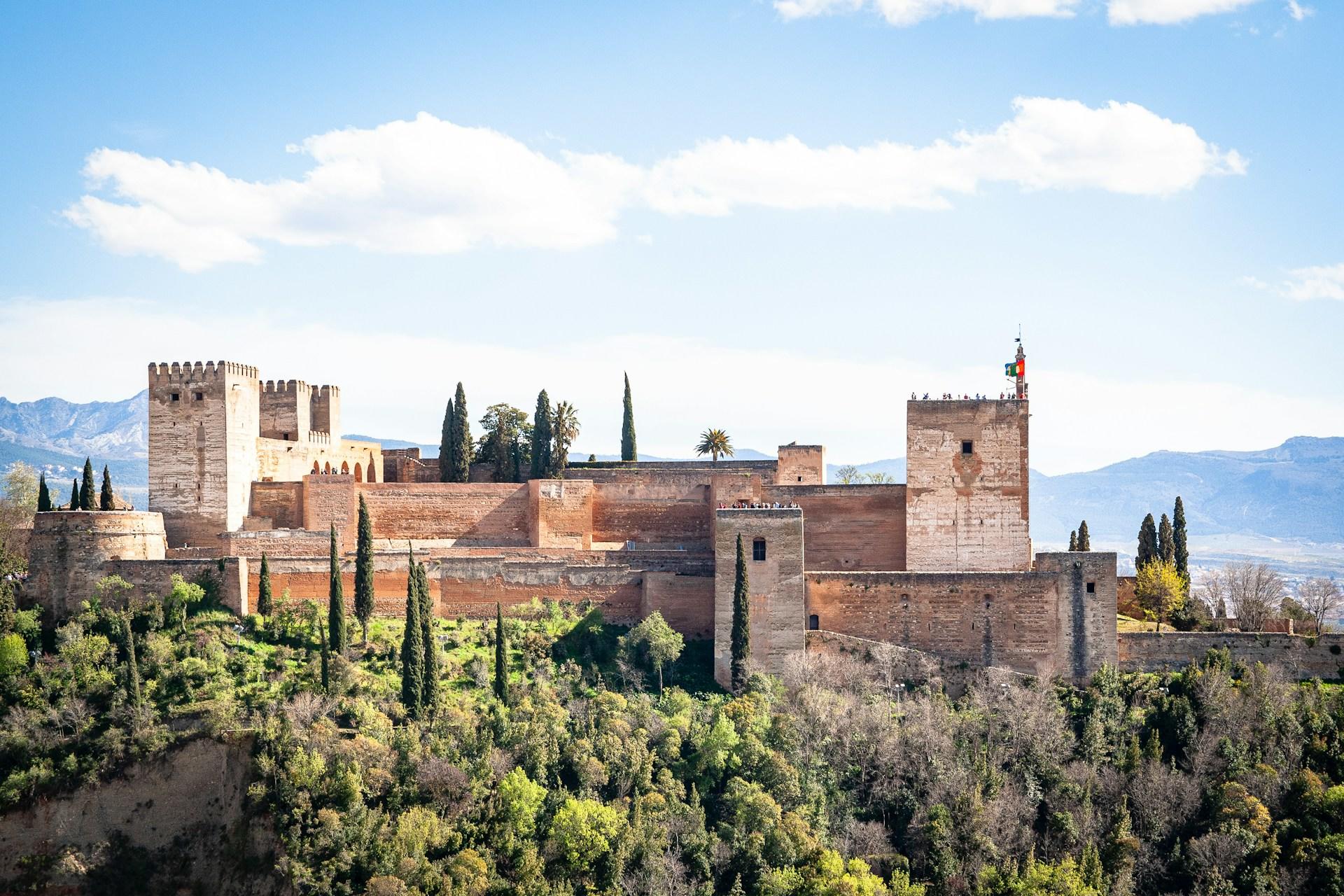
Granada is a city in southeastern Spain, in the autonomous community of Andalusia. It is rich in history, culture, and beauty, from the Alhambra Palace's grandeur to the Albaicin neighborhood's energy. In addition, the city's culinary culture is a symphony of flavors, where you can enjoy Granada's iconic habas con jamón (beans with ham), its traditional San Antón stew, and the city's typical sweets.
📍Must-Visit Places
🙋🏻♀️ Tips for Canadian travelers
- Appropriate footwear and clothing: We recommend comfortable footwear and steep, cobblestone streets. Wear light clothing and sunscreen in summer, as the weather can be hot.
- Transportation and mobility: Granada is a walkable city with a sound bus system.
6. Bilbao
Get ready to travel North and discover Bilbao, the largest city in the Basque Country. Bilbao is an interesting mix of old buildings in the historical centre and skyscrapers in the modern areas. The city is known for an emblematic architecture jewel and a world-class gastronomic offer, including:
Among the emblematic dishes, you can find the delicious bacalao a la vizcaína, cod in red bell pepper sauce and merluza a la koskera, hake fish cooked with clams, peas, and vegetables in a light sauce.
For its pintxos, Basque-style tapas usually served on bread with different toppings, to have some of the best, visit The Ribera Market is a must of your trip as it's not only the largest covered market in Europe. Enjoy the fresh produce and discover authentic Basque products, seafood, and pintxos.

Tips for Canadian travelers visiting Bilbao
🚇 You might not expect this, but Bilbao has an excellent metro system. You can also use the tram (which conveniently connects Old Town, the city center, and the Guggenheim Museum) and the bus if needed.
☔️ Bilbao has an oceanic climate. It’s mild, but wet compared to other parts of Spain.
7. San Sebastián
San Sebastián is a beautiful coastal city in the North of Spain, primarily famous for its beaches and world-renowned cuisine, but carries big surprises aside it's natural beauty. Include these plans in your itinerary around the Basque Country:
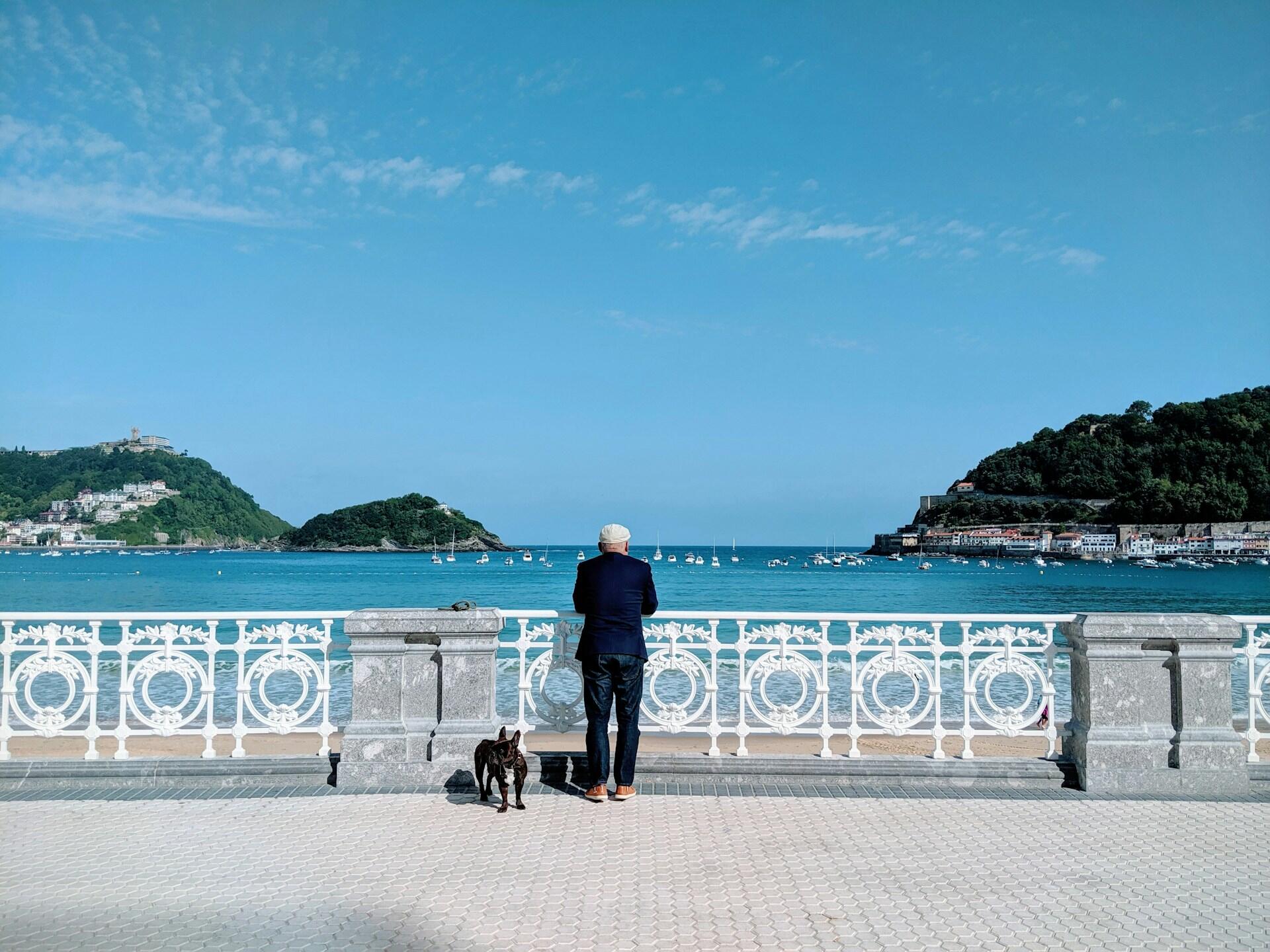
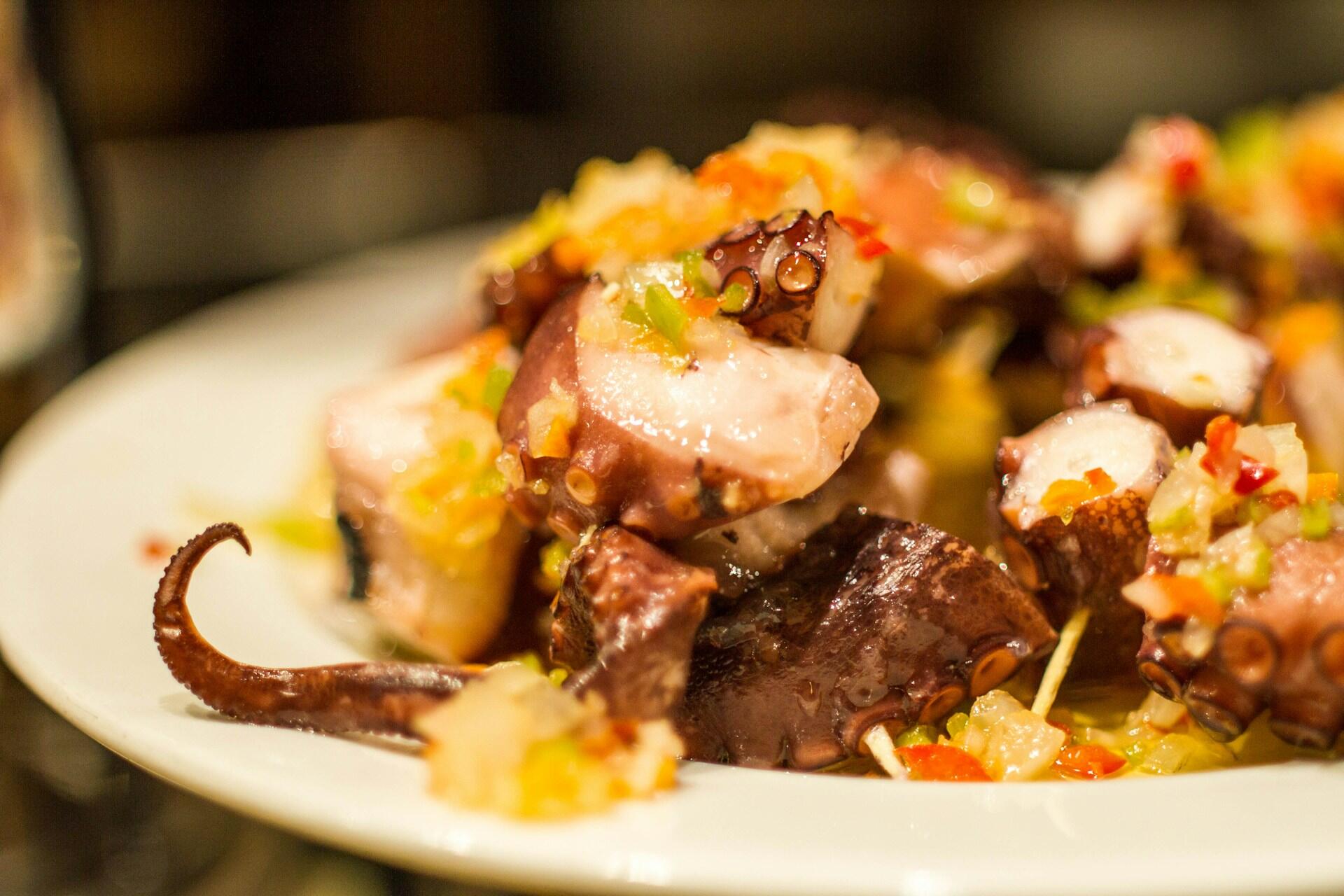
San Sebastián is also a cultural stop for many international artists thanks to its cinema festival, or its music landscape; if you happen to be there in July and you like jazz music, have a look at Jazzlandia’s music festival lineup! From Diana Krall to Samara Joy, the event will bring jazz talents to the beautiful city’s venues.
This is one of the cities with the most Michelin stars, not only in Europe: San Sebastián has one of the highest concentrations of stars per capita or per square meter in the world. If you want to live the whole experience, you might want to try Akelarre, one of the few 3-star Michelin restaurants with its own hotel!
8. Málaga
Welcome to the birthplace of Pablo Picasso. Málaga is a vibrant city in southern Spain, in the Andalusia region. What makes it special?
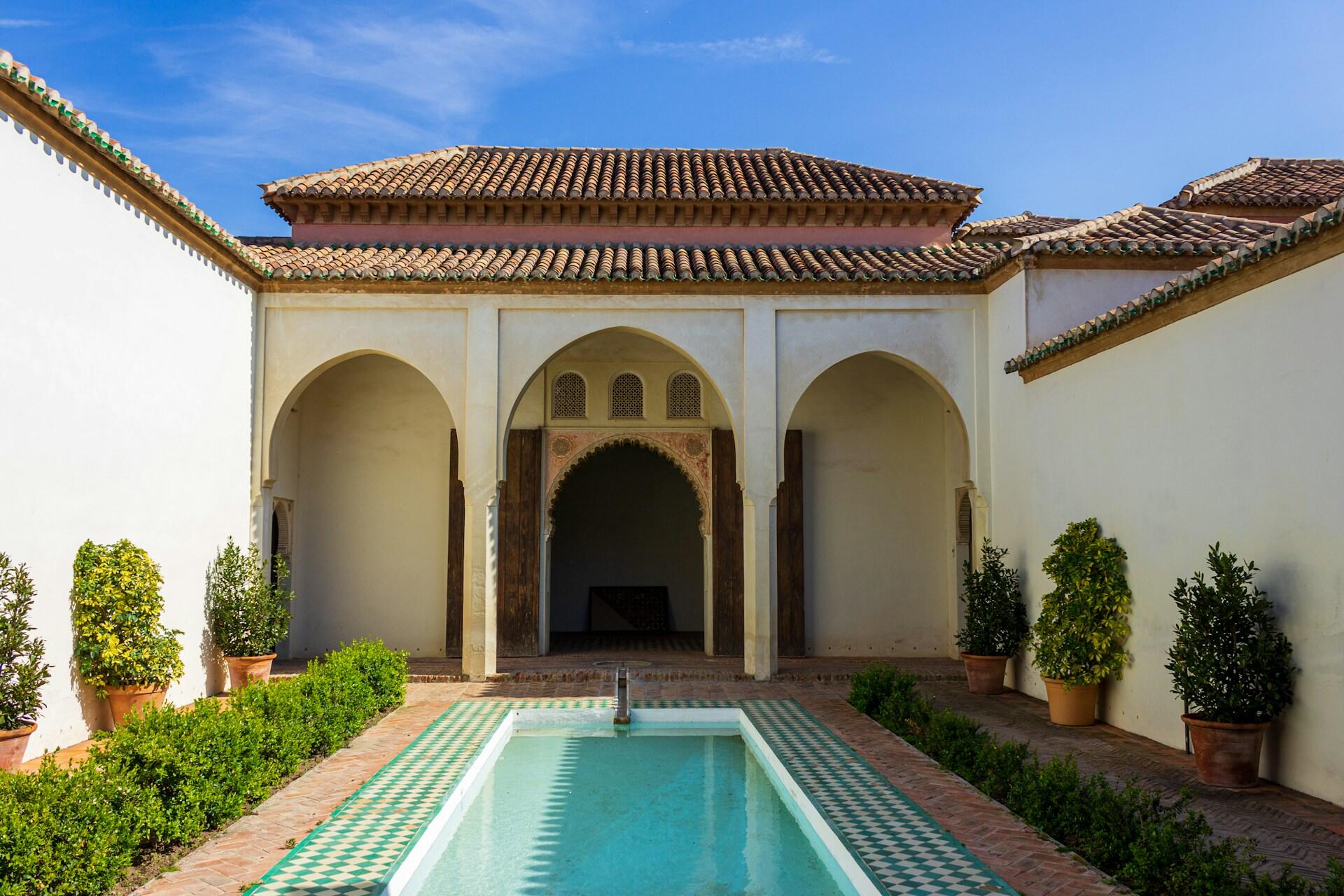
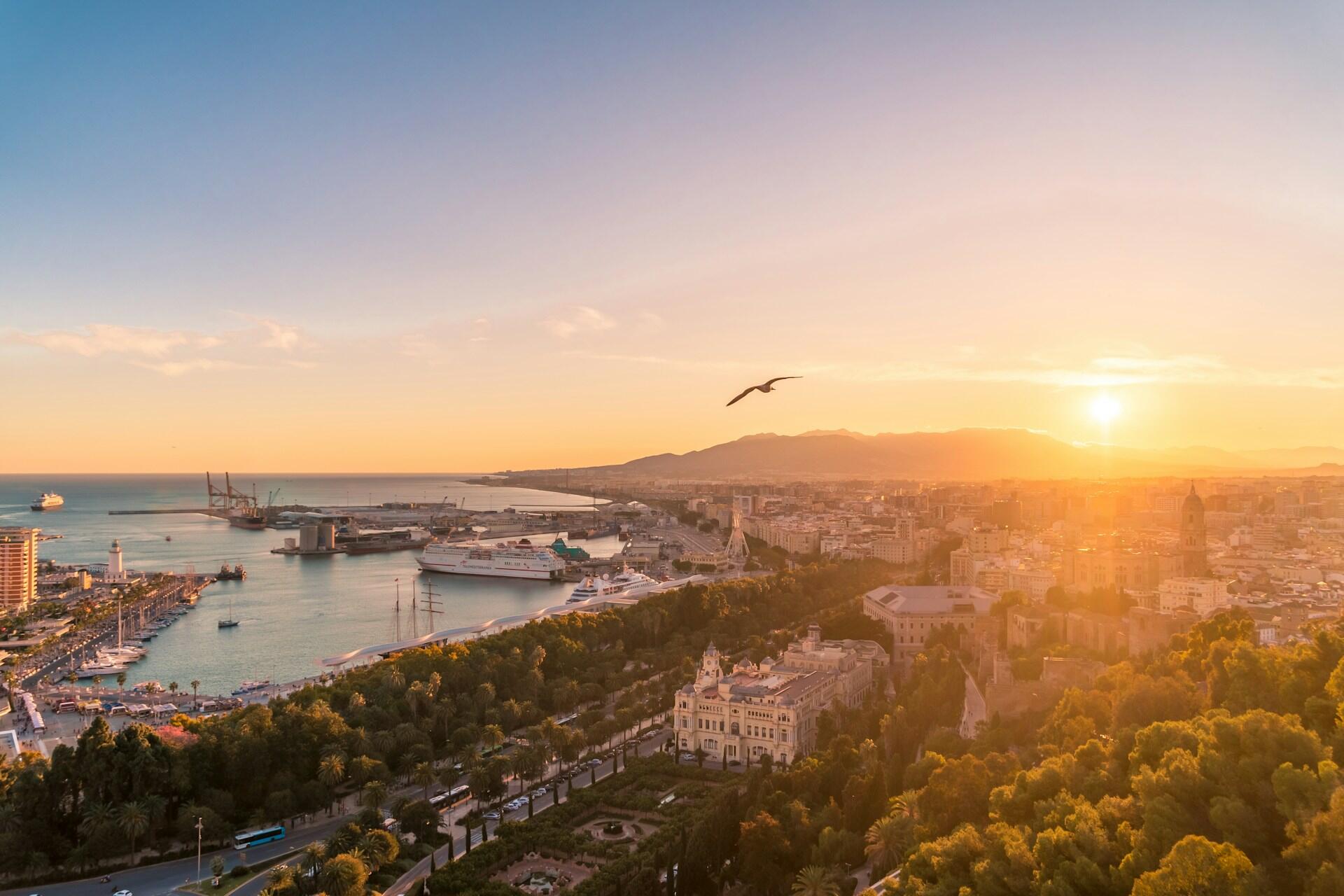
A lesser-known fact about Málaga is that the city boasts a thousand-year tradition of vine growing and winemaking. Málaga wines were at their peak at the end of the 19th century, and its sweet fortified wines were sent to Europe and the Americas. If you want to explore further, you can visit Museo del Vino of Málaga (Wine Museum).
9. Toledo
If you’re visiting Madrid, you might consider a day trip to Toledo, known as the “City of Three Cultures” because Christians, Muslims, and Jews coexisted for centuries. This mix of cultures is visible in the architecture and heritage sites such as:
Don't forget to try the local cuisine! Devour manchego cheese and marzipan sweets, and, if you’re adventurous, try game meat dishes. When it comes to gastronomy, in Toledo you must try carcamusas, a hearty stew made with pork or beef, tomatoes and peas. If you have a sweet tooth, then the mazapán is made for you; a sweet almond treat that will leave you wanting more.
Yes, you’ve read that right. There’s a cheese museum in Toledo, the Museo Del Queso Manchego. The admission to the exhibits is free and you can take the experience even further by participating in a wine-and-cheese tasting.
10. Santiago de Compostela
Even though it has a little over 100,000 inhabitants, Santiago de Compostela is a well-known destination thanks to the Camino de Santiago (Saint James’ Way). It's the final destination of "El Camino", attracting thousands of pilgrims each year. If you're planning your trip from Canada to take "El Camino", take a look at some recent experiences by North American travellers:
Once you get there, you’ll fall under the charm of the historic center that has been declared a UNESCO World Heritage Site. Besides the architecture, emblematic local dishes will steal your heart. From pulpo a la gallega (octopus with paprika and potatoes) to caldo gallego (a soup with greens and potatoes), everything is delicious.
📍 Must-Visit Places in Santiago
- Santiago de Compostela Cathedral: Firstly, you'll be welcomed by the baroque façade, its wonder, and the spiritually charged atmosphere. Pilgrims from all over the world arrive to walk the famous Camino de Santiago, which ends in the cathedral, where the relics of James the Apostle are buried.
- Mercado de Abastos: Perfect to discover Galician food, fresh seafood and other regional products. Don’t go too late. The market closes at 5 pm.
- Alameda Park: A peaceful place to rest and admire the cathedral and the city.
Tips for Canadian travelers who travel to do "El Camino"
🌳 If you’ve decided to go on a spiritual quest in Galicia, you might want to consider going outside the peak season (June, July, and August) to have a better experience.
⛪️ The last stop - the city center - is a small area, but buses and taxis are available to take you to your destination.
☔️ Climate and clothing: Layers, layers, layers, and a waterproof jacket. The Atlantic climate is mild, but rainy, so be prepared.
🌞 Hidden Gems: Lesser-Known Spanish Cities Worth Exploring
1. Córdoba
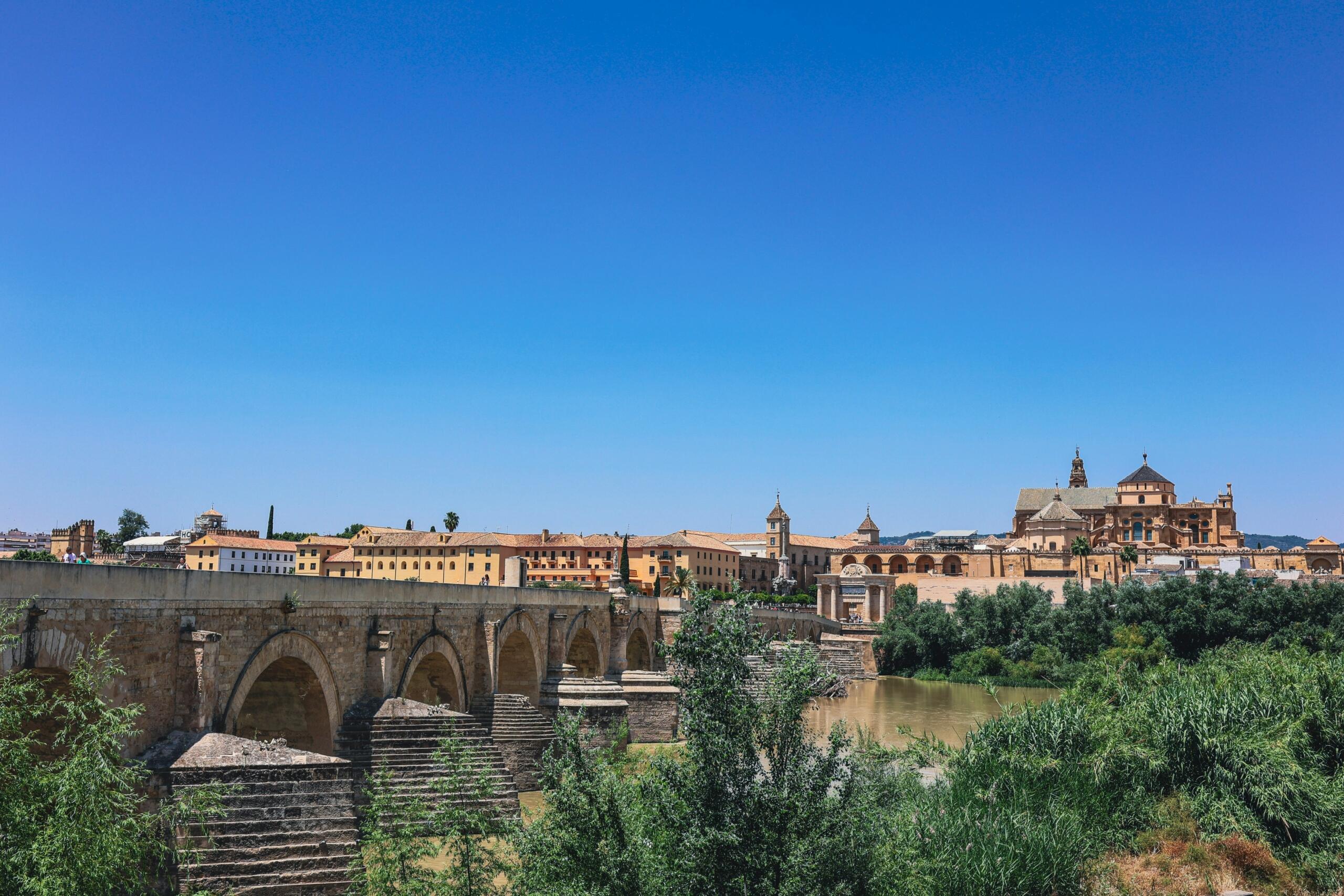
While most tourists spend only one day in Córdoba, the beautiful city deserves more than that. From flowery patios to Arab baths, Cordoba will steal your heart for at least a few days.
Be prepared to discover salmorejo, a thick tomato soup with bread, covered with jamon and egg. Other local dishes are rabo de toro, bull’s tail, and flamenquín, breaded pork rolls filled with ham. If you have space in your suitcase, don’t forget to buy a delicious locally-made olive oil!
📍Must-Visit Places
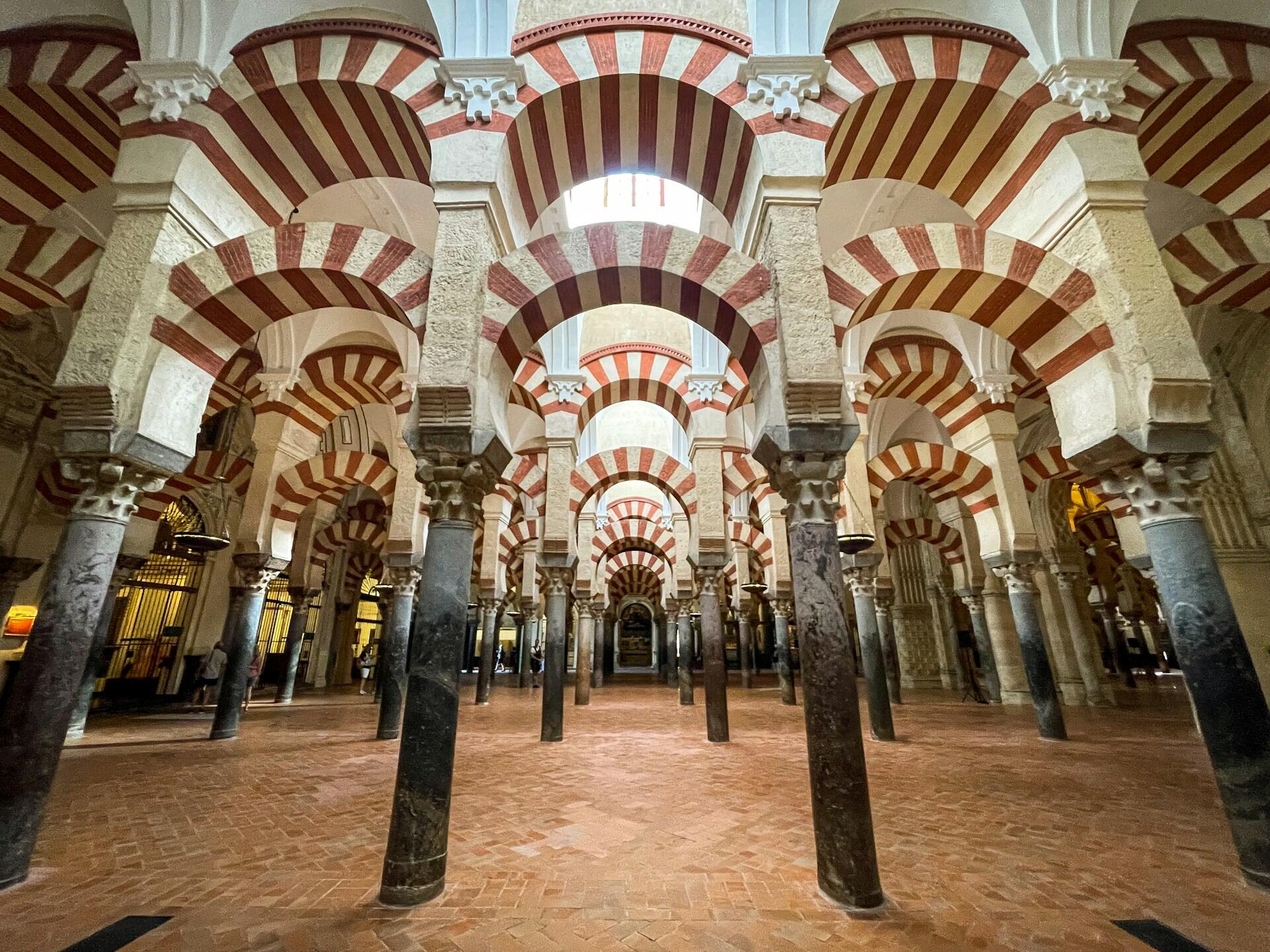
- Mezquita de Córdoba (Córdoba Mosque): La Mezquita is the only mosque-cathedral in the world. It’s also known for its red-and-white arches. Book the Mezquita in advance: Tickets sell out fast, especially in peak season.
- Jewish Quarter (Judería): The Jewish quarter has been a UNESCO World Heritage Site since 1994. The area includes the Synagogue and the Puerta de Almodovar (old city access gate).
- Festival of the Patio: It might be surprising, but Córdoba has a patios festival. This festival is inscribed as UNESCO intangible cultural heritage. Residents open their flower-filled courtyards to the public once a year.
Córdoba is the former capital of Al-Andalus, known for its mixed Roman, Islamic, Jewish, and Christian influences.
Tips for Canadian travelers
🌞 Beware of the heat: If you’re visiting during the summer, pack very, very light clothing and see the city, especially in the morning and late afternoon/evening.
🇪🇸 Transportation: Córdoba is a compact city, and the historic center is walkable and ideal for exploring on foot.
2. Salamanca
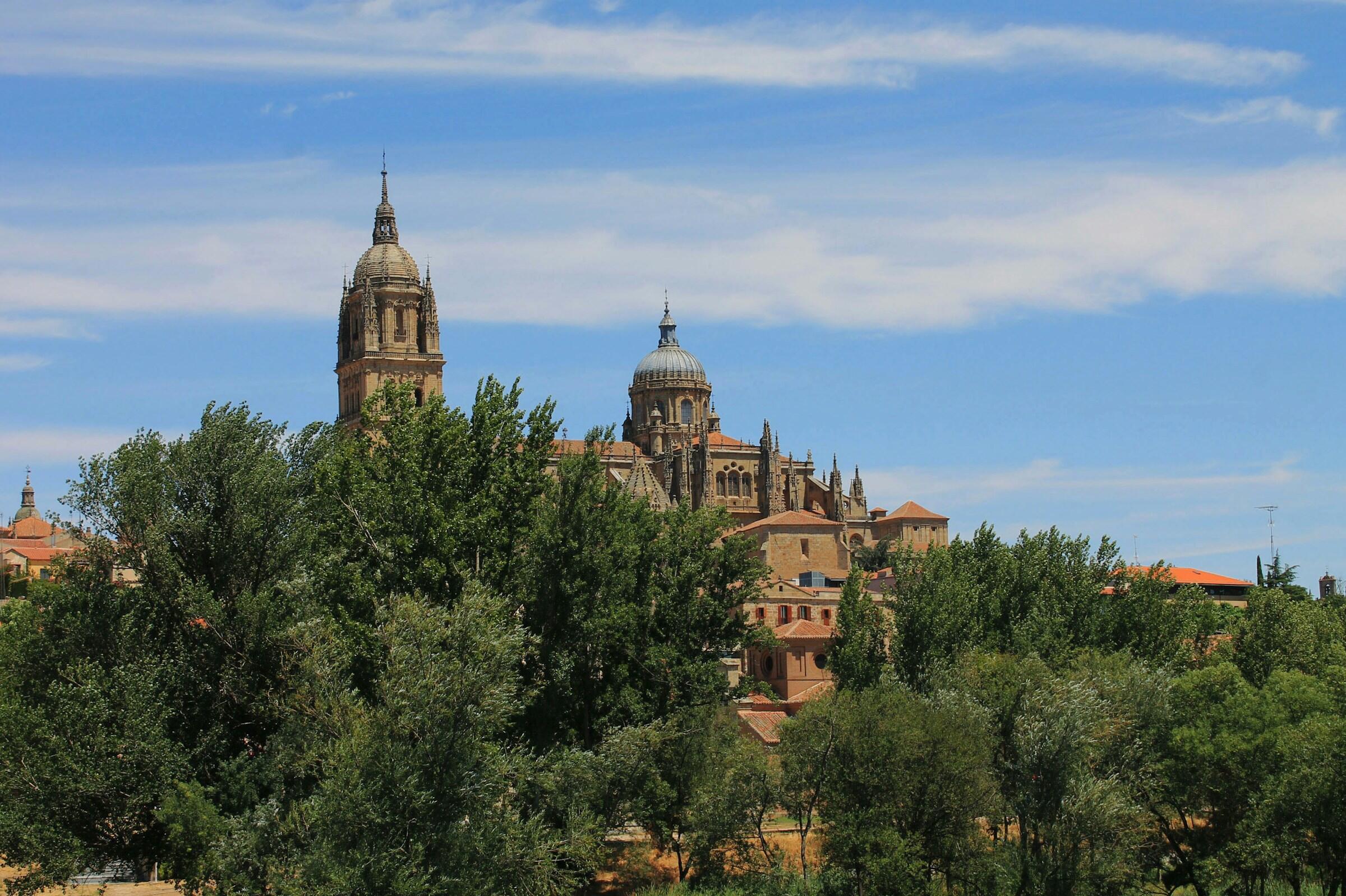
Salamanca is famous for its sandstone architecture (with buildings with stunning views at sunrise and sunset) and fantastic student atmosphere; the University of Salamanca, founded in 1218 by King Alfonso IX, is one of the oldest in Europe and has a prestige far beyond Spain. The city comes alive in the evenings, so if you want an authentic experience, go out a bit later than you would normally.
While you’re there, don’t forget to try hornazo, an oven-baked pastry stuffed with ham, sausage, bacon, and egg and chanfaina (lamb stew).
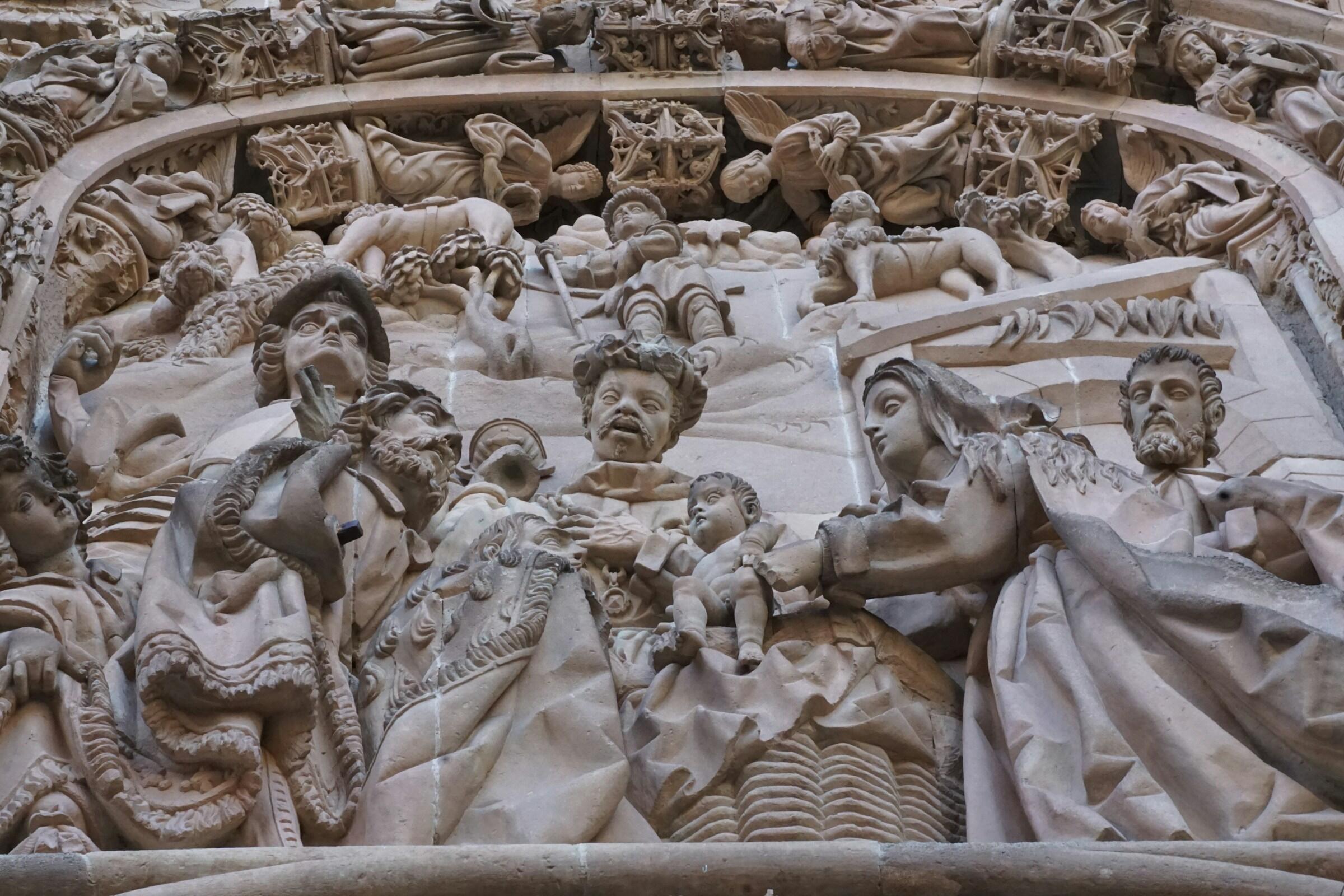
There’s a fun fact about the New Cathedral of Salamanca. If the curious observers get close to Puerta de Ramos, there’s a mysterious astronaut carved in stone. The modern touch was approved by the church and added in 1992 by stonemason Miguel Romero.
Salamanca is small, so you can easily get everywhere on foot, your list of must-visit places should include:
3. Zaragoza
Zaragoza, is less touristy than other major Spanish cities, which helps preserve its authentic character. The capital of the Aragón region in northeastern Spain is located on the banks of the Ebro River. The city blends Roman ruins, Islamic heritage, and Baroque architecture.
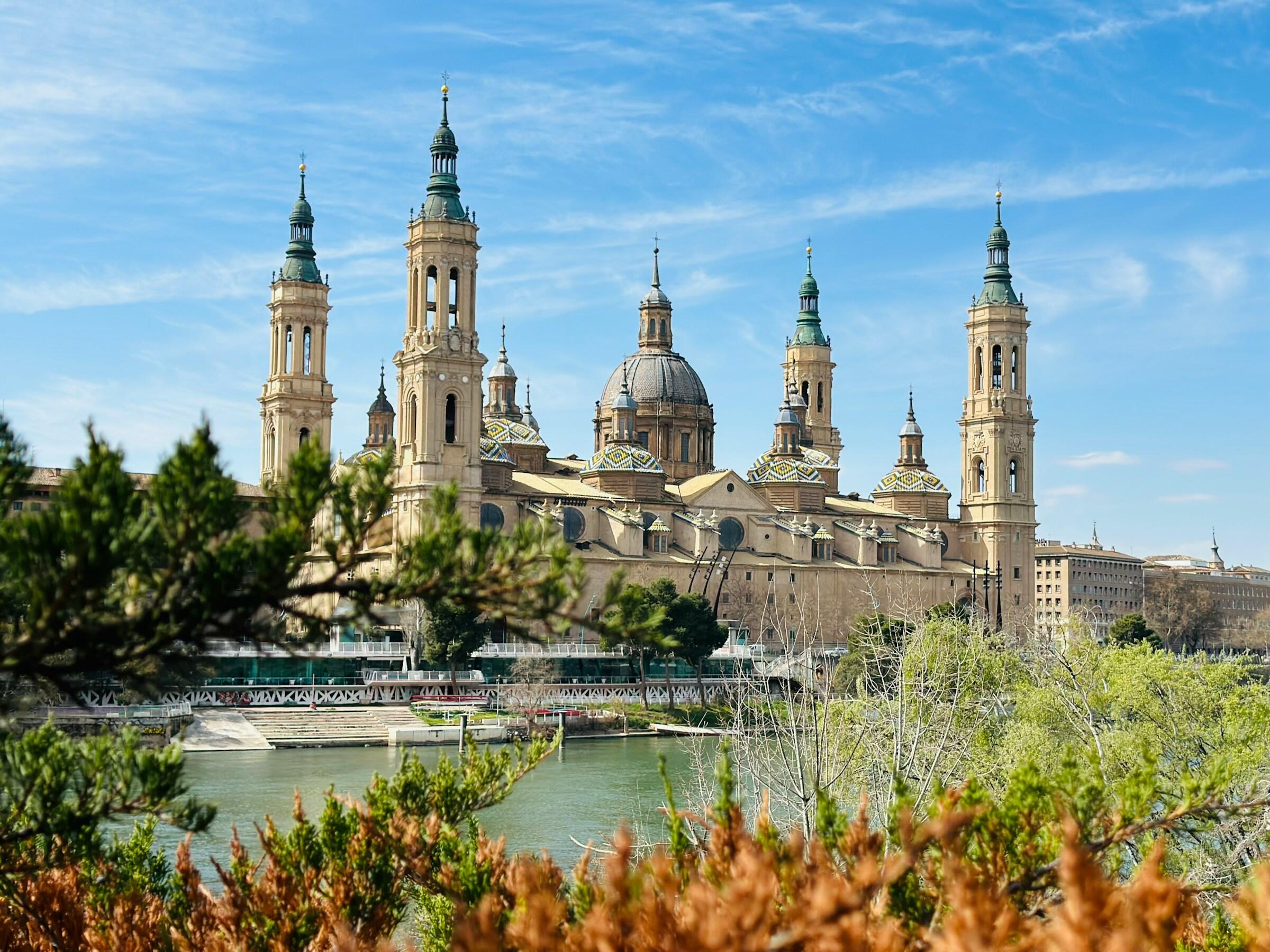
When it comes to its delicious dishes, you can try ternasco de Aragón (roast lamb), migas made with bread, garlic, and chorizo, and borrajas, a local vegetable usually cooked with cod and in stews. As for the must-visit places or dates for your trip to Zaragoza, you must definitely consider:
⛪️ Basilica of Our Lady of the Pillar (El Pilar): THE landmark in Zaragoza. Note that it’s free to get in, but you need to pay 5€ to go up in the towers.
🕌 Popular landmarks like the Aljafería Palace - the best place to admire Moorish architecture outside Andalusia- can fill up quickly, go there early to escape the crowds.
🇪🇸 Fiestas del Pilar: Don’t miss these October celebrations in honour of the Virgen del Pilar, patron of the city.
4. Girona
If there is something that comes to mind when we think about Girona is charming and...Game of Thrones. If you’re a Game of Thrones fan, you might recognize different settings from the popular TV show, especially Braavos and King’s Landing.
Girona's colourful houses await you to be admired on the riverbanks. Actually, is called “The City of Four Rivers” because the Ter, Onyar, Güell, and Galligants rivers converge there, creating a picturesque and enchanting cityscape.
If you’ve had enough of strolling on its medieval streets and of the Gothic and Baroque façades, you can also take a bike and explore the surroundings. It’s less well known, but Girona has developed high-end cycling offerings in recent years, and it's becoming increasingly popular among bike lovers from all over the world. Two places you must include in your trip to Girona are:
🧱 The City Walls (Passeig de la Muralla): If you haven’t had the occasion yet to explore a city from its medieval walls, now is the moment. Admire Girona and the four rivers from above.
🍤 El Celler de Can Roca: A world-famous Michelin three-star restaurant, perfect for gastronomic enthusiasts.
5. Alicante
Welcome to the West Coast of Spain, on the Costa Blanca. Welcome to Alicante. Known for its port, sunny weather and laid-back Mediterranean attitude, Alicante has everything to seduce visitors. What’s more impressive than a castle on the hill overlooking the Mediterranean Sea? Maybe it's dishes inspired by the sea. Try the arroz a banda, a rice dish cooked with fish broth and calamari, or turrón, a sweet almond nougat.
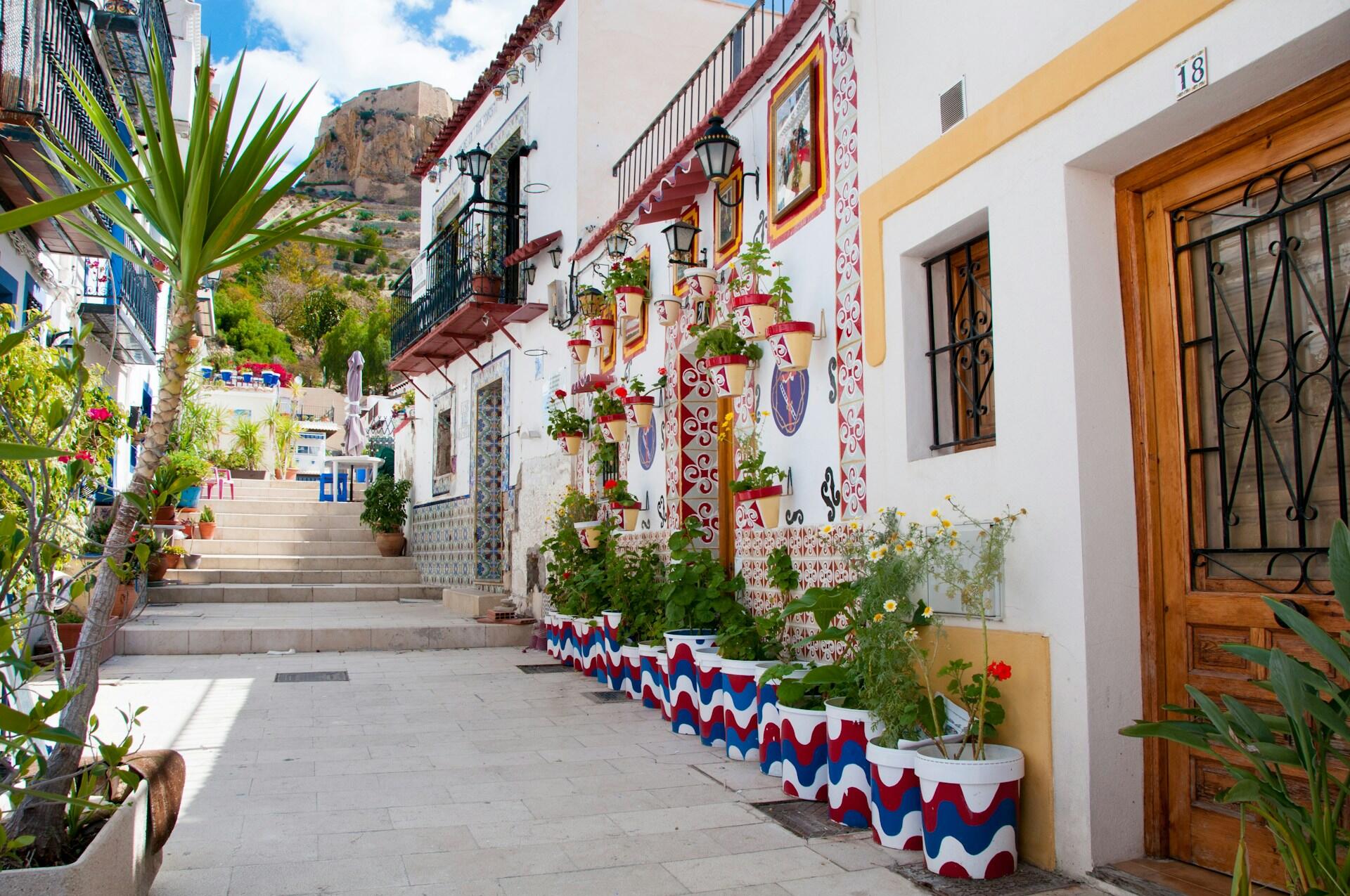
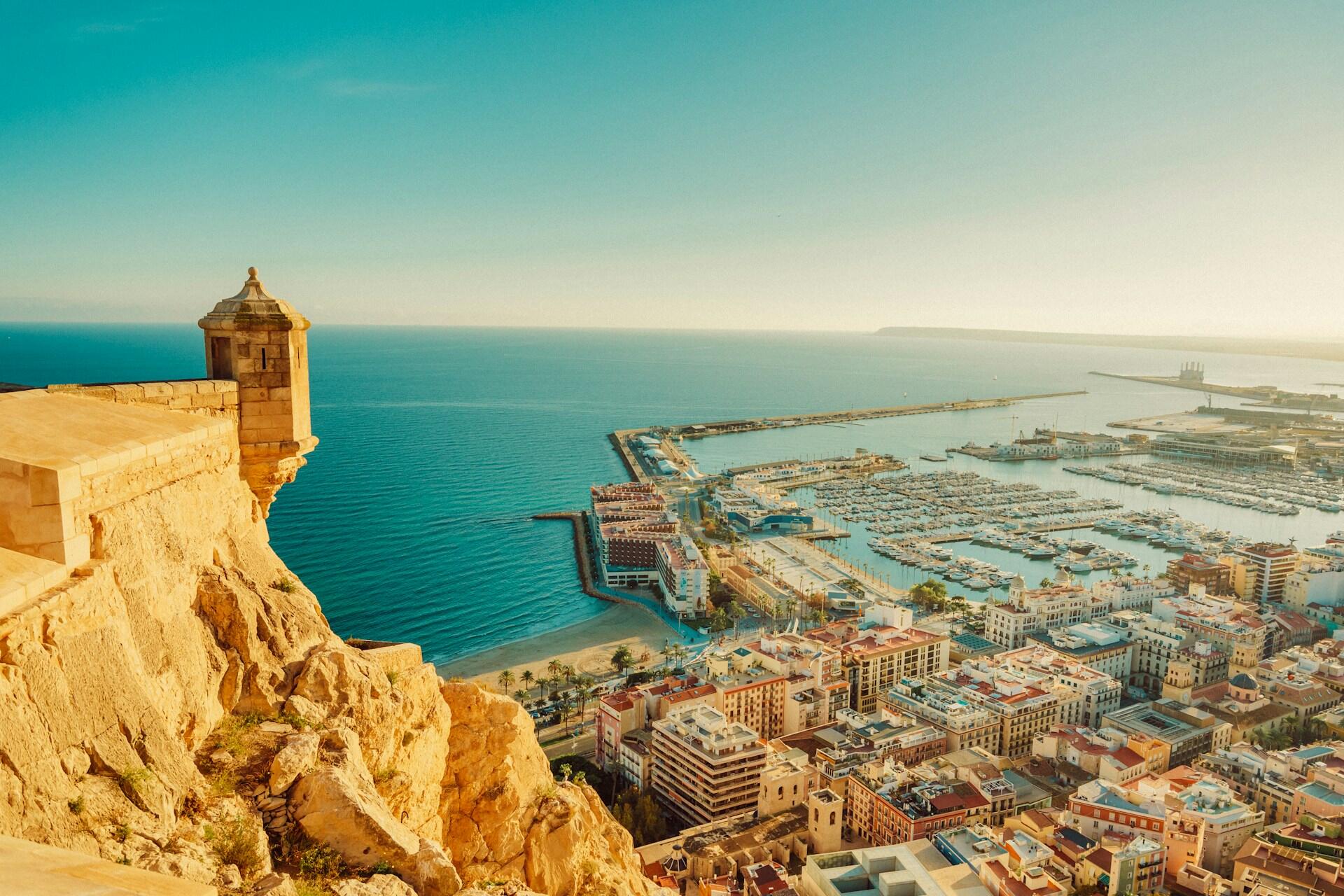
Also, the beach awaits for you in Alicante. The summer is hot, hot, hot here. And while the city offers enough to keep you busy for a few days, its surroundings are stunning and less crowded,
📍Must-Visit Places in Alicante
🏨 Practical Travel Tips for Exploring Spain
There are many transportation options between cities; Spain's transport system is overall in good condition making it very easy to get from one place to the other. It all depends on your budget, time, and preferences. The fastest way is usually by high-speed train when the trajectory allows. Some pro tips you want to add to the itinerary:
- Get the best prices by booking in advance. For trains, several companies offer top-quality services, including Renfe, OUIGO, and iryo.
- If you prefer the bus, look for Alsa or FlixBus.
- Carpooling is also very popular in Spain, and the prices are often unbeatable. For the best prices, you’ll have to check BlaBlaCar.
🛌 Accommodation
Once you decide on your type of stay, you can look into hotels, hostels, apartments, or rural houses. If you’re in the North doing the Saint James’ way, look for albergues, special accommodations for pilgrims.
Always uses reliable booking platforms Booking.com, Expedia, Hotels.com for hotels, and Hostelworld.
Cultural etiquette and language tips for a trip to Spain
Summers can be really hot in Spain, and nothing can be done in the afternoon. Nothing but enjoying a good siesta. Shops are usually closed between 2 and 5 pm. Live like a local and nap, nap, nap.
Improve your Spanish to Discover Spain!
Learn beginner Spanish phrases with Superprof to achieve fluency and travel to Spain. Our one-on-one private tutoring is custom-tailored to your specific objectives and requirements, making mastering the language more achievable than you might expect. ¡Vamos a empezar!
With Superprof, you will benefit from personalized attention, setting you on the path to mastering Spanish quickly. Prepare yourself for an exceptional gastronomic adventure and stunning scenery. Are you ready? Bienvenido a la familia de Superprof!
Summarize with AI:
Did you like this article? Leave a rating!

 Loading...