
Key Takeaways
- Professional swimmers compete at high national or international levels, often with support from sponsorships, federations, or prize earnings.
- Success in swimming requires more than talent, it takes years of training, mental toughness, and consistent discipline.
- Athletes must develop core skills like explosive strength, endurance, flexibility, and race strategy to meet competition requirements.
- Building a professional career often starts with competitive swim clubs and grows through national and international meets.
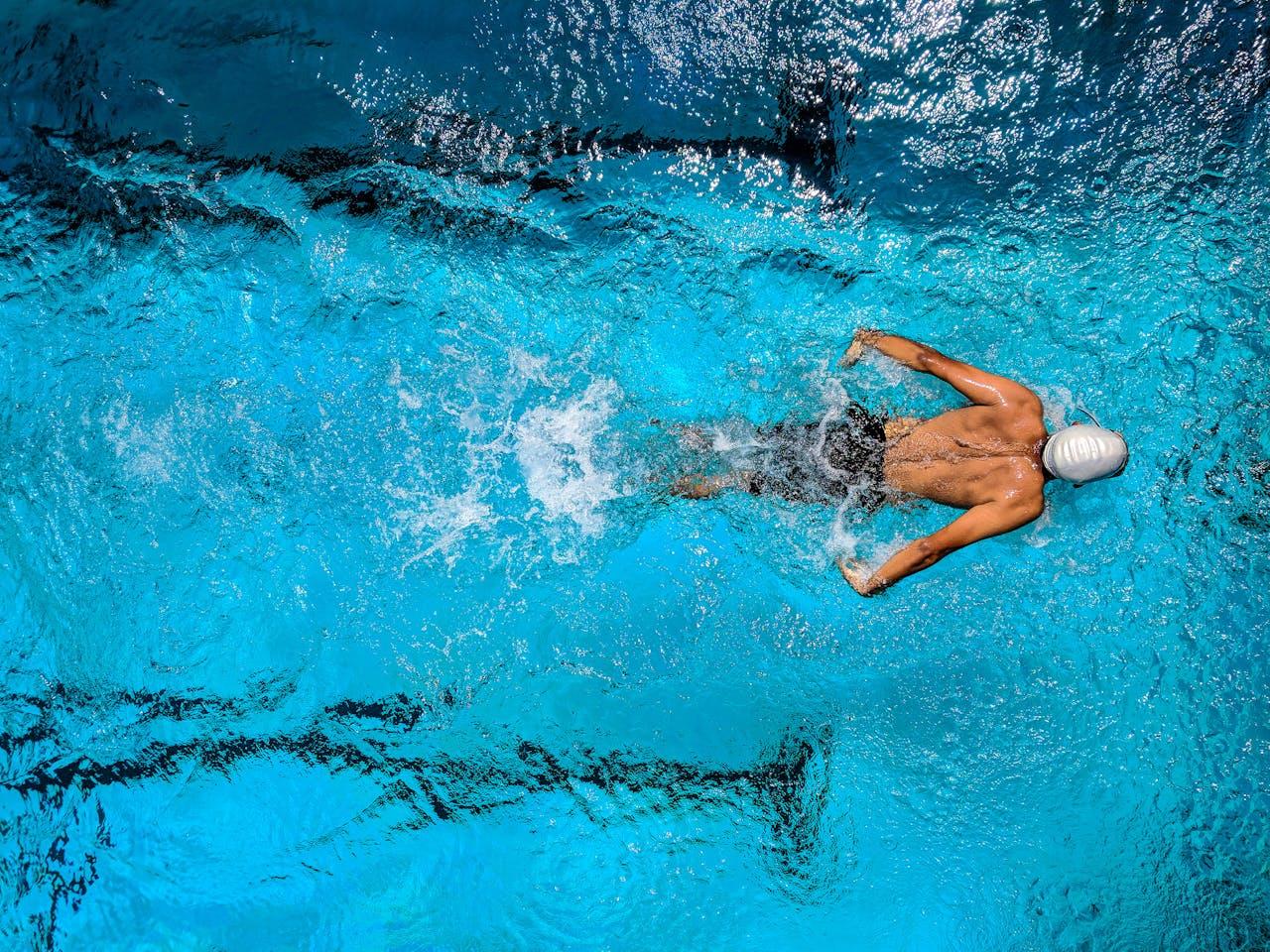
Becoming a professional swimmer takes more than just talent, it requires years of dedication, disciplined training, and mental resilience. From mastering strokes and building endurance to learning how to fuel and recover properly, swimmers train like elite athletes across multiple disciplines.


Understanding the Path to Professional Swimming
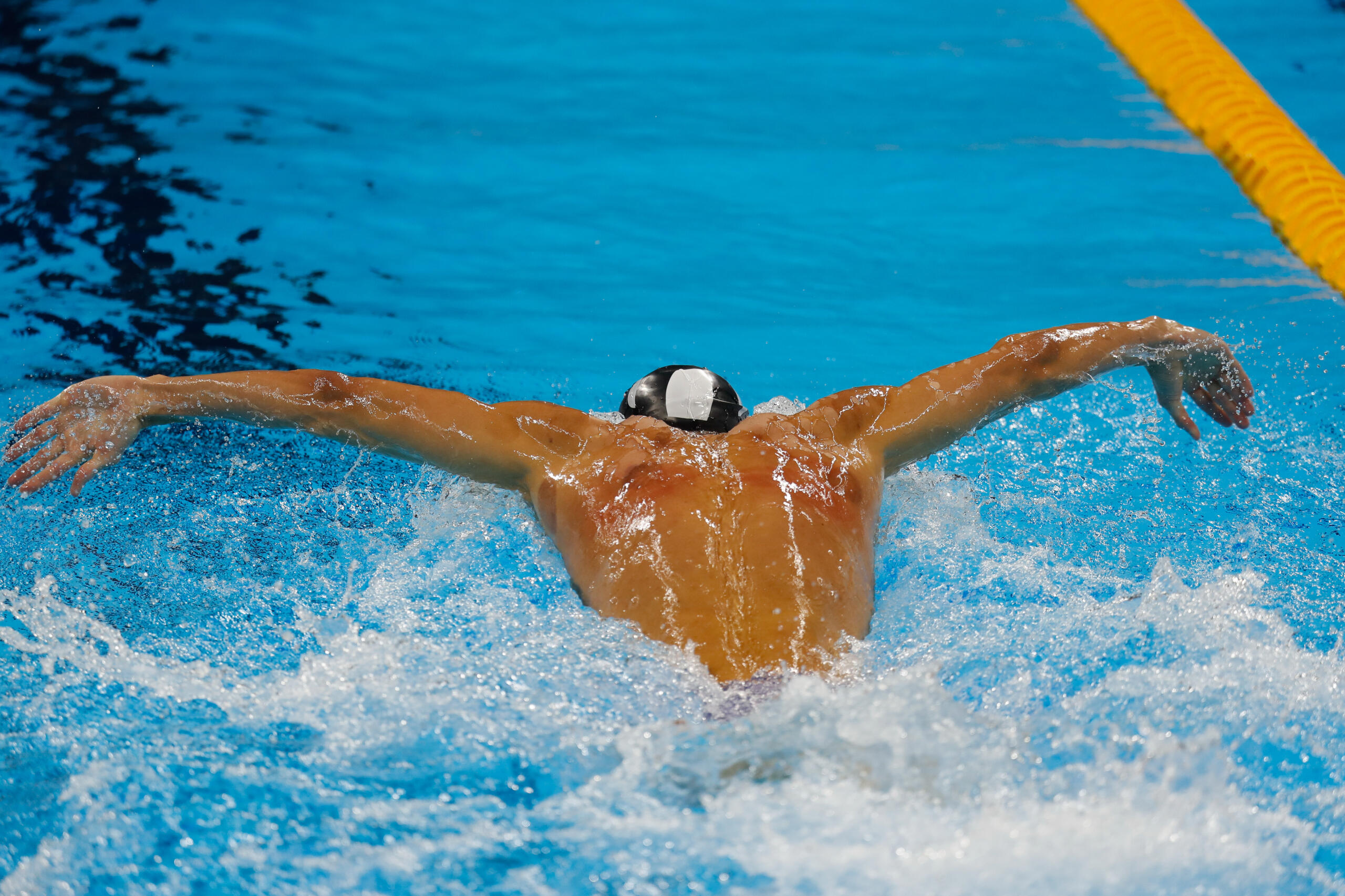
Before thinking about medals or big competitions, it’s helpful to understand what being a professional swimmer really means. Whether your goal is to swim in the Olympics or build a long-term swimming career in Canada, it takes more than just practice in the pool.
Defining a Professional Swimmer
A professional swimmer is an athlete who competes at the highest level of the sport, nationally or internationally, and often earns income through sponsorships, endorsements, or prize winnings. These swimmers dedicate years to training, refining their technique, and maintaining peak physical and mental condition to perform against elite competition.
Professional swimmers may compete in events such as the Olympic Games, World Championships, or Commonwealth Games, often representing their country or professional swim clubs. In Canada, many start their journey in local competitive swim clubs, gradually advancing through provincial and national meets before reaching international stages.1
Canada’s high-performance swimmers typically enter the national development pathway in their early teens, training up to 25+ hours per week by the time they reach elite levels
Essential Skills and Attributes
Becoming a professional swimmer takes more than just strong strokes in the water. The best swimmers combine physical ability with mental focus and long-term discipline. Here are some of the key skills and traits they build over time:
Swimmers need to have excellent cardiovascular fitness and stamina to compete at a high level. Endurance training typically involves swimming long distances at a steady pace, building up to more intense interval training as the swimmer progresses.
Strength training is an important component of swim training, as swimmers need to have strong upper body and core muscles to power their strokes. Strength training can include exercises such as weight lifting, pull-ups, push-ups, and core work.
Swimmers need to be flexible to perform their strokes effectively and avoid injury. Stretching and mobility exercises are an important part of swim training.
Professional swimmers need to be mentally tough, able to stay focused and motivated during long training sessions and competitions. Mental preparation can include visualization exercises, goal setting, and strategies for dealing with pressure and nerves.
Most professional swimmers train six days a week, and many continue year-round, even during holidays or school breaks. Skipping sessions isn’t really an option, progress in swimming is all about showing up, day after day.
At the professional level, swimming isn’t just about speed, it’s also about smart decision-making in the water. Swimmers need to understand how to pace themselves across different distances, when to hold back, and when to sprint.
Comprehensive Training Regimen
Behind every successful swimmer is a carefully balanced training plan that combines technique, power, and recovery. A professional swimmer’s regimen covers everything from stroke precision to strength work on land and proper rest between sessions. Each of these elements helps athletes progress safely, build endurance, and stay competitive while meeting competition requirements at higher levels.
Core Swimming Techniques
At the heart of professional swimming is technical mastery. Swimmers must develop efficient and powerful form in all four competitive strokes:
Freestyle
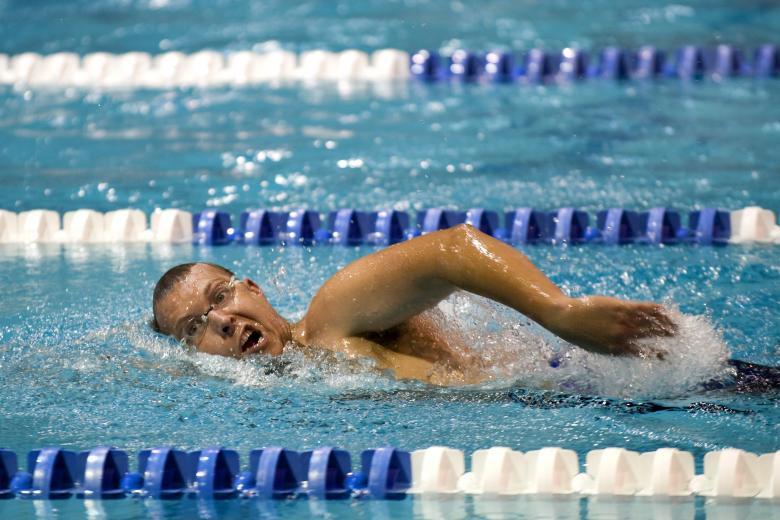
The fastest and most common stroke in competition. Freestyle requires strong flutter kicks, controlled breathing, and streamlined movement.
Backstroke
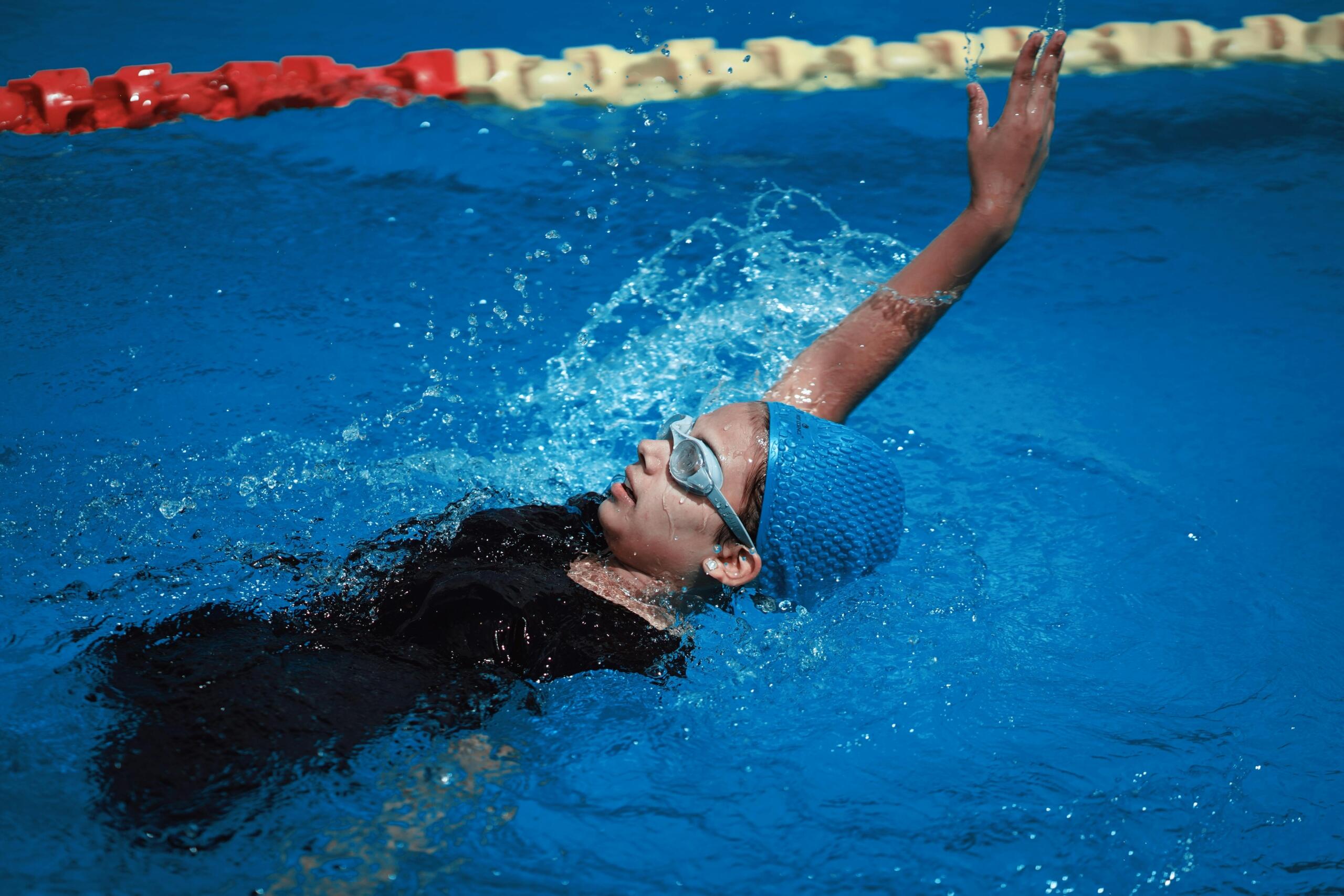
Swum on the back, it demands excellent body alignment and rhythm to reduce drag and maintain speed.
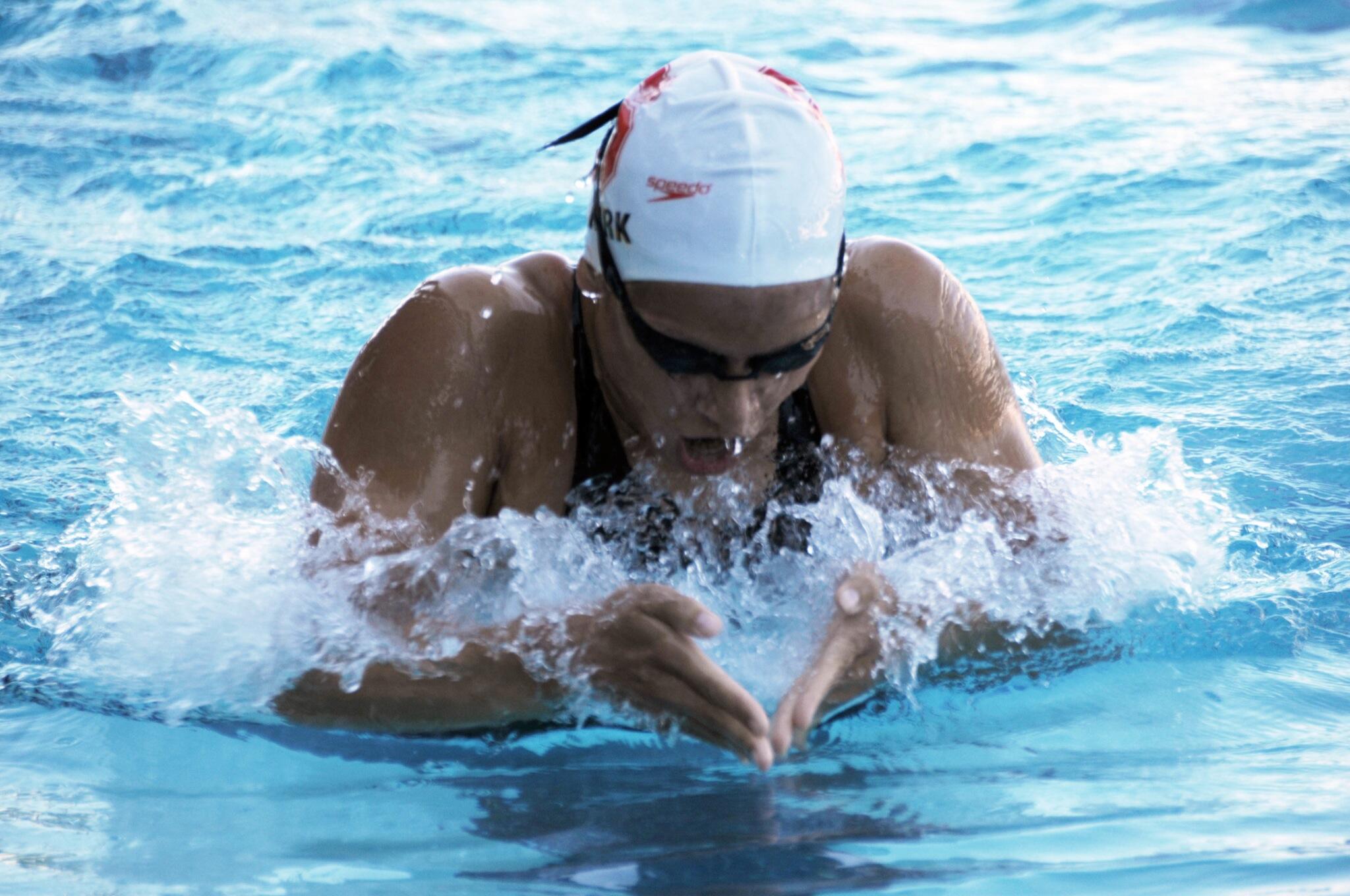
Breaststroke
A more technical stroke that emphasizes timing and glide. It’s often the slowest but requires the most coordination.
Butterfly
Known for its power and difficulty, this stroke uses simultaneous arm movement and a dolphin-like kick, requiring both strength and rhythm.
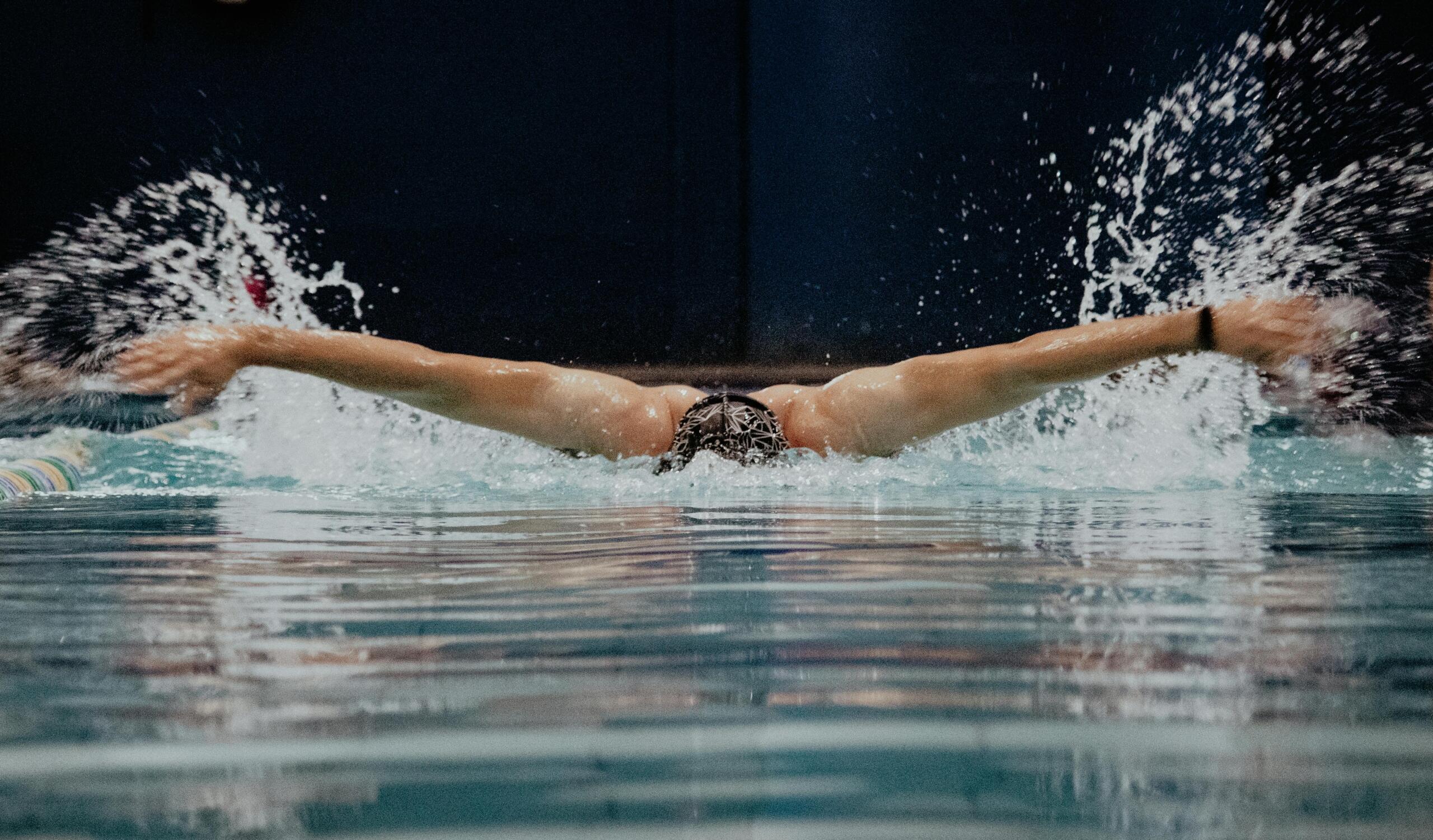
Each stroke requires years of practice to refine, from body position to breathing and timing. Mastering these techniques is essential for any swimmer aiming to compete at a high level.
Below is a video breakdown that shows how elite swimmers perfect their form across all four strokes👇
Strength and Conditioning
To compete at a high level, athletes need full-body strength, stability, and coordination, and that’s where dryland training comes in. These workouts help swimmers move more efficiently, prevent injuries, and build the power needed to push off the wall, maintain speed, and finish strong.
Many professional swimmers train with a mix of:
- Core exercises to improve balance and streamline movement
- Leg work like squats and jumps for explosive power
- Upper-body strength to support powerful strokes
- Mobility training to reduce stiffness and avoid injuries
- Speed and agility drills to sharpen reaction time
Dryland training becomes more structured and intense over time. It’s part of what separates casual swimmers from those aiming to go pro.
👉 Want to see what this looks like in action? This short video shows how Olympic swimmers train both in the water and in the gym.
Nutrition and Recovery
Swimming puts a special demand on the body, working nearly every major muscle group. That level of physical output requires careful attention to what goes in (nutrition) and how the body resets between sessions (recovery).
Here’s a little on how elite swimmers support performance, both in and out of the water:
- Protein helps repair muscle and support growth. Athletes typically aim for 1.2–2.0 grams per kilogram of body weight per day, with high-quality protein consumed throughout the day, especially after workouts.
- Fats play a role in hormone health and energy balance. At least 20–25% of total daily calories should come from fat, especially during low-intensity training phases.
- Hydration is essential, even for swimmers surrounded by water. Most aim to drink 5–7 ml of fluid per kg of body weight about 4 hours before training or competition. Electrolytes are often included during long or intense sessions.
A well-balanced plan ensures swimmers can stay consistent, train harder, and avoid setbacks from fatigue, illness, or under-fueling. These habits become even more important when considering how long professional training takes, often many years of sustained effort.2
Swimmers also prioritize recovery with routines like stretching, mobility work, ice baths or massage, active recovery days, and plenty of sleep (usually 8–10 hours). These habits help the body recharge, lower injury risk, and stay energized through long, demanding training blocks.
Don’t overlook micronutrients, vitamins like iron, D, and magnesium quietly support energy, recovery, and immunity, making them essential for swimmers’ long-term performance.
Time Commitment and Progression
Swimmers typically train for several hours a day, six days a week, often under the guidance of a coach or training program. The specific training regimen will depend on the individual swimmer's goals and abilities, as well as their stage of development.
Training Duration and Intensity
The path to professional swimming often begins in early childhood, with many athletes joining swim clubs before age 10. Training at this stage typically involves 3–5 sessions per week focused on technique, water confidence, and foundational skills.
As swimmers advance into their teens and compete at higher levels, the commitment grows. National-level swimmers usually train 6 days a week, often with both morning and afternoon sessions. This amounts to 15–20 hours in the water, plus additional dryland training. During peak periods or training camps, the load can be even higher.
Milestones and Goal Setting
Progress in swimming doesn’t happen overnight, it’s a series of small, consistent wins. Setting clear, realistic goals helps swimmers stay motivated and track their development across months and years.
For beginners, goals might include mastering all four strokes, improving turn techniques, or hitting specific time benchmarks in local meets. As swimmers advance, they’ll set targets like qualifying for regionals, nationals, or achieving personal bests in specific events.
It's not about being the best. It's about being better than you were yesterday.
Florent Manaudou (Olympic Gold Medalist)
The key is to balance short-term goals (e.g., shaving a second off your 100m freestyle) with long-term goals (like competing at the collegiate level). Keeping a training journal, using apps, or working closely with a coach can help swimmers monitor progress, adjust strategies, and stay on track.
After all, becoming a strong swimmer isn’t just about raw talent; it’s about showing up, tracking what matters, and playing the long game.
Remember to celebrate small milestones, like improved endurance, faster splits, or better starts. This will help you build confidence.
Alternative Routes to Success
Not every professional swimmer follows the same path. Every swimmer who decides to go pro will follow a different timeline for becoming the best swimmer they can be. Some get to take the fast track through national programs, while others find their stride later through college competitions or international meets that open new doors.
Collegiate Swimming Programs
For many aspiring professional swimmers, college offers a critical stepping stone. Universities in Canada and abroad (especially in the U.S.) offer structured training environments, experienced coaching staff, access to sports science support, and regular high-level competitions. Collegiate swimming helps sharpen technical skills and develop the mental resilience, consistency, and competitive edge needed to transition into the professional level.
Many universities and colleges in Canada also offer scholarships for talented swimmers. This can give athletes the opportunity to pursue higher education while continuing to swim competitively, often with reduced financial pressure.
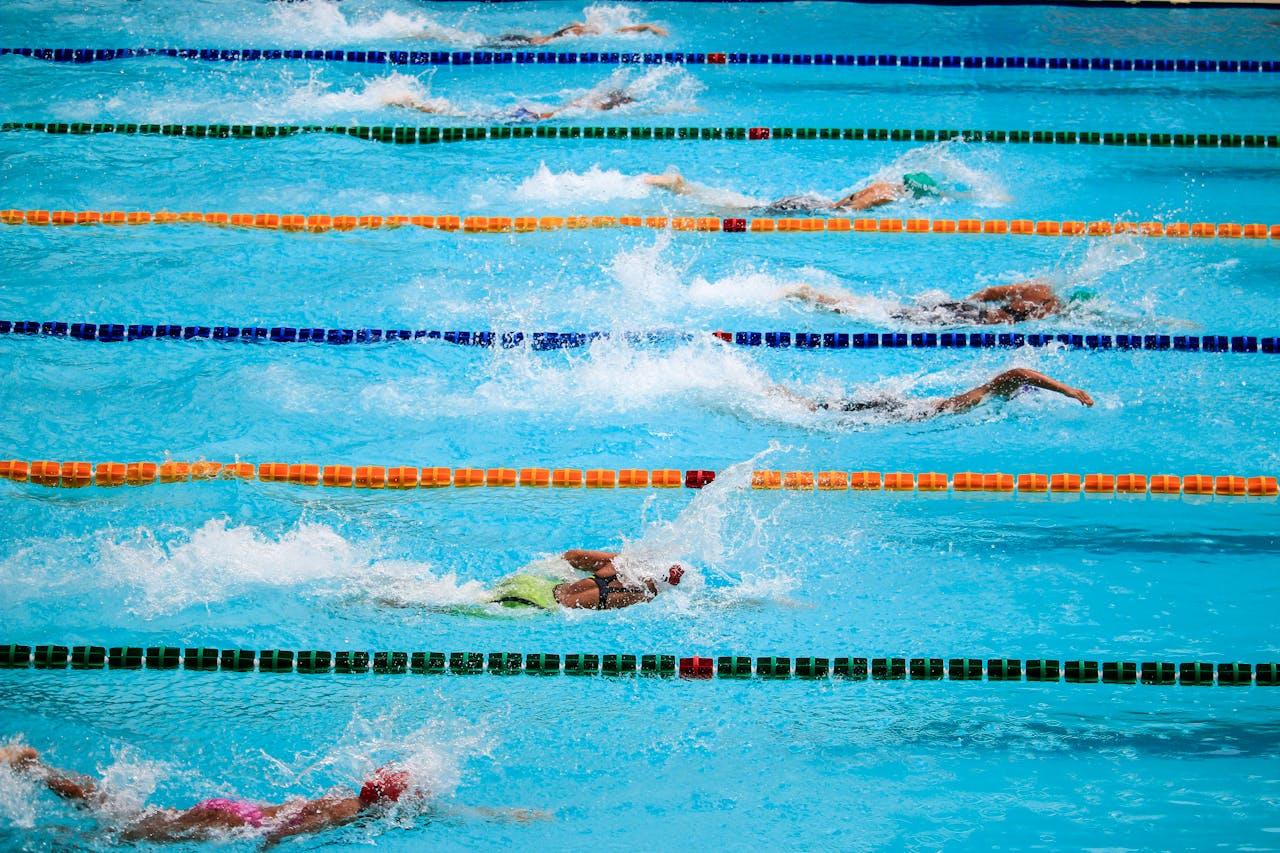
To set the stage for future success, families should look for clubs with Swimming Canada–certified coaches, a strong swimmer-to-coach ratio, and a proven track record of developing athletes. The right coach helps build better technique but also confidence, discipline, and long-term growth, and can often play an important role in helping athletes get noticed by their dream college or university swim programs.3
Platforms like Superprof can also help swimmers find qualified coaches for personalized guidance or additional support outside of club practice.
Choosing the right training environment early on can make all the difference when it comes time to stand out in college recruitment, and from there, open doors to national teams, global competitions, and eventually, professional swimming.
Here are some of the top Canadian universities known for their competitive swimming programs, coaching, and athlete support; all key stepping stones for swimmers who dream of going pro👇
| University | Location | Key Features |
|---|---|---|
| University of Toronto | Toronto, ON | Top 3 in U SPORTS rankings; access to high-performance coaching and sports science resources. |
| University of British Columbia (UBC) | Vancouver, BC | Ranked #1 in U SPORTS for both men’s and women’s swimming; elite facilities and coaching. |
| University of Calgary (UCalgary) | Calgary, AB | Consistently top 2 nationally; strong training culture and competitive team environment. |
| McGill University | Montreal, QC | Regular top placements; known for combining athletics and academic excellence. |
| University of Alberta | Edmonton, AB | Ranked top 5 for both men’s and women’s swimming; strong development programs. |
| Western University | London, ON | Appears regularly in top 10 for women’s swimming; supportive athletic community. |
| University of Victoria (UVic) | Victoria, BC | Competitive U SPORTS team; strong focus on athlete development and coastal training access. |
| University of Ottawa | Ottawa, ON | Top 10 for both men and women; bilingual programs and strong swim culture. |
| Simon Fraser University (SFU) | Burnaby, BC | Only Canadian university in the U.S.-based NCAA system; unique international exposure. |
International Competitions and Exposure
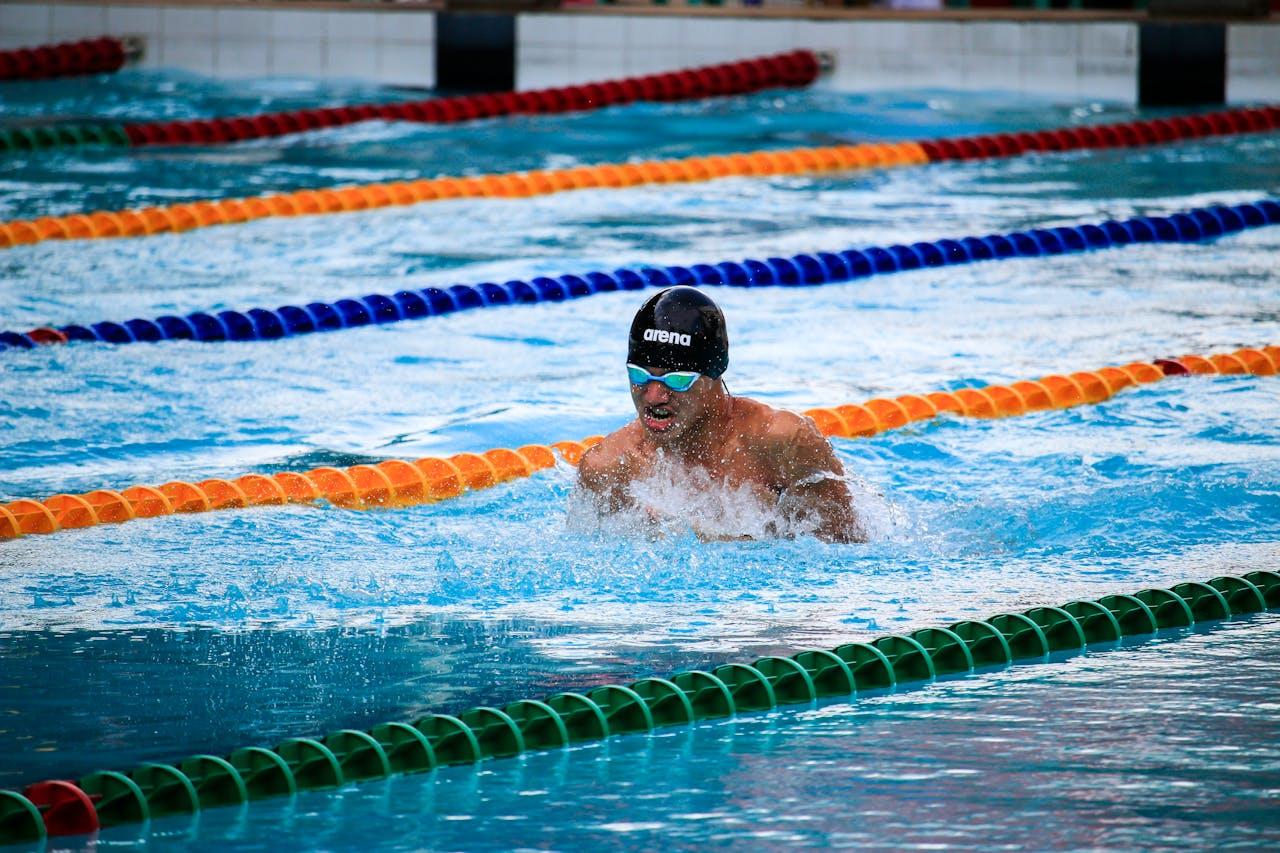
Once a swimmer reaches a competitive level, international meets offer a great way to gain recognition, test their skills against world-class athletes, and attract the attention of scouts and sponsors. Events like the FINA World Championships, Pan Pacific Championships, and Olympic Trials are more than just races, they’re platforms that shape careers and open doors to professional opportunities.4
When swimmers start competing at this level, it’s also a good time to look for sponsorship. Many companies want to support rising athletes with money, gear, or travel help, making it easier to keep training and competing.
However, getting to this level usually starts much closer to home. High-performance training environments, whether it's local swim clubs, provincial centers, or university pools, are very important when preparing athletes for international stages. Swimmers should train at places that are well-kept, have good equipment, and are led by experienced coaches, with access to proper lanes, timing systems, strength rooms, and recovery areas.
While international exposure builds reputation and resilience, it’s the daily grind in local pools that lays the foundation.
References
- T.B.G.| (2024) Pool swimming, Swim BC. Available at: https://swimbc.ca/swimmers/pool-swimming/ (Accessed: 31 October 2025).
- Domínguez, R. et al. (2017) Nutritional needs in the professional practice of swimming: A Review, Nutritional needs in the professional practice of swimming: a review. Available at: https://pmc.ncbi.nlm.nih.gov/articles/PMC5772075/ (Accessed: 01 November 2025).
- (No date) National Coaching Certification Program (NCCP) - swimming canada. Available at: https://www.swimming.ca/national-coaching-certification-program-nccp/ (Accessed: 01 November 2025).
- Swimming Competitions (no date) World Aquatics. Available at: https://www.worldaquatics.com/swimming/competitions (Accessed: 01 November 2025).
Did you like this article? Leave a rating!


 Loading...