


It should come as no surprise to anyone that nursing is a challenging area of study. As a nurse, you may find yourself working with people when they are most vulnerable, providing healthcare advice for parents of sick children, or handling crisis after crisis in an emergency room - just to name a few scenarios.
Nurses are at the very frontlines of the healthcare system, navigating situations that range from the predictable to chaotic, providing services to those who may or may not be cooperative.
Nurses provide hands-on care for everyone including the elderly, young infants, and people of all ages with different conditions and ailments. To handle so many different scenarios, nurses must have a skillset that are essential for the job.
Nursing is a highly respected profession where you can help others and support a constantly evolving healthcare system. Find out more about how to become a nurse in Canada.
Let us never consider ourselves finished, nurses. We must be learning all of our lives.
Florence Nightingale


The Top Skills Needed for Nursing
1. Clinical Competence
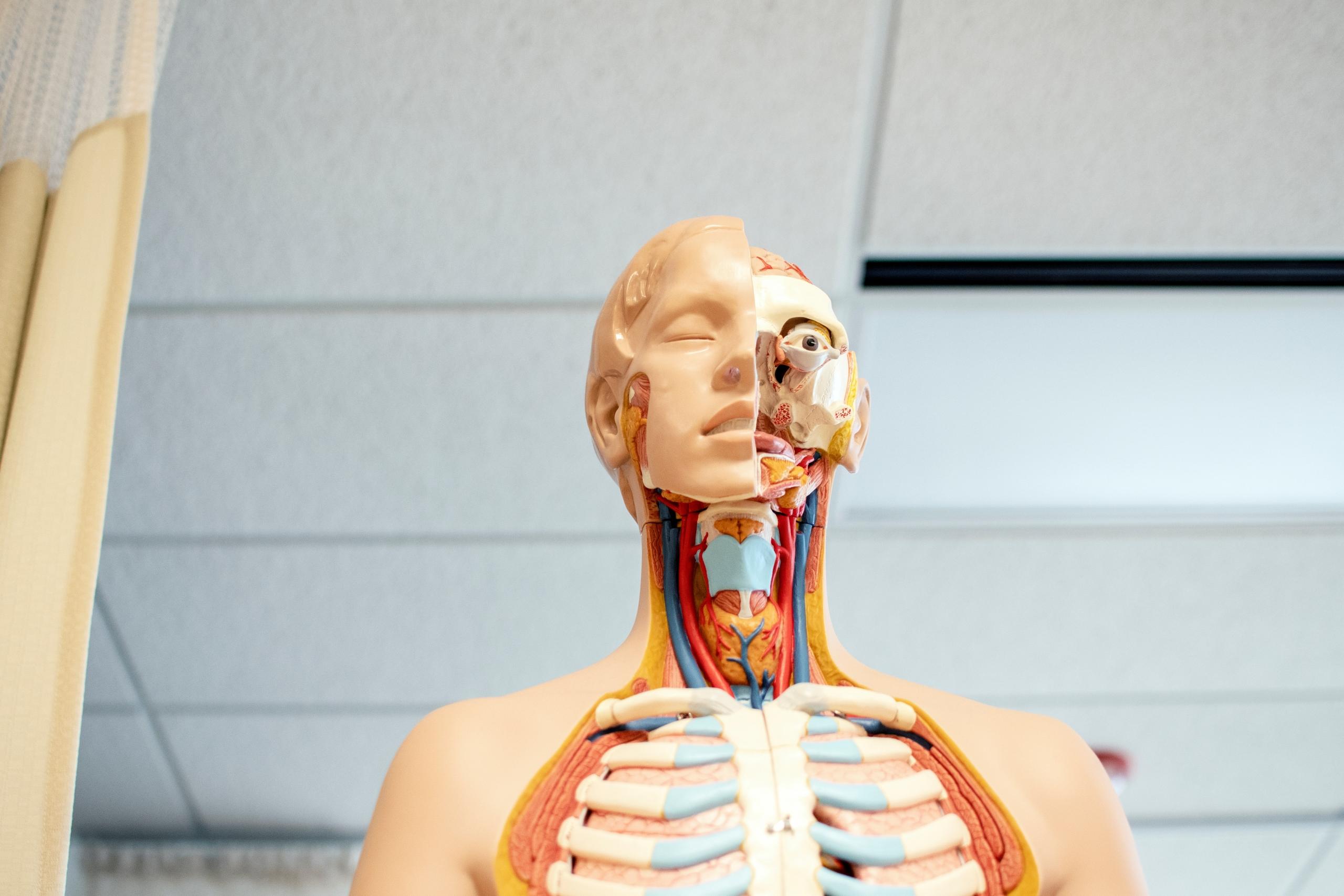
The first and most valuable skills for a nurse to have are related to clinical competence: not only having knowledge of complex medical treatments and human anatomy, but proficiency in applying that knowledge in practical contexts.
Administering medication at the right dose, drawing blood, dress wounds, gather samples, and being able to assess symptoms are part of the training nurses receive through Canada’s rigorous licensing system.
2. Ability to Use the Latest Medical Technology
The healthcare world is modernizing at an amazing pace with so many new technologies being made available in hospitals and healthcare centres. Some equipment can be complex - being able to use technologies competently is a critical skill.
3. Detail-Oriented
As a nurse, the details matter - being able to notice symptoms, behaviours, and patterns in patients is key to providing care. Nurses must write reports and logs, share observations at meetings or shift changes.
Nurses must also be mindful of keeping their workspaces clean and hygienic, and keeping a close watch on their patients so they are supported in case of a crisis or sudden change in their condition.
Studying nursing in Canada requires years of study and comprehensive exams - but it will all pay off when you find that first job.
4. Interpersonal Communication Skills
Nurses are often at the frontlines of connecting with patients and their families, so being able to a build professional and caring rapport is key. As a nurse, you will often have to explain complex information in simple terms, while also showing empathy and care.
5. Professional Communication Skills
A nurse’s Communication skills must also be flexible enough to extend to professional contexts like meetings, collaboration with staff, and the endless paperwork and documentation that comes with the job.
6. Compassion
It goes without saying that nurses have to deal with some of the most difficult situations for patients and their families. Compassion is thus an essential skill: you must be trained on how to deal with sensitive situations that may even be hard to process as a healthcare professional.
7. Strong Work Ethic
Nurses, especially those that work in urgent care settings, must often work long shifts and continue working when there are shortages. In moments where your work is vital to the running of a hospital, it is important to feel connected and grounded in the work that you do.
Ensure that you understand your rights as an employee and that you practice self-care. While you will inevitably work hard, you also need to protect your energy for your own well-being and your family.
8. Cultural Sensitivity
Working in multicultural Canada will mean that you will encounter people that come from places all over the world, each with their own views and beliefs that may become visible in a patient’s most vulnerable moments.
Learn all about what takes to become a registered practical nurse or a registered nurse in Canada - one of the most rewarding and challenging professions you can choose.
Being sensitive and responsive to the wide range of cultures you will encounter as a nurse is important. Take time to listen and learn about issues that may come up due to cultural elements you may not be familiar with.
9. Adaptability to Urgent Situations
In a hospital, things can change and escalate quickly. Be ready to make changes at a moment’s notice, and respond to the situation at hand, whether it is handling a large influx of patients or adapting to new protocols.
Nursing is an exciting area to study that leads to stable, in-demand careers.
10. Resourcefulness
If you are working in rural, remote, or under-resourced regions, Canadian nurses need to be resourceful on the job when people, equipment, or materials are not immediately available.
11. Ability to Handle Stress
Nursing can get emotionally and physically draining, especially in tough and traumatic situations. You may witness a lot of suffering and death on the job, and it is a truly essential skill to carry on in the face of such experiences.
What Advice Should I follow as a Nurse-in-Training?
Plan Your Pathway
As with any career, you will find your journey much easier to navigate by planning as far ahead as possible. If you know you want to work in the healthcare field in secondary school, start by ensuring you have the courses to get into the programs of your choice.
For example, it is highly likely that you will need English, Biology, Chemistry, and Math courses to get into most healthcare related degrees and programs.

The best way to start is by looking at the admissions websites of the programs you want to be in, and selecting your courses accordingly.
If you have already graduated secondary school, there is no need to panic - you can upgrade your courses or acquire credits you need through continuing education programs in your local school board or even an academic bridging program in a college or university.
Photo: Retha Ferguson
Visit the nursing departments of the schools you want to apply to and find a guidance counsellor or staff member to help you plan.
Develop and Maintain Strong Learning Skills
We all like to have fun and make time for ourselves, but if you are pursuing a program like nursing in college or university you will need to develop a strong set of learning skills and habits to ensure you don't fall behind or miss opportunities to be successful on your assessments.
- Make time to read and study every day if you are studying full time, and mark test and exam dates on your calendar so you know when to anticipate an intense period of learning.
- Stay on top of your readings, form study groups if you prefer to learn with others, and maintain your calendars and to-do lists so you can be organized. Of course, make sure you allocate time for exercise and rest - you will need to be strong mentally and physically to meet the demands of nursing.
Think Strategically about Your Career
Knowing where you are going is important - make a point of asking yourself regularly where you see yourself in your career in 5 or 10 years. Use your clinical study time to think critically about different work environments.
Where do you enjoy the work the most? Which areas of nursing stimulate you? What do you find the most rewarding?
You may find that you love the problem-solving you do in a hospital, or prefer educating others in a community environment. Perhaps you love studying and want to attend graduate school to become a nurse practitioner.
Once you know where you see yourself in the future, you can start identifying what you need to do to get there quickly and find other professionals that can provide mentorship.
Will a Nursing School be Difficult?
Nursing lessons or courses will be challenging as you will need to learn a significant amount of content from a broad field. The training you receive as a nurse can make a major impact on the lives and well-being of patients, so you can expect a rigorous program.
The level of difficulty you experience in your nursing program will depend on the program you attend, the pedagogical strategies of your instructor, your own strengths and background knowledge in math and science, and the learning skills that you bring into the program. Plan ahead, know your weaknesses and learning needs, and you will likely find that you will be well equipped to be successful in the program.
Will I Need to take an Exam to Become a Nurse?
To become a nurse, you will need to obtain qualifications even after your program of study is complete. You will have to write the NCLEX, which determines your readiness to work as an entry level nurse in the field. You will also have to see about what other requirements are mandatory in the province you choose to practice in.
The NCLEX, or the National Council Licensure Examination for Registered Nurses, is a computerized test that is mandatory for nursing graduates to pass to be licensed as a Registered Nurse in Canada and the United States.
You will find many study guides on the market to support your learning and exam preparation, but the best way to ensure you are ready is to hire a tutor. Nursing tutors can help you with your classes, explaining new and unfamiliar concepts that you are having a hard time understanding.
They can review information with you before tests, give you feedback on assignments, and work with you to identify areas of need. If you are writing the NCLEX, a tutor can give you insights into the test and practice questions with you.
The NCLEX is an essential exam that nurses must take to practice. Learn all about how the NCLEX fits into the journey it takes to become a nurse in Canada.
Finding a tutor is easy thanks to Superprof Canada. Superprof is a site that connects students and tutors, and you will find many options in the area of nursing. Use the site to browse the profiles of tutors near you and message them directly to see if they will be a good fit. Get a nursing tutor on Superprof today!
Summarize with AI:
Did you like this article? Leave a rating!

 Loading...
