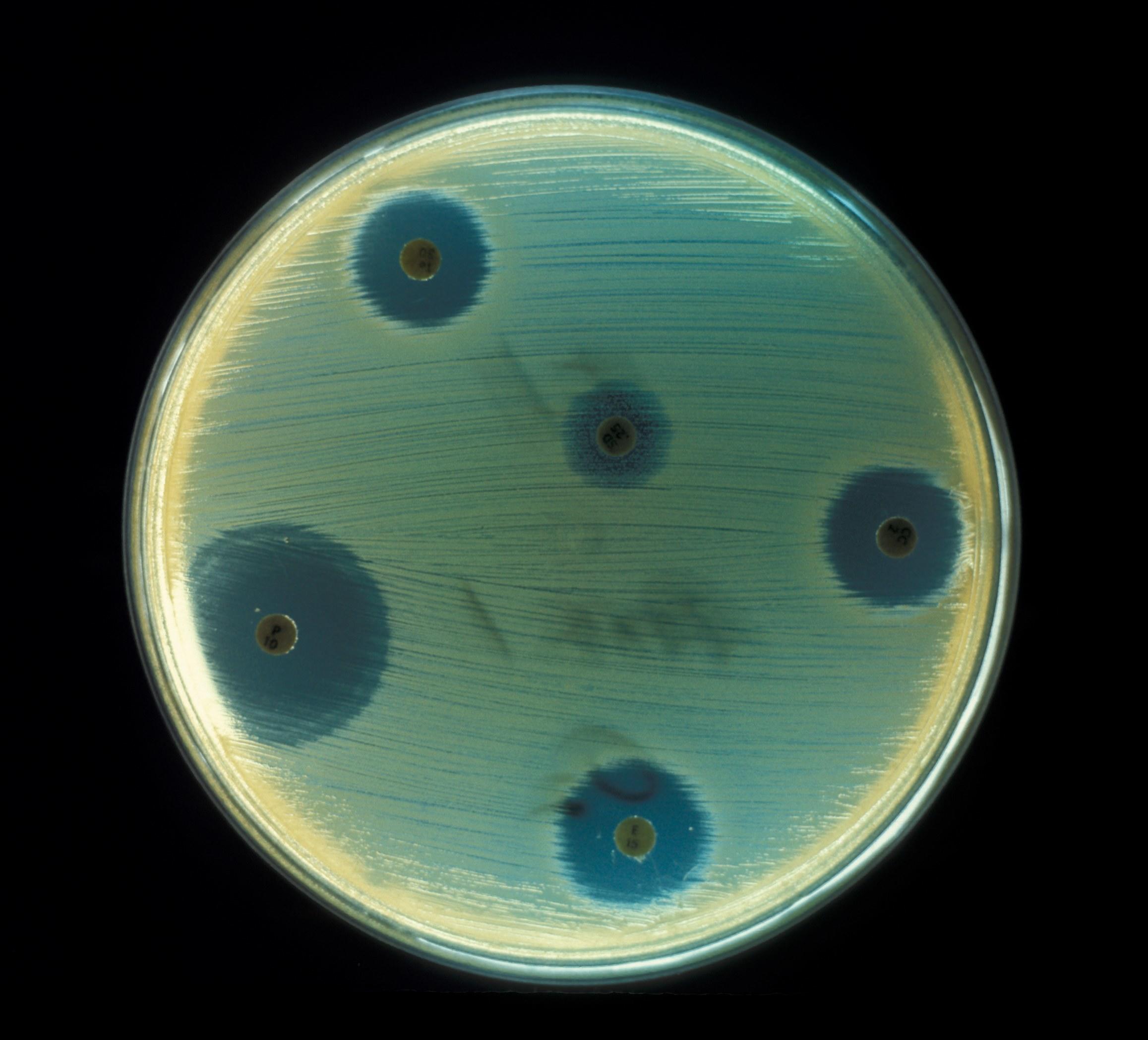

Can you imagine a life without antibiotics? Our hospitals would be flooded with patients, as there would be no effective treatments for many bacterial infections. Today, antibiotics are among the most commonly prescribed medicines, thanks to a discovery made in 1928 by the Scottish physician and microbiologist Alexander Fleming.
Fleming’s discovery of penicillin, the world’s first modern antibiotic, marked the beginning of the antibiotic era and transformed modern medicine. It also made him one of the most widely respected scientific figures of the 20th century, far beyond the field of medicine. 1
1928
Alexander Fleming discovered penicillin in his laboratory
1939
Australian pathologist Howard Florey and German biochemist Ernst Chain began extensive research on penicillin
1941
Albert Alexander became the first person to receive injectable penicillin
1942
Fleming treated patient with meningitis using their impure powder
1944
Penicillin was used to treat Allied soldiers who were injured in World War II
1945
Mass production of penicillin begins, making it now a widely available lifesaving pharmaceutical


🎓Early Life and Education
Alexander Fleming was born on August 6th, 1881, on a farm in Ayrshire, Scotland.
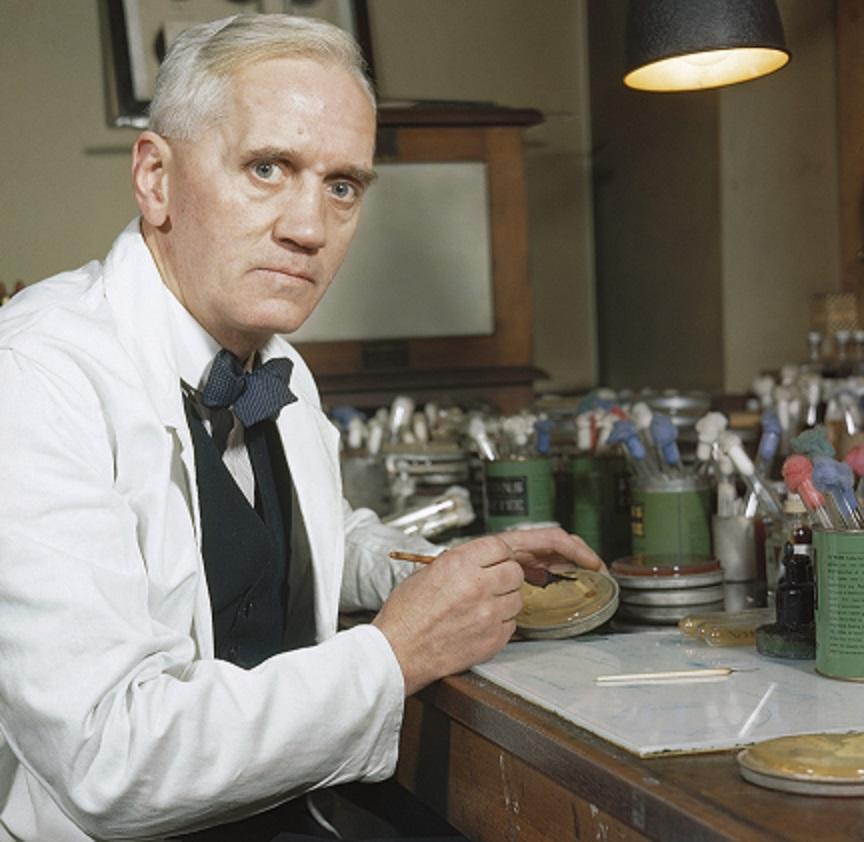
His father was already quite advanced in age when baby Alexander came along; he died when the boy was just seven years old.
Fleming attended the Loudoun Moor School, Darvel School, and later earned a two-year scholarship to Kilmarnock Academy.
He moved to London at the age of 20 and studied at the Royal Polytechnic Institution (now known as the University of Westminster).
After completing his studies, he worked in a shipping office for 4 years. Fleming's luck changed when, upon an uncle's death, he inherited a sum of money. His older brother, Tom (a physician himself), advised him to invest in himself and his future by studying medicine.
In 1903, he enrolled at St Mary's Hospital Medical School in London, studying medicine and qualifying with distinction in 1906. Two years later, he pursued a science degree in bacteriology, achieving a gold medal.
He then began working as an assistant bacteriologist under Sir Almroth Wright (a pioneer in vaccine therapy and immunology at St. Mary's) and lectured at St. Mary's until 1914, when he went to fight in the First World War as a captain in the Royal Army Medical Corps.2
🔍Early Scientific Contributions
Before Fleming discovered penicillin, he was already studying bacteria and wound infections extensively. During his battlefield service from 1914 to 1918, he worked as a bacteriologist in a makeshift lab in Boulogne, France.
While studying wound infections, he discovered that commonly used antiseptics (chemicals applied directly to the skin to treat bacterial infection) did not have a sufficiently beneficial effect on the body's immune system. 3
In 1917, Fleming detailed his experiments and conclusions in a Lancet article. While he found strong support in his mentor, Sir Wright, his thesis was mostly ignored by the majority of combat medics, who continued to treat their patients' wounds with antiseptics - even if doing so made their patients' conditions worse.
🔬 First Major Discovery Before Penicillin
When the war ended, he returned to Saint Mary, intending to focus on bacterial growth and how to curb it. One day, he accidentally sneezed, and drops of his nasal secretion fell into one of his Petri dishes. A few days later, he discovered the spot where his secretion had fallen had no bacterial growth at all.
He repeated the experiment with bacteria suspended in a yellow solution, with near-instant results. Minutes after adding his mucus, the coloured solution turned clear, again proving that the human body produces antibacterial agents, which he named LYSOZYM (lysoszyme).
He went on to test various fluids, including egg whites, to detect the presence of lysozymes. It is eventually proved that lysozymes are found in:
- Nasal mucus (from his cold)
- Tears (collected from colleagues using lemon juice)
- Saliva
- Blood
- Sputum
- Semen
- Egg white
Again, the medical community showed little interest in his discovery. Fun Fact: Marie Curie, the chemist who discovered both radium and polonium, also stumbled upon her discoveries.
🌟The Discovery of Penicillin
Despite the lack of interest in his findings (and his lab's untidiness), Dr Fleming continued to excel in his career as a brilliant bacteriologist.
In 1928, he was investigating Staphylococcus, a common type of bacteria that causes boils.
He inoculated several culture plates with this bacteria and left them on his table at the laboratory in St Mary's Hospital, London, before going on a holiday with his family.
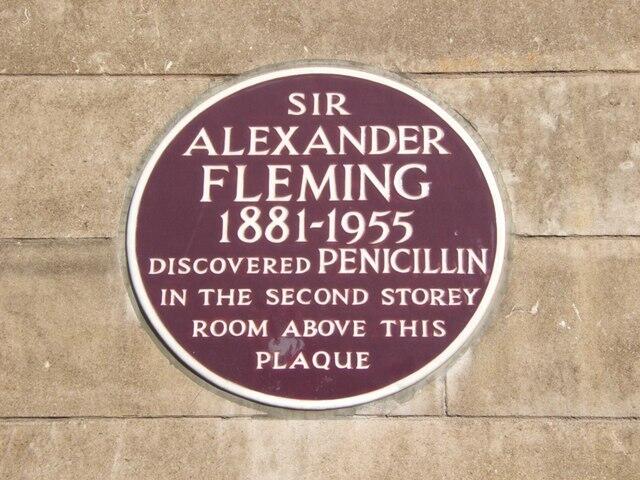
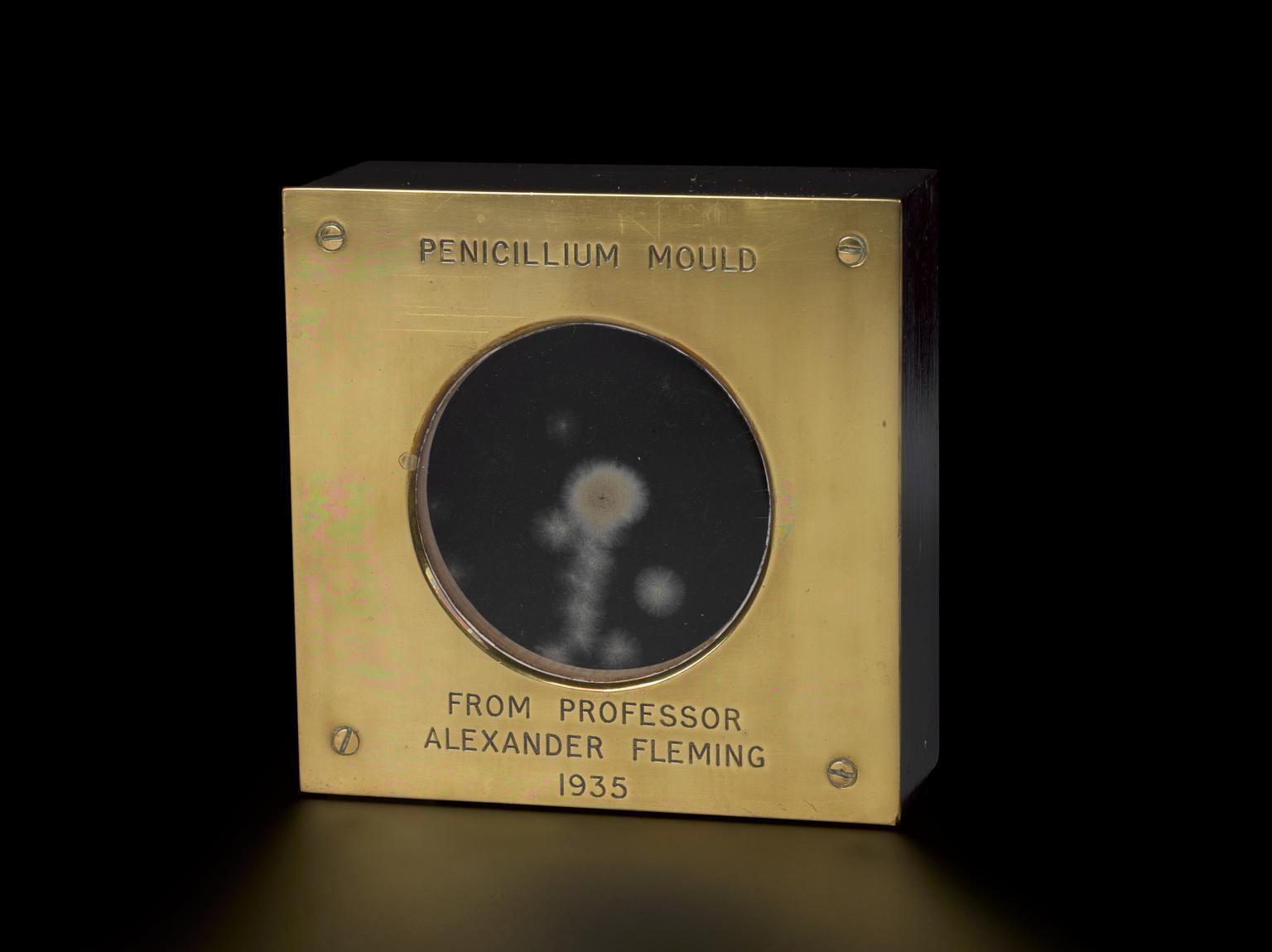
Upon his return two weeks later, he noted that one such plate was overrun by a fungus and, more importantly, the bacteria near that fungus were dead. What's amazing was that the bacterial colonies further from the fungus continued to thrive, which he famously thought was funny. 4
When I woke up just after dawn on September 28, 1928, I certainly didn't plan to revolutionize all medicine by discovering the world's first antibiotic, or bacteria killer, but I suppose that was exactly what I did.
Alexander Fleming
After showing the contamination to former assistant Merlin Pryce, he connected it to his earlier lysozyme experiments. Further research identified the mold as Penicillium and found it killed bacteria causing pneumonia, diphtheria, scarlet fever, and staph infections (Gram-positive bacteria), but not typhoid (Gram-negative).
In 1929, Fleming published his findings in the British Journal of Experimental Pathology, but it made little impact in the medical community.
Meanwhile, you might want to learn more about Rosalind Franklin, the scientist who discovered DNA.
💪Challenges and Development
While the discovery was astounding, the main challenge that Fleming faced was to purify penicillin from the mould. He sought the assistance of many chemists, but none were successful.
Penicillin contains the β-lactam ring, which makes it chemically fragile and vulnerable to Moisture, heat, acid and metal ions. At that time of his discovery, Fleming did not have the right biochemical tools and industrial support needed to isolate penicillin in a stable form, so that it could be kept alive for patients to actually use it. 5
10 years later, in 1939, a group of biochemists from Oxford, Howard Florey (head), Ernst Chain, Norman Heatley and Edward Abraham were studying the molecular structure of antibiotics and came up with the proper structure of penicillin.
With this newly gained knowledge, they adopted the pH-dependent solvent extraction to transfer the active ingredient back into water by changing acidity, producing enough for animal testing. However, the team still faced a major limitation: the slow production of penicillin, resulting in a shortage for immediate administration.
On 12 February 1941, Albert Alexander, a 43-year-old policeman, was the first human to be administered penicillin after developing a life-threatening, mixed bacterial sepsis. Due to the low supply of penicillin, the Oxford team had to source penicillin from Alexander's own urine. Eventually, he did not have enough penicillin to complete the treatment and died on 15 March 1941.
To scale up the production of penicillin, Florey and Heatley decided to go to the United States of America. In 1941, a team of researchers at Peoria, Illinois, successfully used deep fermentation tanks to make the purification of penicillin as efficient as possible.
By the end of 19451, large-scale production of penicillin was at full force when the US joined the Second World War to satisfy the demands of the Armed Forces of the United States, as well as their Allies. 6
💊Impact on Medicine
Penicillin's mass production in the US opened a new chapter in the antibiotics field and the pharmaceutical industry. Its first military use was during the North Africa campaign in 1943 to treat:
Wound infections
Pneumonia
Bacterial diseases
During World War II, penicillin played a significant role in reducing the mortality rate of soldiers by 15%, preventing amputations and increasing recovery time. 7
Not only that, the invention of penicillin has also led to the creation of over a hundred other antibiotics, improving the quality of human life.
Prior to penicillin and medical research, death was an everyday occurrence. It was intimate.
Katherine Dunn
💉Modern Medicine Use
Penicillin is often coined as the "wonder drug" due to its life-saving and cost-effective properties.
Today, it is used to treat various conditions.
| Medical Use | Specific Conditions | Effectiveness |
|---|---|---|
| Common infections | Ear infections, strep throat, urinary tract infections | Highly effective |
| Serious infections | Pneumonia, meningitis, syphilis | Life-saving |
| Surgery | Prevents post-operative infections | Standard practice |
| Weakened immune systems | Children, elderly, immunocompromised patients | Enables recovery |
| Cystic fibrosis | Aerosolized penicillin for lung infections | Modern delivery method |
| Ventilator-associated pneumonia | Aerosolized antibiotics | Modern delivery method |
🏆Awards and Recognitions
Chain, Florey and Fleming shared the 1945 Nobel Prize in Physiology or Medicine for the discovery of penicillin and its development.
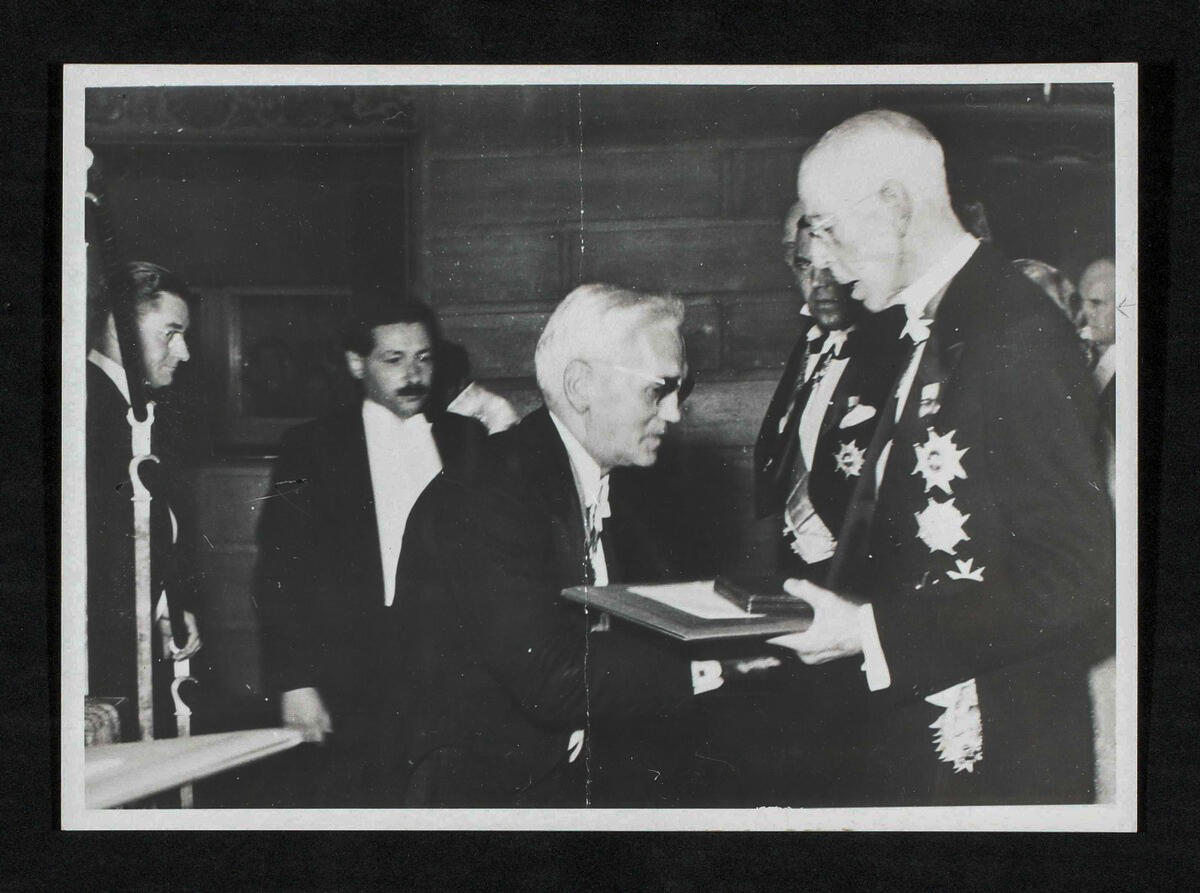
Other awards and recognition bestowed on Alexander Fleming include:
- Grand Cross of the Legion of Honour by the French government
- Grand Cross of the Order of the Phoenix by the Greek government
- Knight Grand Cross of the Order of Alfonso X the Wise by the Spanish government
- Knighted by King George VI
- Medal for Merit by the United States
- The Cameron Prize for Therapeutics of the University of Edinburgh (shared with Florey)
👨👩👦 Personal Life
In 1915, at the age of 34, Fleming married Sarah Marion McElroy, a trained nurse from Killala, County Mayo, Ireland. They had one son, Robert Fleming, who later followed his father's path into the medical profession. After Sarah died in 1949, Fleming married Amalia Koutsouri-Vourekas, a physician and colleague at St Mary's Hospital, in 1953.
He died on March 11th, 1955, and is buried in St. Paul’s Cathedral.
We hope this article has enlightened you on Alexander Fleming's discovery of penicillin and its significant impacts in modern medicine today.
References
- Chhabra, S., Taksande, A. B., & Munjewar, P. (2024). The Penicillin Pioneer: Alexander Fleming’s Journey to a Medical Breakthrough. Cureus, 16(7). https://doi.org/10.7759/cureus.65179
- The Nobel Prize. (2019). The Nobel Prize in Physiology or Medicine 1945. NobelPrize.org. https://www.nobelprize.org/prizes/medicine/1945/fleming/biographical/
- Alexander Fleming. (n.d.). Science History Institute. https://www.sciencehistory.org/education/scientific-biographies/alexander-fleming/
- Ghose, T. (2025, September 28). Science history: Alexander Fleming wakes up to funny mold in his petri dish, and accidentally discovers the first antibiotic — Sept. 28, 1928. Live Science. https://www.livescience.com/health/science-history-alexander-fleming-wakes-up-to-funny-mold-in-his-petri-dish-and-accidentally-discovers-the-first-antibiotic-sept-28-1928
- Dr. Abhinaya. K. (2026). Before Penicillin Could Cure Infections, Scientists Had to Stop It From Falling Apart. Medbound Times. https://doi.org/10.1016/S0140-6736(01)08728-12
- Science Museum. (2021, February 23). How Was Penicillin developed? Science Museum. https://www.sciencemuseum.org.uk/objects-and-stories/how-was-penicillin-developed
- Penicillin: The War-Time Miracle Drug That Saved Millions. (2025). Ibms.org. https://www.ibms.org/resource/penicillin-the-war-time-miracle-drug-that-saved-millions.html
Summarize with AI:
Did you like this article? Leave a rating!

 Loading...