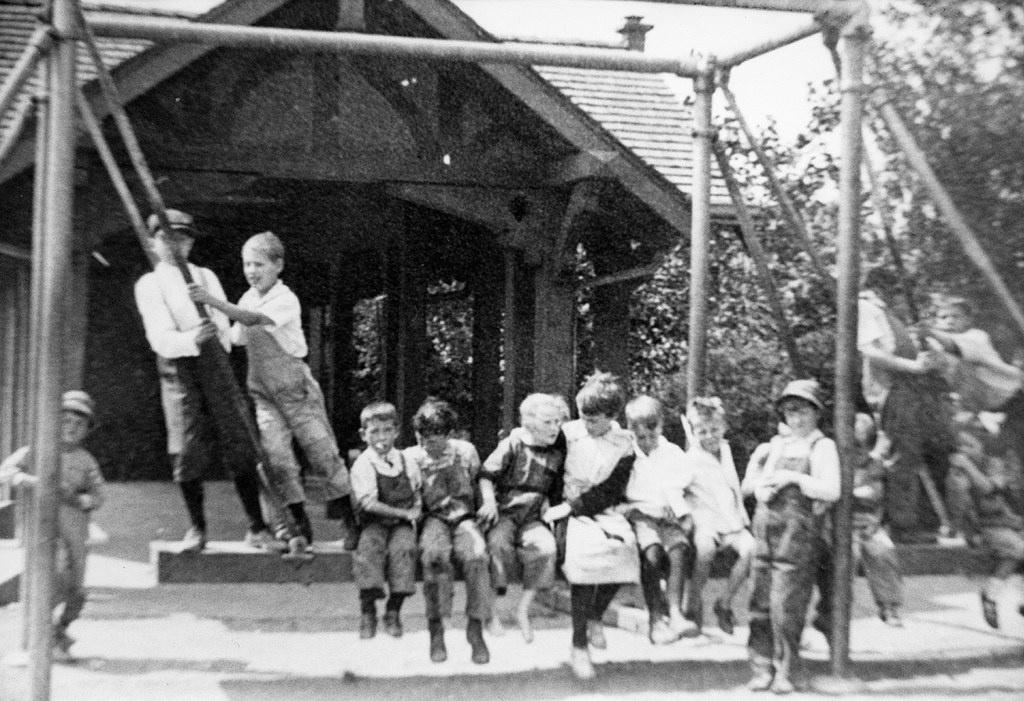

History is a very important subject, as it teaches us about the world, our country, our towns, and our communities and how these came to be what they are today.
Not only is it relevant to those who want to study or work in an environment that requires historical knowledge, but it is also very valuable for all to understand what our ancestors went through to make the life we live possible. That is why it is so important for children to know about their past as early as possible, so that they may grow in curiosity as they get older and show an interest in being one of the people or part of one of the movements in time that changes history for their descendants!
All children are budding historians, they just need a parent or educator to encourage them with their exploration and discovery of histories from the ancient world to the modern world.
While lessons in an educational institution's curriculum may be the most informative way of learning about the chronological history of the world, younger kids may need a different approach and narrative. Also, what better way to teach kids of all ages about how stuff works, like slavery, presidency, democracy, and heritage, than to cast aside the history textbooks and lesson plans for a moment and tell them in a brief and organized way about international and national history? You may miss out on some key facts that a history teacher wouldn't forget, but at least you are offering your little one the chance to gain perspective on a number of historical events before they start their History course at school.
You might find that learning activities like educational games on certain subjects of history help them appreciate the fun facts about civilization, as well as take on board the not-so-fun elements of the eras covered. Illustrated books might also be a good way of teaching them about important historical matters in a lighthearted way.
Find out about the best Guelph history courses here.



Why Teach Kids History Lessons?
Children, and adults for that matter, so often think that History is a useless lesson that teaches them about people they never knew and about wars that are totally irrelevant to them, but what they don't realise is that all of these historical events which they read about in their History books are linked to them and their personal history too!
Everything has a knock-on effect in life, almost like karma, but History is factual evidence of how one action can impact on the next. History is a bit like a series of 'what if?'s!
Learning history is more than just memorizing dates and events. It is discovering incredible stories that bring the past to life. Imagine history as a grand adventure where brave heroes, curious explorers, and ordinary people embark on journeys filled with obstacles and triumphs. Let's look at the importance of history to kids.
-
Bringing history to life through stories
Learning about history is like an incredible journey filled with exciting tales of brave people and extraordinary events. These stories make the past come alive, capturing children's imagination and turning historical figures into fascinating characters.
- Making friends with historical heroes
Imagine meeting explorers like Christopher Columbus or pioneers like Harriet Tubman through the pages of history.
These are not just names; they are friends who faced challenges, took risks, and changed the course of the world. Engaging narratives helps children connect with these heroes on a personal level, fostering a sense of empathy and understanding.
- Discovering different times and cultures
History is like a time machine that takes one to ancient civilizations, distant lands, and bygone eras. Through captivating stories, kids can visualize the daily lives of people from the past, witness groundbreaking discoveries, and experience the highs and lows of significant moments.
- Learning through adventure and lessons
History is not just a series of facts. It is a collection of adventures and valuable lessons. Engaging narratives provide a context for understanding why things happened, encouraging critical thinking skills. Children learn to analyze situations, understand cause and effect, and appreciate the multitude of perspectives that shape our world.
Take history courses here on Superprof.
Resources Answering History Questions for Kids
While children can learn a lot through film and TV, one of the best places to get factual information rather than fictional representations of History, remarkable figures, and life-changing events is in books or academic websites. Let's start with just some books that could teach and inspire your little ones.
The Best History Books for Kids
- Ages 5-18
Fantastically Great Women Who Made History
Kate Pankhurst
'Fantastically Great Women Who Made History' is the follow-up to Kate Pankhurst's 'Fantastically Great Women Who Changed the World', and looks at the stories, accomplishments, and adventures of many more brilliant women from throughout history.
Included are Harriet Tubman, Mary Shelley, Pocahontas, Ada Lovelace, plus many other remarkable women. The illustrated book offers engaging text and truly celebrates some of the inspirational women who put their mark on the world we live in.
Politics for Beginners
Alex Frith
What Happened When in the World
DK
Explorers Sticker Book
Fiona Watt
Frightful First World War
Terry Deary
World War II
DK
See Inside History of Britain
Rob Lloyd Jones
- Ages 9-12
World War I
DK
This history book offers a good amount of detailed information with equally good visual representations to enhance the text and help the reader understand many of the key aspects and battles of the Great War. The photographs and battle maps are in full colour, detailed and easy to follow. While no account of a war can be completely accurate, detailed and unbiased, this text highlights many facts that people don't know about this significant war.
World War II
DK
The National Archives: The Buildings That Made London
David Long
The Diary of Anne Frank (Abridged for young readers)
Anne Frank

Top 50 Kings and Queens
Terry Deary
100 Women Who Made History
DK
History Year by Year
DK
Rotten Romans
Terry Deary
As you can see from this selection of areas covered, the website offers a broad overview of both British and World History as well as details on ancient civilisations. Not only are the different topics covered in easy-to-understand language, but they also offer numerous opportunities for interactive learning with a range of games and activities to make use of.
This makes learning fun for all, whether you are doing a Year 5 History assignment with your child or looking at the pages as a fifteen-year-old trying to make sense of a specific period in history that has left you a bit baffled!
The Best History Websites for Kids
The National Geographic Kids website includes amazing facts about animals, Science, History, and Geography, along with fun competitions, games and more. When you delve further into the fascinating site, you'll find incredible "history facts from around the globe, from ancient civilisations like Ancient Egypt and incredible kingdoms to lost cities and gruesome legends", sure to whet the appetite of young historians!
Moreover, you can "discover bloody battles, mighty monarchs and fierce warriors and uncover incredible (and often horrible!) history facts that will wow your friends and family. Learn about awe-inspiring characters from our past, such as Queen Victoria and Henry VIII, life-changing world events like World War I and II, brush up on Britain’s rich and often bloody past and much, much more." Learn more about National Geographic Kids.
So, if you want to travel back in time and learn about the true heroes and villains in British and World History, look at some of their popular, featured articles.
- Kids past
This fun and colourful website encourages young learners to explore history in order to fully comprehend how we are who we are today. By focusing on those who have come and gone before us, the important things they did and the events they were involved in, the creators of this website make discovering the past quite a uniquely fun experience.

The topics are broken down into the following categories:
- World History
- Historical Quotes
- History Music
- Games
- Worksheets
- Videos
As you can clearly see, the focus of this website is on user-friendliness and interactivity to ensure that your kids never get bored of learning and keep wanting to return to learn even more.
Check for a good history lesson for your kids here.
World History Facts to Talk to Your Children About
Exploring world history focusing on significant 20th-century events gives children a window into the challenges, triumphs, and lessons that have shaped our global community.
By navigating through the complexities of wars and periods of peace, we equip children with a broader understanding of how historical events continue to impact the world they live in today. Below are some of the war facts to talk to kids about.
World War I: The Great War's Impact on the World
Guide your children through the complexities of World War I, explaining the causes and consequences of this global conflict. Share stories of bravery, resilience, and the lessons learned from the war to end all wars. Discuss how it reshaped borders, politics, and alliances, laying the groundwork for future historical events.
World War II: Heroes, Sacrifices, and Triumph over Tyranny
Explore the monumental events of World War II, from the rise of dictators to the courage of Allied forces. Share stories of individuals like Anne Frank, Winston Churchill, and the soldiers who fought for freedom. Discuss the significance of the war's outcome and its lasting impact on the world, emphasizing the importance of peace and unity.
The Cold War: Navigating Tensions in a Divided World
Break down the complexities of the Cold War, illustrating the ideological and political struggles between the United States and the Soviet Union. Share stories of the Cuban Missile Crisis, the Space Race, and the everyday lives of people during this era. Emphasize the importance of diplomacy, cooperation, and the eventual end of the Cold War.
Post-Cold War Era: Shaping the Modern World
Discuss the aftermath of the Cold War and its influence on contemporary geopolitics. Explore the fall of the Berlin Wall, the reunification of Germany, and the emergence of new nations.
Share stories of significant events, such as the dissolution of the Soviet Union and the growth of globalization, helping children understand the interconnectedness of today's world.
Immigration
Immigration may not seem like a huge historical event, but it is yet another story dominating the news lately. It's important to note, however, that our history with immigration is not new.
A labour shortage after WWII sparked mass immigration that would transform Britain. It started with an influx of immigrants from the Commonwealth, then the fall of the Iron Curtain, and those fleeing from dangerous leadership regimes across the world. You may want to teach your offspring about The Windrush, which arrived in Britain in June 1948.
Get history courses online here.
The Holocaust
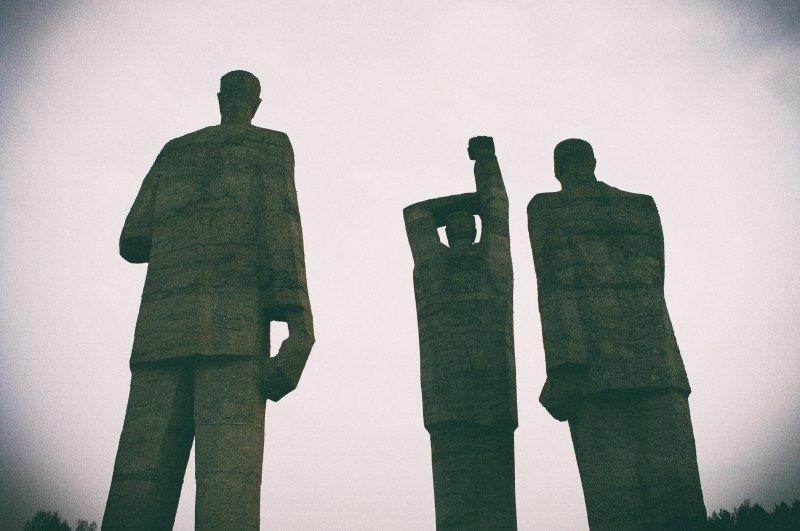
Finally, exposing kids to the genocide of 6 million men, women, and children isn’t for the faint of heart, so teaching children about this time in history should ideally end with a message of hope.
There are a number of books that can also help make the understanding of this period a bit easier, but remember that even reading about the Holocaust is challenging, so expect to have lots of questions thrown at you. That said, watching images on a screen is even more difficult. For that reason, films surrounding the Holocaust should really be kept until kids are older, as images are no doubt very distressing and can be haunting.
Unraveling the Threads of Historic Events
Unraveling the threads of historical events involves exploring key moments that have shaped our world. By examining moon landings, the fall of the Berlin Wall, treaty signings, and civil rights movements, children gain insight into the interconnected nature of history.
The Moon Landing: Humanity's Giant Leap
Take your children on a celestial journey as you unravel the historic Apollo 11 mission. Share the excitement of the first human steps on the moon and the technological marvels that made it possible. Discuss the impact of this event on science, technology, and global unity, inspiring future generations to dream big.
The Fall of the Berlin Wall: Breaking Down Barriers
Explore the significance of the fall of the Berlin Wall in 1989, symbolizing the end of the Cold War. Help children understand the division of East and West Berlin, the struggles of people separated by the wall, and the joyous reunification that followed. Also, discuss the importance of freedom and unity in shaping a more interconnected world.
Treaty Signings: Paving the Path to Peace
Break down the complexities of historical treaties that shaped the course of nations. Discuss treaties like the Treaty of Versailles after World War I, examining their terms, consequences, and impact on global relations. Highlight the role of diplomacy in preventing conflicts and building a foundation for international cooperation.
Other Resources Answering History Questions for Kids
Resources answering history questions for kids extend beyond textbooks. Interactive websites. By tapping into the resources highlighted in this section, children can embark on a captivating journey through history that aligns with their interests and learning preferences.
- Interactive websites for young explorers
Introduce your children to engaging history websites designed just for them. Platforms like "History for Kids" and "Ducksters" offer interactive content, quizzes, and games that make learning history an exciting adventure. These sites simplify complex topics, ensuring children can explore independently while having fun.
- Educational videos: bringing history to life
Explore the world of educational videos that transform history into captivating stories. Platforms like "Crash Course Kids" and "National Geographic Kids" provide visually appealing content that explains historical events and entertainingly. These videos turn learning into a multimedia experience, making it easier for kids to absorb information.
- Kid-friendly history books
Visit your local library to discover a wealth of history books tailored for young readers. Look for titles like the "Who Was?" series, which explores the lives of historical figures, or "Eyewitness Books" that combine visuals and concise text to make historical topics accessible. These books provide a tangible and immersive way for children to explore the past.
- Ask-a-librarian services
Librarians are valuable resources for answering kids' history questions. Many libraries offer "ask-a-librarian" services where children can seek assistance finding age-appropriate books or receive guidance on conducting research. Librarians can recommend books that align with children's interests, making the learning experience more enjoyable.
- Interactive apps for history exploration
Harness the power of educational apps to turn history into a hands-on experience. Apps like "Timeline World War 2" or "Stack the States" offer interactive features, quizzes, and games that make learning history enjoyable and accessible on various devices. These apps cater to different learning styles, ensuring a dynamic and engaging educational experience.
- Kid-friendly museum exhibits
Take advantage of museums with exhibits designed for young learners. Many museums feature dedicated sections or interactive exhibits specifically crafted for children. These exhibits provide a sensory-rich environment that encourages exploration and hands-on learning.
- Virtual museum tours
Explore the world of virtual museum tours to bring history directly to your home. Platforms like Google Arts & Culture offer virtual tours of renowned museums worldwide. This allows children to explore artefacts, historical sites, and exhibits from the comfort of their own space, making history more accessible and visually stimulating.
If you're looking for another way to teach history to kids, read our article using fictional TV characters to teach history to kids.
Another important topic for your child is Roman history.
Summarize with AI:
Did you like this article? Leave a rating!


 Loading...